12 Chili Copycat Recipes Failing Every Taste Test

Copycat chili sounds like an easy win. The name promises comfort and familiar restaurant flavor recreated at home. In reality, chili is less forgiving than it appears, and small changes quietly strip away what made the original work.
Most copycat recipes miss how controlled restaurant chili really is. Texture, spice level, meat grind, and hold time are carefully balanced. Push even one element too far, and the chili turns thicker, heavier, or louder than intended.
The result is not bad chili, just the wrong one. These recipes fail taste tests because they misunderstand the purpose. Some chilies are toppings, some are built to hold, and others are meant to stay mild. Ignore that, and the copycat collapses.
1. Wendy’s Chili Copycat
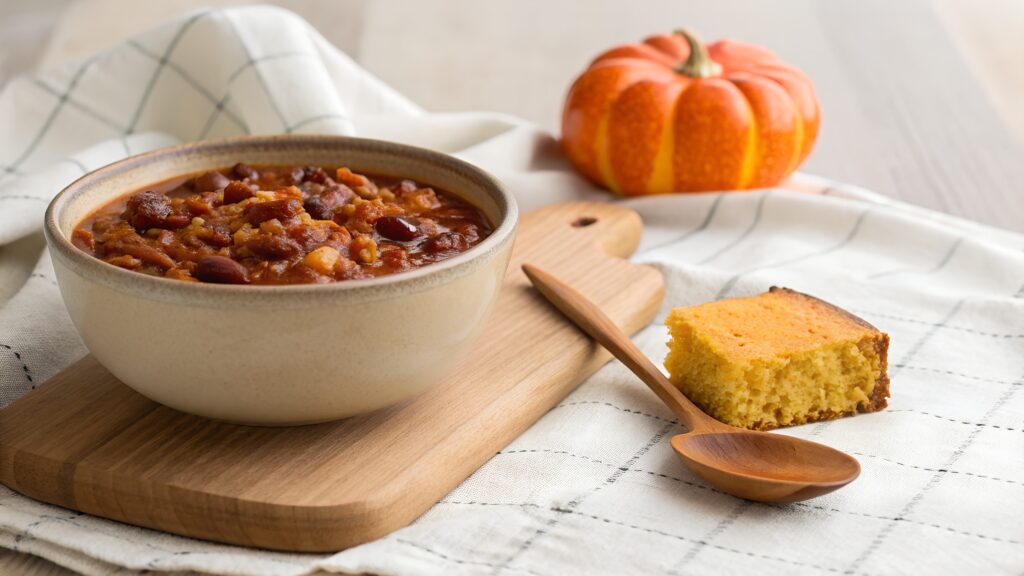
Wendy’s chili uses a shortcut most home cooks skip. The beef comes from pre-cooked, seasoned burger patties, giving it a firmer texture and deeper flavor. Copycats usually start with raw ground beef, which changes both taste and mouthfeel right away.
Balance is another problem. Wendy’s chili is mild, with a thin tomato base and clearly defined beans. Homemade versions often add too many spices or cook too long, turning it thick and stew-like instead of loose.
Holding time matters too. Wendy’s chili stays stable as it sits, while copycats thicken or separate, becoming heavier and less clean than the original.
2. Chili’s Texas-Style Chili Copycat
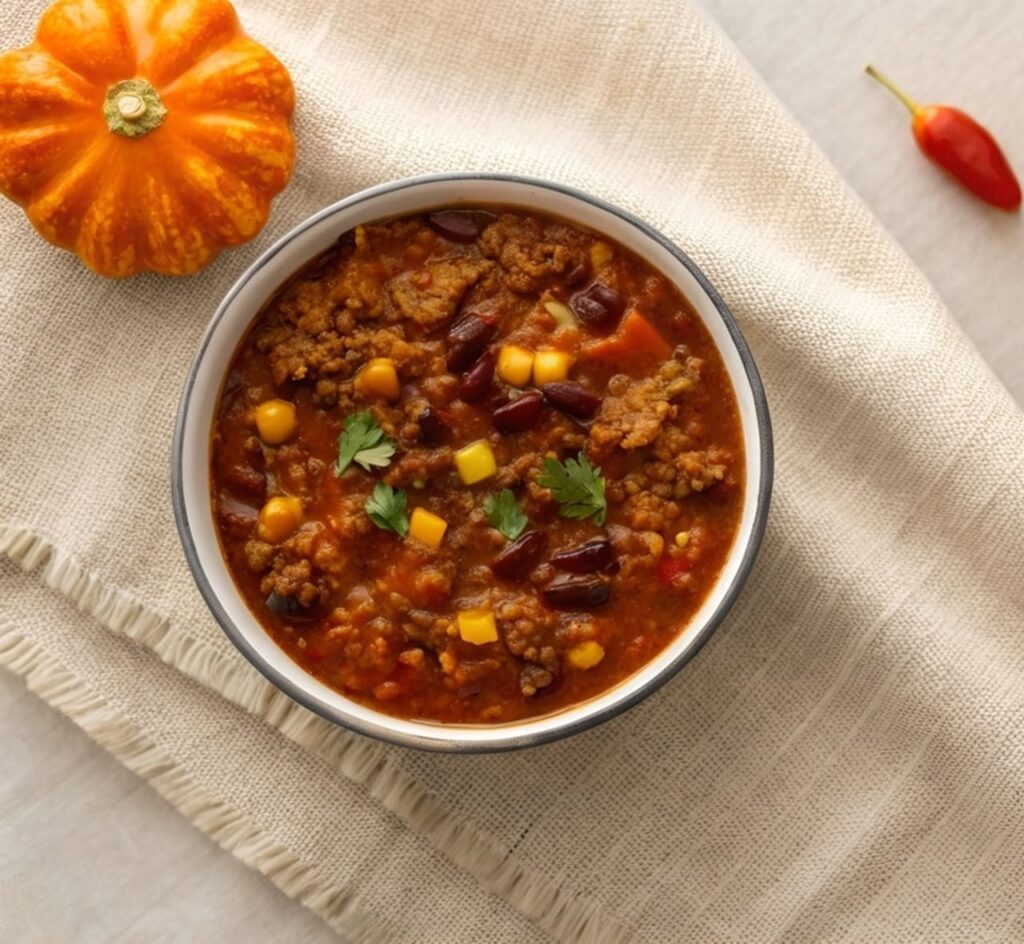
Chili’s Texas-style chili is about consistency, not intensity. The flavor stays smooth and restrained, with spices blended quietly into the background. Most copycats miss this by pushing cumin, chili powder, or garlic too hard, which instantly changes the character of the dish.
Texture is tightly controlled in the restaurant version. The beef is finely ground and evenly suspended, creating a uniform bite from top to bottom. Home versions often leave the meat chunky or reduce the liquid too much, creating an aggressive, heavy texture.
The real chili is meant to be predictable and mild enough for broad appeal. Copycats that chase boldness end up with something louder, thicker, and far less recognizable than what Chili’s actually serves.
3. Skyline Chili Copycat
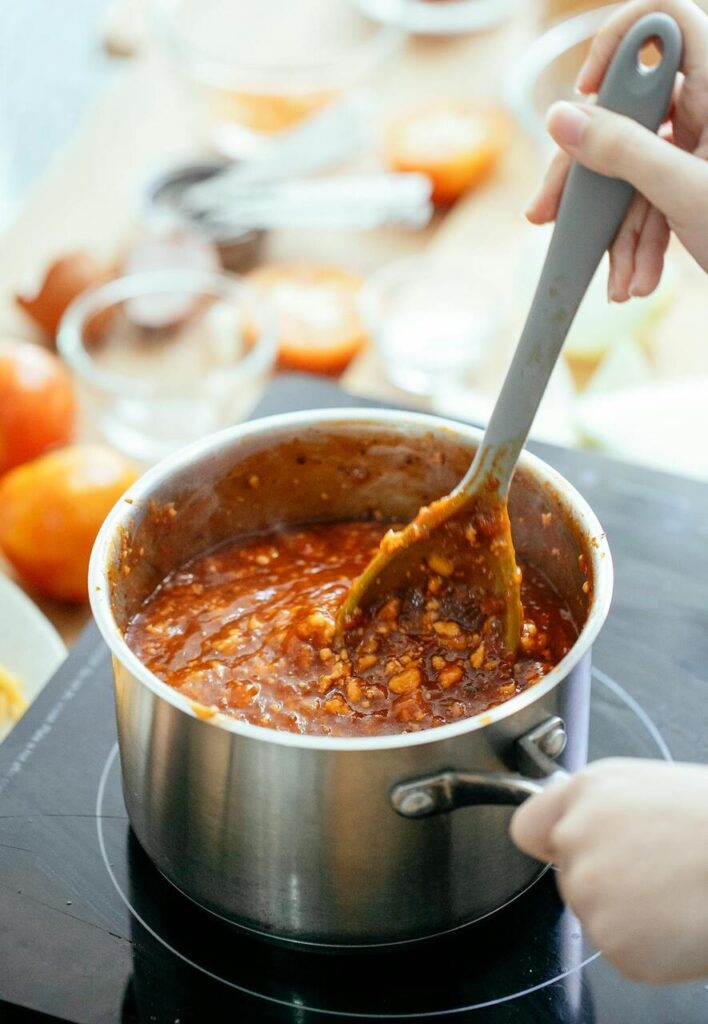
Skyline chili fails at home because most recipes refuse to commit. It is not traditional chili but a spiced meat sauce with a thin body and finely ground beef. The texture should feel loose, almost fluid, not hearty or chunky.
Spices are another hurdle. Cinnamon, allspice, and clove are essential, yet many copycats dilute or soften them out of caution. That hesitation strips away the signature aroma that defines Skyline’s identity.
When the sauce is thickened or the spices muted, the result becomes familiar and safe. Skyline chili is neither. Missing that tension turns the copycat into a generic meat sauce instead of the sharply defined original.
4. Taco Bell Chili Copycat
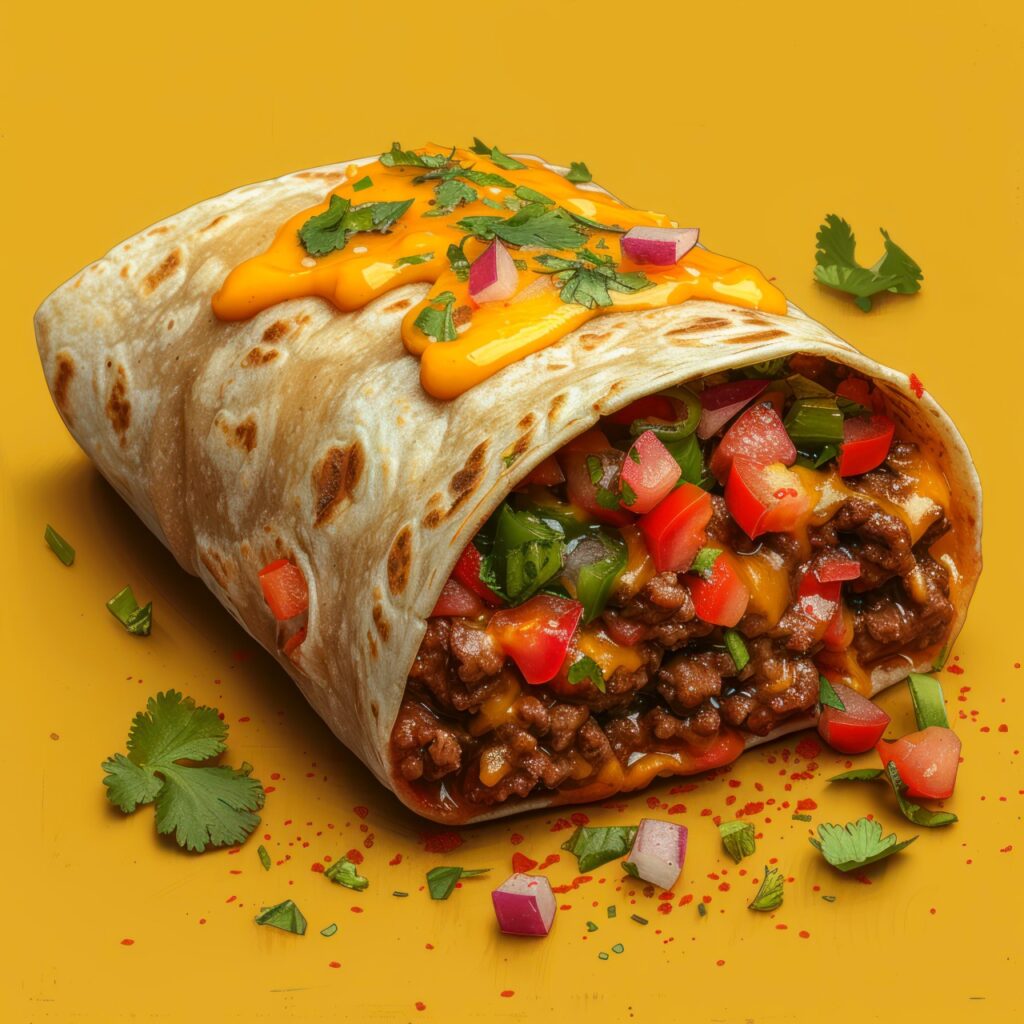
Taco Bell chili is engineered, not cooked traditionally. The beef is ultra-fine, nearly paste-like, designed to blend seamlessly into the sauce. Copycats usually start with standard ground beef, which immediately creates a texture mismatch.
Seasoning control is equally precise. The chili is savory but muted, built to support toppings rather than compete with them. Home versions often add too much spice or tomato, pushing the flavor beyond what Taco Bell intends.
The original also holds its texture over time. Copycats tend to thicken or separate as they sit. Even when the flavor seems close, the structure gives it away within minutes.
5. Hardee’s Chili Copycat
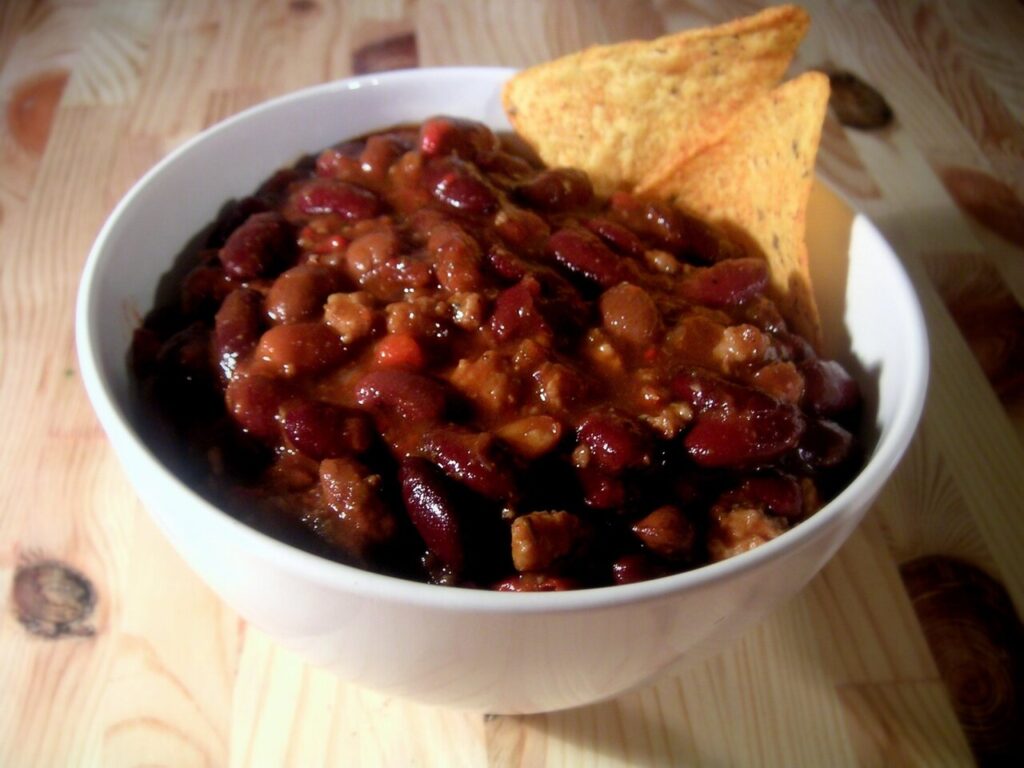
Hardee’s chili is engineered to function as a topping, not a standalone bowl. It is thin, salty, and intentionally restrained so it can melt into hot dogs and burgers without overpowering them. The flavor is meant to support, not lead.
Copycats usually fail by treating it like a full-bodied chili. Extra beans, thicker texture, or stronger spices immediately disrupt its role. Instead of flowing, the chili sits heavy and competes with what it is supposed to enhance.
When complexity is added, the chili becomes less useful. It may taste fine on its own, but it no longer behaves like Hardee’s chili. That functional mismatch is why most copycats miss the mark.
6. Tim Hortons Chili Copycat
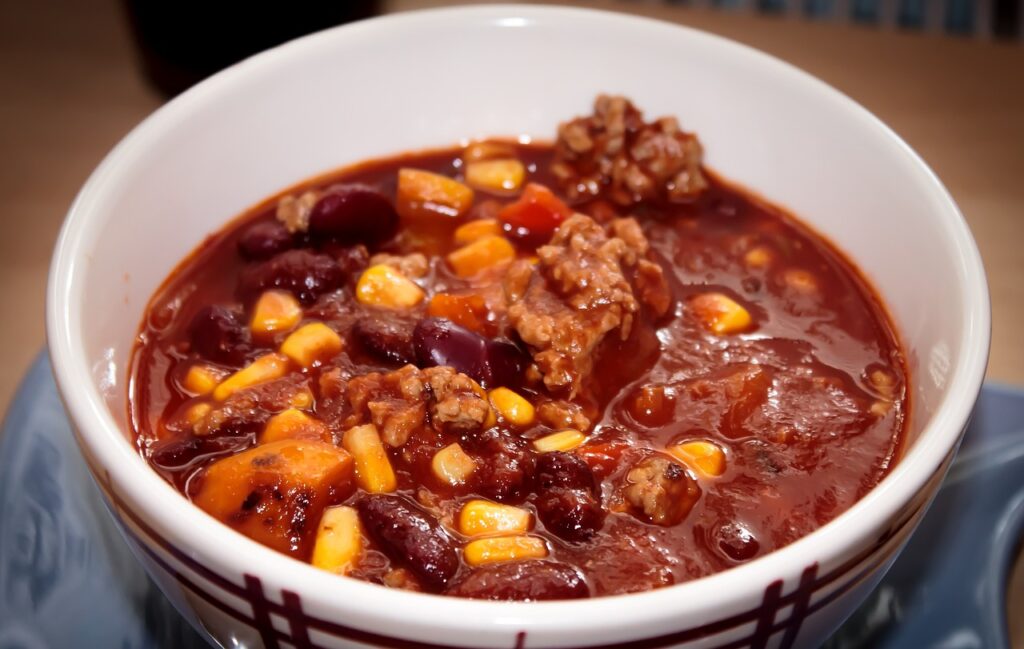
Tim Hortons chili succeeds by staying neutral and dependable. It features visible vegetables, a light tomato broth, and mild seasoning designed for comfort rather than excitement. The flavor is calm and predictable.
Copycats often over-simmer, breaking down vegetables until the chili turns muddy. Texture suffers first, followed by flavor clarity. What should feel fresh and distinct becomes dull and blended.
Seasoning is another frequent mistake. The original keeps the heat low and the balance steady. When copycats push spice or richness, they lose the quiet reliability that defines Tim Hortons chili.
7. Steak ’n Shake Chili Copycat
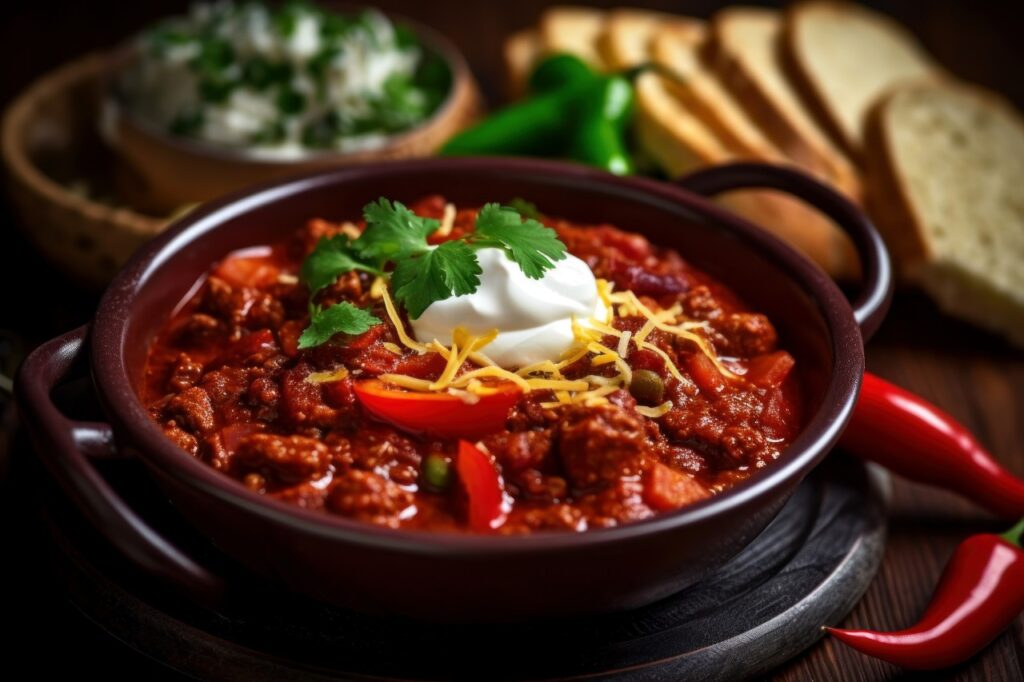
Steak ’n Shake chili is designed to be light, smooth, and easy to eat. The beef is finely crumbled, the beans are tender, and the sauce stays thin enough to flow easily. It is meant to be spoonable without feeling heavy or filling, closer to a topping than a main dish.
Copycats often miss this restraint by cooking the chili too long. Extended simmering thickens the sauce and concentrates seasoning. What should feel mild and balanced turns dense, salty, and far more aggressive than intended.
The original works because it stays subtle from start to finish. When copycats chase richness or depth, they drift into comfort-chili territory. That shift erases the diner-style simplicity that makes Steak ’n Shake chili recognizable.
8. Panera Bread Turkey Chili Copycat
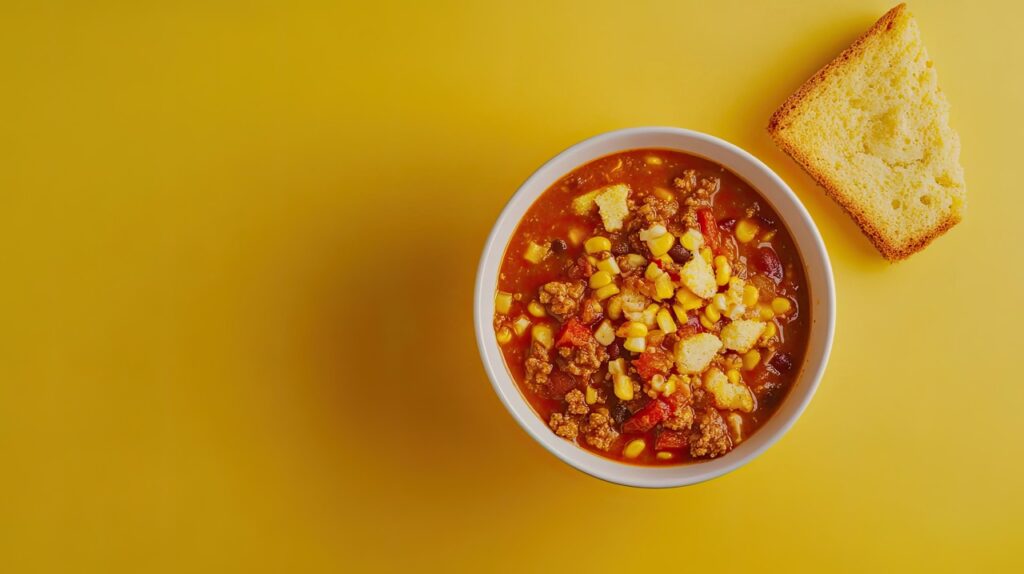
Panera’s turkey chili is built around clarity and balance. The turkey remains moist, the beans keep their shape, and vegetables stay distinct. The flavor profile is gentle and clean, designed to feel lighter than traditional beef chili.
Copycats frequently overcook the turkey, which dries out quickly due to its low fat content. Once dry, the meat absorbs seasoning unevenly and develops a chalky texture that disrupts the smooth consistency.
Seasoning also tends to drift. Added smoke or heat overwhelms the mild protein. Instead of fresh comfort, copycats deliver a heavier, sharper chili that feels tiring after a few bites.
9. Culver’s Chili Copycat
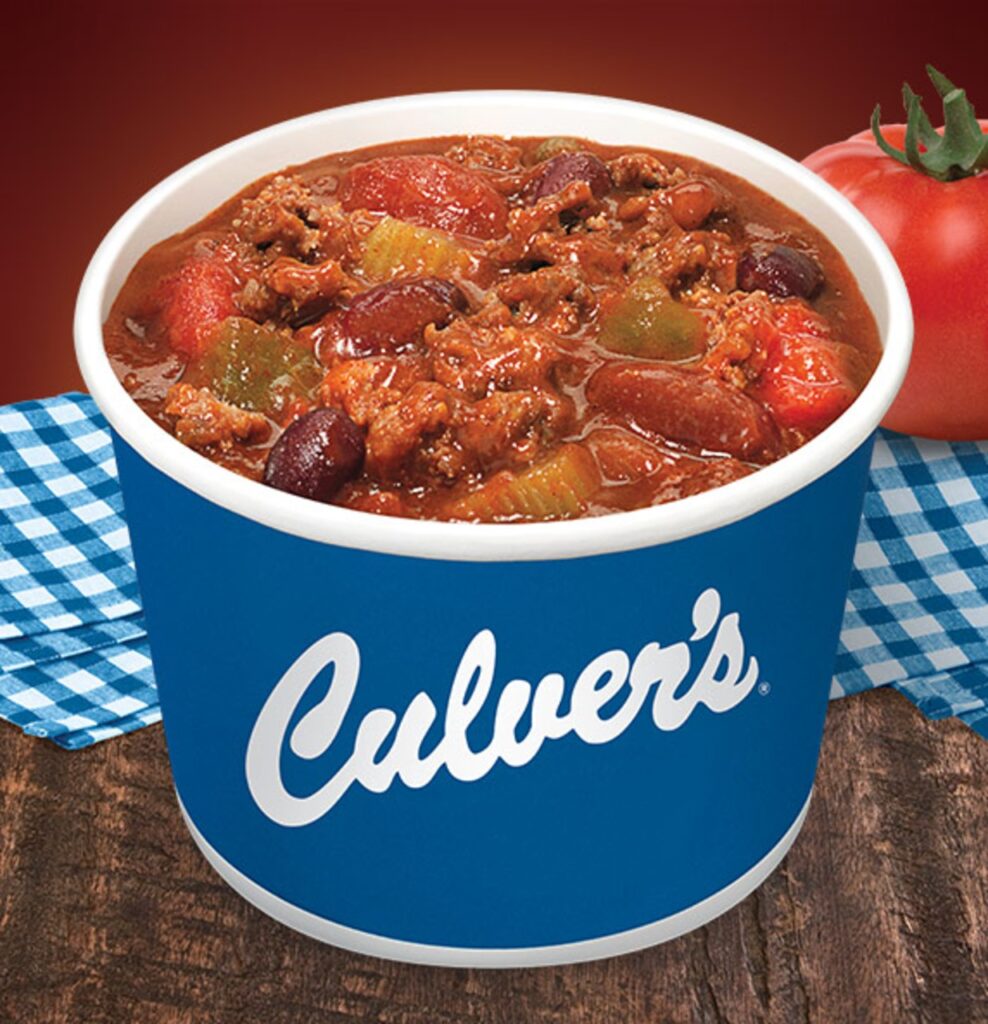
Culver’s chili is intentionally modest and familiar. It is bean-forward, mildly seasoned, and evenly textured, designed to appeal broadly rather than stand out. The flavor stays steady and predictable from first bite to last.
Copycats often try to elevate it by thickening the sauce or increasing spice levels. Reduction removes balance, and seasoning shifts from supportive to dominant, changing the character entirely.
What should feel cafeteria-style and dependable becomes overly rich and distracting. That loss of simplicity strips away what defines Culver’s chili and explains why most copycats fall short.
10. Sonic Drive-In Chili Copycat
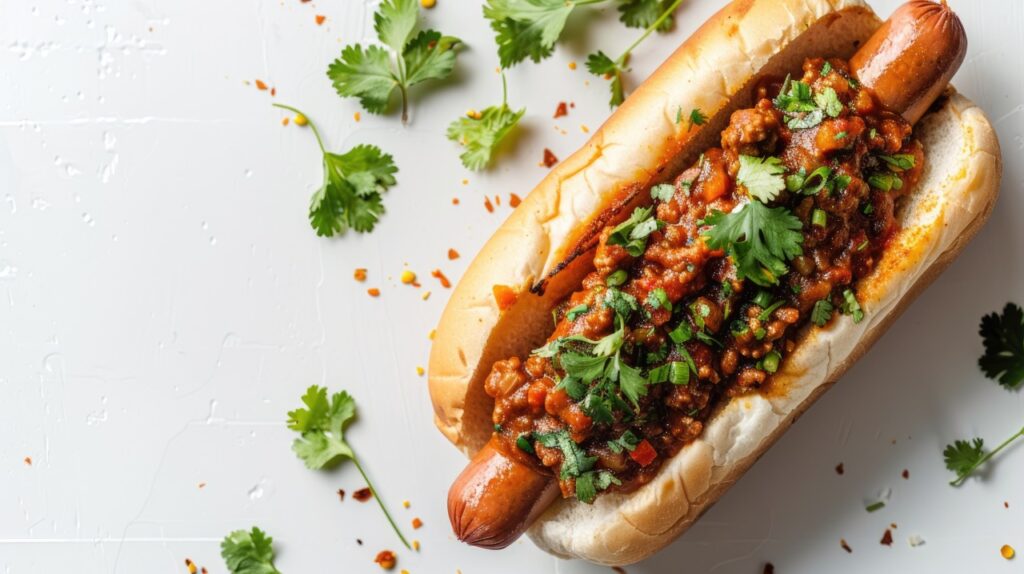
Sonic chili is built to behave, not impress. It is thin, smooth, and salty so it can spread evenly across fries and hot dogs without clumping or sliding off. The goal is coverage, not complexity, which is why texture matters more than bold flavor.
Copycats usually ignore that purpose. Using standard ground beef or whole beans adds bulk that disrupts flow. Instead of coating evenly, the chili piles up and shifts, breaking its role as a functional topping rather than a standalone dish.
Even when seasoning is close, texture reveals the failure immediately. Sonic chili works because it blends into the food beneath it and almost disappears. Most copycats stay too chunky, too thick, and too independent to truly replicate that effect.
11. Portillo’s Chili Copycat
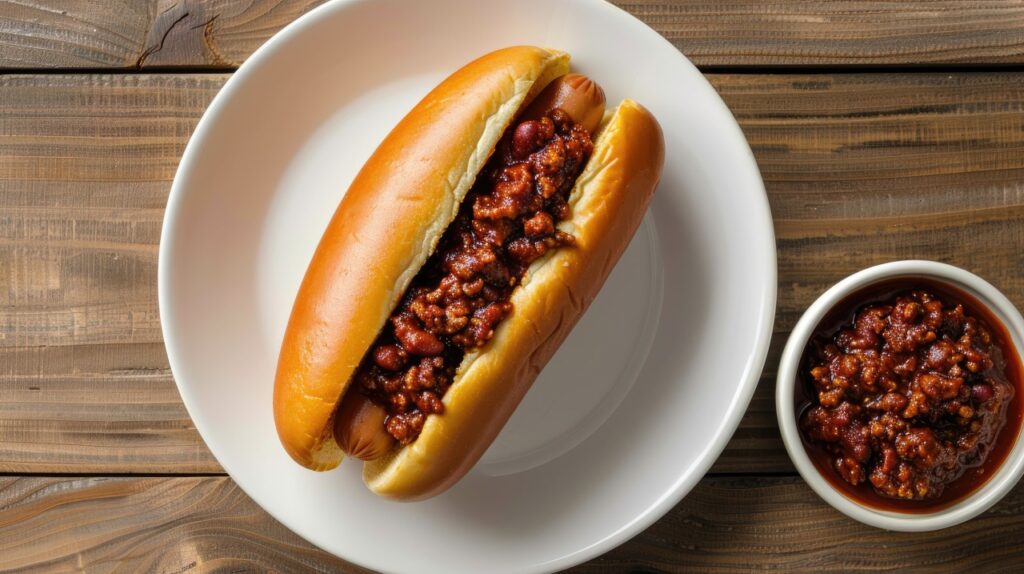
Portillo’s chili succeeds through restraint. The sauce is smooth, beef-forward, and slightly thick without feeling heavy. It is designed to support hot dogs and sandwiches, adding richness without overpowering what it is paired with.
Copycats often push tomato, spice, or simmer time too far. Extended reduction concentrates flavors until bitterness and sharp acidity replace the clean depth of the original. What should feel balanced turns harsh and dominant.
The real chili stays controlled even after holding. When copycats chase intensity instead of balance, they overwhelm the dish’s supporting role. That loss of restraint is what separates Portillo’s chili from most home attempts.
12. Costco Food Court Chili Copycat
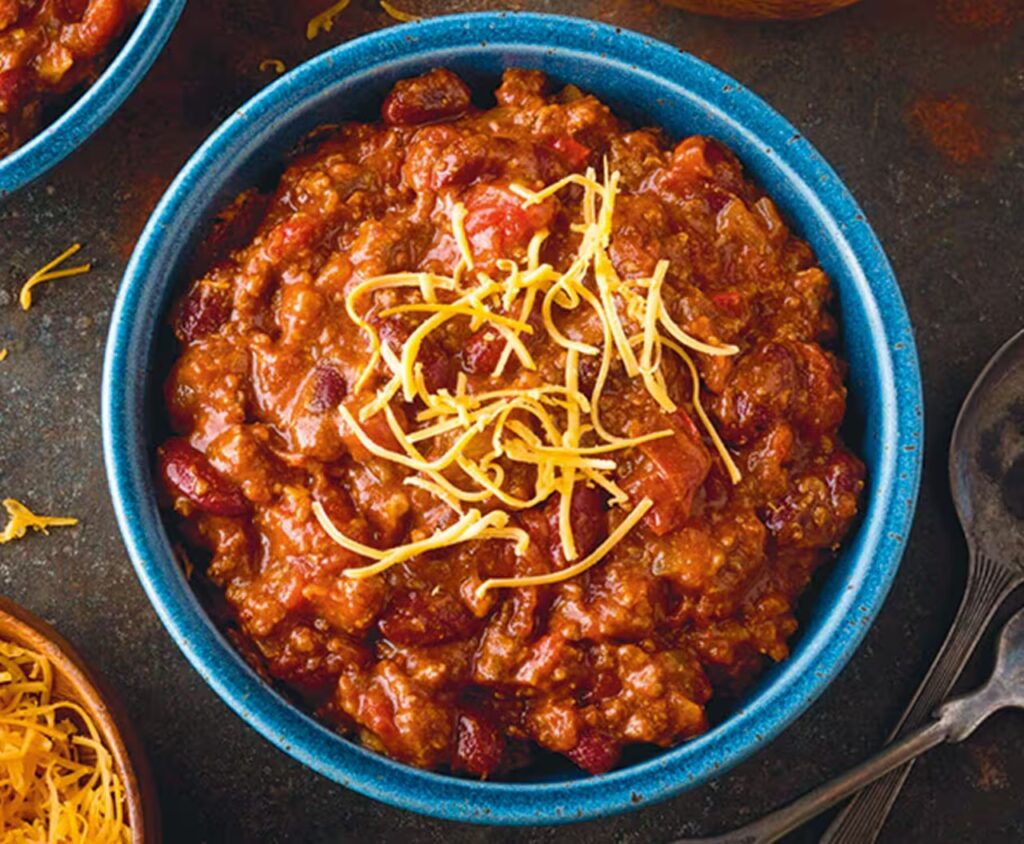
Costco food court chili is engineered for consistency at scale. It is mild, evenly textured, and designed to hold for long periods without separating, thickening, or shifting flavor. Stability is a core feature, not an afterthought.
Copycats rarely account for this. Small-batch cooking causes beans to soften too much and beef to dry out as the chili sits. Seasoning sharpens over time, changing the taste with each passing hour.
What should remain steady becomes uneven. The copycat may taste right at first, but it fails to deliver the predictable reliability that defines Costco’s chili and keeps it consistent from ladle to last bite.