8 Restaurant Plating Tricks That Make Portions Look Bigger Than They Are

We eat with our eyes first, and restaurants know it. Long before you take a bite, your brain has already decided whether a portion feels generous or skimpy based on shape, color, spacing, and even the size of the plate. That’s why a modest scoop of pasta can look hearty in one setting and oddly small in another. Chefs lean on smart plating techniques to stretch perception without adding ingredients. From vertical stacks to clever use of space, these visual tricks make dishes feel fuller, richer, and more satisfying. Once you spot them, you’ll notice them everywhere, from fine dining spots to casual cafés.
1. Vertical Stacking Turns a Modest Portion Into a Tower That Feels Generous
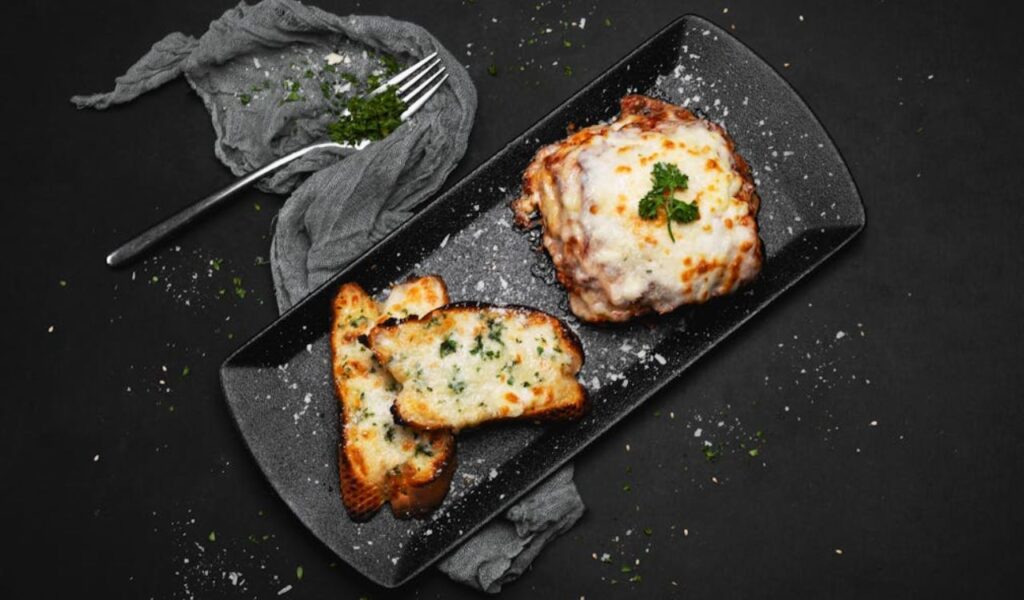
Here’s the thing. Our eyes read height as volume. When chefs build food upward instead of spreading it flat, the brain assumes there’s more on the plate. A four-ounce protein can look substantial when it’s perched on grains, vegetables, or a puree rather than sitting alone. Ring molds, careful layering, and leaning components against each other create that lift without adding ingredients. Fine dining kitchens rely on this because it adds drama and makes the plate feel worth the price. It also keeps flavors tighter and warmer since everything is stacked together. The portion hasn’t changed, but visually it feels fuller and more intentional, which is often enough to satisfy perception.
2. Empty Space Makes Food Look Intentional and Therefore Bigger
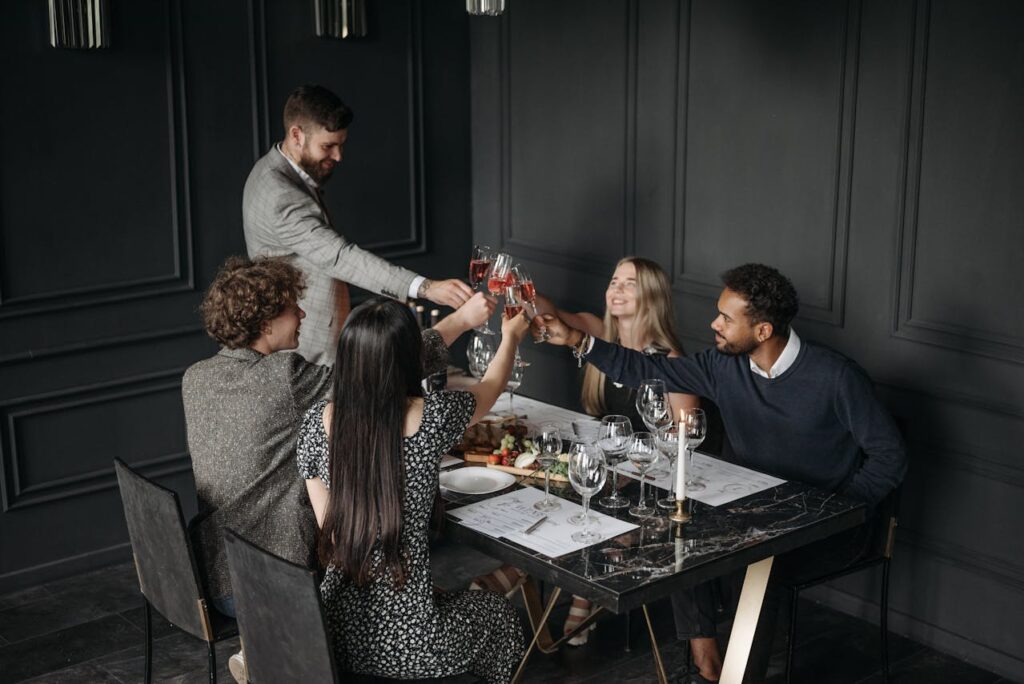
A crowded plate looks messy and small. A clean plate with breathing room feels curated and abundant. That sounds backward, but psychology explains it. When food is packed edge-to-edge, each bite competes for attention. When it’s framed by space, each component stands out and looks deliberate. Chefs call this negative space, and it works like a picture frame. Your focus narrows to the food, which appears more important and, oddly, more generous. It also prevents visual clutter that can make portions look skimpy. This approach is common in modern restaurants where simplicity signals quality. Less noise around the food makes what’s there seem like plenty.
3. Smaller Plates Quietly Trick the Brain Into Thinking You Got More
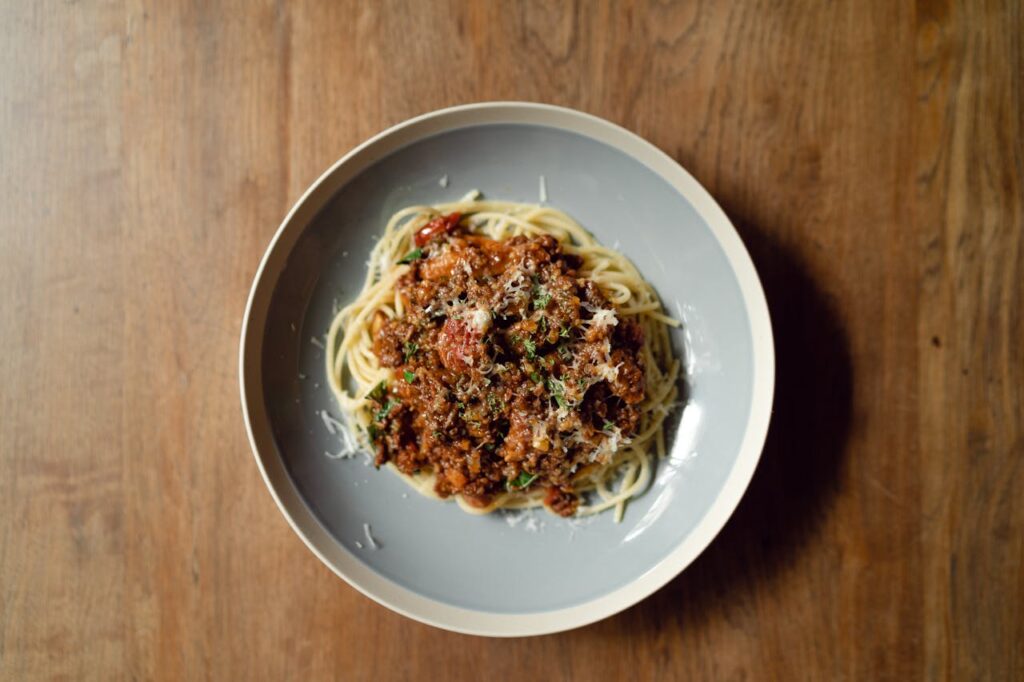
Plate size changes perception more than most people realize. Studies on portion control show that the same amount of food looks significantly larger on a smaller dish. Restaurants use this to their advantage. A moderate scoop of risotto can seem generous when it nearly fills a compact bowl, while the identical scoop looks lost on a wide platter. The rim acts like a boundary that tells your brain how much space should be filled. Once that space is mostly covered, you register abundance. It’s simple math disguised as design. Less ceramic, more perceived food. That’s why bistros and tasting menus often favor tighter, smaller plates.
4. Sauce Smears and Streaks Stretch the Plate Without Adding Calories
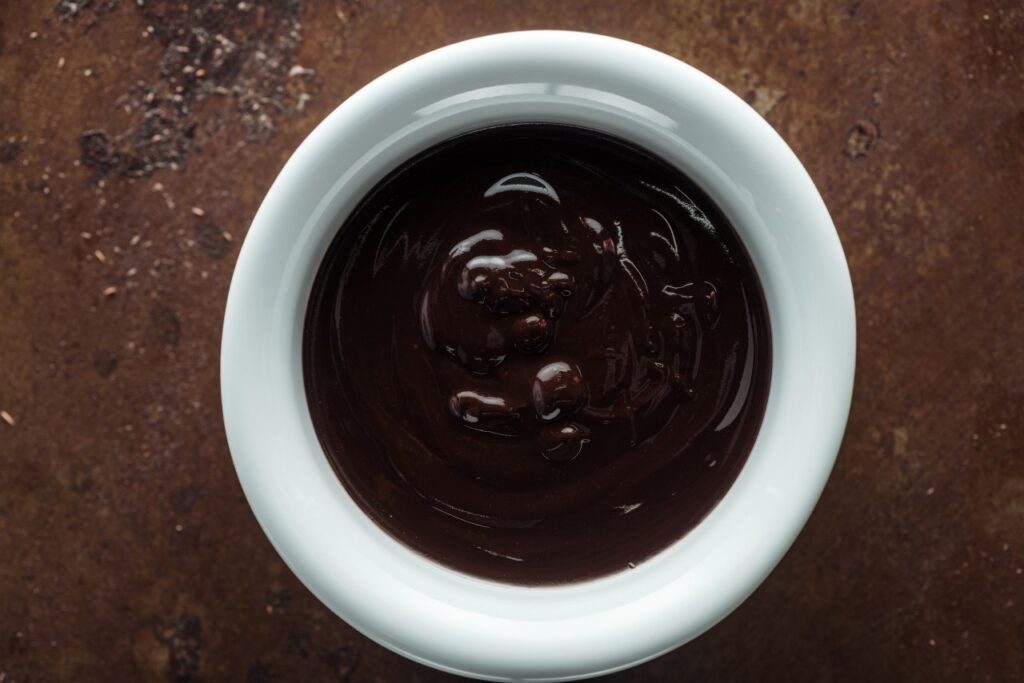
A tablespoon of sauce can cover half a plate if it’s dragged into a streak or brushed into a wide smear. That’s the trick. Instead of pooling sauce under the food, chefs spread it out to create motion and width. Visually, it looks like more is happening on the plate, which suggests a bigger portion overall. These lines guide your eyes across the dish and make it feel expansive. It also keeps flavors controlled because the sauce is thinly distributed rather than heavy. You get the look of abundance with very little extra food. It’s part art, part efficiency, and it instantly upgrades how substantial a dish appears.
5. Layering Textures Builds Visual Bulk Without Extra Ingredients
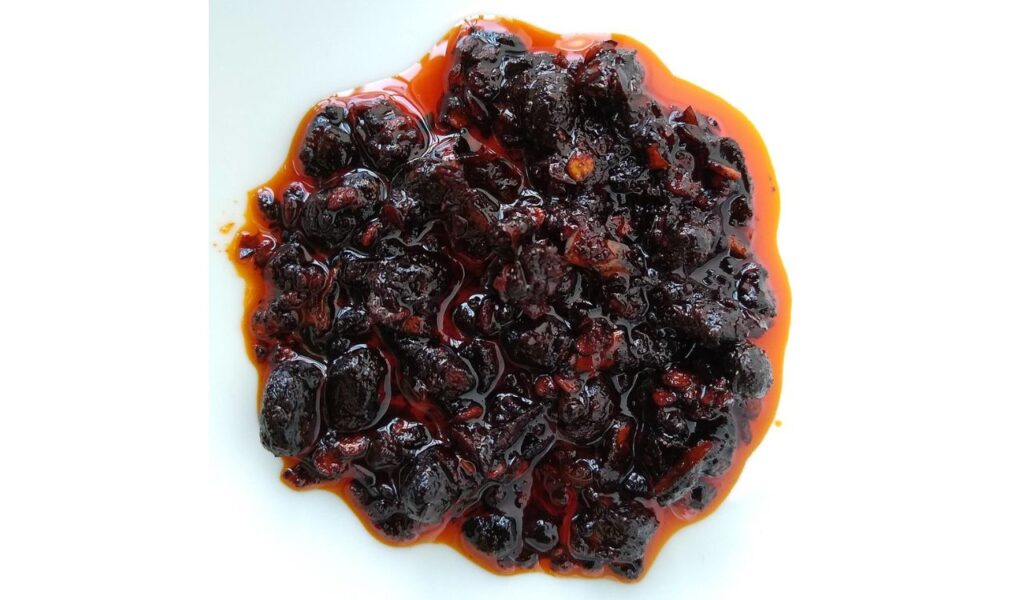
When elements are layered instead of separated, the plate looks busy in a good way. A base of mash, a protein on top, then something crunchy or fresh above that creates depth. Your brain reads those layers as mass. Even thin slices or light toppings add height and complexity that make the portion feel bigger. Texture contrast also keeps each bite interesting, so diners feel satisfied sooner. Restaurants often use crispy shallots, shaved vegetables, or crumbs for this reason. They add almost no weight, yet they visually bulk up the dish. It’s a smart way to create fullness without increasing cost or calories.
6. Strong Color Contrast Makes Small Portions Pop Like Big Ones
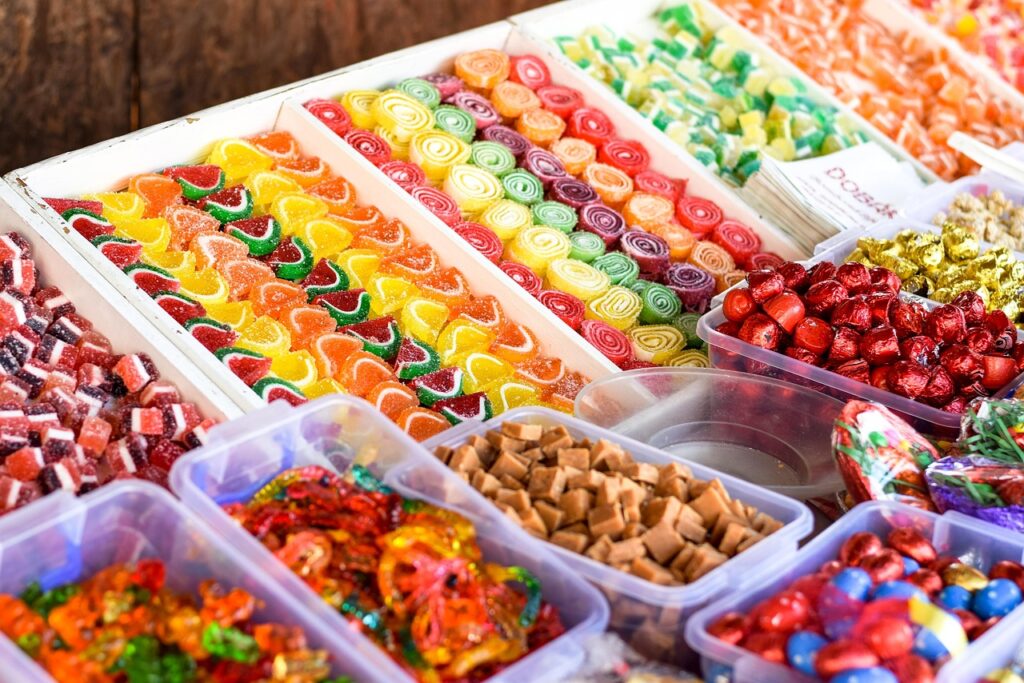
Color changes how we judge size. Bright greens, deep reds, and bold sauces draw the eye and make each component look distinct. When everything is beige, portions blur together and seem smaller. Chefs add herbs, pickles, or vibrant vegetables not just for flavor but for contrast. The plate suddenly looks fuller because more shapes and colors are visible. It’s the same reason a colorful salad looks more abundant than a bowl of plain pasta, even if the weight is similar. Contrast creates definition, and definition creates the feeling of quantity. A few smart color accents can make a modest serving feel complete.
7. Tight Clusters Create the Illusion of Density and Plenty
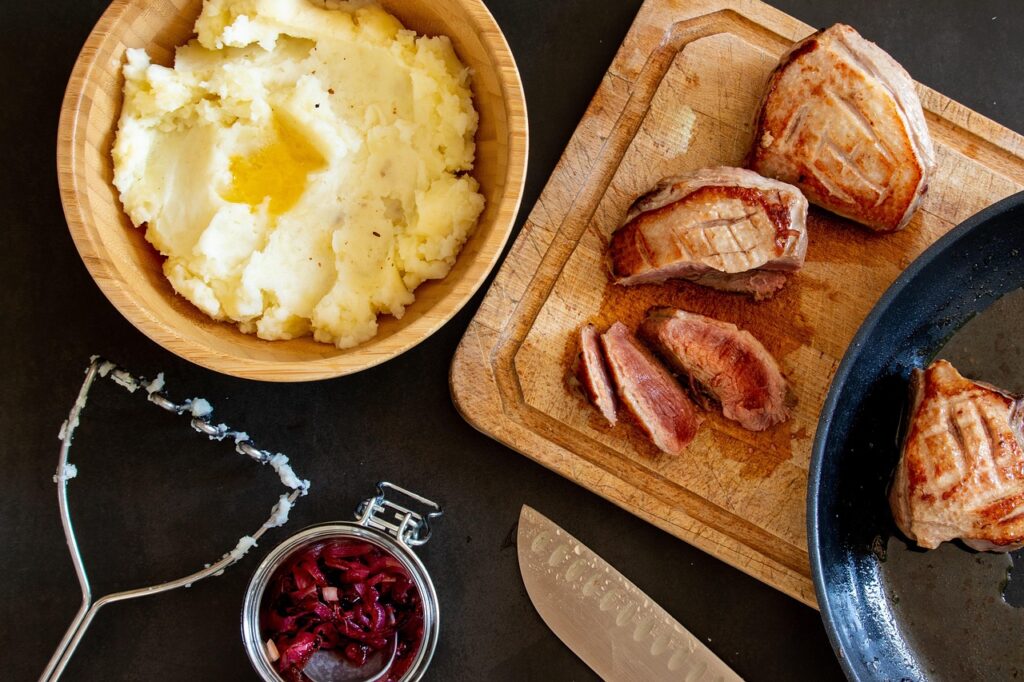
Spacing matters. When food is scattered randomly, it looks sparse. When it’s grouped closely, it looks dense and plentiful. Restaurants often cluster vegetables, starch, and protein into one cohesive area rather than spreading them apart. That compact arrangement forms a mound that signals substance. It’s similar to how a heap of fries looks bigger than the same fries laid flat. Density communicates abundance. This technique also keeps the plate tidy and easier to eat. The eye sees one solid mass and assumes there’s more food than there actually is. It’s a subtle shift that changes perception immediately.
8. Garnishes and Microgreens Add Height and Drama for Almost Nothing
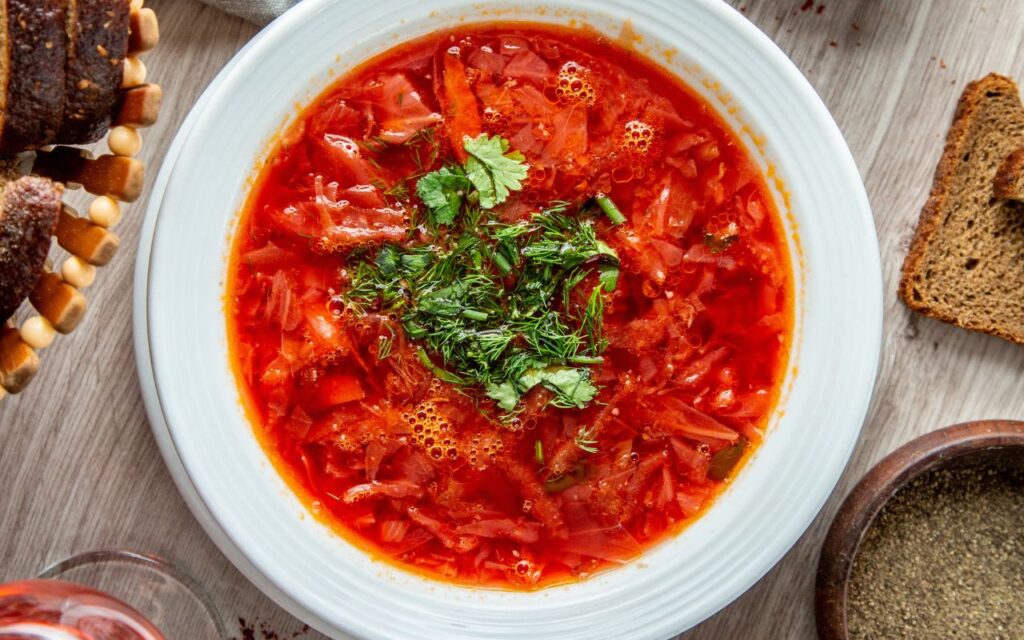
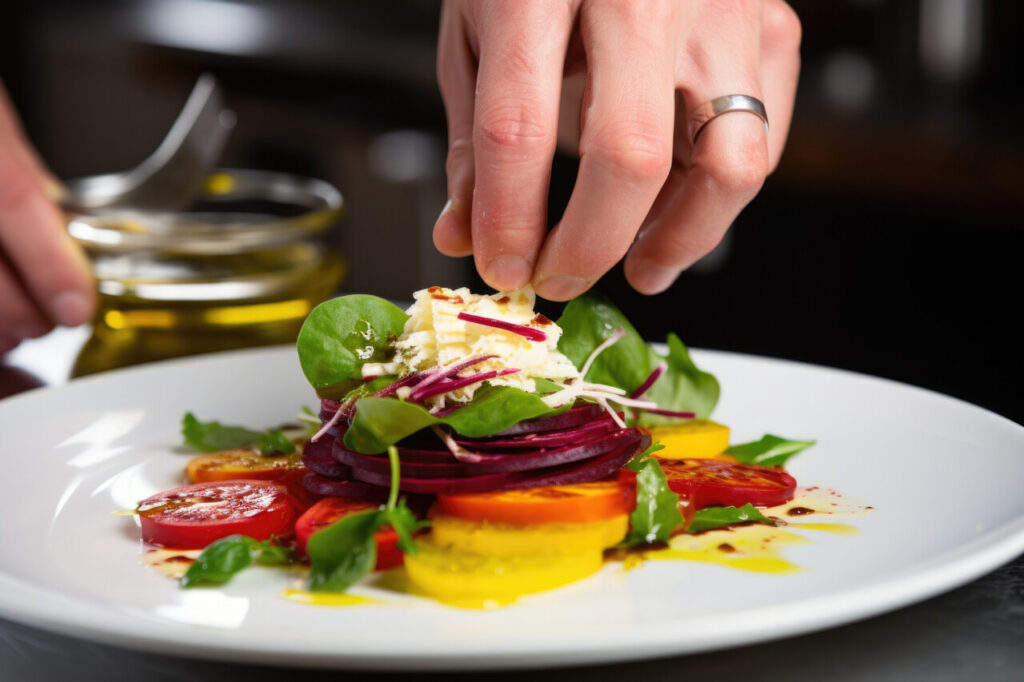
Light garnishes are the easiest visual upgrade in a kitchen. A small tuft of microgreens or herbs weighs almost nothing, yet it adds height, texture, and movement. That extra lift makes the entire portion look taller and more complex. Chefs use tweezers to place these elements precisely because placement matters. A little greenery on top turns a flat piece of fish into something that feels layered and substantial. It also signals freshness, which boosts perceived value. You’re not actually getting more food, but the plate looks lively and full. It’s a low-cost trick that consistently makes servings feel bigger than they are.