11 Store Bakery Items Baked Off Site and Reheated


The scent of warm bread drifting through a grocery store feels comforting and familiar. It suggests early mornings, flour-dusted counters, and bakers pulling trays straight from the oven. But in many cases, that fresh-baked experience begins somewhere else entirely.
Modern retail bakeries often rely on centralized production, where pastries and breads are baked or partially baked off-site before being shipped frozen to stores. A quick reheating or finishing step restores aroma, color, and texture just before they reach the display case.
It is an efficient system designed for consistency and convenience. Here is a closer look at the popular bakery favorites that are often finished in-store rather than made from scratch on-site.
1. Croissants

That buttery aroma drifting through the bakery aisle often signals finishing, not full scratch baking. Many store-bought croissants arrive frozen after being fully baked or par-baked at a central facility. They are then reheated or briefly baked in-store to restore flakiness and color.
Large-scale production allows tight control over lamination, proofing, and butter distribution. Central bakeries use specialized equipment that smaller in-store teams may not have, ensuring consistency across hundreds of locations.
Reheating activates the butter layers and crisps the exterior, giving the impression of fresh baking. While convenient and efficient, this process means the core pastry was prepared long before it reached the display case.
2. Artisan Bread Loaves
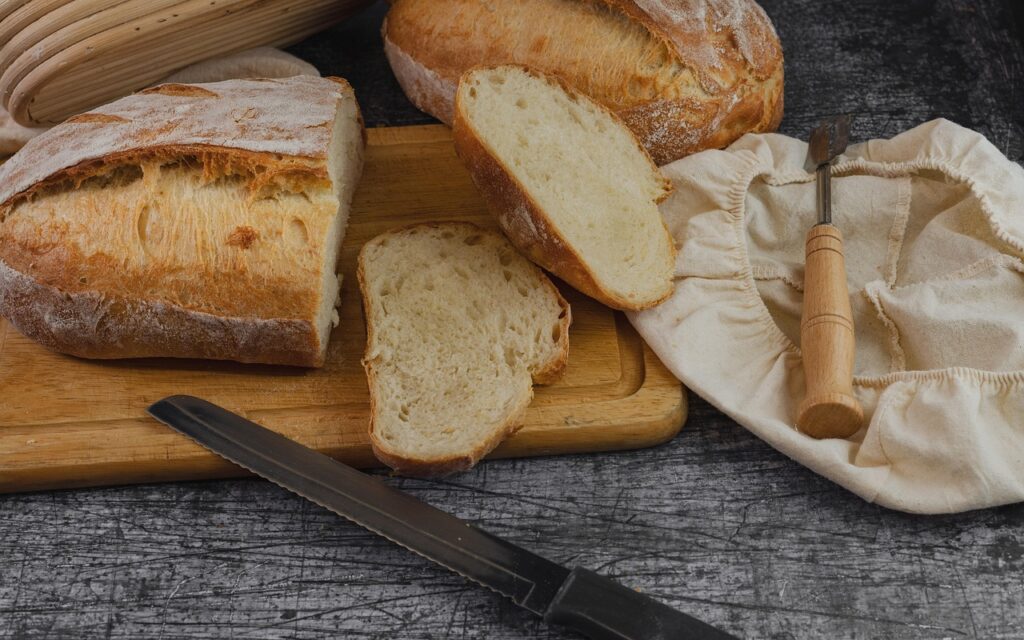
Rustic loaves with crackled crusts often begin their journey far from the store shelf. Many are par-baked at regional commissaries, cooled, frozen, and shipped to individual locations for final baking.
Partial baking sets the structure of the bread without fully developing the crust color. In-store ovens then complete the bake, creating a crisp exterior and warm interior shortly before sale.
This method reduces labor demands while maintaining visual appeal. It also extends shelf life and simplifies inventory management, allowing stores to offer “fresh-baked” bread throughout the day without maintaining full-scale scratch operations.
3. Cookies
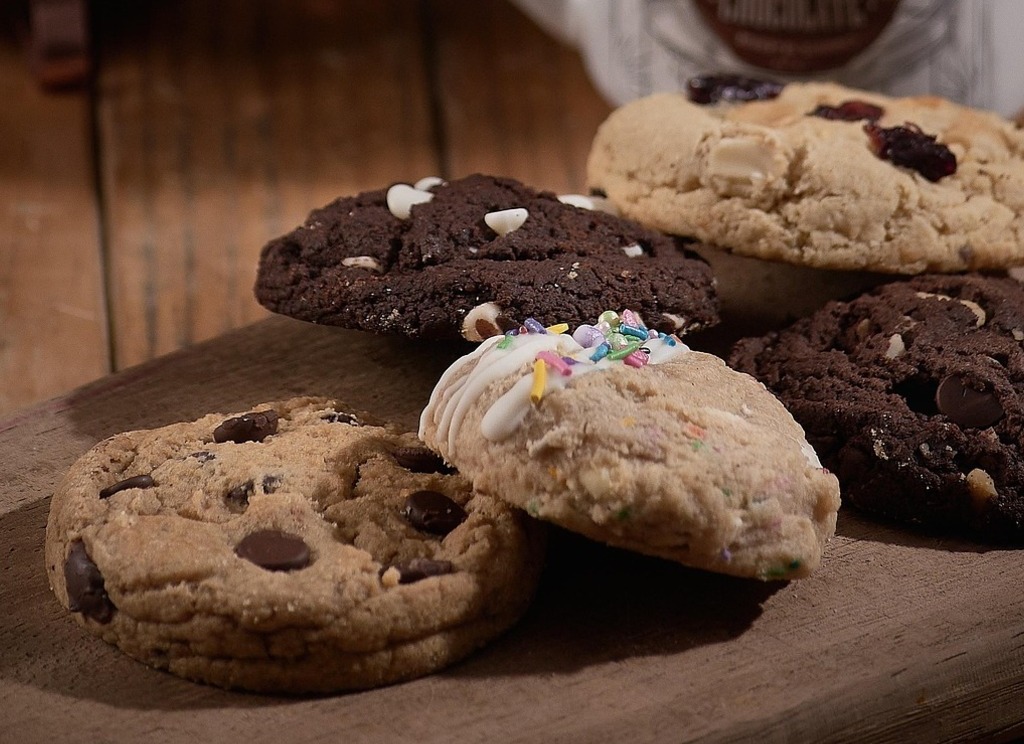
Stacks of warm chocolate chip cookies may look like they were mixed and scooped on site, but many are produced in centralized facilities. Some arrive fully baked and frozen, while others come as frozen dough portions ready for reheating.
Central production ensures uniform size, texture, and ingredient control. Stores then warm the cookies shortly before display to enhance aroma and soften the crumb.
Heating revives moisture and releases chocolate oils, creating the sensory cues customers associate with freshness. The result feels bakery-made, even though the primary baking process happened elsewhere.
4. Bagels
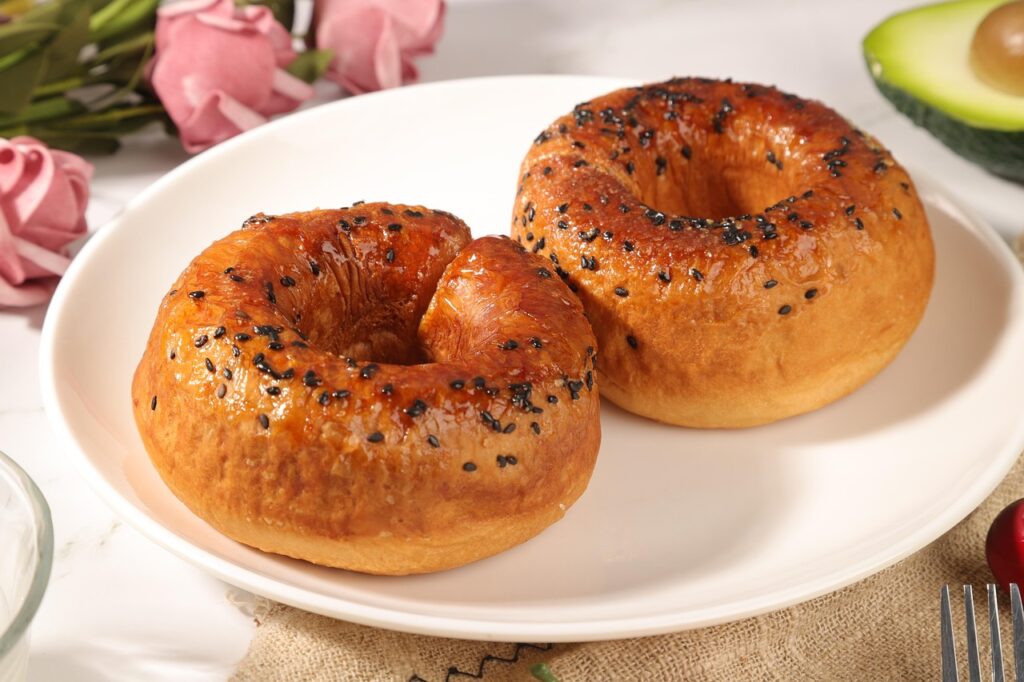
That glossy crust and chewy bite often begin far from the store shelf. Many retail bagels are produced in large facilities equipped with commercial kettles for boiling and high-heat deck ovens. After the initial bake sets structure and texture, they are cooled, frozen, and distributed to individual stores.
Once they arrive, store ovens complete or refresh the bake. This step restores crust firmness and warms the interior, creating the impression of same-day preparation.
Traditional bagel making requires time, skilled handling, and specialized equipment. Centralized production ensures uniform size and texture across locations, while in-store reheating enhances aroma and appearance rather than replicating the full craft process.
5. Muffins
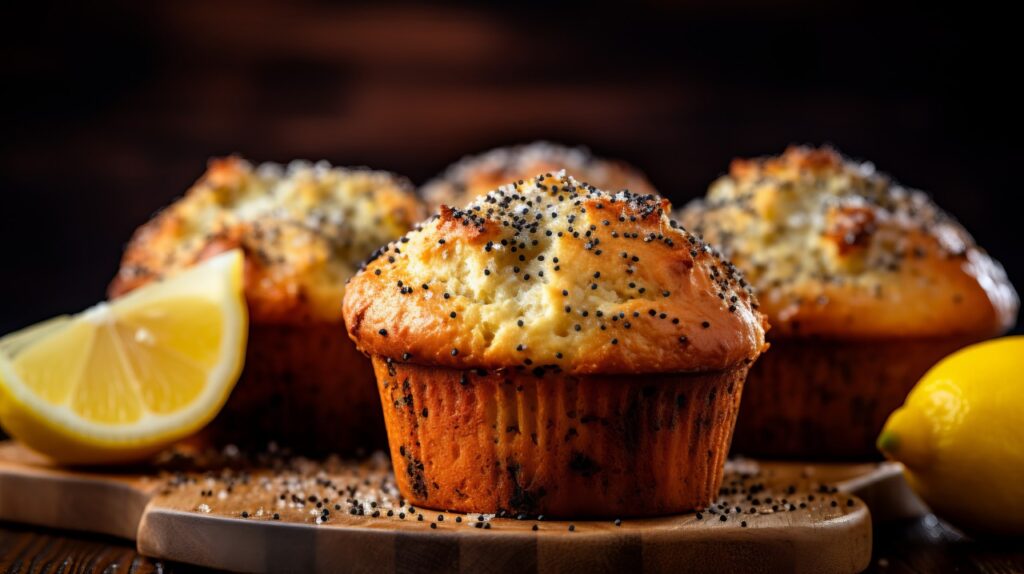
Those oversized muffins arranged neatly behind glass are often the result of large-scale baking lines rather than in-store mixing bowls. Many are fully baked off-site, rapidly cooled, and frozen to preserve moisture and structure during transport.
At the retail level, they are thawed or gently reheated before display. This brief warming softens the crumb and revives the buttery scent that shoppers associate with freshness.
Centralized baking provides precise portion control and consistent ingredient distribution. While the final warmth suggests recent preparation, the actual mixing, portioning, and baking were completed well before the muffins reached the store.
6. Danish Pastries

Flaky Danish pastries with glossy fruit centers usually start in commissary bakeries where laminated dough is rolled, folded, filled, and partially baked. After cooling, the pastries are frozen and shipped to stores for finishing.
In-store ovens deepen color, crisp outer layers, and warm the filling just before display. Sometimes, glaze is added at the final stage to enhance shine and visual appeal.
Laminated dough requires careful temperature control and time intensive folding. Central production allows retailers to offer complex pastries consistently, while reheating focuses on texture and presentation rather than recreating the original baking process.
7. Pretzels

Soft pretzels positioned near checkout counters often begin in centralized production facilities rather than in store kitchens. They are typically par-baked, rapidly cooled, and frozen to preserve structure during transport to retail locations.
When stores are ready to sell them, a short reheating cycle restores surface sheen and revives the tender interior. Salt, butter, or flavored toppings may be added just before display to intensify aroma and visual appeal.
Traditional pretzel making requires alkaline treatment and high-temperature baking, processes that demand specialized handling. Centralized production simplifies those steps, while reheating creates the impression of fresh preparation without repeating the full method on site.
8. Brownies and Bars
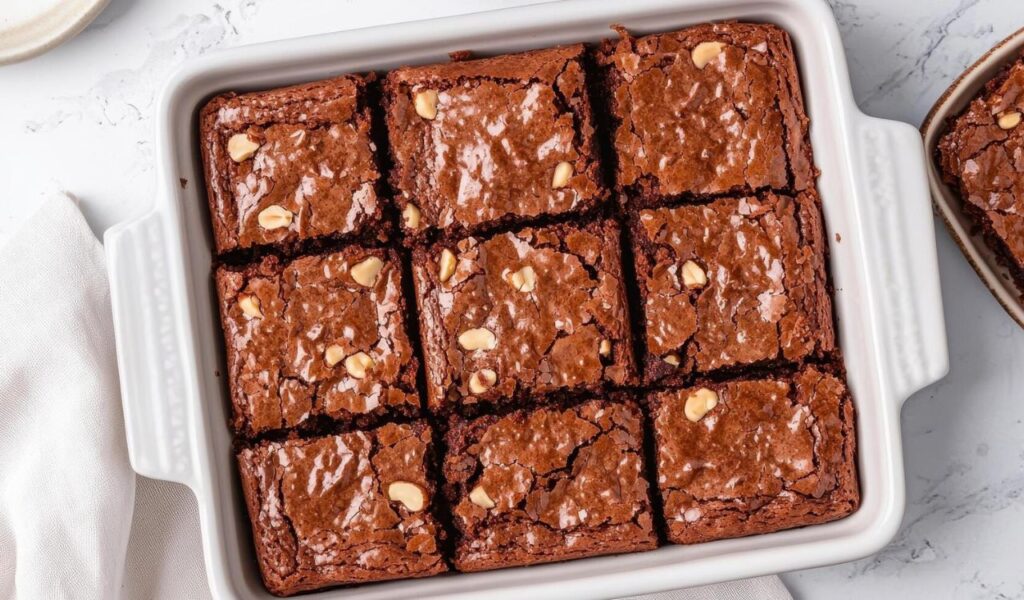
Dense brownies and dessert bars commonly originate in large-scale bakeries where batter is poured into sheet pans and baked in controlled batches. After cooling, the slabs are cut, packaged, and often frozen before being shipped to individual stores.
At the retail level, staff may thaw and lightly warm them before placing them in display cases. This gentle heating softens the texture and releases the chocolate aroma, making the product feel freshly prepared.
Central production ensures even thickness, consistent ingredient distribution, and predictable shelf life. Although the store adds the final touch of warmth, the core mixing and baking process was completed well before the item reached the shelf.
9. Scones
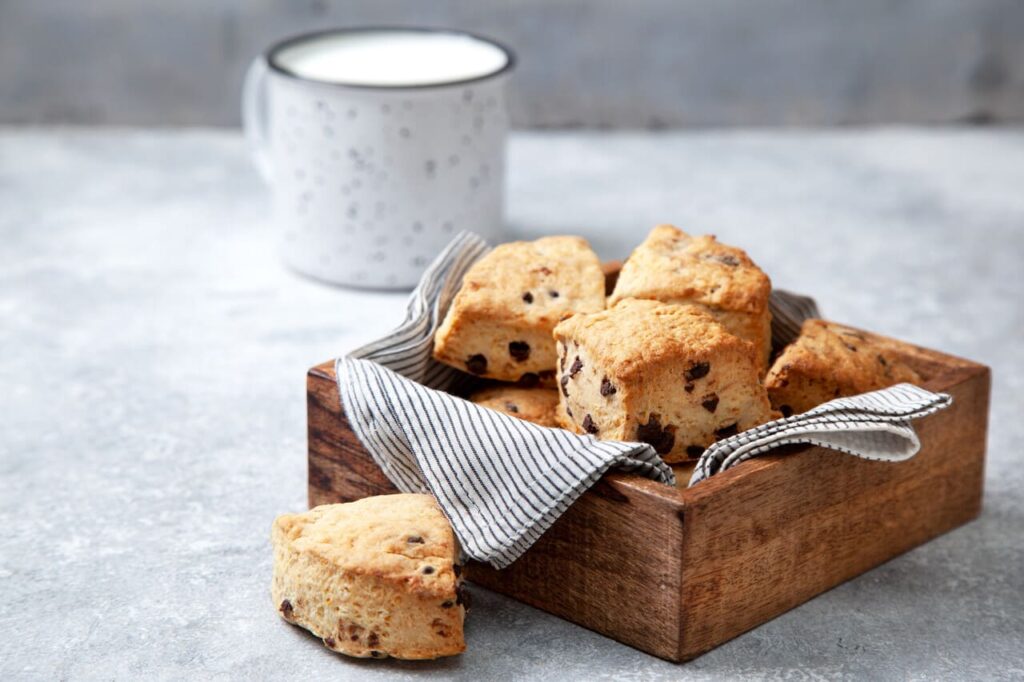
Scones depend on careful mixing to prevent toughness, a process that is easier to standardize in commercial production kitchens. Many are fully baked or partially baked off-site, then frozen to maintain freshness during shipment.
Once delivered, stores typically thaw and warm them shortly before display. This step refreshes the crumb and lightly crisps the outer surface, enhancing both aroma and texture.
While the warmth suggests they were just made in-house, the shaping and primary baking occurred earlier. Centralized preparation reduces variability and ensures that texture and flavor remain consistent across multiple retail locations.
10. Turnovers
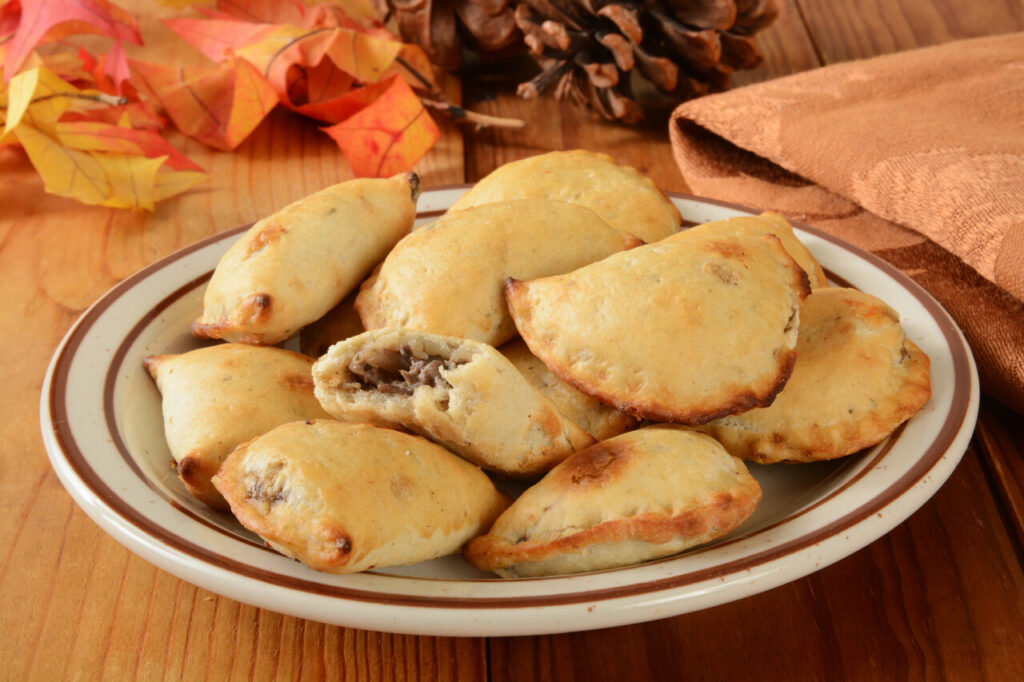
Flaky fruit turnovers displayed in store bakery cases begin their journey in centralized production kitchens. There, laminated dough is rolled, folded, filled, and partially baked under controlled conditions before being cooled and frozen for distribution.
When the pastries arrive at individual stores, ovens complete the baking cycle. This final step crisps the outer layers, reheats the filling, and deepens the golden color. A glaze is often applied just before display to enhance shine and freshness.
Because laminated dough requires precise temperature control and careful handling, central production reduces complexity for retail locations. The in-store bake focuses on texture and presentation, while primary preparation occurs off-site.
11. Pizza Crusts and Flatbreads
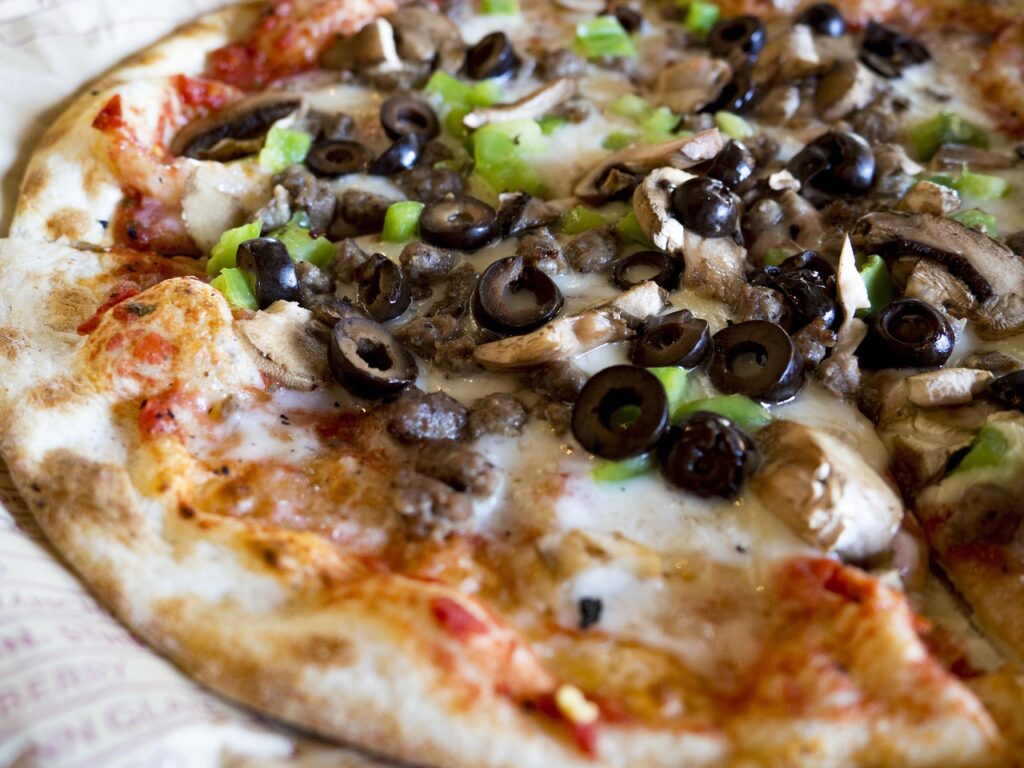
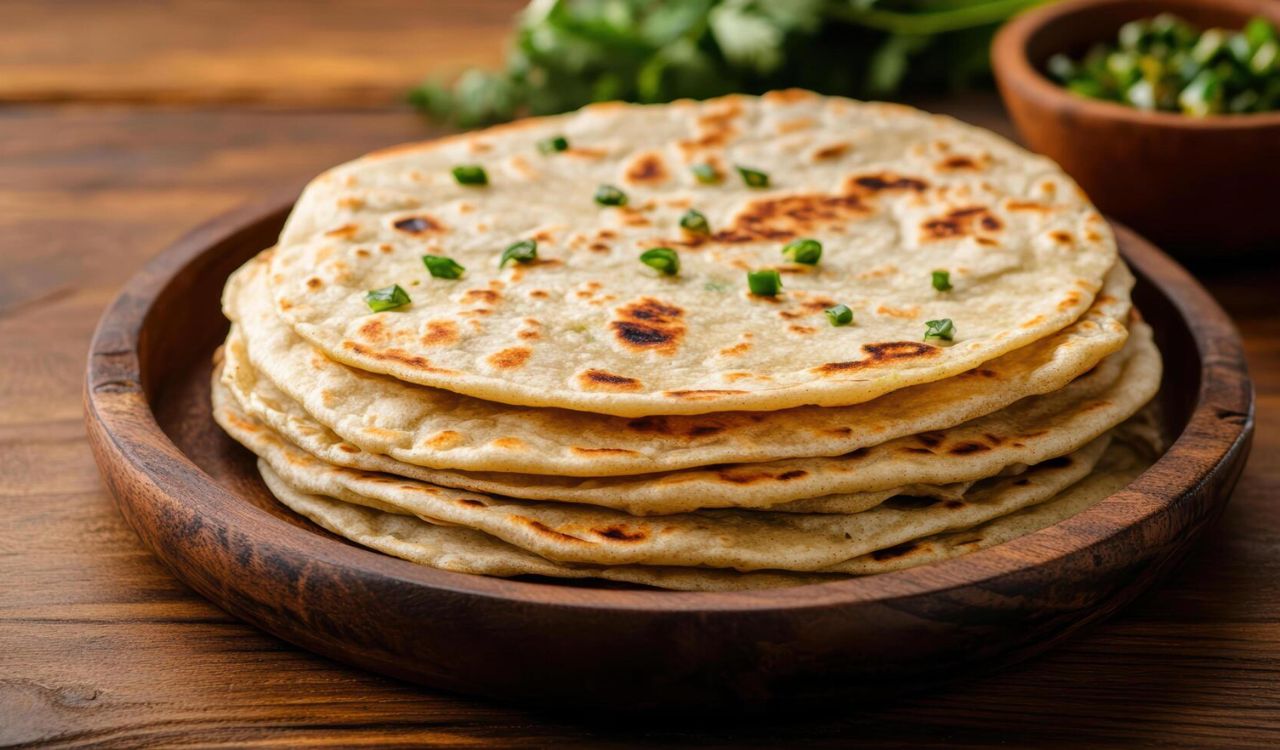
Many bakery-style pizzas offered in supermarkets begin with par-baked crusts made in large-scale facilities. The dough is mixed, shaped, and partially cooked to set structure before being cooled and frozen for shipment.
At the store level, staff add sauce, cheese, and toppings before finishing the bake in high-heat ovens. This step creates bubbling cheese and browned edges that resemble scratch-made preparation.
Par-baking stabilizes the crust and shortens cooking time, making it easier for stores to offer hot pizza throughout the day. While the final bake happens locally, the essential dough development and initial cooking were completed elsewhere.