8 Raw Milk Laws Expanding Across U.S. States

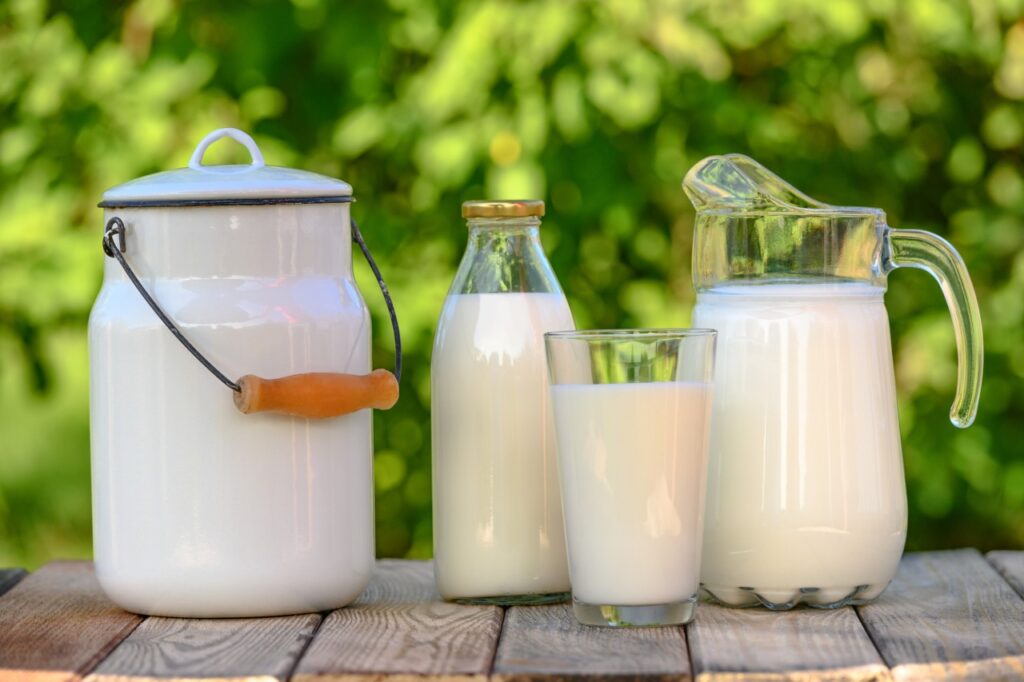
Few food issues divide opinion quite like raw milk. For some, it represents tradition, local farms, and a return to minimally processed foods. For others, it raises serious public health concerns that cannot be ignored. As consumer interest in farm direct purchasing grows, state legislatures are taking a fresh look at long-standing restrictions.
Across the country, bills are moving forward to expand how and where raw milk can be sold. Lawmakers are weighing food freedom, small farm economics, and safety oversight in equal measure.
Here is a closer look at the states where raw milk laws are shifting, and what those changes could mean for producers and consumers alike.
1. Iowa
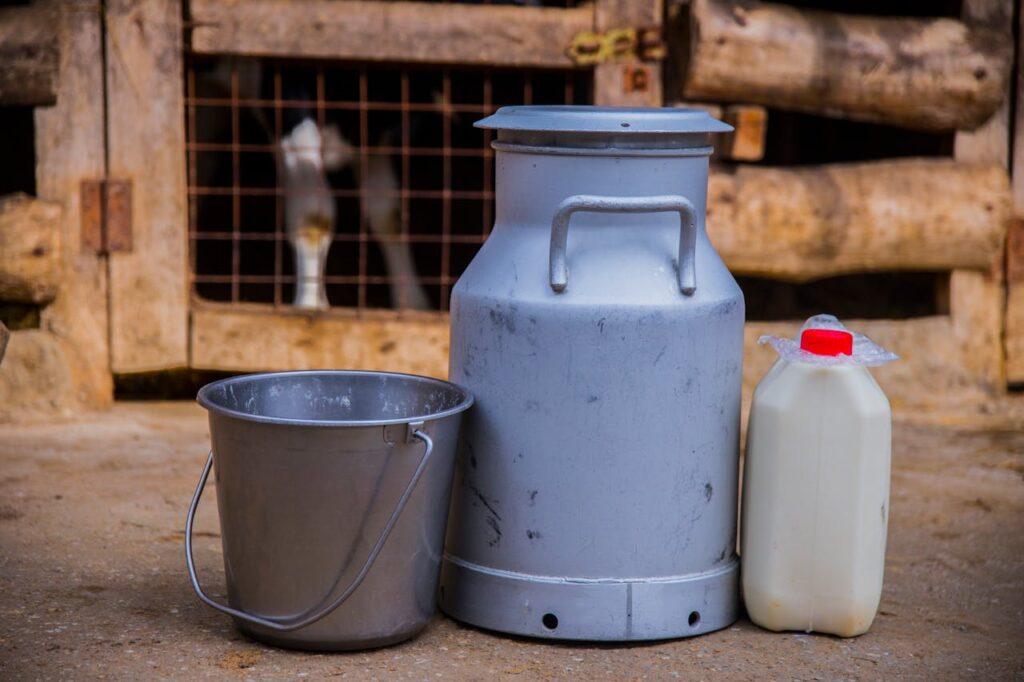
In Iowa, lawmakers are advancing proposals to expand raw milk access by allowing sales at farm stores and certain on-farm processing locations. The effort reflects growing consumer interest in buying directly from local producers and creating new revenue streams for small dairies.
Under the proposals, producers must meet testing, labeling, and sanitation standards intended to reduce public health risks. The goal is to balance broader access with clear safeguards and transparency.
Supporters say the changes strengthen small farms and consumer choice. Critics raise concerns about food safety, noting that raw milk can carry harmful bacteria even when handled carefully.
2. Oklahoma
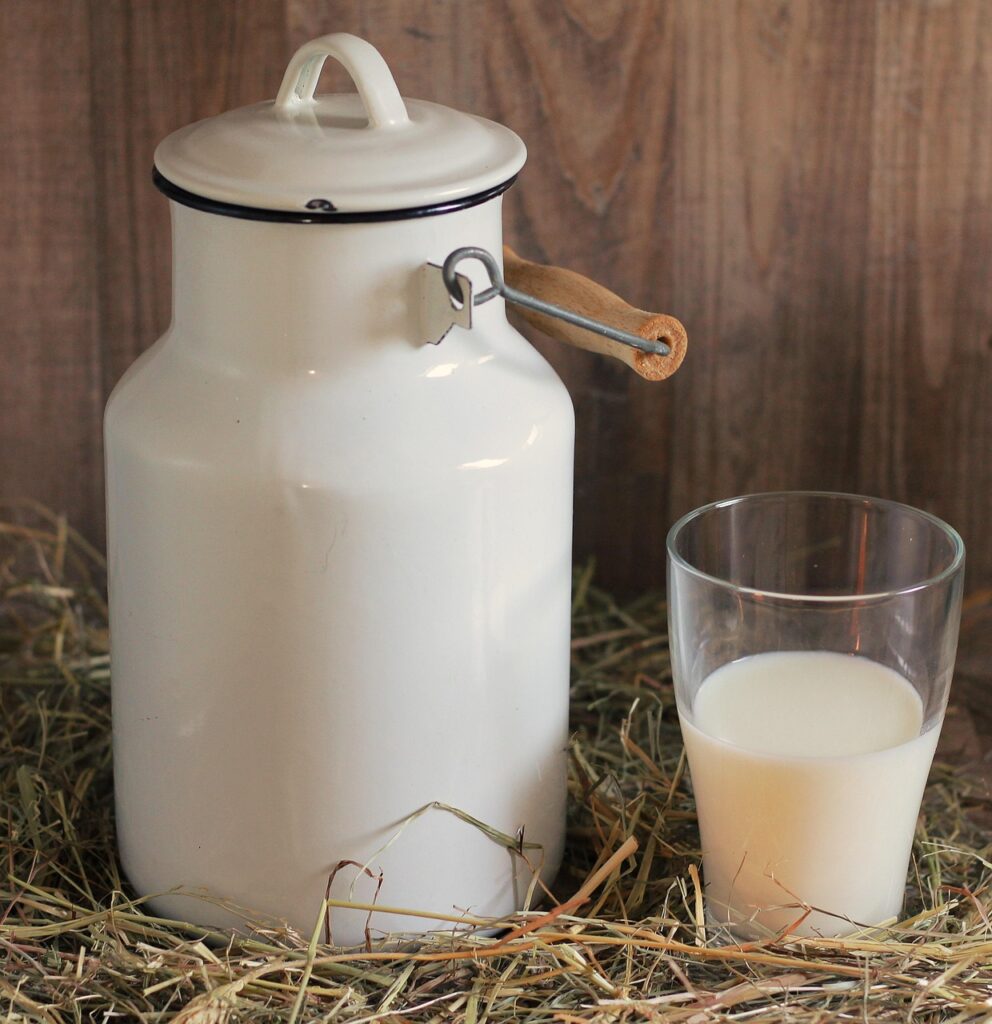
Oklahoma is considering legislation that would broaden direct raw milk sales from producers to consumers. Current rules largely limit transactions to farm pickups, and proposed changes aim to provide farmers with more flexibility under regulated conditions.
Participating producers would still need to follow testing, sanitation, and labeling requirements. Clear disclosure that the product is unpasteurized remains central to the framework.
Supporters view the move as an economic boost for small dairies. Public health officials continue to stress that raw milk carries risks that pasteurization is designed to prevent.
3. Michigan
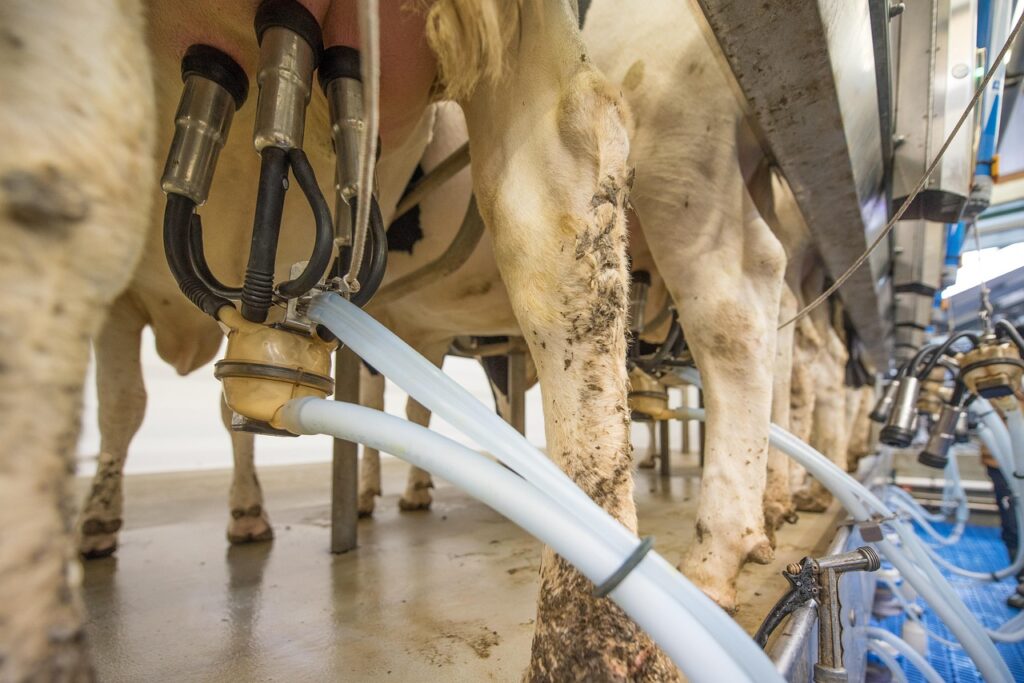
Michigan lawmakers are reviewing bills that would expand direct-to-consumer sales of raw milk and certain unpasteurized dairy products. Existing access is often limited to herd share agreements or farm purchases, and the proposals would broaden legal sales options.
The legislation includes labeling, sanitation, and record-keeping requirements to maintain oversight. Producers would need to follow defined testing standards.
Advocates argue that the changes support local agriculture and food choices. Health experts caution that raw milk can contain pathogens that pose higher risks than pasteurized dairy.
4. Arkansas
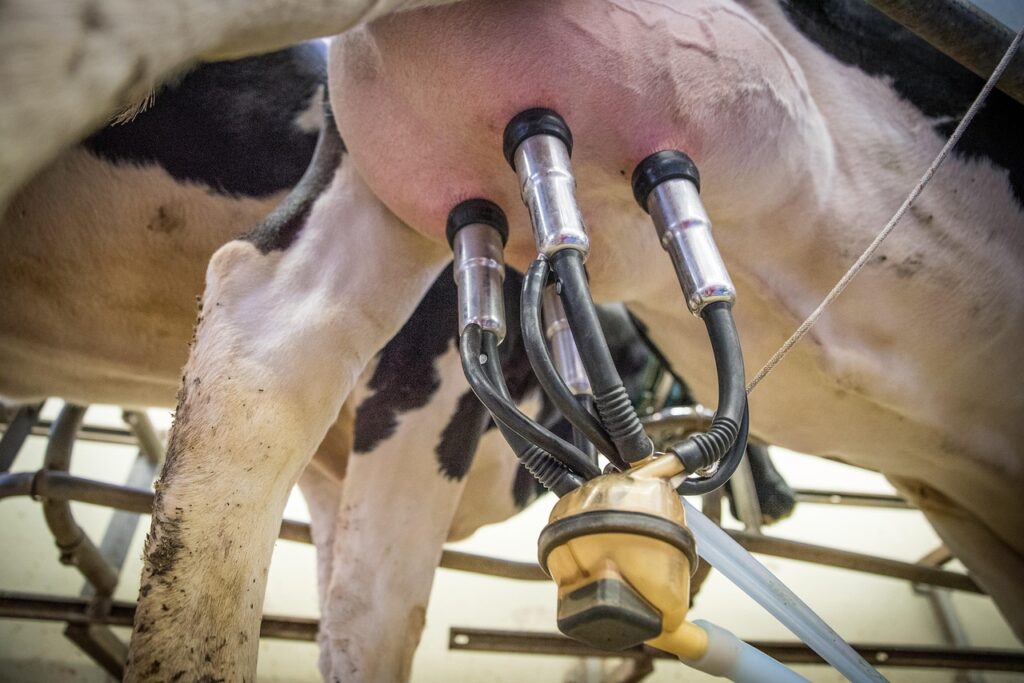
Arkansas has expanded access to raw milk by easing certain retail limits and widening where licensed producers may sell. Previously, most sales were restricted to direct farm transactions. Updated rules now give farmers more flexibility while keeping the system regulated.
Producers must still meet inspection standards, maintain proper refrigeration, and clearly label products as unpasteurized. Oversight remains in place to help reduce contamination risks.
Supporters say the changes benefit small dairies and meet demand for local foods. Health officials continue to warn that raw milk can carry harmful bacteria linked to foodborne illness.
5. North Dakota

North Dakota has enacted legislation expanding direct consumer sales of raw milk and certain unpasteurized dairy products. The revised laws allow licensed producers to sell more broadly under defined safety and labeling conditions, marking a shift from tighter past restrictions.
Products must clearly state that they are unpasteurized, and producers are required to comply with sanitation and inspection standards. These safeguards aim to provide transparency while supporting expanded access.
State officials note that although the law widens legal pathways, raw milk is still associated with a higher risk of foodborne illness compared to pasteurized dairy. Consumers are encouraged to understand those risks before purchasing.
6. Utah
Utah has refined its raw milk framework while maintaining one of the more structured regulatory systems in the country. Recent legislative updates strengthen due process protections for licensed producers facing regulatory review, adding clarity to enforcement procedures.
To legally sell raw milk, producers must meet strict facility standards, routine microbial testing requirements, and detailed record-keeping obligations. Regular inspections remain central to oversight.
The approach aims to balance expanded consumer access with measurable public health safeguards. Even within this regulated system, officials consistently remind residents that pasteurization significantly reduces contamination risks.
7. West Virginia
West Virginia has broadened the conditions under which raw milk may be sold, allowing licensed producers to reach consumers more easily than under earlier restrictions. The updates create clearer legal pathways while preserving regulatory oversight.
Producers must meet sanitation expectations and follow labeling rules that clearly identify products as unpasteurized. Inspection standards remain in place to help reduce contamination risk.
Supporters believe the revisions strengthen local dairy farms and expand consumer choice. Public health advocates continue to highlight that raw milk carries a higher likelihood of bacterial contamination than pasteurized milk.
8. Colorado
Colorado continues to debate proposals aimed at relaxing raw milk sales restrictions through regulated direct-to-consumer models. While not all measures have passed, legislative discussions focus on expanding access under defined safety standards.
Proposed frameworks generally include testing requirements, sanitation rules, and clear labeling to inform buyers that the milk is unpasteurized. The intent is to increase transparency while supporting small-scale dairy operations.
Health experts caution that raw milk can harbor harmful pathogens, and lawmakers weigh those risks carefully. The ongoing debate reflects tension between consumer freedom and the responsibility to protect public health.