10 Classic Dishes Passed Down Through the Toughest Times

Some of the most enduring dishes in history were not born from abundance, but from necessity. In moments of scarcity, people leaned on simple ingredients, careful planning, and time-tested techniques to create meals that could sustain both body and spirit. These dishes were designed to stretch resources, reduce waste, and provide warmth and comfort when little else was certain. Passed from one generation to the next, they carry quiet stories of resilience, patience, and ingenuity. To cook them today is to honor the strength of those who found nourishment and hope in the simplest of meals. They remind us that survival food can also be deeply comforting and meaningful.
1. Bread and Soup
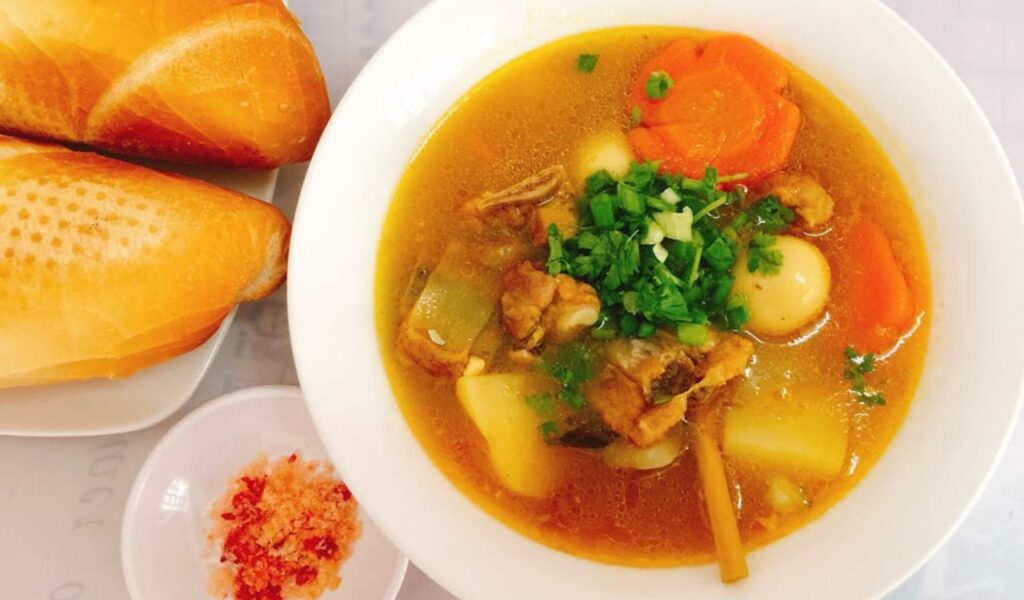
Bread and soup have sustained people through hardship longer than almost any other meal combination. Bread offered calories, structure, and satiety, while soup stretched limited ingredients into something nourishing and warming. Across cultures, stale bread was never wasted. It was dipped, torn, or simmered directly into broth to soften and absorb flavor. Soup itself was often built from bones, scraps, or foraged vegetables, relying on long simmering to extract nutrition. Warm liquid helped conserve body heat and made digestion easier during times of illness or exhaustion. Together, bread and soup created balance.
2. Beans and Rice
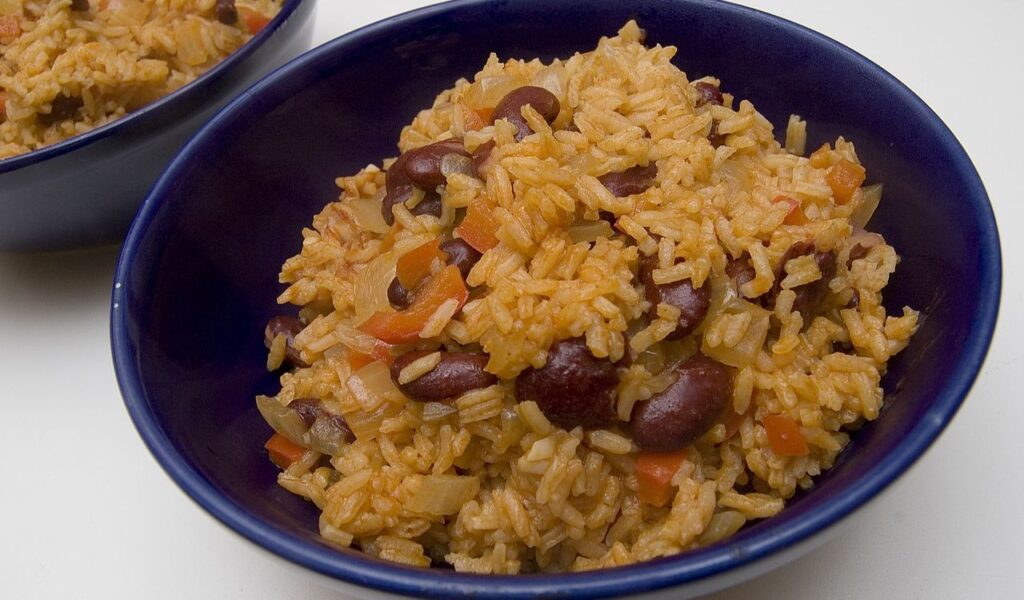
Beans and rice appear in countless cultures because the pairing delivers nutrition at low cost. Beans provide protein, fiber, and minerals, while rice offers carbohydrates that sustain energy. Together, they form a complete protein, which makes them especially valuable when meat is scarce or unaffordable. Both ingredients store well without refrigeration, allowing families to keep food on hand during uncertain times. Cooking methods were simple and forgiving, often done in a single pot. Seasonings varied by region, but the foundation remained the same. Beans and rice were filling enough to feed large families and flexible enough to absorb flavors from vegetables or spices available.
3. Potato Stew

Potato stew became a survival dish wherever potatoes thrived as a dependable crop. Potatoes grow in poor soil, produce high yields, and provide substantial calories. When stewed, they soften and thicken the liquid naturally, creating a hearty meal with minimal ingredients. A few potatoes, water, salt, and perhaps an onion could feed multiple people. In times of scarcity, small amounts of fat or meat were added for flavor rather than volume. Potato stew warmed the body and filled the stomach without relying on rare resources. Its simplicity made it accessible to households with limited fuel or cookware.
4. Cornmeal Porridge

Cornmeal porridge has fed communities across continents because corn was affordable, adaptable, and easy to store. Ground corn required minimal processing and could be cooked with water or milk, depending on availability. The porridge provided warmth and energy, especially during cold mornings or lean seasons. It was often eaten plain or lightly seasoned, allowing families to stretch supplies. Cornmeal porridge could be served sweet or savory, making it flexible across meals. Its texture was comforting and easy to digest, which mattered during illness or exhaustion. This dish represents survival through simplicity, relying on steady nourishment rather than indulgence.
5. Lentil Soup
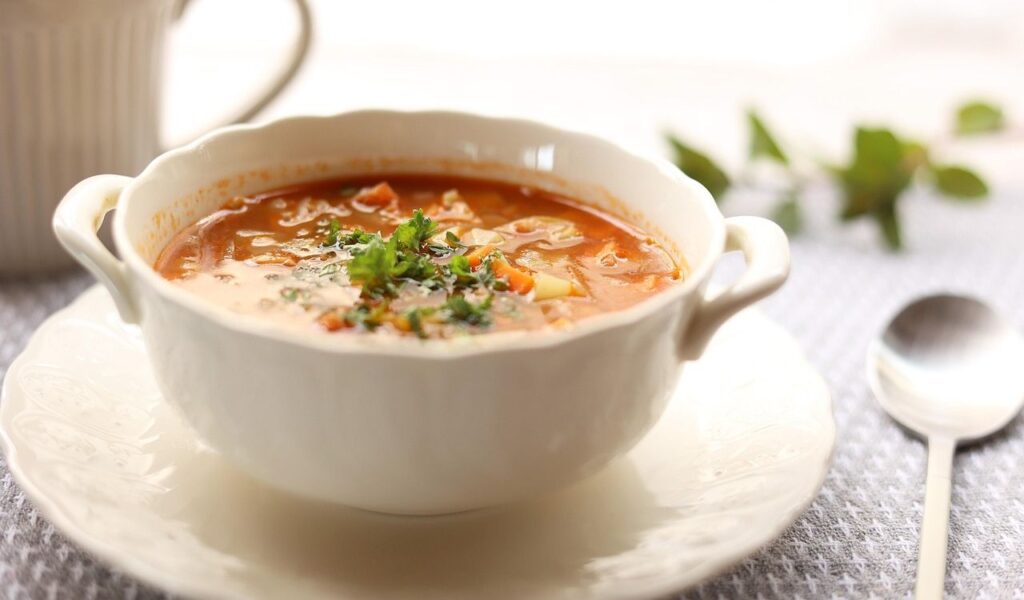
Lentil soup has long been valued for its balance of nutrition, affordability, and shelf stability. Lentils cook faster than many legumes and require no soaking, conserving fuel during difficult times. They provide protein, iron, and fiber, making them ideal when meat is limited. Lentil soup often included onions, carrots, or spices, but could stand alone when supplies were scarce. The broth absorbed flavor over time, improving with slow cooking. This dish fed large households with minimal expense and effort. Lentil soup reflects thoughtful economy, where nourishment mattered more than presentation.
6. Flatbread

Flatbread emerged wherever ovens were scarce and resources were limited. Made from flour, water, and sometimes salt, it required minimal equipment and cooked quickly over open flames or hot stones. Flatbread provided portability and shelf life, allowing people to carry food during travel or labor. It paired easily with soups, stews, or simple spreads, extending meals without additional ingredients. Flatbread recipes adapted to local grains, making them accessible in diverse regions. During hardship, flatbread offered consistency and reliability. Its endurance lies in its efficiency, proving that nourishment does not require elaborate methods.
7. Cabbage and Potatoes
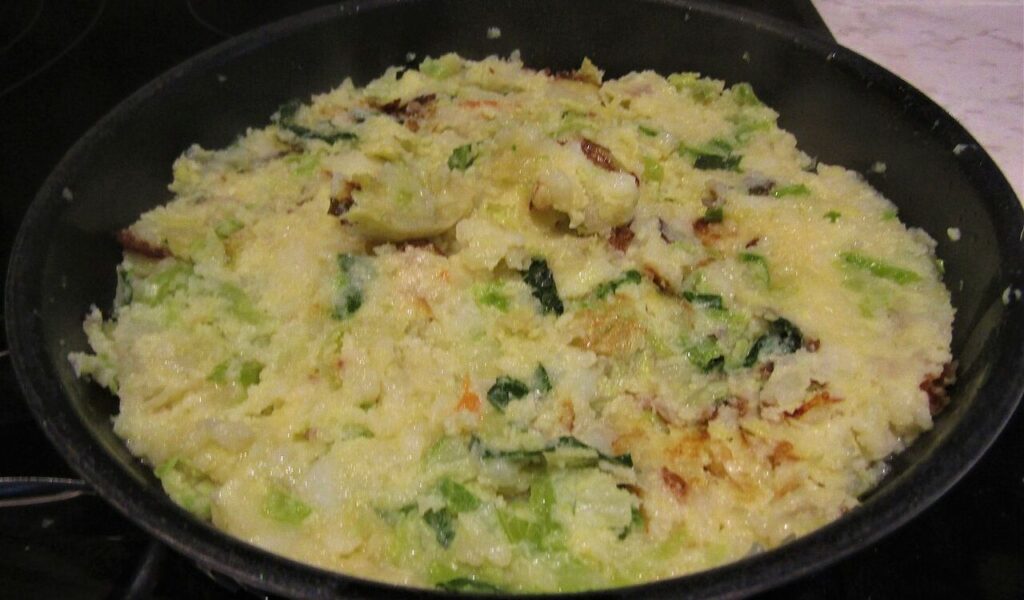
Cabbage and potatoes formed the backbone of many hardship meals because both store well and grow in harsh conditions. Cabbage resists spoilage and can be fermented or cooked slowly, while potatoes provide dense energy. Together, they create a filling and warming dish that relies on time rather than expense. Slow cooking softened cabbage and blended flavors, turning simple ingredients into comfort food. This combination appeared frequently during winters, wars, and economic downturns. It reflects survival through foresight and preservation. Cabbage and potatoes remain associated with endurance, representing how basic crops sustained entire populations when resources were scarce.
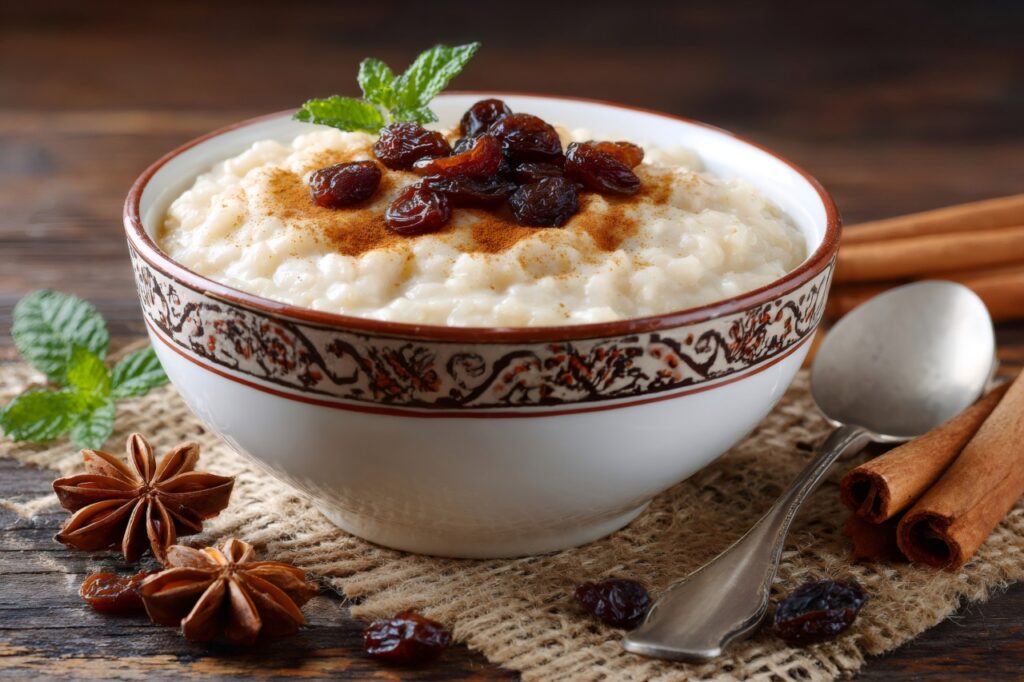
8. Rice Pudding

Rice pudding became a survival dessert rather than a luxury sweet. Rice stretched small amounts of milk or water into something comforting and filling. Sweeteners were minimal or optional, depending on availability. The slow cooking softened the rice and thickened the mixture naturally. Rice pudding was often served warm, providing comfort during difficult times. It used leftover rice efficiently, reducing waste. This dish reflects the human need for comfort even during hardship. Rice pudding endured because it offered warmth and familiarity when little else was available, proving that emotional nourishment matters alongside physical survival.
9. Vegetable Broth
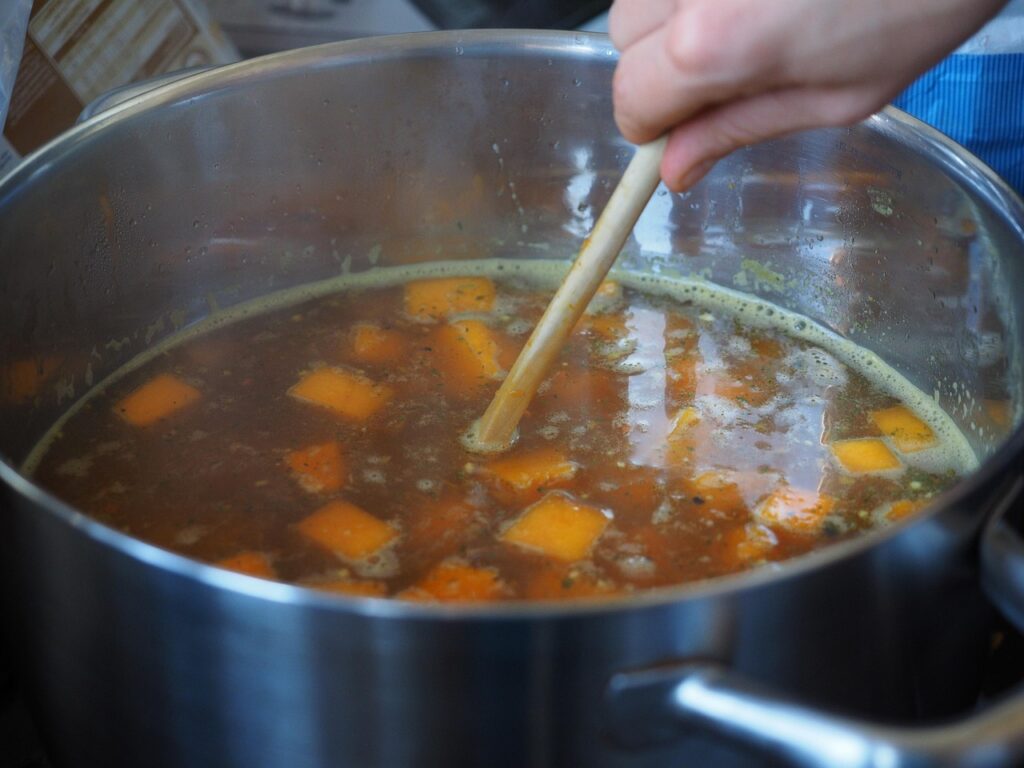
Vegetable broth represents resourcefulness at its purest. Scraps that might otherwise be discarded were simmered to extract flavor and nutrients. Onion skins, carrot ends, and wilted greens became the foundation of a warming liquid. Broth provided hydration, minerals, and warmth with almost no cost. It served as a base for other dishes or as a meal on its own. During illness or scarcity, broth was often the only tolerable food. Vegetable broth reflects respect for ingredients and an understanding of extraction rather than abundance. Its role in survival cooking shows how nothing was wasted when times were hard.
10. Dumplings
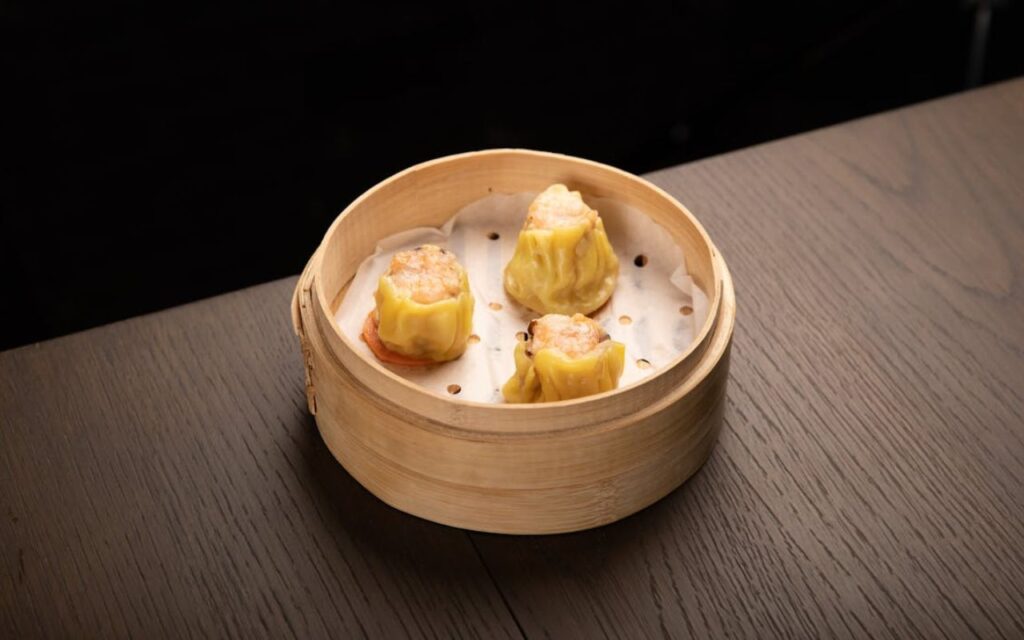
Dumplings became a survival food because they transformed simple dough into a filling substance. Flour and water were shaped and cooked in broth or stew, adding bulk without requiring additional ingredients. Dumplings absorbed surrounding flavors, making even thin soups feel substantial. They were easy to prepare and adaptable to many cooking environments. Dumplings provided comfort through texture and warmth. During hardship, they allowed families to stretch meals and satisfy hunger. This dish represents ingenuity through simplicity, showing how technique can replace scarcity. Dumplings endure because they turn modest ingredients into lasting nourishment.