What Imitation Crab Is Really Made Of and How to Use It in Recipes

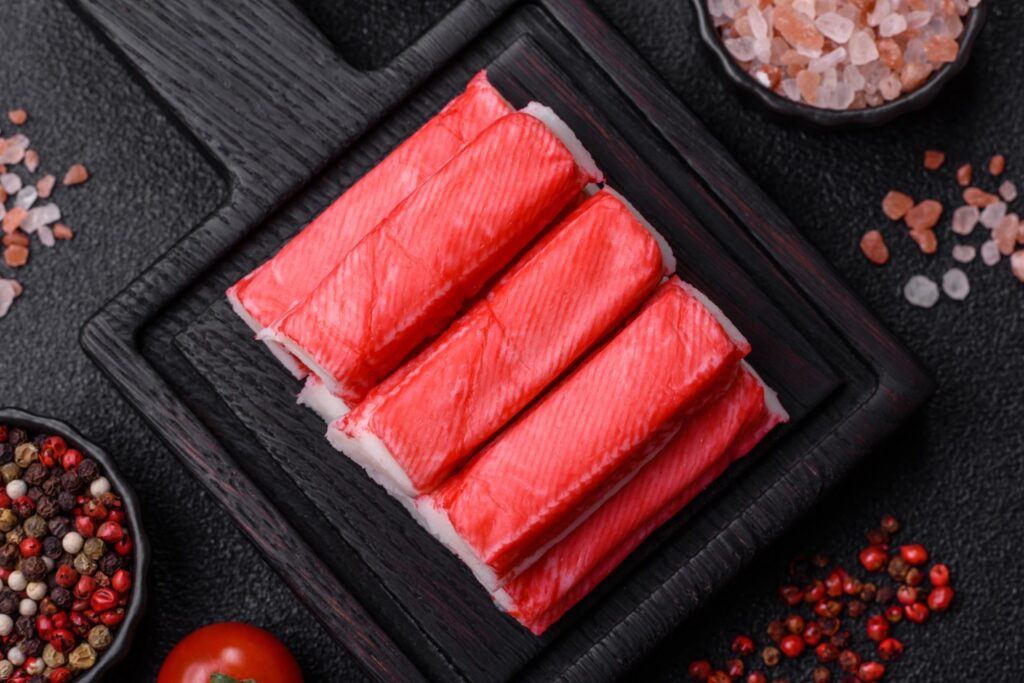
Imitation crab often gets overlooked or misunderstood, yet it quietly appears in everything from sushi rolls to creamy deli salads. Many people treat it as a lesser stand-in for real crab without ever questioning what it actually is or why it’s used so widely. That assumption usually comes from its name rather than its function. Imitation crab is designed for consistency, affordability, and ease, not deception. Its mild flavor and ready-to-eat nature make it adaptable in ways fresh seafood often is not. Understanding how it’s made explains why it holds its shape, absorbs dressings well, and works especially well in cold or gently heated dishes. When you look beyond the label, it becomes clear that imitation crab fills a very specific and intentional role in modern cooking.
Once the process and purpose behind imitation crab are clear, it feels less like a shortcut and more like a practical ingredient with strengths of its own. It is fully cooked, easy to portion, and predictable in texture and taste, which removes much of the guesswork that comes with seafood. That reliability is why it appears so often in everyday recipes that value balance and convenience. Instead of overpowering a dish, imitation crab supports other flavors, allowing sauces, herbs, and seasonings to stand out. When used correctly, it doesn’t pretend to be something it isn’t. It offers a dependable base that makes quick meals easier while still delivering a familiar seafood note.
What Imitation Crab Actually Is
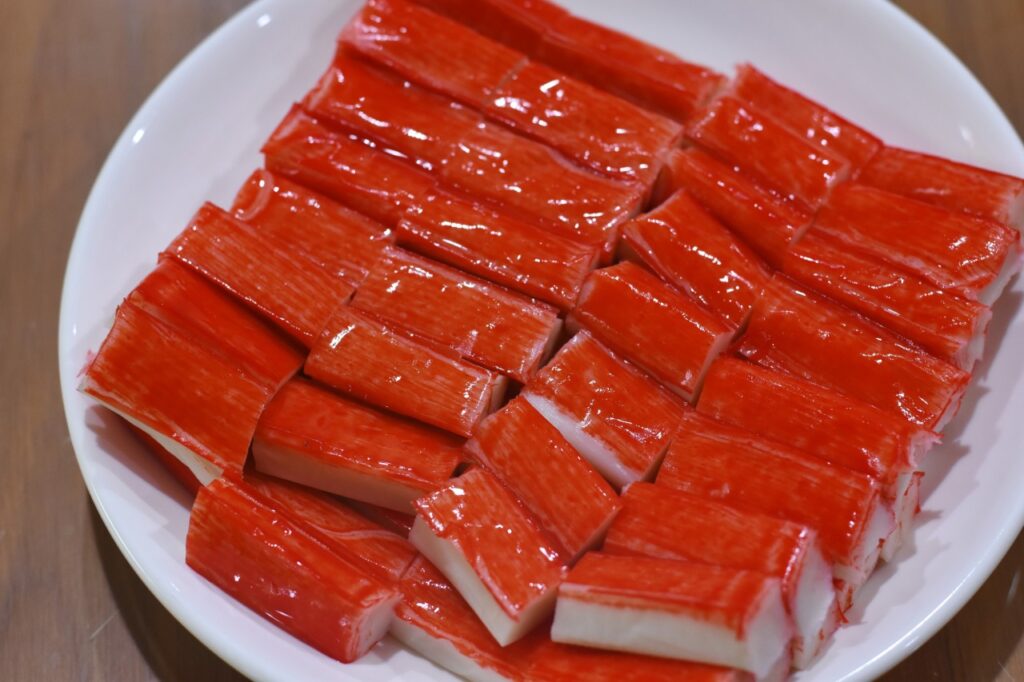
Imitation crab often surprises people because it isn’t a mystery paste or a low-quality substitute designed to fool anyone. At its core, it is a processed seafood product made primarily from mild white fish chosen for its neutral flavor and flexible texture. This fish is selected not for luxury, but for how well it can be shaped, seasoned, and structured. Through controlled processing, the fish is broken down and reformed into strands or chunks that resemble crab meat. The intention has always been practicality. Imitation crab was created to deliver consistency, affordability, and ease of preparation, especially in settings where fresh crab would be costly, seasonal, or labor-intensive.
What further sets imitation crab apart is how it is prepared before it ever reaches the store. Unlike fresh crab, it is fully cooked during manufacturing, which makes it safe to eat straight from the package. This ready-to-use quality is one of its biggest advantages for home cooks and food service kitchens alike. Its flavor remains intentionally mild, allowing it to absorb dressings, sauces, and seasonings without dominating a dish. While it cannot match the complexity of a real crab, it offers reliable texture and taste. That predictability explains why it appears so often in everyday recipes where convenience matters as much as flavor.
How Surimi Is Made
Surimi is the foundation of imitation crab, and its production is carefully designed to create a clean, adaptable base rather than a finished flavor. The process begins with mild white fish, most commonly pollock, chosen for its low oil content and neutral taste. The fish is cleaned, deboned, and minced into a fine paste before being rinsed multiple times with cold water. This rinsing removes fats, blood, and impurities, leaving mostly protein. What remains is elastic and cohesive, forming a blank canvas that can be shaped and seasoned later. This step is essential because it strips away strong fish flavors, allowing surimi to take on new textures without overpowering dishes.
Once the purified fish paste reaches the right consistency, additional ingredients are added to build structure and stability. Starches, egg whites, and binders strengthen the protein network, giving surimi its firm yet tender bite. The mixture is then shaped into sheets or strands, cooked to set the proteins, and lightly colored to resemble crab meat. Flavorings are added to recreate the gentle sweetness associated with shellfish. Because surimi is fully cooked during this stage, it holds its shape when sliced or mixed. This explains why imitation crab behaves differently from raw seafood and performs best in cold dishes or those exposed to only gentle heat.
Ingredients That Shape Flavor
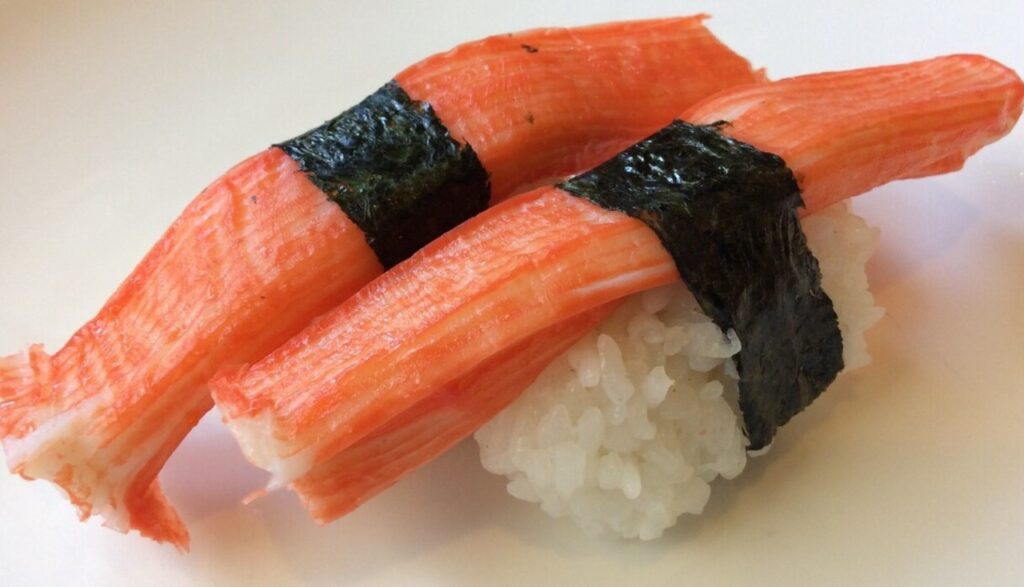
The flavor of imitation crab is built deliberately, not left to chance or to the fish alone. Mild white fish provides a neutral starting point, but sweetness is added to mirror the gentle sweetness found in real crab meat. Salt sharpens and balances those notes, while carefully selected flavorings create a recognizable seafood profile without becoming overly fishy. Small amounts of oil add richness and help carry flavor across the palate, preventing the product from tasting dry or flat. Even color plays a role. The familiar red or pink exterior signals “crab” visually, shaping expectations before the first bite and reinforcing the flavor experience through appearance as much as taste.
Texture is just as important as flavor in determining how imitation crab performs in recipes. Starches and egg whites are used to bind fish proteins into a structure that is firm yet tender, allowing the product to slice, shred, or flake cleanly without crumbling. This engineered texture helps imitation crab hold up in salads, casseroles, and rolls without releasing excess moisture. Because the base flavor remains mild, it adapts easily to different seasonings and cuisines. It can feel creamy in chilled dishes, savory when gently heated, or clean and light in sushi-style preparations, making versatility the true goal of its ingredient design.
Nutrition and Misconceptions
Imitation crab is often written off as unhealthy simply because it is processed, but that label misses important context. Compared to real crab, imitation crab is usually lower in fat and calories, which can make it appealing for lighter meals. It does contain less protein, but it still contributes some, especially when used in salads or mixed dishes. The main nutritional concern is sodium. Imitation crab is seasoned and preserved, so its salt content is higher than that of fresh seafood. For people monitoring sodium intake, this matters more than the idea that the food lacks value altogether. Paying attention to portion size and overall meal balance helps keep sodium intake in check.
A common misconception is that imitation crab contains no real fish. In reality, fish is the primary ingredient, typically mild white fish that has been processed for texture and stability. While it does not offer the same nutrient density as fresh crab, it still provides protein and small amounts of minerals. Imitation crab was never intended to replace fresh seafood nutritionally. Its purpose is convenience and consistency. When eaten in moderation and paired with vegetables, whole grains, or fresh ingredients, it can fit comfortably into a balanced diet without being treated as inferior food. Understanding its role helps set realistic expectations rather than dismissing it outright.
Why It’s Used So Widely
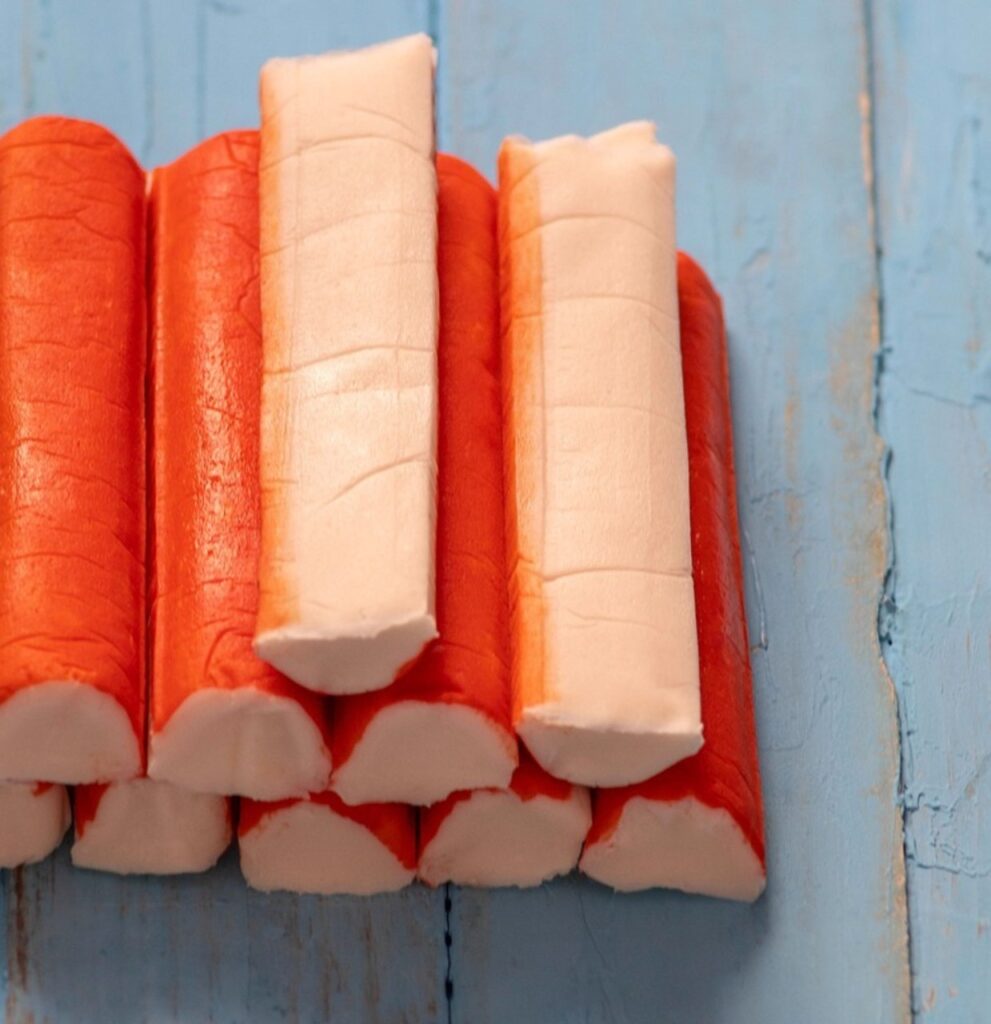
Imitation crab’s popularity comes from how reliably it solves everyday cooking problems. Fresh crab is expensive, seasonal, and requires time, skill, and careful handling to prepare properly. Imitation crab removes all of those barriers at once. It is affordable, widely available year-round, and fully cooked before it reaches the store. That makes it easy to portion, store, and use without specialized tools or seafood experience. Restaurants rely on it because it delivers consistent texture and flavor across large batches, while home cooks appreciate how quickly it can be added to meals.
Shelf life is another major reason imitation crab remains a staple rather than a trend. It keeps longer than fresh seafood when refrigerated and freezes with minimal texture change, which helps reduce food waste. This matters for busy households as much as for food service operations working with tight margins. Because it doesn’t require shelling, cracking, or precise timing, imitation crab lowers the learning curve for seafood cooking. It allows salads, casseroles, rolls, and dips to come together quickly and reliably. These practical advantages explain why imitation crab continues to appear on menus and in kitchens long after novelty has worn off.
Best Ways to Cook With It
Imitation crab shines most in recipes that respect its ready-to-eat nature rather than trying to remake it into something else. Cold and lightly dressed dishes are where its texture stays at its best. Seafood salads, pasta salads, and sushi-style rolls benefit from how well imitation crab holds its shape while absorbing sauces evenly. Creamy dressings cling without breaking it down, while citrus adds brightness that lifts its mild sweetness. Fresh herbs and gentle spices enhance flavor instead of overwhelming it. Because the product is already fully cooked, using it straight from the package preserves its tender, fibrous structure.
When imitation crab is used in warm dishes, timing matters more than technique. Gentle heat protects its texture and prevents it from turning chewy or dry. Folding it into casseroles, soups, or rice dishes near the end of cooking allows it to warm through without breaking apart. The same approach works well in omelets, quiches, and baked dishes, where residual heat finishes the job. Imitation crab also works well in dips, spreads, and stuffed vegetables, adding protein and body without dominating flavor. Treating it as a finished protein, not raw seafood, keeps dishes balanced. Used thoughtfully, it offers convenience while still contributing satisfying texture and taste.
Reference
- What is Imitation Crab and Why it Doesn’t Compare – fathomseafood.com
- What Is Imitation Crab and Should You Eat It? – healthline.com
- What Is Imitation Crab Meat Made Of? – southernliving.com