10 Traditional Greek Easter Dishes Worth Making This Year

Greek Easter is filled with deeply rooted food traditions that bring families together around the table. From savory dishes prepared after Lent to richly symbolic breads, eggs, and desserts, the holiday menu is both meaningful and memorable. If you want to cook a feast that feels celebratory, comforting, and timeless, these classic dishes are a wonderful place to start.
Magiritsa
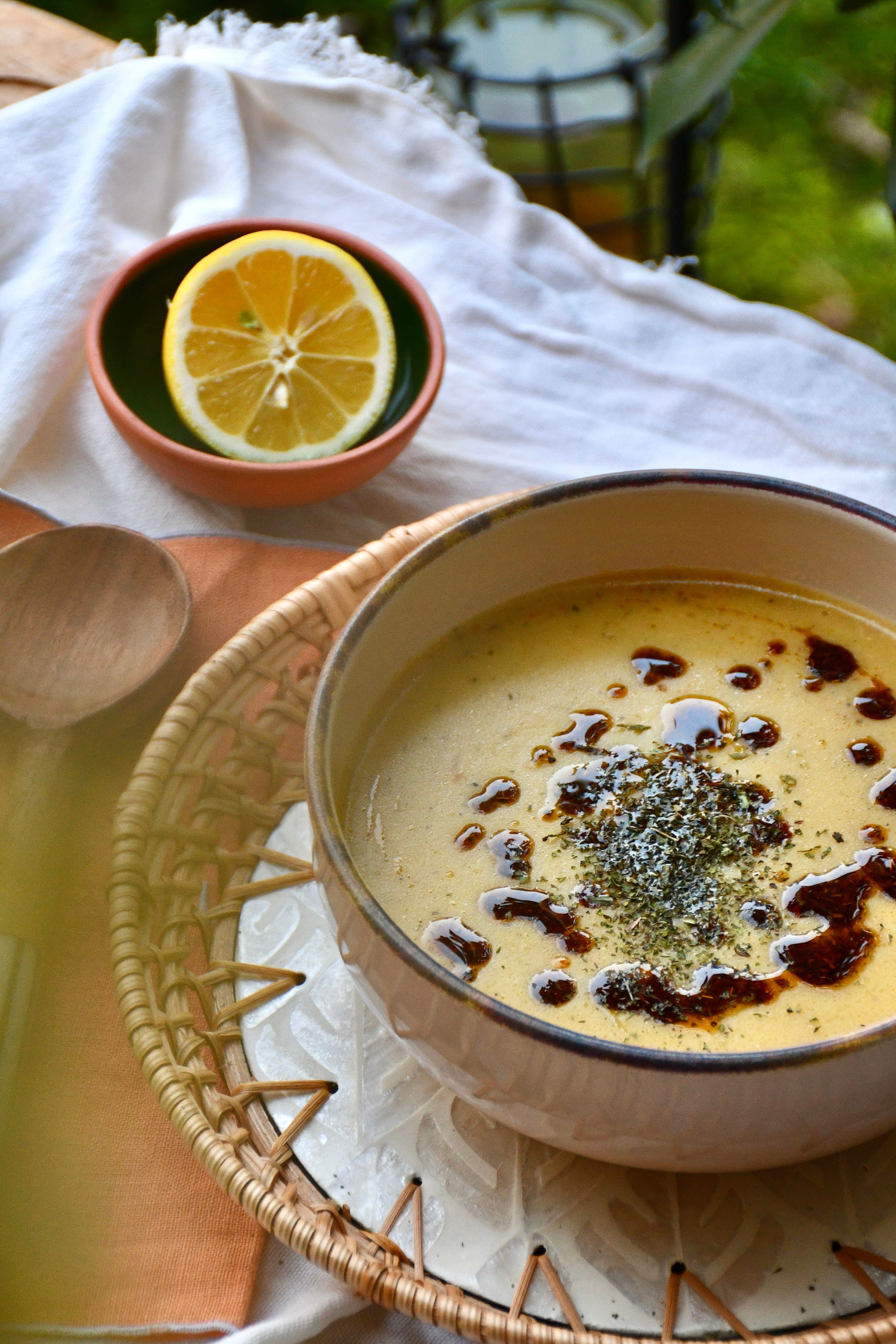
Magiritsa is the soup many Greek families wait all Lent to eat. Traditionally served after the midnight Resurrection service, it marks the end of fasting with a bowl that feels restorative, fragrant, and deeply tied to the holiday’s spiritual rhythm.
It is usually made with lamb offal, fresh herbs, scallions, lettuce, and rice, then finished with avgolemono, the silky egg-and-lemon mixture that gives so many Greek dishes their signature brightness. The flavor is rich without feeling heavy.
Even if you make a simplified version, the appeal remains the same: warm, lemony comfort with a ceremonial sense of occasion built right in.
Roast Lamb
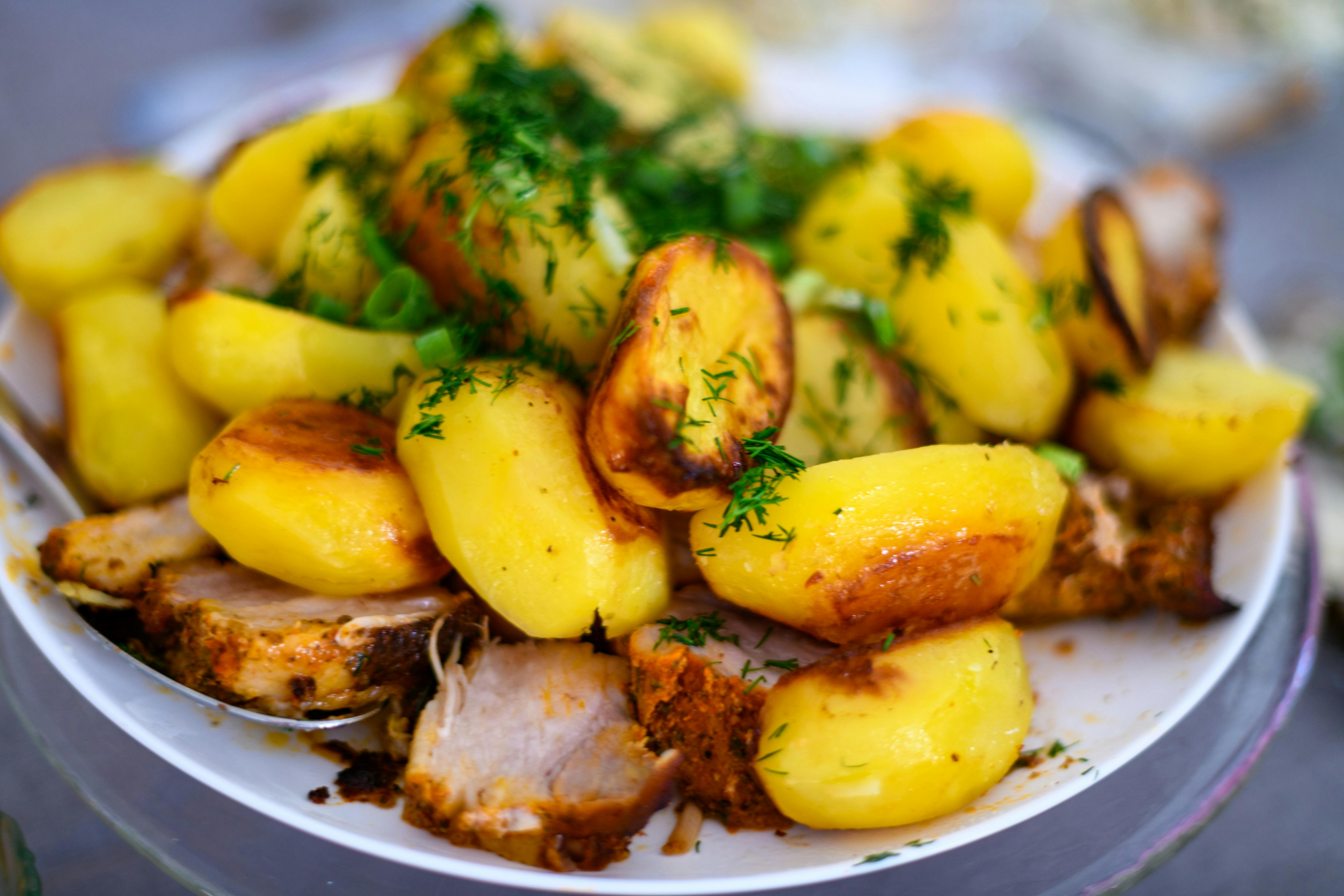
Roast lamb is the centerpiece of many Greek Easter Sunday tables, and for good reason. It is festive, communal, and wonderfully dramatic when brought to the table bronzed and aromatic, surrounded by potatoes and pan juices that nobody wants to waste.
Depending on the region and the family, the lamb may be spit-roasted outdoors or baked in the oven with garlic, lemon, oregano, and olive oil. The seasonings are simple, but they create that unmistakable Greek flavor profile.
This is the dish that turns a meal into an event. It invites long lunches, second helpings, and the kind of relaxed celebration that stretches well into the afternoon.
Kokoretsi

Kokoretsi is one of the most traditional and talked-about Greek Easter dishes. Made from seasoned lamb offal wrapped in intestines and roasted until crisp outside and tender within, it is beloved by those who appreciate bold flavor and old-school cooking.
It often cooks alongside the Easter lamb, especially in outdoor celebrations where the spit becomes part of the day’s ritual. Herbs, lemon, and careful seasoning help balance the richness and give it an earthy, savory depth.
For many families, kokoretsi is more than a specialty item. It is a marker of authenticity, a taste of village tradition, and a dish that keeps culinary heritage vividly alive.
Tsoureki

Tsoureki is the sweet braided bread that instantly signals Greek Easter. Soft, fragrant, and glossy on top, it is often scented with mahleb and mastiha, which give it a distinctive aroma that feels both floral and warmly spiced.
The bread is typically decorated with red-dyed eggs tucked into the braid, adding symbolism as well as beauty. Its slightly chewy texture and gentle sweetness make it ideal for breakfast, dessert, or simply tearing off a piece as guests move through the kitchen.
Baking tsoureki at home takes patience, but the reward is more than a loaf. It is the smell of a holiday settling into the house.
Koulourakia
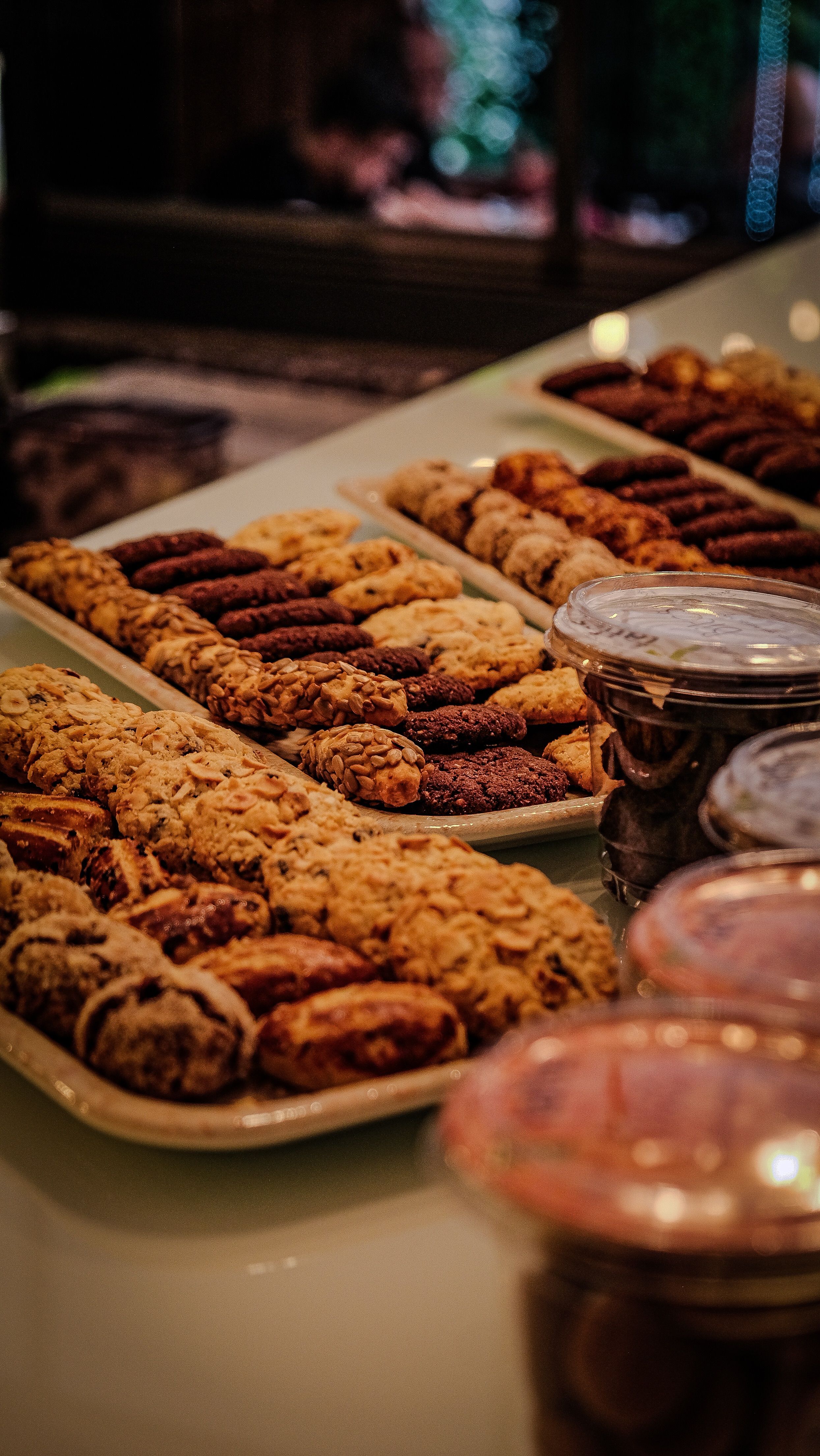
Koulourakia are the buttery Greek cookies that seem to appear in every Easter tin, tray, and dessert spread. Twisted, braided, or shaped into rings, they have a tender crumb and just enough crispness at the edges to make them endlessly snackable.
Their flavor is usually subtle, with notes of vanilla, orange, or sometimes ouzo, depending on the family recipe. An egg wash gives them that beautiful golden finish that makes even a simple cookie look festive.
These are the kinds of treats people keep reaching for with coffee long after the big meal is over. They are easygoing, elegant, and inseparable from the holiday mood.
Red-Dyed Eggs
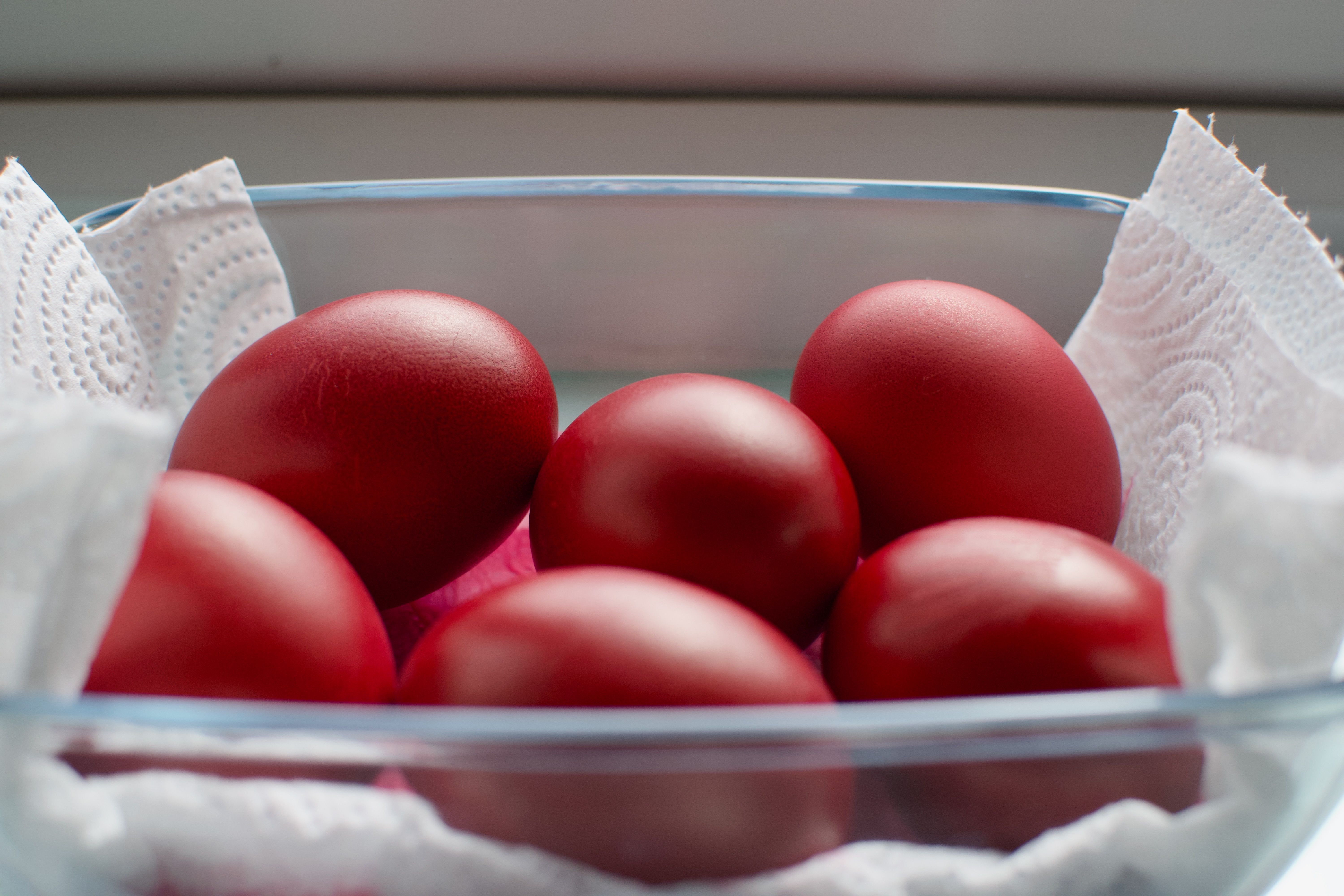
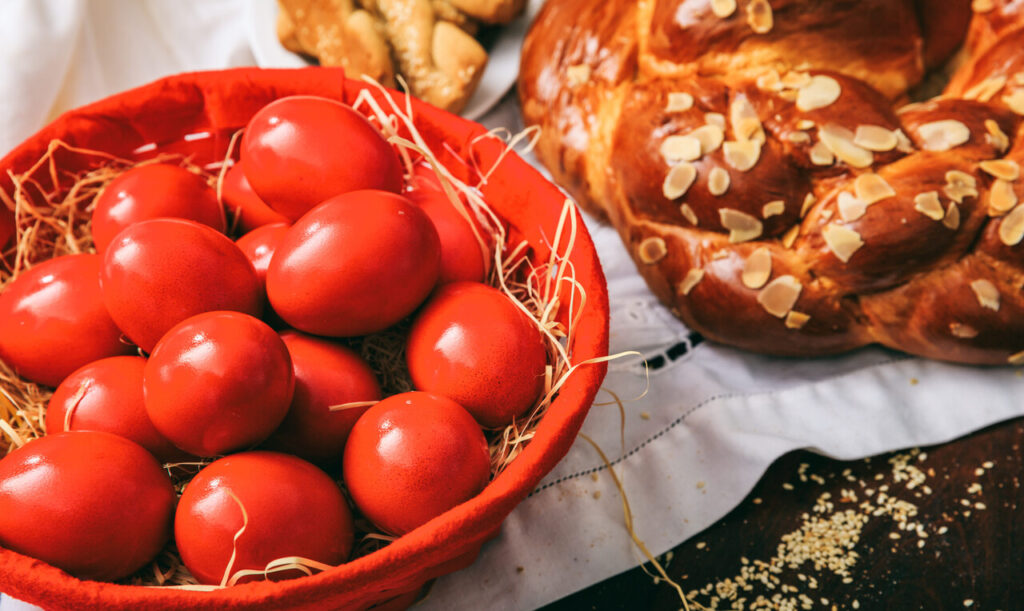
Red-dyed eggs are one of the most recognizable symbols of Greek Easter. Their deep crimson color represents rebirth and sacrifice, and they bring a striking visual note to the table whether arranged in bowls, tucked into tsoureki, or served for the traditional egg-cracking game.
The ritual of dyeing them is part of the celebration itself, often done on Holy Thursday in many households. Some cooks keep the finish matte and natural, while others polish the eggs with a little oil to make them shine.
They may seem simple compared with more elaborate dishes, but they carry enormous meaning. Few Easter foods are this humble, beautiful, and culturally resonant all at once.
Spanakopita

Spanakopita may not be exclusive to Easter, but it earns a welcome place on many holiday tables. Layers of crisp phyllo wrapped around spinach, herbs, and feta offer a savory counterpoint to richer meats and celebratory sweets.
It is also one of the most practical dishes in the lineup. You can bake it ahead, serve it warm or at room temperature, and cut it into neat portions for a crowd, which makes it especially handy during a busy holiday weekend.
What keeps it feeling festive is the contrast of textures: shattering pastry on top, a soft and flavorful filling within. It brings freshness, color, and a little balance to the feast.
Dolmades
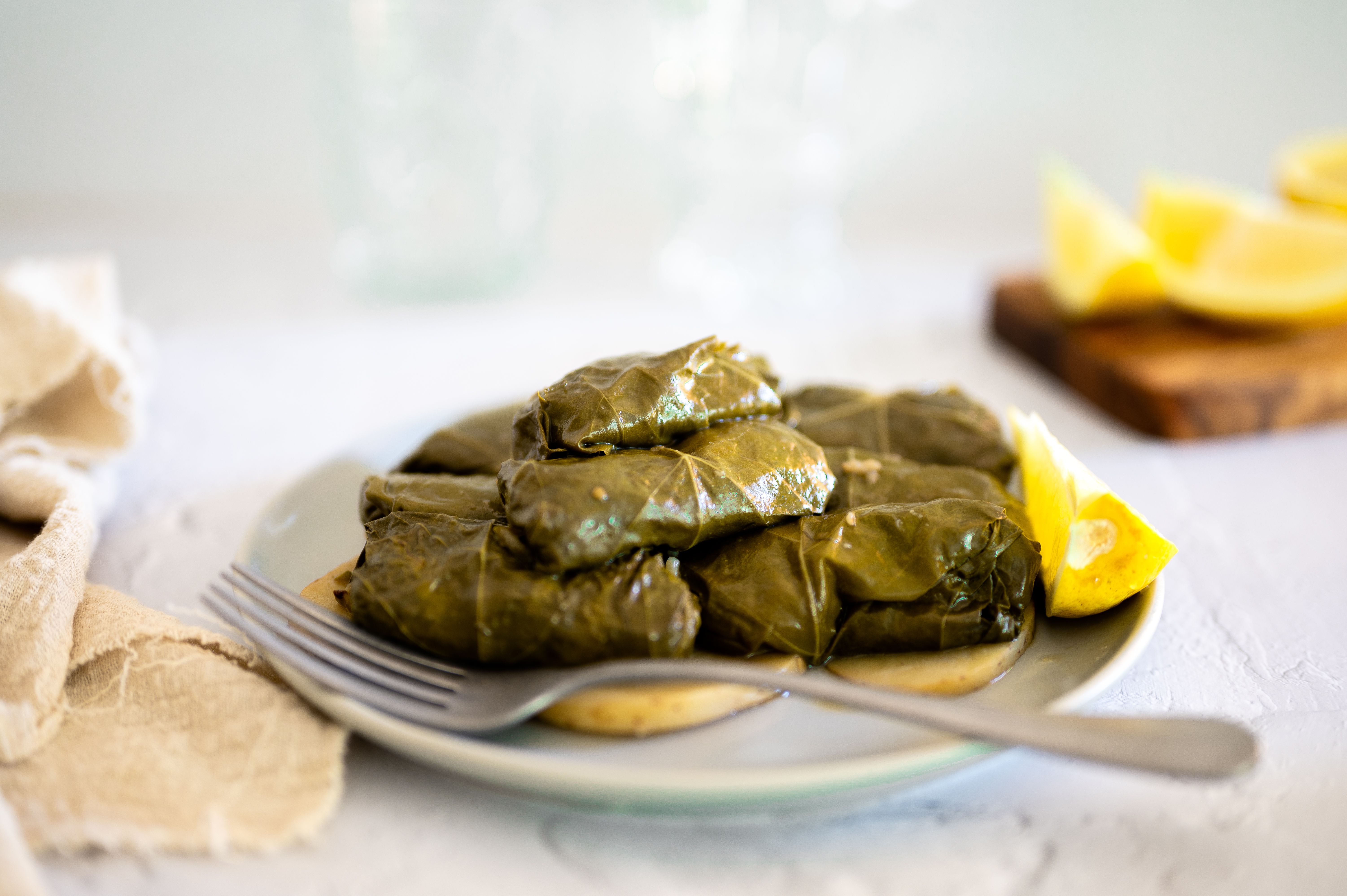
Dolmades, those neatly rolled grape leaves stuffed with rice and herbs, add elegance and brightness to the Easter spread. They are often served as part of a broader table of appetizers, but they hold their own with their tangy, herbal character.
Some versions include minced meat, while others stay firmly in the herb-and-rice camp, especially when cooks want a lighter dish among heavier roasts. A squeeze of lemon just before serving sharpens every flavor and makes the filling feel even fresher.
Dolmades are also a reminder that Greek holiday meals are not only about one main dish. They are about abundance, variety, and plates designed for sharing.
Gigantes Plaki
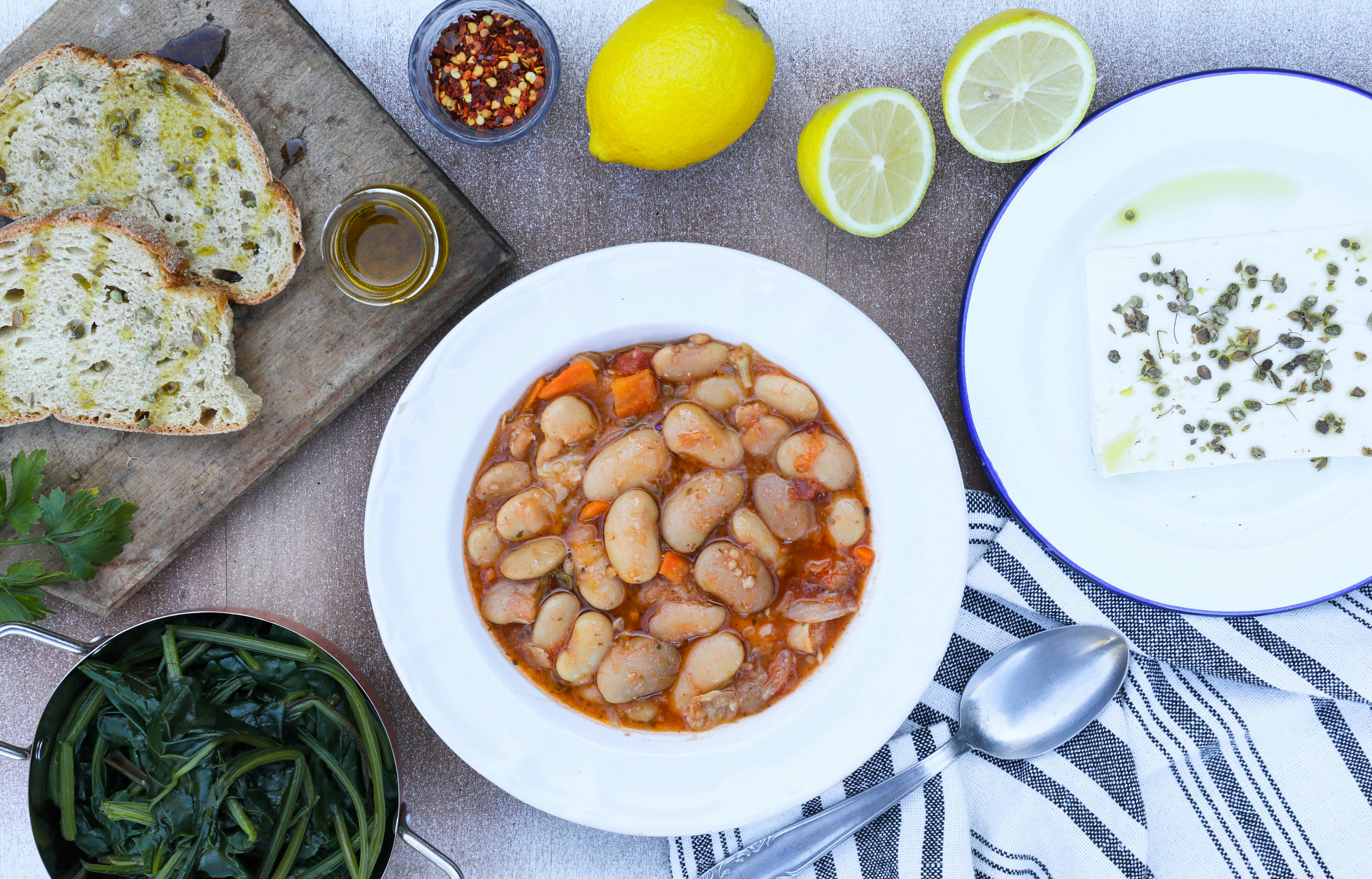
Gigantes plaki brings a slower, homier kind of comfort to the Easter table. These giant beans are baked in a tomato-based sauce with onions, garlic, olive oil, and herbs until everything turns soft, rich, and deeply savory.
The dish has a wonderful generosity to it. It can sit beside roast lamb, appear among the starters, or even stand alone for guests who want something hearty but meat-free after a weekend of indulgence.
Its appeal lies in simplicity done well. When the beans are creamy and the sauce is thick and glossy, gigantes plaki tastes like the kind of recipe that has been passed from one family kitchen to the next.
Galaktoboureko
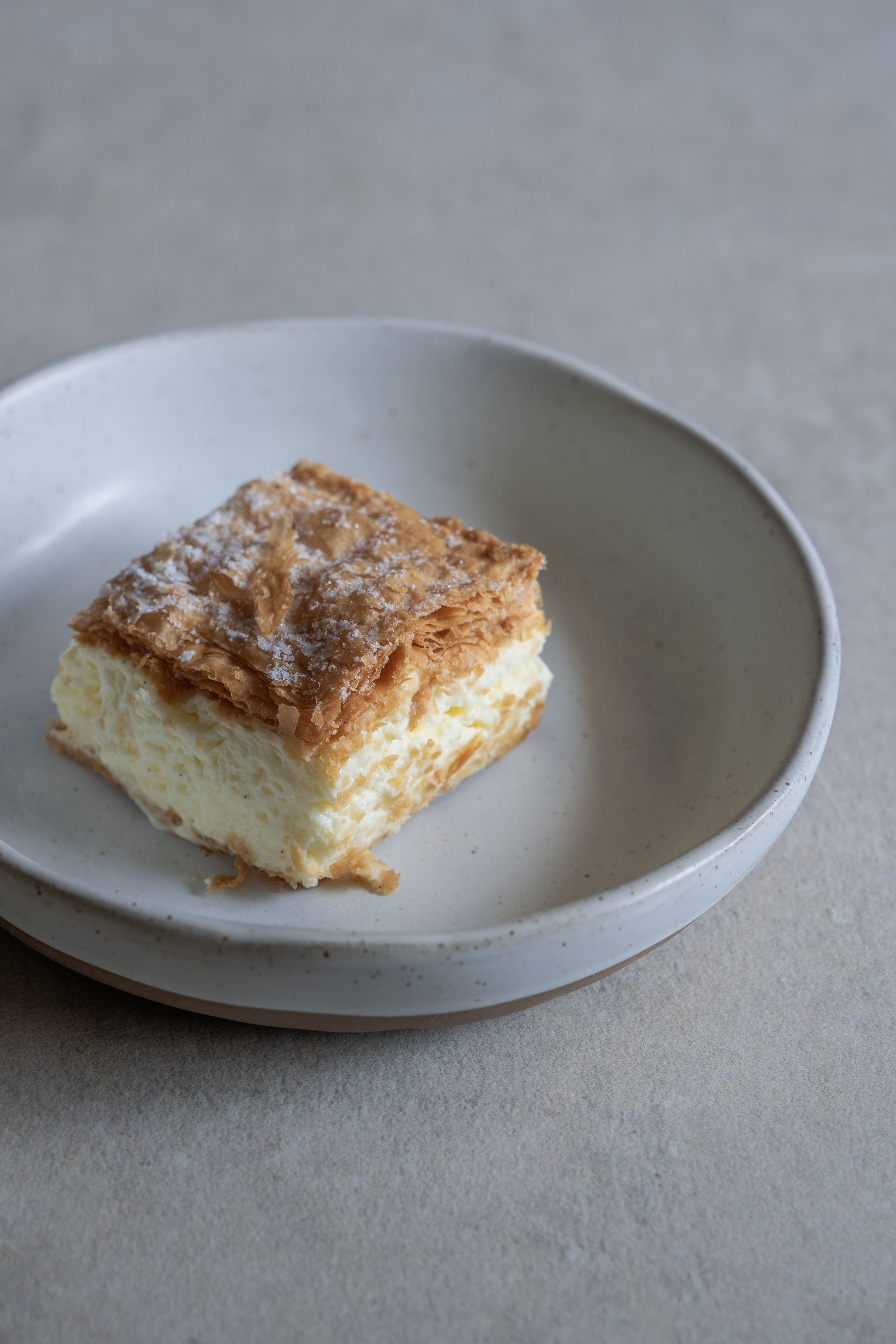
Galaktoboureko is the showstopping dessert for anyone who loves custard and crisp pastry in equal measure. Built with layers of phyllo and a semolina custard, then soaked in scented syrup, it lands somewhere between delicate and gloriously indulgent.
Served after a large Easter meal, it offers a different kind of richness from chocolate-heavy desserts. The top stays crackly, the interior remains creamy, and the syrup adds sweetness without taking over every bite.
It is the sort of dessert that prompts a pause after the first forkful. Cold or room temperature, simple or dressed up for guests, galaktoboureko always feels like a special-occasion finish.