Your Favorite Snack Might Not Taste the Same Anymore and People Are Noticing

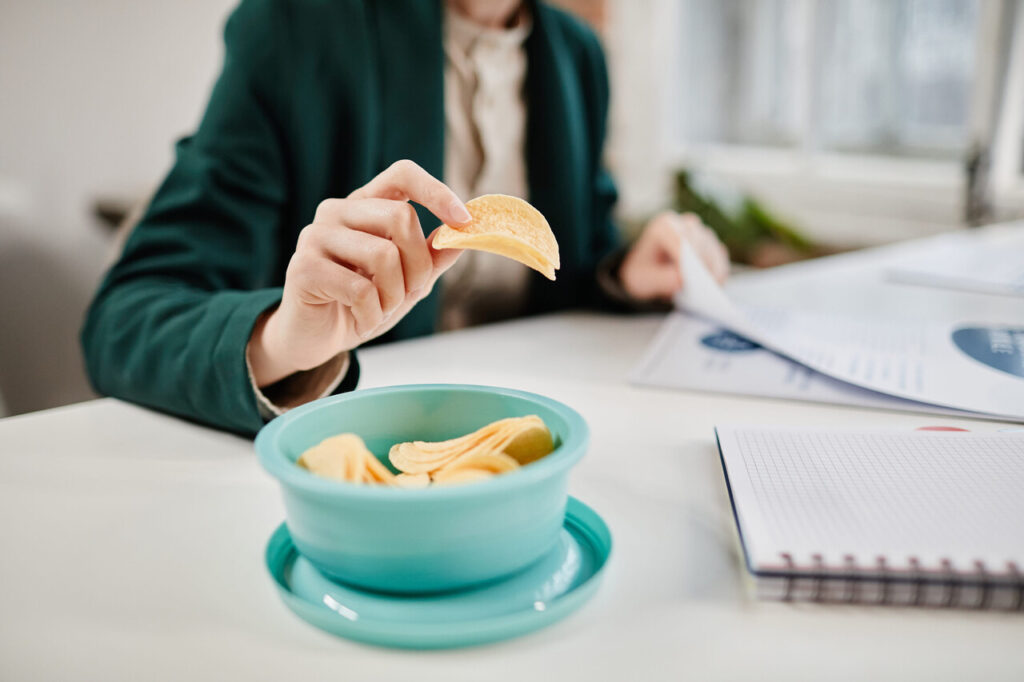
If your favorite snack does not taste quite the way it used to, you are not alone. Many people have started noticing small but noticeable differences in foods they have eaten for years.
It is easy to assume that brands quietly changed their recipes, and sometimes they do. But the full picture is more complex. Changes in taste perception, aging, health, memory, and even expectations all play a role in how food is experienced over time.
What feels like a sudden shift is often the result of several gradual changes happening at once, both in the product and in the person eating it.
Why Your Favorite Snack Suddenly Tastes Different
What feels like a recipe change is often something happening inside you. Many people assume brands altered ingredients, but perception plays a larger role than expected. Taste is not fixed, and it can shift gradually without you noticing at first.
The human sense of taste is influenced by multiple systems working together. Flavor depends on taste buds, smell, saliva, and even brain processing. When any of these change, the same snack can feel noticeably different.
Even small changes in perception can alter the experience. A snack that once felt rich may seem bland or overly sweet over time. This shift can happen slowly, making it hard to pinpoint the exact cause.
Expectations also influence taste more than people realize. If you believe something has changed, your brain may interpret the flavor differently. This makes the experience feel less consistent even if the product is the same.
In many cases, the difference is real but internal. The snack may not have changed as much as your ability to experience it has. This is why the same product can feel different at different stages of life.
The Science Behind Changing Taste Buds
One of the most direct reasons for changing taste is the body itself. Taste buds naturally evolve over time, and their sensitivity tends to decline with age. This makes flavors feel less intense than they once did.
The number and function of taste receptors can decrease gradually. As these receptors become less responsive, foods may seem dull or less balanced. This change is a normal part of aging and affects many people.
Saliva also plays an important role in taste perception. Reduced saliva production can make it harder for flavor molecules to reach taste receptors. This can make snacks feel dry or less flavorful.
Smell is closely linked to taste, and it often declines with age as well. When the sense of smell weakens, the complexity of flavors becomes harder to detect. This makes food seem simpler or less satisfying.
These biological changes happen slowly over time. Because they are gradual, people may not notice them immediately. The result is a growing sense that familiar foods no longer taste the same.
The Hidden Recipe Changes Companies Do Not Advertise
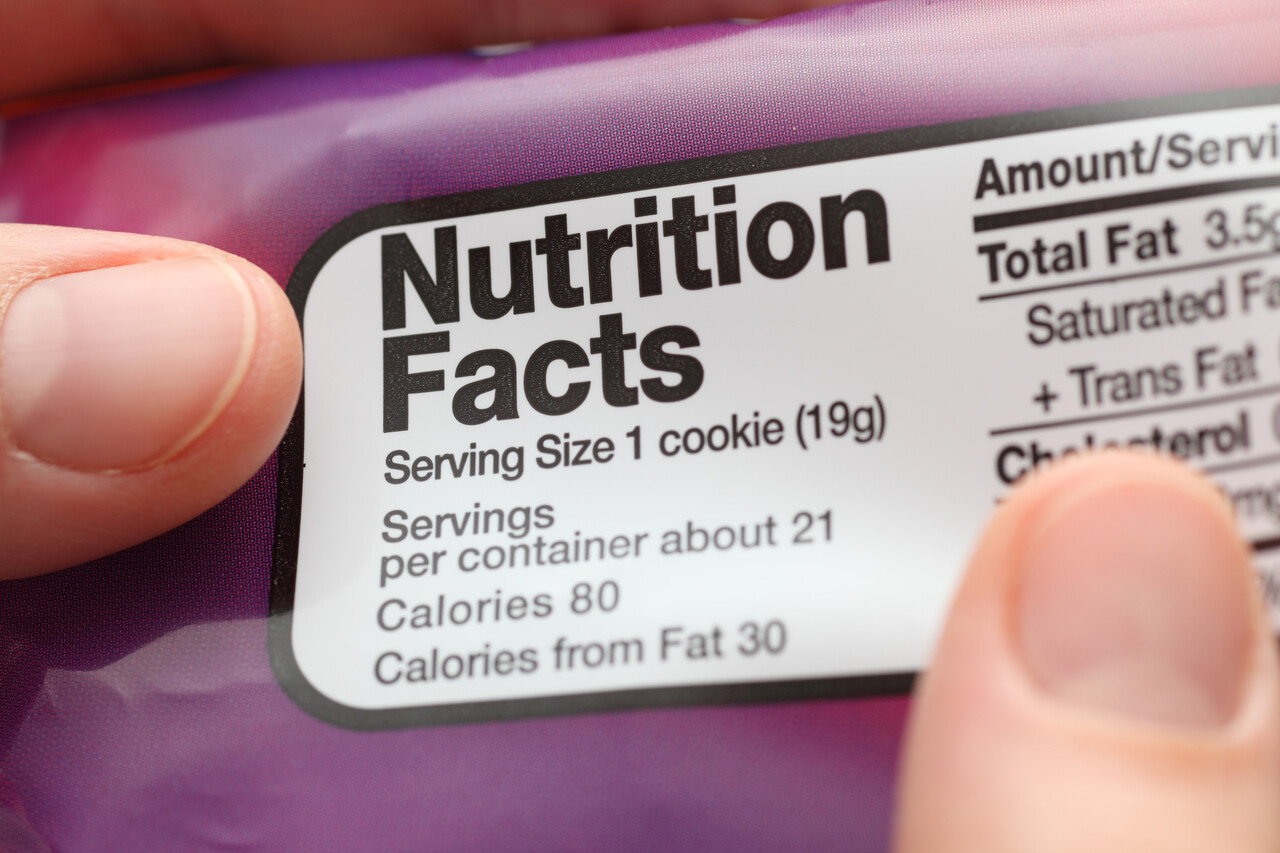
At the same time, some products do change over time. Food companies adjust recipes for cost, supply, or regulatory reasons. These changes are often subtle and not always announced clearly.
Ingredients may be swapped or reduced to maintain consistency at scale. This can include changes in oils, sweeteners, or flavoring agents. Even small adjustments can affect how a snack tastes.
Cost pressures also influence these decisions. When ingredient prices rise, companies may look for alternatives that are more affordable. This can slightly alter the final product without changing its appearance.
Health regulations and consumer trends play a role as well. Reductions in salt, sugar, or artificial additives can shift flavor profiles. These changes are often made to meet evolving standards.
While each adjustment may be minor, they can add up over time. Longtime consumers may notice that something feels different, even if they cannot identify exactly what changed.
How Smell and Memory Shape What You Taste

Taste is not just about what is on your tongue. A large part of flavor comes from smell, which works together with taste to create a complete experience. When smell changes, taste follows.
Memory also plays a powerful role in how food is experienced. People often compare what they taste now to what they remember from the past. This comparison can make current flavors seem less satisfying.
Nostalgia can amplify this effect. Snacks associated with childhood or earlier life stages often feel more enjoyable in memory. This makes the present experience feel like a decline, even if it is similar.
The brain tends to idealize past experiences. Over time, memories of taste can become simplified and more positive. This creates a gap between expectation and reality.
Because of this, perception is shaped by both biology and memory. What you taste is influenced as much by your past as by the food itself. This makes changes feel more dramatic than they are.
Why People Are Noticing the Difference Now
More people are talking about changing taste experiences than ever before. Social media allows individuals to share observations quickly and widely. This creates a sense that something widespread is happening.
When many people report similar experiences, it reinforces the idea of change. Even if the causes vary, the shared narrative becomes stronger. This makes the issue more visible.
Increased awareness of health and ingredients also plays a role. Consumers are paying closer attention to what they eat and how it tastes. This makes them more likely to notice subtle differences.
Access to information has also improved understanding of taste changes. People are more aware of how age, health, and environment affect perception. This knowledge shapes how they interpret their experiences.
Together, these factors create a feedback loop. People notice changes, share them, and become more aware of them. This is why the feeling that snacks taste different is becoming more common.