The French Technique That Makes Scrambled Eggs Silky Every Time

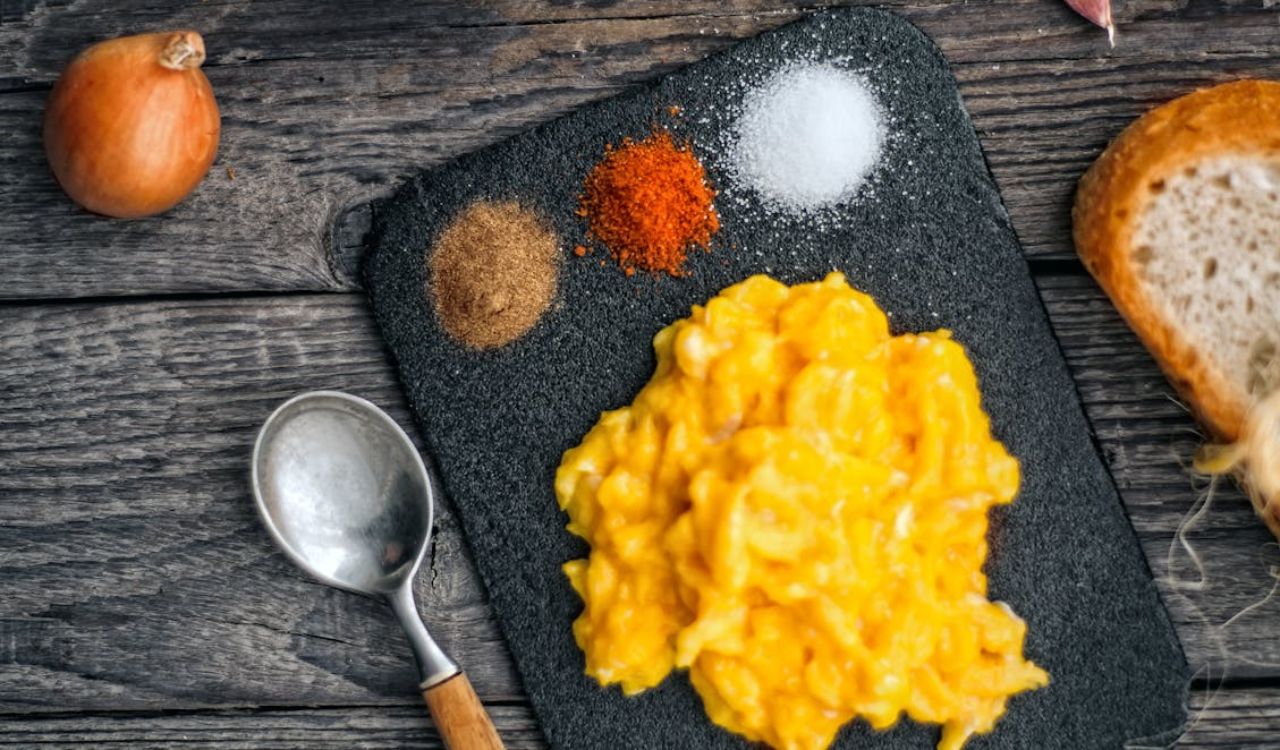
Scrambled eggs may seem like one of the simplest foods to make, yet they remain one of the most hotly debated breakfast staples in American kitchens. Everyone has an opinion on what makes the perfect scramble, whether that means light and fluffy curds piled high on a plate or soft, creamy eggs that melt into each bite. These differences have fueled years of experimentation with ingredients, cookware, and timing. It relies on patience, temperature awareness, and constant motion rather than added cream or fancy tools. Once you try it, this approach changes how you think about scrambled eggs entirely.
What Makes French-Style Scrambled Eggs Different
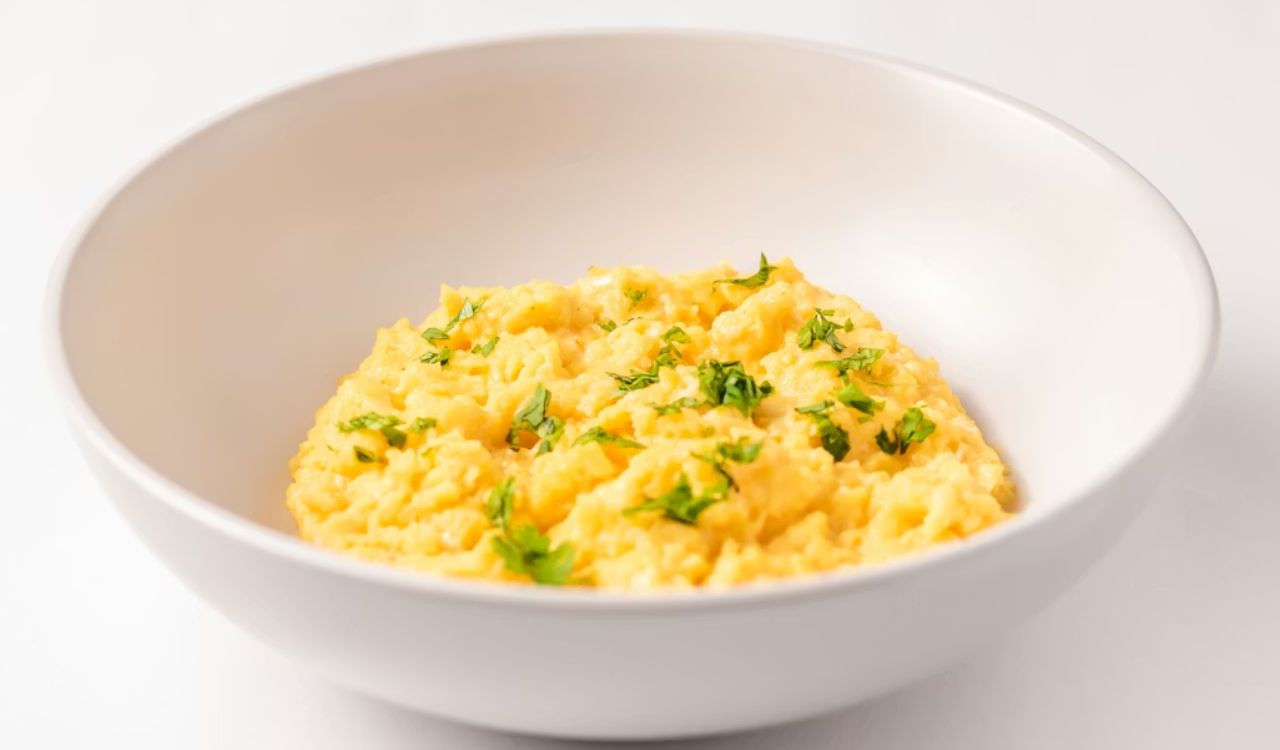
French-style scrambled eggs differ from traditional American versions because they are designed to deliver a very specific eating experience rather than visual volume or speed of preparation. Instead of aiming for tall, fluffy curds that look abundant on the plate, this method prioritizes delicacy and uniformity. The eggs are worked slowly into fine, soft curds that blend together, creating a texture that feels cohesive rather than segmented. Each bite is meant to feel smooth and rich, without dry patches or spongy resistance. This approach reflects a broader French cooking philosophy that values restraint and balance, transforming a familiar breakfast dish into something intentionally refined and quietly indulgent rather than hearty or rushed.
Another defining characteristic of French-style scrambled eggs is how intentionally temperature is managed from start to finish. The technique begins with a room-temperature pan and cold eggs straight from the refrigerator, allowing both to warm gradually together. This slow rise in temperature gives egg proteins time to set gently rather than tightening suddenly. Butter is added early and melts slowly, blending into the eggs instead of separating. The combination of low heat, constant motion, and gradual butter incorporation prevents moisture loss and creates the signature silky texture that sets this style apart.
Step-By-Step Guide To Making Silky French Scrambled Eggs
1. Prepare the eggs and pan correctly
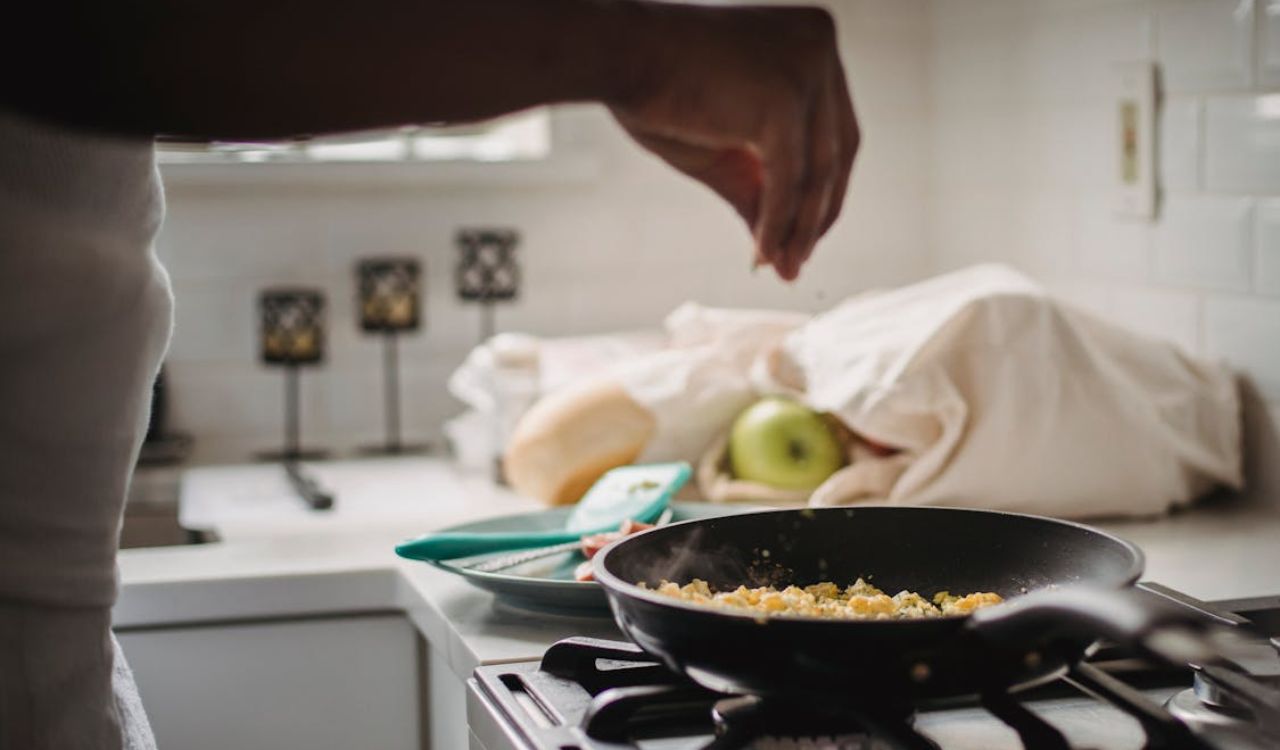
Begin by cracking the eggs straight from the refrigerator into a bowl and gently whisking them until the whites and yolks are fully combined. Do not add salt yet, as seasoning early can change how the eggs set. Keeping the eggs cold is intentional, because cold eggs heat more slowly and give you greater control during cooking. Choose a nonstick pan or a well-seasoned cast iron skillet and ensure it is at room temperature, not preheated. This allows the pan and eggs to warm together gradually. Use a flexible spatula, which helps you guide the eggs smoothly without tearing or scraping. Preparing everything in advance ensures uninterrupted cooking.
2. Start cooking low and slow with butter
Place the pan over the lowest heat setting possible and add cubed butter, roughly one tablespoon per egg. Immediately pour in the scrambled eggs. At this stage, nothing should sizzle or steam. Begin stirring right away using slow, steady motions that sweep across the entire pan. The butter should melt gradually, blending into the eggs as they cook rather than separating or browning. This slow melting coats the egg proteins evenly, contributing to a creamy texture. Constant stirring prevents hot spots and sticking while keeping the eggs moving. Patience here is essential, as increasing heat too quickly will cause larger curds to form.
3. Control curd size through constant motion
As the eggs begin to thicken, continue stirring without stopping. Use the spatula to gently break up forming curds into smaller pieces, folding the eggs back onto themselves as they cook. This consistent motion ensures even cooking and prevents any section of the pan from overheating. Over several minutes, the eggs will transition from liquid to softly set while remaining glossy and moist. The goal is a uniform texture with tiny curds throughout. The eggs should never bubble, brown, or release steam. If they do, the heat is too high and should be reduced immediately to protect the texture.
4. Finish with residual heat and season
When the eggs look mostly cooked but still appear slightly wet and glossy, remove the pan from the heat. Continue stirring for another minute or two using the residual heat of the pan to finish cooking gently. This final stage prevents overcooking and helps preserve moisture. The eggs are done when they no longer release liquid but still look soft and creamy. Only now should you add salt and pepper to taste. Serve immediately, as French-style scrambled eggs are best enjoyed fresh. Waiting too long allows carryover heat to dry them out and dull their silky texture.
Why Temperature Matters More Than Ingredients
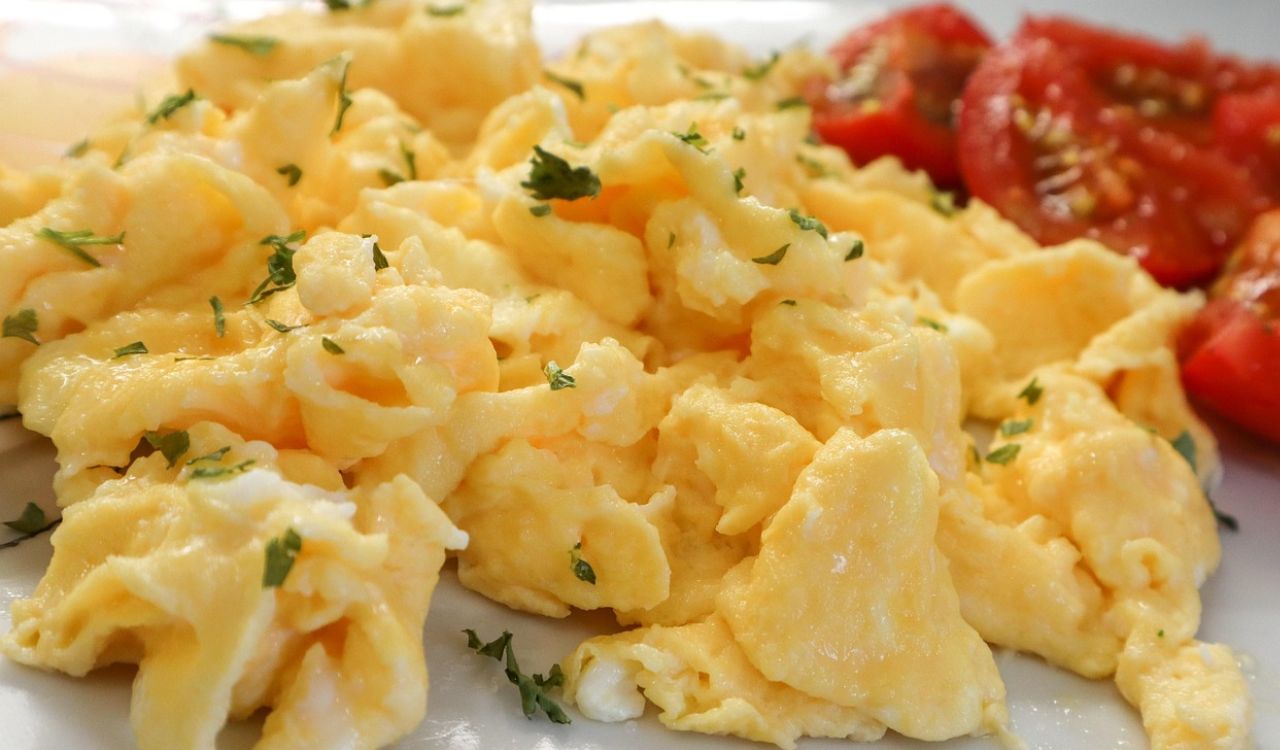
Many scrambled egg recipes emphasize adding ingredients such as milk, cream, or mayonnaise in an effort to improve texture, but these additions are not the primary factor behind silky eggs. While added fat or moisture can influence flavor and richness, the way eggs respond to heat has a much greater impact on the final result. When eggs are exposed to high heat too quickly, the proteins contract rapidly and force moisture out, leading to a dry, firm texture. By contrast, gentle heat allows proteins to relax and set slowly, helping the eggs retain moisture. This slower coagulation process creates a softer structure, resulting in eggs that feel tender and smooth rather than stiff or crumbly.
The French technique builds on this principle by focusing on how heat is applied rather than what ingredients are added. By avoiding preheated pans and high cooking temperatures, the method creates a longer and more forgiving cooking window. Cold eggs placed in a room-temperature pan warm gradually, giving the cook time to shape texture through constant stirring instead of aggressive heat. Butter plays a supporting role by softening temperature fluctuations and reducing direct contact between the eggs and the pan. Together, these elements minimize the risk of overcooking and promote a cohesive, creamy texture that can be applied to other delicate egg-based preparations as well.
Common Mistakes And How To Avoid Them
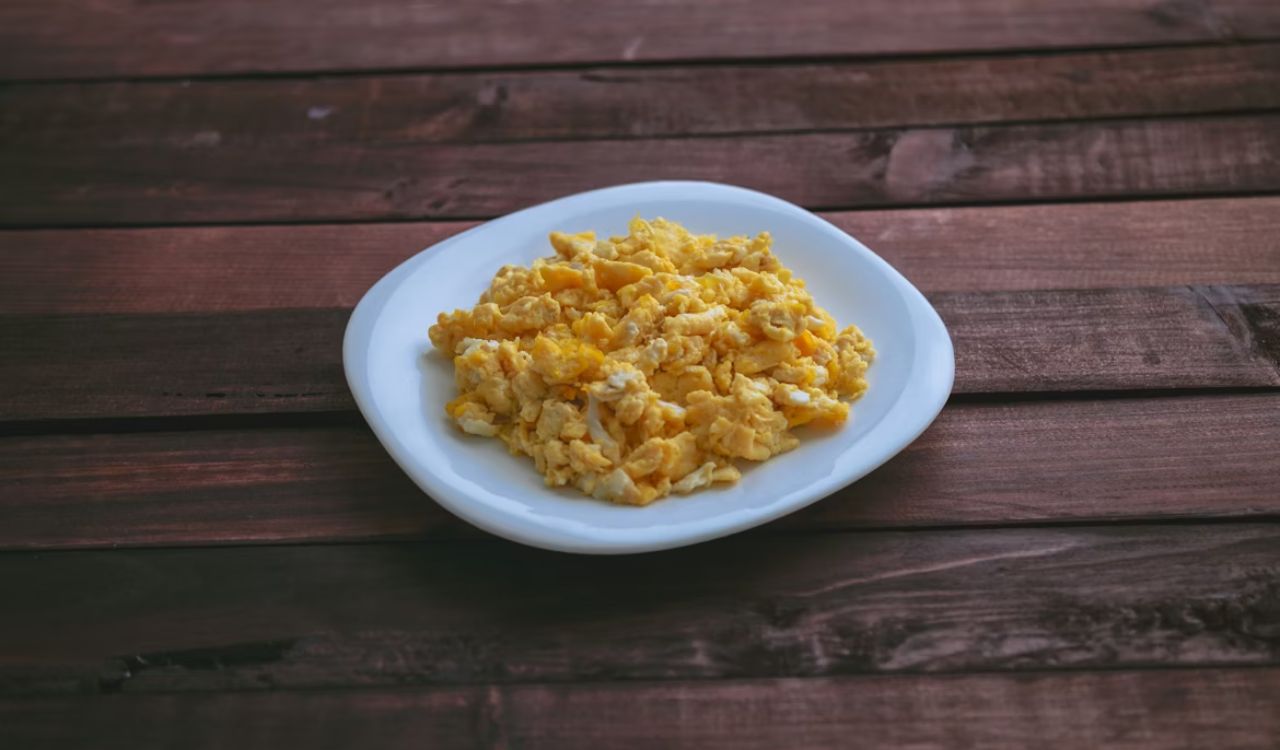
One of the most common mistakes when cooking scrambled eggs is using heat that is too high. While higher heat may seem efficient, it significantly reduces control and often causes eggs to cook unevenly. This leads to dry edges, rubbery curds, and a loss of moisture before the eggs are fully set. Preheating the pan is another frequent misstep that shortens the cooking window needed to gently form small, tender curds. These habits are widespread because they work for omelets or fluffy scrambles, but they directly conflict with the slow, controlled approach required for French-style scrambled eggs, where patience is essential to achieving the desired texture.
Overcooking is another major pitfall that can undermine even careful preparation. Scrambled eggs continue to cook from residual heat after being removed from the stove, so waiting until they look finished in the pan almost always results in dryness by the time they reach the plate. Removing the pan while the eggs still appear slightly soft and glossy allows carryover heat to complete the process gently. Tool choice also plays an important role. Rigid utensils can break curds unevenly or scrape the pan aggressively, while a flexible spatula supports smooth, continuous motion. Avoiding these mistakes requires attention and restraint, but the reward is consistently silky, restaurant-quality eggs.
Bringing French Scrambled Eggs Into Everyday Cooking
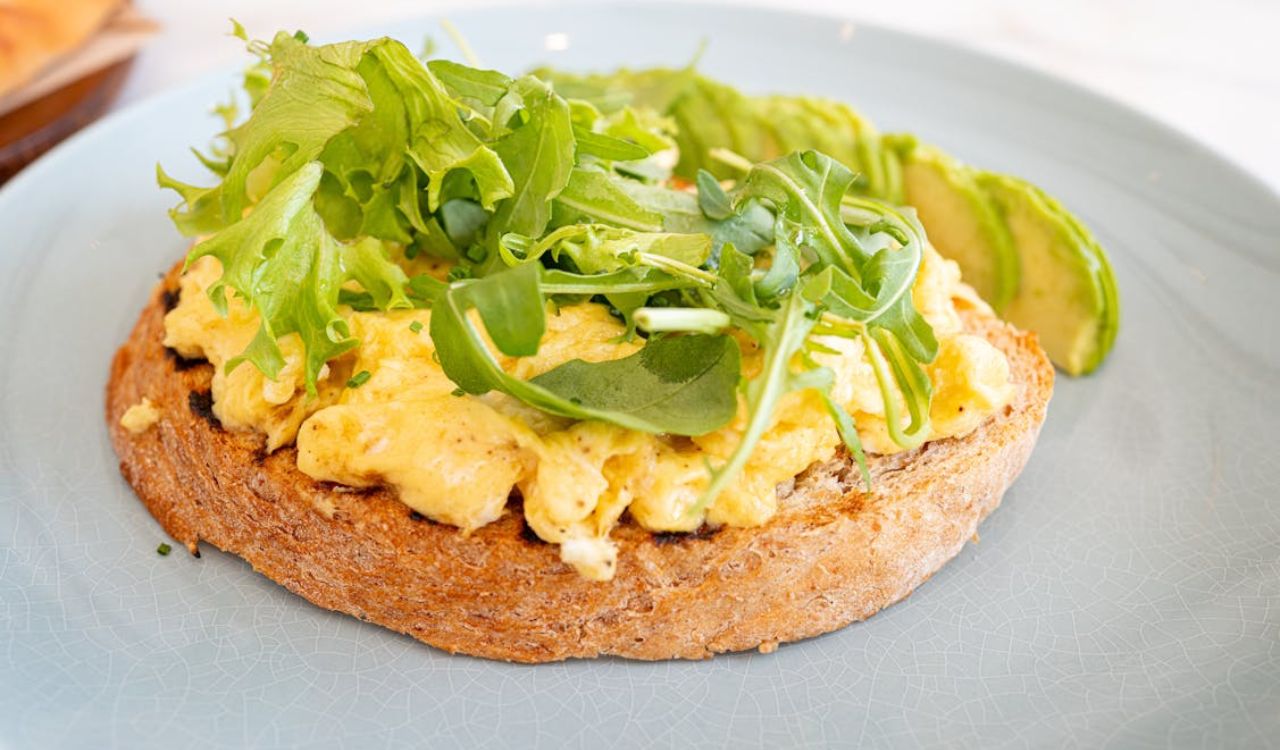
Once mastered, French-style scrambled eggs become an adaptable and dependable foundation for everyday meals. Their soft, creamy texture pairs well with a wide range of accompaniments, from toasted bread and sauteed vegetables to fresh herbs or smoked fish. This versatility makes them suitable for both simple weekday breakfasts and more polished weekend brunches. Because the technique relies on awareness and timing rather than specialty ingredients or equipment, it fits easily into regular home cooking routines. With practice, the process becomes familiar and efficient, allowing high-quality results without added effort or expense.
Beyond the eggs themselves, this method teaches broader cooking lessons that extend well past breakfast. Learning to manage heat carefully, move ingredients deliberately, and recognize subtle visual cues builds confidence across many recipes. French-style scrambled eggs demonstrate how thoughtful technique can elevate even the most basic foods into something intentional and satisfying. Over time, this approach shifts the way cooks think about preparation, making silkiness and control the standard rather than the exception. What begins as a single recipe often becomes a mindset that improves overall kitchen skill and enjoyment.
References
- The French Trick That Makes Scrambled Eggs Silky Every Time- SimplyRecipes.com
- Do you start your scrambled eggs in a cold pan?- Taste.com.au
- 7 types of scrambled egg recipes from around the world- EconomicTimes.IndiaTimes.com