10 Cheesecake Flavors That Win Trophies While Basic Cakes Sit Ignored

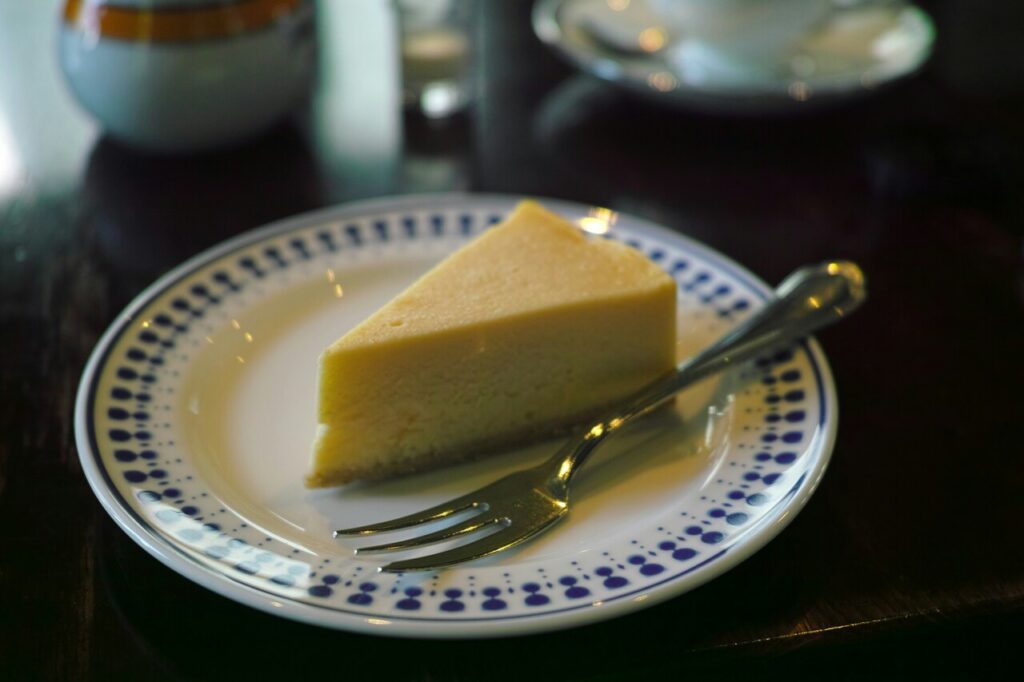
Cheesecake tends to win attention because it delivers what many basic cakes cannot: density, creaminess, and clean slices that look polished on a plate. The best flavors also bring contrast, crisp crust against silky filling, bright fruit against rich dairy, or caramelized edges against a custardy center. That balance makes each bite feel deliberate rather than simply sweet. These standout styles are the kinds that get requested first at parties and praised most in bake-offs, because the textures stay memorable and the flavors hold up even in small servings. When a cheesecake is done right, it does not just compete with cake. It makes cake feel like the quiet option.
1. New York Style Cheesecake
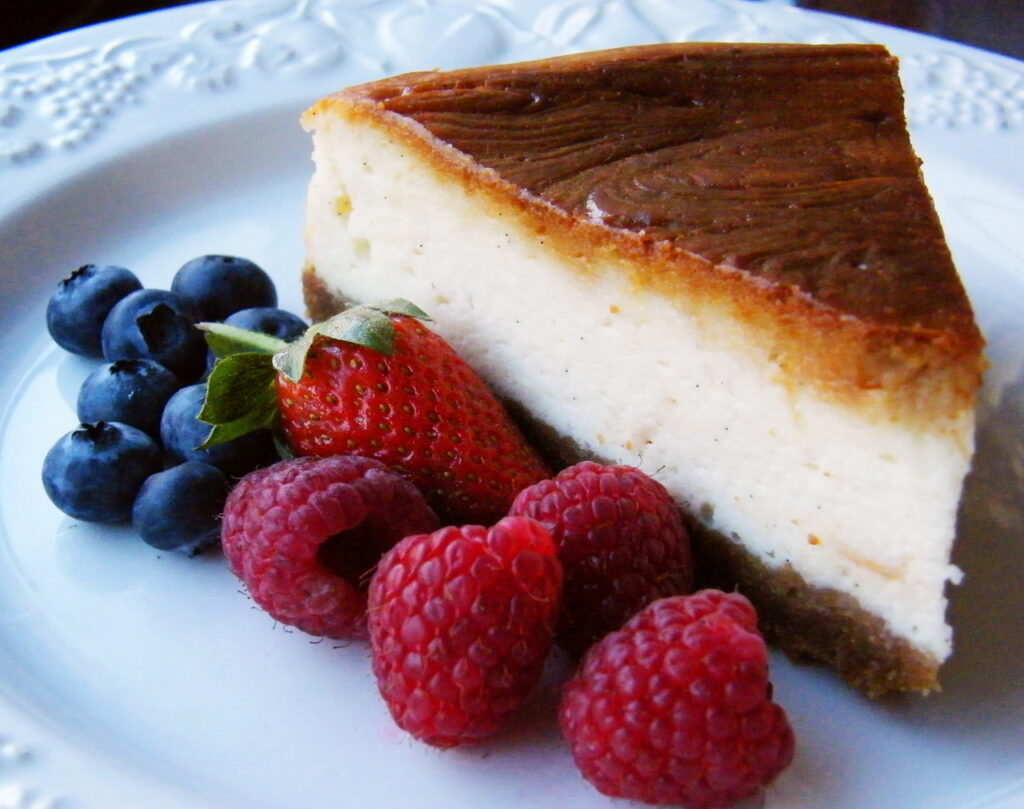
New York-style cheesecake wins trophies because it treats richness like a skill, not an accident. The texture is intentionally dense and creamy, built from a high proportion of cream cheese and a baking method that sets the center slowly and evenly. That firmness matters in competitions and celebrations because slices hold cleanly and look polished on a plate. Flavor is also reliable. The tang of cream cheese reads as “real” and balanced, so sweetness never feels flat. A good New York-style cheesecake also handles toppings well. Fruit, chocolate, caramel, or nuts can be added without the base disappearing, which makes it a dependable crowd winner.
2. Biscoff Cheesecake
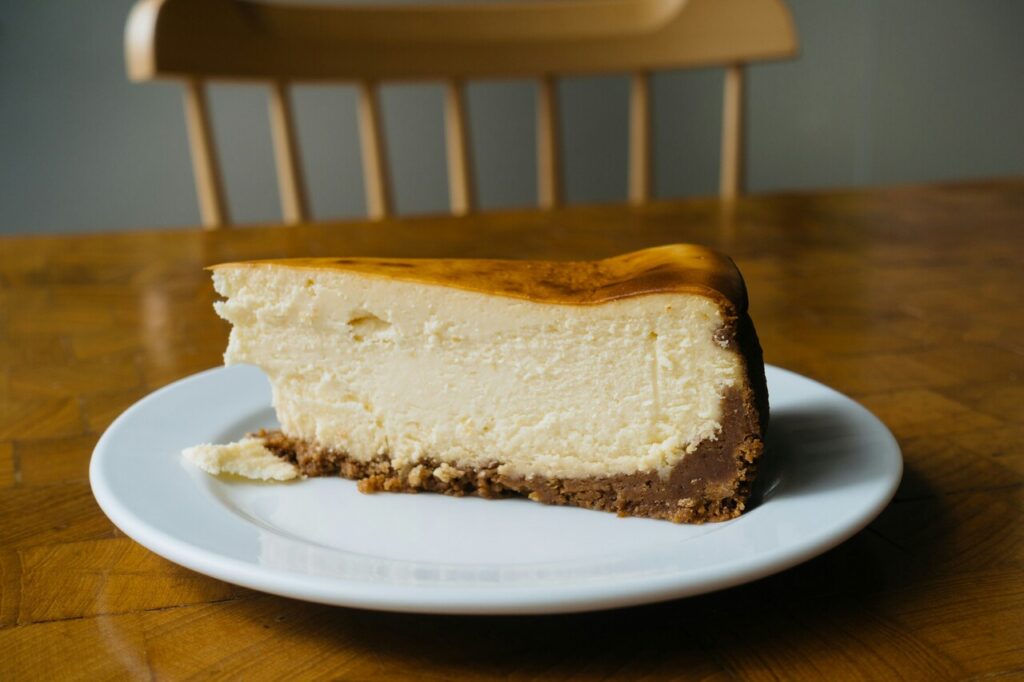
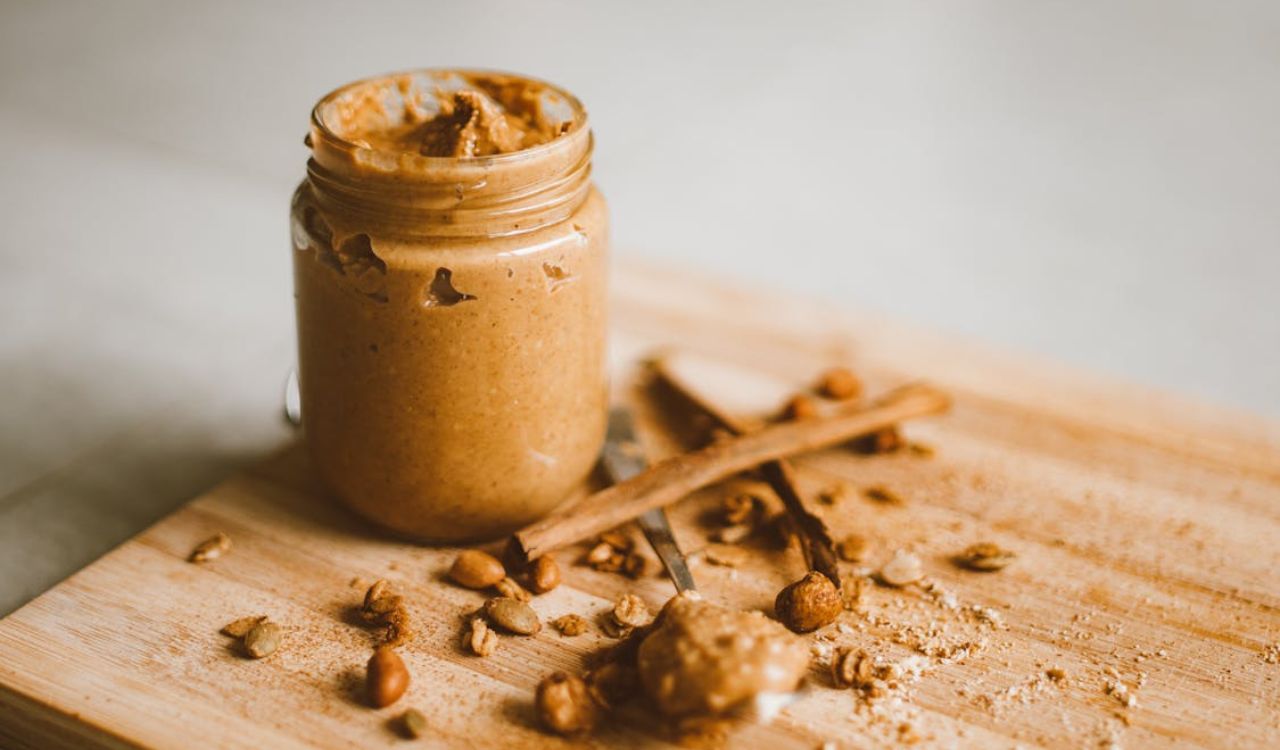
Biscoff cheesecake feels like a trophy dessert because it delivers instant flavor recognition with a more modern edge. The spiced caramel profile of Biscoff cookies is strong and memorable, so even a small bite tastes bold. That intensity works well in cheesecake because the creamy filling acts like a soft background, allowing the cookie flavor to stand out rather than overpower. The crust is usually made from crushed cookies, which adds crunch and reinforces the flavor in two layers. Texture contrast is one of the reasons it wins attention. A creamy center paired with a crisp base feels more exciting than many basic cakes that stay one-note.
3. Japanese Cotton Cheesecake
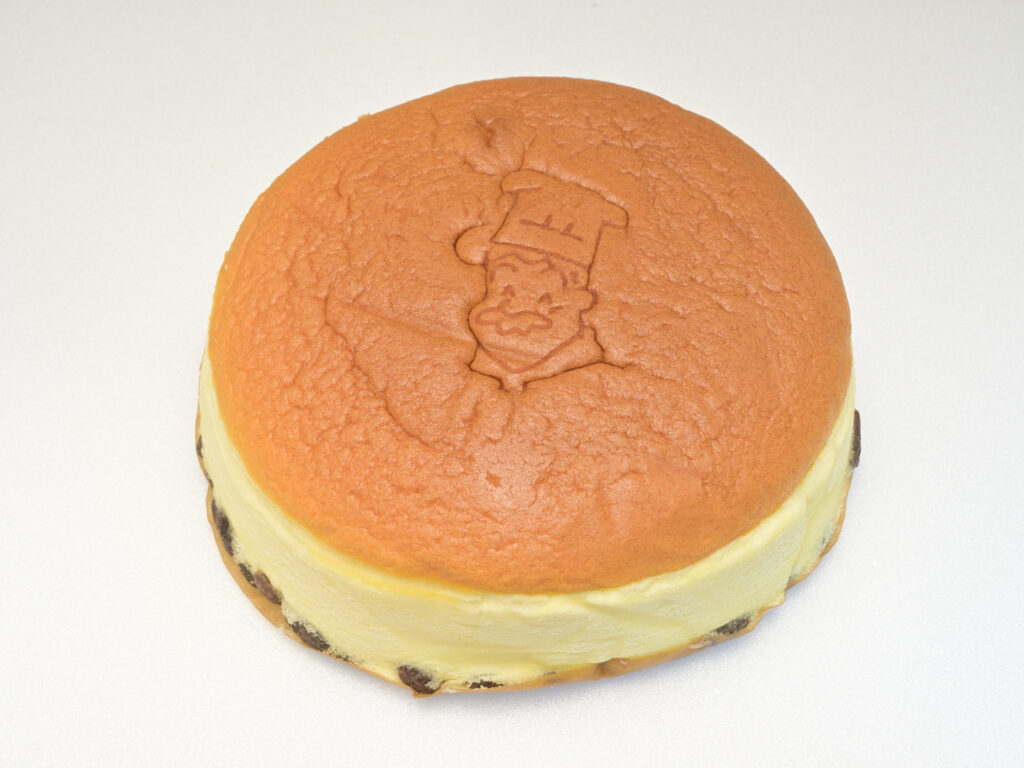
Japanese cotton cheesecake impresses because it flips the usual expectation of cheesecake being heavy. The signature is its airy, soufflé-like structure, achieved through whipped egg whites and gentle baking that traps air into the batter. That technique creates a cake that jiggles, feels light, and still tastes creamy. It often appeals to more people because the sweetness tends to be lower, and the texture feels delicate rather than dense. In tasting settings, that lightness stands out immediately because it contrasts with richer desserts on the table. Temperature and timing matter because the cake can collapse if baked too aggressively or cooled too quickly.
4. No-Bake Cheesecake
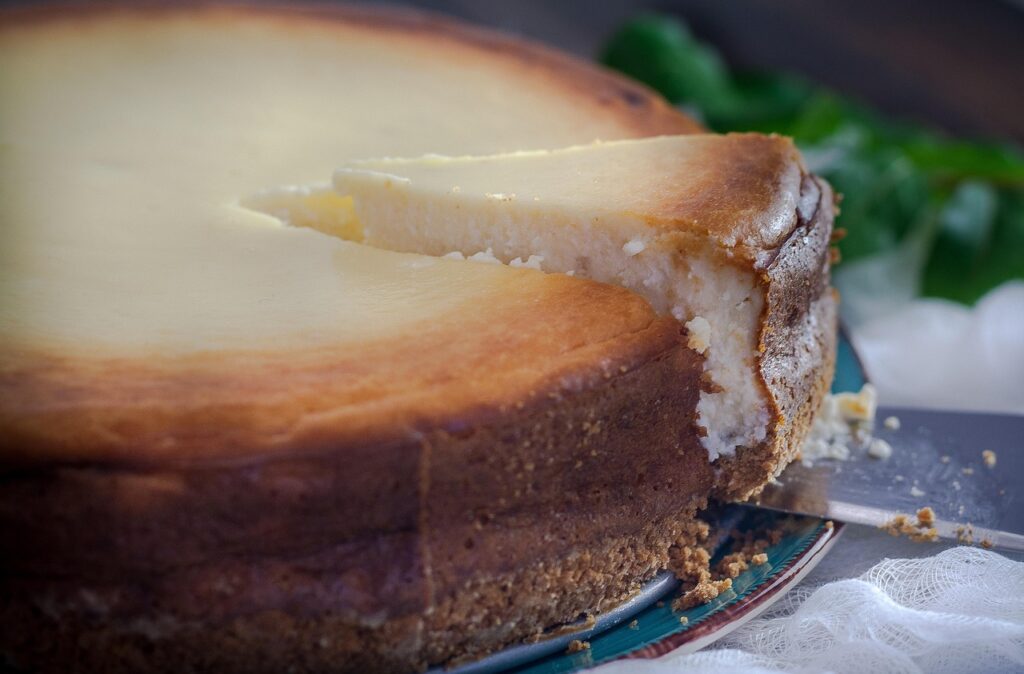
No-bake cheesecake wins crowds because it offers a high payoff with a clean, creamy texture that feels luxurious when chilled. The structure comes from refrigeration rather than oven heat, usually relying on cream cheese blended with whipped components and a stabilizer effect from chilling. The result is smooth and soft, often lighter than baked cheesecake but still rich enough to feel special. This style also thrives on customization. Flavor can be changed quickly with citrus, chocolate, coffee, cookie spreads, or fruit purées, which makes it adaptable for events and competitions where a standout twist matters.
5. Blueberry Cheesecake
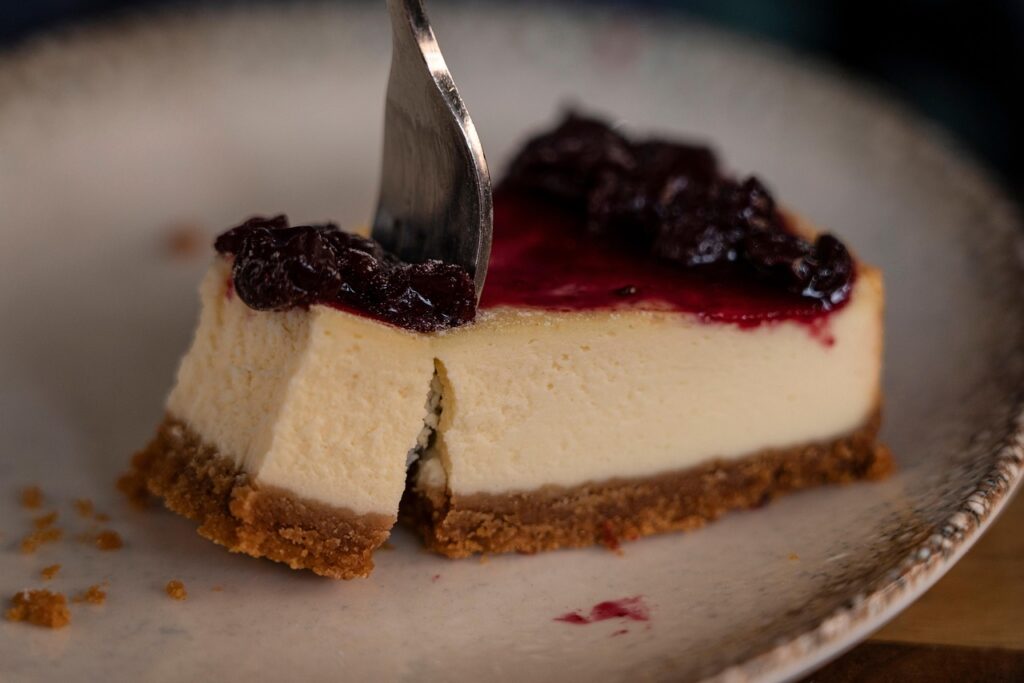
Blueberry cheesecake earns trophy status because it balances rich creaminess with bright, sweet-tart fruit. Cheesecake can feel heavy if the sweetness is not controlled, and blueberries solve that by adding acidity and freshness. A glossy blueberry topping also looks impressive, creating a vibrant finish that makes the dessert feel celebration-ready. The fruit layer is more than decoration. It adds moisture, aroma, and contrast, so each bite tastes dynamic rather than flat. A well-made blueberry sauce thickens enough to sit on top without running, which keeps the presentation clean.
6. Basque Burnt Cheesecake
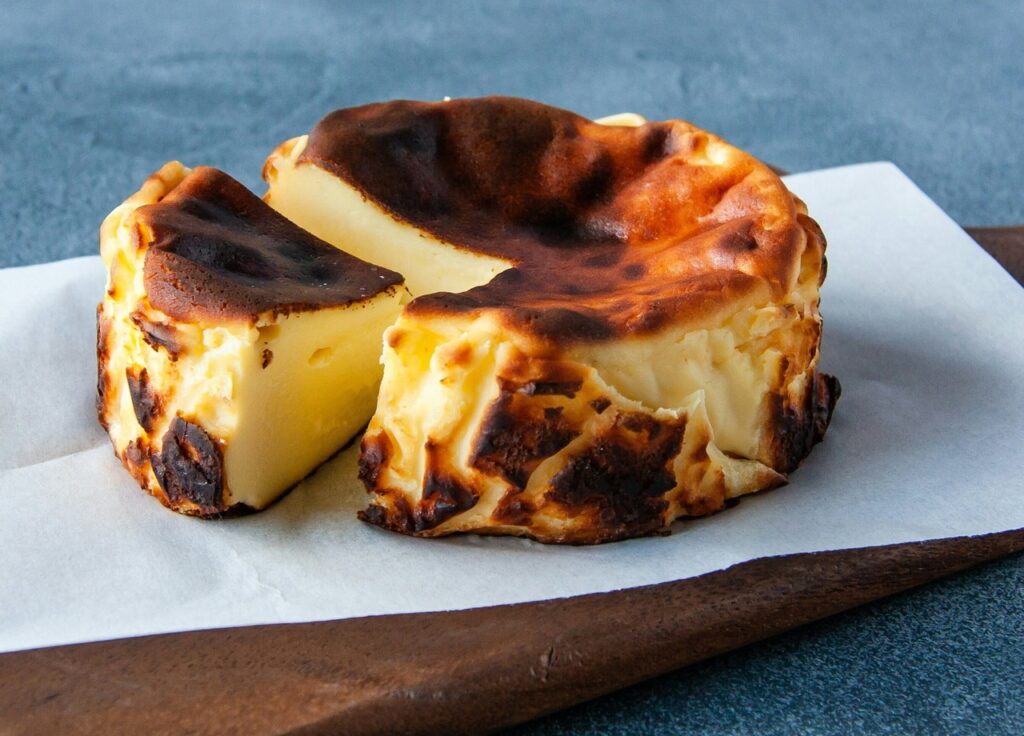
Basque burnt cheesecake wins attention because it looks dramatic and tastes deeper than expected. The dark, caramelized top comes from high- heat baking, which develops roasted, bittersweet notes similar to caramel. Underneath, the center stays custardy and soft, creating a strong contrast between bold exterior and creamy interior. That contrast is what makes it memorable in a lineup of desserts. Its rustic appearance also works in its favor. Unlike traditional cheesecakes that aim for a flawless surface, Basque style embraces imperfection, which makes them feel confident and modern. Texture is another reason it wins.
7. Ricotta Cheesecake

Ricotta cheesecake feels like a trophy dessert because it delivers a different kind of elegance. Instead of the dense cream-cheese style, ricotta creates a lighter, slightly grainy texture that feels more delicate and old-world. That texture can be especially appealing when paired with citrus or fruit, since ricotta carries flavor in a gentle way rather than overpowering it. Ricotta also lends itself to subtle flavoring; lemon zest, vanilla, honey, or almond notes can shine without being buried. Baking technique still matters because ricotta can release moisture, so proper mixing and baking are important to keep the texture cohesive.
8. Philadelphia Style Cheesecake
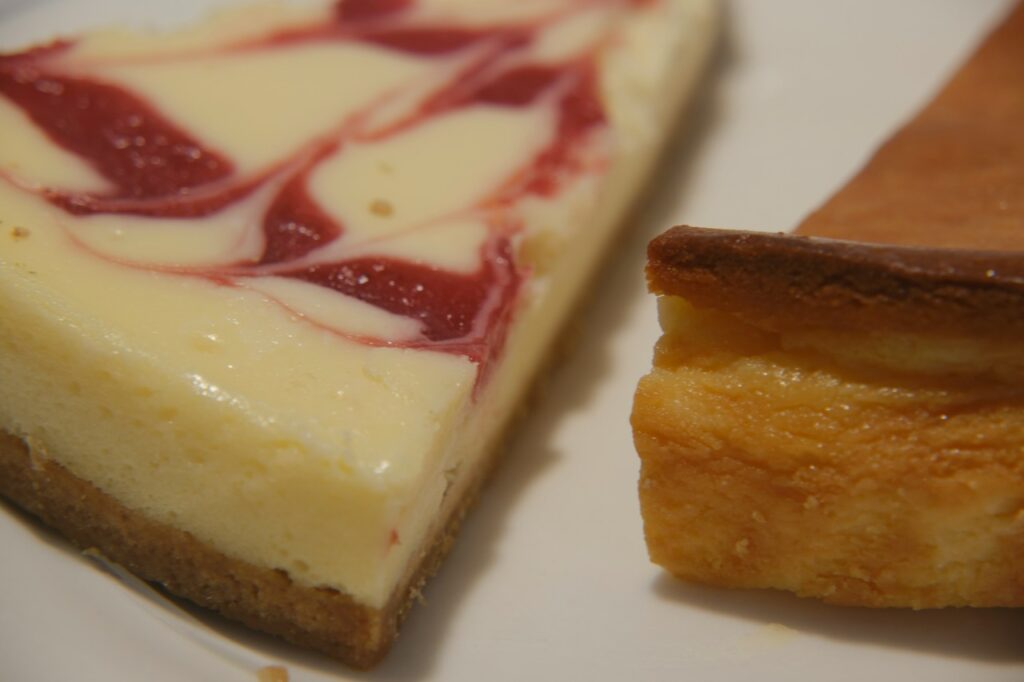
Philadelphia-style cheesecake is known for being ultra smooth, and that smoothness is why it wins in settings where presentation matters. The filling is designed to be creamy and consistent, with a texture that feels polished from the first slice to the last. This style often leans on cream cheese as the main flavor, keeping sweetness controlled so the tang stays noticeable. The structure also slices neatly, which is important when desserts are judged visually or served at gatherings. Because the flavor is clean, it works well as a base for toppings, and fruit, chocolate, or caramel can be added without clashing.
9. Chicago Style Cheesecake
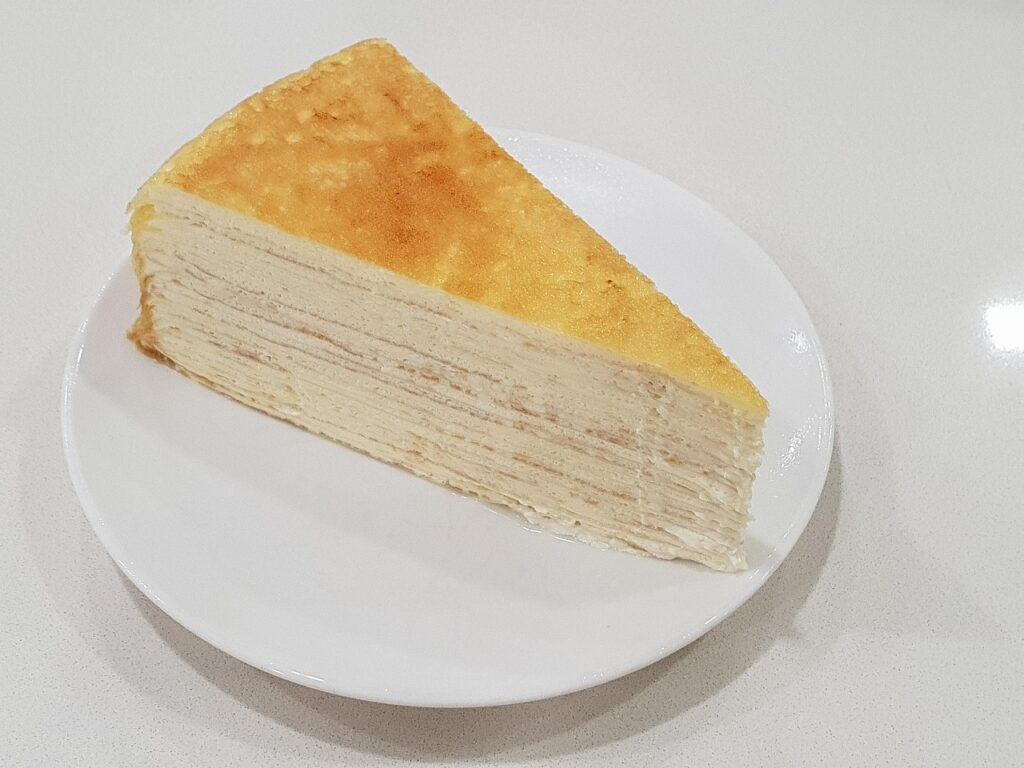
Chicago-style cheesecake stands out because it is built for structure. It often uses a firmer approach, sometimes with a heavier crust and a filling that holds shape confidently. That firmness matters when serving for groups, because slices stay clean and stand tall on plates. The flavor is still rich, but the texture reads as more bakery-like, with a noticeable bite compared to softer styles. This makes it satisfying for people who like a cheesecake that feels substantial rather than mousse-like. The crust can play a bigger role here, providing crunch and a deeper toasted flavor that complements the filling.
10. Vegan Cheesecake
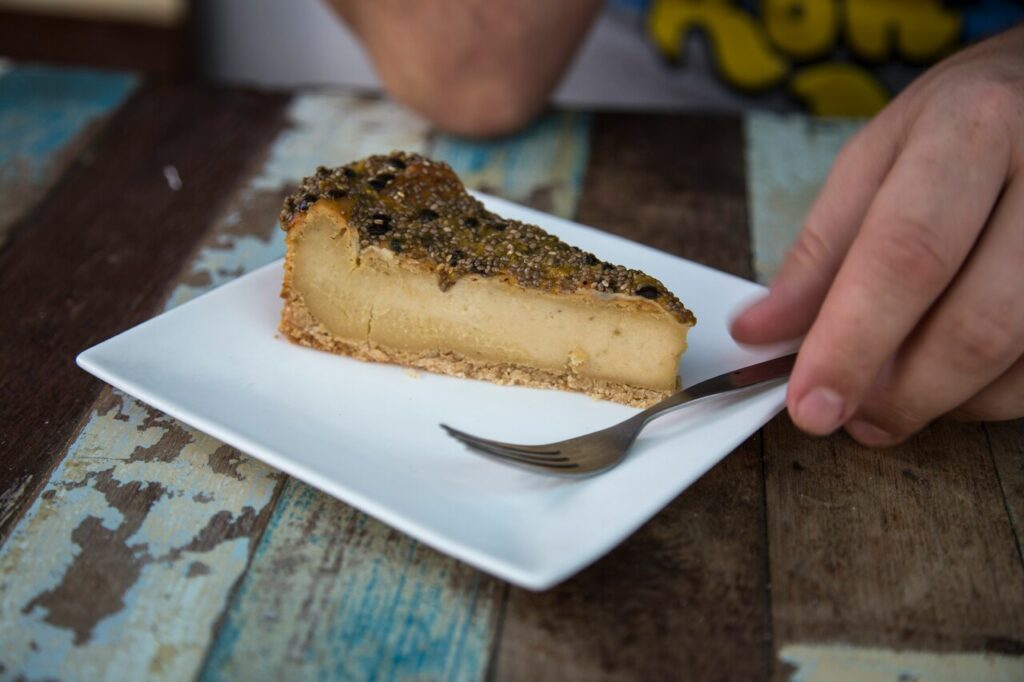
Vegan cheesecake surprises people, which is a big reason it wins attention. When made well, the texture can be remarkably creamy even without dairy, often achieved through ingredients like blended nuts, coconut components, or plant-based cream alternatives. That surprise factor can make it feel more impressive than expected, especially for guests who assume vegan desserts are dry or bland. Flavor design is crucial because plant-based bases have distinct characteristics. Cashews create a neutral, creamy foundation, while coconut can add richness and aroma. Sweetness and acidity need careful balance to replicate the tang that dairy normally provides.