Why Grandma Candies Like Caramels and Circus Peanuts Still Divide American Taste Buds

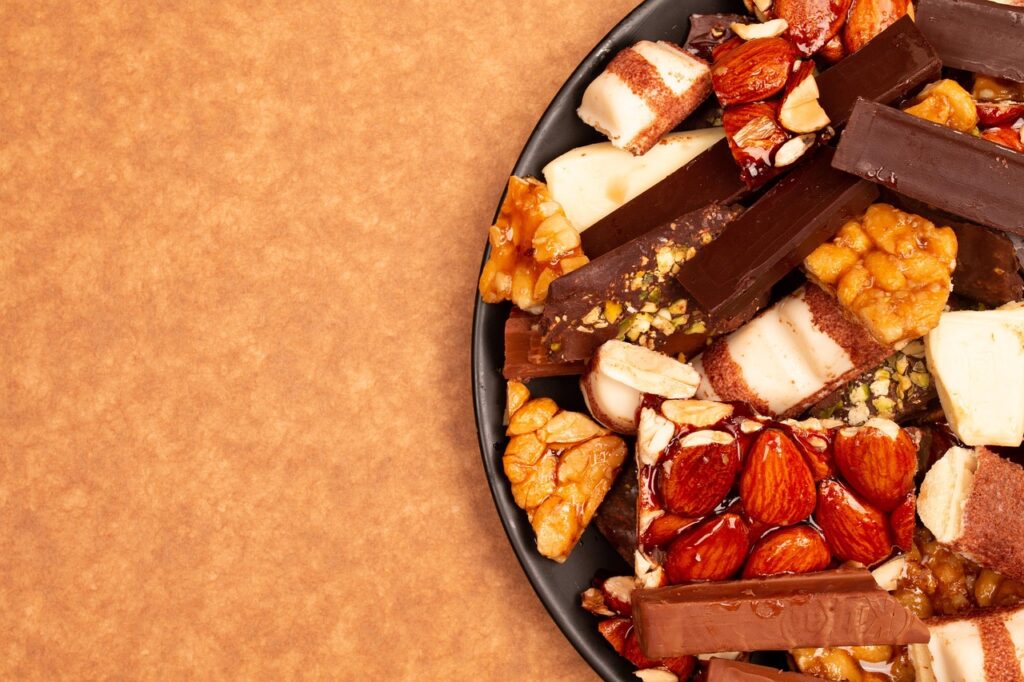
Few foods spark stronger opinions than “grandma candy.” Caramels, circus peanuts, and other old-school sweets can feel comforting and familiar to some people, while others can’t get past the texture, smell, or intense sweetness. The divide is not just about flavor. It’s shaped by childhood memories, changing palates, and the way these candies were shared in homes, purses, and candy dishes. Here’s why these classics still stir debate and why they refuse to disappear. They carry a sense of time and place that modern candy rarely replicates.
The Candy Dish Effect
A glass bowl of mixed candy has a strange power: it can turn adults into time travelers in one bite. “Grandma candy” often isn’t about the ingredient list so much as the moment you first encountered it. These sweets were commonly offered in small, quiet settings like a living room, church social, or a visit to a relative’s house, where grabbing one felt like a tiny reward. That context imprints the flavor in memory. When people argue about these candies today, they’re often defending a feeling as much as a taste. That’s why debates get emotional fast. The setting becomes part of the flavor. The memory is often stronger than the recipe.
The divide starts because memory and sensory reality do not always line up. A caramel that tasted rich when you were seven can feel overly sweet or overly chewy as an adult. A marshmallow candy that seemed fun as a child can register as perfumey or artificial later. These candies are also tied to surprise and scarcity, because many people only had them occasionally. Scarcity tends to improve perception, which helps explain why one person remembers “the best candy ever” and another remembers “the weird stuff nobody wanted.” Expectations shift with exposure to modern candy styles. That change makes the old classics feel either comforting or outdated.
What Counts as Grandma Candy
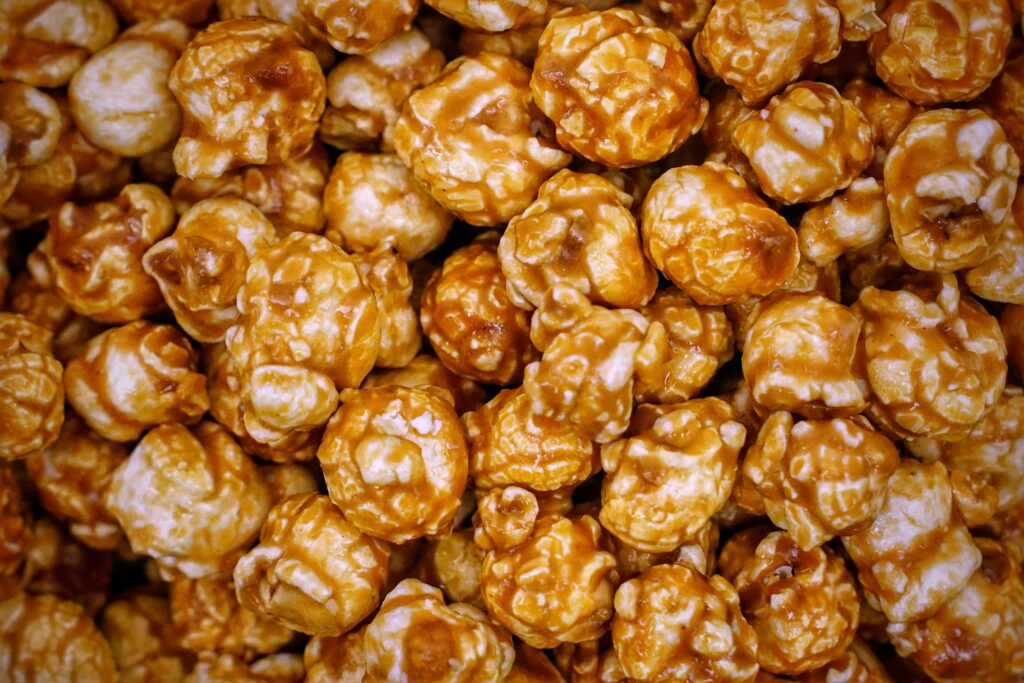
Grandma Candy is less a brand category and more a shared American mental list. It usually includes wrapped caramels, butterscotch discs, peppermints, strawberry hard candies, and soft chews that show up in purses, coat pockets, and candy dishes. The common thread is portability and shelf stability. These are candies designed to last, survive temperature swings, and be handed out one at a time. That practicality is part of why older generations kept them around. They were dependable, inexpensive, and always ready for a visitor. They also require no special storage. Most can sit out for weeks without melting.
Circus peanuts land in this category because they’re a classic “always there” candy, even when people claim they hate them. They are often seen as old-fashioned because the candy style hasn’t changed much over time. The same is true for many caramel varieties that still come individually wrapped, making them easy to share. The look and feel of these candies matter too. The wrappers, colors, and shapes signal a different era, which is why people immediately label them “grandma candy” even if they have no idea who originally bought them. Visual cues do a lot of the labeling work. Packaging design tends to stay consistent for decades.
Why Some People Love Them
To fans, grandma candies are comfort food in miniature. The flavors are straightforward, predictable, and familiar, which can feel soothing in a world full of novelty snacks and extreme flavors. Caramels, for example, offer slow sweetness and a warm, buttery taste that lingers. They also encourage pacing. You don’t inhale a caramel the way you might with gummies or chips, so the candy becomes a small ritual rather than a quick hit of sugar. That slow pace can feel calming. It makes the treat last longer. The experience is closer to savoring than snacking. This rhythm can feel nostalgic even without specific memories attached.
There’s also a strong emotional component: many people associate these candies with kindness and care. Getting a candy from a grandparent’s pocket or being allowed to pick one from a dish feels personal, even when the candy itself is inexpensive. That emotional framing improves the experience of the candy. Texture plays a role, too, especially for people who enjoy slow chews and the satisfaction of unwrapping something individually. For them, the candy is not just about taste, but about the whole sequence of anticipation, unwrapping, and lingering flavor. Familiar candies also feel dependable when everything else changes.
Why Others Can’t Stand Them
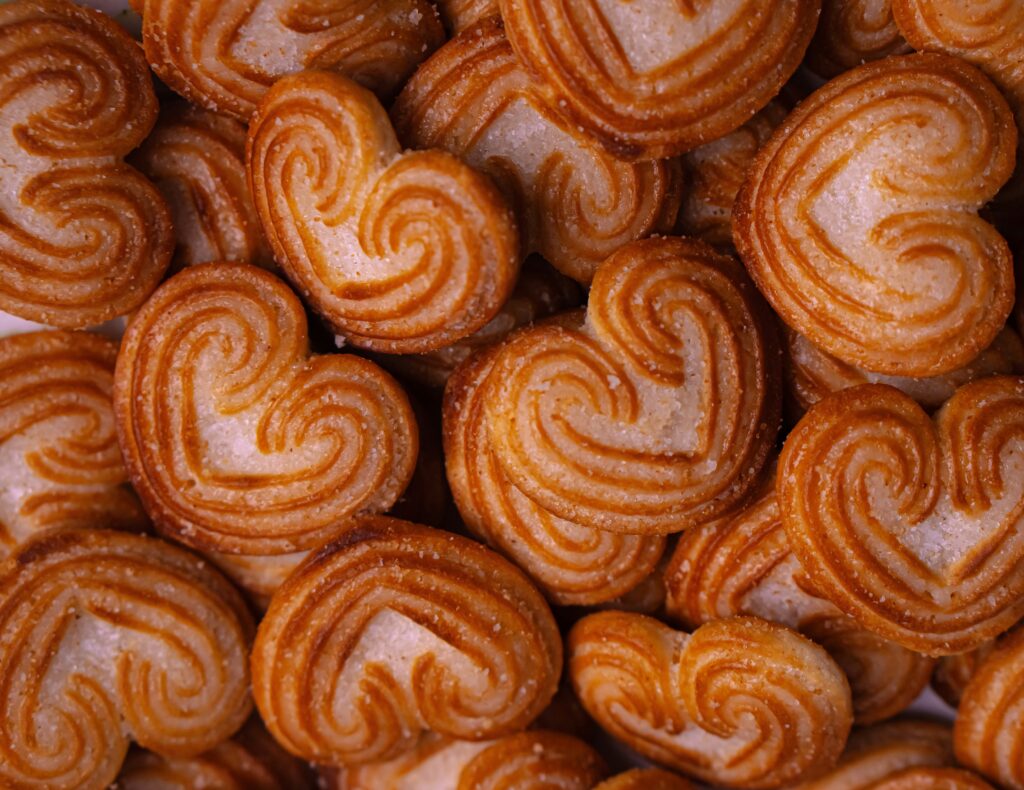
For critics, grandma candies fail for reasons that are often sensory and specific. Texture is one of the biggest issues. Chewy caramels can feel like a jaw workout, and some people dislike candies that stick to teeth or require prolonged chewing. Others dislike the hard-candy experience of sucking on something for minutes, especially if the flavor reads as one-note. When someone says a candy is “gross,” it is often shorthand for “the texture and flavor combination does not match what I expect from a treat.” Texture aversion is usually immediate. Once the mouthfeel feels wrong, the flavor rarely redeems it.
A second factor is flavor profile. Many of these candies lean heavily on sweet, buttery, or artificial fruit notes, which can feel cloying to adults who prefer sharper flavors, dark chocolate, or balanced sweetness. Circus peanuts are a good example: their banana-like aroma and airy foam texture are unusual, and unusual textures create strong reactions. Smell also plays a role because candy aromas can be powerful and persistent. If a candy’s scent triggers unpleasant associations, the person may reject it before they even taste it. Aroma sets the expectation before the first bite. Artificial notes are more noticeable to some people than others.
Circus Peanuts Explained
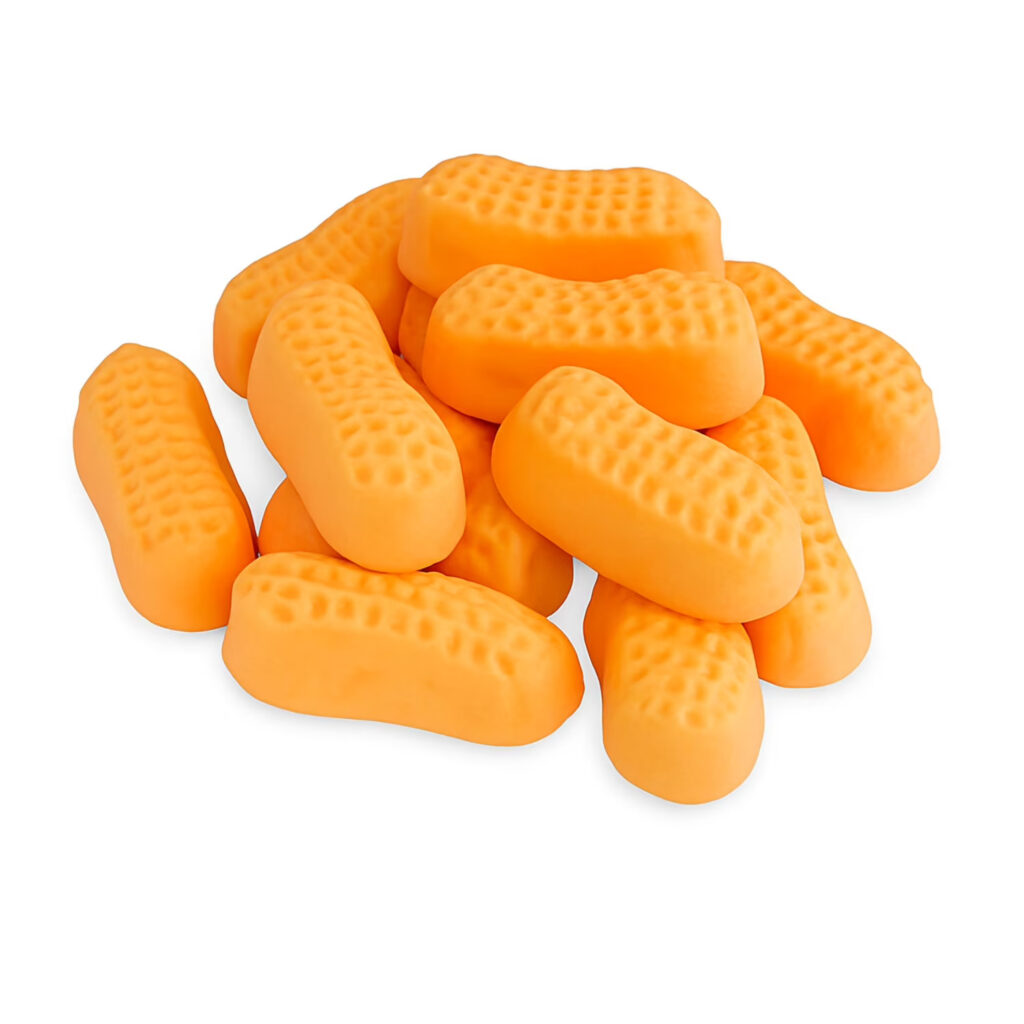
Circus peanuts are one of the most polarizing examples because they are instantly recognizable and hard to compare to other candies. They have a spongy, foam-like texture and a distinct banana-like flavor that surprises people expecting something peanut-related. The name confuses many first-time tasters, which sets them up for disappointment. When expectation and reality collide, people often decide they hate the candy before they give it a fair chance. The texture is the first hurdle for most people. The flavor reads as artificial to many modern palates. The mismatch between name and taste adds to the backlash.
Their staying power comes from durability, cost, and familiarity. They store well, they’re easy to transport, and they have a built-in novelty factor that keeps them in conversation. For some, that airy chew is exactly the appeal because it’s different from gummies or chocolate. For others, it feels stale or artificial even when fresh. That gap is why circus peanuts create such strong opinions. They are not neutral candy. They are a personality test disguised as a snack. They also show up in seasonal assortments and bulk bins. That constant visibility keeps them culturally alive. Love or hate, most people recognize them instantly.
Caramels and Chew Culture
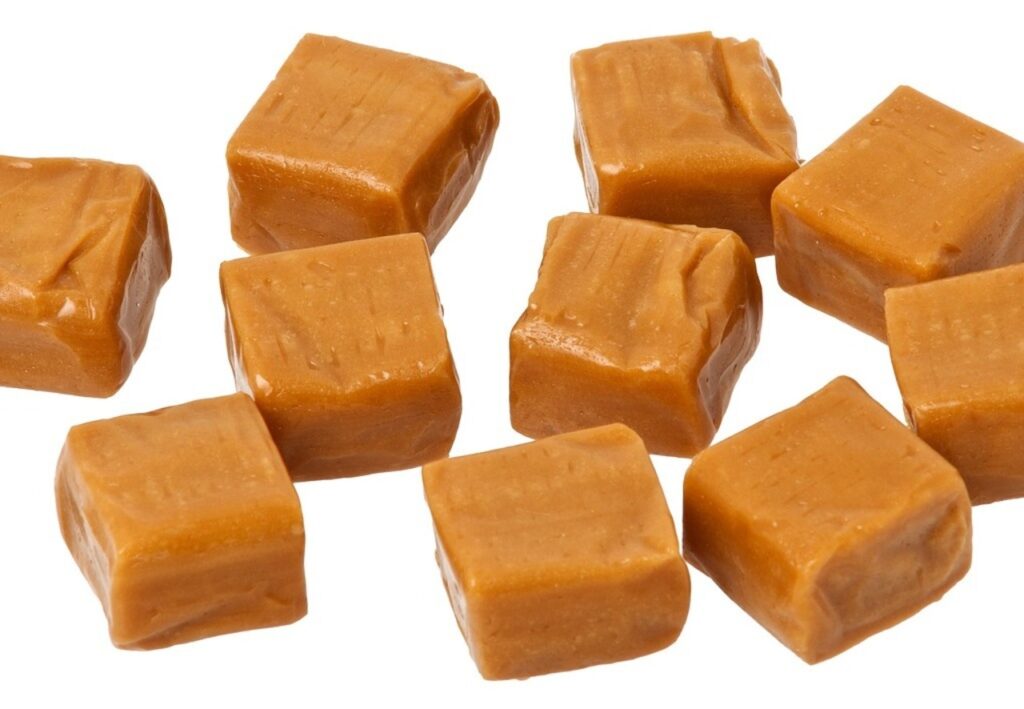
Caramels divide people in a quieter, more practical way. The flavor is broadly appealing, but the chew is where the debate lives. Some people love the slow, creamy sweetness and the way caramel melts gradually, while others see it as a risk to dental work or simply too sticky to enjoy. Preferences also vary between soft and hard caramels. Softer versions feel luxurious and buttery, while firmer ones can feel like they never fully release from your molars. Dental sensitivity makes a real difference here. Chew tolerance varies widely between people. That’s why caramel reactions are often strong and specific.
Caramels also highlight how candy reflects the era it comes from. For decades, a wrapped caramel was an easy, affordable treat that could be kept in a purse, offered to guests, or given to a child who needed a distraction. That practicality built its cultural presence. Even now, when candy choices are endless, caramels remain in circulation because they are familiar, widely available, and easy to share. Whether someone loves or hates them often depends on texture tolerance, dental sensitivity, and whether they associate caramels with comfort or annoyance. They also work as a “safe” candy to offer guests.
How Taste Changes With Age
Taste preferences are not fixed, and that helps explain why grandma candy debates feel generational. Children tend to prefer intense sweetness and simple flavor cues, while many adults become more sensitive to cloying sweetness and more attracted to bitterness, acidity, or complex flavors. That shift can make old favorites feel less exciting or even unpleasant. What once tasted rich may now taste flat. What once tasted “special” may now taste like pure sugar. Exposure matters as well. Adults often compare these candies to wider flavor experiences. The contrast can make older candies feel less balanced.
Nostalgia complicates this because memory can override current taste. Someone may defend a candy because it represents childhood, even if they don’t actually enjoy it as much today. Others experience the opposite: they remember loving it, try it again, and feel betrayed by how different it tastes now. Both reactions are normal because taste is shaped by biology, exposure, and expectation. The older you get, the more your candy preferences reflect not just what you like, but what your body tolerates and what your mind associates with comfort. People are arguing from different baselines. Memory and physiology can pull in opposite directions.
Packaging and Presentation
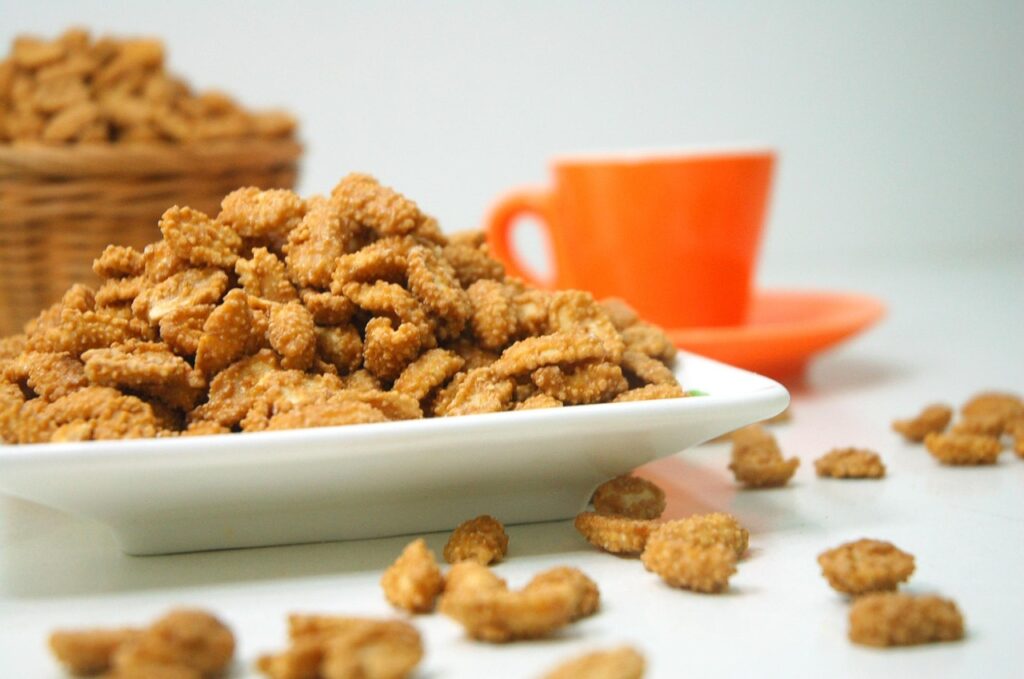
Grandma candies often look like they belong to a different decade, and that is part of their identity. Many come in bright wrappers, waxy papers, or simple twists that feel old-fashioned compared to modern candy packaging. That packaging is not just decoration. It signals tradition, reliability, and familiarity, which matters to consumers who buy these candies for nostalgia or for sharing with guests. Packaging also cues how the candy should be eaten. A twist wrapper suggests slow unwrapping and savoring. The design reinforces the old-school feel. It also differentiates these candies from sleeker, brand-heavy modern designs.
Presentation also affects perception. A strawberry hard candy in a shiny wrapper feels like a specific kind of treat, even before it’s unwrapped. The scent released during unwrapping can trigger immediate associations, both positive and negative. These candies also tend to be individually wrapped for hygiene and convenience, which makes them feel like something meant for passing around. In a world of resealable bags and bite-sized snack packs, the old wrapper still communicates a particular kind of hospitality. The wrapper also preserves the aroma until the moment of opening. That first smell can determine the reaction instantly.
The Social Media Spark
Social media didn’t create the grandma candy divide, but it amplified it. These candies are perfect debate fuel because they’re widely recognized, strongly associated with childhood, and easy to rank as “love it” or “hate it.” Viral posts work best when the audience can respond instantly, and grandma candies invite instant reactions. People don’t just share opinions about the candy. They share stories about the relative who always had it, the house it came from, and the moment they first tried it. That storytelling keeps posts circulating. Comments turn into memory-sharing threads. The candy becomes a prompt for personal history.
The intensity also comes from identity and humor. Calling something “grandma candy” is a cultural shorthand, and people enjoy bonding over shared references. Younger users often frame the candies as strange or outdated, while older users defend them as classics. That tension creates engagement. The debates keep going because the candies are still sold, still gifted, and still discovered by new people. The internet simply gave everyone a loud table to argue at. Algorithms reward strong opinions. People lean into exaggeration for laughs. That tone makes the divide look even sharper than it is. The argument becomes entertainment as much as opinion.
Why They Still Matter
Grandma candies continue to matter because they occupy a space modern candies rarely aim for: long shelf life, simple sharing, and emotional comfort. They’re often inexpensive and available in bulk, which keeps them in circulation in homes, offices, and community spaces. They also serve a social function. A candy dish is a small gesture that says “welcome,” and these candies are built for that purpose. They are also easy to portion. One piece feels like a controlled treat. That makes them practical for casual offering. Familiarity lowers the barrier to accepting one. Their predictability makes them easy to share without overthinking preferences.
They also persist because tradition sells. Even when people claim they dislike certain classics, those candies remain culturally visible and commercially viable. The fact that they divide taste buds is part of their endurance. If everyone felt neutral about circus peanuts, nobody would talk about them. If caramels were universally loved, they wouldn’t spark debate. These candies survive because they are memorable, and in food culture, being memorable is often more powerful than being universally liked. Controversy keeps them in the spotlight. Recognition keeps them on shelves. Their identity is strong enough to outlast changing trends.
References
Americans split over ‘grandma candies’ as caramels and circus peanuts spark debate – foxnews.com
‘Grandma Candy’ Is The Old-Fashioned Treat You Either Loved Or Hated Growing Up – southernliving.com