10 Polish Style Cabbage Recipes Families Still Love

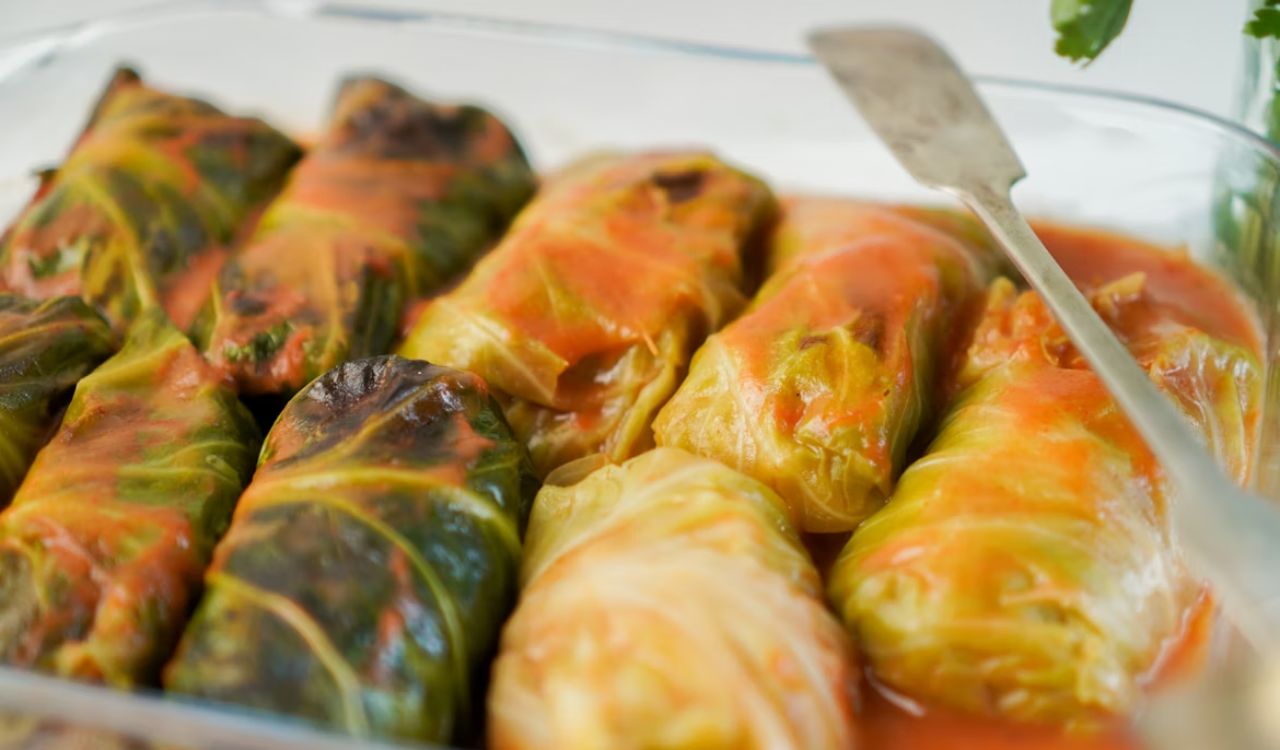
Cabbage holds a special place in Polish cooking because it solves several needs at once. It is affordable, filling, easy to store, and adaptable to many cooking methods. For generations, Polish families relied on cabbage to build meals that could feed many people without wasting ingredients. It appears fresh in warm dishes, fermented for winter use, and slow cooked to deepen flavor. These cabbage based recipes are still prepared today because they offer comfort and reliability. They reflect home cooking that values nourishment, balance, and familiar tastes passed down through everyday family meals.
1. Gołąbki

Gołąbki are a traditional Polish dish made by wrapping softened cabbage leaves around a savory filling. The filling typically includes ground pork or beef, cooked rice, finely chopped onion, and basic seasoning. After rolling, the cabbage parcels are arranged closely in a pot so they hold their shape during cooking. They are gently simmered in tomato sauce or a light broth until the cabbage becomes tender and the filling cooks through. This method keeps the rolls moist and flavorful. Gołąbki are filling but not overly heavy, making them a popular choice for family meals that feel comforting and complete.
2. Kapusta Zasmażana
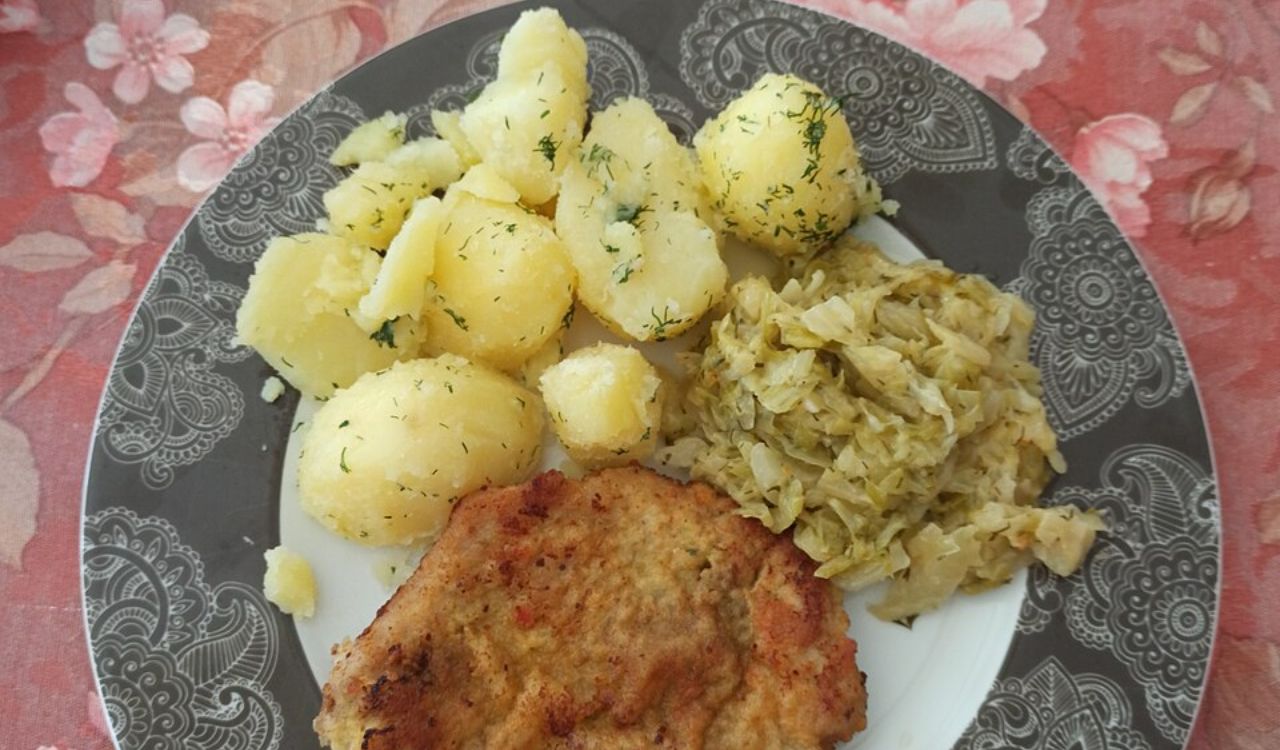
Kapusta zasmażana is a classic Polish cabbage side that often lands on the plate next to pork chops, sausages, or meatballs. Shredded white cabbage is cooked slowly until tender, which brings out a gentle sweetness. Separately, bacon and onion are sautéed until browned and fragrant, then mixed into the cabbage to add savory richness. A small spoonful of flour is cooked briefly to make a light thickener that clings to the cabbage instead of turning it watery. Many cooks finish with black pepper, a splash of broth, or a spoonful of sauerkraut for tang, then serve it hot. It reheats well and tastes even deeper the next day.
3. Kapuśniak
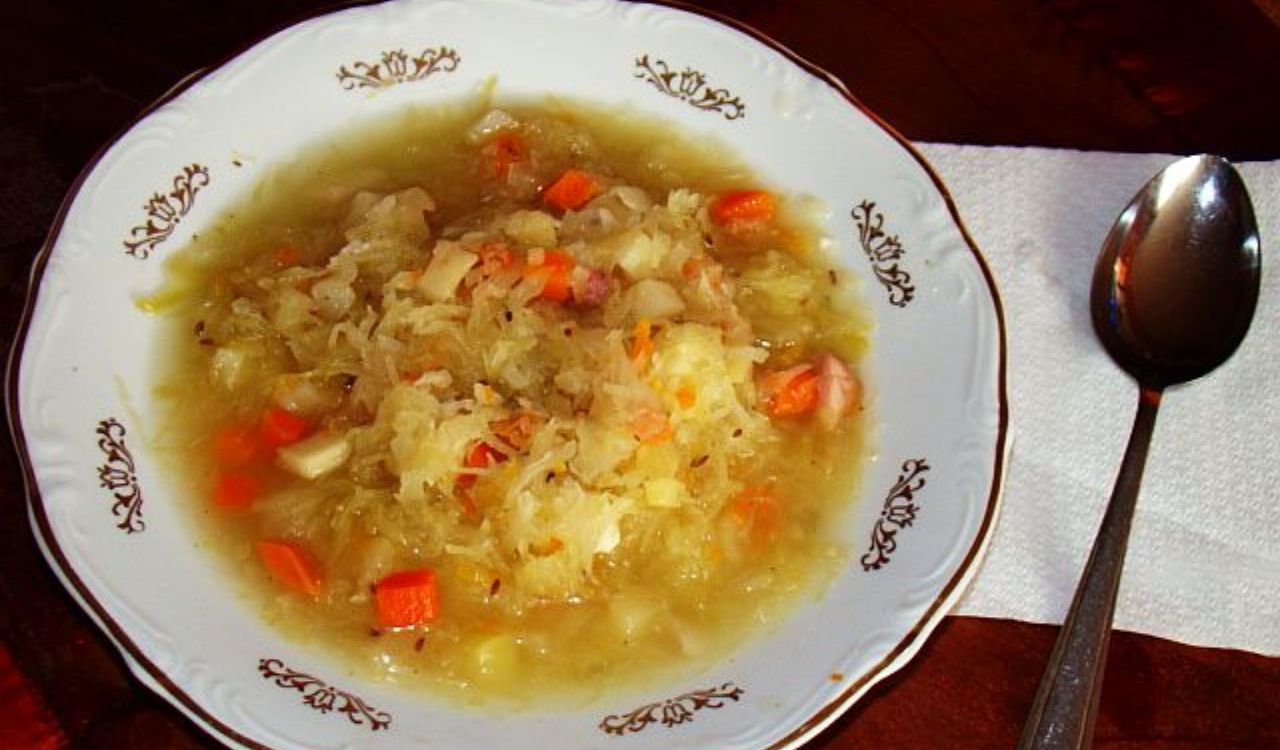
Kapuśniak is a traditional Polish soup where sauerkraut is the star, bringing a clean sourness that wakes up the whole pot. Many versions start by simmering pork ribs, smoked meat, or kielbasa to build a savory broth, then adding sauerkraut, potatoes, and carrots. Bay leaf, peppercorns, and marjoram are common seasonings, and the soup is cooked until the vegetables are soft and the flavors blend. Kapuśniak is hearty enough to serve as a main meal, especially in colder months, and it pairs well with dark bread. Some cooks rinse the sauerkraut for a milder taste, while others keep a bit of brine for extra bite. Leftovers hold up well.
4. Bigos
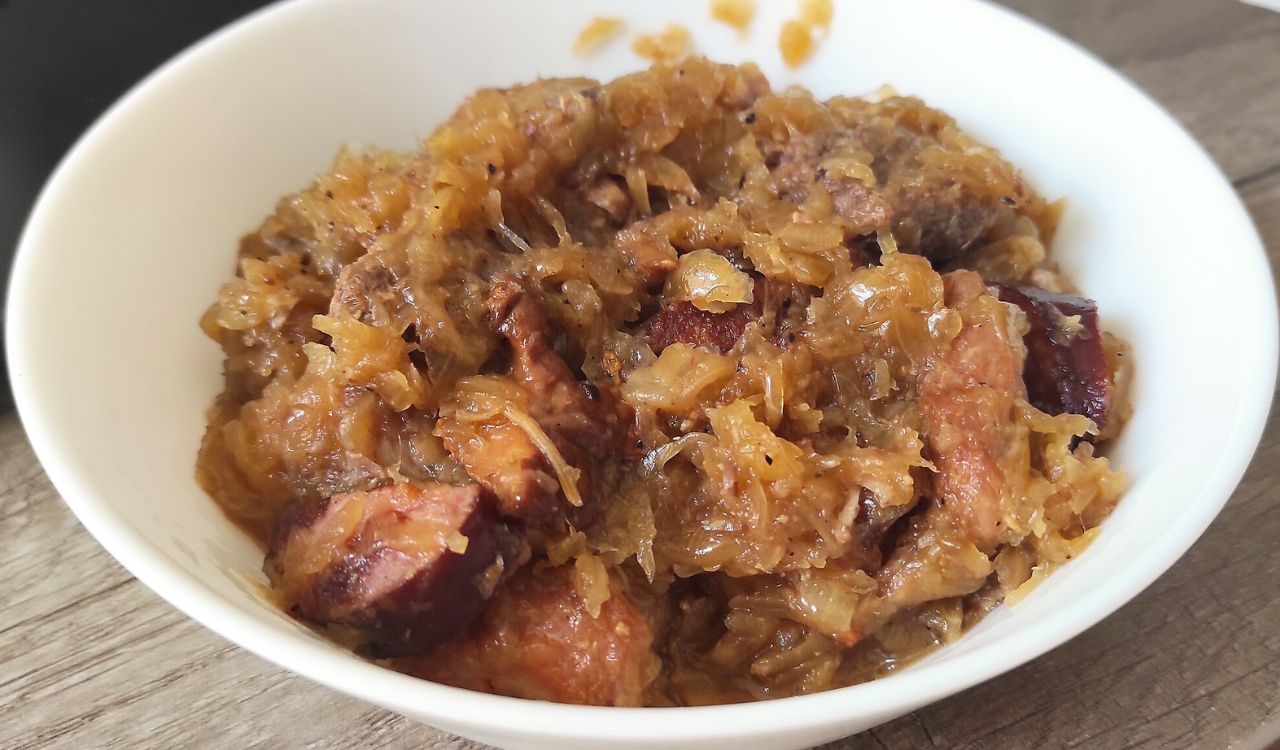
Bigos is one of Poland’s most iconic cabbage dishes and is often described as a hunter’s stew. It combines sauerkraut and fresh cabbage cooked slowly with various meats such as pork, sausage, or game. Onions are sautéed first, then cabbage and meat are added along with bay leaf, pepper, and sometimes dried mushrooms. The stew is simmered for hours, allowing flavors to deepen and blend. Bigos is known for improving with time, as reheating over several days makes it richer and more balanced. Families often prepare large batches for holidays or gatherings because it is filling, stores well, and reflects traditional slow cooking practices rooted in Polish cuisine.
5. Łazanki
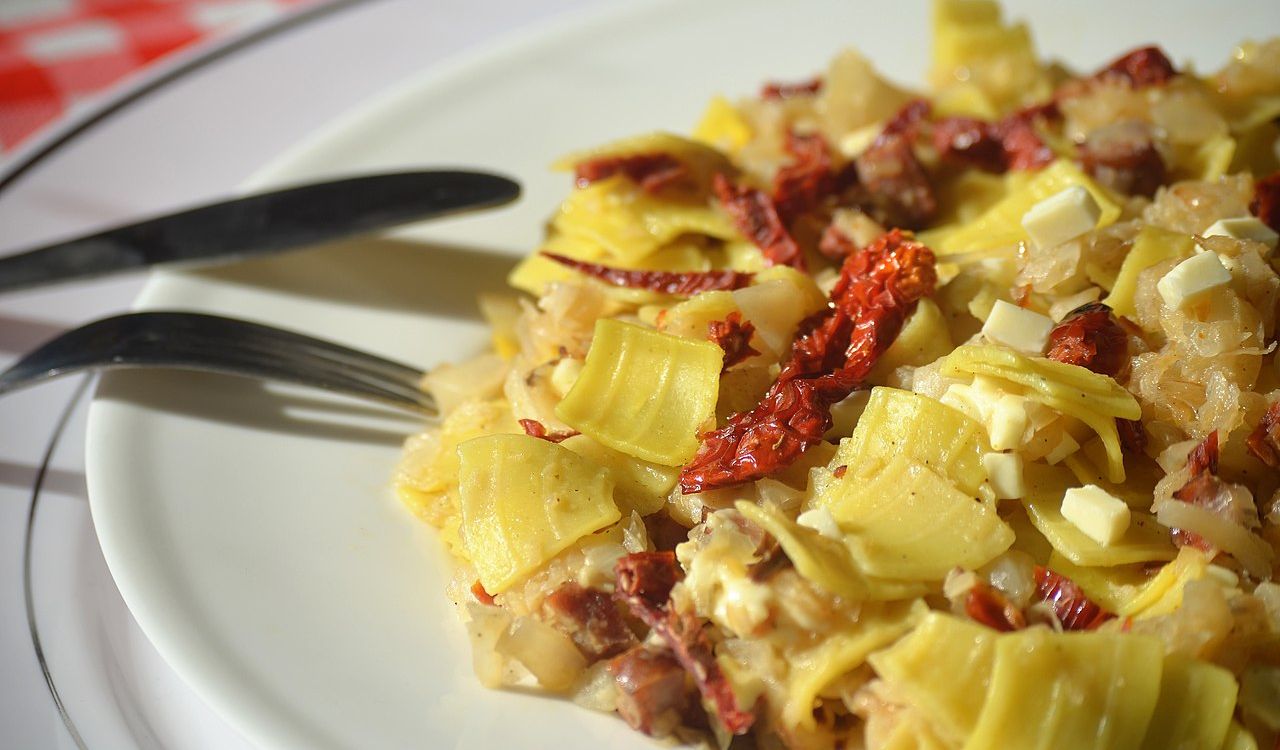
Łazanki with cabbage is a comforting Polish noodle dish that turns simple pantry ingredients into a satisfying meal. Flat egg noodles are cooked separately, then combined with sautéed cabbage and onion. Many families add bits of bacon or smoked sausage to bring in savory flavor, while others keep it meat free. The cabbage is cooked until tender but not mushy, allowing it to blend smoothly with the noodles. Seasoned simply with salt, pepper, and sometimes marjoram, this dish is mild yet filling. Łazanki is often served as a main course during everyday meals and is especially popular because it stretches ingredients while still feeling complete and nourishing.
6. Kapusta kiszona
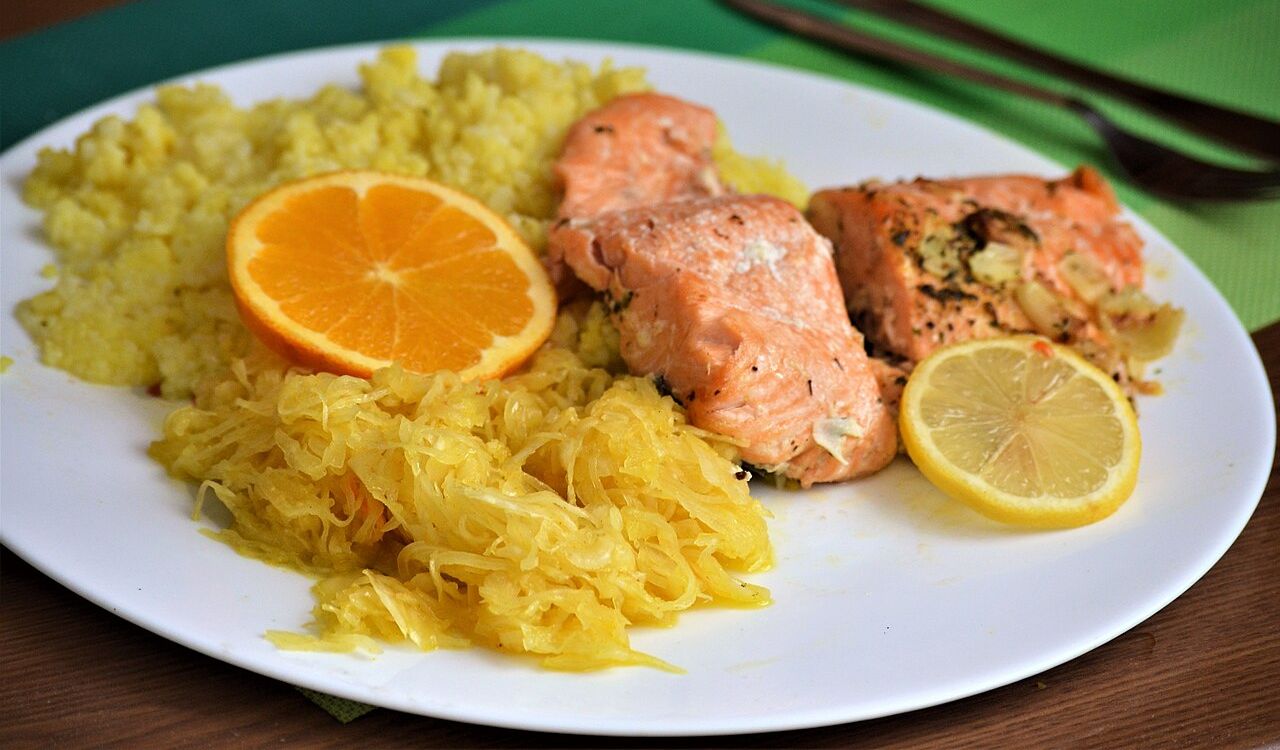
Kapusta kiszona, or fermented sauerkraut, is not just an ingredient but a dish enjoyed on its own in Polish households. Finely shredded cabbage is mixed with salt and packed tightly to ferment naturally over time. This process creates a tangy, crunchy food rich in flavor and commonly eaten as a side dish. It is often paired with boiled potatoes, pork, or sausage. Families traditionally prepared large batches in autumn to last through winter months. Kapusta kiszona is valued for its long shelf life and strong taste, which adds brightness to heavier meals. Its preparation reflects preservation methods that have been central to Polish cooking for generations.
7. Młoda kapusta
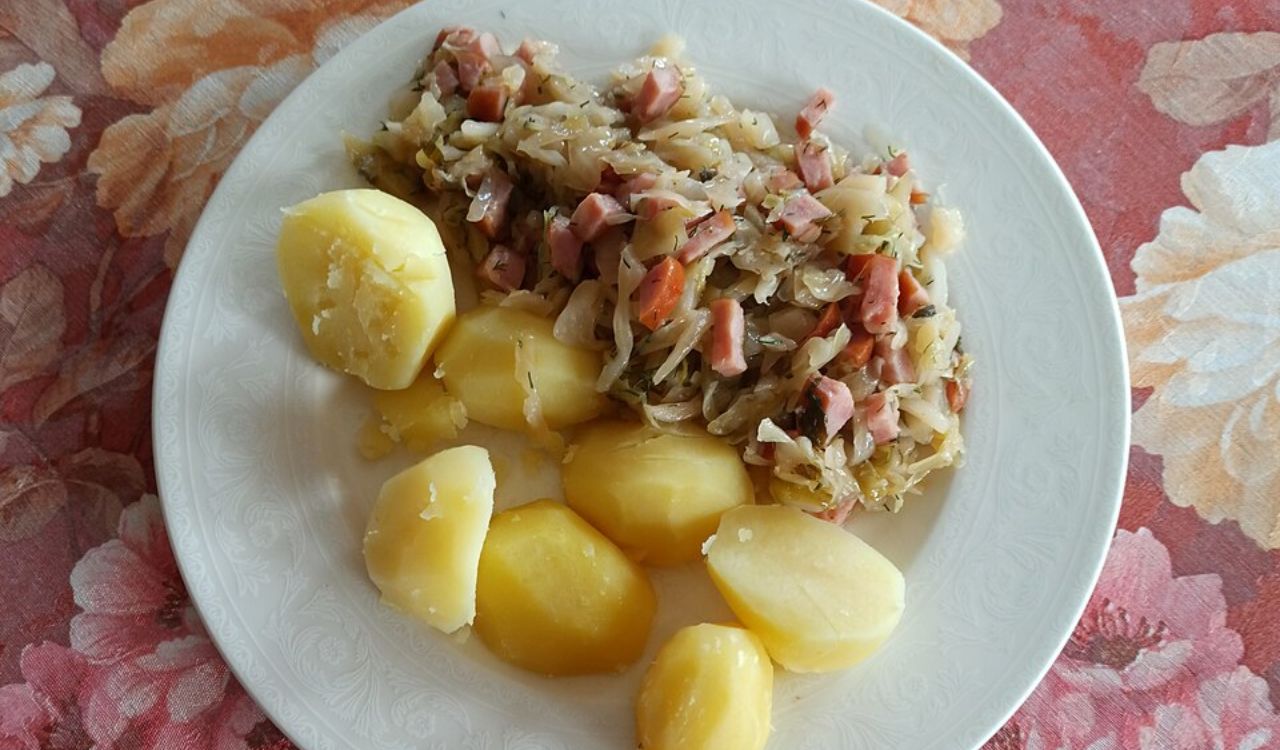
Młoda kapusta, or young cabbage stew, celebrates fresh cabbage harvested in late spring and early summer. Unlike heavier winter dishes, this recipe focuses on lighter flavors. Chopped young cabbage is simmered gently with onion, dill, and sometimes bacon or sausage. The cabbage cooks quickly and retains a soft but slightly crisp texture. A small amount of flour or cream may be added to lightly thicken the broth without overwhelming the freshness. Młoda kapusta is commonly served with boiled potatoes or bread and is appreciated for marking the seasonal shift toward lighter meals. It shows how Polish cabbage dishes change with the harvest while staying rooted in tradition.
8. Pierogi
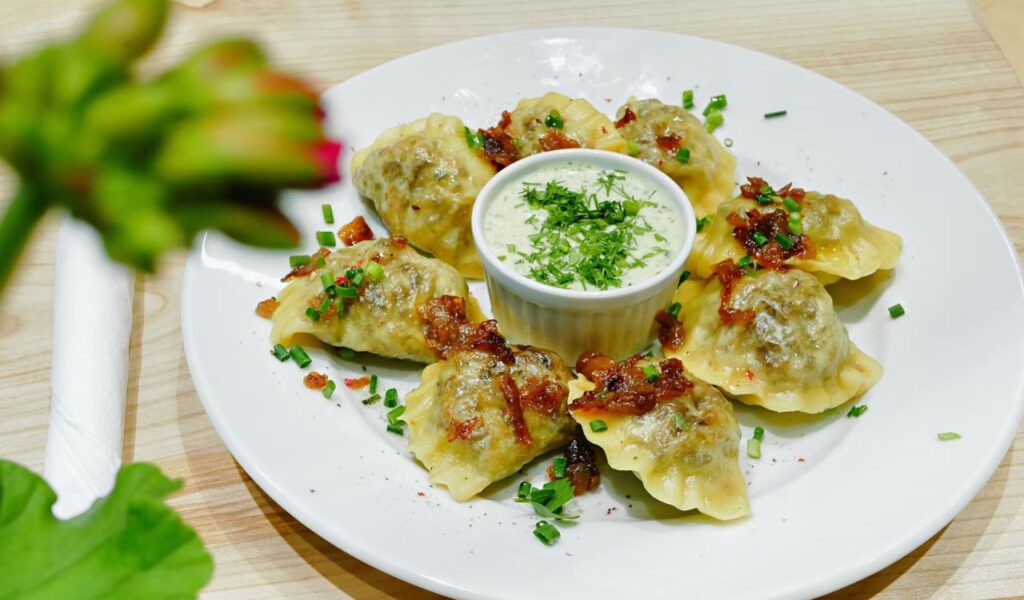
Pierogi filled with cabbage and mushrooms are a staple of Polish home cooking, especially during holidays and meat free meals. The filling is made by finely chopping sauerkraut or cooked fresh cabbage and combining it with sautéed wild or cultivated mushrooms and onion. This mixture is cooked until dry and flavorful so it does not leak into the dough. The filling is wrapped in thin pierogi dough, sealed, and boiled until tender. Many families pan fry the cooked pierogi in butter for added texture before serving. These pierogi are valued for their balance of earthy and tangy flavors and are often served with sour cream or caramelized onions.
9. Krokiety
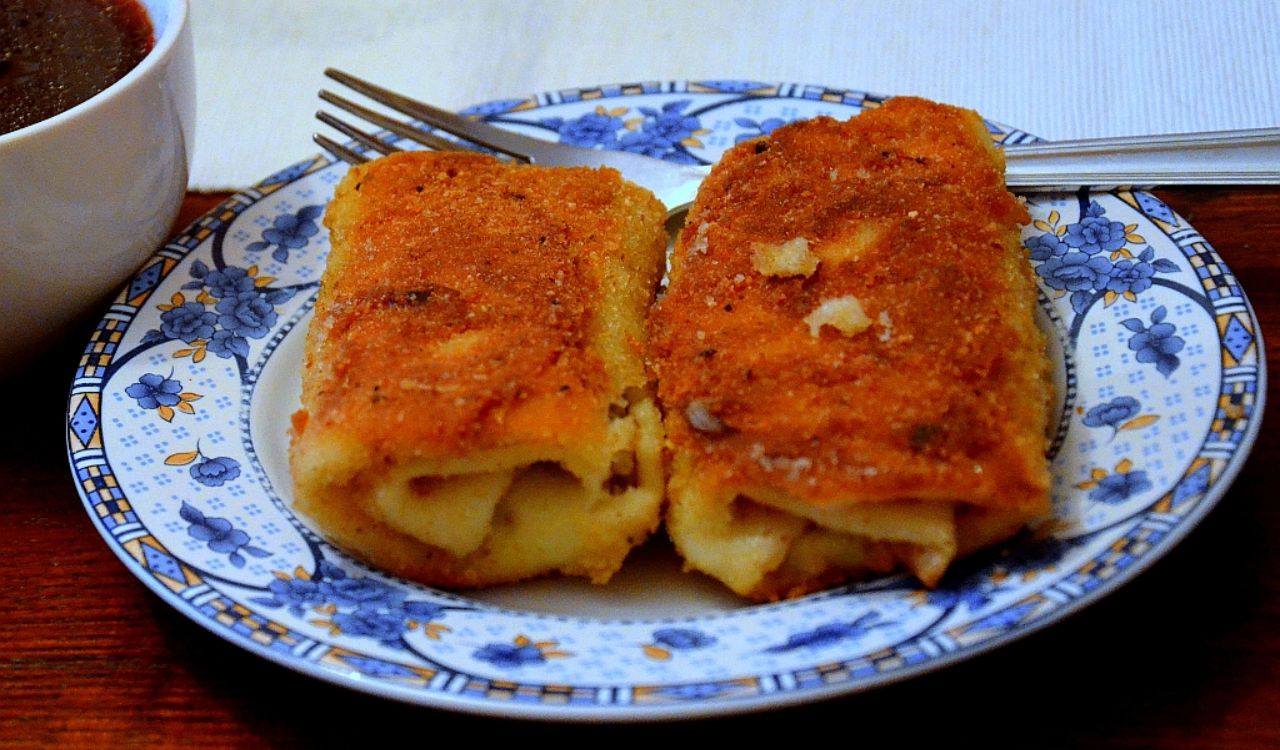
Krokiety with cabbage are Polish crepes that are rolled around a savory cabbage filling, then breaded and fried until crisp. The filling usually consists of sauerkraut cooked with onion and sometimes mushrooms, seasoned until well balanced and slightly dry. Thin pancakes are filled, rolled tightly, dipped in egg and breadcrumbs, then fried until golden. Krokiety are commonly served alongside clear beet soup but are also enjoyed on their own. The contrast between the crunchy exterior and soft cabbage filling makes them especially satisfying. Families appreciate this dish for transforming simple fermented cabbage into something hearty, structured, and suitable for both everyday meals and special occasions.
10. Surówka z kapusty
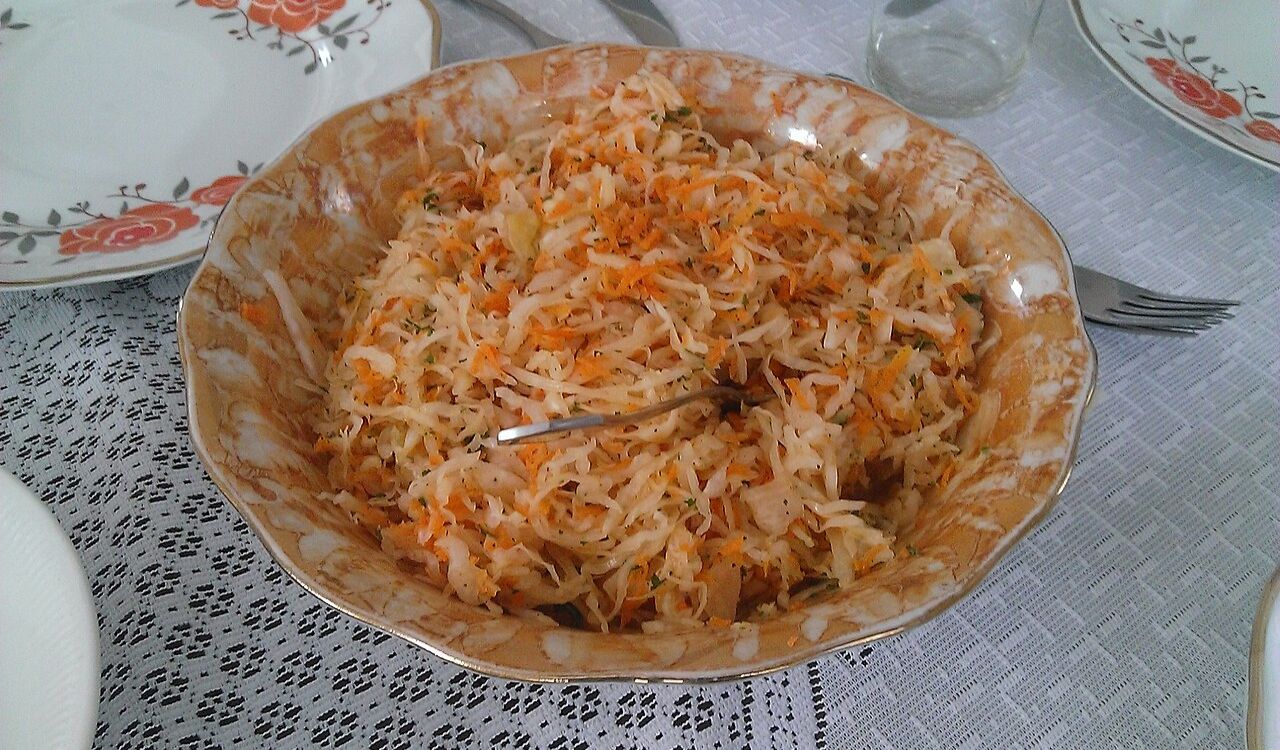
Surówka z kapusty is a fresh Polish cabbage salad that often appears alongside cooked dishes to add crunch and brightness. Finely shredded white cabbage is mixed with carrot and lightly seasoned with salt to soften its texture. Oil, vinegar, or lemon juice are added for balance, and some versions include sugar for mild sweetness. Unlike fermented cabbage dishes, this salad is quick to prepare and meant to be eaten fresh. It pairs well with pork, chicken, or fish and helps cut through richer foods. Surówka z kapusty remains popular because it uses simple ingredients while providing contrast and freshness to heavier traditional meals.