Steak Cuts Butchers Say Are Overpriced Right Now

Steak prices have climbed fast, and many shoppers are starting to question whether every premium cut still earns its spot in the cart. Butchers see buying habits up close, and they often point out that certain popular steaks cost more because of reputation, presentation, or limited supply rather than noticeably better flavor.
Some cuts look impressive in the display case but deliver an experience that feels surprisingly similar to more affordable options. Understanding which steaks offer true value and which rely on hype can help shoppers make smarter choices at the counter without sacrificing taste.
1. Filet Mignon’s Tenderness Comes at a Premium That Isn’t Always Worth It
Filet mignon has earned a reputation as the quintessential “luxury” steak. Its buttery tenderness makes it a favorite on fine dining menus, and many home cooks chase that melt-in-your-mouth texture. Butchers often point out that texture, while desirable, comes with a cost that doesn’t always match flavor intensity. Because filet comes from the tenderloin, a muscle that does very little work, it lacks the rich beefy taste found in other cuts.
This disconnect between tenderness and flavor means diners pay top dollar for what is essentially very mild meat. Restaurants capitalize on that reputation, and prices reflect the status rather than the culinary punch. For many steak lovers, a perfectly cooked filet is still a treat, but from a butcher’s perspective, it may not deliver the value that other cuts can offer at a similar price point.
Instead of choosing filet every time, some chefs recommend pairing it with a sauce, compound butter, or flavorful crust to add depth. Others suggest exploring different cuts that offer more beefy character for less money. The choice ultimately depends on what you prioritize most in a steak.
2. T-Bone Steak’s Big Price Tag Doesn’t Always Mean Bigger Flavor
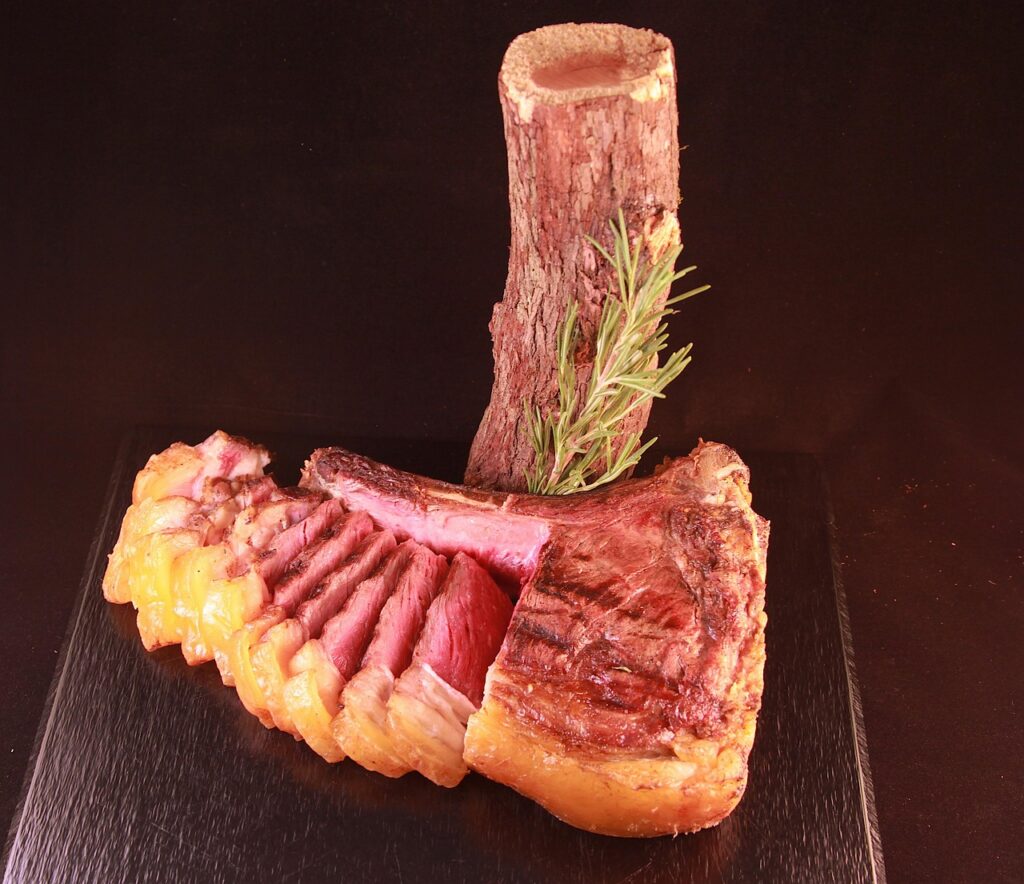
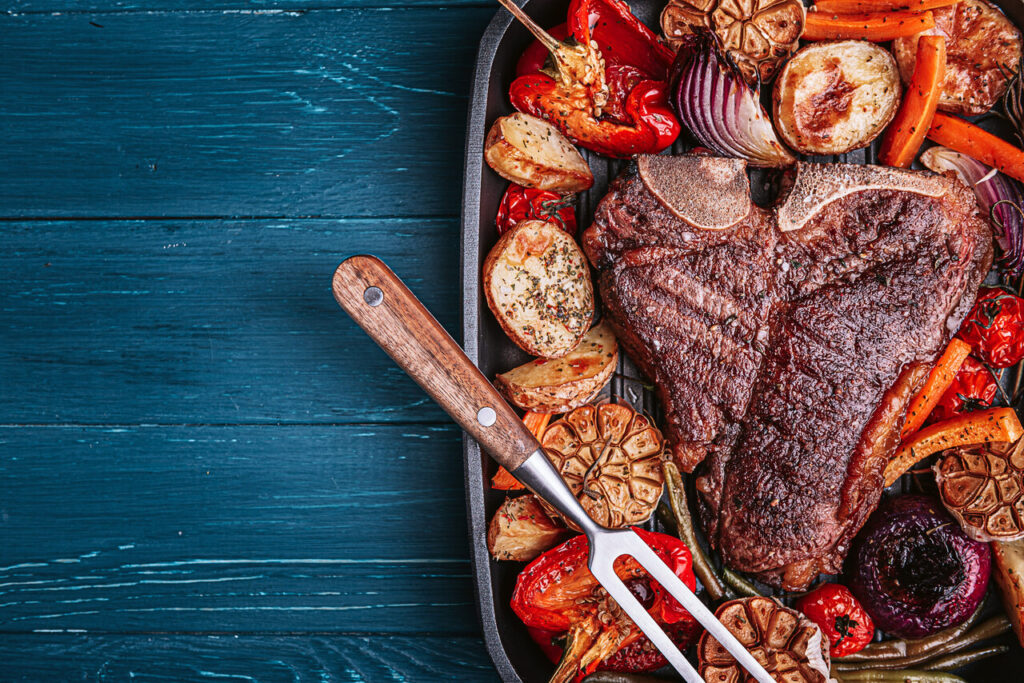
The T-bone steak looks impressive on the plate. With a distinctive T-shaped bone dividing two types of meat, tenderloin on one side, strip steak on the other, it appears to offer the best of both. Butchers often question whether the price premium always makes sense. The bone adds weight, which increases the cost by weight without providing edible meat.
Cooking a T-bone can also be a challenge. Because it combines two different muscles, each side cooks at a slightly different rate. Without careful attention, one side can overcook while the other reaches the desired temperature. For home cooks and restaurants alike, this can require extra skill and monitoring.
Many steak lovers enjoy sharing a T-bone for its theatrical presentation, but from a value standpoint, the cut may not always deliver more meat or flavor for the price. Butchers sometimes recommend breaking down the steak and cooking each portion separately for optimal results.
3. Porterhouse Steaks Can Be Pricey Without Proportionally More Quality
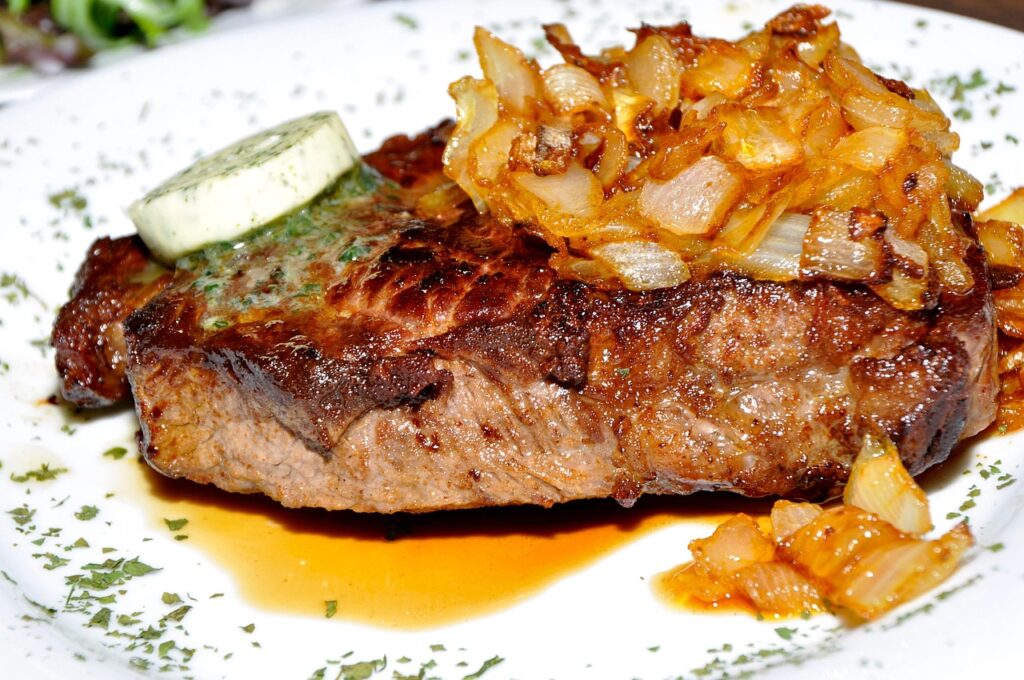
A porterhouse steak is essentially a larger version of the T-bone, with a more substantial portion of tenderloin. At high-end steakhouses and butcher counters, porterhouses often top price lists. Yet experts note that the premium cost may not always align with the eating experience, especially if you are paying for a large slab that is difficult to cook evenly.
Because the cut includes such a sizeable tenderloin portion, it reinforces the mildness that critics associate with filet mignon. If a diner is seeking bold beef flavor, a porterhouse may underdeliver. The strip side of the steak provides more richness, but when you pay extra for the tenderloin bulk, you may be paying for texture more than taste.
Butchers often recommend ordering porterhouses to share so the experience becomes communal rather than a solo meal. Alternatively, choosing a comparable weight of two other flavorful cuts can sometimes yield better value on both taste and cost.
4. Strip Steak Holds a Premium Tag That Doesn’t Always Pay Off
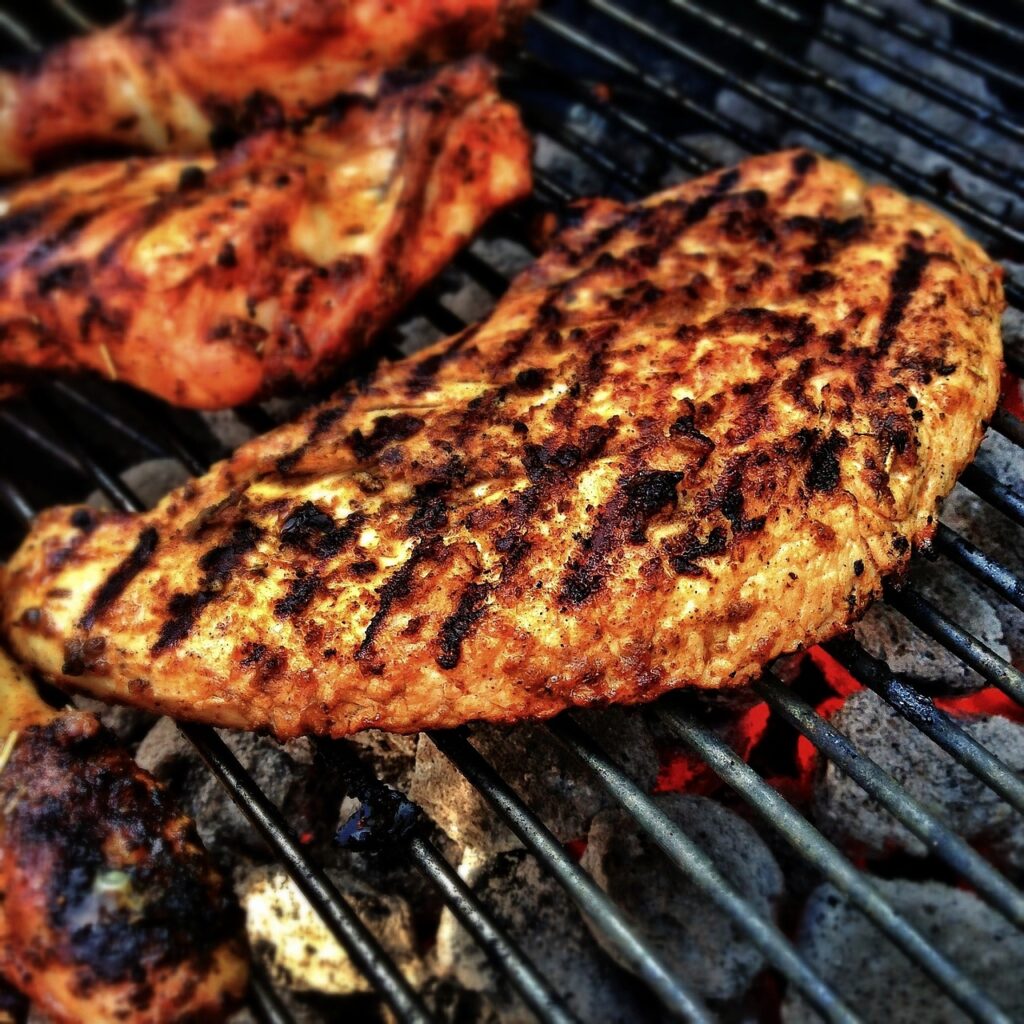
Strip steak, including the New York strip and Kansas City strip variants, enjoys wide popularity for its balance of tenderness and flavor. It sits between filet and ribeye in the texture-to-richness spectrum and generally commands a premium in both restaurants and butcher cases. Butchers sometimes question whether the price tag truly reflects superior value compared with other cuts with similar flavor profiles.
Part of the reasoning centers on how similar strip steak’s taste can be to more affordable cuts like sirloin or tri-tip. While strip offers a firmer texture and appealing edge of marbling, the difference in overall eating quality does not always justify a significantly higher price. Savvy diners may find that slightly less expensive alternatives deliver nearly the same satisfaction.
As home cooks experiment with grilling and sous vide techniques, many find they can elevate more affordable steak cuts to impressive results. In that sense, strip steak remains tasty, but not always worth the premium when alternatives shine with similar flavors and textures.
5. Ribeye’s Marbling Makes It Tasty and Pricey Without Guaranteed Value
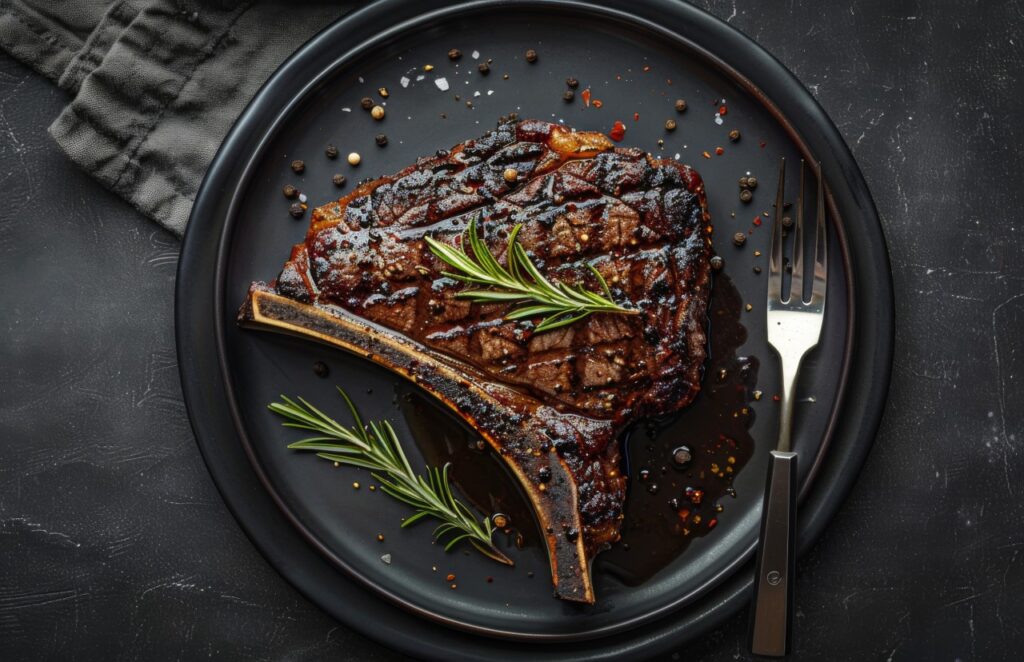
The ribeye steak is a favorite for its rich marbling and robust beef flavor. That marbling, which enhances juiciness and depth of taste, is precisely why the cut commands premium prices. Butchers acknowledge its appeal while noting that not all ribeyes are created equal. Differences in grading, aging, and fat distribution lead to wide variability in eating experience.
Because ribeyes are so popular, market demand helps push prices upward. Restaurants also charge a premium for ribeye due to its perceived indulgence and status. Yet some home cooks find that a well-prepared sirloin or flat-iron steak, often significantly cheaper, can deliver a satisfying plate without the splurge.
For those who love the rich flavor that ribeye delivers, the price can be worth it. Butchers often suggest evaluating marbling scores and asking for recommendations based on how the steak will be cooked. That way, you ensure you’re paying for a high-quality piece of meat rather than just a pricey name.
6. Tomahawk Steaks Offer Big Presentation More Than Big Taste
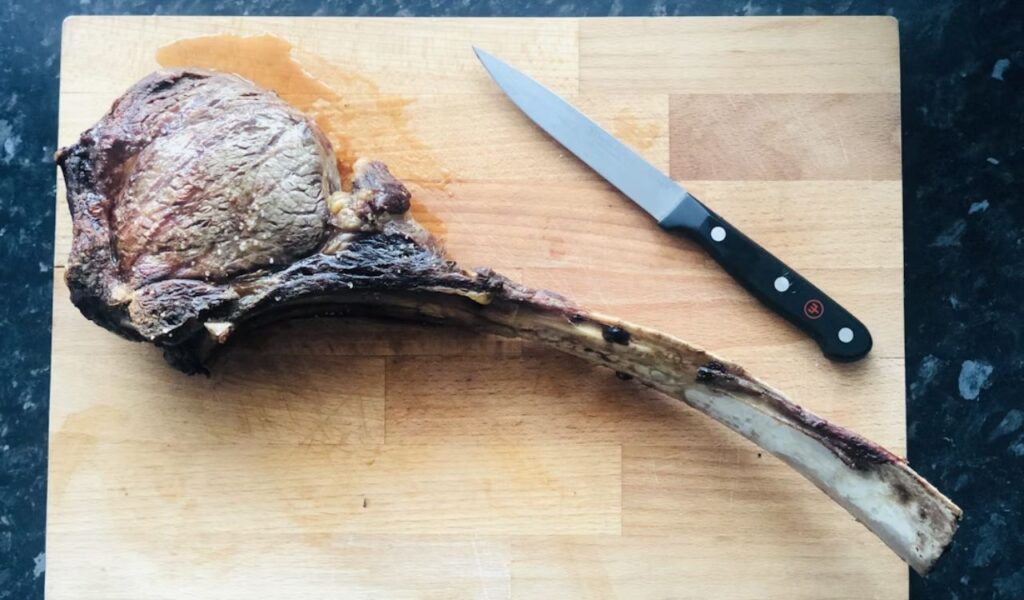
Tomahawk steaks are eye-catching. With a long frenched rib bone left intact, they look dramatic and restaurant-worthy. Butchers often treat tomahawk as a novelty cut, one that’s priced heavily due to presentation rather than proportionally more meat. In essence, you pay for the bone and appearance as much as you pay for the edible portion.
While the meat itself comes from the ribeye section and has the same marbling and flavor characteristics, the extended bone does not add taste. The extra length simply adds weight, which translates into a higher price by weight. For diners, this can feel like an expensive illusion.
Many chefs recommend trimming the steak and cooking it properly to maximize the meat portion, but consumers still face the reality that they’re paying for an extravagant cut that doesn’t necessarily deliver a dramatic eating experience beyond the spectacle. For value-minded steak lovers, that makes the tomahawk a questionable choice.
7. Wagyu and American Wagyu Often Carry Luxury Prices Without Everyday Justification
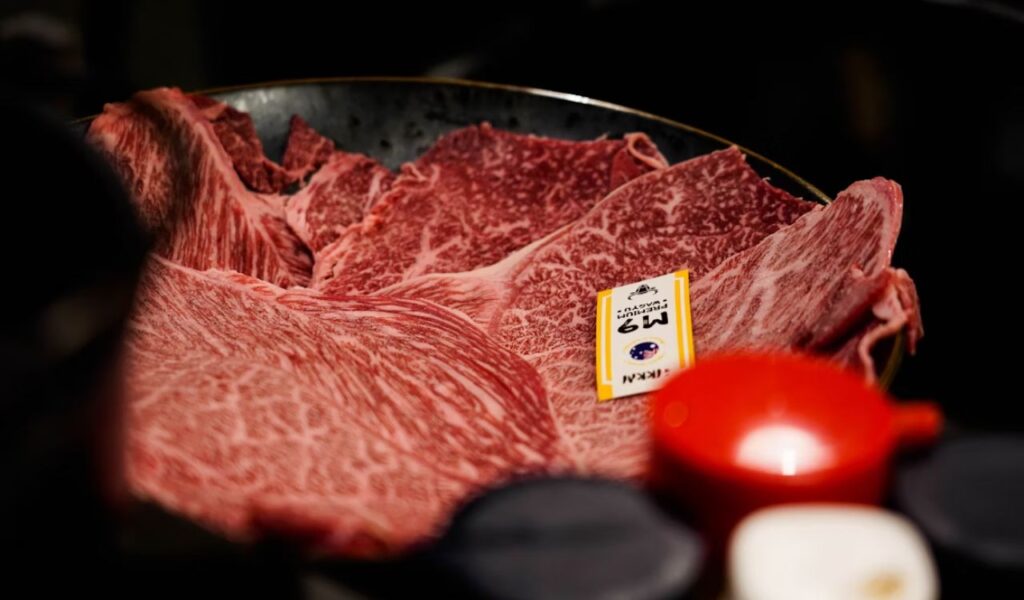
Wagyu beef, particularly highly marbled Japanese A5 or American Wagyu, represents the pinnacle of luxury in the steak world. The intense marbling and tender texture can be extraordinary. Butchers caution that not all Wagyu offerings justify the steep price tag, particularly when purchased as imported or highly branded products.
Authentic Japanese Wagyu grading is meticulous, and premium grades command high prices for good reason. But many products marketed as “Wagyu” in the U.S. are crossbred or domestically produced, leading to variability in quality. Paying a high price for a label more than a verified eating experience leads some experts to question the true value of everyday meals.
For those seeking a special occasion steak, genuine Wagyu can be unforgettable. For regular steak dinners, many butchers suggest exploring well-graded domestic beef selections that offer excellent flavor and texture without the luxury markup.
8. Kansas City Strip’s Costly Reputation May Outpace Its Value
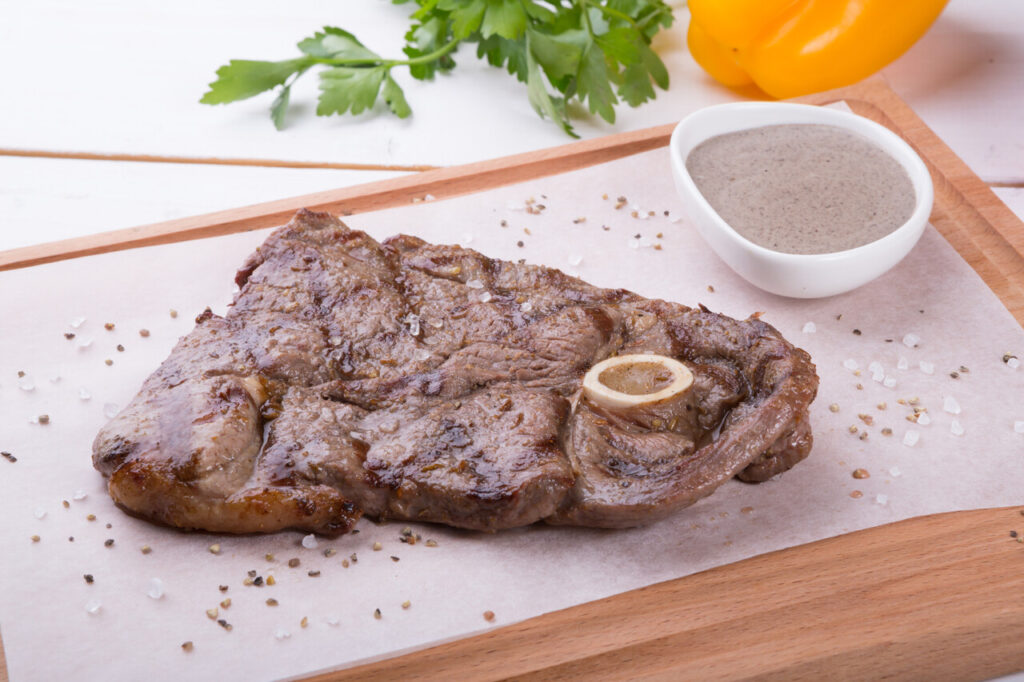
The Kansas City strip is loved for its blend of tenderness and flavor. It is essentially a bone-in strip steak with a bit more fat cap than some other loin cuts. The appeal lands it on many steakhouse menus at premium prices. But butchers often debate whether those prices always make sense for what you get on the plate.
Because Kansas City strip can taste remarkably similar to other loin cuts like top sirloin or even certain sirloin tip steaks, some shoppers find that paying extra for what is essentially a branded version of a familiar cut isn’t always worthwhile. The eating experience may not feel dramatically different despite the higher cost.
Many experts recommend comparing cooking methods and seasoning techniques before committing to the pricier Kansas City strip. Often, a less expensive cut prepared with similar care delivers a plate that is just as enjoyable.
In an era of tightening budgets and rising grocery prices, evaluating steak cuts through the lens of value as well as quality helps diners choose cuts that truly match what they pay for them. Understanding where flavor and texture intersect with cost can make dinner both delicious and smart.