12 Retro Dishes Middle Class Families Served in the 1960s

The flavors of the 1960s reveal more than what families cooked; they capture a moment when convenience, creativity, and community shaped every meal. Homes across the country embraced dishes that blended practicality with personality, turning everyday ingredients into warm, familiar comforts. These foods reflected shifting lifestyles, new technologies, and the deep desire to gather around a table. Exploring them offers a welcoming glance into an era where tradition and innovation met in the kitchen.
1. Swedish Meatballs
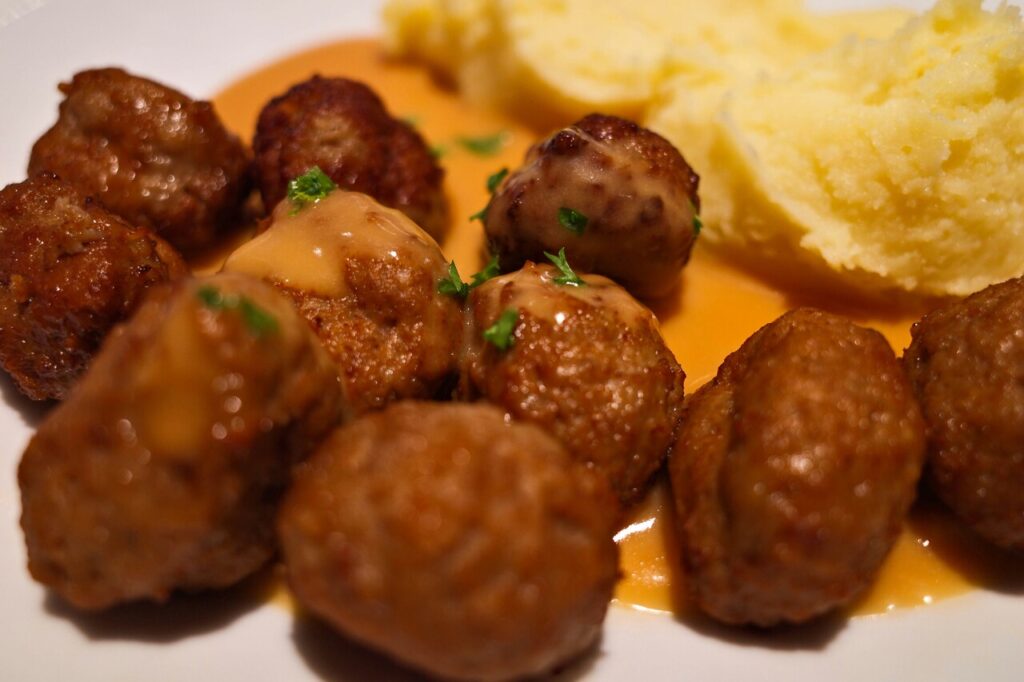
A simple, comforting dish that bridged Scandinavian tradition with mid-century American kitchens: Swedish meatballs were small, seasoned spheres of beef or beef-pork blended with breadcrumbs and onion, gently simmered in a creamy, browned butter gravy. They appeared in family cookbooks and frozen food ads alike, offering an approachable elegance that felt both exotic and homey. Served over buttered noodles or mashed potatoes, they made everyday dinners feel slightly special without dramatic effort. It remains historically notable for reflecting changing food technologies and social rituals of the era.
2. Tunnel of Fudge Cake

A showy dessert that delivered a theatrical center: the Tunnel of Fudge Cake was a chocolate bundt or round cake with a magically gooey core that seemed impossibly rich given the era’s simple ingredients. Home bakers followed carefully worded recipes to coax molten filling, and the cake became shorthand for celebratory yet attainable indulgence. It turned birthdays and potlucks into moments of culinary bravado, proving that midcentury home cooks could create dramatic desserts from pantry staples. It remains historically notable for reflecting changing food technologies and social rituals of the era.
3. Pot Roast
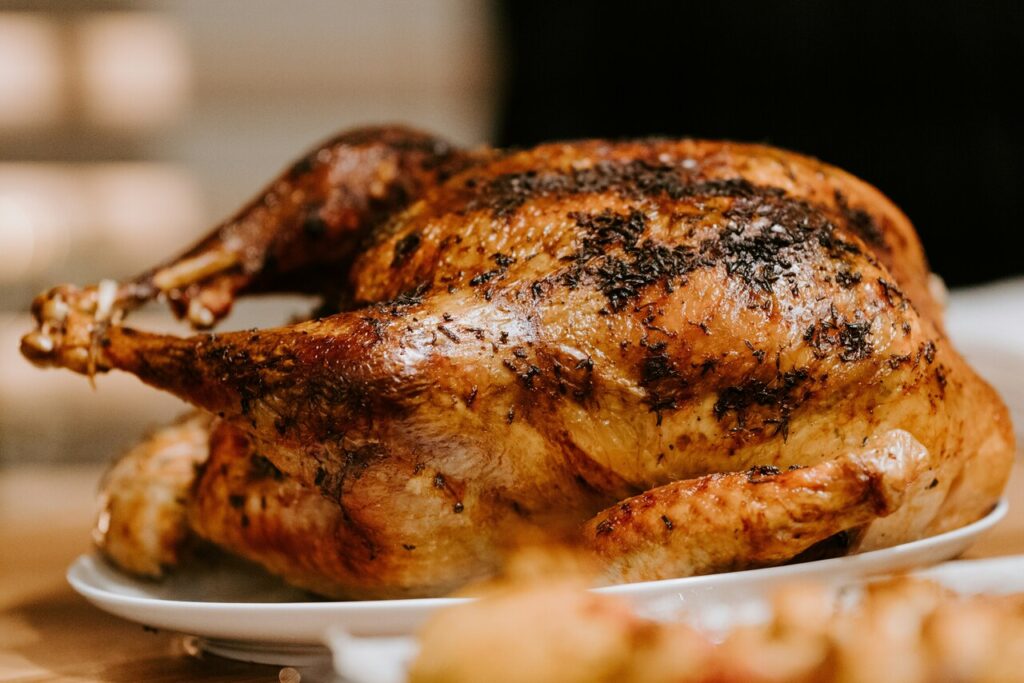
Pot roast was mid-century practicality and comfort in one pot: a tougher cut of beef slowly braised with root vegetables, aromatics, and stock until it was fork-tender. The technique maximized flavor and economy, stretching a modest piece of meat into a full, satisfying meal. Families served it with gravy and boiled potatoes or over buttered noodles; leftovers were made into sandwiches and soups. The dish captured an era’s preference for hearty, unfussy cooking that emphasized warmth, frugality, and tradition. It remains historically notable for reflecting changing food technologies and social rituals of the era.
4. French Onion Dip
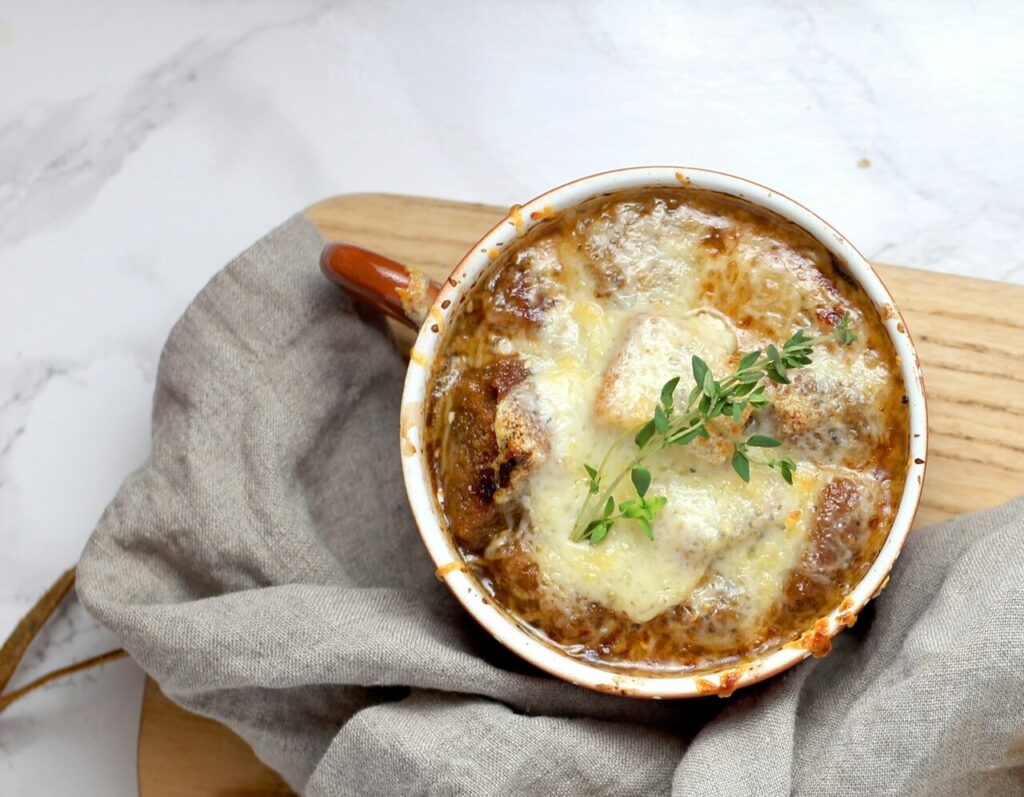
An emblem of casual entertaining, French onion dip combines the flavor of caramelized onions with creamy sour cream to create an easy party staple. Often made from a powdered soup mix stirred into sour cream, it became ubiquitous at gatherings, TV-viewing nights, and backyard cookouts. Paired with potato chips or crudités, the dip delivered big flavor with minimal effort. Its popularity reflected middle-class shifts toward ready-made convenience products that still promised homemade taste and approachable sociability. It remains historically notable for reflecting changing food technologies and social rituals of the era.
5. Macaroni Salad
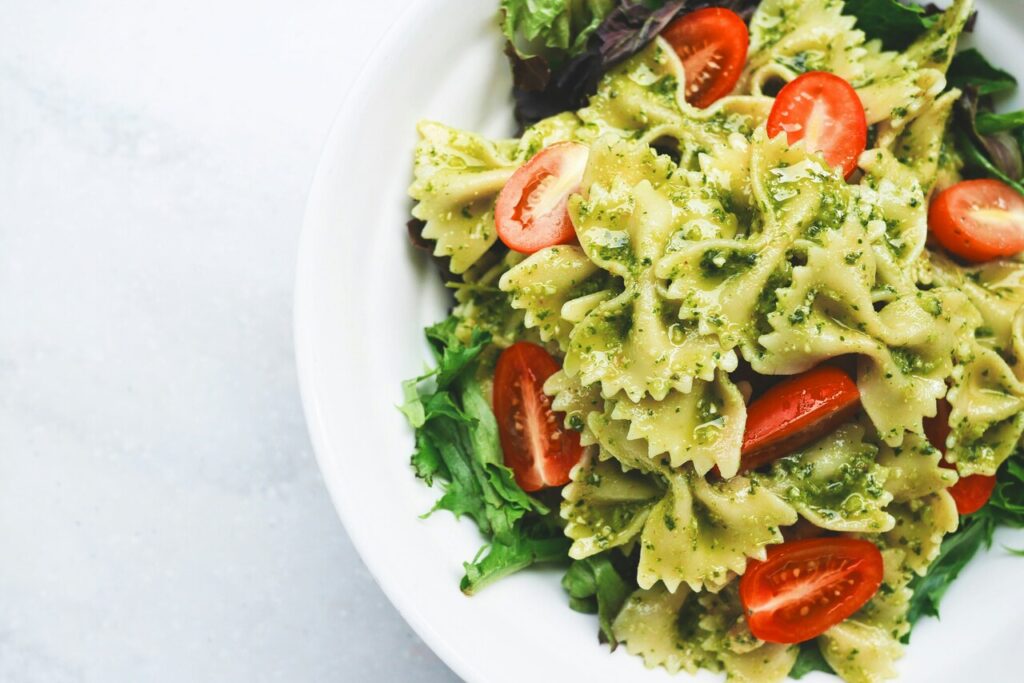
Macaroni salad was a summer staple that married pasta’s neutrality to a tangy, creamy dressing studded with vegetables and sometimes diced meat. Served chilled alongside grilled or fried mains, it offered a cool, starchy counterpoint to hot dishes and became a picnic and potluck favorite. Recipes varied widely by household, showcasing personal touches while remaining reliably simple to prepare in batches. Its endurance came from being portable, forgiving, and perfectly suited to shared meals at casual gatherings. It remains historically notable for reflecting changing food technologies and social rituals of the era.
6. Jell-O Salad

Jell-O salad was more than gelatin; it was a template for midcentury imagination, combining flavored gelatin with fruit, nuts, marshmallows, or even vegetables to yield colorful, set salads. Often molded into rings or aspics, these salads adorned buffet tables and holiday spreads as a playful, decorative course. Their appeal lay in novelty, ease, and the era’s fascination with texture and presentation. Jell-O salads reflected a cultural moment when convenience products offered new possibilities for home display and communal eating. It remains historically notable for reflecting changing food technologies and social rituals of the era.
7. Meatloaf
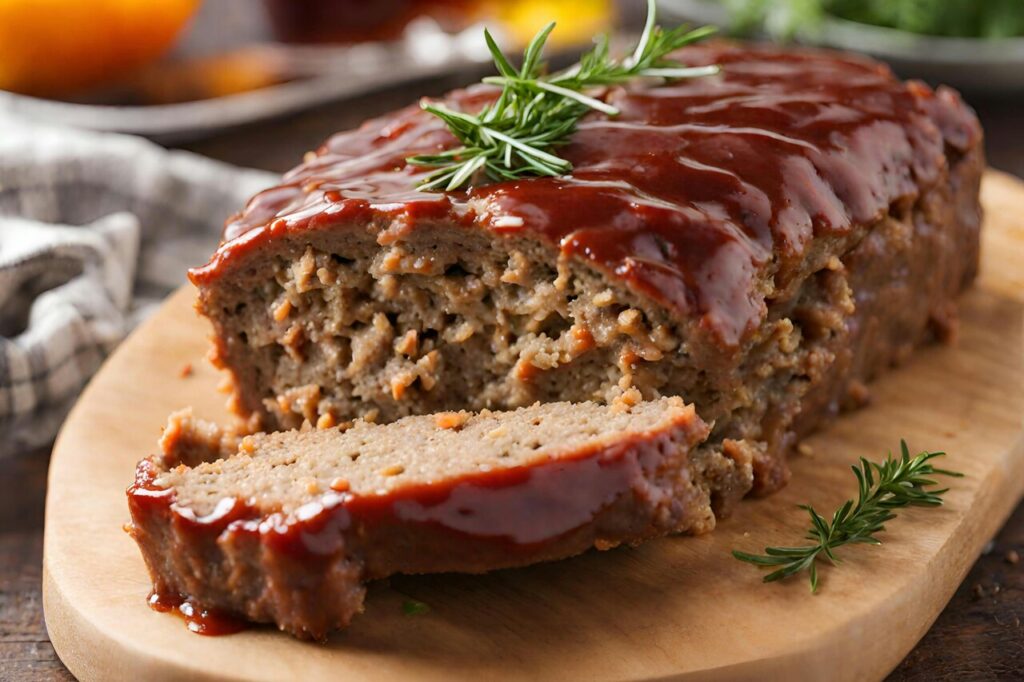
Meatloaf stood as a weekday workhorse: ground meat mixed with binder, seasonings, and often ketchup or tomato glaze, baked until set and sliced for the table. It balanced economy with familiarity, turning cheaper cuts into a cohesive, protein-forward centerpiece. Served with mashed potatoes and a vegetable, meatloaf fit the era’s appetite for substantial, uncomplicated dinners. Recipes showed regional and familial variations, making it a canvas for household taste while remaining reliably simple to execute on a busy weeknight. It remains historically notable for reflecting changing food technologies and social rituals of the era.
8. Casseroles
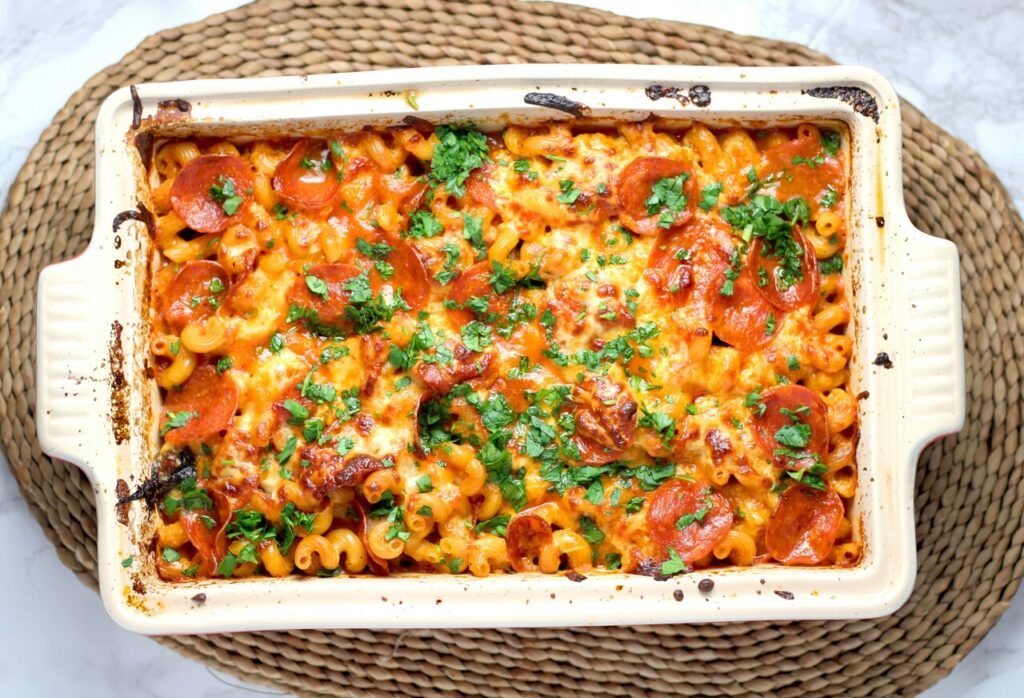
Casseroles embodied the 1960s ethos of convenience meeting comfort, layered or mixed components baked together, often augmented by canned soups or condensed sauces. These one-dish meals simplified planning and cleanup, transforming pasta, rice, vegetables, and protein into warm, cohesive dishes that could feed a family affordably. Topped with breadcrumbs or melted cheese, casseroles traveled from weeknight dinners to church suppers, reflecting both an embrace of packaged foods and a desire for communal, warming dishes. They remain historically notable for reflecting changing food technologies and social rituals of the era.
9. Fried Chicken
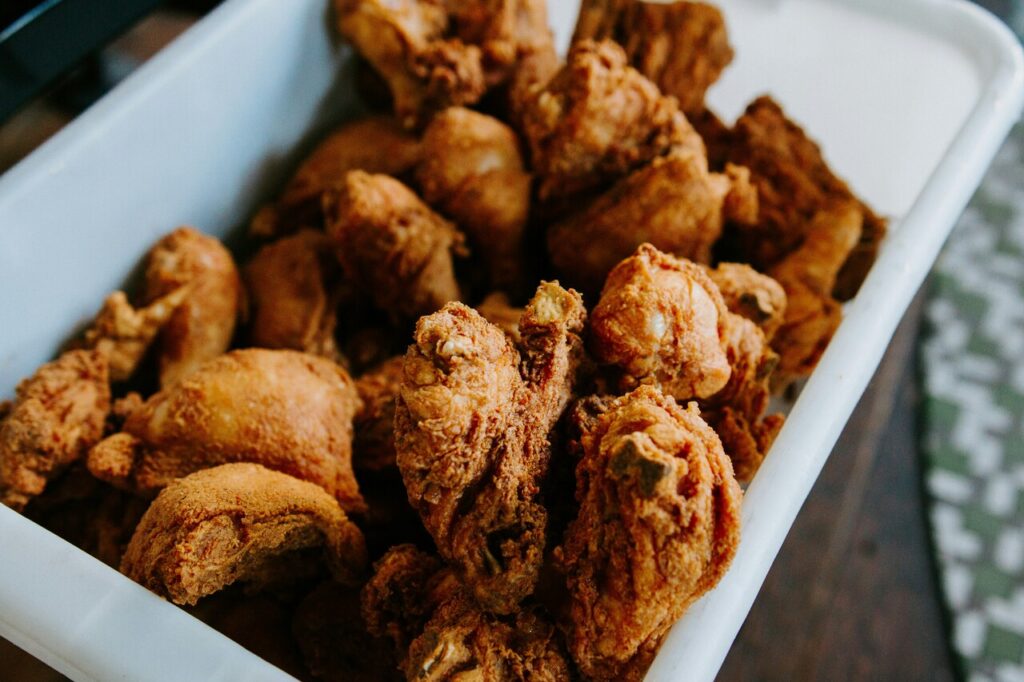
Fried chicken represented both a special treat and a reliably crowd-pleasing dinner: pieces seasoned, battered, and deep-fried to a crisp golden crust. Whether homemade or sourced from growing quick-service outlets, it signaled comfort and celebration. Served with sides like coleslaw, biscuits, or mashed potatoes, fried chicken fit a broad range of occasions and crossed social and regional lines in midcentury America. The dish’s flavorful appeal made it a perennial favorite in middle-class homes and helped bridge home cooking with dining out. It remains historically notable for reflecting changing food technologies and social rituals of the era.
10. Steak Diane
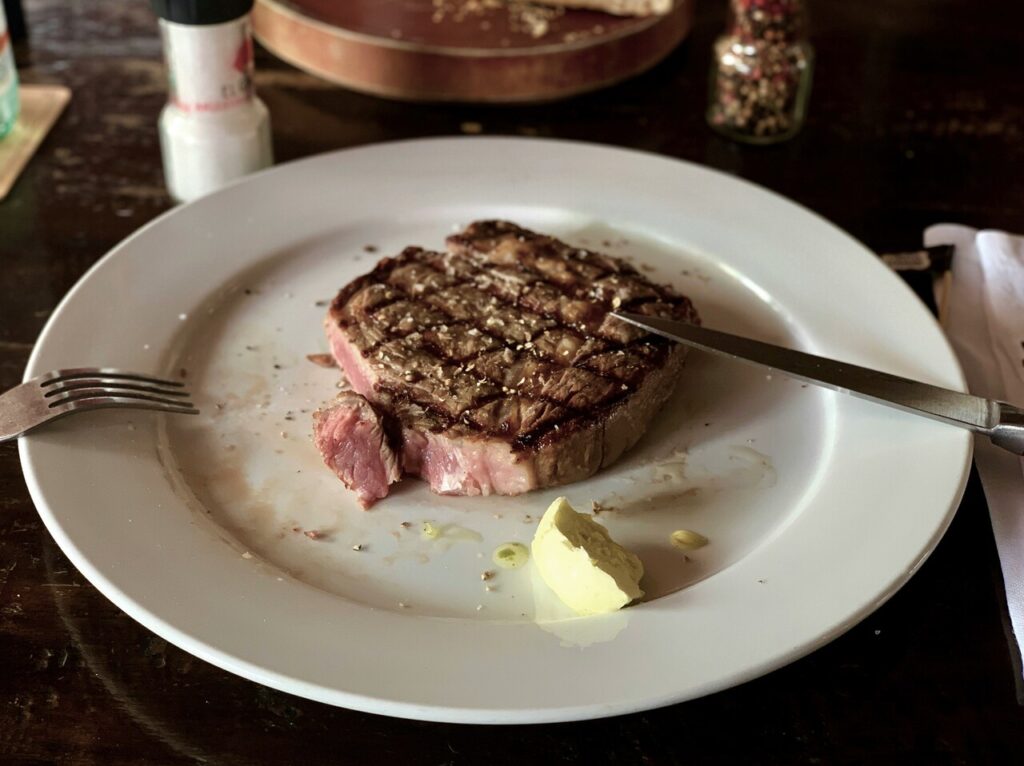
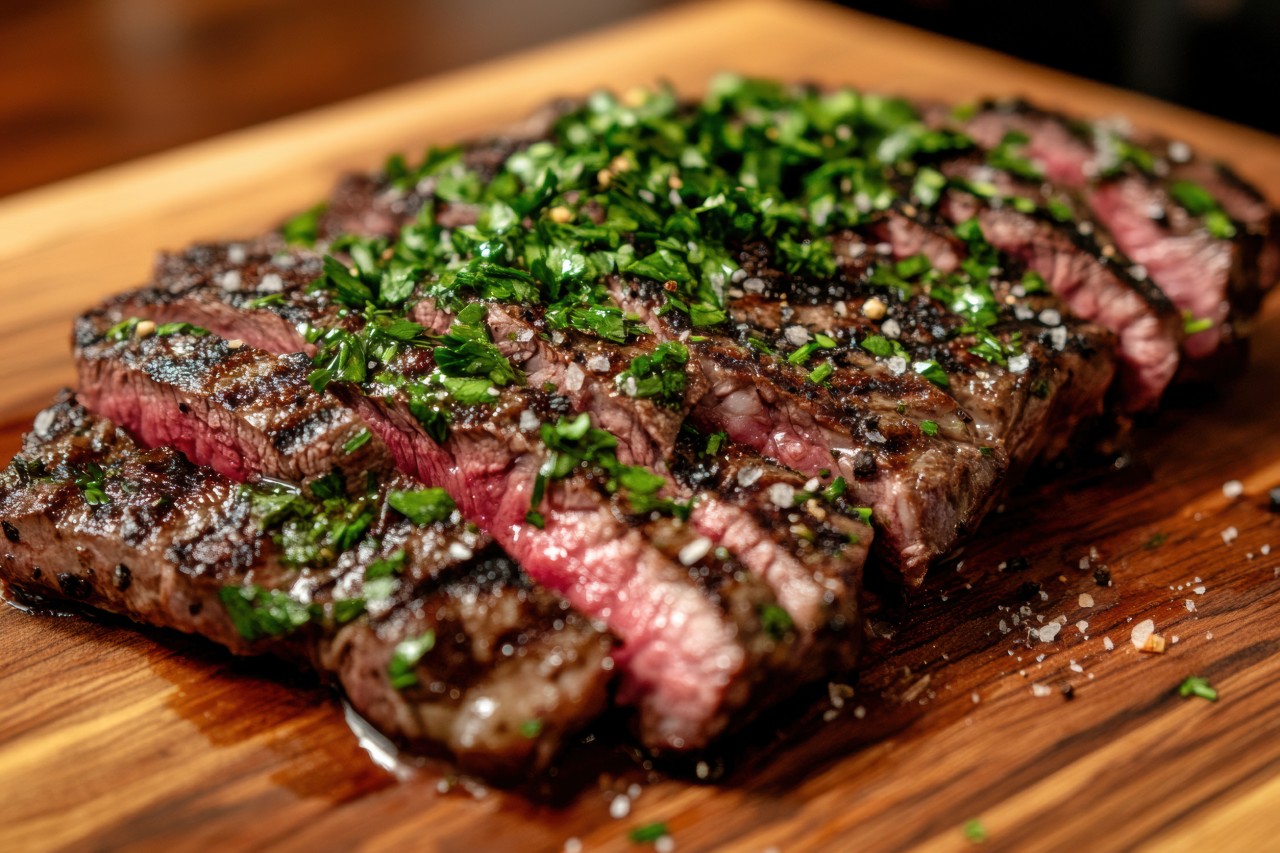
Steak Diane was the restaurant-to-home glamour of the era, thin steaks quickly pan-seared and finished with a buttery pan sauce flavored by cognac, mustard, and cream. Often flambéed tableside in dining rooms and in movies, it carried an air of sophistication that home cooks could emulate for special occasions. The technique emphasized turning a simple steak dinner into a moment of culinary theatre without requiring professional training. It remains historically notable for reflecting changing food technologies and social rituals of the era. Its enduring charm lies in how effortlessly it blends richness and accessibility in a single dish.
11. Wedge Salad
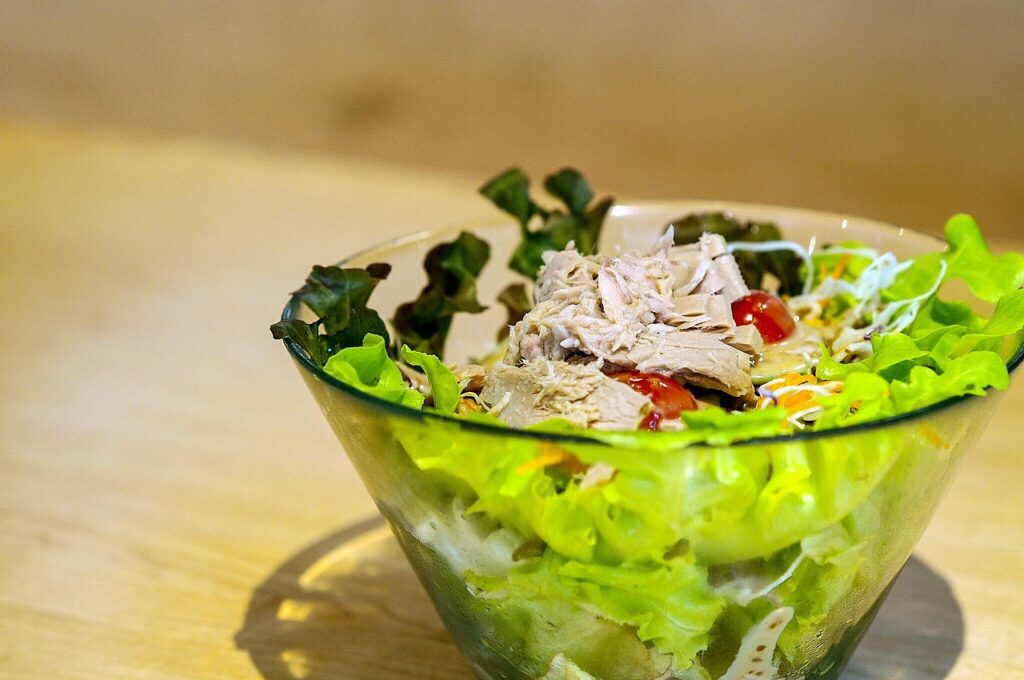
The wedge salad presented simplicity as style: a sectioned head of iceberg lettuce dressed with creamy dressing, blue cheese crumbles, tomato, and bacon bits. Its striking, tidy presentation signaled restaurant polish while remaining easy to assemble at home. The salad reflected midcentury tastes for crisp textures and assertive, creamy dressings, and it served as both a side and a starter that complemented hearty mains. Its clean lines and bold flavors made it visually appealing at any family table or dinner party. It remains historically notable for reflecting changing food technologies and social rituals of the era.
12. Chicken à la King
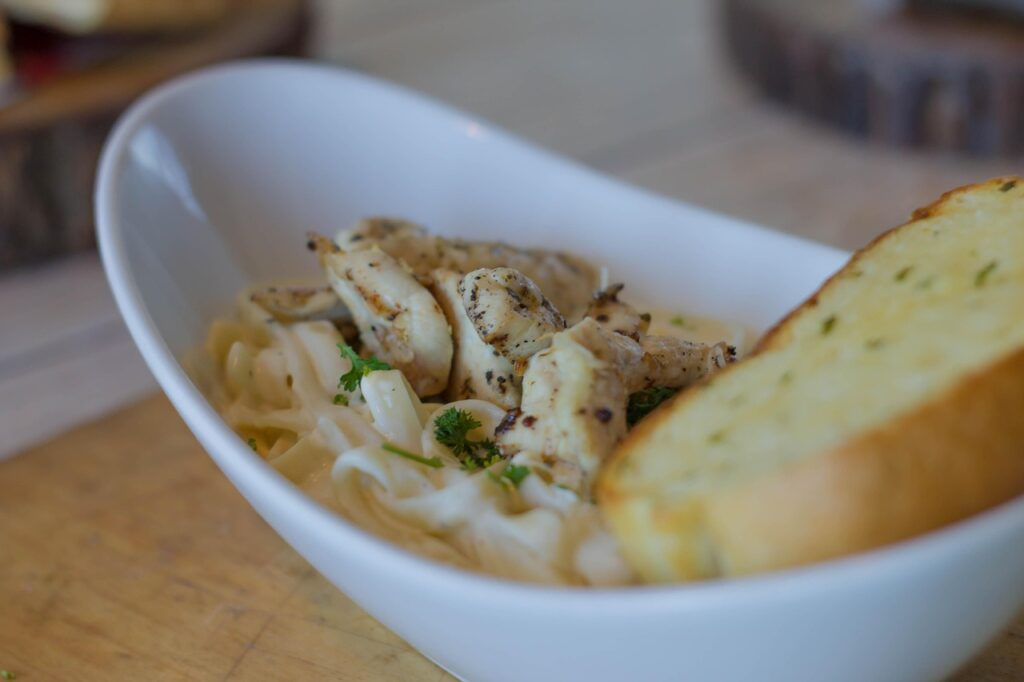
Chicken à la King offered a velvety, saucy comfort, diced chicken in a creamy sauce with mushrooms and peppers, often served over rice, noodles, or toast points. The dish carried a slightly formal, old-world charm adapted for midcentury kitchens, where canned soups and prepared sauces eased the work. It bridged homestyle comfort with a hint of sophistication, making it suitable for dinner parties and family suppers alike. Its gentle, savory profile kept it a steady presence on menus and in home recipe boxes. It remains historically notable for reflecting changing food technologies and social rituals of the era.