9 Kitchen Ingredients Rising Sharply in Price Next Year, According to USDA Trends


Food costs across American grocery stores continue to shift, and for 2026, experts at the USDA project that certain staples are likely to become noticeably more expensive. Based on recent forecasts, supply constraints, disease outbreaks, and inflationary pressures, some ingredients are already showing steep price spikes or volatility. The items below are those nutritionists, economists, and market analysts highlight as ones shoppers should watch, and possibly rethink using too liberally in everyday cooking.
1. Eggs

Egg prices remain among the most volatile food items in the U.S. Recently, egg costs surged sharply due to outbreaks of avian flu that reduced commercial laying flocks. The USDA forecasts eggs to remain expensive as supply struggles continue, which means everyday cooking that relies heavily on eggs may hit your wallet harder next year. Many food-price analysts now advise limiting egg-heavy meals or finding alternative protein sources to avoid inflation impact.
2. Beef
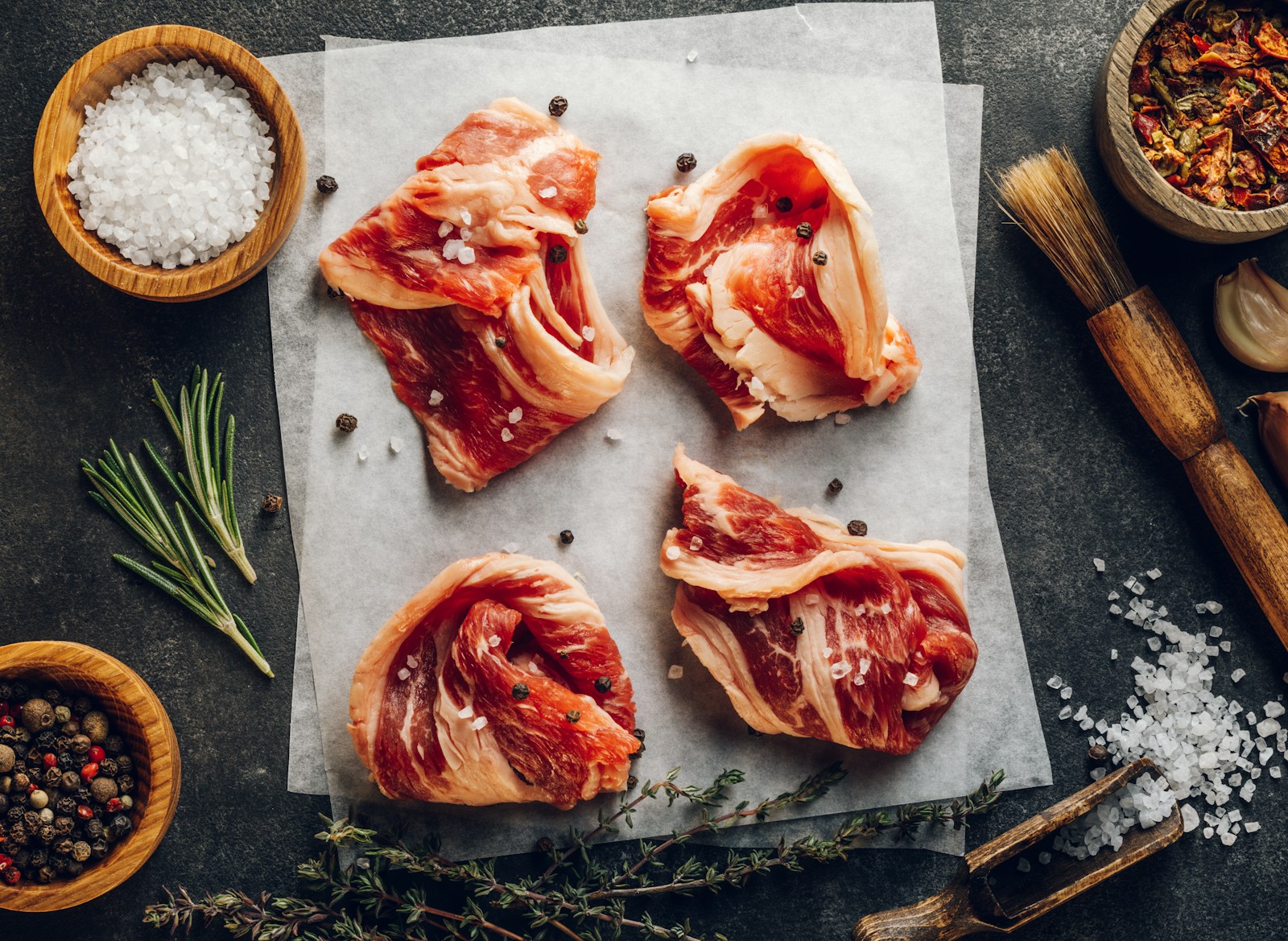
Beef and veal prices have been rising and are expected to continue climbing, adding pressure on grocery budgets. Higher feed costs, supply chain pressures, and cattle-supply constraints contribute to this trend. For households that often rely on steak or ground beef, experts suggest substituting with less expensive, more stable proteins sometimes to maintain balance between nutrition and cost.
3. Butter
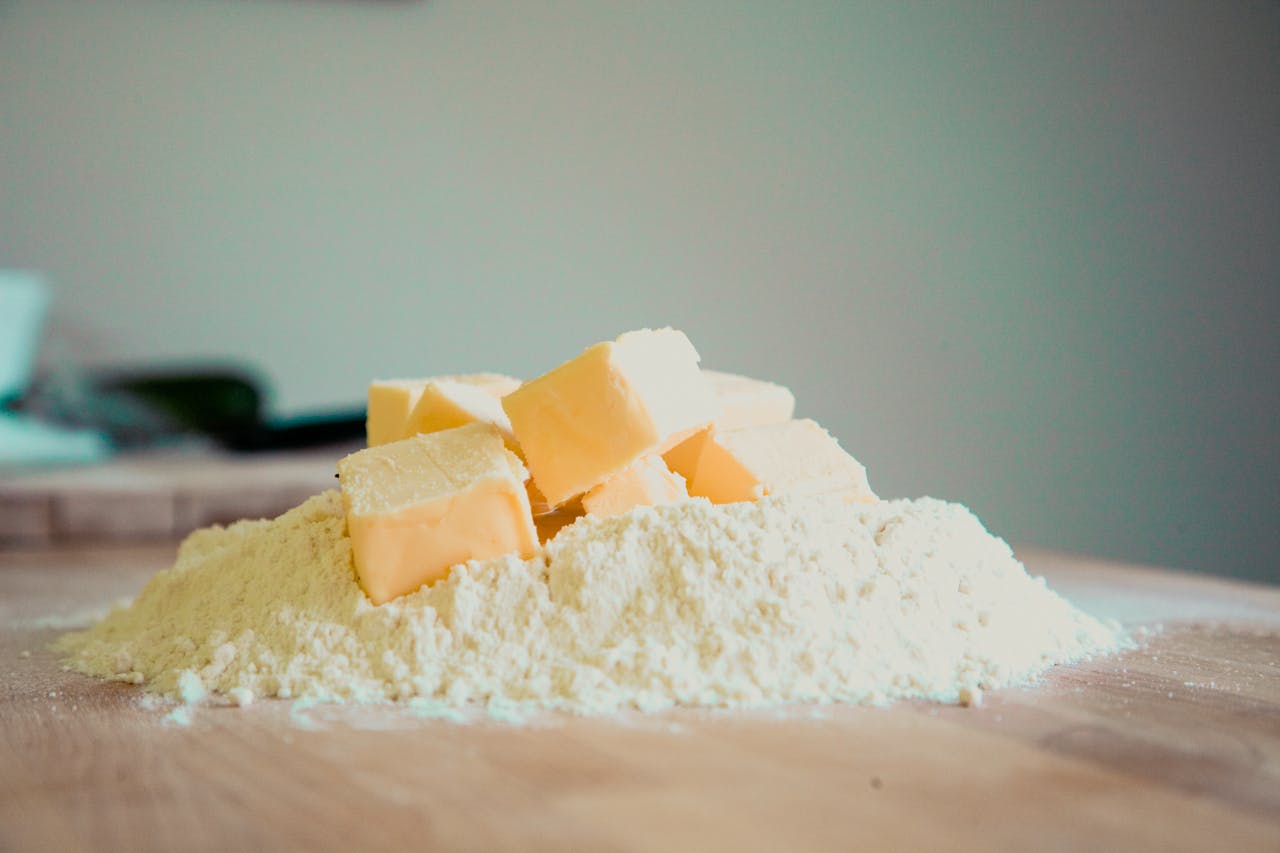
Butter, along with other dairy fats, is forecast to have upward price pressure due to rising demand for dairy goods and unpredictable agricultural conditions. As dairy-production and processing costs increase, the price consumers pay at retail is expected to climb. Cooking methods that rely heavily on butter may therefore become pricier, and using alternatives like plant-based oils or moderated quantities could help manage household expenses.
4. Cheese and Dairy Products

Cheese and some dairy products are also subject to increasing prices. Because dairy is sensitive to feed, labor, and processing cost fluctuations, any disruption can ripple through to retail shelves. People using cheese frequently, whether in sandwiches, casseroles, or snacks, may notice price swings, prompting some dietitians to recommend using cheese more sparingly or mixing with other ingredients to extend value.
5. Fresh Fruits
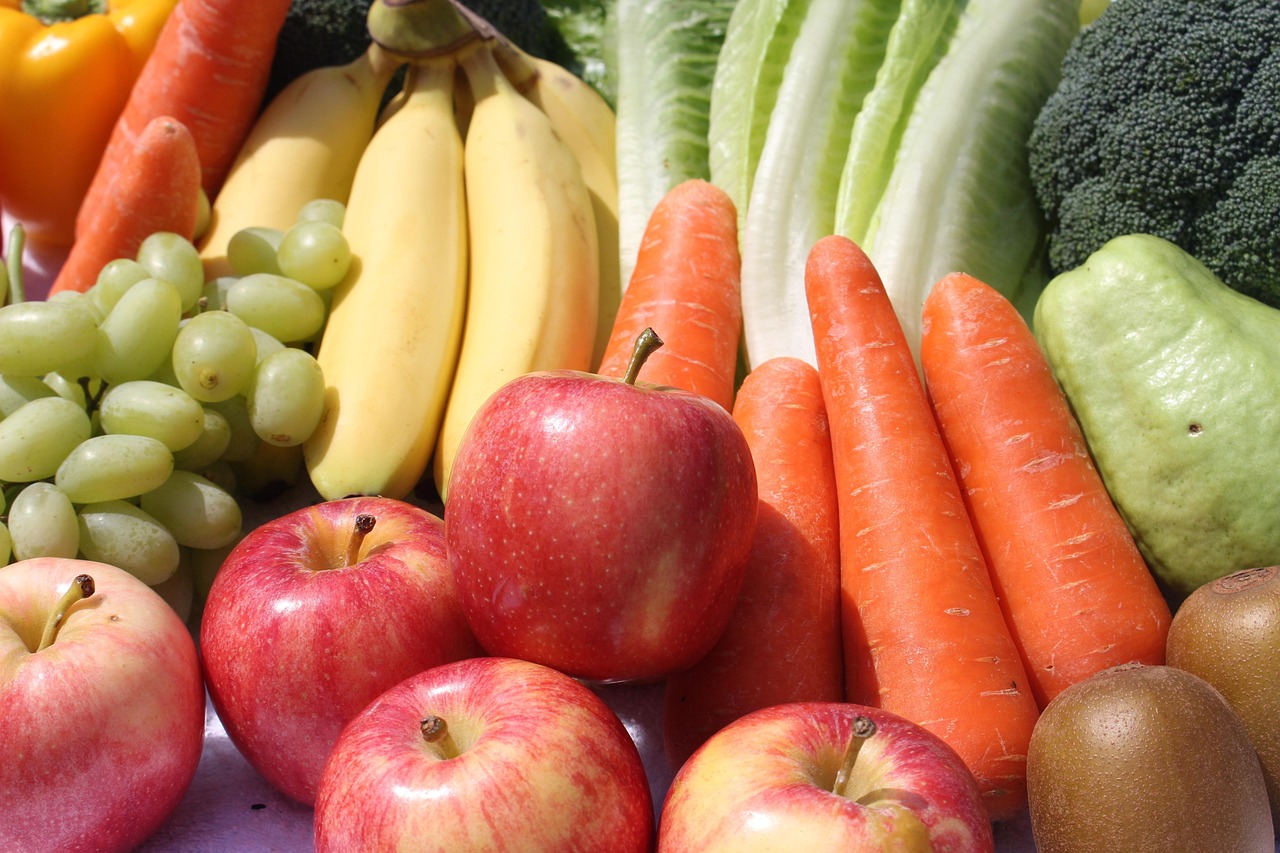
Fresh fruit prices are forecast to gradually rise as weather variability, transportation costs, and labor shortages impact harvests and supply chains. For Americans who rely on fruit for snacks or meal additions, nutritionists suggest picking seasonal or local produce, or considering frozen fruit options to manage budget while still getting nutrients.
6. Sugar and Sweetened Products

Sugars, refined sweeteners, and many sweet-product ingredients face inflationary pressure as production costs and global commodity prices rise. Desserts, baked goods, and sugary staples might carry higher prices next year. For consumers, that means baked goods and high-sugar recipes may cost more, encouraging moderation or substitution with less-processed ingredients when possible.
7. Non-Alcoholic Sweetened Beverages and Drink Mixes

Ingredients used in sweetened drinks, syrups, concentrate mixes, and sweeteners are also on the rise due to increased input costs and supply-chain pressures. As a result, beverages like flavored drinks, juice blends, or sugary mixes might see price increases at stores. Health-focused experts note this may be a reasonable time to reduce consumption of such drinks, opting instead for water or unsweetened beverages to avoid both price and health impacts.
8. Processed or Packaged Foods Using Heavily Priced Ingredients
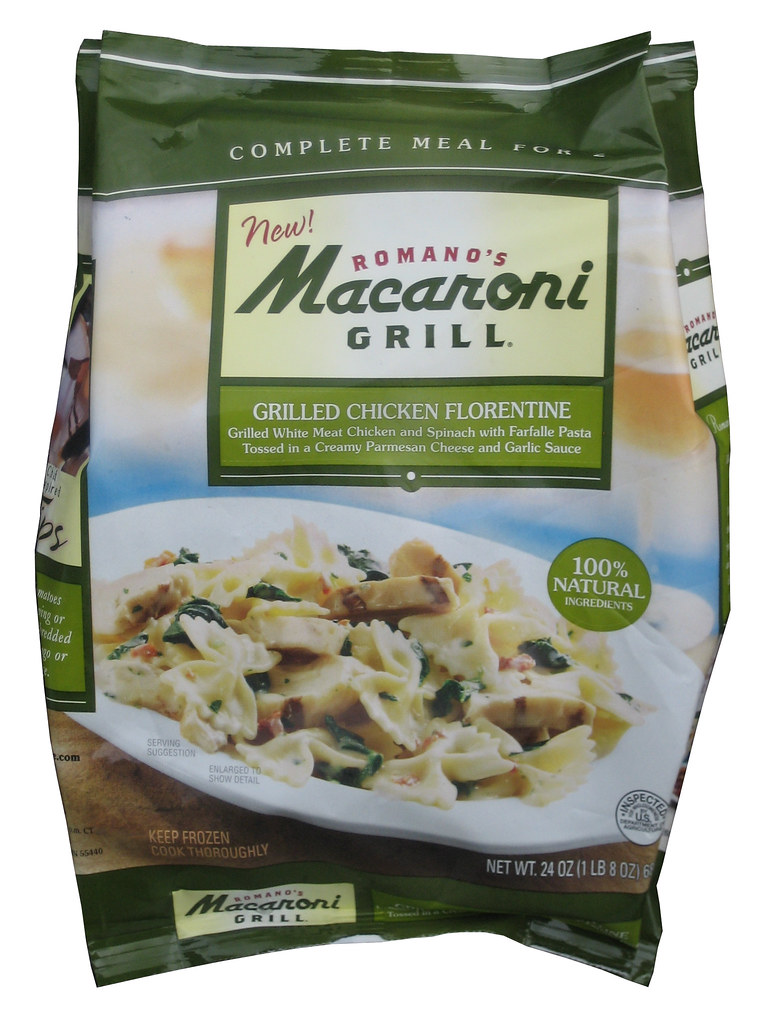
Many processed and packaged foods rely on cost-sensitive components like dairy, sugar, oils, or refined grains. As prices for these ingredients increase, so do costs for the packaged food products. Market analysts expect that consumers may notice price hikes in common items like ready-made meals, canned sauces, and frozen dinners. Shopping with whole ingredients and cooking from scratch may become more economically attractive again.
9. Vegetable Oils and Cooking Fats
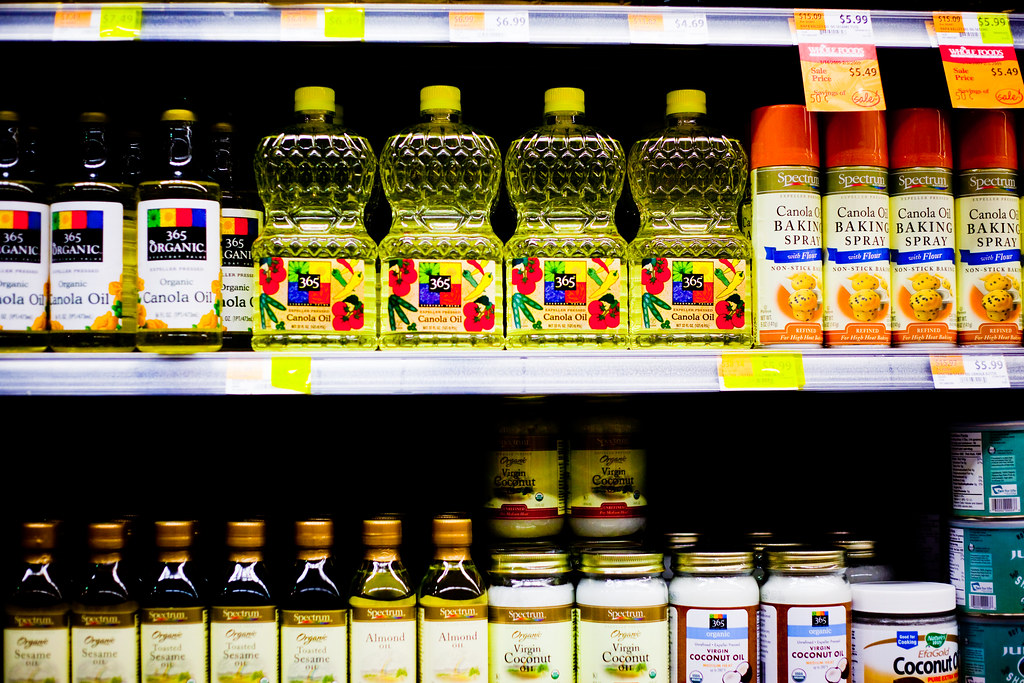
Vegetable oils and cooking fats, especially those derived from oilseeds, are also under pressure due to changing commodity markets and increased global demand. As oil prices fluctuate, pantry staples like cooking oil, margarine, or spreads may become costlier. Culinary experts suggest moderating oil usage or exploring alternative cooking techniques (like baking or steaming) to reduce reliance on large amounts of fat while managing food expenses.