8 Airport Snacks People Packed Before TSA Changed Everything

Airport snacking used to be simple, and many travelers packed food without thinking about texture or container size. That changed when security rules began classifying everyday items by whether they could spill, scoop, or pour. Foods that once felt harmless suddenly fell under liquid limits, which shifted how people prepared for flights and how they navigated long travel days. Understanding why these snacks were restricted helps explain how air travel evolved and how passengers adjusted their routines in response.
1. Peanut Butter
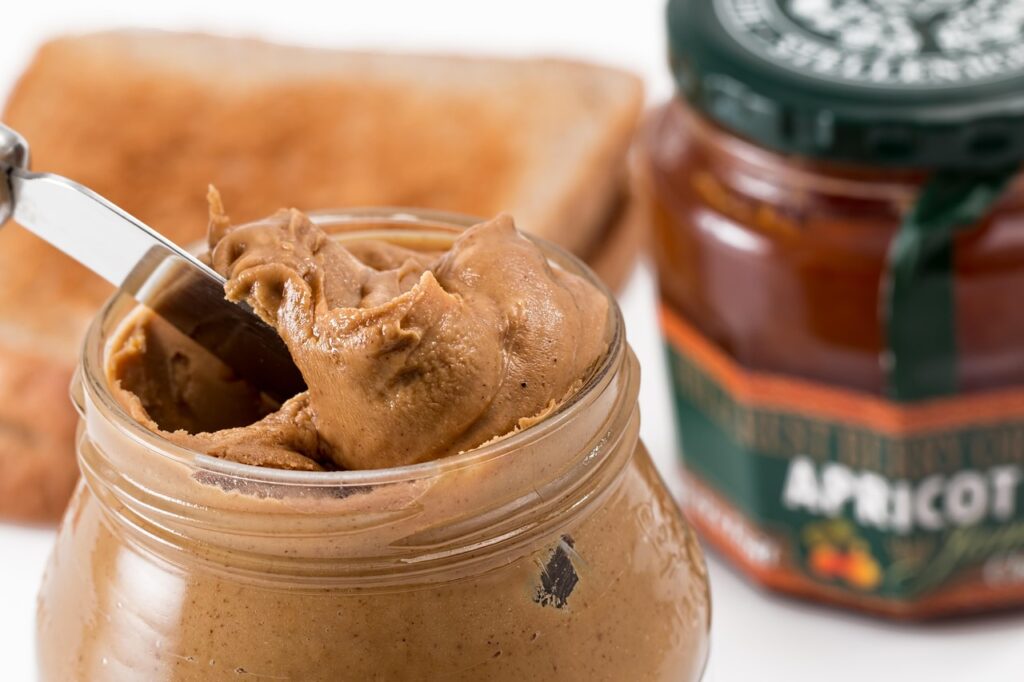
Peanut butter used to be a grab-and-go staple because it is calorie-dense, shelf-stable, and endlessly useful, but its texture and spreadability now force travelers to rethink how they bring it. Security agencies classify spreadable foods according to whether they can be spilled, squeezed, or scooped, so a jar of peanut butter in a carry bag is now treated like a liquid and must meet the small container limit. You can still carry a peanut butter sandwich through screening because the spread is embedded in solid bread, but a full jar must either be tested against the 3.4 ounce rule or moved to checked luggage.
2. Yogurt
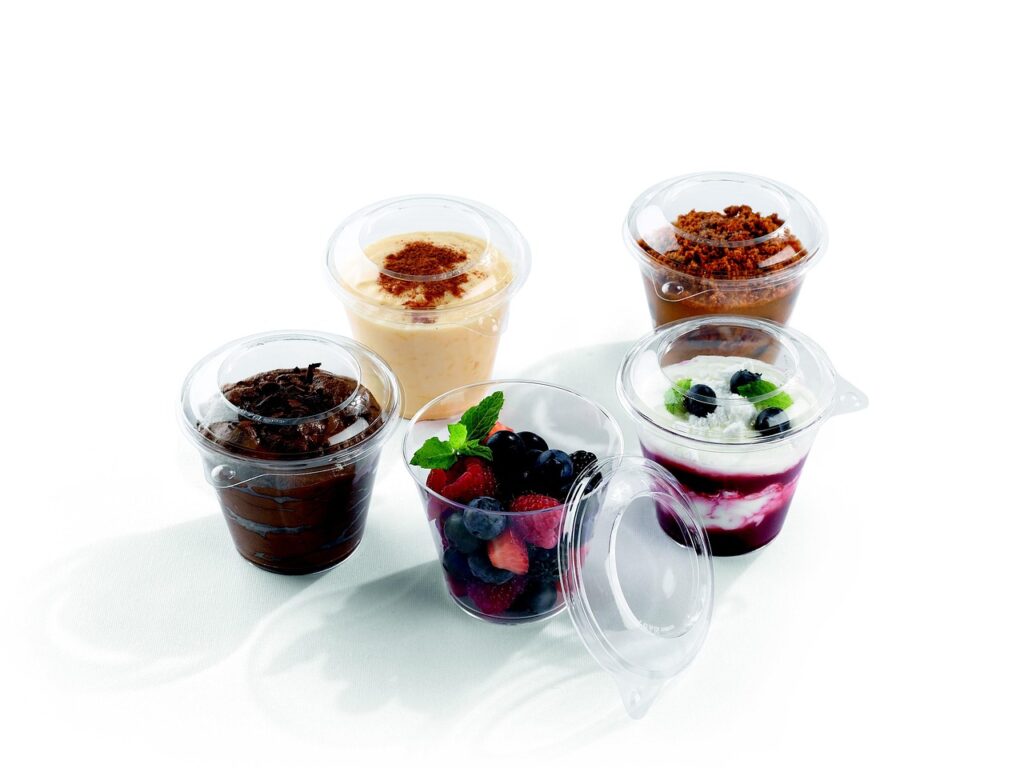
Yogurt was once a simple, nutritious travel snack, but its semi-liquid consistency now triggers liquid rules at security checkpoints. Smooth yogurts, drinkable yogurts, and wide fruit-on-the-bottom varieties are considered gels or liquids, which means containers larger than the permitted carry-on limit are likely to be rejected. Thick, set yogurts may sometimes pass more easily than pourable types, yet enforcement depends on the officer and the specific screening context, so relying on that gray area is risky. Travelers who need dairy on the go often switch to shelf-stable yogurt alternatives in single-serve cartons that meet size limits.
3. Hummus
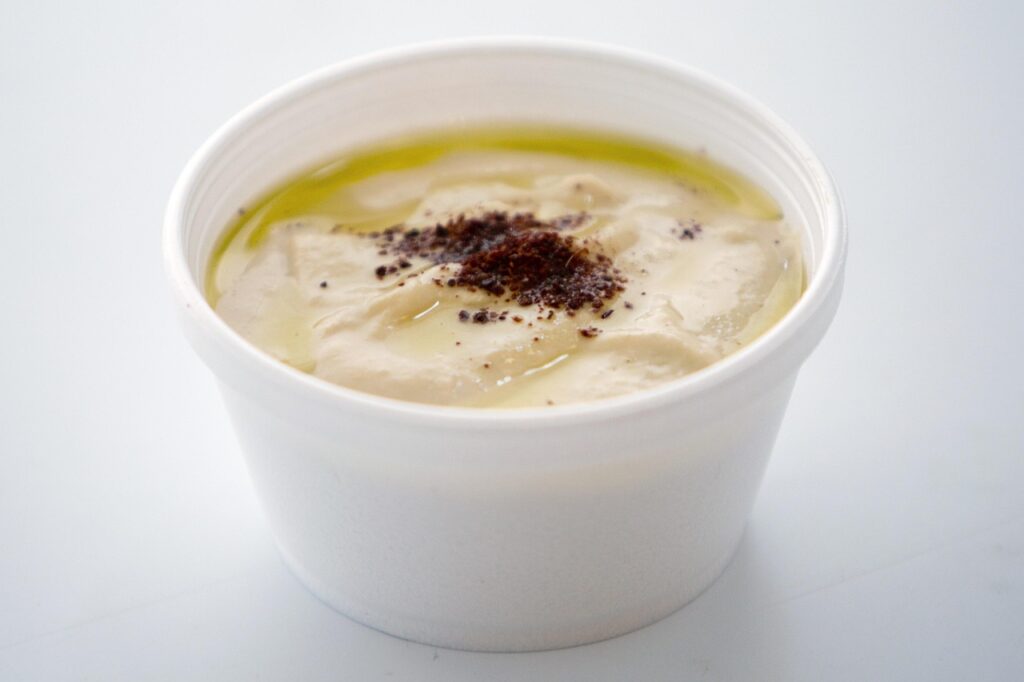
Hummus and creamy dips were a favorite because they add instant flavor and protein to bread, vegetables, and crackers, but their spreadable nature places them in the same category as liquids for airport screening. Anything that can be scooped, poured, or spread is subject to the small-container rule in carry-on baggage, which means a family-sized tub of hummus will not get through without being placed in checked luggage. If you must carry dip, store it in clearly labeled, transparent containers and keep it in your quart-sized liquids bag to speed up screening and reduce the chance of having it removed at the checkpoint.
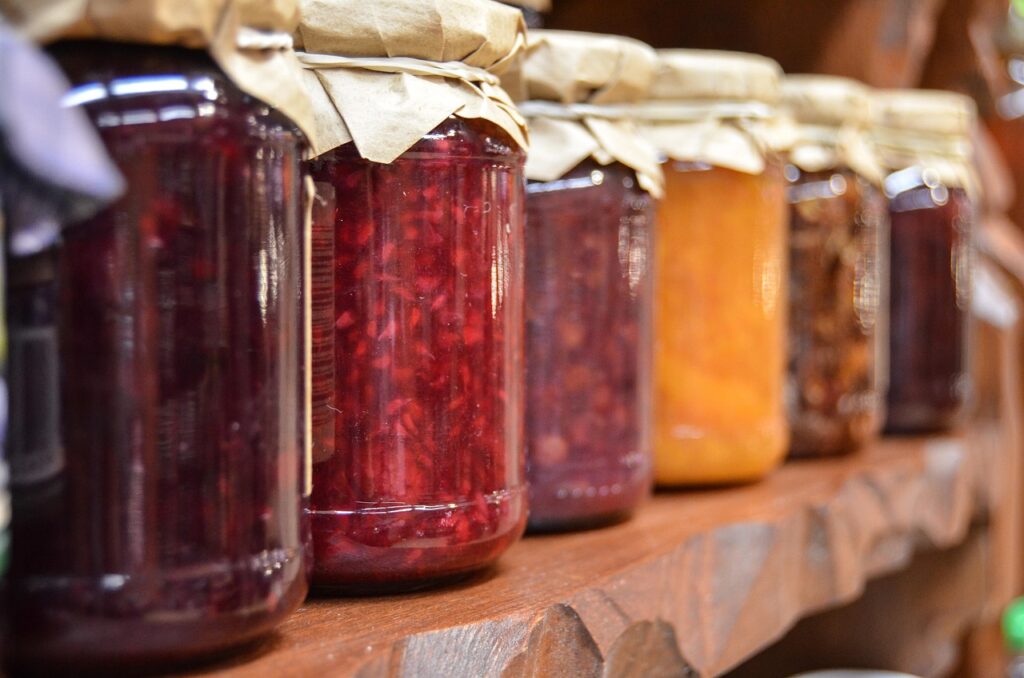
4. Jam and Jelly
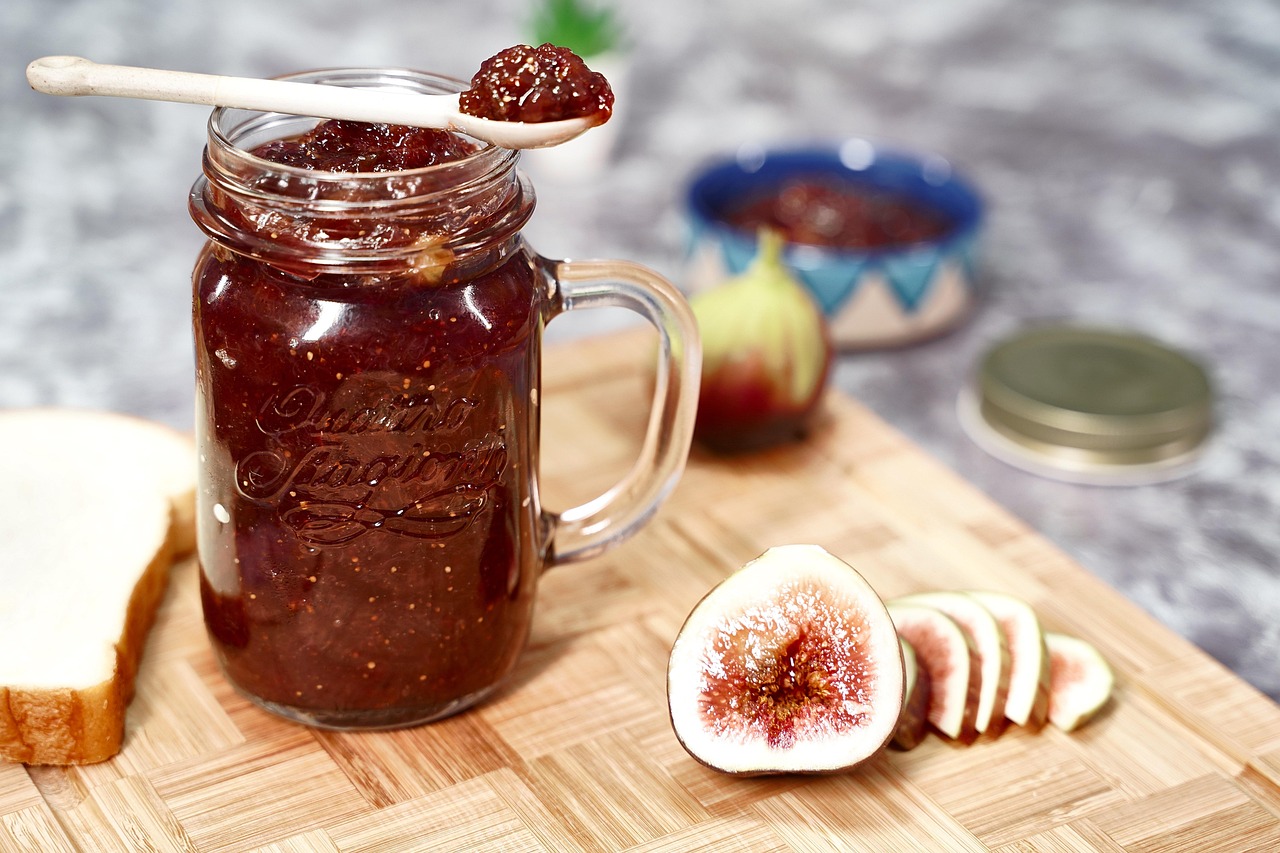
Jam and jelly were ideal companions for travel because they pair with bread, crackers, and morning pastries, but their gel-like consistency now places them within the liquid and gel restrictions at the security line. A small, souvenir jar that exceeds the carry-on limit is likely to be confiscated, even if your intent is purely snacking. To avoid that, many travelers rely on pre-portioned jam packets available at cafes and hotels or decant a tiny measured amount into a travel-compliant container. Being mindful of container size and presentation prevents confusion and keeps your breakfast plans from being disrupted by screening rules.
5. Creamy Cheese and Soft Spreads
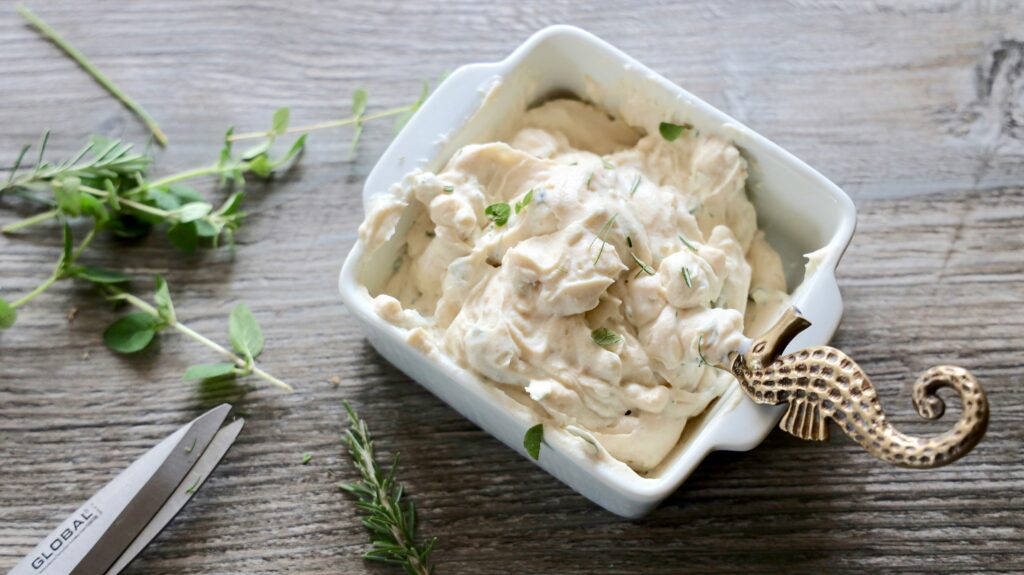
Soft cheeses and creamy spreads offer richness and versatility, but they are now frequently handled as liquids at security checkpoints due to their ability to be scooped or smeared. Ricotta, soft goat cheese, mascarpone, and similar textures can be problematic if packed in containers over the allowed limit for carry-ons. Because airport personnel apply the same logic to food as they do to toiletries, a tub of cream cheese is no longer the low-effort choice it once was for a carry-on picnic. Good alternatives include hard cheeses, pre-sliced portions wrapped in wax paper, or purchasing small travel-sized tubs that comply with regulations.
6. Fresh Fruit Juice and Smoothies

Fresh juices and smoothies were once a go-to for a hydrating, vitamin-rich snack, but their liquid form makes them among the simplest items to be limited by carry-on rules. Even if the beverage is homemade, it is treated like any other liquid and must meet container size restrictions, which often defeats the purpose of bringing a full bottle or thermos. Travelers who value fresh-pressed juices may consider purchasing them after security inside the terminal or using powdered electrolyte mixes and whole fruit as substitutes. Planning by packing whole fruits or ready-to-eat fruit cups that meet guidelines preserves both nutrition and convenience.
7. Coconut Water and Packaged Drinks
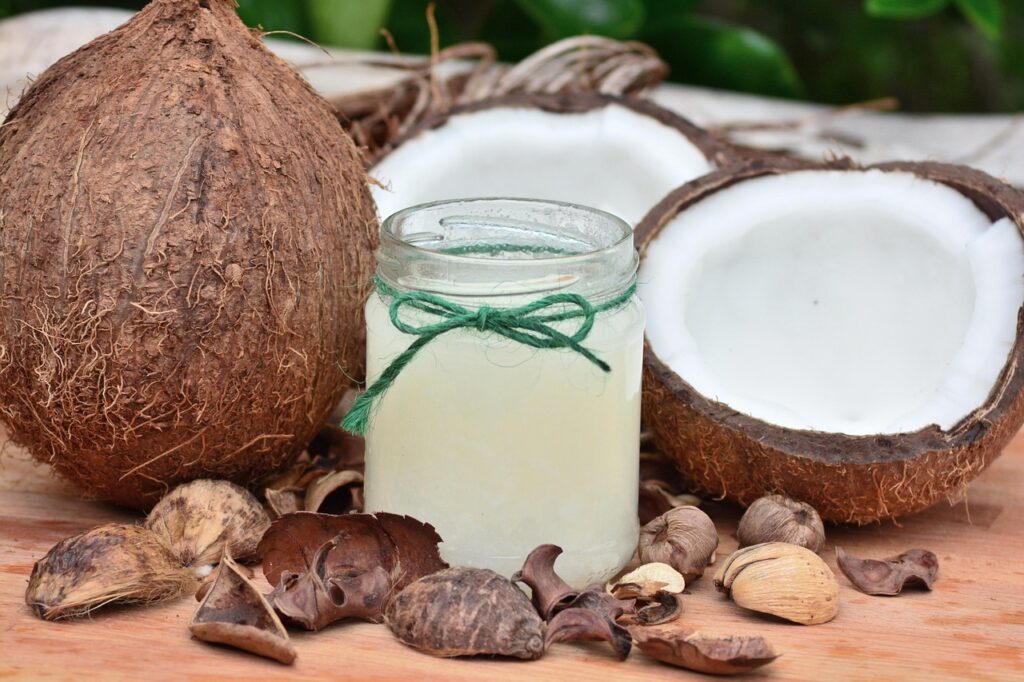
Coconut water and packaged beverages were popular because they combine hydration with natural electrolytes, but like other liquids, they now fall squarely under the 3.4-ounce limit for carry-on containers. Travelers who used to bring full bottles of coconut water for long flights must either purchase travel-sized formats, buy drinks inside the terminal after clearing security, or place larger containers in checked baggage. Some airports offer refrigerated sections or vending machines that carry electrolyte-rich drinks beyond the checkpoint; using those options saves you the screening headache.
8. Ice Cream and Frozen Desserts

Ice cream and other frozen treats were once packed in coolers or jars by travelers seeking comfort on the go, but because they melt into a semi-liquid state, they are subject to the liquid rules at security checkpoints. Even if frozen solid at the time of screening, officers may consider the potential for melting and treat the item as a liquid or gel, which risks confiscation if it exceeds permitted container sizes. Another option is to bring solid frozen snacks that do not turn into liquids when they warm, or to plan for a post-screening treat from terminal vendors, which ensures you stay within guidelines while still enjoying a cooling indulgence.