10 Milk Alternatives at the Grocery Store That Taste Better Than the Real Thing


Plant-based milks have moved past “just a substitute” because many now taste genuinely better than dairy in common situations, like coffee, cereal, smoothies, and baking. Oat milk leans naturally sweet and creamy, soy and pea options often feel closer to dairy in body and protein, and nut milks can add a built-in flavor that turns simple drinks into something dessert-like. Taste depends on formulation, since added fats affect creaminess, added sugar changes sweetness, and fortification can improve the nutrition profile, so the best carton is the one that fits the use.
1. Oat Milk

Creaminess without dairy is the reason oat milk keeps winning carts, because oats release beta-glucans and other soluble fibers that naturally thicken the liquid and create a smooth, rounded mouthfeel that often feels closer to whole milk than many nut milks. Taste tends to lean gently sweet even when no sugar is added, since oats contain starches that can break down into simpler sugars during processing, and that mild sweetness can make coffee, cereal, and smoothies taste dessert-like without needing much extra flavoring. Ingredient labels are worth scanning, since some oat milks include added oils for body, and some contain added sugar.
2. Soy Milk

Similarity is soy milk’s main advantage, because it naturally contains more protein than most plant milks, and that helps it behave more like dairy in cooking, from baking structure to making sauces feel fuller. Flavor can be neutral or slightly beany depending on processing, and modern versions often taste cleaner than older styles due to better filtration and heat treatment, which reduces grassy notes. Fortified soy milk can provide calcium and vitamins similar to dairy. Soy is a common allergen, so it is not universal, yet for many kitchens, it is the most all-purpose option when a dairy-like feel is the goal.
3. Almond Milk

Lightness is the selling point, because almond milk has a mild, clean flavor and a thinner body that can feel refreshing in cereal, iced drinks, and smoothies, especially when a heavy dairy taste feels too rich. The texture depends heavily on brand, since many products are mostly water with small amounts of almonds, plus stabilizers that keep the liquid from separating, so the result can range from watery to pleasantly creamy. Many cartons are fortified with calcium and vitamin D, yet fortification levels vary, so labels matter. Almond flavor also pairs well with vanilla, cocoa, and coffee, making it a strong choice for flavored drinks.
4. Coconut Milk Beverage

Flavor is the reason coconut-based beverages can feel “better than milk” in certain uses, because coconut brings a natural aroma and sweetness that turns smoothies, cereal, and desserts into something more layered without extra effort. Grocery-store coconut milk drinks are usually thinner than canned coconut milk, which is made from coconut flesh and is much richer. Coconut flavor can dominate delicate recipes, which is great in chocolate, tropical fruit, and coffee drinks, yet less ideal when a neutral base is needed. Fortified versions can supply calcium and vitamins, but protein tends to be low compared with dairy or soy.
5. Cashew Milk

Silky texture is cashew milk’s standout trait, because cashews blend into a smooth liquid with fewer gritty edges than many other nuts, so the result often feels naturally creamy even without heavy thickeners. That creaminess makes it useful in sauces, soups, and creamy drinks where a richer mouthfeel is the goal, and the flavor is mild enough to stay in the background. Fortification is common, especially for calcium and vitamin D, but not guaranteed across brands. Cashew milk also tends to blend well with cocoa, coffee, and vanilla, which helps it taste indulgent in everyday uses. Allergy considerations apply, since cashews are tree nuts.
6. Hazelnut Milk

A built-in flavor upgrade is the appeal here, because hazelnut milk brings a toasted, nutty aroma that naturally complements coffee, cocoa, and baked goods, often making a simple latte or hot chocolate taste like a dessert. Hazelnut flavor can be strong, so it works best when the goal is a flavored milk rather than a neutral substitute, and it can add warmth to oatmeal, pancakes, and smoothies. Protein is usually modest compared with soy, and sweetened versions can add sugar quickly, which changes how “better than dairy” it feels in everyday use. For anyone who already loves hazelnut-chocolate pairings, this option often tastes like a treat.
7. Pea Milk

Neutral taste with a sturdy body is why pea milk has grown fast, because it is designed to mimic dairy’s thickness and can feel creamy without strong nut or grain flavors. Many pea milks are higher in protein than most plant alternatives, since pea protein isolate contributes structure and helps with satiety, and that makes the drink more filling than almond or rice milk for many people. In coffee, pea milk can perform well, yet some formulations have a slight vegetal note, so brand selection matters, and barista blends often add fats for better foam. Pea milk also avoids common allergens like soy and tree nuts, which makes it useful in mixed households.
8. Hemp Milk
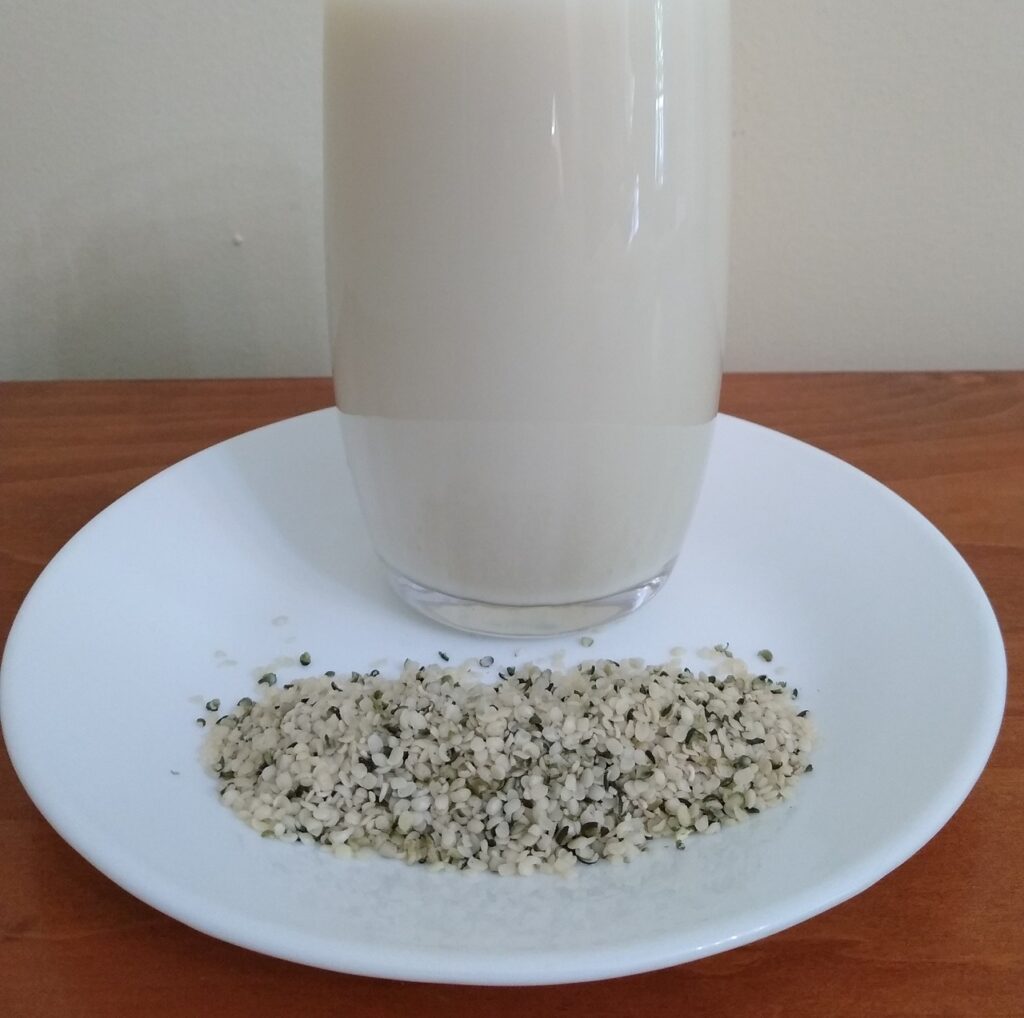
Nutty and slightly grassy is the signature taste, and that can be a plus in smoothies and cereal, because it pairs well with fruit, cocoa, and spices while staying less sweet than many alternatives. Hemp milk is often valued for its fat profile, since hemp seeds naturally contain omega-3 and omega-6 fats, though the exact amounts depend on how much hemp is actually used and whether oils are added. Protein varies by product, and many hemp milks are fortified with calcium and vitamins, which help fill nutritional gaps in dairy-free diets. Allergy risk is generally lower than with nuts, yet label checks still matter.
9. Flax Milk

Clean and light is the point, because flax milk tends to have a mild taste that disappears into smoothies, cereal, and simple recipes without adding a strong nut or oat signature. Many flax milks use flax oil or milled flax plus water, and that can contribute omega-3 fats, though the amount depends on the formulation and serving size. Texture is often thin, so it is less about indulgence and more about neutrality, which is why it can feel “better than dairy” in situations where dairy taste feels too heavy or distracting. Sweetened varieties can change the experience, so unsweetened options are often preferred for everyday use.
10. Rice Milk
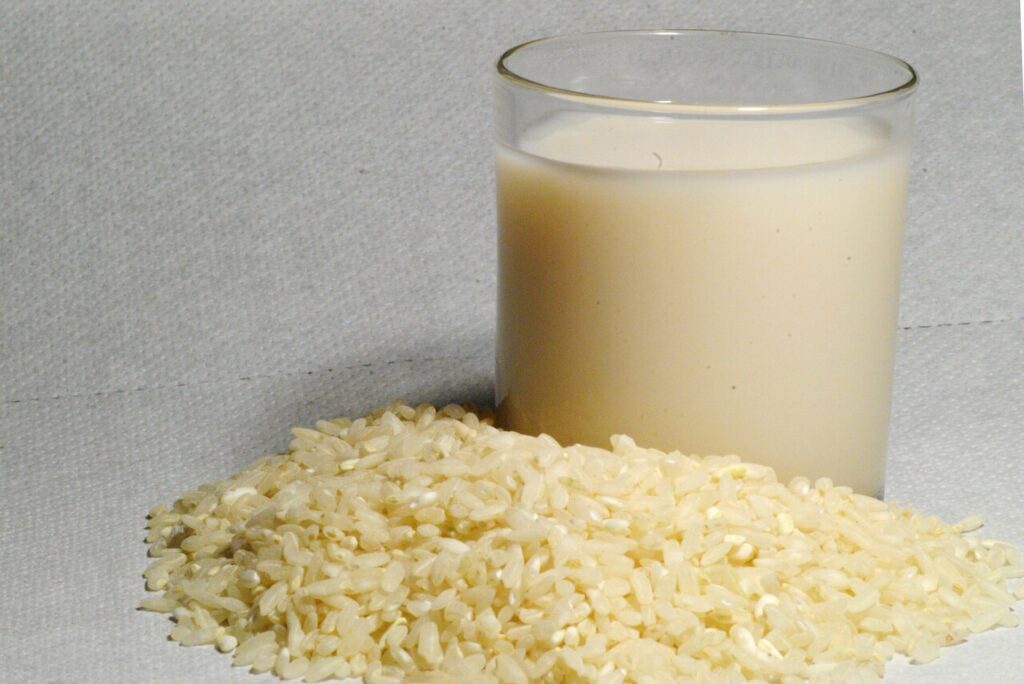
Sweetness is the main reason rice milk can win hearts, because it often tastes naturally sweet due to the way rice starches break down during processing, and that makes it pleasant in cereal, coffee drinks, and smoothies without needing much added sugar. The flip side is that rice milk is usually low in protein and can be higher in carbohydrates than other alternatives, so it tends to feel less filling. Rice milk is also useful for people avoiding soy and nuts, but it is not always ideal for balanced everyday nutrition on its own. Taste can be its strongest advantage, especially for those who prefer a gentle, sweet finish.