8 Absolute Worst Tables in a Restaurant Hostesses Try to Fill

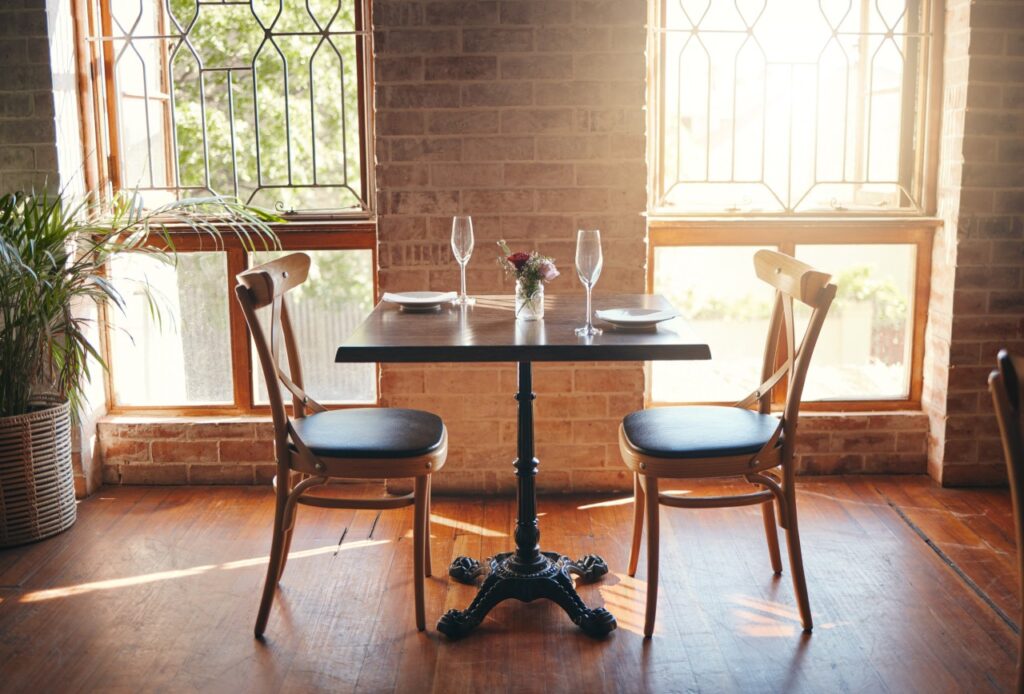
Not all restaurant tables are created equal. Some feel cozy and private, while others quietly test your patience with noise, traffic, or awkward positioning. The difference often comes down to layout decisions most diners never notice.
Behind the scenes, hosts juggle floor plans, server sections, and wait lists. Their goal is to keep the dining room balanced, efficient, and fully utilized, even if that means seating guests in less popular spots first.
Understanding how these choices work can help you spot the tables that fill fastest and decide whether to accept the seat or wait for something better.
1. The Table Right by the Restroom
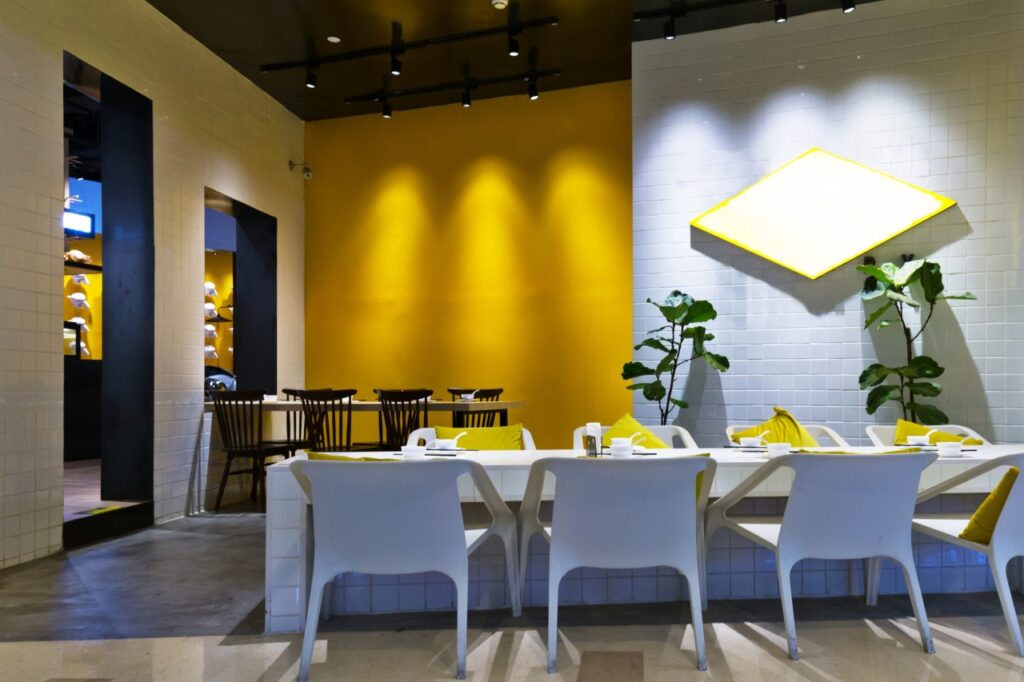
Few seats test a diner’s comfort like the table positioned near the restroom entrance. Even in well-maintained restaurants, this area sees constant foot traffic. Doors open and close repeatedly, and the sound of hand dryers or flushing can drift into conversation. Subtle odors may escape when traffic is steady.
From an operational standpoint, leaving this table empty creates a visible gap in the dining room. Hosts are trained to keep the floor balanced and active. Seating guests here early helps maintain the appearance of full service and steady flow.
The table itself is structurally fine, but its proximity to utility space makes it less desirable. Hosts often fill it quickly to avoid resistance when other options become limited.
2. The Table Beside the Kitchen Door

The swinging kitchen door marks the boundary between dining room and production line. Sitting beside it means exposure to constant motion. Servers move quickly with hot plates, call out orders, and navigate tight turns. The rhythm is efficient for staff but disruptive for guests seeking calm.
Restaurants design floor plans to reduce server travel time. Tables near the kitchen are efficient because they shorten steps and speed delivery. During busy periods, hosts prioritize these spots to keep service running smoothly.
The convenience benefits staff, not ambiance. Noise and sudden movement make this table one many diners would avoid if given a choice.
3. The High-Traffic Aisle Table
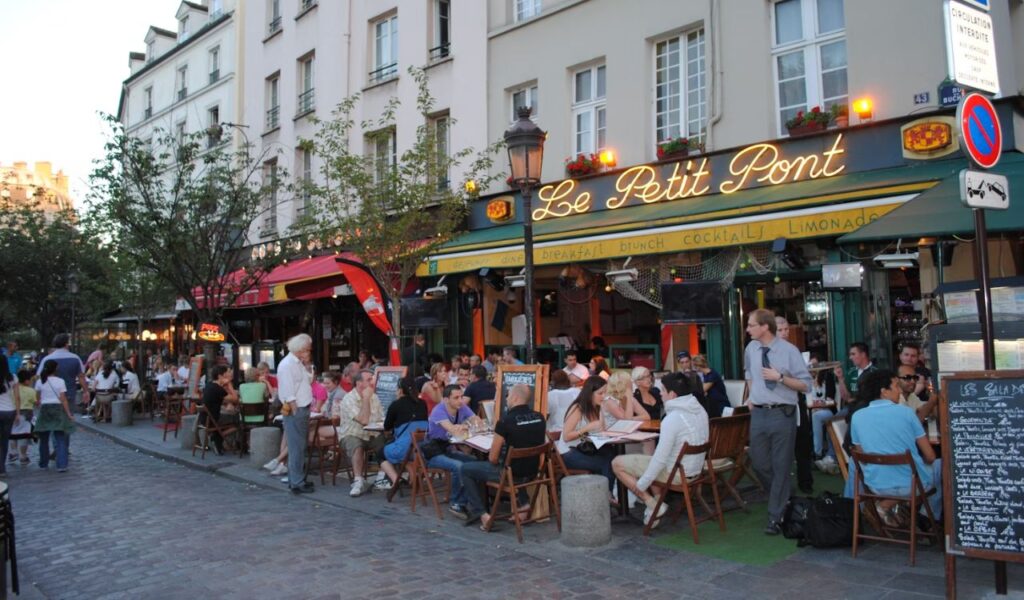
Some tables sit along main pathways connecting the entrance, bar, and restrooms. These corridors remain active throughout service. Guests may experience chairs being brushed or servers passing closely with trays. Personal space becomes limited.
From a design perspective, aisle tables maximize seating without expanding square footage. Every additional table increases revenue potential. Hosts are encouraged to keep these seats filled to maintain flow and avoid empty visual pockets.
While perfectly functional, the constant movement reduces privacy. Conversation can feel exposed when traffic never fully settles.
4. The Table Near the Service Station
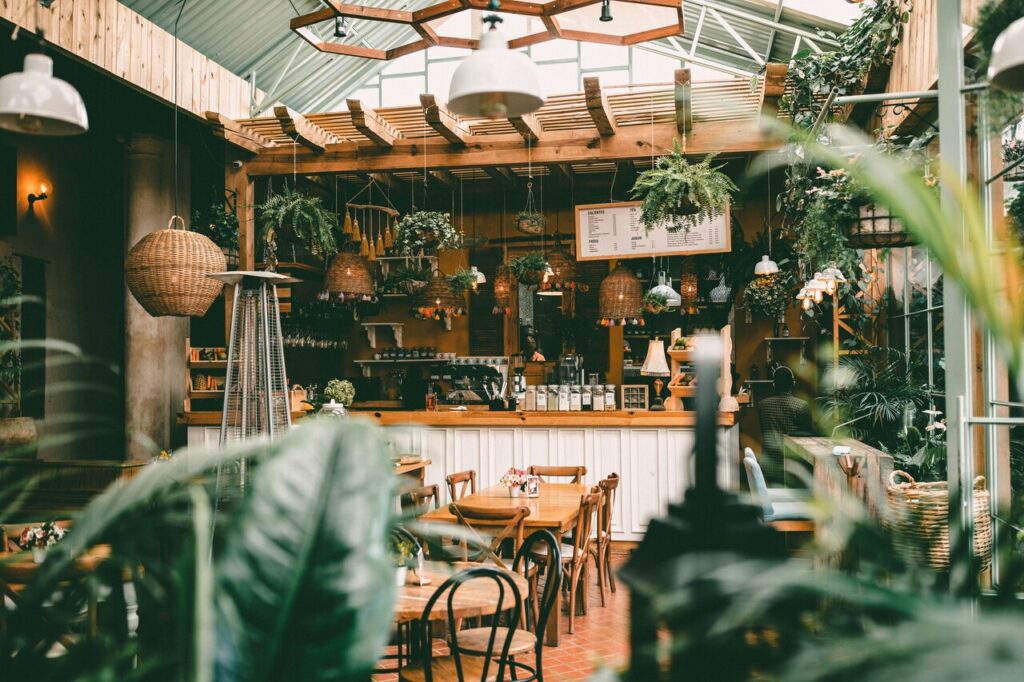
Service stations hold essentials such as cutlery bins, water pitchers, POS terminals, and trays. They function as operational hubs where servers reset between trips. A nearby table places diners in the middle of that activity.
Clinking silverware, refilling glasses, and staff communication occur frequently in this zone. Restaurants position these stations strategically to minimize walking distance and improve efficiency.
Hosts often seat guests here when capacity tightens because it keeps servers productive. The trade-off is atmosphere. Operational convenience can come at the expense of a quieter dining experience.
5. The Tight Corner Table
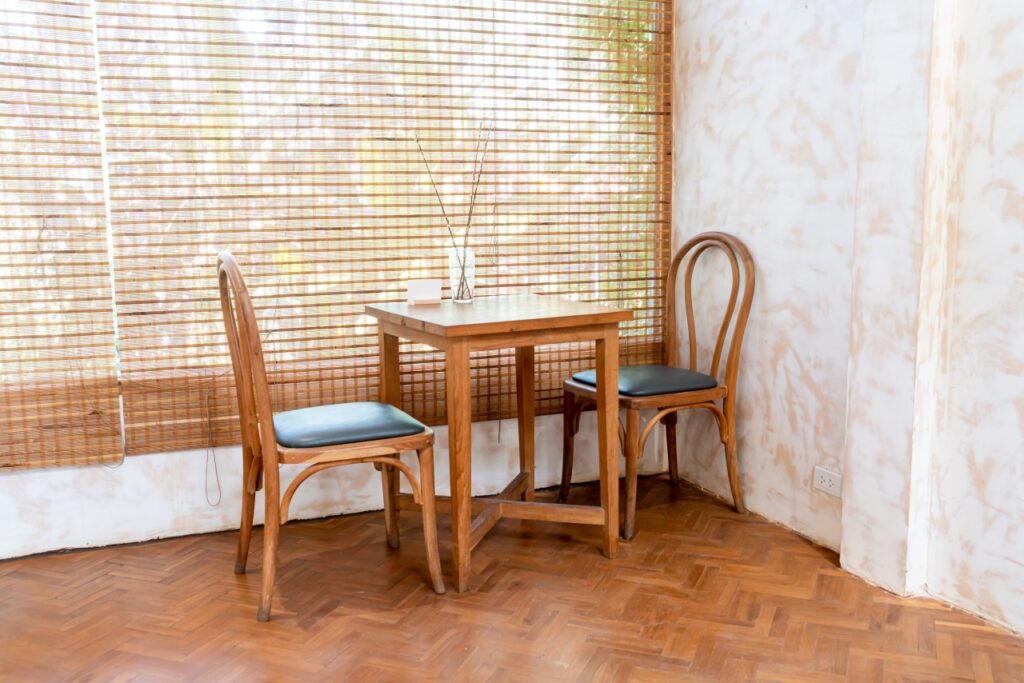
Corner tables are often created to capture space that would otherwise go unused. In older buildings especially, alcoves and angled walls leave small pockets that designers convert into seating. The result can feel compact, with limited legroom and tighter chair spacing than standard tables.
From a business standpoint, each additional table improves revenue per square foot. Even a small two-top in a corner contributes to turnover during busy hours. Restaurants rely on these seats to reduce wait times and keep traffic moving.
Hosts tend to fill corner tables early because guests rarely request them. They are structurally sound and safe, yet the confined feel makes them less desirable than open spots along the perimeter.
6. The Table Near the Bar Area
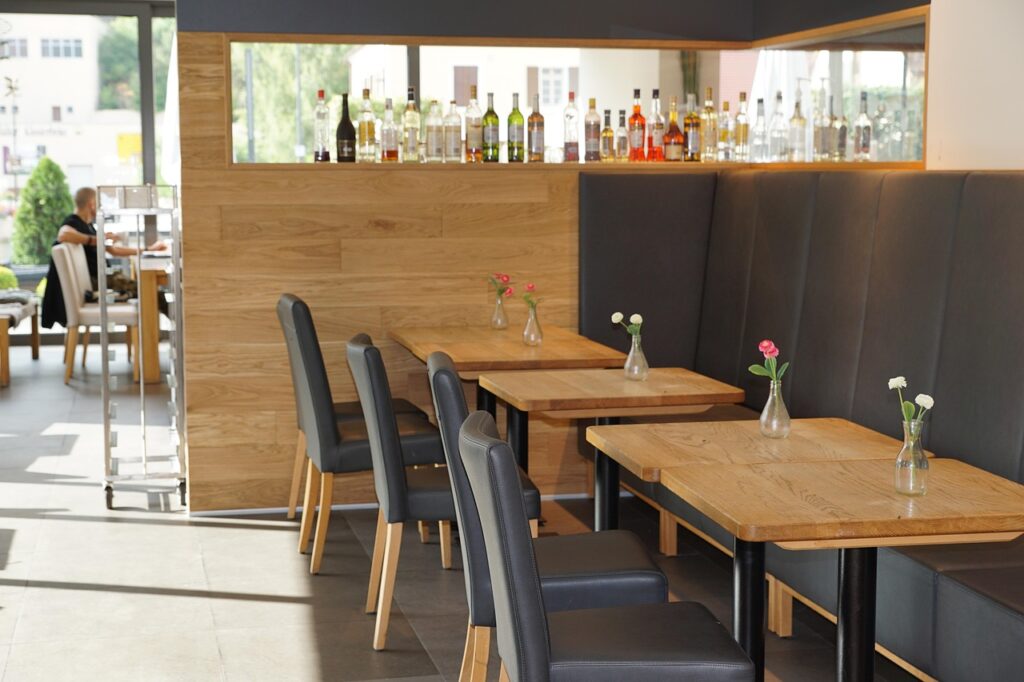
Tables positioned near the bar operate in a different acoustic zone. Bars generate consistent noise from glassware, ice bins, blenders, and conversation. Even in well-designed spaces, sound levels rise as alcohol sales increase and social energy builds.
For management, this proximity is strategic. Guests seated near the bar are statistically more likely to order additional drinks, and servers can turn those tables faster. Beverage sales often carry higher profit margins than food, making this section financially important.
While some diners enjoy the lively atmosphere, others may find it overwhelming, especially during evenings and weekends. The table itself is functional, but the surrounding activity shapes the entire experience.
7. The Table Under Direct Air Vents
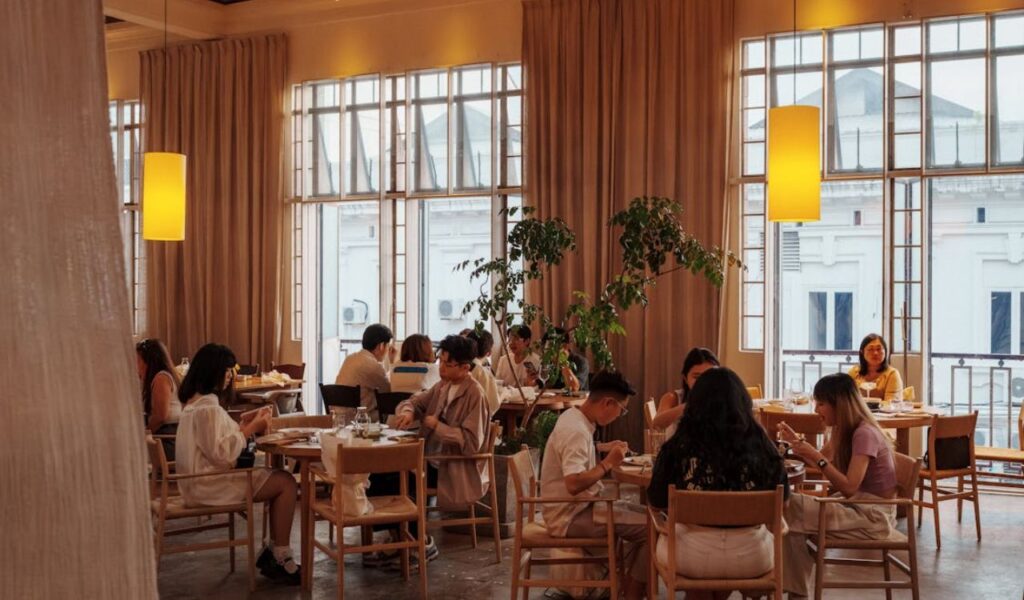
Air distribution systems in restaurants are designed for overall climate balance, not individual comfort at each seat. Tables located directly under vents can experience concentrated airflow, leading to noticeable drafts or uneven temperatures. Guests may feel chilled during summer or overly warm in winter.
Reconfiguring ventilation for one table is rarely practical. Layout efficiency usually takes priority over airflow adjustments. Moving ductwork or relocating tables would require structural redesign, which most establishments avoid.
The discomfort is subtle but steady, making these seats quietly unpopular despite being perfectly serviceable.
8. The Center Two-Top With No Buffer
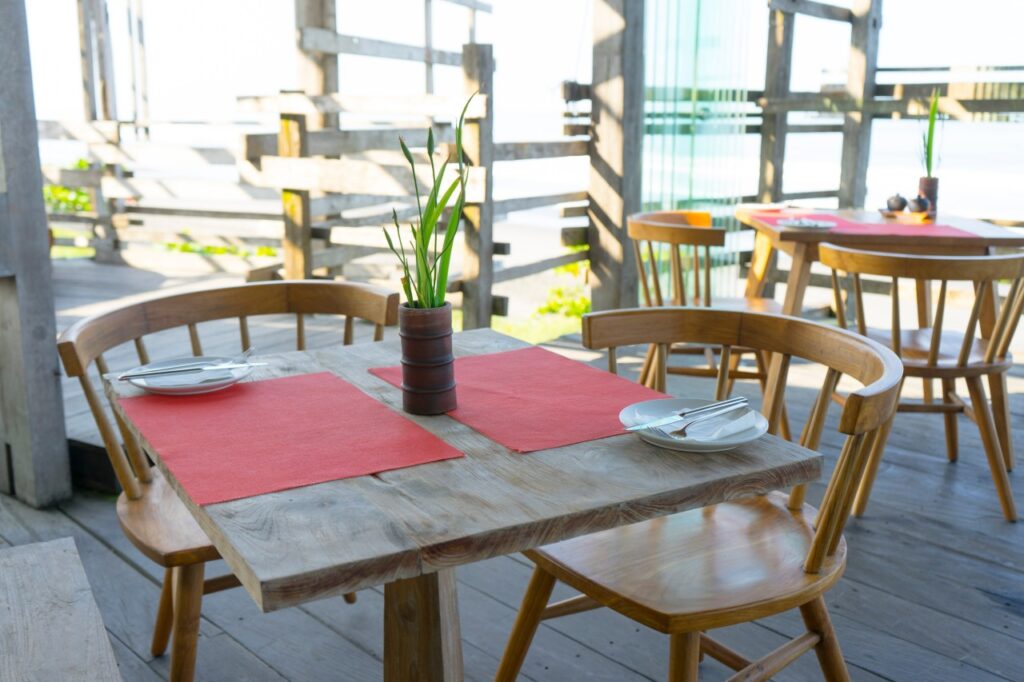
A two-person table placed in the middle of the dining room offers maximum visibility and minimal privacy. Without walls, partitions, or booths to provide a visual barrier, diners can feel exposed from every angle. Conversations carry more easily, and passing traffic surrounds the table continuously.
From a layout perspective, central tables are efficient. They help distribute traffic evenly and can be rearranged quickly to accommodate larger groups when needed. Flexibility is valuable in high-turnover environments.
Because larger parties cannot use them easily, hosts often seat couples here first to maintain floor balance. The table is practical and safe, yet its lack of buffer makes it less comfortable than perimeter or booth seating.