10 Classic Winter Recipes That Bring Back Old Stove Top Memories

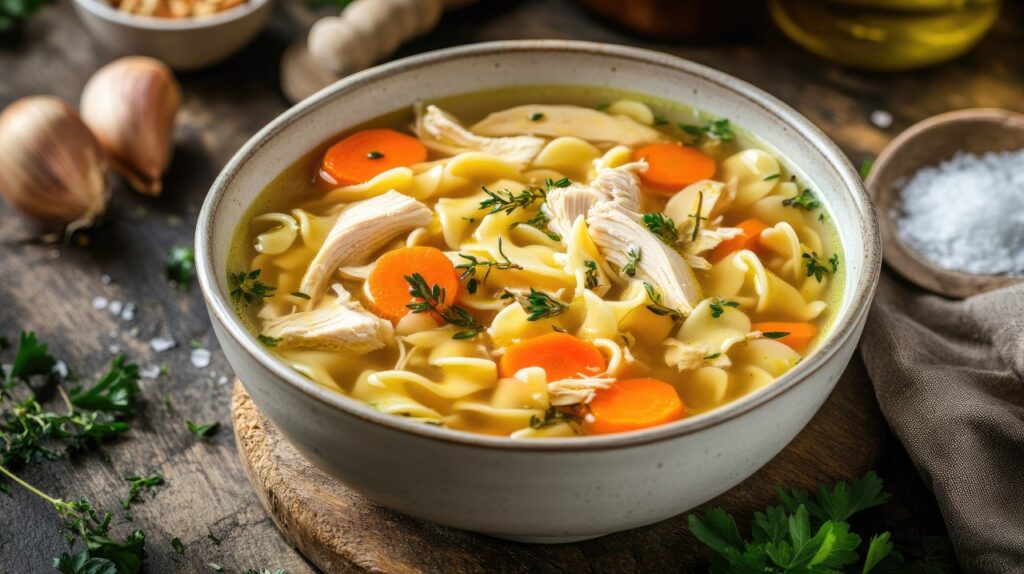
Classic winter recipes were never rushed. They simmered quietly on the stove, filling homes with warmth while time slowed down around the pot. These dishes were built on patience, simple ingredients, and the steady comfort of low heat. The stove top was the heart of the kitchen, where meals unfolded gradually, and aromas lingered for hours. Each recipe carried routine, care, and familiarity, often passed down rather than written down. Revisiting these winter classics is about more than food. It is about remembering how cooking once marked the rhythm of cold days and long evenings, when warmth came from both the meal and the process itself.
1. Beef Stew
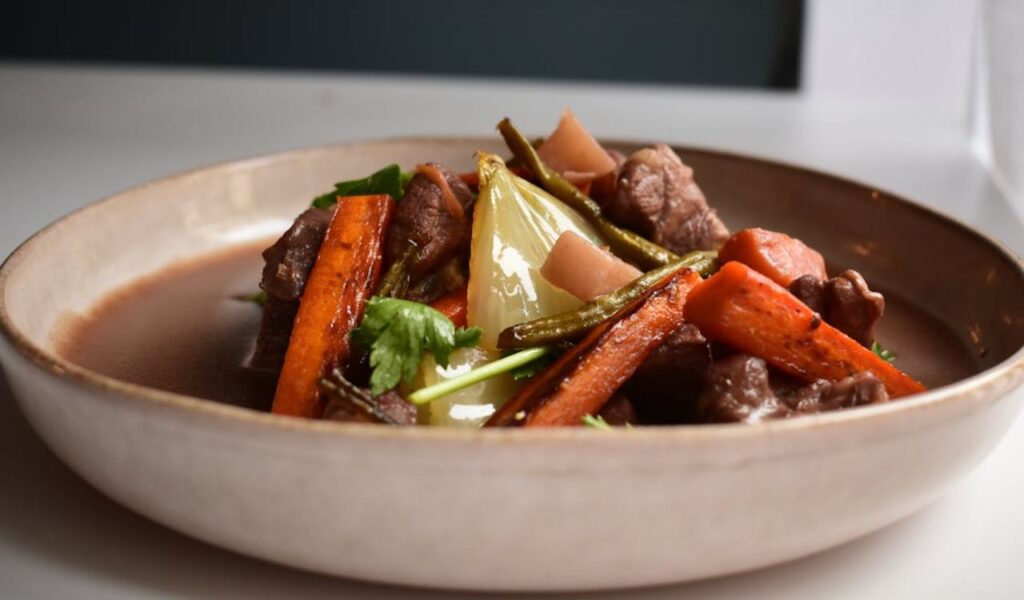
Beef stew belongs to winter because it was designed for patience and low heat. Tough cuts of beef were chosen on purpose, as slow simmering on the stove allowed connective tissue to break down, turning firm meat tender and flavorful. Vegetables like carrots, onions, and potatoes released starch and sweetness into the broth, naturally thickening it without shortcuts. The steady bubbling mattered, too fast and the meat dried, too slow and flavors stayed flat. What people remember most is the smell. Beef stew filled homes for hours, signaling warmth and security long before dinner was served. It was economical, filling, and forgiving, which made it a regular fixture during cold months.
2. Chicken Noodle Soup
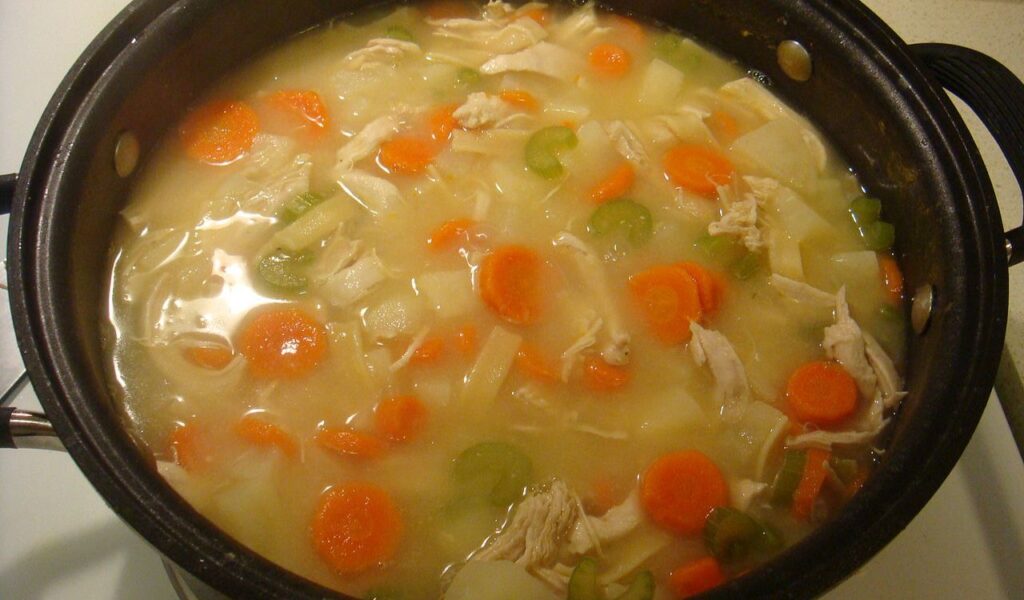
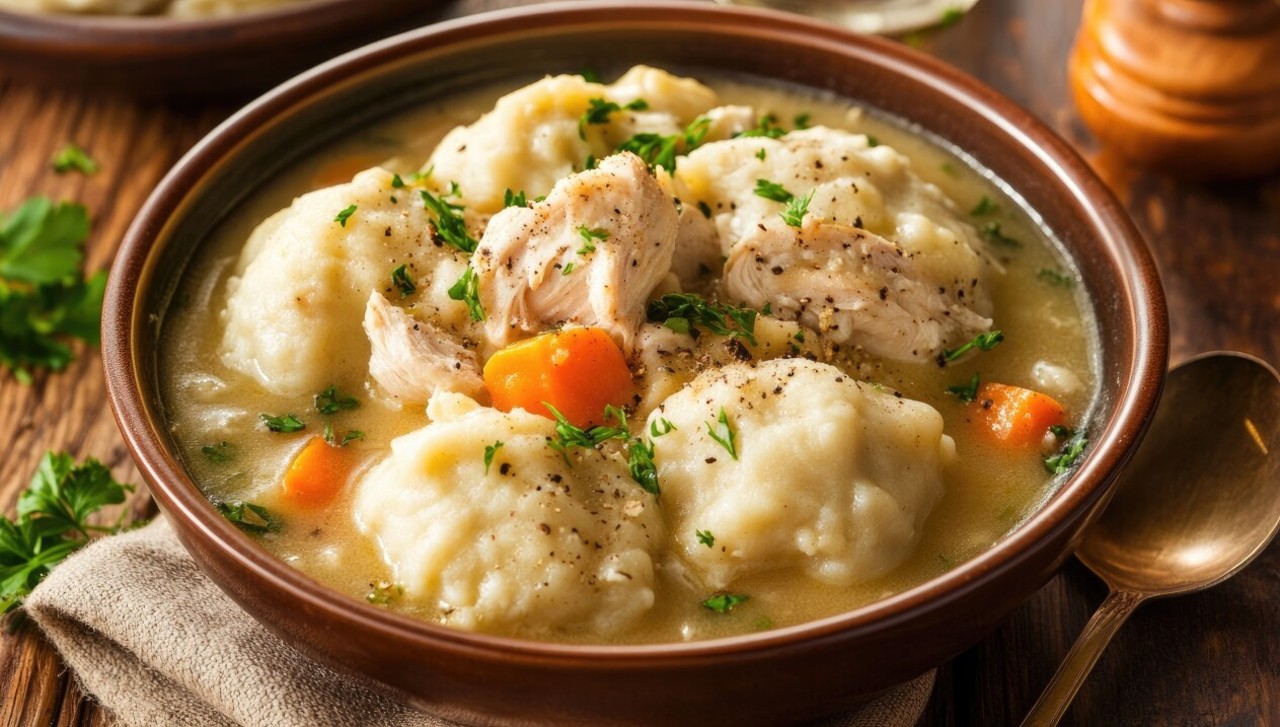
Chicken noodle soup earned its place on winter stoves because it balanced nourishment with comfort. A whole chicken or bone-in pieces simmered gently releases collagen and flavor into the broth, creating richness without heaviness. Vegetables softened while noodles absorbed just enough liquid to become tender without falling apart. The soup required attention but not urgency, encouraging a steady pace in the kitchen. For many households, this soup marked care, whether for illness, cold weather, or simple togetherness. The stove top mattered because it allowed constant adjustment, skimming, stirring, and tasting.
3. Pot Roast
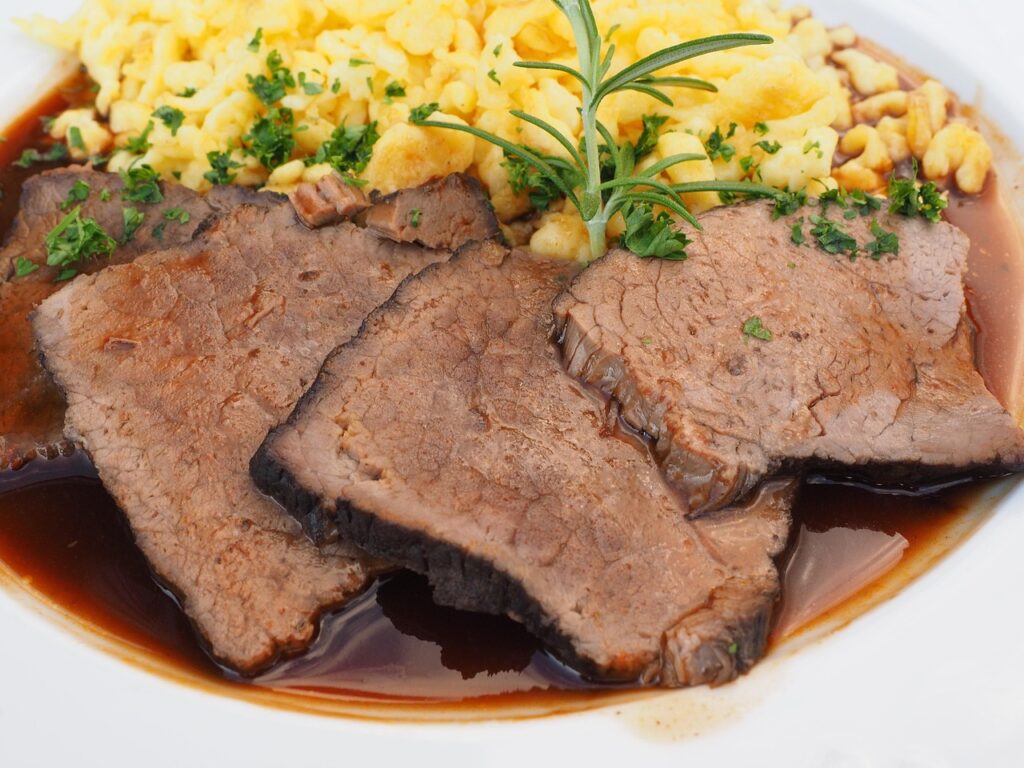
Pot roast was built around transforming tough meat into something generous and tender. Cooking it on the stove allowed steady heat control, which mattered when braising for hours. The meat absorbed liquid slowly, while vegetables broke down just enough to flavor the broth without disappearing. Pot roast thrived in winter because it heated the kitchen and required minimal intervention once settled. Families remember it because it stretched ingredients and fed many people well. The long cooking time also made the meal feel important, something planned rather than rushed. Pot roast still carries those stove top memories because it demanded patience and rewarded it with deep flavor and comfort.
4. Creamed Chipped Beef

Creamed chipped beef came from practicality rather than indulgence. Dried, salted beef was shelf-stable and affordable, making it reliable during winter months. Simmering it in milk allowed salt to mellow while creating a creamy sauce that felt filling and warm. Served over toast, it turned simple ingredients into a complete meal. The stove top was essential because milk required careful heat to avoid scorching. Many remember this dish from childhood kitchens where thrift mattered. Its legacy lives on because it represents resourcefulness, turning preserved ingredients into something comforting during cold seasons.
5. Split Pea Soup
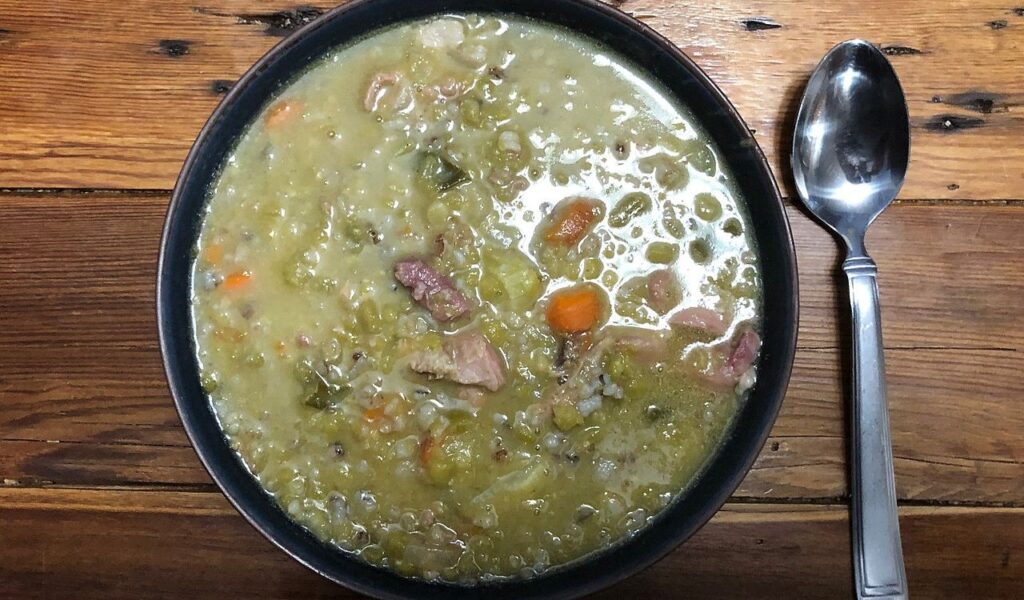
Split pea soup depended on time and steady simmering. Dried peas softened gradually, releasing starch that thickened the soup naturally. Ham bones or hocks added depth, making the soup satisfying without excess meat. Cooking on the stove allowed frequent stirring, preventing sticking while encouraging even breakdown. This soup became a winter staple because it was affordable, warming, and filling. The slow transformation from dry peas to creamy soup left a strong impression. Split pea soup still recalls stove-top memories because it showed how simple ingredients could become rich through patience alone.
6. Braised Cabbage
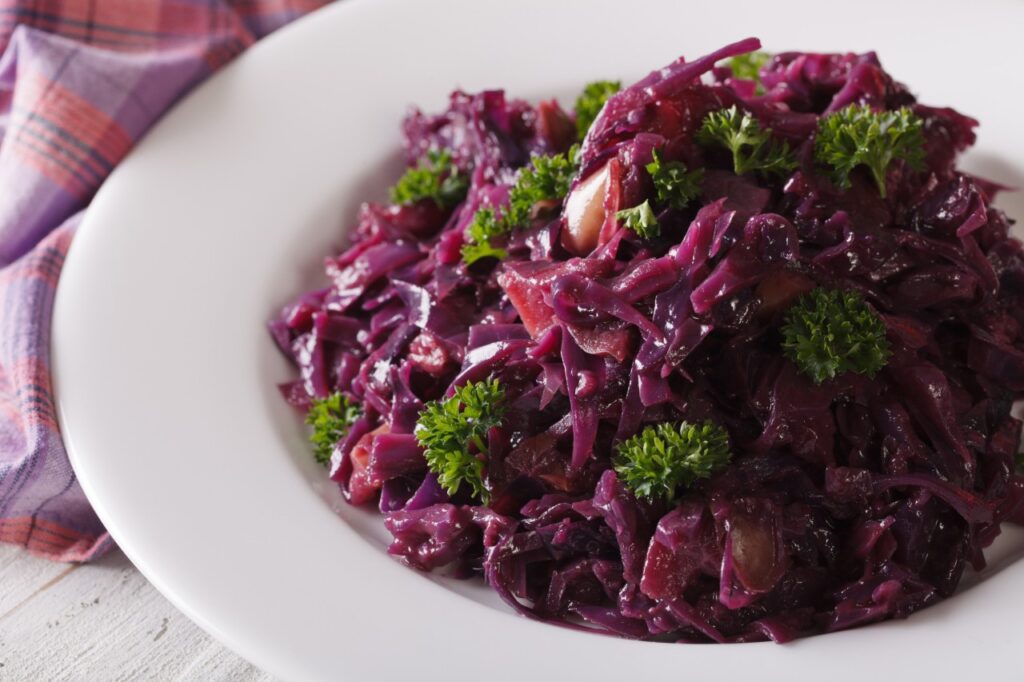
Braised cabbage earned its place on winter stoves by turning a humble vegetable into something comforting. Cooking cabbage slowly allowed sharp flavors to mellow while natural sugars emerged. Fat and onions added richness, making the dish satisfying without heaviness. The stove top allowed gradual cooking and frequent checking, preventing bitterness. Cabbage was widely available in winter, making it reliable when fresh produce was limited. People remember braised cabbage because it filled the kitchen with a soft, savory aroma and stretched small meals further. Its memory is tied to simplicity and warmth rather than extravagance.
7. Old-Fashioned Chili

Old-fashioned chili relied on long simmering rather than shortcuts. Ground or chopped meat cooked slowly with spices allows flavors to deepen over time. Beans softened gradually, absorbing seasoning and thickening the pot. The stove top mattered because chili required occasional stirring and tasting, encouraging interaction rather than neglect. Winter made chili appealing because it was hearty and warming. Many people remember chili nights because the pot stayed on the stove for hours, improving as it cooked. That slow build of flavor is why chili still evokes memories of steady heat and shared meals.
8. Stewed Chicken
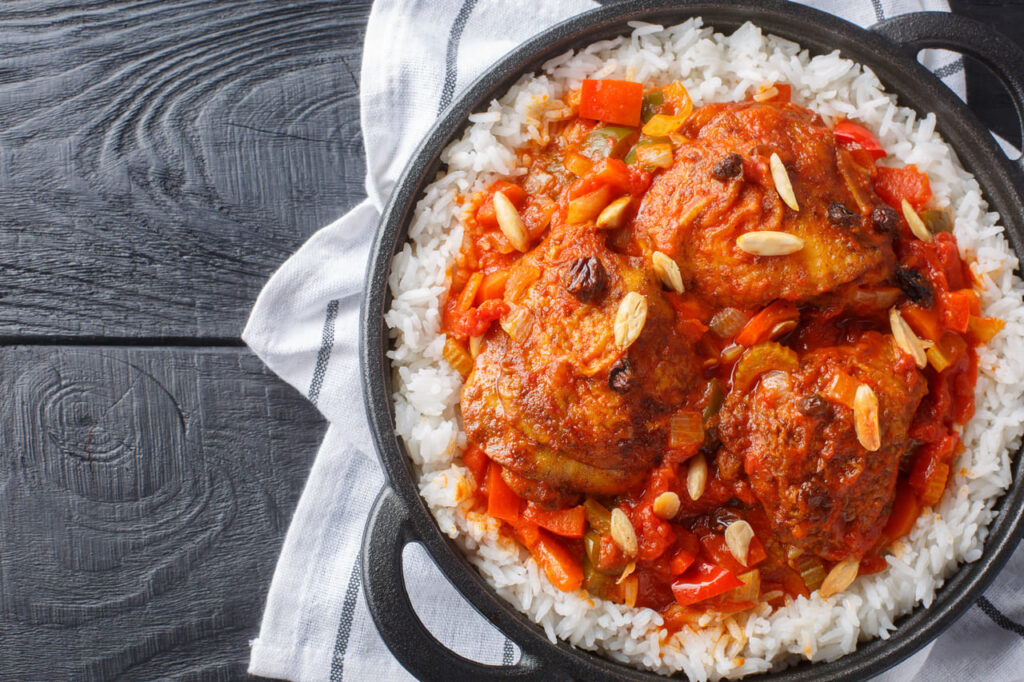
Stewed chicken was about gentleness. Bone-in chicken simmered slowly released flavor into the liquid, creating tender meat and rich broth. The stove top allowed careful control to avoid boiling, which would toughen the chicken. Vegetables softened into the broth, creating balance. This dish appeared often in winter because it required minimal ingredients and delivered warmth. Stewed chicken is remembered because it was quiet, cooking, steady, and reliable. It filled kitchens with comforting aromas and fed families without excess. Its memory remains tied to stove top patience and care. It was the kind of meal that felt reassuring simply by being on the stove.
9. Beans and Ham Hock
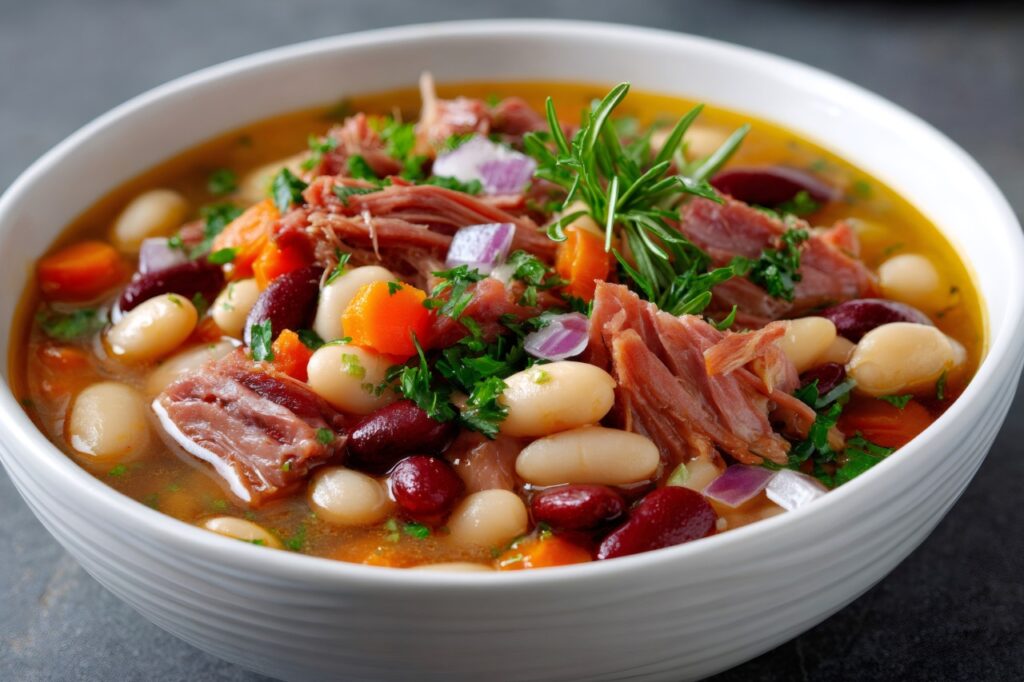
Beans and ham hock relied on long, low heat to soften dried beans and extract smoky flavor from bone and fat. The stove top allowed gradual cooking and frequent checks, preventing scorching as beans thickened the pot. This dish thrived in winter because it was filling and economical. Ham hocks added richness without requiring large amounts of meat. People remember this meal because it simmered for hours, becoming better with time. Beans and ham hock remain a strong stove-top memory because they represent endurance, warmth, and the power of slow cooking. It was often cooked once and eaten over several comforting meals.
10. Rice Pudding
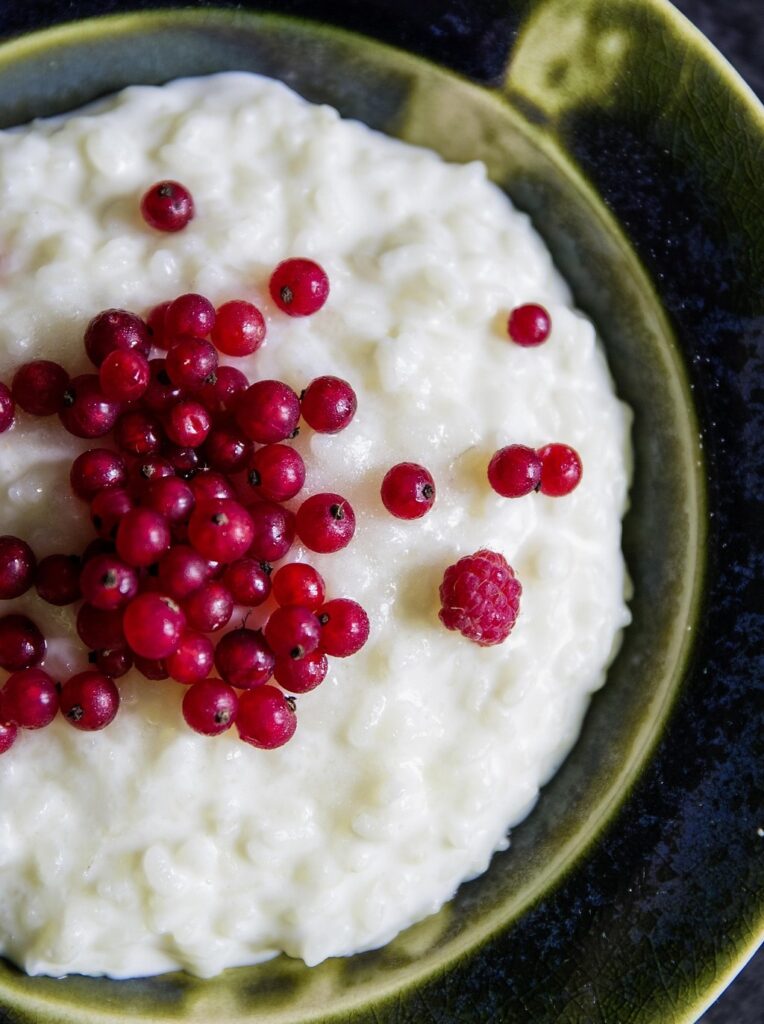
Rice pudding demanded attention and patience. Milk and rice simmered, requiring frequent stirring to prevent sticking. This steady interaction made the stove top essential. As rice released starch, the mixture thickened into a creamy dessert without shortcuts. Rice pudding was popular in winter because it warmed from the inside and used pantry staples. The smell of milk and sugar cooking slowly often lingered in kitchens. Rice pudding remains tied to stove-top memories because it required presence, rewarding careful stirring with comfort and sweetness. It turned simple ingredients into a quiet moment of warmth at the end of the day.