10 Italian Dishes That Would Get You Kicked Out of Italy

Italian cuisine carries a quiet confidence. It does not rely on excess, heavy sauces, or dramatic reinvention. Instead, it is built on balance, regional tradition, and a deep respect for ingredients that have shaped family tables for generations.
Yet outside Italy, many dishes labeled “Italian” drift far from their roots. Cream replaces technique, toppings pile high, and structure gives way to convenience. What feels normal abroad can seem baffling in Rome, Naples, or Bologna.
This list explores the well-meaning food habits that would make an Italian pause, raise an eyebrow, and gently question what just landed on the plate.
1. Spaghetti with Chicken Alfredo
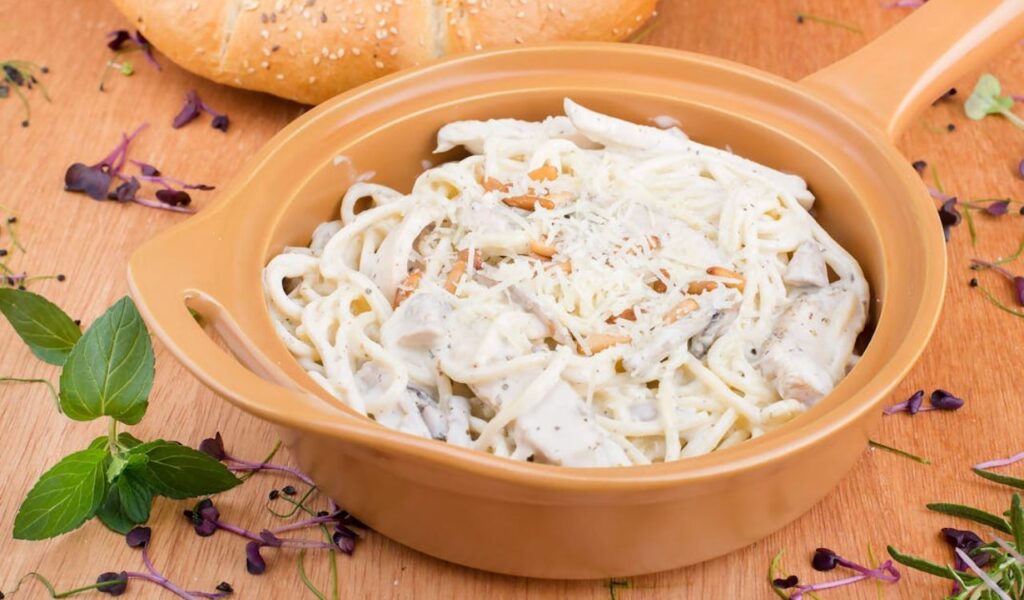
Few dishes confuse Italians more than chicken Alfredo. The original Fettuccine Alfredo was created in Rome as a simple combination of fresh pasta, butter, and Parmigiano Reggiano. It was designed to be delicate and creamy through emulsification, not heavy with added dairy. Cream was never part of the traditional preparation.
Adding grilled chicken and a thick cream sauce transforms the dish into something entirely different. In Italy, meat is usually served as a separate course after pasta, not mixed into it in large portions.
The American adaptation reflects different dining habits and portion expectations. In Italy, however, it feels excessive and disconnected from regional culinary structure.
2. Spaghetti with Meatballs
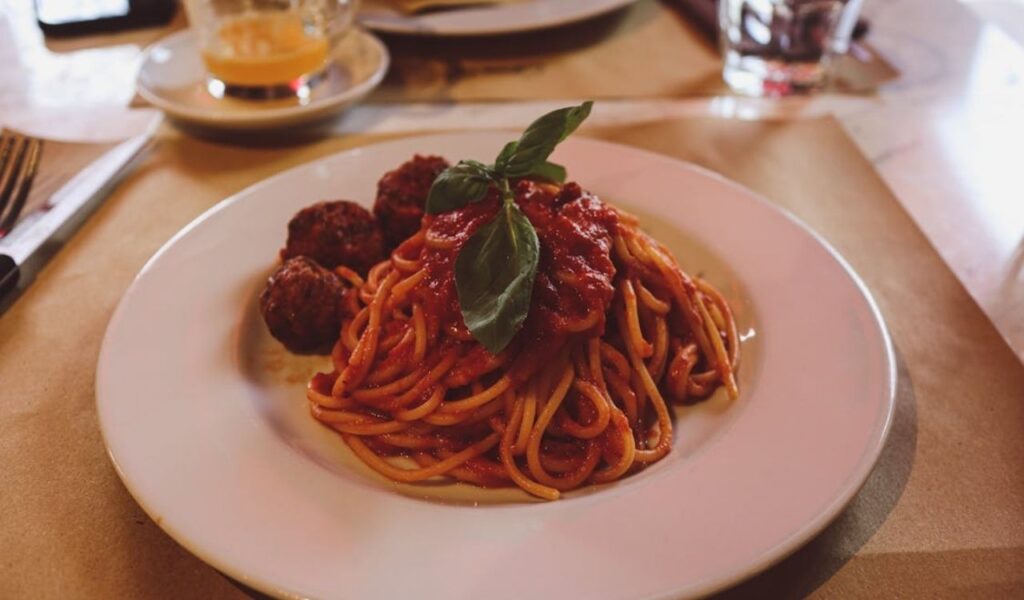
The towering plate of spaghetti topped with oversized meatballs is iconic abroad, yet rare in Italy. Traditional Polpette are typically served on their own as a secondo, often accompanied by vegetables. They are smaller and integrated into the meal structure differently.
Italian dining follows a sequence. Pasta is the primo, while meat comes later as the main protein course. Combining both in one large portion disrupts that rhythm.
The Italian American version developed through immigrant adaptation and abundance of ingredients. While beloved internationally, it does not reflect the traditional structure of Italian home cooking.
3. Pepperoni Pizza

The word peperoni in Italian means bell peppers, not spicy sausage. Ordering pepperoni pizza in Italy may result in a vegetable topping rather than cured meat. The sausage commonly known abroad as pepperoni resembles salami and is not labeled the same way locally.
Authentic Pizza Napoletana emphasizes balance and restraint. Traditional toppings focus on tomato, fresh mozzarella, olive oil, and basil. The dough itself remains the star.
Covering a pizza with thick layers of processed sausage shifts attention away from craftsmanship. In Italy, simplicity and ingredient quality matter more than bold, heavy toppings.
4. Garlic Bread with Marinara
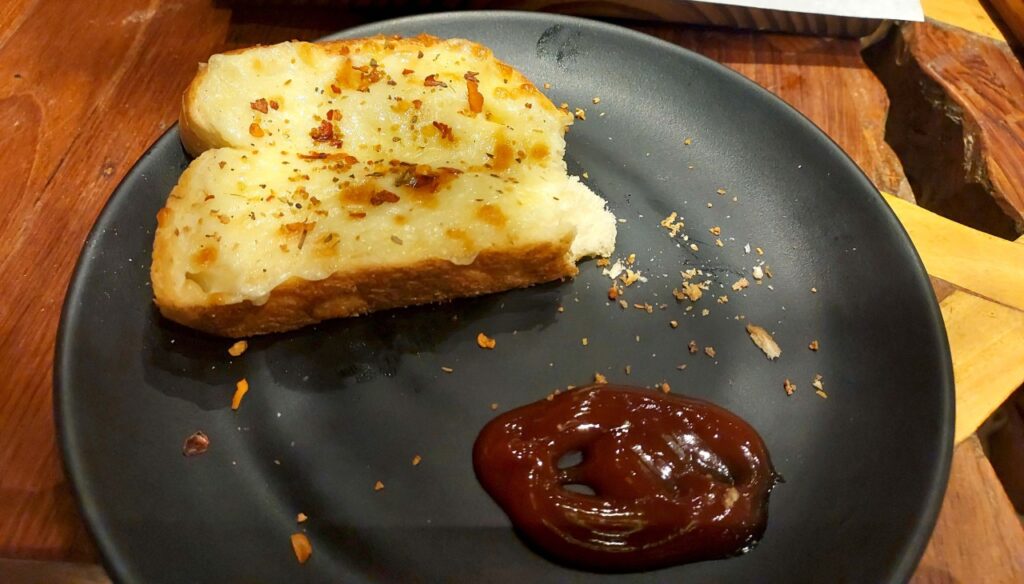
Garlic is common in Italian cooking, but butter-soaked garlic bread served as an appetizer is not traditional. Italian bread is usually plain, crusty, and placed on the table to accompany the meal rather than act as a starter.
Dipping bread in marinara before pasta arrives changes the structure of the dining experience. In Italy, bread is often used to clean the plate at the end of a meal, a practice known as scarpetta.
The buttery, cheese-topped garlic bread popular abroad reflects restaurant trends rather than Italian household custom. It feels more like an American creation inspired by Italian flavors.
5. Hawaiian Pizza
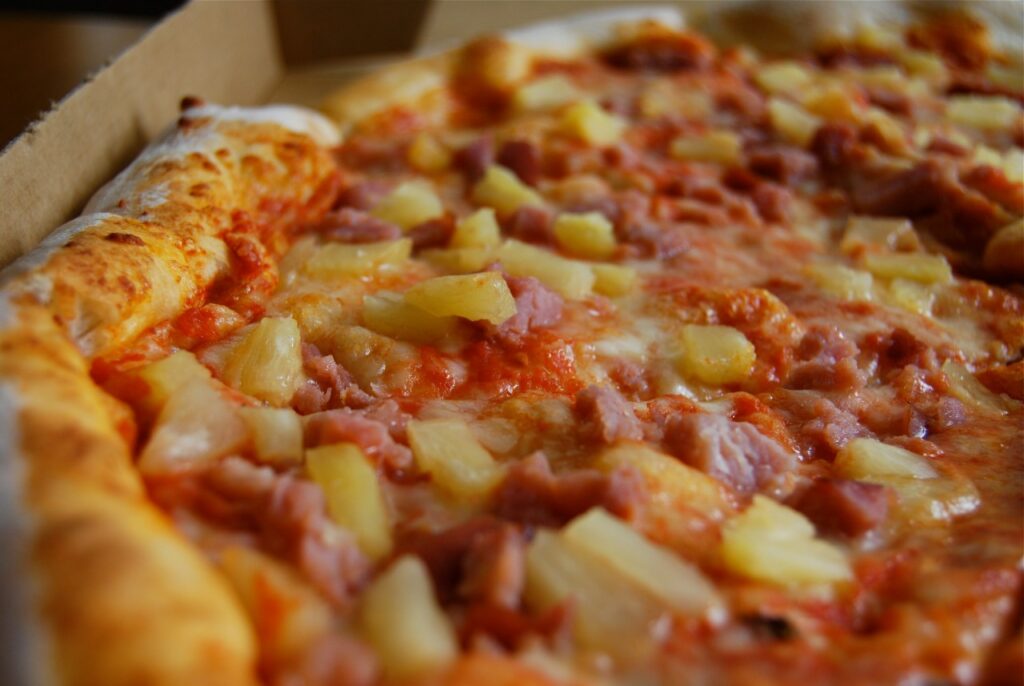
Pineapple on pizza sparks strong reactions in Italy. Traditional pizza is built around harmony between savory ingredients such as tomato, mozzarella, and cured meats. Sweet tropical fruit introduces a flavor contrast that many Italians consider incompatible.
Italian pizza culture values regional identity and ingredient logic. Toppings usually reflect local produce or traditional pairings. Pineapple has no historical connection to Italian cuisine.
While creativity is not forbidden, authenticity carries weight. For many Italians, fruit on pizza feels less like innovation and more like cultural misinterpretation.
6. Overloaded Carbonara with Cream
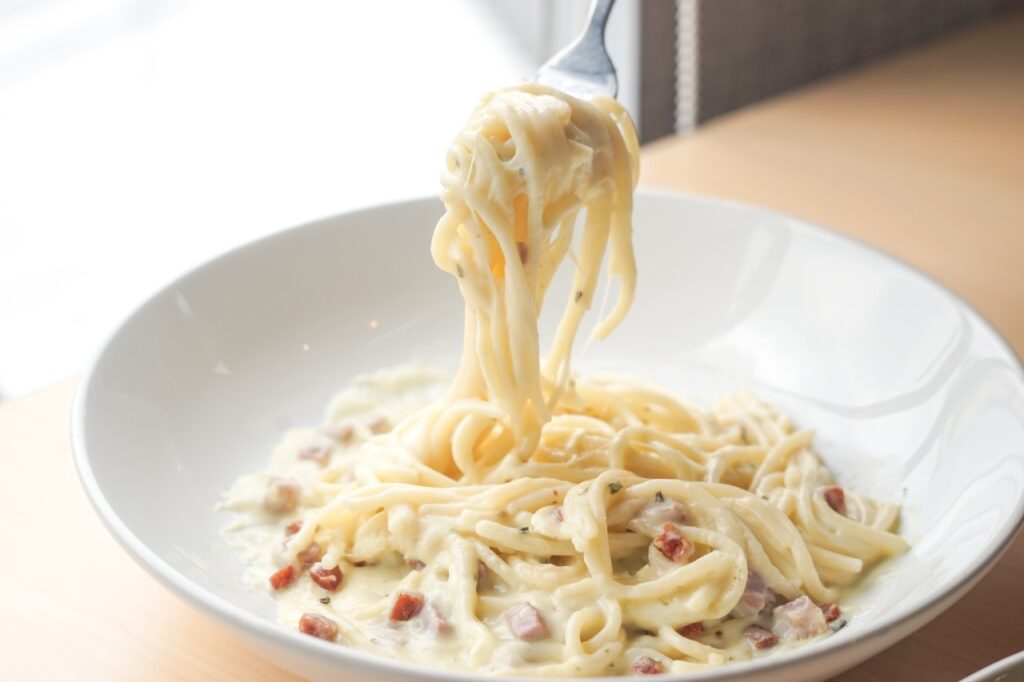
Few dishes show the gap between tradition and adaptation more clearly than carbonara. Authentic Spaghetti alla Carbonara is built on precision. Eggs, Pecorino Romano, guanciale, and black pepper combine with hot pasta water to create a smooth emulsion. The creaminess comes from technique, not dairy.
When heavy cream enters the pan, the texture shifts. The sauce thickens and coats rather than clings, softening the saltiness of the cheese and the richness of the pork. The balance that defines Roman cooking becomes heavier and less clear.
In Italy, carbonara represents restraint and skill. Adding cream may simplify preparation, but it changes the dish at its core. What remains is comforting, yet no longer true to its Roman roots.
7. Pasta with Ketchup
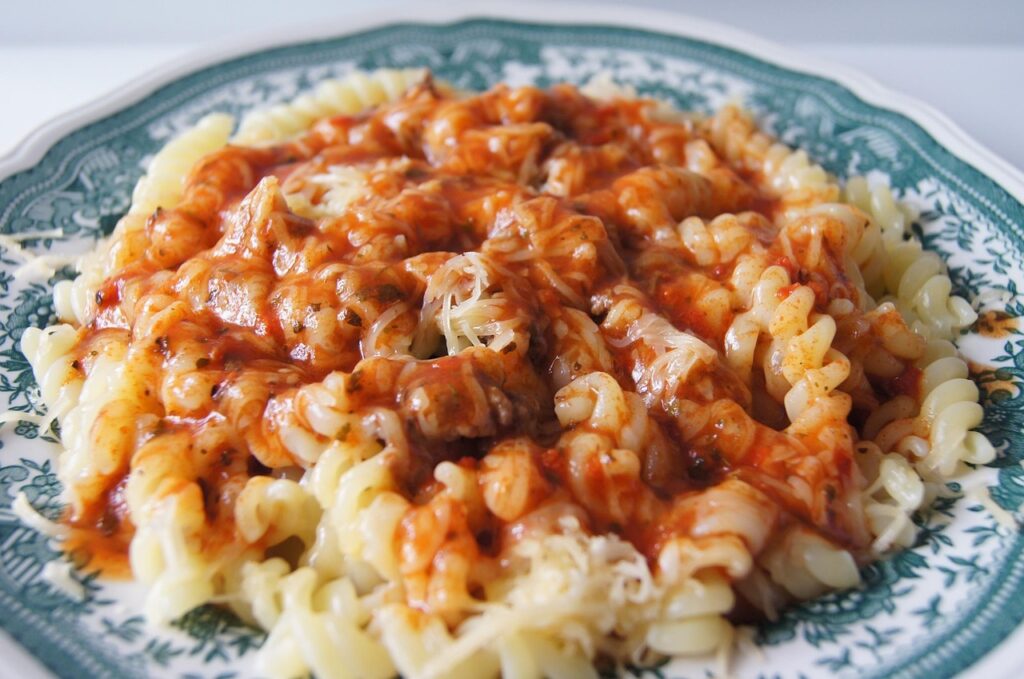
Tomato sauce in Italy is treated with care. Garlic is gently sautéed in olive oil, tomatoes are simmered slowly, and seasoning is adjusted patiently. Regional variations exist, but each reflects attention to flavor layering and ingredient quality.
Ketchup, by contrast, is sweetened, vinegary, and standardized. Its flavor profile is designed for consistency and shelf stability rather than depth. Pouring it over pasta replaces a carefully built sauce with a single dominant note.
For many Italians, pasta carries cultural weight. It connects generations through shared recipes and rituals. Using ketchup feels less like creativity and more like bypassing the craftsmanship that defines Italian cooking.
8. Breaking Spaghetti Before Cooking
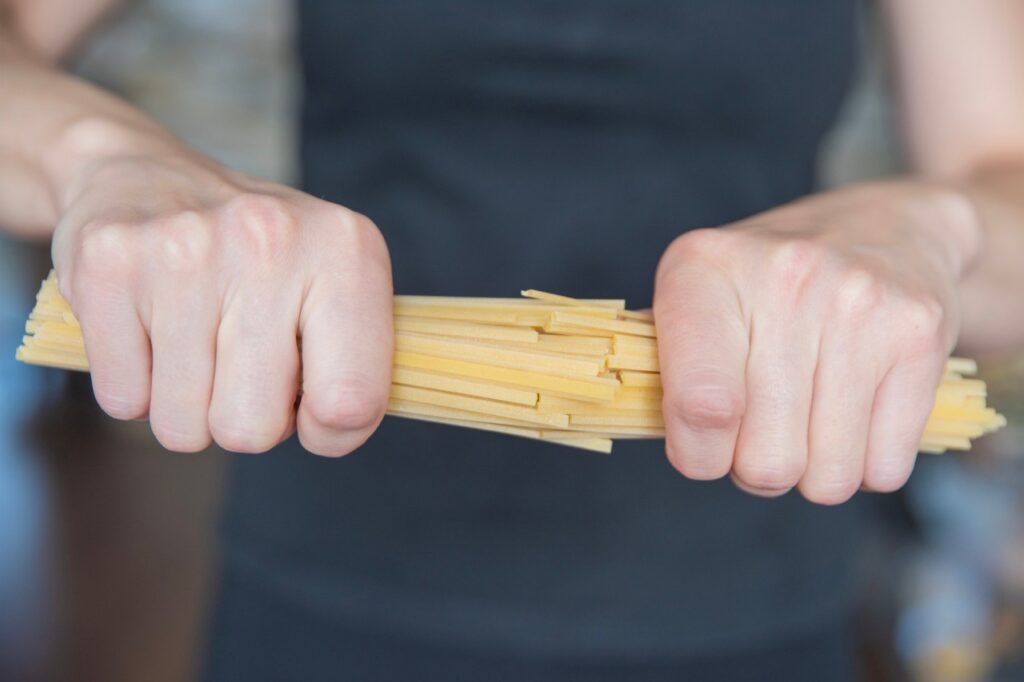
Spaghetti is intentionally long. Its length allows it to wrap smoothly around a fork, capturing sauce evenly with each twist. The shape is part of the eating experience, not an accident of manufacturing.
Breaking the strands before cooking alters both texture and presentation. Shortened pieces lose the fluid motion that defines long pasta dishes and change how sauces cling. Italian cuisine values form alongside flavor.
The practical solution is simple. Place the spaghetti upright in boiling water and allow it to soften naturally until it slides into the pot. Snapping it in half may save a few seconds, but it disrupts a small yet meaningful culinary detail.
9. Cappuccino After Dinner

Coffee in Italy follows a rhythm tied to the day. Cappuccino, with its steamed milk and foam, is traditionally enjoyed in the morning alongside pastries. After meals, the standard choice is espresso, served small and intense.
The reasoning blends culture and digestion. Milk is considered heavy following a large lunch or dinner, while espresso is seen as a clean finish that aids the body and punctuates the meal.
Ordering a cappuccino late in the evening is not prohibited, but it signals unfamiliarity with local habits. It quietly shifts the dining cadence that Italians observe almost instinctively.
10. Dipping Bread in Olive Oil and Balsamic Like a Starter
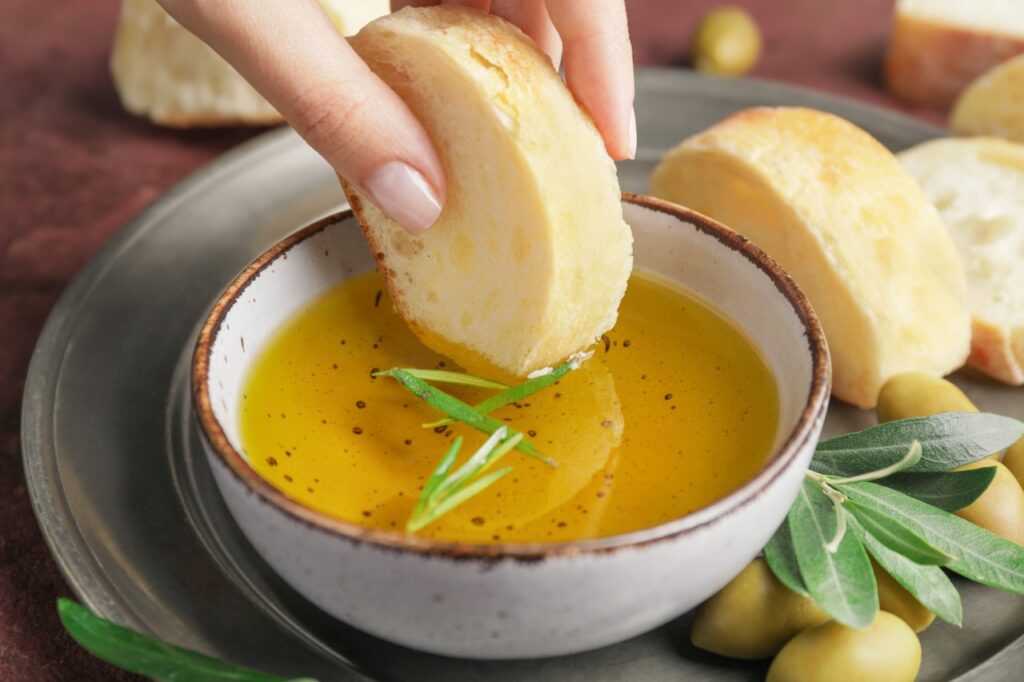
Olive oil holds deep importance in Italian cuisine, yet the custom of serving bread with oil and balsamic vinegar as a pre-meal dip is largely a modern restaurant adaptation outside Italy. Traditionally, bread accompanies the meal rather than beginning it.
High-quality balsamic vinegar, especially from Modena, is used sparingly and often reserved for specific dishes. Mixing it casually with oil for dipping is uncommon in many Italian households.
Abroad, the ritual feels inviting and flavorful. In Italy, bread is more often used at the end of a meal to gather remaining sauce from the plate, completing the experience rather than starting it.