7 Reasons Putting Ketchup on a Hot Dog Is a Childish Habit


Few foods spark debate like the humble hot dog. It seems simple, yet behind that soft bun and seasoned sausage lies decades of street food history, regional pride, and strong opinions. What feels like casual comfort food carries real culinary identity.
For some, ketchup is a harmless splash of sweetness. For others, it is a sugary layer that overwhelms seasoning and ignores traditions shaped in cities known for their hot dog culture. The divide is less about rules and more about flavor balance.
Before reaching for the red bottle, it helps to understand why the argument lasts. The hot dog may be informal, but its toppings reflect taste, heritage, and the pride of communities that shaped their own styles.
1. It Overpowers the Flavor of the Sausage

A hot dog is not just a tube of meat. Traditional frankfurters are seasoned with precise blends of salt, garlic, coriander, paprika, and smoke. The goal is balance. The snap of the casing, the saltiness of the meat, and the subtle spice are meant to work together in each bite.
Ketchup introduces a dominant sweet and acidic layer. Most commercial varieties contain added sugar or corn syrup, along with vinegar and tomato concentrate. That sweetness quickly coats the palate and can overshadow the seasoning built into the sausage.
Instead of tasting the craftsmanship of the meat, the experience becomes primarily about the sauce. For many enthusiasts, that shift reduces complexity rather than enhancing it.
2. It Disrupts Traditional Regional Styles
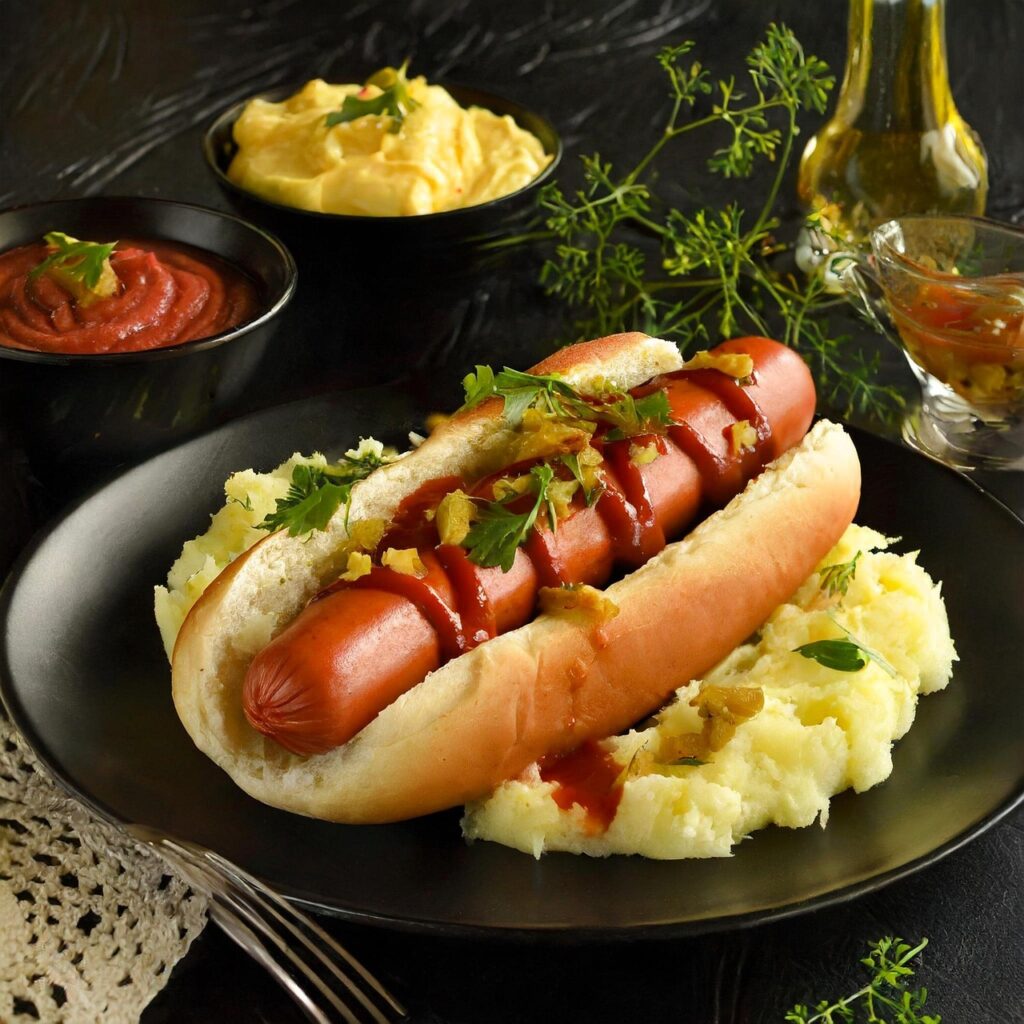
Hot dogs carry strong regional identities. The Chicago-style hot dog is a well-known example, built with mustard, relish, onions, tomato slices, sport peppers, a pickle spear, and celery salt. The absence of ketchup is intentional, preserving a sharp and savory profile.
Regional styles evolved over decades through local tastes and ingredient availability. Each topping plays a defined role in flavor and texture.
Adding ketchup changes that balance significantly. The sweetness can dull the brightness of mustard and overwhelm the crisp acidity of pickles, altering a combination that was carefully shaped by tradition.
3. It Adds Unnecessary Sugar

A standard tablespoon of ketchup contains several grams of added sugar. While that may seem small, it shifts the flavor profile of an already savory food. Hot dogs themselves are typically cured and seasoned with salt, so pairing them with sweetness creates contrast that not everyone finds harmonious.
Nutritionally, the added sugar contributes calories without meaningful benefit. For adults paying closer attention to sugar intake, especially in processed foods, ketchup becomes an avoidable addition.
Flavor-wise, the sweetness can read as simplistic. Many grown palates lean toward tangy, spicy, or bitter notes that add complexity rather than overt sugar.
4. It Can Mask Lower Quality Ingredients

Sweet condiments have long been used to improve the appeal of basic foods. If a hot dog lacks depth or carries excessive saltiness, ketchup can soften those edges and make the bite more approachable.
This masking effect has shaped the perception that ketchup compensates for weaker ingredients. High-quality sausages, especially those made with natural casings and balanced seasoning, do not require heavy sweetness to shine.
Mustard, sauerkraut, or grilled onions tend to highlight savory notes instead of hiding them. For purists, relying on ketchup suggests the meat is not strong enough on its own.
5. It Clashes With Classic Toppings
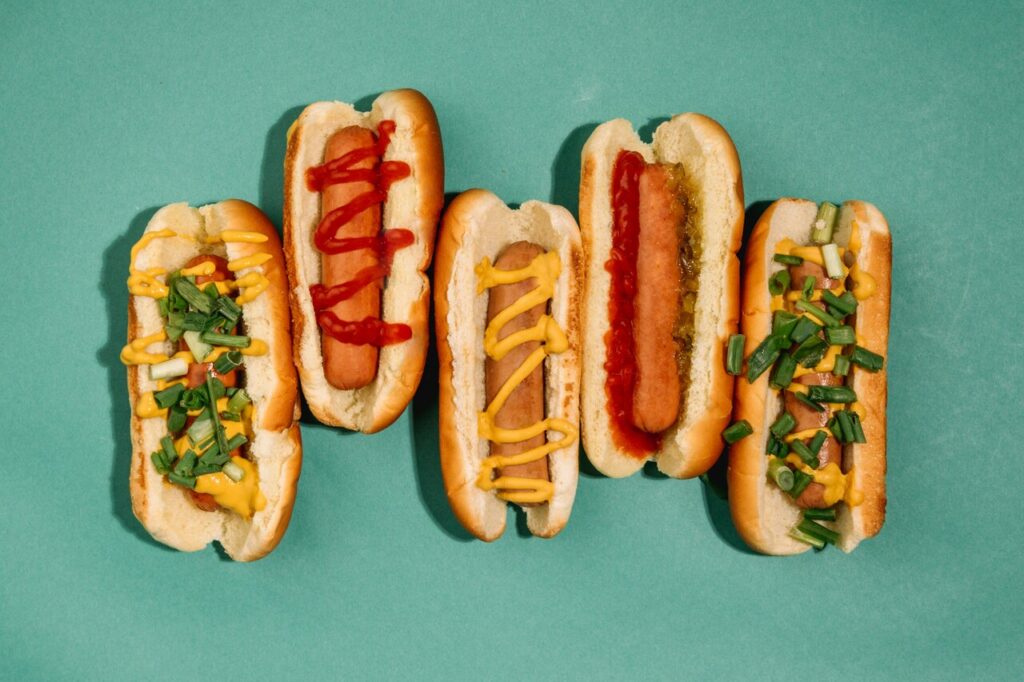
Traditional hot dog toppings were chosen for balance. Yellow mustard adds sharp acidity, onions bring bite and crunch, and sauerkraut delivers fermented tang. Together, they lift the savory, smoky flavor of the sausage without overpowering it. The goal is contrast that keeps each element clear and distinct.
Ketchup shifts that balance. Its sweetness and smooth texture coat the palate, softening the sharper notes from mustard and pickles. When layered with relish or kraut, flavors can blend into something less defined.
Many enthusiasts believe a hot dog tastes best when toppings stay savory and bright. Keeping flavors focused allows the sausage to remain the main feature rather than the background.
6. It Reflects Childhood Flavor Preferences
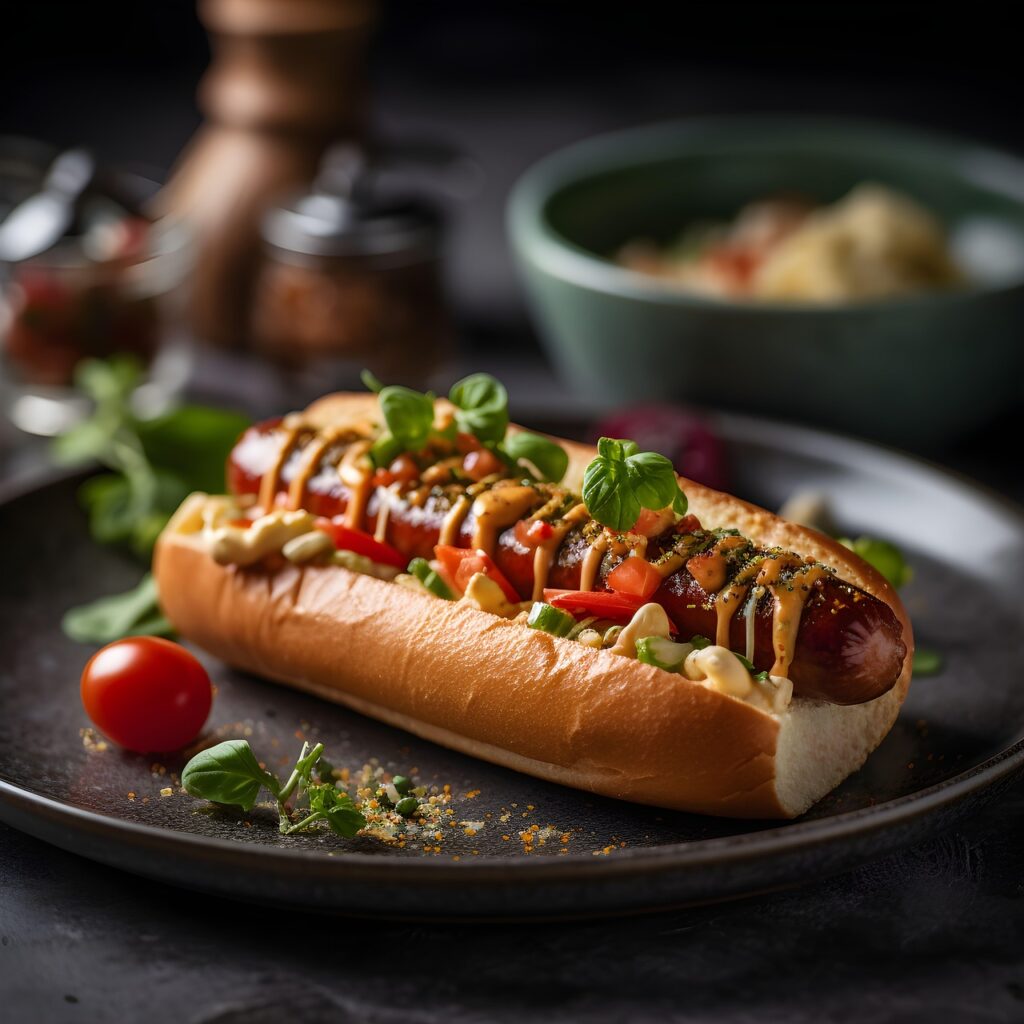
Sweetness is one of the first flavors humans respond to positively. From an early age, children tend to favor sugary and mild tastes because they feel safe and familiar. Ketchup fits that profile, blending sugar and tomato into a smooth, predictable condiment.
As people grow older, taste preferences often expand. Adults typically begin to appreciate sharper contrasts such as bitterness, spice, and fermentation. These flavors add complexity and depth that sweetness alone cannot provide.
Because of this progression, ketchup on a hot dog is sometimes viewed as a lingering childhood habit. It signals comfort and familiarity, while more assertive toppings reflect a palate that has evolved toward stronger contrasts.
7. Culinary Tradition Favors Simplicity

Street food traditions rely on clarity. The classic American hot dog developed around simple combinations that enhanced the sausage rather than burying it. Mustard, onions, and relish each serve a clear purpose, adding brightness and texture without masking the meat’s seasoning.
Food customs often form through repetition. When certain pairings consistently deliver satisfying balance, they become part of shared culinary identity. Over time, that pattern defines what feels authentic.
To many traditionalists, ketchup disrupts that established simplicity. The concern is not about rigid rules but about maintaining a flavor profile that has defined the classic hot dog for generations.