9 Popular Snacks Reformulated After Sugar Guidelines

The snacks we grew up with have quietly changed. The boxes look familiar, and the flavors seem the same, yet many now contain less sugar than before. Tighter dietary guidelines and clearer nutrition labels pushed manufacturers to rethink long-standing recipes.
Health agencies set stronger limits on added sugars, especially in foods aimed at children. As labels began highlighting sugar more clearly, brands faced pressure to adapt. Reformulation became a practical necessity rather than a marketing choice.
A quiet shift followed across grocery aisles. From cereals to iced teas, popular snacks were adjusted to meet new standards while preserving taste. The updates may seem subtle, but they signal a broader move toward clarity and moderation.
1. Breakfast Cereals
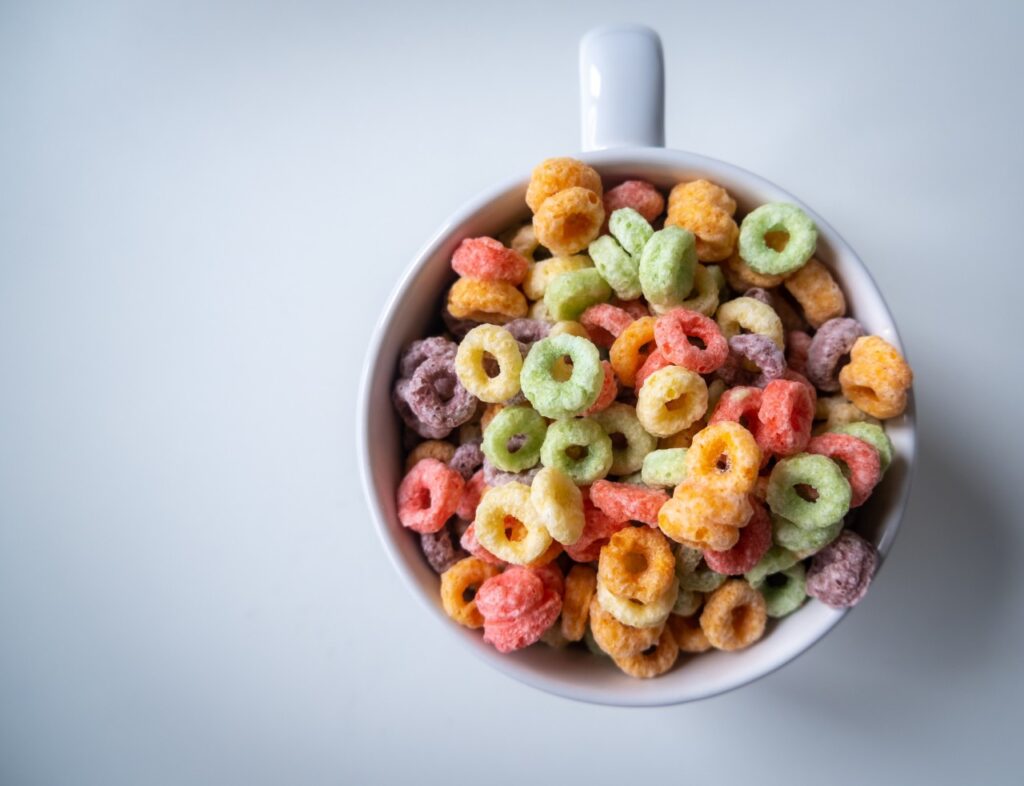
Few foods have faced sugar scrutiny as directly as breakfast cereals. For years, many brands relied on high sugar levels to boost flavor and attract young buyers. As guidelines tightened and labels highlighted added sugar, manufacturers began cutting sugar to meet new standards.
Reformulation meant lowering sugar per serving, adding whole grains, or using alternative sweeteners. Some brands reduced sweetness gradually to avoid clear taste shifts. Fiber was increased in certain products to improve nutritional value.
The cereal aisle may look similar, yet many boxes now contain less added sugar than before. While not all are low in sugar, several leading brands align more closely with current health benchmarks and school meal rules.
2. Flavored Yogurt Cups

Yogurt has long been seen as wholesome, but flavored cups once carried sugar levels closer to dessert. As health agencies warned about excess added sugar, especially for children, dairy companies adjusted recipes to meet evolving recommendations.
Brands reduced added sugar, relied more on fruit puree for sweetness, and clarified labels to distinguish natural lactose from added sugars. Some introduced lower sugar lines alongside traditional versions to retain loyal customers.
Flavored yogurt remains sweeter than plain varieties, yet many popular cups now contain fewer added grams than earlier formulas. Improved labeling has helped shoppers compare products more easily and make more informed choices.
3. Granola and Cereal Bars
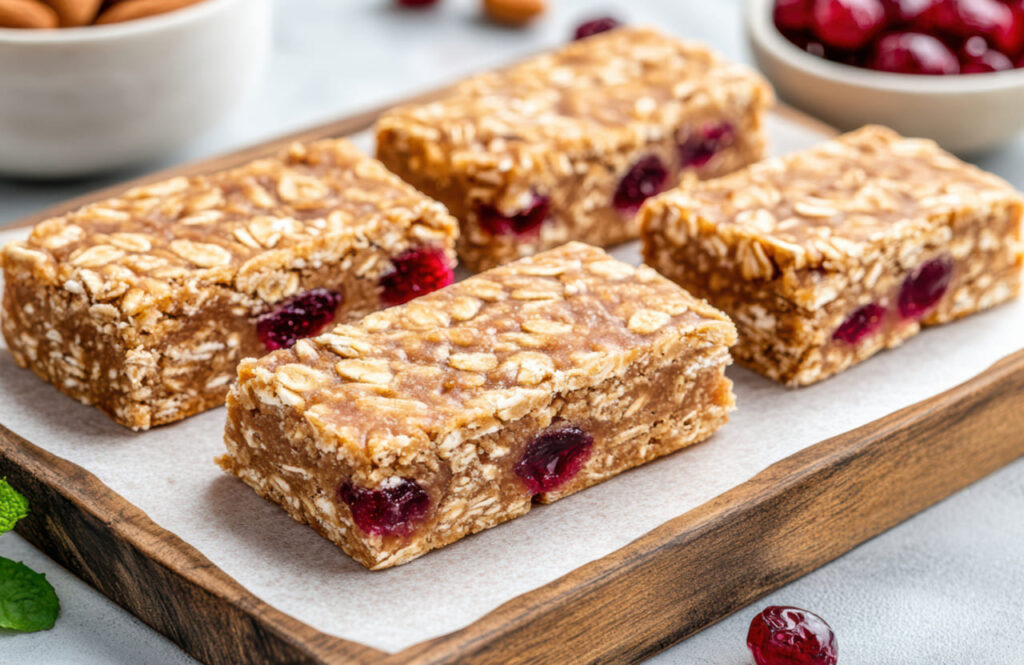
Granola bars were once marketed as wholesome snacks despite often containing high levels of syrup-based sweeteners. As sugar guidelines tightened, brands faced pressure to adjust recipes without compromising texture and shelf stability.
Reformulation strategies included reducing corn syrup, increasing nut and whole grain content, and shrinking portion sizes to lower total sugar per serving. Some companies introduced reduced sugar versions while maintaining classic varieties for loyal customers.
Today, many bars list fewer grams of added sugar than earlier versions. While they remain processed snacks, improved transparency and moderate sugar reductions reflect industry responses to clearer dietary targets and labeling requirements.
4. Chocolate Milk Drinks

Chocolate milk has been central to debates around school nutrition standards. As guidelines capped allowable sugar levels in beverages served to children, dairy producers reformulated flavored milk to comply with new limits.
Adjustments included cutting added sugar grams, refining cocoa blends to maintain flavor, and reducing portion sizes. The goal was to balance taste with nutrition while preserving milk consumption among students.
In many regions, flavored milk now contains less sugar than it once did, aligning with updated school meal policies. Though still sweetened, reformulated versions reflect a compromise between public health goals and consumer acceptance.
5. Packaged Muffins

Packaged muffins often resemble dessert more than breakfast, with sugar levels rivaling cake. As labeling rules highlighted added sugar more clearly, manufacturers began adjusting recipes to avoid negative nutritional comparisons.
Reformulations commonly reduced sugar content per serving, used fruit puree for partial sweetness, or introduced smaller portion sizes to keep total sugar within recommended thresholds. Some brands also emphasized whole-grain content to improve the overall profile.
While packaged muffins remain indulgent, many now contain less added sugar than earlier versions. Clearer nutrition panels have made it harder to disguise high sugar totals, encouraging modest but measurable changes in formulation.
6. Fruit Snacks and Gummies

Fruit snacks are often marketed with imagery of fresh produce, yet many historically contained concentrated sugars and syrups. As sugar guidelines sharpened focus on added sweeteners, producers reformulated to meet school and retail standards.
Adjustments included lowering added sugar grams, switching to fruit puree bases, and reducing portion sizes. Some brands removed certain artificial additives at the same time to strengthen health positioning.
Though still sweet treats, many current versions contain less added sugar than older formulations. Regulatory pressure and clearer front labeling have played a key role in prompting these changes across the category.
7. Peanut Butter Spreads

Peanut butter may seem simple, but many commercial spreads once contained notable added sugars alongside oils and stabilizers. As sugar intake became a public health focus, several major brands reduced sweetener levels in standard formulations.
Reformulated versions often emphasize roasted peanut flavor rather than sweetness. Some companies introduced natural lines with no added sugar while gradually trimming sugar in mainstream varieties to align with updated guidelines.
While not all jars are sugar-free, many now list fewer added grams per serving compared to older labels. Clear ingredient disclosure has encouraged consumers to compare options more carefully.
8. Sweetened Applesauce Cups

Applesauce cups are frequently packed in school lunches, yet many early versions contained added sugars beyond what fruit alone provides. As guidelines tightened for child-focused foods, manufacturers reformulated to reduce or eliminate added sweeteners.
Many brands shifted to unsweetened versions, relying solely on the natural sugars found in apples. Others reduced added sugar while maintaining flavor through careful fruit selection and processing techniques.
Today, unsweetened applesauce is widely available and clearly labeled. The category’s shift reflects how straightforward ingredient lists can meet both taste expectations and evolving dietary recommendations.
9. Ready-to-Drink Iced Teas
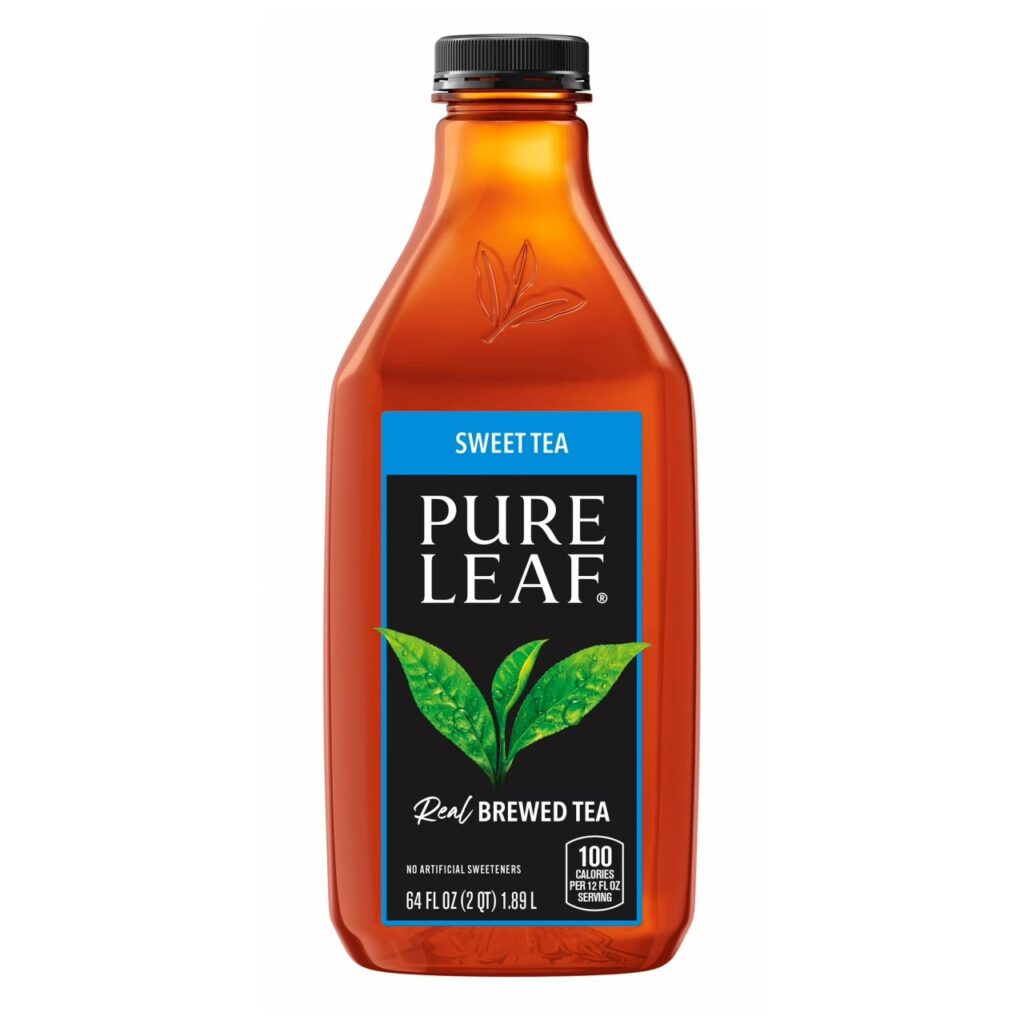
Bottled iced teas once contained sugar levels comparable to those of soft drinks. As public health messaging highlighted sugar reduction targets, beverage companies reformulated popular brands to lower added sugar per serving.
Strategies included reducing sweetness gradually, offering light- or zero-sugar variants, and adjusting portion sizes. Clearer labeling of added sugars made it harder to mask high totals behind naturally sounding ingredients.
While sweetened versions still exist, many ready-to-drink teas now contain fewer grams of added sugar than in previous years. The reformulation trend reflects a broader industry response to stronger sugar guidelines and consumer awareness.