12 Coffee Chains Raising Prices Due to Bean Shortages

Your daily cup of coffee feels routine. Yet global forces are quietly reshaping its price. Severe weather in major producing regions, supply disruptions, and tighter harvests have pushed raw bean costs higher. What starts on distant farms often shows up on your receipt.
Coffee chains depend on steady arabica supplies. When drought or crop disease reduces output, procurement costs rise quickly. Add higher wages, rent, and transport expenses, and margins narrow across the industry. Modest price increases become a practical response.
These changes rarely appear as sharp hikes. Instead, they show up as small increases across popular drinks, gradually lifting the final total at checkout.
1. Starbucks

Starbucks often shows how global bean shortages affect café pricing. When arabica costs rise due to drought, crop disease, or supply strain, procurement expenses climb quickly. To protect margins and maintain sourcing standards, the company has introduced measured price increases in several markets.
Rather than sudden jumps, Starbucks usually applies small, targeted adjustments to popular drinks. Specialty and seasonal beverages often absorb more of the increase, while basic brewed coffee remains relatively stable to protect daily traffic.
Higher wages, rent, and transport costs add pressure. Pricing changes reflect a broader effort to sustain quality and profitability while preserving customer loyalty.
2. Peet’s Coffee
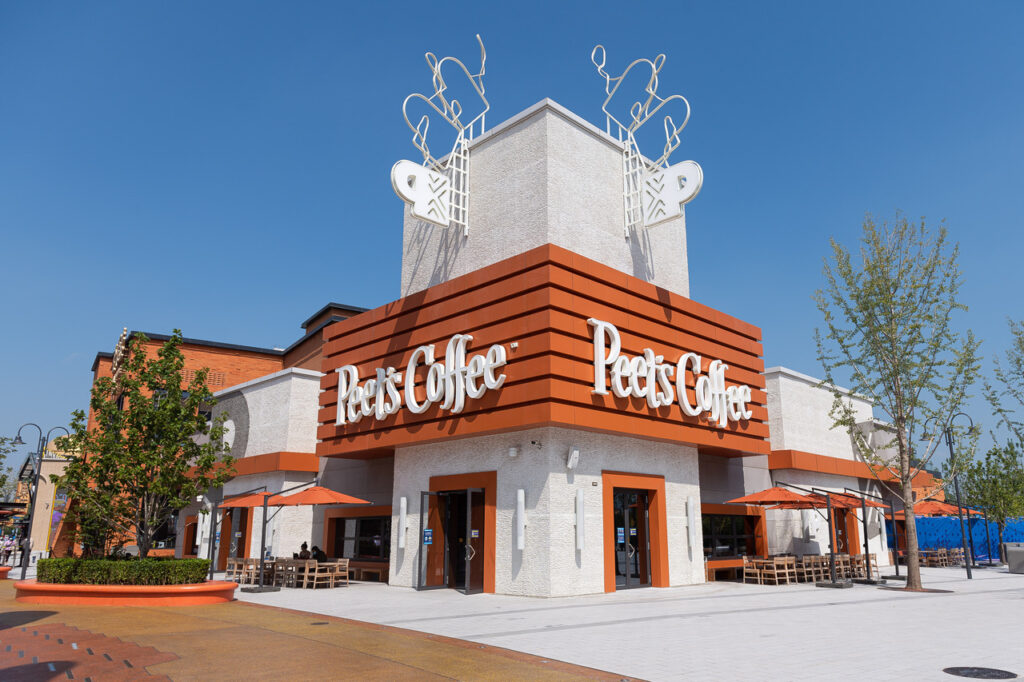
Peet’s Coffee operates at the intersection of specialty sourcing and retail scale. When green coffee prices rise, the impact on high-quality arabica beans is immediate. Maintaining roast consistency requires a steady supply, which becomes more expensive during global shortages.
Instead of switching to lower-grade beans, Peet’s typically adjusts pricing or promotional strategies. Incremental increases across menu items help offset procurement costs while preserving the flavor profiles customers expect.
Long term supplier agreements may soften volatility, but short-term commodity spikes often lead to modest menu revisions designed to sustain sourcing standards.
3. Dunkin’

Dunkin’ thrives on value and frequency, making price sensitivity central to its strategy. When bean costs increase, the brand carefully balances modest menu adjustments with promotional offers to retain everyday affordability.
Small price increases on specialty beverages can help offset rising input costs while keeping basic coffee competitively priced. Because of high transaction volumes, even minor increases generate meaningful revenue protection.
Operational efficiency and menu engineering also play a role. Rising bean prices are rarely addressed with large jumps, but rather gradual adjustments that protect margins without disrupting customer loyalty.
4. Costa Coffee

Costa Coffee operates across diverse markets, meaning global bean shortages affect multiple supply chains at once. Higher procurement costs, combined with rising energy and labor expenses, have pushed the brand to revise menu pricing in select regions.
Instead of uniform increases, Costa often applies localized adjustments based on market conditions and consumer sensitivity. This measured approach helps maintain competitiveness in crowded high street locations.
By balancing loyalty programs and selective pricing updates, Costa aims to protect sourcing quality while navigating ongoing commodity volatility.
5. Tim Hortons
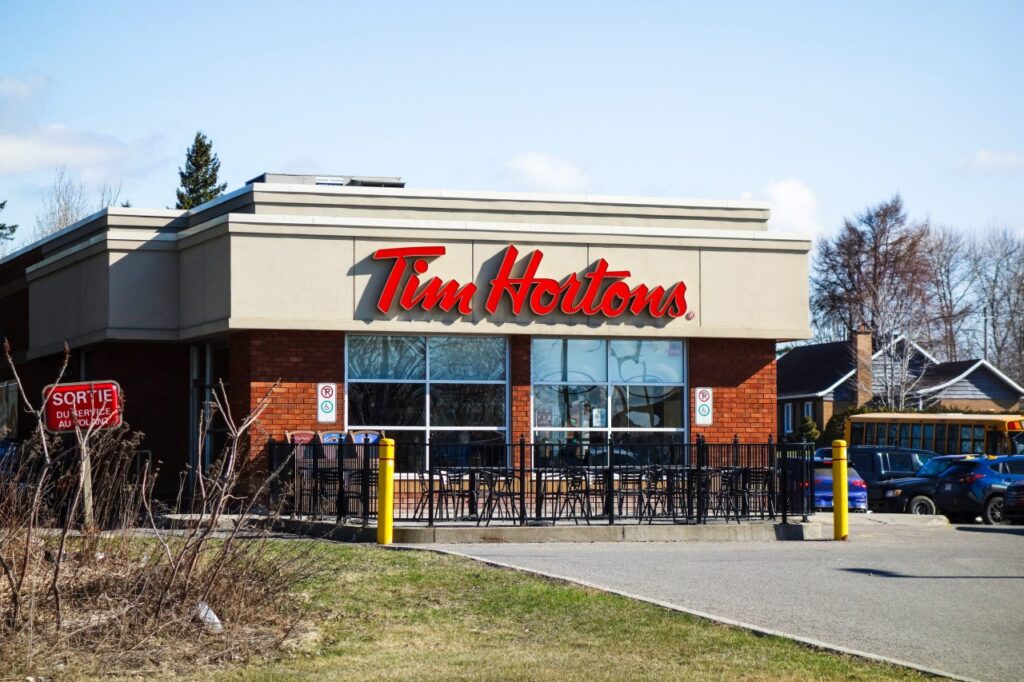
Tim Hortons serves millions of daily customers, making even small cost shifts significant. When green coffee prices surge, the chain typically introduces incremental beverage price increases rather than sweeping menu overhauls.
Given its reputation for everyday value, the brand closely monitors customer reaction to pricing. Small adjustments spread across high-volume transactions help absorb commodity pressure without major disruption.
Bean shortages, combined with broader inflation, mean menu revisions reflect not only coffee costs but also overall operational expenses tied to maintaining a consistent supply.
6. Pret A Manger
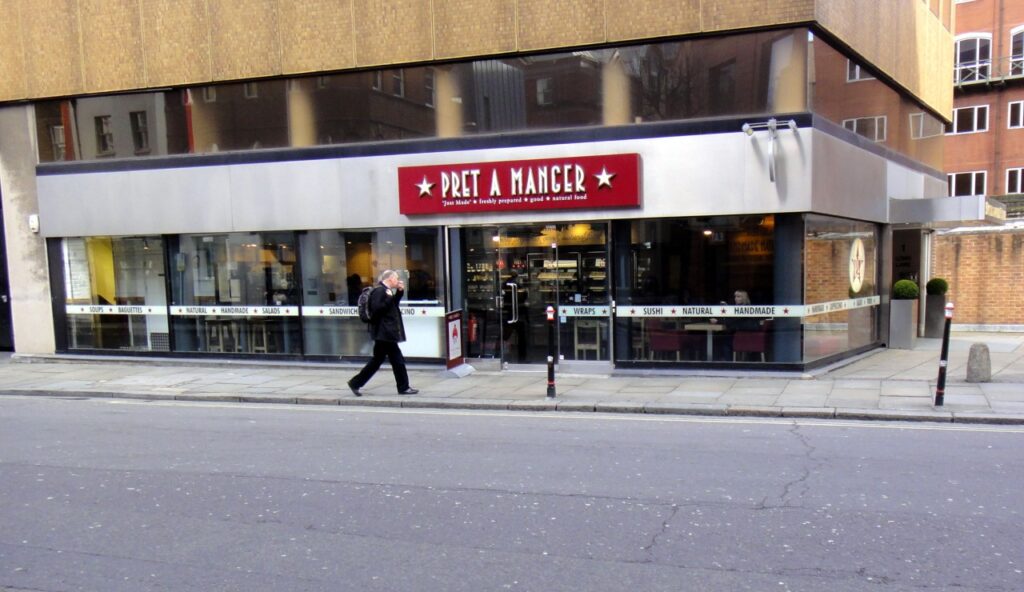
Pret A Manger serves busy urban customers who expect consistent quality and speed. When global arabica prices rise due to crop shortages or export limits, procurement costs increase quickly for chains that rely on a steady bean supply. That pressure often pushes Pret to review menu pricing in targeted ways.
Rather than broad hikes, the brand usually adjusts specialty beverages or seasonal drinks first. Subscription coffee programs and loyalty offers help soften the impact, allowing regular customers to maintain value despite small increases.
Bean inflation is only part of the equation. Higher city rents and labor expenses add pressure, making pricing decisions a careful effort to protect margins while preserving convenience and customer trust.
7. Coffee Republic
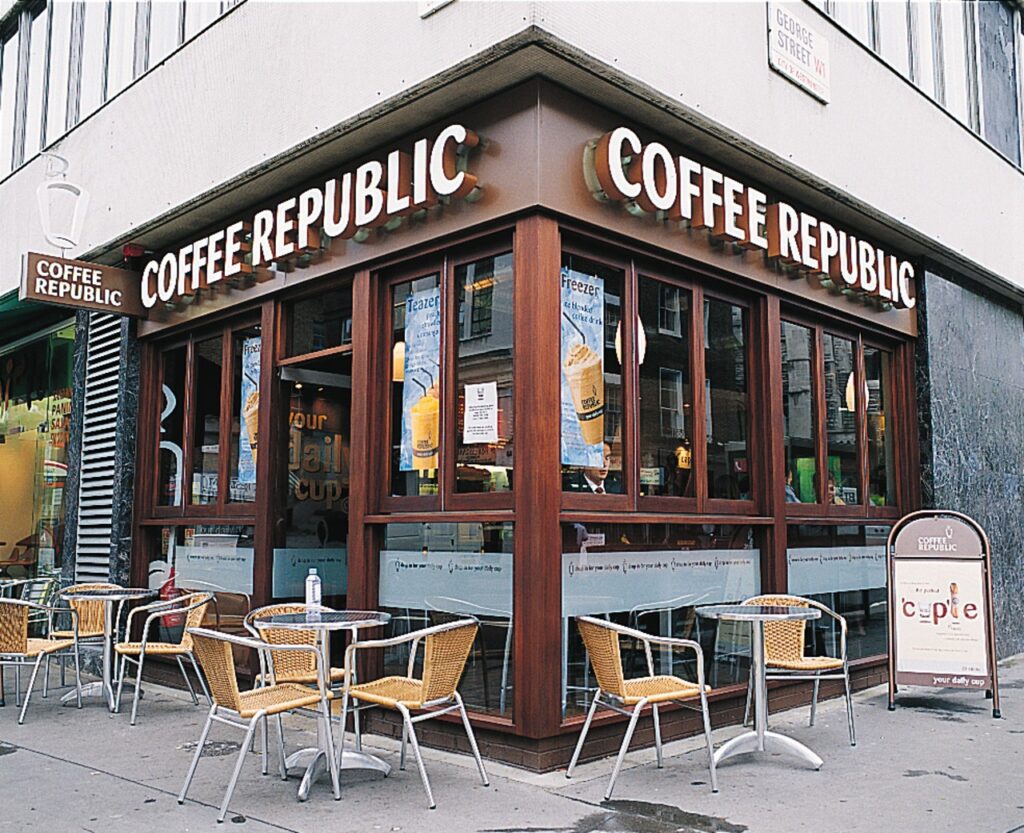
Coffee Republic operates in competitive urban markets where pricing must balance quality and value. When global bean shortages lift arabica costs due to weather disruption and export limits, smaller chains feel pressure quickly. Procurement expenses rise and margins narrow without price changes.
Unlike large multinationals, mid-sized chains have less leverage in long term supply contracts. This makes them more exposed to short-term commodity swings. Gradual menu increases may appear, especially on specialty espresso drinks.
Rather than lowering bean quality, Coffee Republic applies modest adjustments across the menu. These reflect higher coffee prices along with rising labor, rent, and energy costs tied to daily operations.
8. Caffè Nero
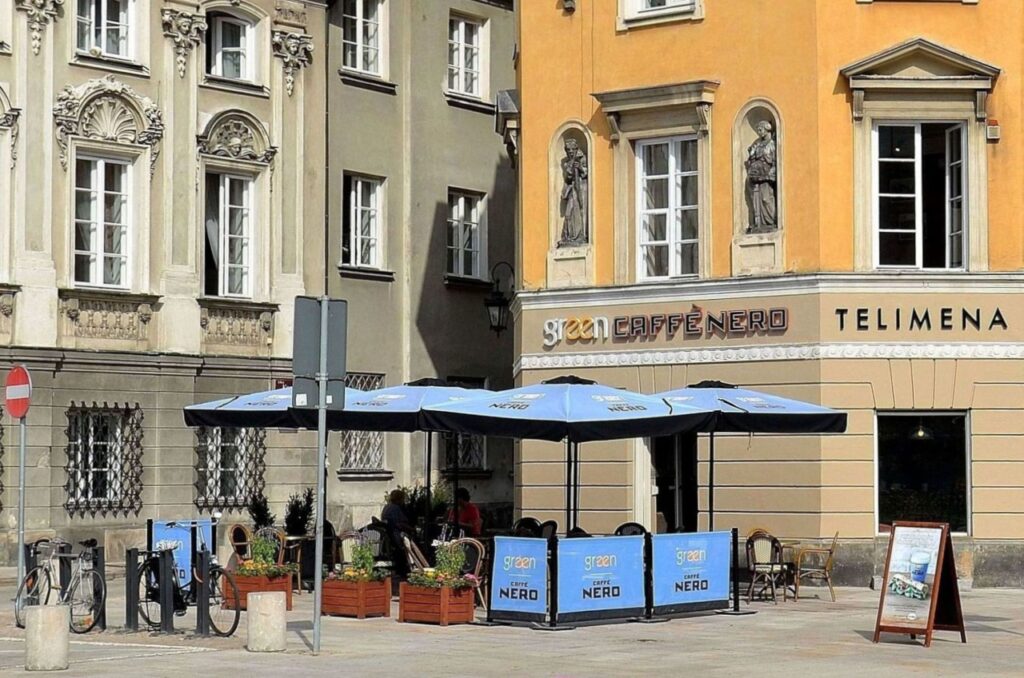
Caffè Nero’s espresso-driven menu ties it closely to arabica market conditions. When drought or disease affects harvests in producing countries, wholesale bean prices climb, narrowing profit margins for café operators.
The chain often responds with modest price adjustments rather than dramatic shifts. Competitive high street locations require careful timing so increases do not drive customers toward rivals. Promotions and loyalty perks may be recalibrated to offset perception.
Maintaining roast quality remains central to brand identity. Substituting lower-grade beans is rarely the preferred solution, so selective pricing updates help sustain sourcing standards during volatile commodity cycles.
9. Gloria Jean’s Coffees

Gloria Jean’s operates across multiple regions where coffee costs fluctuate differently. When global bean shortages push up wholesale prices, franchise operators must decide how much of the increase to absorb and how much to pass along to customers.
In some markets, incremental price adjustments appear on specialty beverages first. Other locations may delay changes based on local competition and customer sensitivity. The decentralized model leads to varied responses.
Despite these adjustments, the brand emphasizes consistent roast quality and flavor. Pricing changes are framed as necessary responses to global supply pressures rather than shifts in product standards.
10. Caribou Coffee
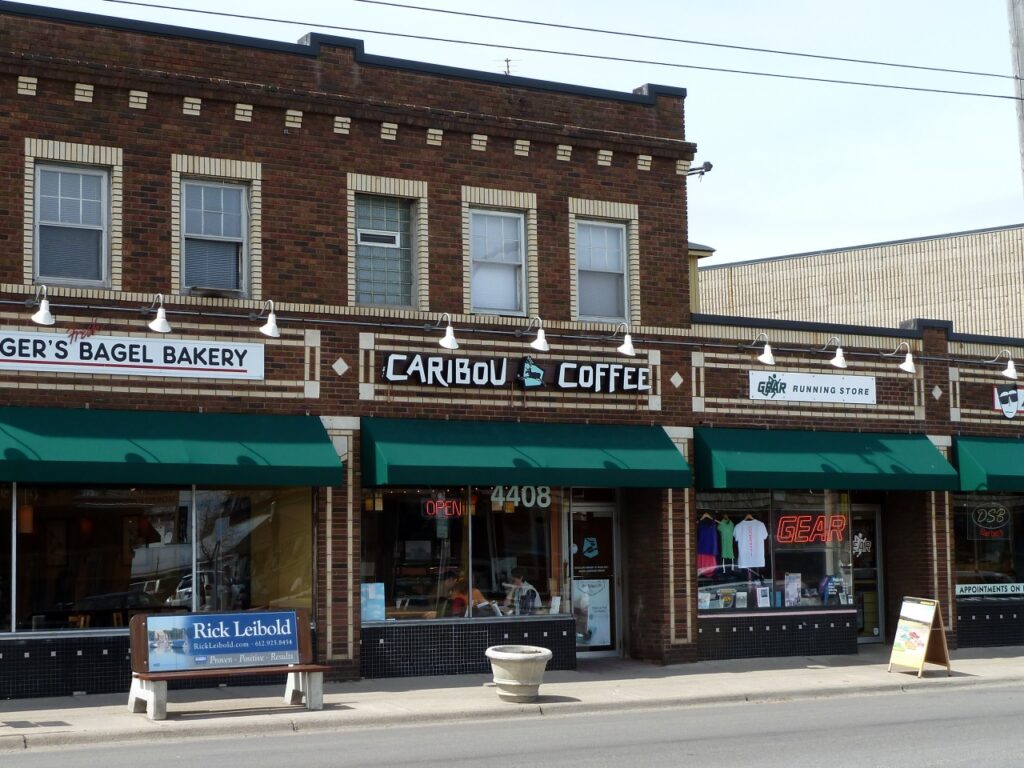
Caribou Coffee positions itself within the specialty segment, where bean origin and roast consistency matter deeply. When green coffee prices rise because of supply disruptions, maintaining sourcing commitments becomes more expensive.
Rather than altering blend integrity, Caribou often introduces measured price increases on select drinks. Loyalty programs and limited-time promotions help maintain customer engagement even as costs climb.
Transportation, packaging, and wage expenses amplify the effect of bean shortages. Pricing updates reflect a broader effort to safeguard quality while managing operational realities.
11. Dutch Bros Coffee
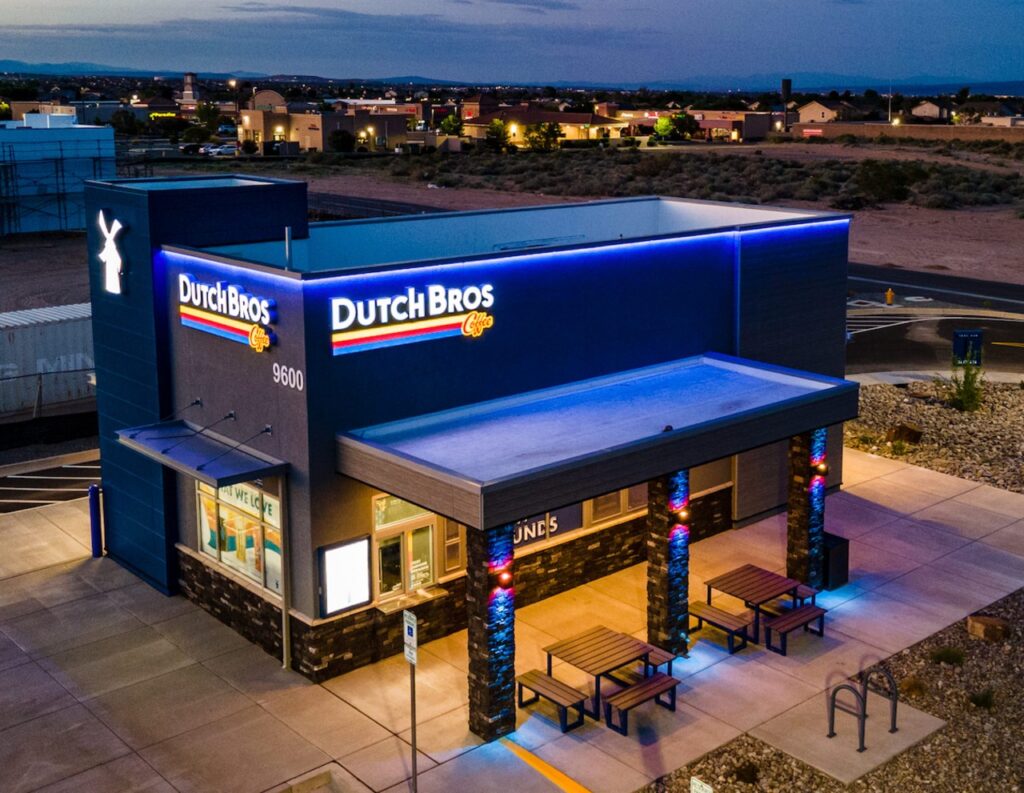
Dutch Bros has expanded rapidly across regional markets, making cost control essential. When global bean shortages push up procurement prices, the chain frequently tests small regional price increases before broader rollout.
Specialty espresso beverages tend to absorb modest adjustments, while core offerings remain competitively priced to protect traffic. High transaction volume means slight changes can meaningfully offset higher input costs.
The brand’s community-focused identity requires gradual implementation. Price updates are often paired with promotional campaigns to preserve loyalty while addressing sustained commodity pressure.
12. Blue Bottle Coffee
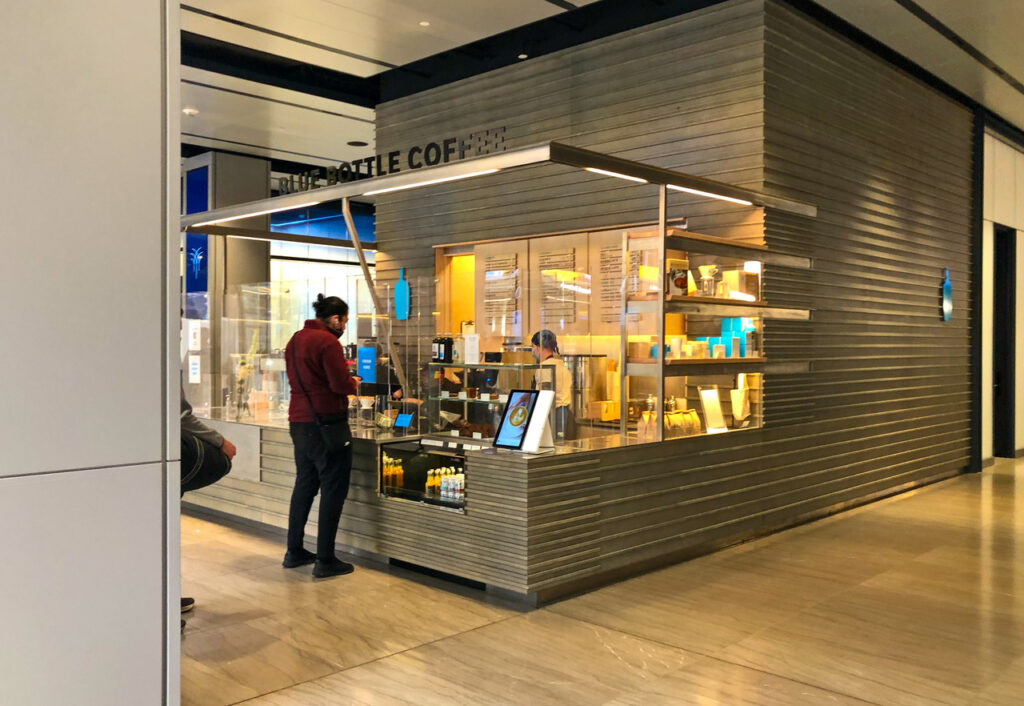
Blue Bottle emphasizes single-origin and small lot beans, leaving little room to compromise on sourcing. When arabica prices surge due to climate disruption or export limits, specialty roasters feel the impact quickly.
Instead of switching to cheaper blends, Blue Bottle typically passes part of the cost increase into menu pricing. Customers drawn to premium coffee often expect transparency about sourcing challenges and price adjustments.
Maintaining ethical procurement and roast precision requires financial flexibility. Menu revisions reflect the real cost of sustaining high-grade beans during periods of global supply instability.