Professional Chefs Often Avoid Ordering Certain Dishes When Dining Out


Dining out often feels like a chance to unwind and order whatever sounds most appealing on the menu. Many diners rely on appetizing descriptions, photos, or simple cravings when choosing what to eat, rarely thinking about what happens behind the kitchen doors. Professional chefs, however, tend to look at menus through a very different lens. Years spent working in fast-paced kitchens have taught them how ingredients are stored, how dishes are prepared during busy hours, and which menu items may be harder to execute consistently. Because of this experience, chefs often evaluate a restaurant long before the first plate arrives.
That insider knowledge shapes how chefs approach ordering when they dine out themselves. They understand that some dishes require extremely fresh ingredients, precise temperature control, or careful preparation that can be difficult to maintain during peak service. Items that sit too long, rely heavily on pre-prepared components, or involve delicate sauces may not always deliver the best results. Instead, chefs often look for menu clues that signal freshness, simplicity, and confident cooking. By quietly applying what they know about kitchen operations, they increase their chances of choosing meals that are flavorful, well prepared, and worth the experience.
What Experienced Chefs Notice Before Ordering
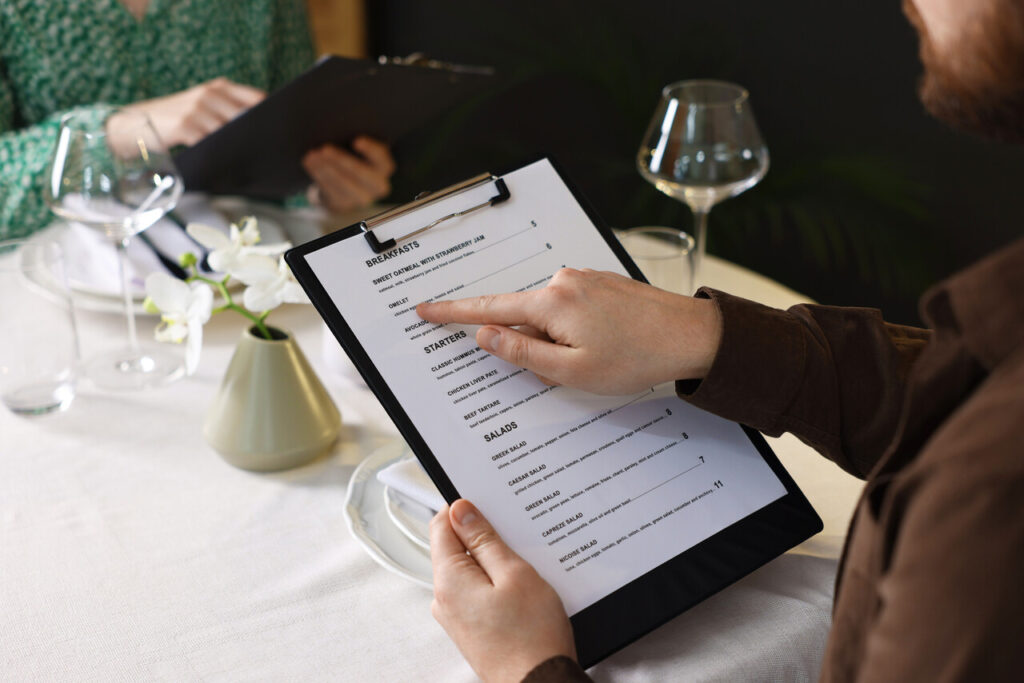
Professional chefs often begin evaluating a restaurant long before they place an order. Years of working inside professional kitchens train them to notice small details that many diners might overlook. The pace of the dining room, the organization of the staff, and the overall cleanliness of the space can reveal a great deal about how the restaurant operates. Chefs may also pay attention to how quickly tables are cleared, how servers communicate with guests, and how smoothly orders appear to move through the room. These observations provide subtle hints about whether the kitchen is well-managed and focused on consistent food preparation.
The menu itself also offers important clues that experienced chefs quickly recognize. When a restaurant lists an extremely large number of unrelated dishes, it can suggest that many ingredients are pre-prepared or stored for long periods. Kitchens that focus on a smaller, more focused selection of meals often have greater control over freshness and cooking quality. Chefs also scan for seasonal ingredients, house specialties, and dishes that sound carefully thought out rather than overly complicated. By reading these signals, they can often predict whether a restaurant is likely to serve a thoughtfully prepared meal before the first dish even arrives.
Why Simple Dishes Often Signal Better Quality
Many professional chefs naturally gravitate toward simple dishes when dining out because these meals often reveal the real quality of a restaurant’s ingredients. When a plate contains only a few components, there is little opportunity to disguise poor-quality products or rushed preparation. Fresh vegetables, properly handled seafood, and well-cooked meats become the center of attention. If those ingredients are truly fresh and prepared with care, the flavors stand out clearly. Because nothing is hidden behind heavy sauces or complex garnishes, simple dishes quickly show whether a kitchen is working with strong raw ingredients.
Simple meals also tend to be easier for kitchens to execute consistently during busy service hours. Dishes that require complicated plating, numerous sauces, or several delicate cooking steps can become difficult to maintain when the kitchen is handling many orders at once. In contrast, straightforward preparations such as grilled fish, roasted meats, or seasonal vegetable plates allow cooks to focus on proper timing, temperature, and seasoning. These dishes rely more on technique than decoration, which often leads to better results. For many chefs, ordering something simple provides a reliable way to judge a restaurant’s overall skill and attention to detail.
How Kitchen Knowledge Changes Dining Choices
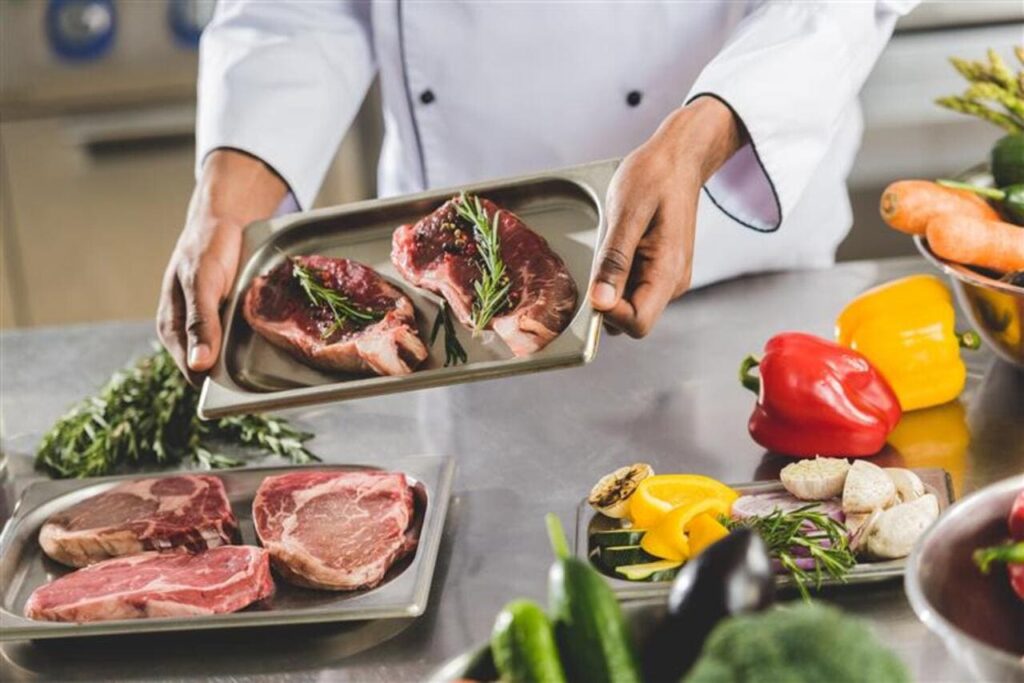
Years spent working in professional kitchens give chefs a practical understanding of how restaurants operate during the busiest hours of service. They know that while menus may look polished and carefully designed, the reality inside the kitchen often involves managing dozens of orders at once under tight time pressure. Because of this experience, chefs understand which dishes require extra care, precise timing, or particularly fresh ingredients. This knowledge naturally shapes the way they approach restaurant menus when dining out, guiding them toward items that are more likely to be prepared well, even during a hectic dinner rush.
Chefs also recognize that some menu items depend heavily on preparation methods that can be difficult to maintain consistently in a busy environment. Sauces that must be held at exact temperatures, delicate seafood that loses quality quickly, or dishes requiring several finishing steps can easily suffer when the kitchen is under pressure. For this reason, many chefs prefer meals that can be cooked quickly and served immediately after preparation. Choosing dishes that move smoothly through the kitchen increases the chances that the food will arrive fresh, properly cooked, and balanced in flavor.
What Diners Can Learn From Chef Habits
The habits professional chefs follow when ordering food can offer surprisingly practical guidance for everyday diners. Instead of focusing only on the most eye-catching or heavily promoted dishes, chefs often search for items that sound fresh, seasonal, and thoughtfully prepared. Seasonal ingredients usually arrive at restaurants when they are at their peak flavor and quality, which makes them easier for kitchens to prepare well. When menus highlight produce, seafood, or meats that are currently in season, it often signals that the kitchen is working with ingredients that require less manipulation to taste great.
Another useful habit is paying attention to what the restaurant appears to do best. Chefs often notice which dishes are being served frequently around the dining room or which items the staff confidently recommends. Restaurants tend to perform most consistently when preparing meals that align with their main style of cooking or specialty cuisine. If a restaurant is known for handmade pasta, fresh seafood, or wood-fired cooking, those items are often the safest and most rewarding choices. Observing these subtle clues helps diners order meals the kitchen prepares regularly and with greater confidence.
Why Smarter Ordering Leads to Better Meals
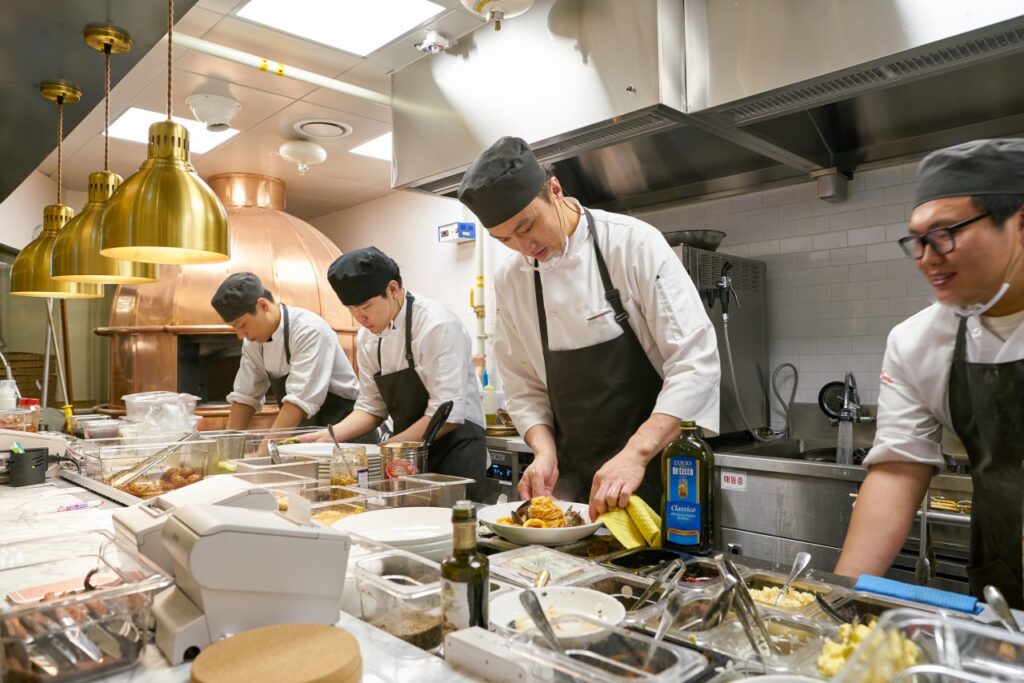
Making thoughtful choices from a restaurant menu can greatly improve the chances of enjoying a satisfying meal. Restaurants often operate under demanding conditions, especially during busy lunch or dinner hours when the kitchen must handle many orders at once. Under these pressures, dishes that require complicated preparation or multiple finishing steps may not always receive the attention they need. By choosing items that are simpler or prepared more frequently, diners can reduce the risk of receiving food that feels rushed or inconsistent. Paying attention to ingredients, cooking style, and the restaurant’s focus can help guide better decisions.
Professional chefs tend to follow this strategy when they dine out, focusing on dishes that showcase the kitchen’s strengths instead of the most elaborate options on the menu. Meals built around fresh ingredients, balanced seasoning, and clear cooking techniques are often the most reliable choices. These dishes allow the natural flavor of the ingredients to stand out without relying on heavy sauces or complex presentation. When diners approach menus in a similar way, they are more likely to receive meals that are fresh, properly cooked, and representative of the restaurant’s true skill and consistency.