What Really Happens When Baked Ziti Hits 350 Degrees and Turns Perfectly Golden

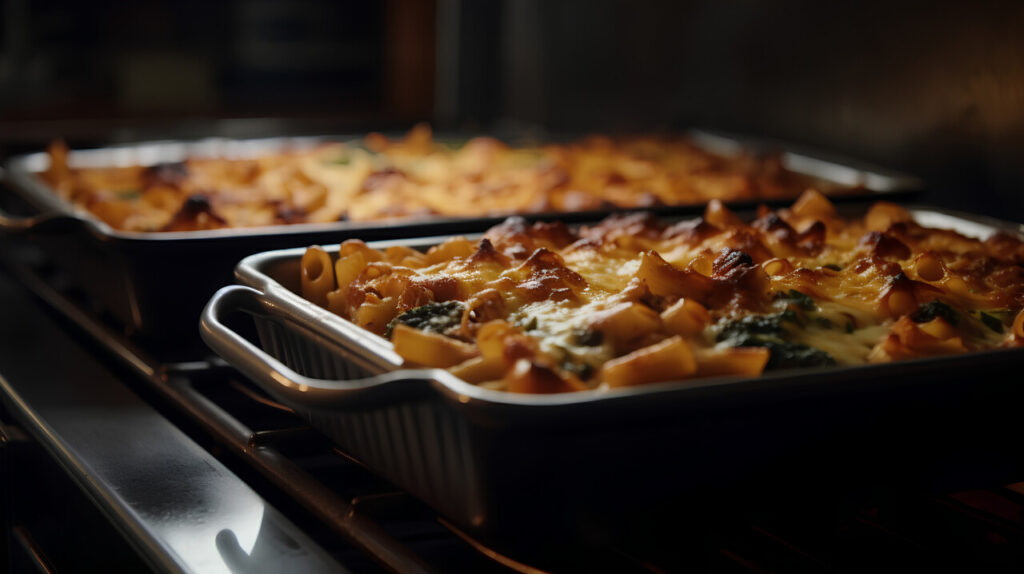
There’s a reason baked ziti feels especially satisfying when it comes out of the oven bubbling and perfectly golden on top. That color isn’t just for looks. It’s the signal that heat has transformed cheese, sauce, and pasta into something deeper, richer, and more flavorful. At 350 degrees, the oven creates the ideal environment for melting, moisture control, and browning reactions to happen in the right order. Understanding what’s actually happening inside the dish helps explain why this temperature delivers such reliable results and how small adjustments in ingredients and timing can make the difference between a pale casserole and one that’s irresistibly golden.
The Science Behind Golden Baked Ziti
When baked ziti comes out of the oven with that perfect, golden top, what you’re really seeing is chemistry in action. As the casserole heats up, proteins and sugars in the cheese and sauce undergo a series of chemical reactions that create new molecules responsible for browning, flavor, and texture. One of the key processes at work is the Maillard reaction, which occurs between amino acids and reducing sugars when exposed to heat. This reaction generally kicks in around 300 to 350 degrees Fahrenheit, producing a complex set of browned flavors and aromas that make baked ziti so satisfying. The visual change from pale to golden is a cue that more than just heat has been applied; your dish is developing flavor and depth.
Alongside the Maillard reaction, caramelization also plays a role, particularly where tomato sauce or sugars in the cheese come into contact with direct heat. Caramelization begins at higher temperatures than the Maillard reaction and contributes to the slightly sweet, intensely savory notes that make the top layer of baked ziti more than just melted cheese. These chemical reactions are sensitive not only to temperature but also to the balance of moisture, fat, and surface area. That’s why you see the top turn golden while the interior remains soft and tender. It’s a harmonious balance of heat moving through layers of pasta, sauce, and cheese that culminates in that beautifully browned top.
Why 350 Degrees Is the Sweet Spot
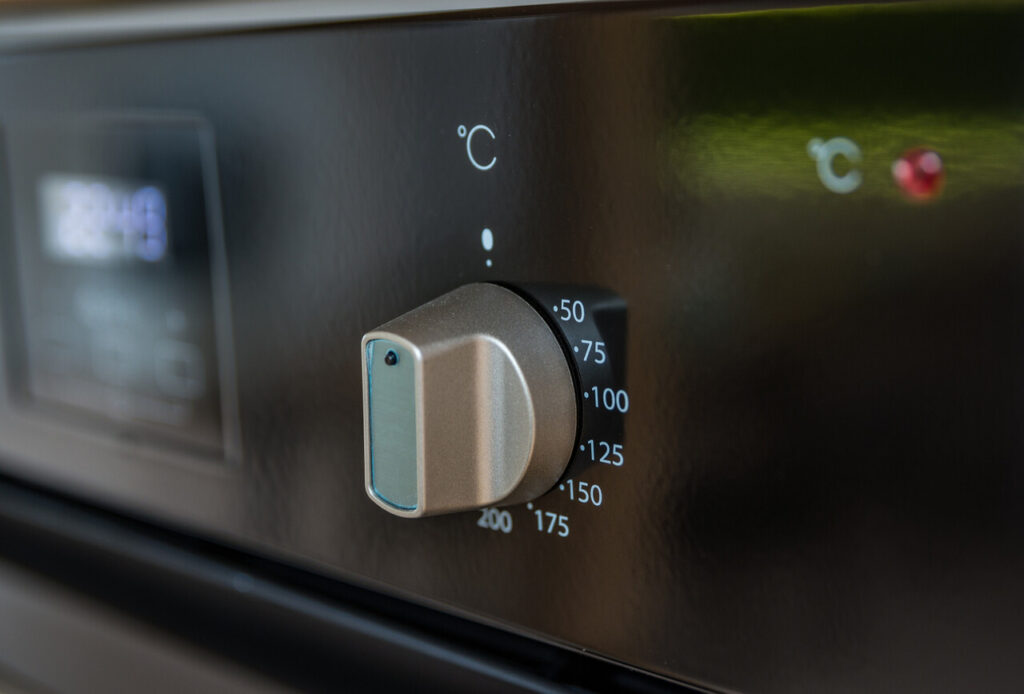
If you’ve ever followed a recipe that calls for baking ziti at 350 degrees Fahrenheit, there’s a good reason behind that specific temperature. It represents a midpoint where the heat is hot enough to activate browning reactions without scorching the dish or drying it out. At 350 degrees, the casserole heats evenly, giving the pasta time to absorb sauce and melt cheese while the top slowly browns. Too cool and the surface never properly browns, leaving cheese pale and rubbery rather than golden and slightly crisp. Too hot and you risk burning the edges before the center reaches the same level of doneness.
Temperature also impacts how moisture moves through the dish. Water evaporates more slowly at 350 degrees than at higher temperatures, which means the interior of the ziti remains moist and cohesive while the top layer achieves that ideal crust. This balance of interior tenderness with exterior color and flavor is part of what makes baked ziti distinct from other pasta bakes cooked at higher temperatures. It’s a compromise between giving the pasta time to cook through and allowing the cheese and sauce on top to participate in browning reactions without overwhelming the casserole with dry heat.
Building the Perfect Ziti Base
Before the oven even turns on, the ingredients you choose and how you assemble them set the stage for a successful bake. Pasta choice, for example, matters because different shapes and sizes absorb sauce differently. Ziti is tubular, which means it holds sauce both on the outside and inside its hollow center, leading to a more integrated dish. Cooking the pasta just to al dente before baking is also important; it ensures the noodles finish cooking in the sauce without turning mushy. A sauce with balanced acidity and a mix of fresh and slow-cooked flavors helps create a base that will support the browning chemistry without becoming too watery.
Cheese selection also plays a role in how your baked ziti browns and tastes. Mozzarella gives stretch and melty creaminess, while cheeses like Parmesan or Romano add depth of flavor and contribute to browning through their own protein structures. Layering cheese rather than simply sprinkling it on top invites both melting and the Maillard reaction to occur in succession: the layer just beneath the surface becomes creamy while the very top, exposed to heat, begins to brown. This thoughtful construction of layers, pasta, sauce, cheese, repeat, gives the oven something varied to work with, triggering a sequence of melting, heating, and browning that culminates in a perfectly balanced casserole.
What Happens in the Oven Step by Step
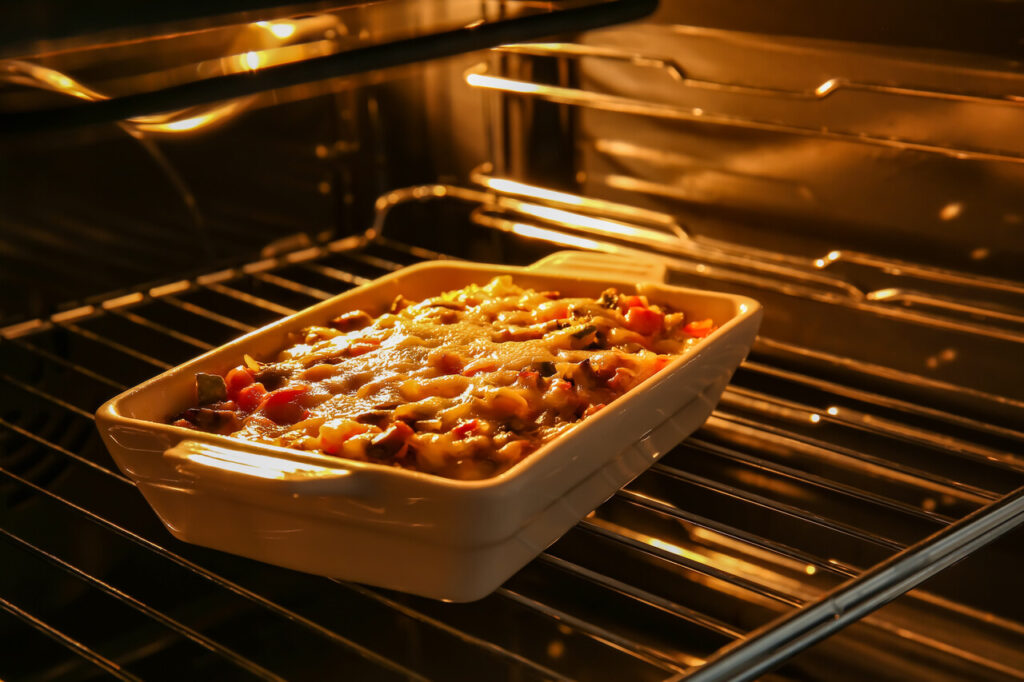
Once your assembled ziti hits 350 degrees, a series of transformations unfolds inside the casserole dish. In the early minutes, heat penetrates from the edges toward the center, raising the temperature of the pasta, sauce, and cheese. Water within the sauce and pasta begins to warm first, slowly steaming and cooking the pasta further. This gentle increase in temperature allows the components to meld together, helping the flavors integrate without shocking any one layer with too much heat at once.
As the bake continues, the cheese begins to melt thoroughly and integrate with the sauce above and around the pasta. Once the surface temperature reaches the threshold for browning reactions, the Maillard reaction and caramelization begin to affect the cheese and any exposed sauce. The cheese proteins break down and recombine with sugars, forming a network that crisps slightly on the edges and turns golden. Steam rising from the interior carries moisture upward, but the surface remains firm enough to brown because it is directly exposed to the oven’s dry heat. By the time the dish is done, you have tender pasta, a cohesive sauce, and a top layer that’s rich in flavor, aroma, and inviting color.
Tips for Consistently Golden Results
Achieving that perfect balance between a moist interior and a golden exterior can be tricky, but a few simple techniques help every time. One of the most effective is knowing when to cover and when to uncover your ziti. Starting the bake covered with foil helps trap steam and cook the pasta evenly. Then removing the foil for the last 10 to 15 minutes exposes the cheese to direct heat, triggering browning without overcooking the interior. This two-stage approach lets the casserole transition from gently heated to golden brown crust without risking dryness.
If you’re feeding a crowd or adjusting for a deeper dish, you may need to tweak timing slightly. A slightly longer bake at 350 degrees can accommodate more volume, but keeping an eye on moisture is key. Adding a splash of sauce or a bit more cheese on top can encourage browning while preventing the casserole from drying out. And while broiling for a minute or two at the end can accelerate browning, it’s easy to overshoot and burn the top, so watch closely if you go that route. With practice and attention to these details, you can make beautifully golden baked ziti that hits the sweet spot of texture and flavor every time.
References
- 4 Levels of Baked Ziti: Amateur to Food Scientist – epicurious.com
- How to Make the Best Baked Ziti for a Crowd – familysavvy.com
- How to Make a Life Changing Baked Ziti – happilyunprocessed.com