Martha Stewart’s Simple Kitchen Utensil Hack That Frees Up Counter Space

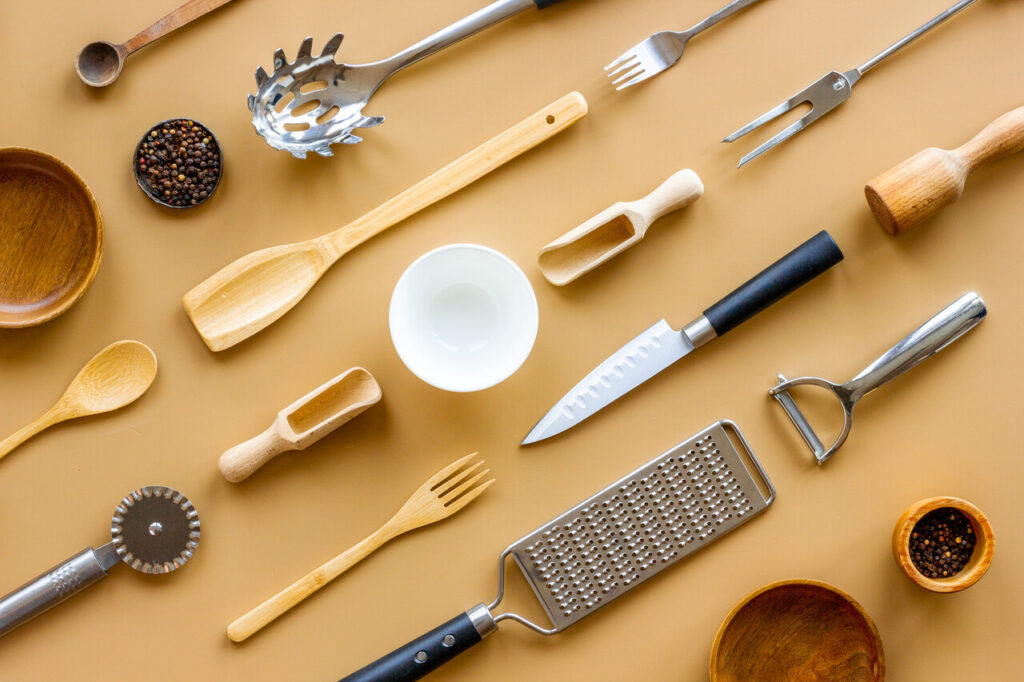
Counter space disappears fast in most kitchens, especially when everyday utensils start living on the surface instead of where they belong. A jar of spatulas here, a knife block there, and suddenly your prep area feels crowded before you even start cooking. Martha Stewart’s simple organizing trick tackles this problem by moving frequently used tools off the counter and into smart, well-planned storage. The result is a cleaner workspace, easier movement while cooking, and a kitchen that feels more open without adding cabinets or buying bulky organizers. It’s a small change that quietly makes a big difference in how your kitchen functions day to day.
The Counterspace Problem Every Kitchen Faces
Kitchen counter space is one of those everyday essentials that only feels valuable once it’s gone. In small kitchens, or even roomy ones with lots of gadgets, utensils and tools often spill onto the countertop because there’s no better place for them. Spoons, spatulas, ladles, peelers, and whisks become this loose collection of items that live in a jar or sit next to the stove. But that setup has hidden costs. When tools are left out, every surface feels more cluttered than it actually is. You have less room to prep, less visible workspace, and more things to move around when you boil water or chop vegetables. Many home cooks don’t realize how much this constant visual and spatial clutter affects workflow and enjoyment until it’s fixed.
The problem is not just that utensils take up space. It is that they often occupy prime real estate right in the middle of your work area. Because they are frequently used, people rationalize leaving them within reach. But that convenience comes at the expense of actual convenience. When every square inch of your counter is hosting something, it becomes harder to keep the space clean, easier to bump into things while cooking, and harder to focus on the task at hand. This is where smart storage strategies shine: they relocate items from the busiest surfaces to places that are still accessible but do not interfere with your actual work. That’s the kind of thinking that drives the kitchen hack coming out of Martha Stewart’s playbook, and it starts with recognizing that utensils do not belong on counters just because they are used often.
The Martha Stewart Hack That Changes Everything
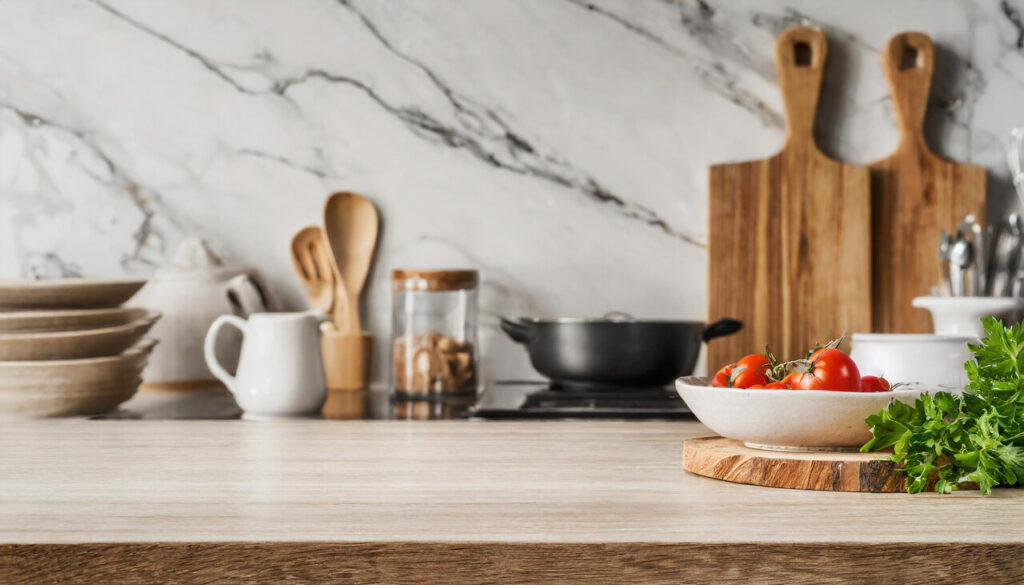
Martha Stewart’s solution to counter clutter sounds deceptively simple, but it is grounded in practical design principles. Instead of letting utensils live on the counter, she suggests using dedicated drawers or vertical storage that keeps tools accessible without staging them on top of work surfaces. The idea is to treat your kitchen as a system rather than a set of disjointed surfaces. In a well-organized kitchen, you know where things are because they have a home. A mirrored wall of jars and canisters may look orderly at first glance, but if they crowd your prep zone, they are doing more harm than good. Stewart flips that model on its head by emphasizing hidden storage and smart compartmentalization.
At its core, this hack is about making the most of the space you already have. Instead of buying more shelves or bigger cabinets, Stewart shows how underused drawers, cabinets with pull-outs, and even vertical panel organizers can take over the job of holding frequently used tools. You are not banishing your tools from reach; you are simply relocating them to areas that do not disturb the rhythm of food preparation. The effect is immediate. Counters look cleaner, surfaces feel more usable, and the kitchen, as a whole, feels more open. What makes this approach stand out is that it turns an everyday frustration into a practical fix that works even in the smallest kitchens, proving that efficiency does not require renovation.
The Knife Drawer Technique That Keeps Counters Clear
One of the standout elements of Stewart’s approach is her knife storage trick. Traditional knife blocks are staples in many kitchens, but they can take up valuable counter space and also trap crumbs and moisture in warm, often unsanitized areas. Stewart’s alternative is to use a drawer with a built-in knife organizer or a fitted knife tray insert. This moves the knives completely off the countertop, while keeping them secure, visible, and easy to reach. Instead of a bulky block at eye level, you have a clean, flat drawer that holds knives in an orderly row. This makes your cooking workflow smoother because reaching into a drawer does not interrupt your movements around the kitchen in the same way as grabbing from a block.
The key to making this work is proper layout and safety. Knife drawer inserts are designed with slots for each knife, which protects the blade, prevents shifting during drawer movement, and keeps your fingers safer than in unstructured storage. These inserts often sit flush with your drawer space, so they do not encroach on utensils or other tools. By placing knives in drawers near your prep area but out of sight, you get a dual benefit: your counters stay clear, and your knives are easily accessible when you need them. This approach also simplifies cleaning, because there are no nooks and crannies on the counter where food debris can accumulate.
Organizing Utensils for Efficiency and Ease
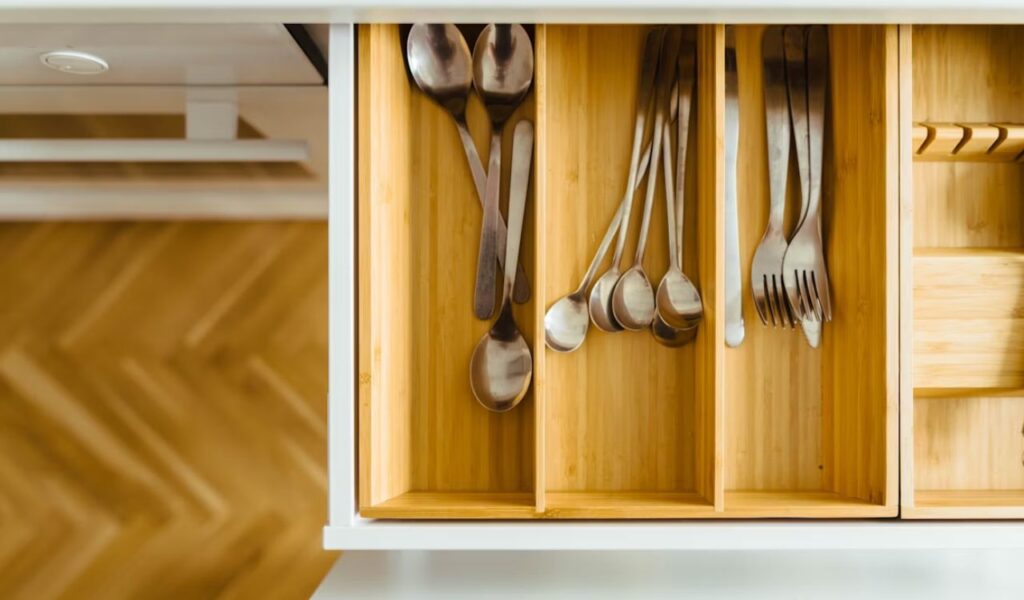
Beyond knives, the same principles apply to other utensils. Stewart suggests using deep drawers with adjustable dividers to separate spoons from ladles, whisks from peelers, and tongs from spatulas. The idea is to think vertically and in layers: the first layer holds the tools you use most often, the second layer stores backups or seasonal utensils, and the side compartments handle odd-shaped pieces like citrus zesters or meat thermometers. Well-chosen dividers turn one messy drawer into a highly functional space where every tool has a clear, predictable spot.
This method has advantages beyond freeing up counter space. When utensils are organized by type and frequency of use, your kitchen workflow becomes more intuitive. Instead of digging through a catch-all container, you reach directly into the drawer and come up with exactly what you need. It cuts down on search time and reduces interruptions during cooking. For larger tools that don’t fit neatly in standard drawers, Stewart recommends vertical pull-outs or pegboard interiors inside cabinets that let you hang items on the sides rather than stacking them. The emphasis is always the same: keep the counters open and move storage into areas that are still convenient but out of your immediate work zone.
How to Make This Work in Your Kitchen
Putting Stewart’s counter-clearing strategies into practice begins with a quick audit of your space. Go through your utensils and tools with a critical eye. Ask yourself which items you truly use every day and which ones were bought for occasional tasks. Daily tools should go into designated drawers with good organization, while occasional tools can go into cabinet shelves or vertical racks. Start by installing drawer dividers or trays that fit the dimensions of your drawers. These inexpensive additions create structure and make it easier to maintain order over time.
Next, look at your knife storage. If you have a countertop block, consider replacing it with a fitted drawer insert. Measure your drawer depth and width to ensure a proper fit, and position it near your main prep area so your movements in the kitchen are efficient. For other tools, try vertical pull-outs or door-mounted racks inside cabinets. These options keep items off counters but still within easy reach. The final step is maintenance: after every major cooking session, return each tool to its place instead of leaving it out. Over time, this builds a habit that keeps your counters free and your kitchen feeling calm rather than cluttered. With just a few intentional changes, you can transform even the tiniest kitchen into a highly functional space that feels bigger and more welcoming.
References
- The Genius Trick Martha Stewart Uses To Expand Counter Space In Tiny Kitchens – foodrepublic.com
- Martha Stewart’s Easy Trick For Keeping Kitchen Counters Clean & Organized – housedigest.com
- Martha Stewart’s Clever Knife Drawer Trick Solves a Problem Every Small Kitchen Has – homesandgardens.com