Why Whole Milk Is Making a Quiet Comeback in American Kitchens


Whole milk is quietly finding its way back into American kitchens after years of being pushed aside in favor of low-fat and skim options. What once seemed like settled nutrition advice is being reexamined as new research, shifting dietary guidelines, and changing consumer habits reshape how people think about fat and fullness. Schools are beginning to bring whole milk back onto lunch trays, families are rediscovering its taste and versatility, and policymakers are adjusting long-standing rules that once kept it off menus altogether. The comeback isn’t loud or flashy, but it reflects a broader change in how Americans balance nutrition, enjoyment, and practicality at the table.
The Quiet Return of Whole Milk
There’s been a noticeable shift in how Americans think about whole milk, and it’s showing up in surprising places. After decades in the nutritional doghouse, whole milk is moving back into everyday diets and even onto school lunch trays. Beginning in the early 2010s, low-fat and fat-free milks became the norm in public nutrition programs, but recent policy changes and evolving public opinion have opened the door for full-fat dairy’s revival. This quiet comeback reflects a broader reexamination of how dietary fats fit into a balanced eating pattern, and it’s gaining momentum both at home and across public institutions.
One of the most visible signs of this shift is that whole milk sales have risen, and discussion around its health impacts has moved away from blanket warnings about fat content. New national dietary guidelines recommend including full-fat dairy as part of a healthy diet, emphasizing that not all saturated fats are equal and that nutrients like calcium and protein remain consistent regardless of fat level. These changes dovetail with grassroots consumer trends favoring more natural, less processed foods, which has helped restore whole milk’s reputation from something old-fashioned to something sensible again in many kitchens.
How Low-Fat Milk Took Over

For decades, the mainstream narrative in American nutrition centered on reducing dietary fat, especially saturated fat. That mindset was codified in the Healthy, Hunger-Free Kids Act of 2010, which gave the USDA authority to set school lunch nutrition standards and ultimately led to regulations that removed whole milk from public school menus in favor of skim and low-fat options. The policy was rooted in concerns that too much saturated fat contributed to rising rates of obesity and heart disease, so children older than 2 were advised to consume only low-fat or fat-free dairy products.
In practical terms, this meant that for more than a decade, students participating in the National School Lunch Program saw mostly skim or 1 percent milk with lunch. That approach became so entrenched that whole milk’s absence from school cafeterias became commonplace, and many families simply didn’t see or drink it regularly. The emphasis on low-fat options influenced consumer buying habits as well, reinforcing a perception that whole milk was a less healthy choice. This period largely defined American milk consumption patterns, even as new research began to question the strength of the link between dairy fat and adverse health outcomes.
The Policy Push Bringing It Back
That long era of low-fat dominance is now giving way to a new policy landscape. In January 2026, President Donald Trump signed the Whole Milk for Healthy Kids Act, a bipartisan law that reverses the earlier restrictions by allowing schools to serve whole and 2 percent milk alongside low-fat and fat-free options in the National School Lunch Program. This legislation effectively gives districts the flexibility to offer milk that many families prefer and that children are more likely to drink, reducing waste and potentially improving nutrition. It also aligns with the 2025-2030 Dietary Guidelines for Americans, which for the first time explicitly support full-fat dairy products as part of a balanced diet.
Supporters of the law include lawmakers from both parties, dairy industry groups, and nutrition advocates who argue that the previous ban was outdated and did not reflect current scientific understanding. The act also permits nondairy alternatives that meet nutrition standards, offering a broader choice for families. While logistics such as cost and supply adjustments remain challenges for implementation, this policy shift is a landmark moment in the comeback of whole milk, bringing it back into institutional settings where eating habits are shaped and signaling broader acceptance of full-fat dairy in American nutrition policy.
What Nutrition Science Now Suggests
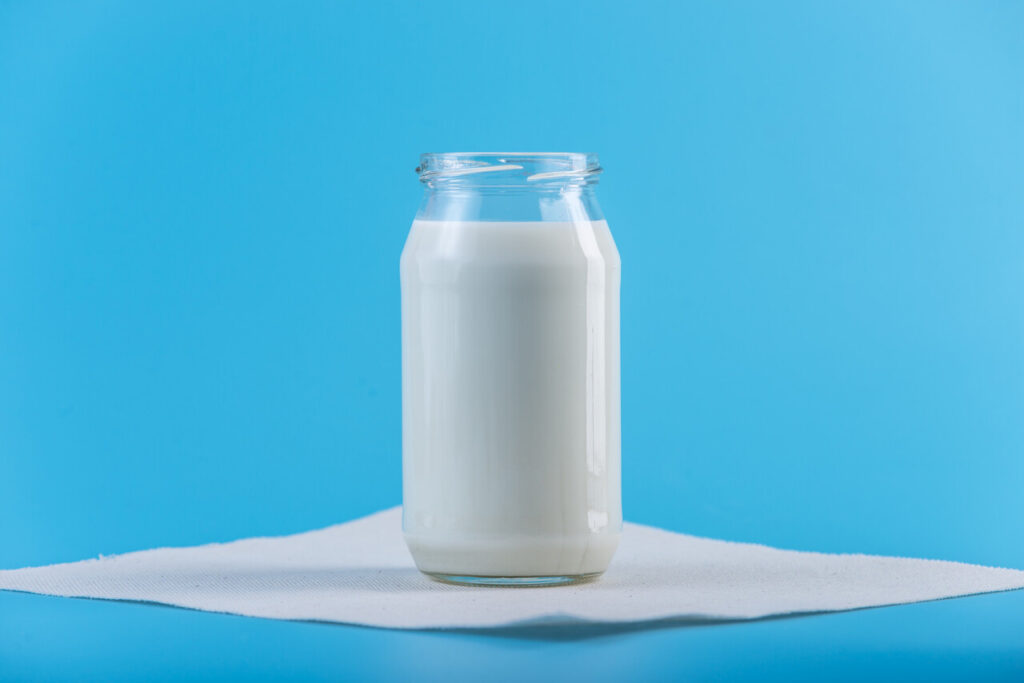
Behind the policy change is a growing body of research and debate about the role of dietary fats in health. Historically, concerns about saturated fat led to recommendations for fat-free or low-fat dairy. More recent studies, however, suggest that dairy fat may not have the negative cardiovascular effects once assumed, and may even be neutral or beneficial in certain contexts. For example, whole milk contains essential nutrients such as calcium, vitamin D (often added through fortification), and protein, all of which are important for bone health and growth. Some research indicates that children who drink whole milk might have a lower risk of being overweight compared with those who consume lower-fat milks, though the relationships are complex and not fully understood.
Experts also note that the same amount of protein and most micronutrients are present in whole, low-fat, and fat-free milk, so the discussion is often about how fat influences energy intake, satiety, and nutrient absorption. Full-fat dairy can be more satisfying, potentially reducing overall calorie consumption by helping people feel full longer. As a result, nutrition science is moving toward a more nuanced view that recognizes individual dietary needs and the importance of overall dietary patterns rather than isolating fat content as inherently good or bad.
What This Means for American Kitchens
Institutionally, the shift in schools may influence long-term dietary habits for millions of children who participate in federal lunch programs, making whole milk a familiar option rather than a niche choice. Dairy demand patterns may shift as well, with potential impacts on the broader market. For dairy farmers and processors, whole milk’s return could mean stronger fluid milk sales and better utilization of milkfat that might otherwise go into lower-value products. Overall, the comeback of whole milk reflects changing views on diet, fat, and nutrition, and points to a more flexible approach to dairy that accommodates personal preference and evolving science.
References
- Whole Milk Is Back in Schools – modernstoneage.com
- Why Trump is Bringing Whole Milk Back to the School Cafeteria – medium.com
- Why Whole Milk Is Making a Comeback – edairynews.com