7 Store-Bought Staples That Have Been Quietly Fooling Shoppers

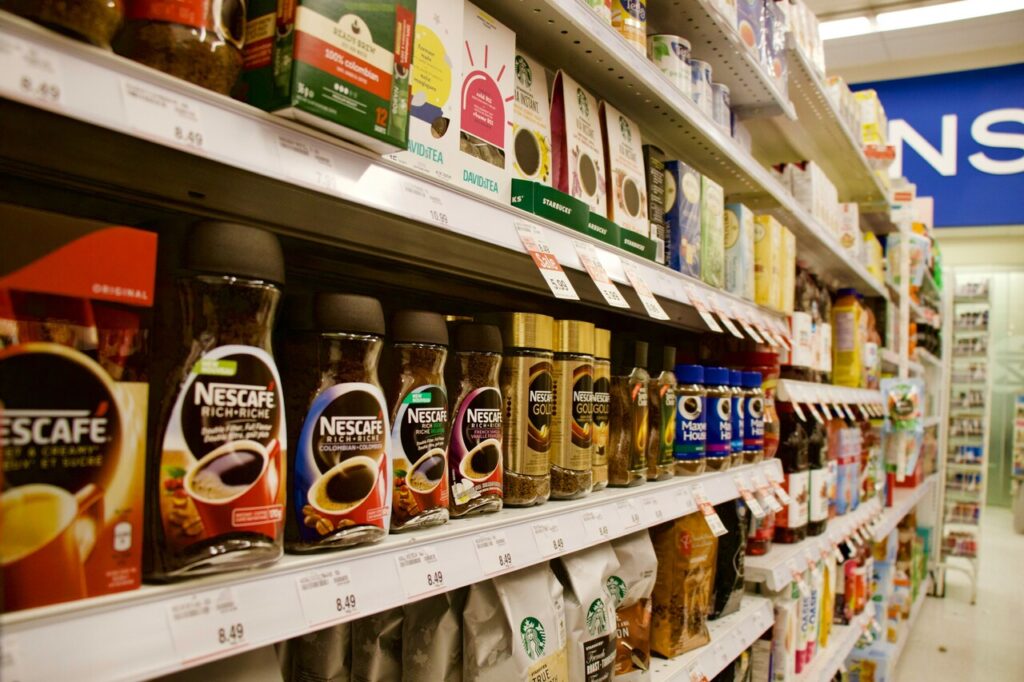
Some store-bought staples “fool” shoppers in quiet, predictable ways: the package stays familiar, but the value shifts. Net weight drops while bag size looks the same, piece counts change inside candy packs, and cereal boxes stay tall even as ounces shrink. Paper goods hide cuts behind “mega” labels, sauces disguise lower volume with new bottle shapes, and multipacks reduce total ounces while selling convenience. Pre-cut produce and deli trays add pricey labor and packaging, and shredded cheese can cost more per ounce while melting worse. The fix is simple: read net weight, compare unit price, and watch serving counts.
1. Family Size Chips
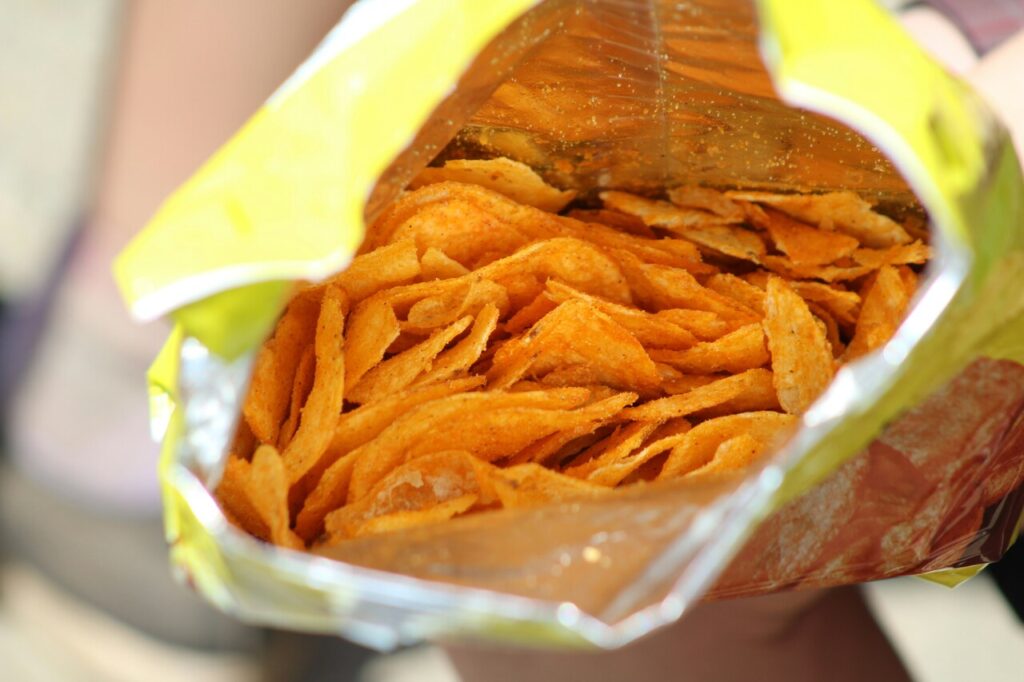
Family size chips fool shoppers because the bag looks generous even when the net weight quietly drops. Chip packaging is mostly air by design, which protects fragile chips from crushing, but it also makes small size changes hard to notice. A bag can keep the same height and width while containing fewer ounces, especially if the internal fill line shifts slightly. Many shoppers judge value by the visual footprint on the shelf rather than the net weight printed in small text. Price tags rarely highlight weight changes, so the real signal is unit price, cost per ounce, which is easy to skip when shopping fast. Chips also encourage habit buying.
2. Chocolate and Candy Bags
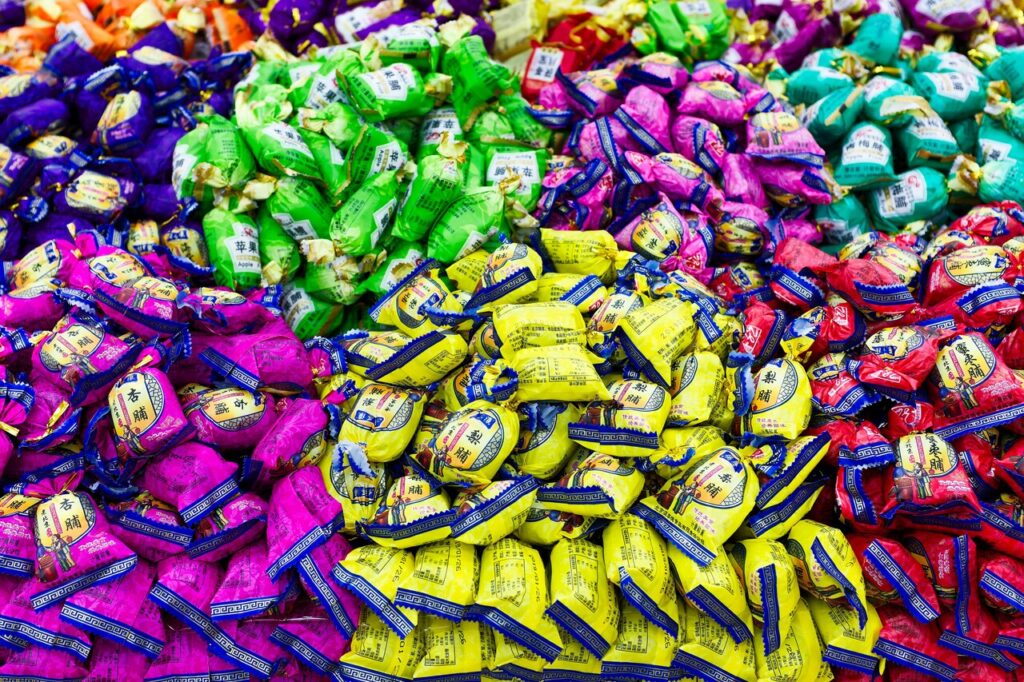
Chocolate and candy bags can quietly fool shoppers because the packaging often stays visually identical while the amount inside changes. Manufacturers can reduce net weight, shrink the number of pieces, or slightly alter piece size without redesigning the bag. Since candy is usually bought as an impulse treat, most people are not doing math in the aisle. They see a familiar brand and assume the value is unchanged. Another reason this works is that candy portions are already small, so a minor reduction does not look dramatic when poured into a bowl. The price-per-ounce increase shows up clearly only when comparing unit pricing or reading net weight carefully.
3. Ice Cream Pints and Frozen Treats
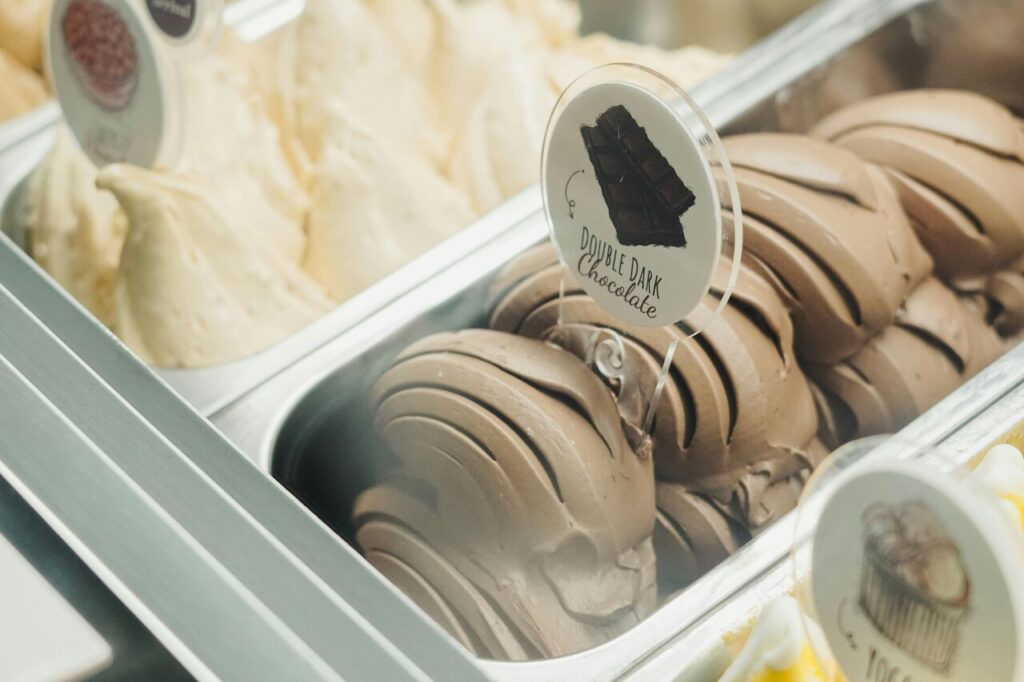
Ice cream pints and frozen treats are an easy category for quiet confusion because packaging and labeling use volume and servings in ways most shoppers do not compare. Containers may look like traditional pint shapes even when the actual volume is less than a true pint. Products with more incorporated air can feel lighter, and a container can appear full while delivering fewer dense spoonfuls. Serving sizes on labels can make comparisons harder because they break a tub into multiple servings that few people measure. Frozen packaging tends to be consistent across brands, so shoppers rely on memory rather than reading details.
4. Breakfast Cereal Boxes
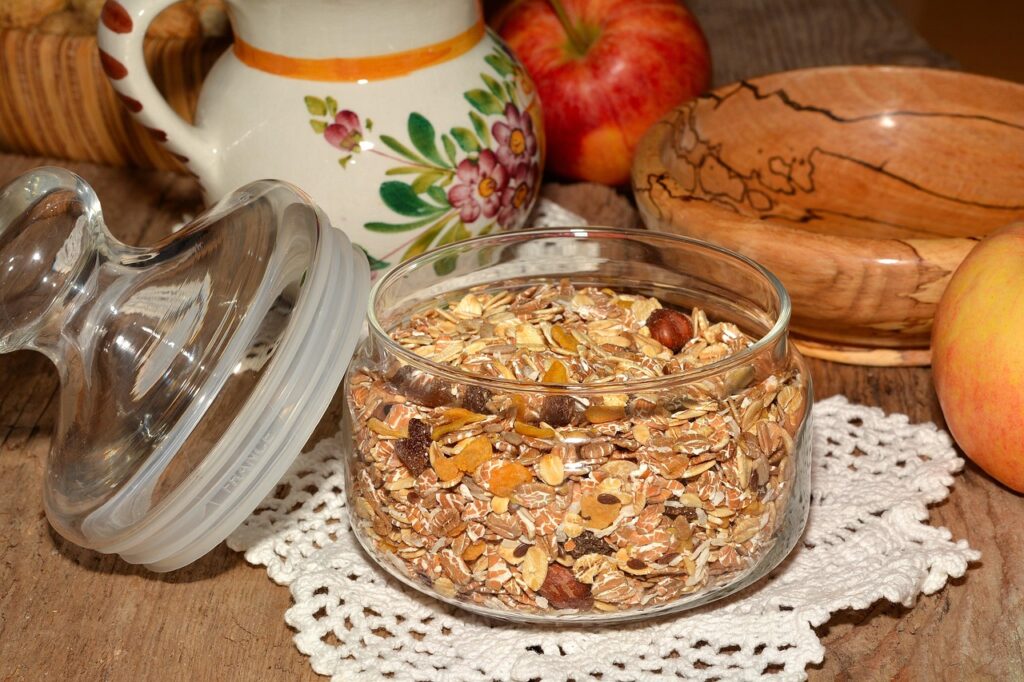
Cereal boxes fool shoppers because the box is designed for shelf presence, not honest volume. A tall, wide box signals value, yet cereal is measured by weight, and the weight can drop without changing the box shape much. The inside bag can be smaller, or the cereal pieces can be slightly lighter, and the shopper still sees the same familiar carton. Cereal also settles during shipping, which means the visual level inside the bag is not a reliable indicator. Many people do not compare the net weight printed near the bottom because it is not the focus of the package design. The unit price tells the true story, but it is easy to skip when scanning a busy shelf.
5. Paper Goods Sold as Mega Rolls
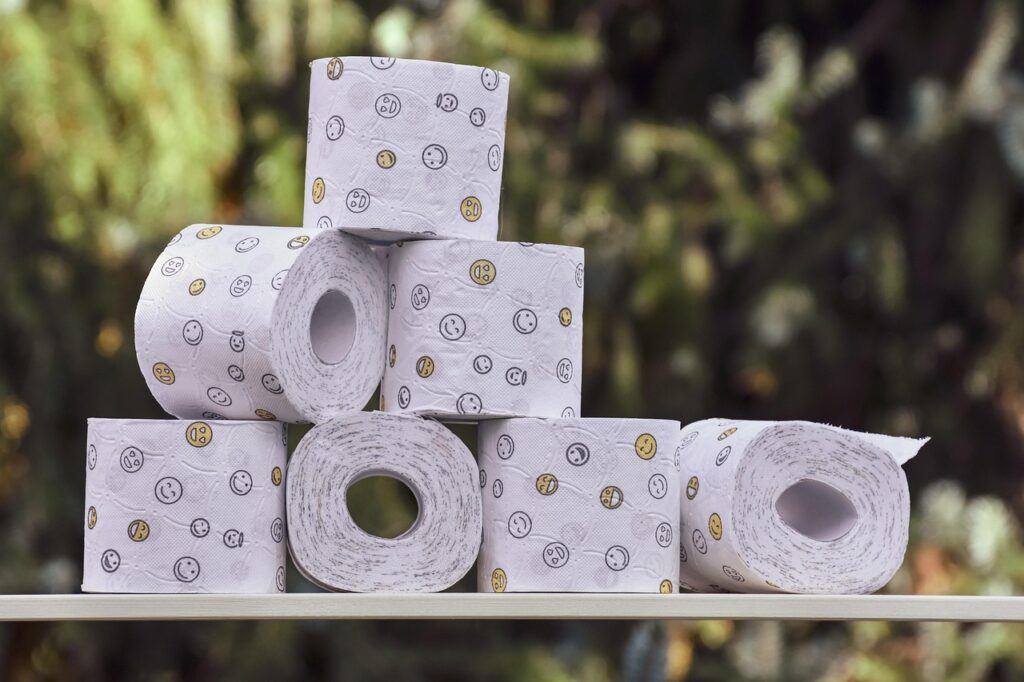
Mega rolls fool shoppers because the naming system is marketing, not measurement. Terms like mega, double, and triple are not standardized across brands, so a mega roll from one brand can have fewer sheets than a regular roll from another. Packaging often emphasizes the roll count and the label name, while sheet count and square footage appear in smaller text. Another reason this works is that paper goods are bulky, so the package looks like a big purchase even when the actual usable amount is lower. Small reductions in sheet count are hard to notice at home because usage is gradual, and most people are not tracking how long a pack lasts.
6. Pre-Cut Produce and Fruit Cups
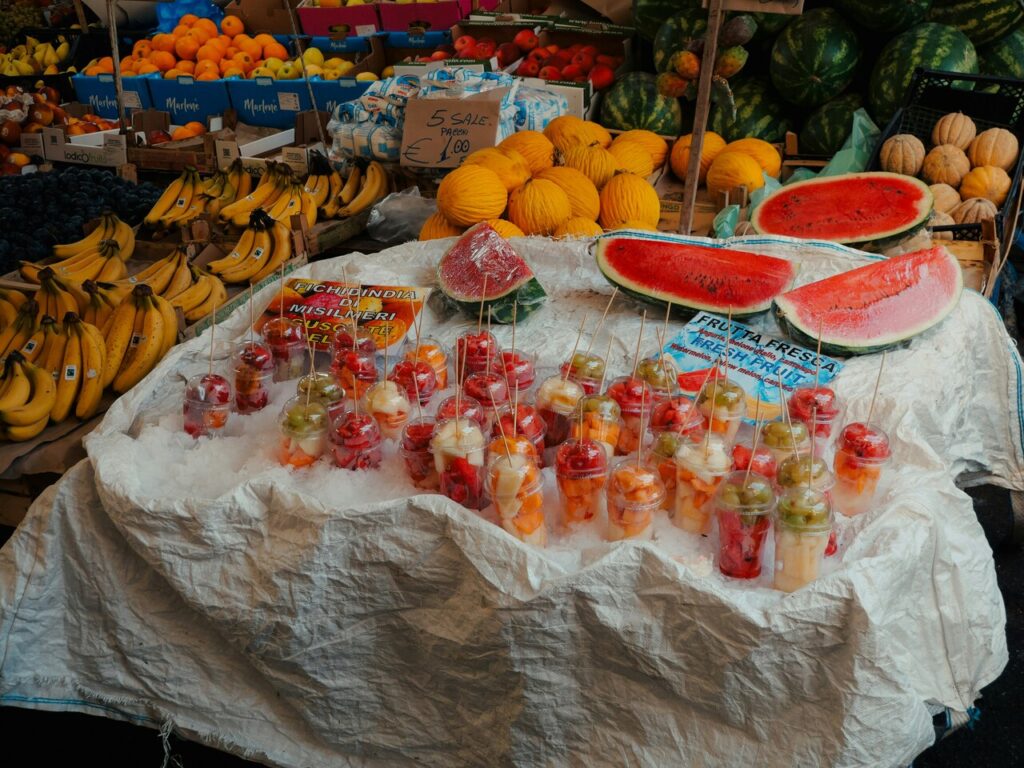
Pre-cut produce and fruit cups fool shoppers because convenience hides the true cost. The markup often comes from labor, packaging, and waste, not from better ingredients. Once produce is cut, shelf life shortens because exposed surfaces lose moisture and are more vulnerable to spoilage. That means more risk of paying a premium and then throwing part of it away. Quantity is also harder to judge because containers can be designed to look full even when the actual weight is modest. Another quiet cost is that pre- cut options may include less desirable parts, smaller pieces, or variable ripeness.
7. Shredded Cheese
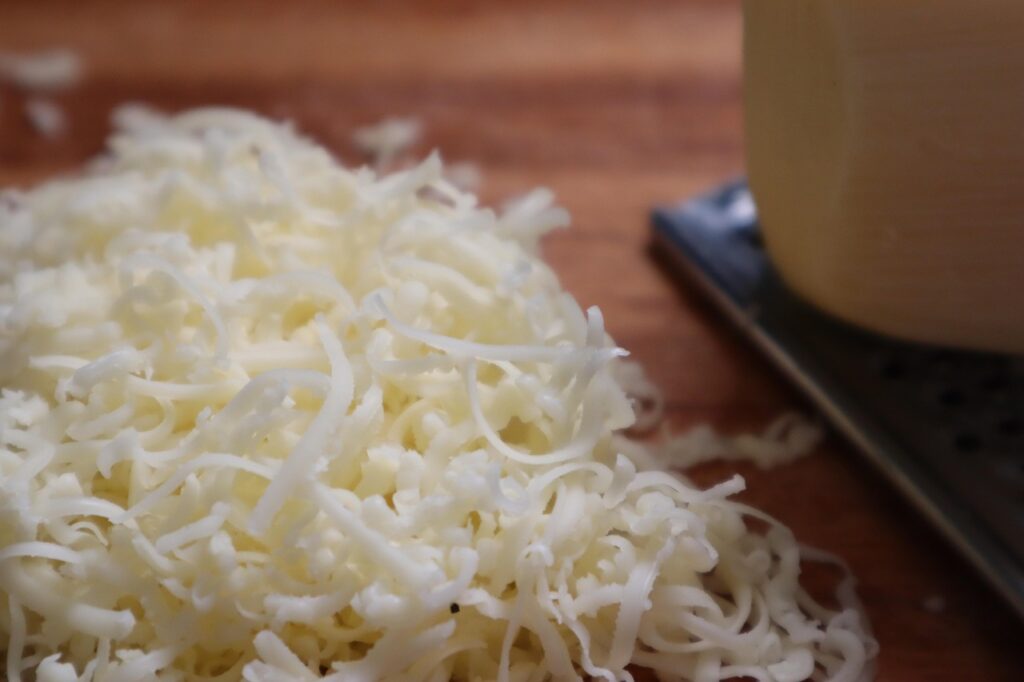
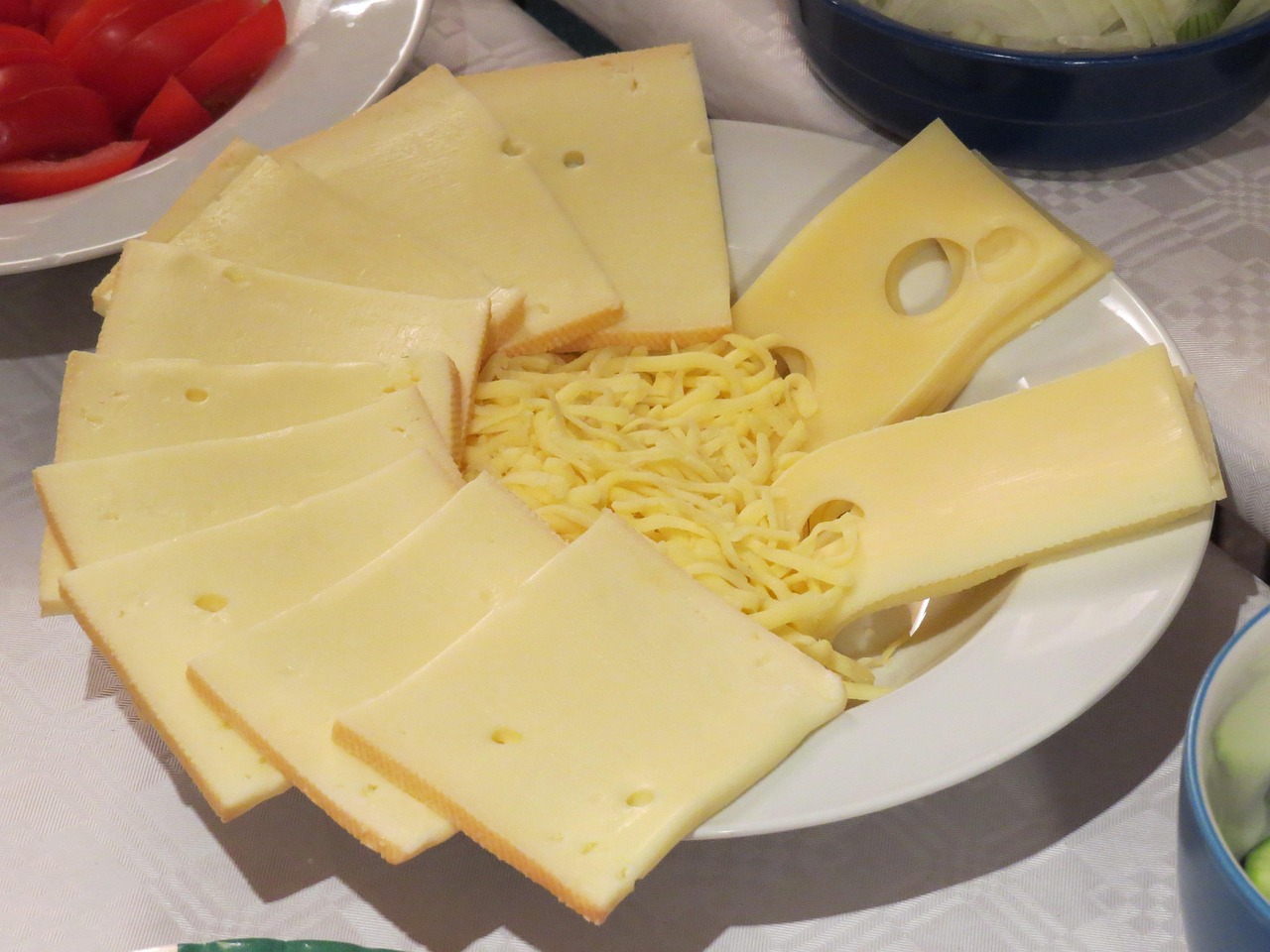
Shredded cheese feels like a shortcut, but it often fools shoppers on value and performance. It typically costs more per ounce than buying a block and shredding it at home. The higher price reflects processing and packaging, yet the actual cheese quality is not necessarily better. Another issue is texture. Many shredded cheeses include anti-caking agents to prevent clumping, which can affect how the cheese melts. That matters in dishes like sauces, grilled sandwiches, or casseroles, where smooth melt is the goal. Bag sizes can also shrink subtly because people shop by habit and recognize the bag more than the net weight.