11 Everyday Dishes That Taste Way Better When You Add Onions

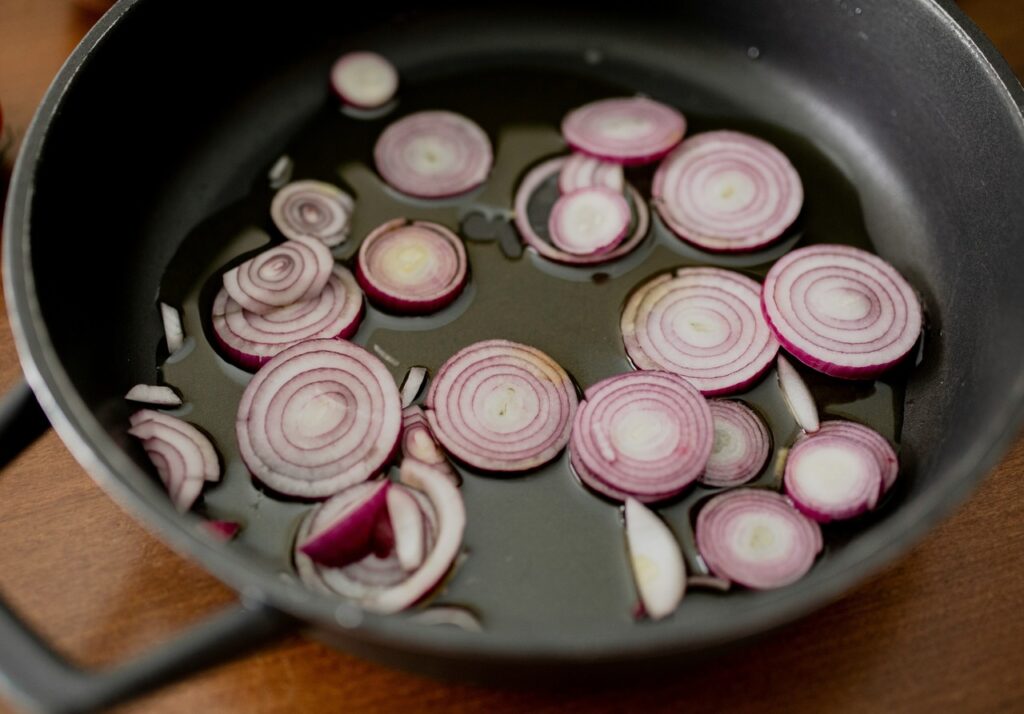
Onions rarely get credit, yet they are the quiet upgrade that makes ordinary meals taste layered and complete, because heat coaxes out sweetness, browning builds savory depth, and even a small handful can sharpen balance by cutting richness or lifting bland starches. Caramelized onions bring jammy sweetness, sautéed onions add mellow body, raw onions add snap and freshness, and each form plays a different role across soups, pastas, tacos, and more, turning simple cooking into food that tastes intentional.
1. French Onion Soup
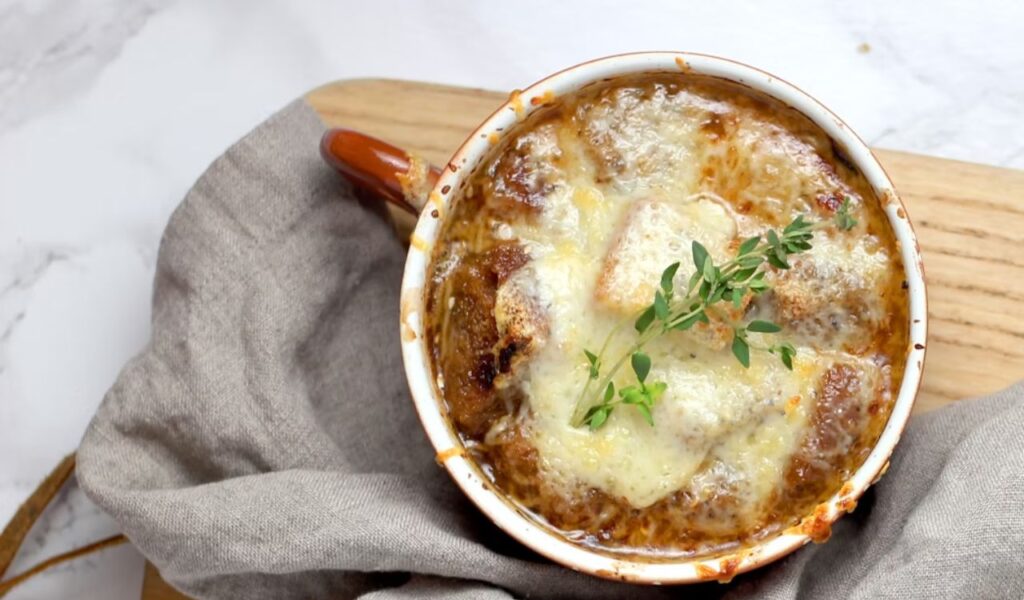
Patience turns a sharp onion into sweetness, and that slow transformation is exactly why this soup tastes flat without the pile of onions that practically melts into the broth, because caramelization breaks down onion sugars while building deeper roasted notes that mimic a long-simmered stock even before the stock gets a chance to show off. Sliced onions release water first, then begin browning once that moisture cooks off, and that browning creates hundreds of aroma compounds that read as savory, toasty, and richer than the ingredient list suggests. The final layer, usually bread and cheese, works because onions deliver the deep base.
2. Caramelized Onion Pasta
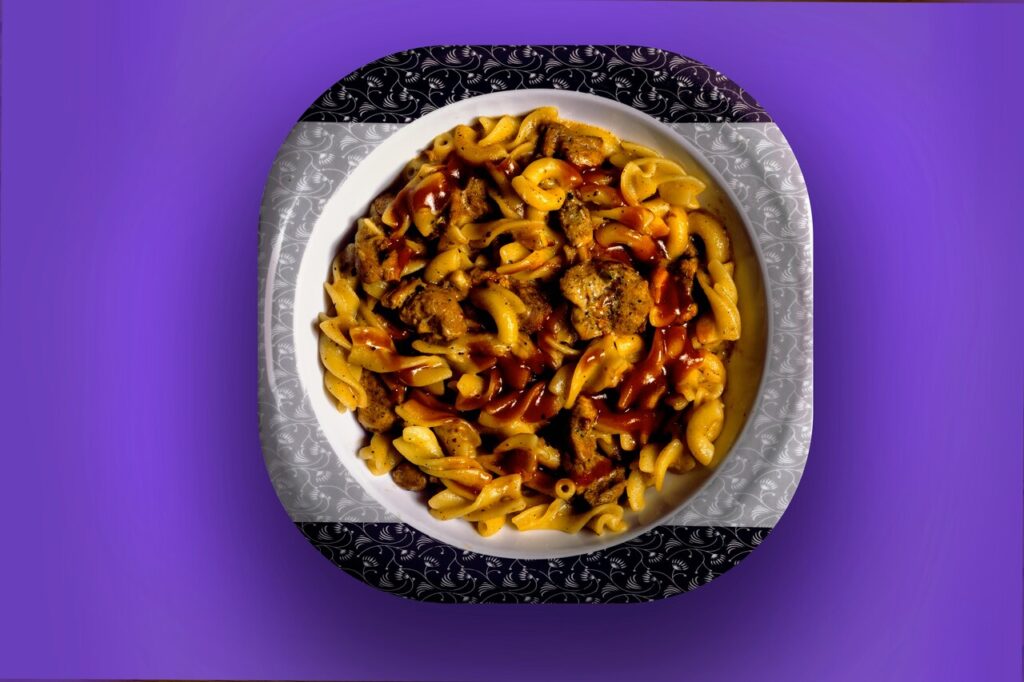
A bowl of pasta can taste like a full sauce even when the “sauce” is just onions cooked until jammy, because onions supply sweetness, savoriness, and a silky texture once they collapse into strands and paste that clings to noodles. During caramelization, water evaporates, sugars concentrate, and browned bits form on the pan, and those bits dissolve with pasta water or a small splash of stock, creating a glossy coating that feels luxurious without needing cream. Onions also balance salty elements like Parmesan, anchovies, olives, or cured meats, since their sweetness rounds harsh edges and makes the whole dish taste more layered.
3. Baked Vidalia Onions
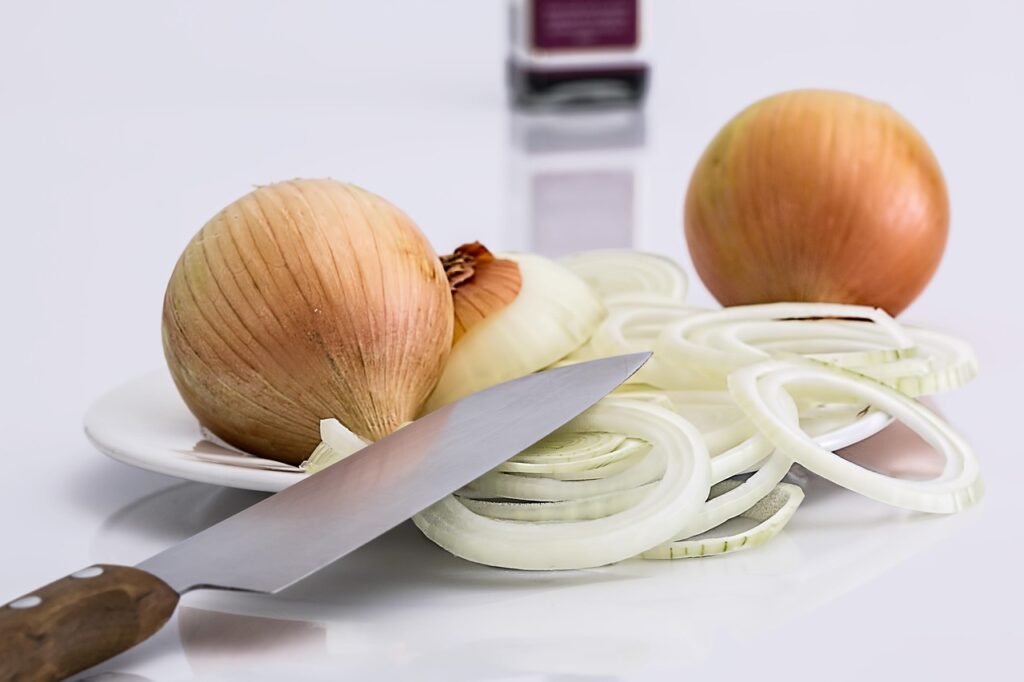
An onion can behave like a side dish and not just a background flavor, especially when a sweet variety like Vidalia gets baked until tender, because the oven concentrates sweetness while softening harsh sulfur notes that usually make raw onion feel sharp. Heat breaks down cell walls, so the onion turns spoon-tender and releases juices that mingle with butter or oil, creating a naturally flavored pan sauce that tastes deeper than it should for something so simple. As the onion roasts, outer layers brown slightly and develop savory notes, while inner layers become silky and almost custardy, which makes each bite feel more substantial.
4. Crispy Fried Onion Rings
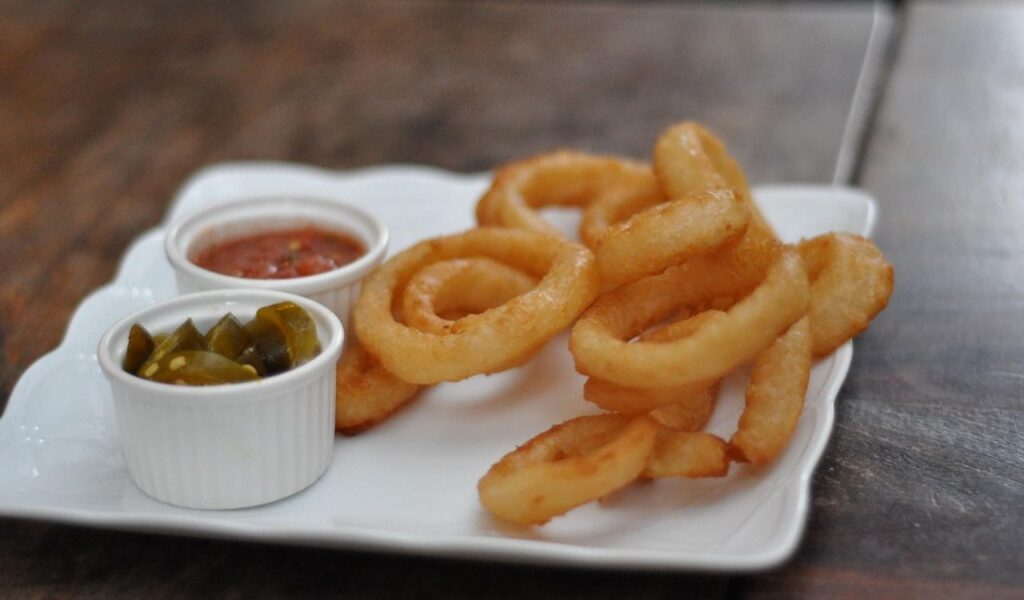
Crunch is a flavor amplifier, and onion rings prove it by turning a mild allium into something that tastes louder, sweeter, and more satisfying, because frying drives off moisture quickly while browning the coating, which adds toasted aromas that register as savory and rich. Onions themselves contribute sweetness that becomes more noticeable when heat tames their bite, and that sweet center contrasts with the salty crust in a way that makes simple plates, burgers, and sandwiches taste more complete. Batter and breading also matter, as many great versions rely on cold batter, hot oil, and minimal overcrowding to keep texture snappy.
5. Creamed Pearl Onions
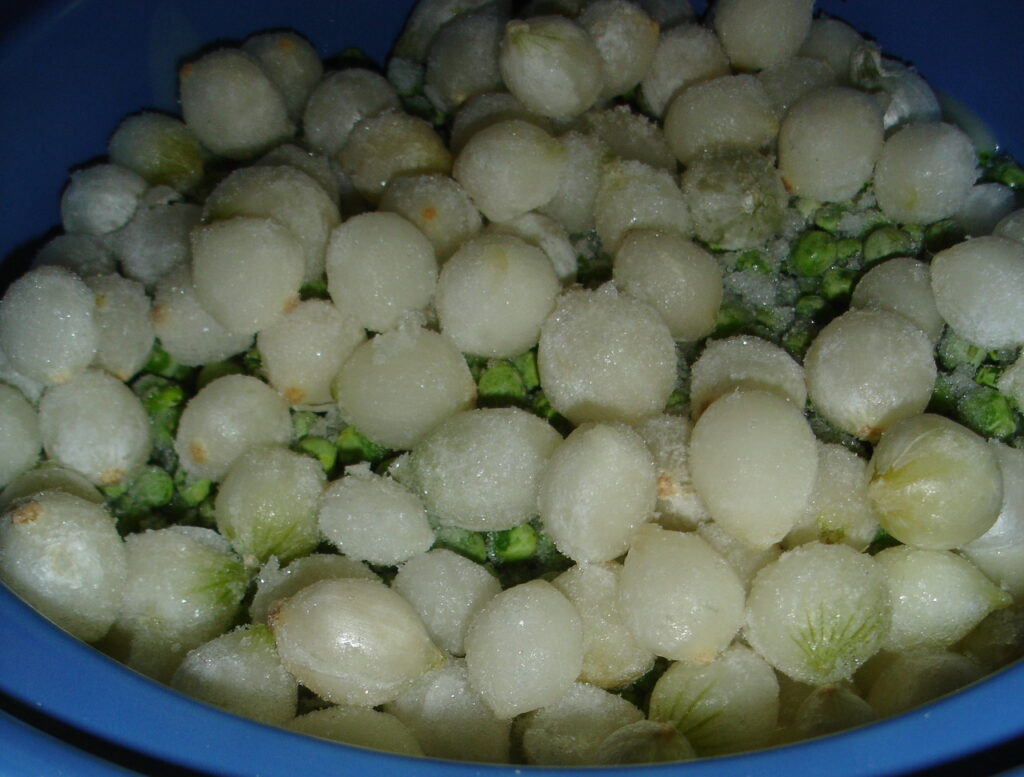
Cream sauces can taste one-dimensional if nothing cuts through the richness, and pearl onions solve that problem while still keeping the dish gentle, because their mild sweetness and subtle bite add contrast without overpowering the dairy. When cooked properly, pearl onions become tender but hold their shape, so the texture stays interesting, and each little onion acts like a pop of flavor that breaks up the smoothness of cream. Onions also bring aroma, which makes the sauce taste fuller even if the ingredient list is short, and that effect is especially noticeable when paired with butter, nutmeg, and black pepper.
6. Chorizo Smash Breakfast Taco

Spicy breakfast fillings can taste harsh if nothing softens the edges, and caramelized onions do that smoothing work while adding their own depth, because their sweetness balances chile heat and their browned notes echo the meat’s seared, smoky flavor. Chorizo brings fat and spice, eggs bring softness, and onions bridge both by adding a jammy layer that feels like a built-in sauce, especially when the onions are cooked until deeply golden and slightly sticky. Even a small spoonful changes the flavor shape: heat still shows up, which is why onions often make simple breakfast tacos taste like something from a busy brunch kitchen.
7. Bacon, Egg, and Cheddar Biscuit Sandwich
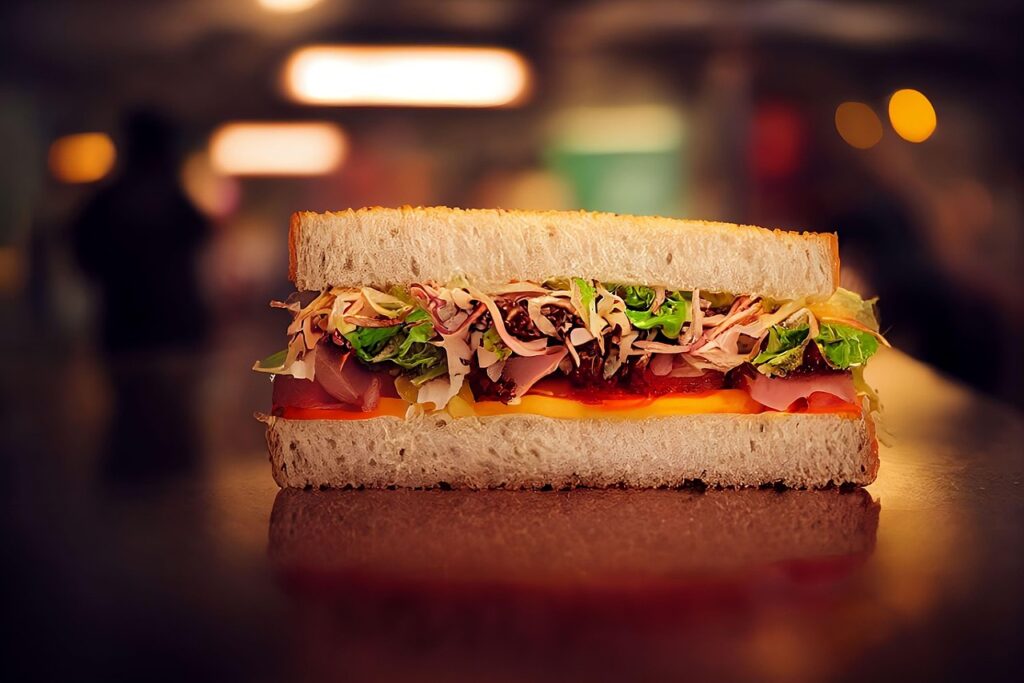
A biscuit sandwich can lean salty and heavy, and onions bring the missing brightness and sweetness that keeps it from tasting like pure richness, because caramelized onions add a soft, jammy contrast that connects smoky bacon, fluffy egg, and sharp cheddar in one coherent bite. Bacon delivers intense salt and fat, cheddar adds tang and depth, and onions add sweetness plus roasted aroma, which makes the cheese taste nuttier and the egg taste more savory. Texture is part of the upgrade too: a biscuit is tender and crumbly, and onions add moisture without making the sandwich soggy when used in a concentrated, cooked-down form.
8. Breakfast Veggie Bowl
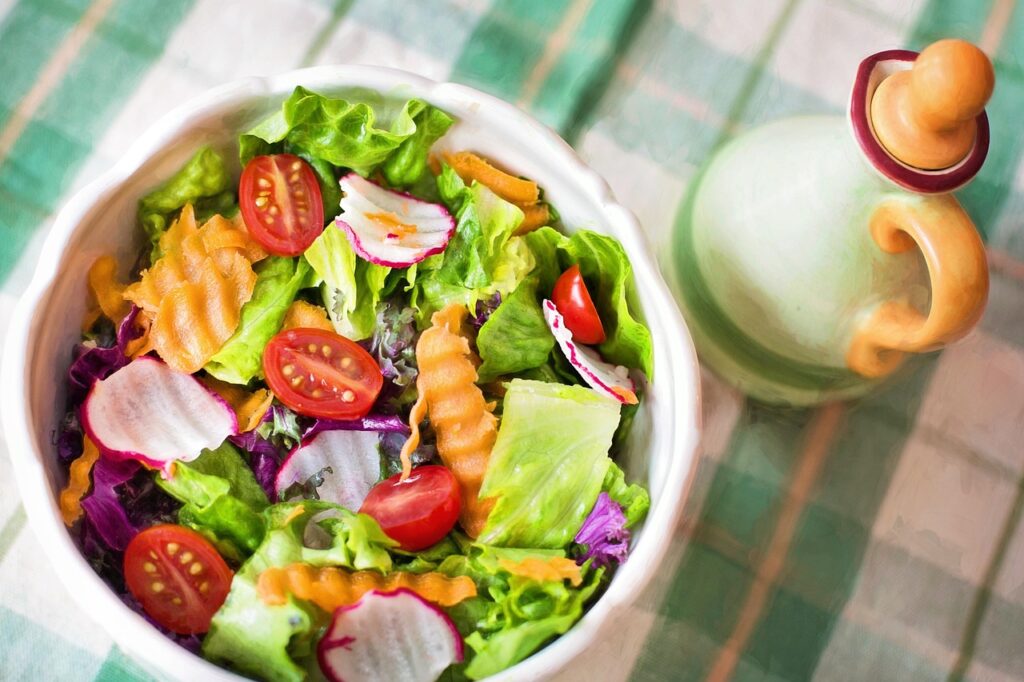
Vegetable bowls can taste worthy but bland if the base flavors are weak, and caramelized onions fix that fast by adding depth and sweetness that makes greens and grains feel more satisfying, because onions create roasted notes that mimic slow-cooked flavor even in a simple bowl. Leafy greens and roasted vegetables often need a bridge ingredient that ties them to eggs, beans, or grains, and onions do that by adding aroma and a gentle sweetness that reduces bitterness. They also help with perceived richness, since browned onion flavor reads as hearty even without extra fat, which makes bowls taste fuller while still staying light.
9. Burgers

A burger’s main flavor is meat, but onions make that meat taste more like itself, because onions add sweetness, moisture, and savory aroma that highlight browned beef notes rather than covering them. When onions are caramelized, they turn into a jammy topping that balances salty cheese and smoky char, and when onions are grilled or sautéed quickly, they keep a little bite that adds contrast to soft buns and melted cheese. Onions also help with mouthfeel: cooked onions bring moisture that can make a lean burger feel juicier, while their natural sugars intensify as they brown, creating a sweet-savory note that reads as umami to many palates.
10. Flatbreads and Pizzas
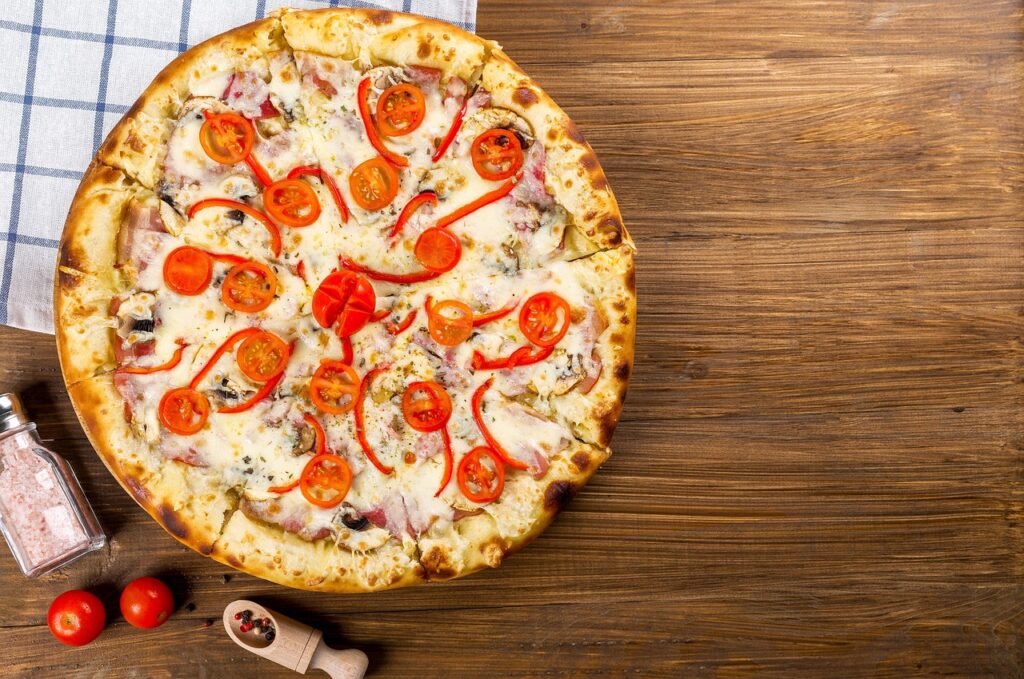
Cheese and bread can handle bold toppings, but onions often become the topping that makes everything else taste clearer, because heat turns onions sweet and fragrant while their moisture helps carry flavors across the surface of the crust. As onions bake, their sugars concentrate and their edges brown, creating a sweet-savory note that complements salty cheese and cured meats, while also balancing acidic tomato sauce so the bite feels less sharp. Onions also add texture variety, since thin slices can crisp at the tips while thicker pieces stay tender, which makes a simple flatbread feel more dynamic.
11. Loaded Mashed Potatoes
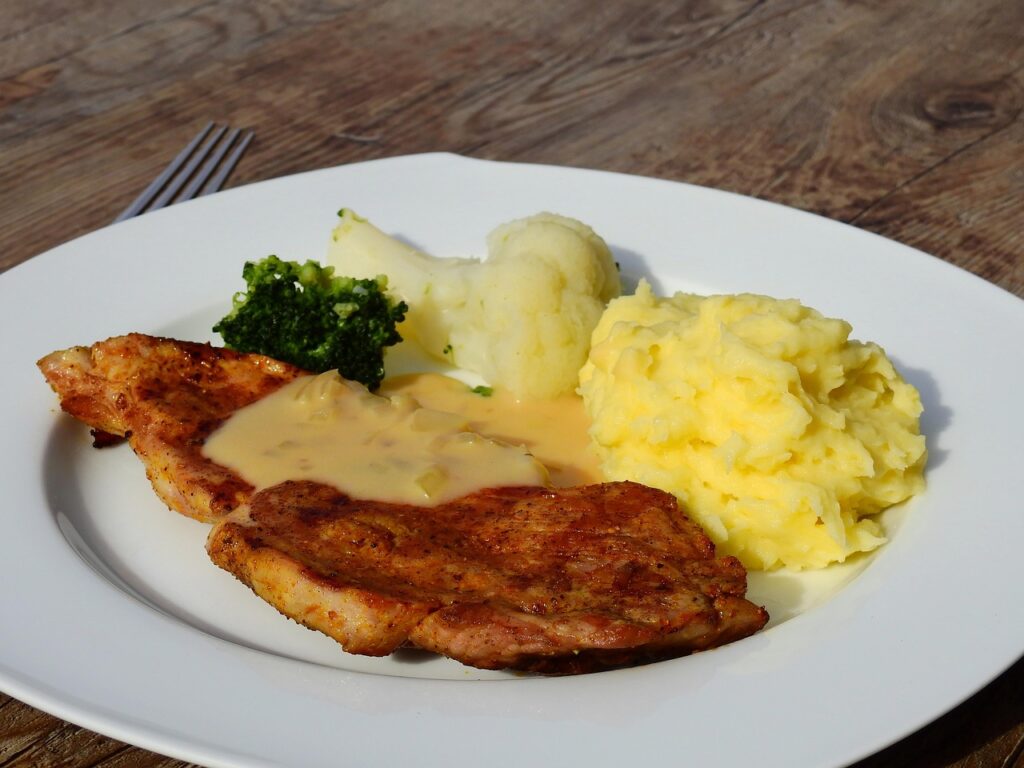
Mashed potatoes are rich and comforting, yet they can taste muted if everything is soft and creamy, and onions add the contrast that brings the bowl to life, because their aroma makes butter and dairy taste more pronounced while their bite adds structure. Green onions, chives, or finely chopped scallions add a fresh onion snap that cuts through fat, and that freshness prevents the dish from feeling heavy even when cheese, sour cream, or bacon is involved. Cooked onions can work too, especially caramelized onions stirred in or spooned on top, since they add sweetness and roasted depth that pairs naturally with potatoes. Onions also make seasoning feel more complete: salt tastes sharper, pepper feels warmer, and the whole mash tastes more “built” rather than just mashed, which is why a simple sprinkle of onions can make everyday mashed potatoes taste restaurant-level.