8 Frozen Meals That Promise a Restaurant Experience but Miss Something Important


Frozen meals have come a long way, with many brands promising restaurant-quality dishes that can be ready in minutes. The packaging often shows beautifully plated pasta, sizzling stir fry, or perfectly layered burgers that look just like something served in a dining room. While these meals offer convenience and familiar flavors, the cooking methods behind them are very different from those used in restaurants. Freezing, storage, and microwave reheating can change texture and balance in subtle ways. The result can be satisfying, but sometimes a key element of the restaurant experience is missing.
1. Benihana Hibachi Chicken Rice
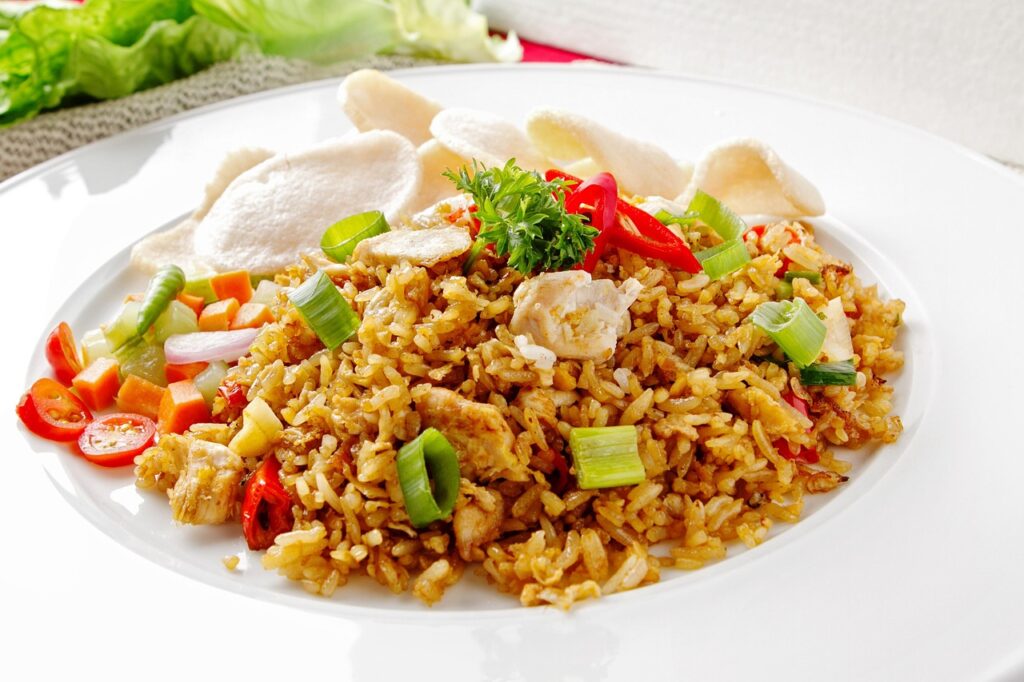
Few frozen meals promise a restaurant-style experience quite like hibachi chicken rice inspired by Japanese steakhouses. The packaging usually shows grilled chicken, vegetables, and fried rice arranged neatly on a plate, suggesting the sizzling flavors of a hibachi grill.
The real difference lies in how hibachi cooking works. In restaurants, the dish is prepared on a very hot flat grill where the ingredients cook quickly while absorbing smoky flavors from the surface. This high heat creates caramelization that adds depth to the taste.
Frozen versions cannot recreate that process. The chicken and rice are pre-cooked and reheated in a microwave or oven, which limits the development of those grilled flavors.
2. White Castle Original Sliders
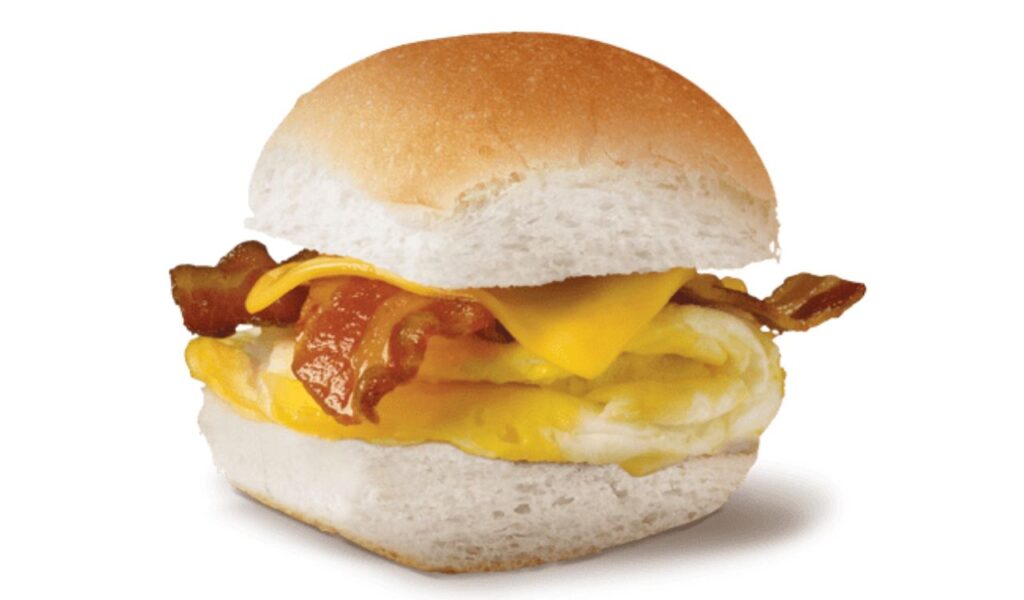
White Castle sliders have a strong reputation as a classic fast food favorite. Their small size and distinctive flavor have made them popular for decades, and frozen versions aim to capture that experience at home.
In the restaurant, sliders are cooked fresh on a grill and served immediately. The buns absorb steam from the onions and meat, creating a soft texture that defines the sandwich. This balance of heat, moisture, and timing is difficult to reproduce once the burger is frozen.
When reheated from frozen, the bun can become too soft, while the patty may lose some of its original flavor. The ingredients remain recognizable, but the fresh preparation that defines the restaurant version is difficult to replicate in a packaged meal.
3. Marie Callender’s Orange Chicken Bowl
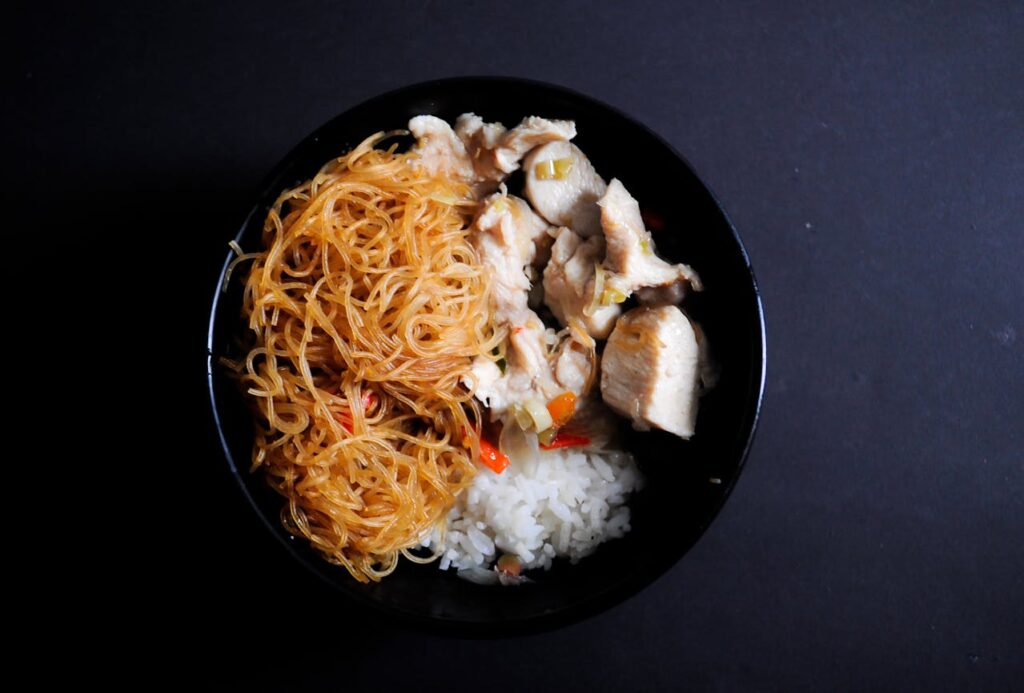
Orange chicken bowls often promise the sweet and savory flavors associated with restaurant-style Asian cuisine. The combination of crispy chicken pieces and tangy sauce is meant to resemble dishes served in casual dining restaurants.
In frozen meals, however, the cooking process changes the texture of the chicken. Breaded pieces that were once crisp can soften during freezing and reheating. Even when heated carefully, the coating rarely returns to the same crunch found in freshly cooked versions.
The sauce can also taste different. Frozen meals often rely on sweeter sauces that remain stable during storage. While the flavor is still familiar, it may feel less balanced compared with freshly prepared orange chicken dishes.
4. TGI Fridays Cajun Chicken Fettuccine Alfredo
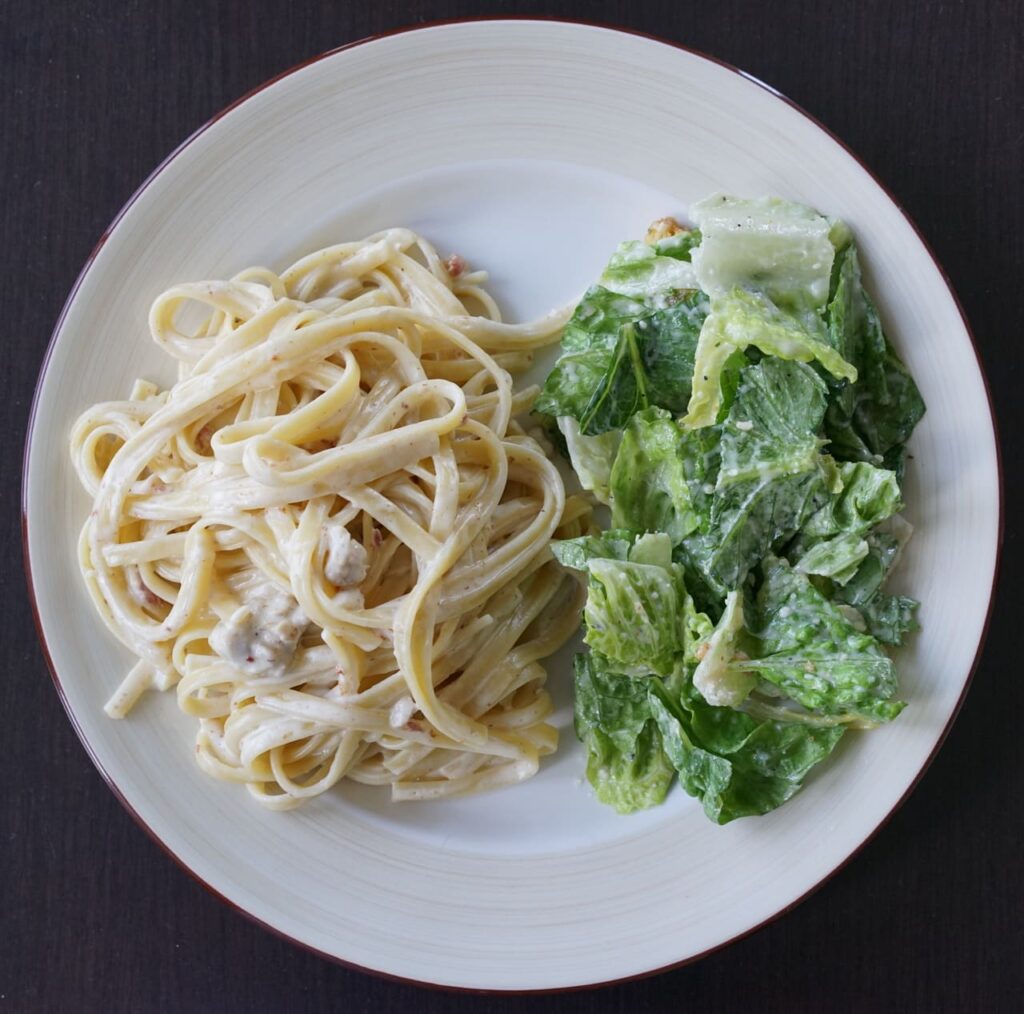
Creamy pasta dishes are a staple of many restaurant menus, and Cajun chicken fettuccine Alfredo is no exception. The frozen version aims to deliver tender chicken and pasta coated in a rich Alfredo sauce.
One challenge comes from the way pasta reacts to freezing and reheating. Freshly cooked pasta has a firm texture that holds sauce well. Once frozen and microwaved, it can become softer than intended.
The sauce can also lose some of its original richness. Restaurant Alfredo sauces rely on butter, cream, and cheese blended at the moment of cooking. Frozen versions are designed to remain stable in storage, which can slightly change the flavor and texture.
5. Boston Market Country Fried Beef Steak
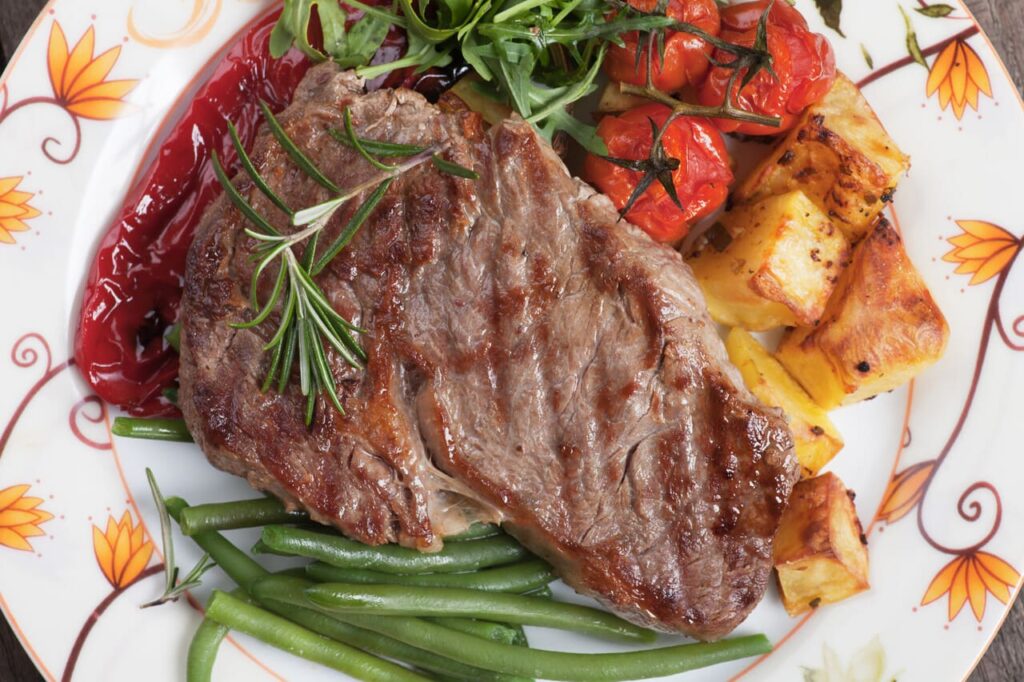
Country-fried steak is known for its crispy breading and hearty gravy. The dish often appears on restaurant menus as a comforting meal with mashed potatoes and a thick sauce.
The difficulty with frozen versions lies in the breaded coating. In restaurants, the steak is fried shortly before serving, which keeps the crust crisp. Freezing introduces moisture that softens the breading.
When reheated, the coating may lose its crunch while the gravy thickens further. The dish still delivers the familiar flavors of fried steak and sauce, but the crisp texture that defines the restaurant version can be difficult to maintain.
6. P.F. Chang’s Chicken Lo Mein
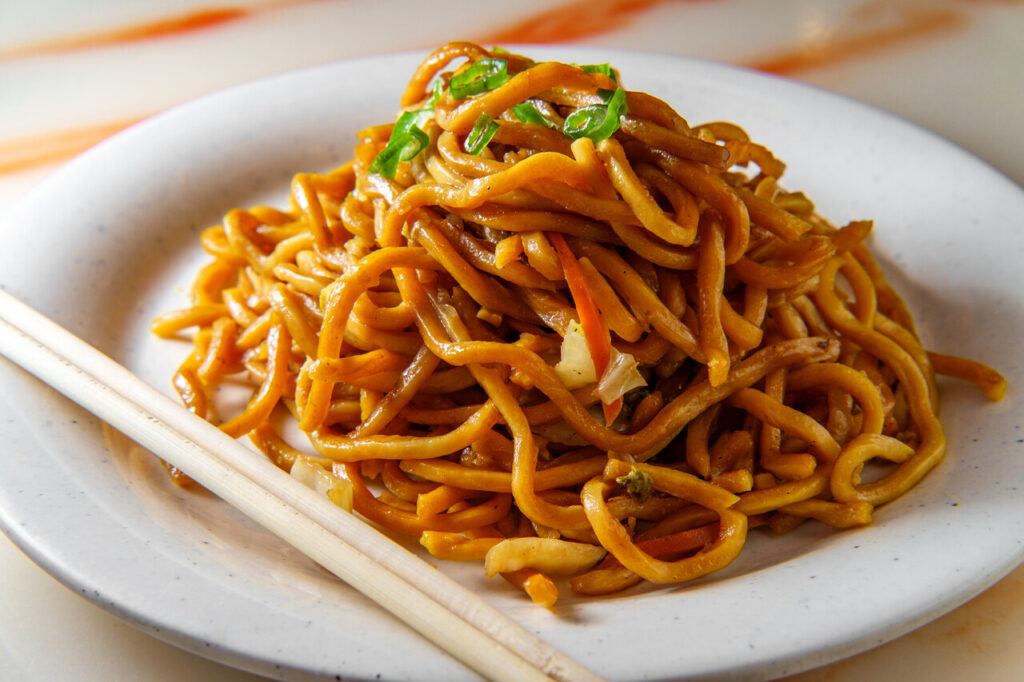
Lo mein is a dish built around stir-fried noodles, vegetables, and protein cooked together in a hot wok. Restaurants rely on high heat and constant movement to develop the dish’s flavor and texture.
Frozen versions of lo mein aim to recreate the same combination of noodles and sauce. However, stir-frying produces a distinctive texture that comes from rapid cooking in a wok.
Microwaving or reheating frozen noodles cannot replicate that process. The noodles may become softer than expected, and the vegetables may lose some of their crispness. The meal still resembles lo mein, but the lively texture of freshly stir-fried noodles is often missing.
7. TGI Fridays Pulled Pork Mac and Cheese Bowl
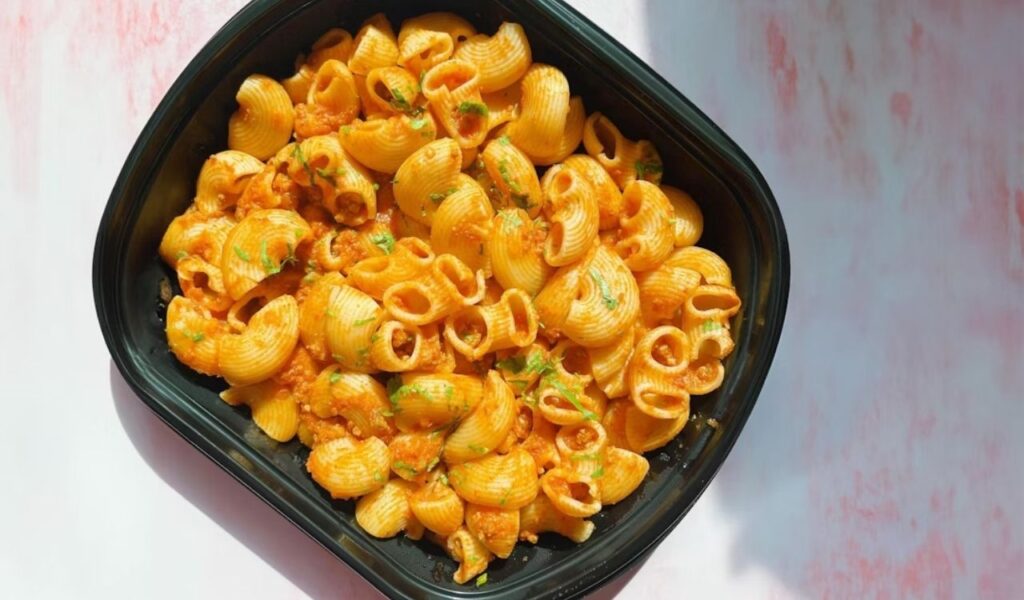
Pulled pork mac and cheese combines two comfort foods into a single dish. The creamy pasta and slow-cooked pork promise a rich and hearty meal similar to what might appear on a restaurant menu.
Frozen versions often face challenges in balancing the ingredients. The pasta and cheese sauce can dominate the dish, while the pork portion may appear smaller than expected.
The reheating process also affects texture. Cheese sauces can thicken as they cool and reheat, and the pork may not remain as tender as freshly cooked barbecue. The flavors are still recognizable, but the balance found in restaurant versions may be harder to achieve.
8. California Pizza Kitchen Frozen Pepperoni Pizza
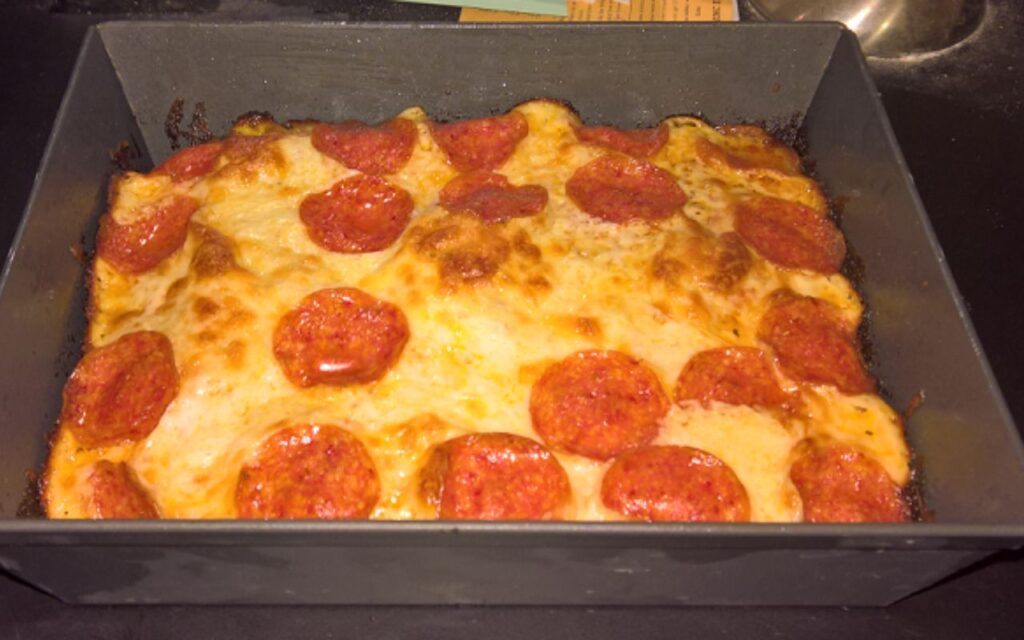
Restaurant-style pizza often relies on fresh dough, hot ovens, and carefully layered toppings. Frozen versions aim to recreate that experience with a crust and toppings designed to bake quickly at home.
The main difference appears in the crust. Restaurant ovens can reach extremely high temperatures, which produce a crisp exterior and airy interior. Home ovens typically operate at lower temperatures, and frozen crusts are designed to bake within those limits.
As a result, the texture can feel different from a restaurant pizza. While the toppings and cheese still deliver familiar flavors, the crust rarely achieves the same balance of crispness and chewiness that comes from freshly prepared dough.