Paying Extra for These 11 Restaurant Add Ons Doesn’t Always Pay Off

Restaurant menus are full of tempting upgrades. A drizzle here, an extra topping there, and suddenly a simple dish feels more indulgent. These add-ons are designed to catch your eye and make the meal sound richer and more satisfying.
But not every upgrade delivers the value it promises. In many cases, the extra charge reflects clever menu design rather than a meaningful improvement to the dish itself. The portion added may be small, or the ingredient may not be as premium as it sounds.
That does not mean every add-on is a bad choice. Still, knowing which ones often fall short can help diners spend their money more wisely while still enjoying the full restaurant experience.
1. Truffle Oil Drizzle
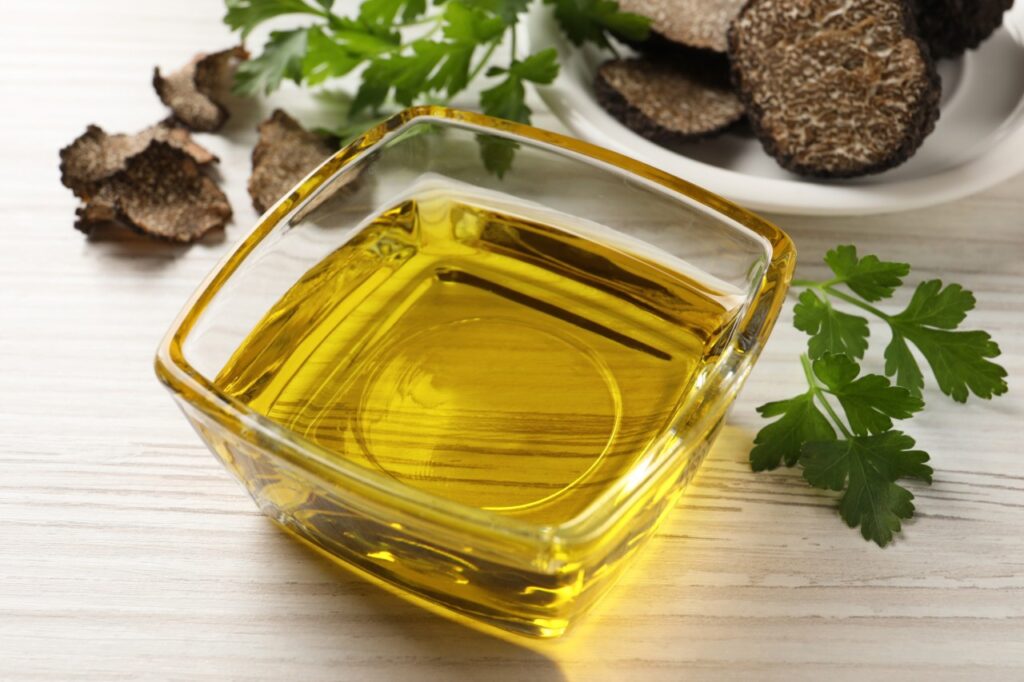
Few menu upgrades sound as luxurious as truffle oil. The name alone suggests rare ingredients and rich flavor, which is why restaurants often charge several dollars to drizzle it over fries, pasta, or pizza.
However, most truffle oil used in restaurants does not actually contain real truffles. Instead, it is usually olive oil blended with a synthetic compound called 2,4-dithiapentane, which mimics the aroma of truffles. This artificial flavor can be strong and sometimes overpower the food it is added to.
Because of this, the extra charge rarely reflects the true cost of ingredients. Diners often end up paying for the idea of truffle flavor rather than genuine truffles, making it one of the least worthwhile restaurant upgrades.
2. Extra Cheese
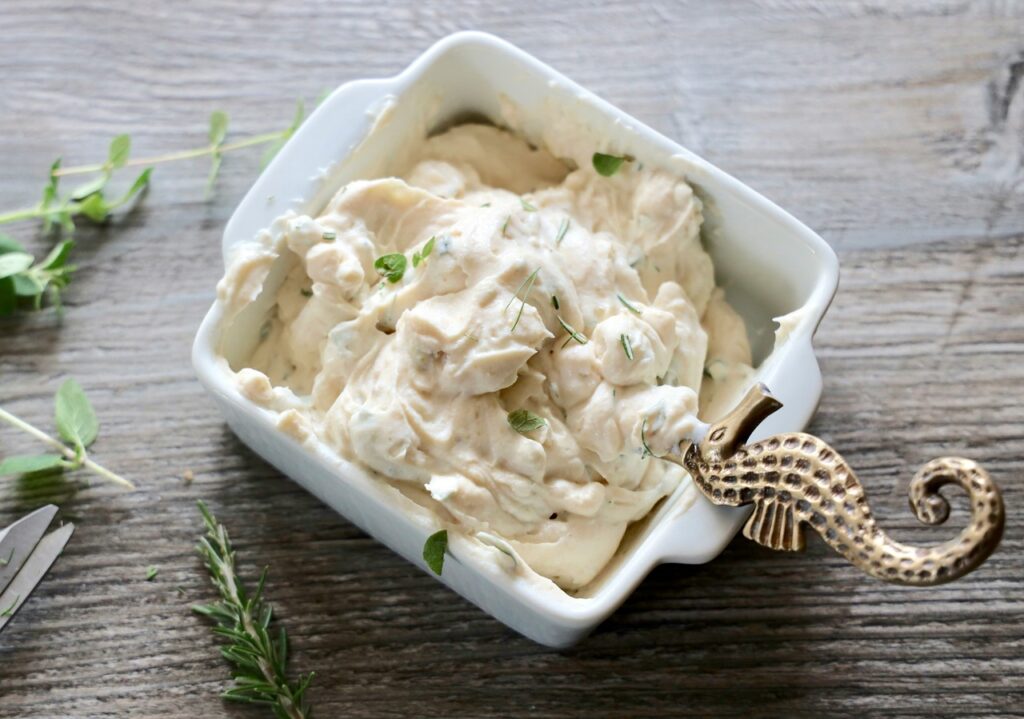
Adding extra cheese sounds like a simple way to make a meal richer and more satisfying. Whether it is pizza, pasta, burgers, or sandwiches, many menus offer this upgrade for a small but noticeable fee.
In reality, the portion increase is often modest. Restaurants typically add only a small handful of shredded cheese or a thin extra slice, even though the price increase may be several dollars. Since cheese is relatively inexpensive when bought in bulk, the markup can be quite high.
The result is that diners often pay far more than the added ingredient is worth. In many cases, the dish already contains enough cheese to deliver flavor and texture without needing the extra charge.
3. Avocado Add-On
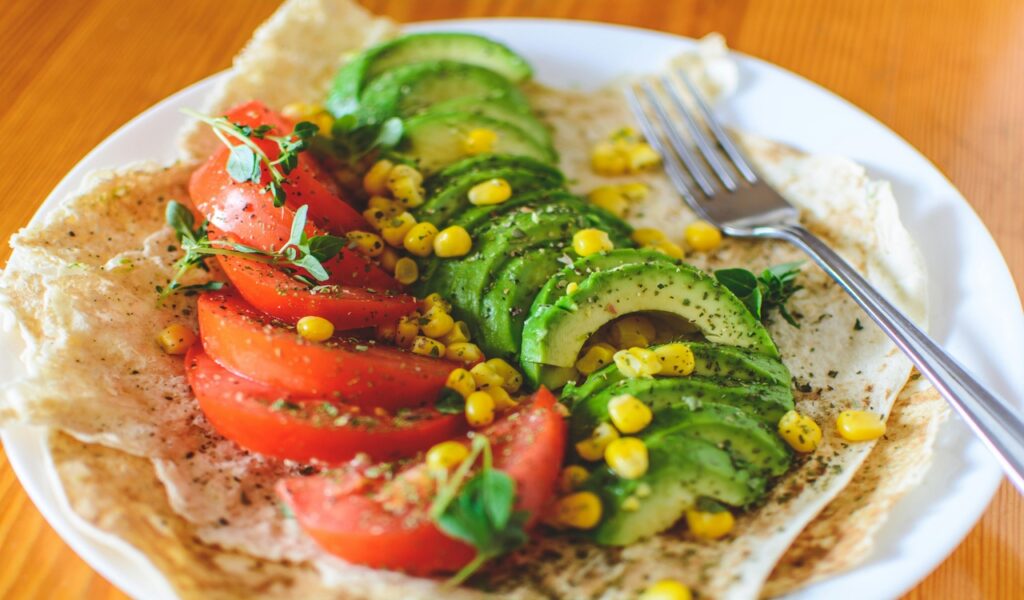
Avocado has become one of the most popular menu upgrades in modern restaurants. A few slices added to a sandwich, burger, or salad can instantly raise the price of the dish.
The appeal comes from avocado’s creamy texture and reputation as a healthy fat. Restaurants know diners are willing to pay for it, especially because the ingredient is associated with fresh and trendy meals.
Yet the actual portion served is often small. A thin slice or two may cost several dollars, even though a single avocado can produce multiple servings. Because of that pricing gap, the avocado add-on frequently offers less value than it appears.
4. Premium Bottled Water
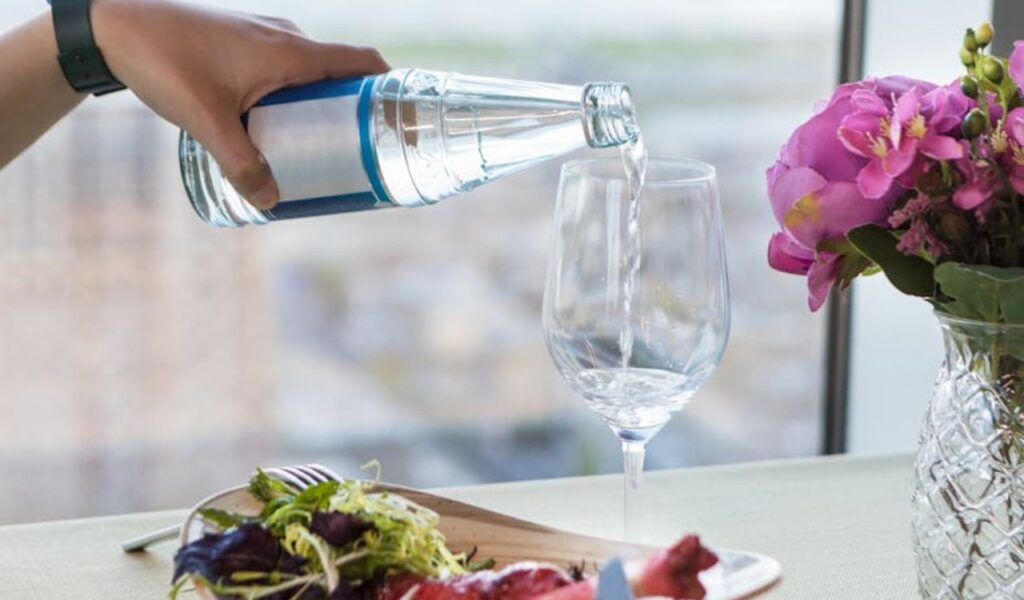
Ordering bottled water at a restaurant can feel like a simple upgrade from tap water. Many establishments offer imported or premium brands that promise purity or unique mineral profiles.
The problem is that the difference is rarely noticeable during a meal. In many cities, tap water is already filtered and held to strict safety standards. Restaurants may charge several dollars for bottled water that costs only a fraction of that price wholesale.
Because of the markup and the availability of free alternatives, bottled water often becomes one of the easiest ways for diners to spend extra money without gaining much in return.
5. Bacon Upgrade
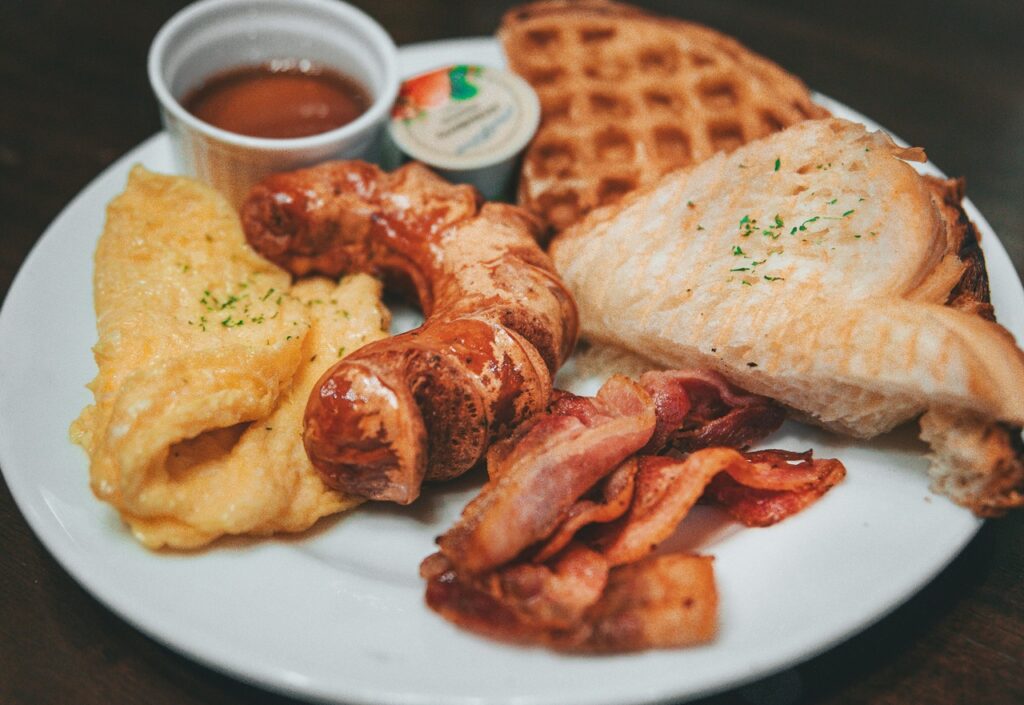
Few ingredients attract attention on a menu like bacon. Restaurants often offer it as an add-on for burgers, sandwiches, salads, and breakfast dishes. Its smoky aroma and crisp texture make it sound like an easy way to upgrade almost any meal.
While bacon does add a savory flavor, the amount served is usually limited to one or two thin strips. The price increase can sometimes exceed the actual cost of the bacon itself several times, especially since restaurants buy it in bulk at lower prices.
That means the upgrade often feels more substantial than it actually is. Diners may pay a noticeable fee for a small amount of meat that barely changes the overall portion or satisfaction of the meal, making it one of the easiest add-ons to overpay.
6. Side of Guacamole
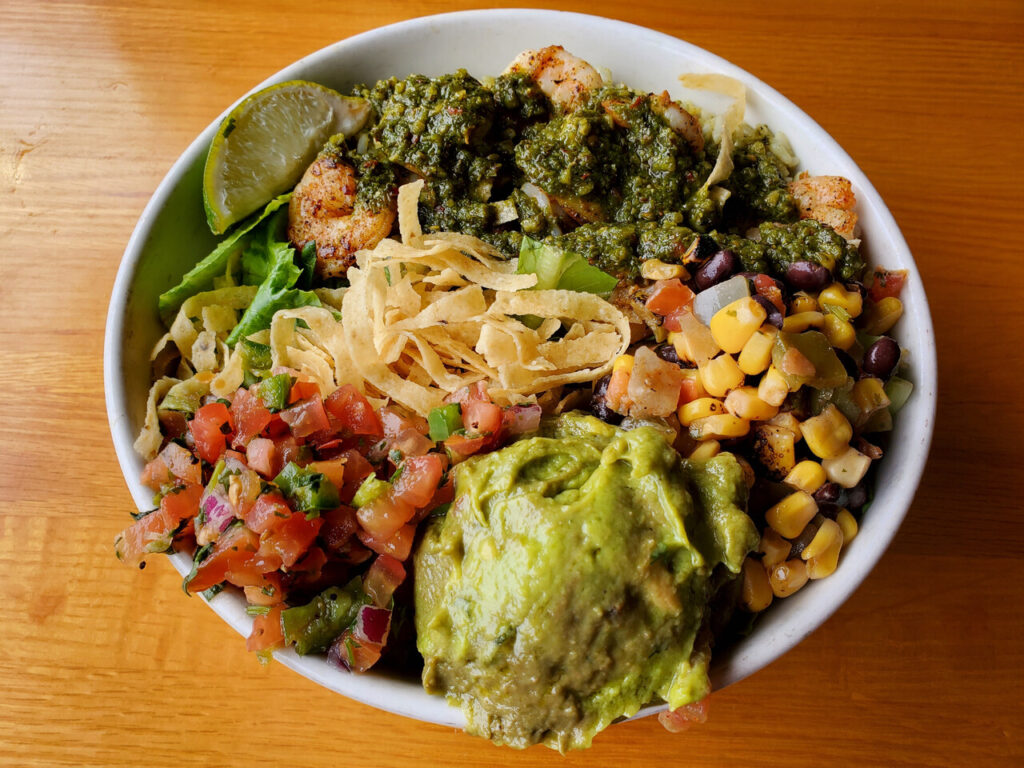
Guacamole has become a restaurant staple, especially in Mexican and Tex-Mex dining. Its creamy texture and fresh flavor make it a popular side dish or topping for tacos, burritos, and chips.
However, the price of guacamole can be surprisingly high compared to its ingredients. Although avocado prices fluctuate, restaurants often charge several dollars for a small scoop.
The portion served may only be a few tablespoons, even though a single avocado can produce multiple servings. As a result, the add-on frequently costs far more than the ingredient itself, making it a common example of restaurant markup.
7. Protein Add-Ons
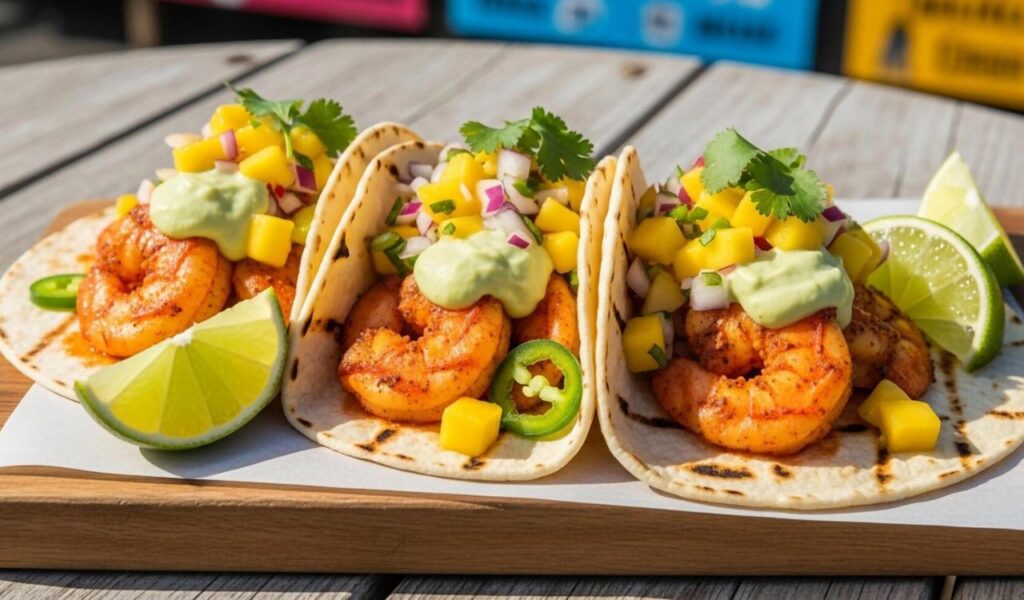
Many restaurants allow diners to upgrade meals by adding chicken, shrimp, or steak to salads, pasta, or rice bowls. The idea is appealing because it promises a more filling and balanced dish.
In practice, the extra portion is often quite small. A few slices of grilled chicken or a handful of shrimp may raise the price of a meal by several dollars. The additional protein sometimes does not significantly increase the portion size.
Because proteins are among the most profitable items on a menu, restaurants rely on these upgrades to boost revenue. Diners may pay a premium even though the extra serving is relatively modest.
8. Loaded Fries or Toppings
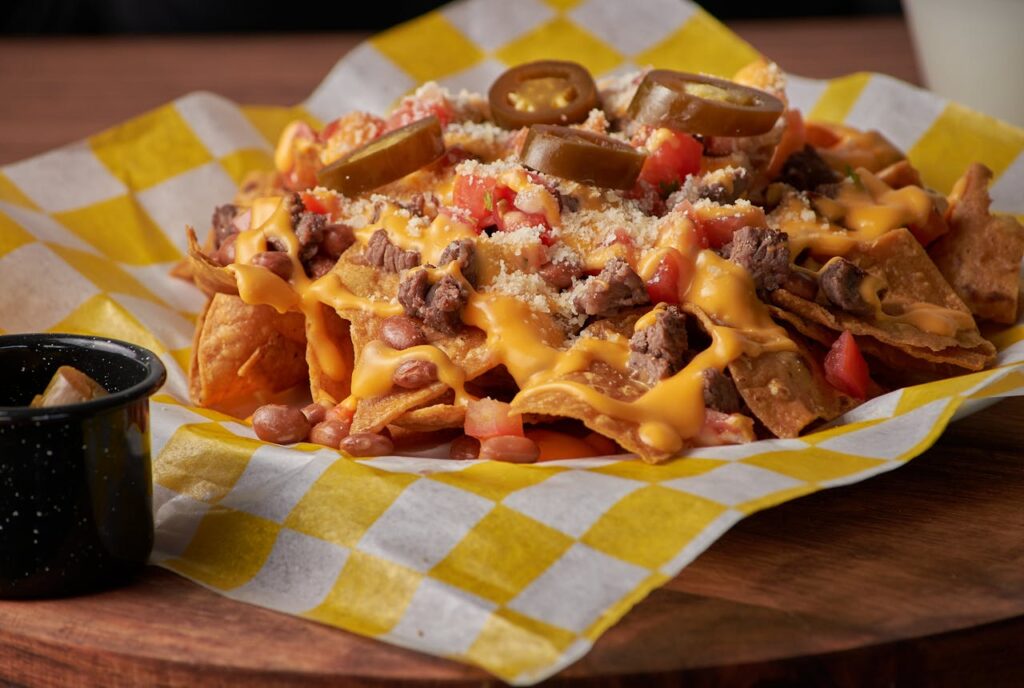
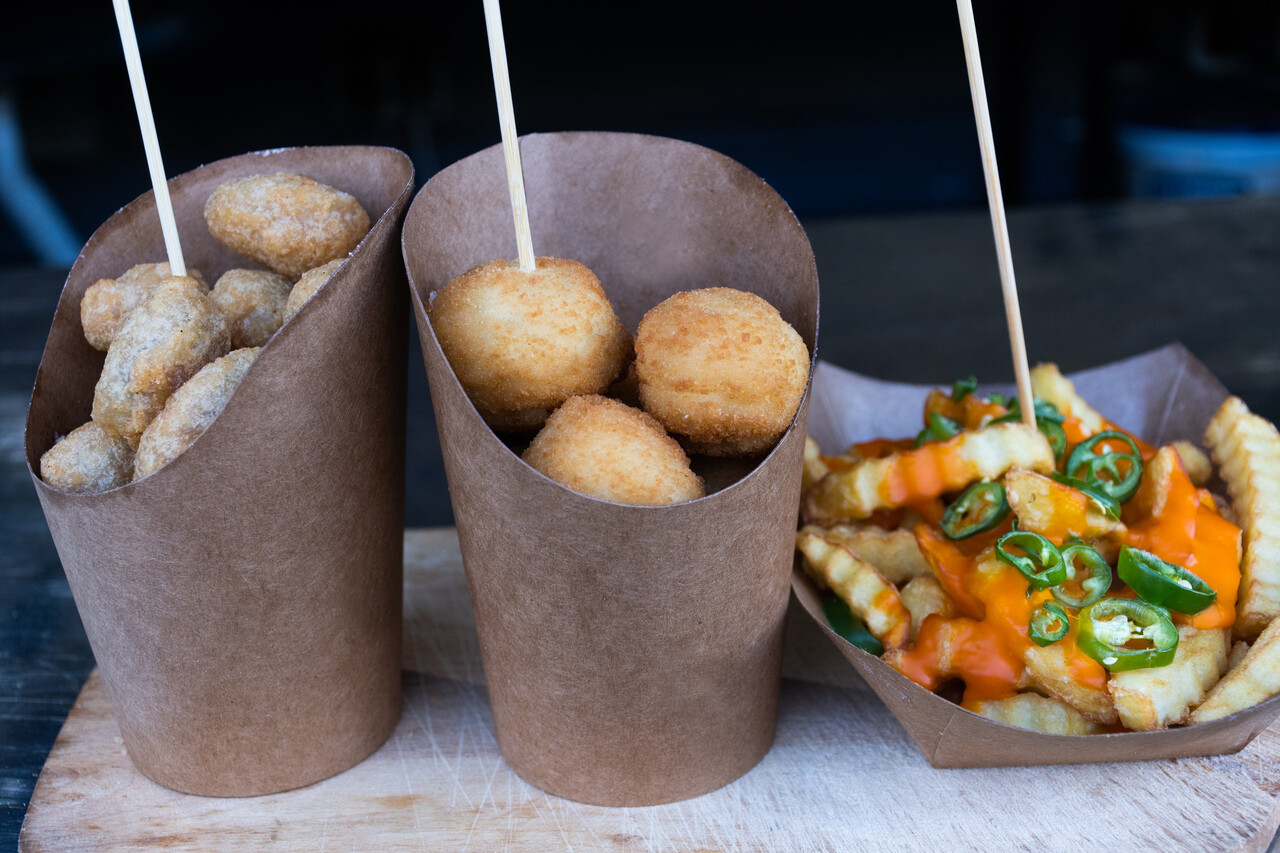
Loaded fries are designed to look indulgent. Melted cheese, bacon bits, sauces, and other toppings can transform a basic side into something that feels more like a full appetizer.
Yet the base of the dish remains inexpensive potatoes. Many restaurants add only small amounts of toppings while charging a much higher price than standard fries. The upgrade can look generous at first glance, but the actual ingredients added are often limited.
The toppings may also make the fries soggy as they sit under melted cheese or sauce. In many cases, diners pay extra for ingredients that do not significantly improve flavor or texture compared to regular fries.
9. Specialty Bread Baskets
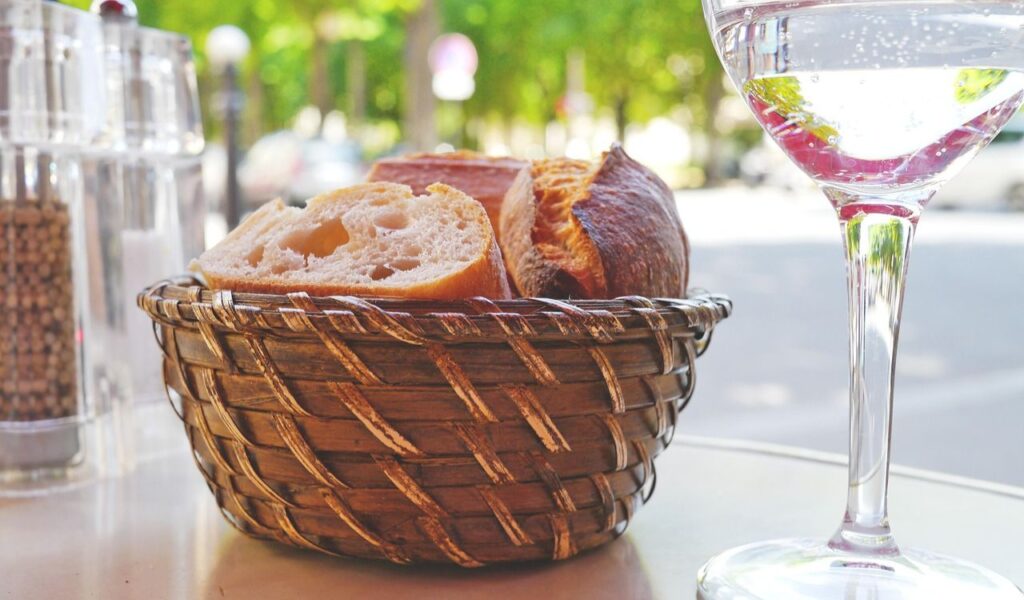
Bread baskets are often seen as a welcoming start to a restaurant meal. Some establishments offer upgraded versions with artisan loaves, flavored butter, or dipping oils for an additional charge.
While the presentation may feel upscale, bread itself is one of the least expensive foods to produce. Flour, yeast, and water create loaves that cost very little when made in large batches for restaurant service.
Because of that, specialty bread baskets often carry a high markup. Diners may pay several dollars for something that costs the restaurant only a small fraction to prepare, even though the ingredients themselves are simple.
10. Extra Sauce or Dressing
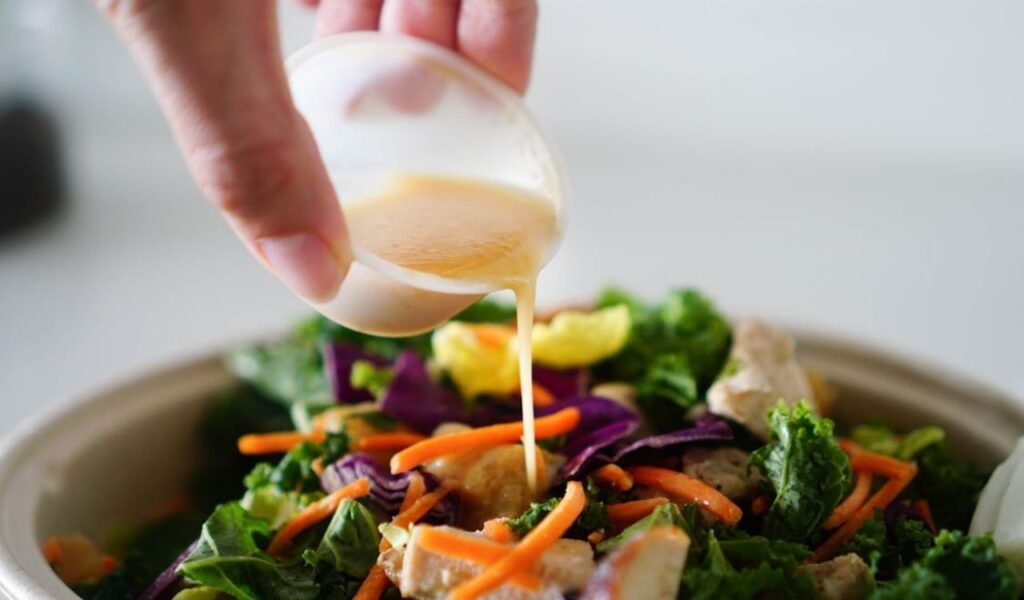
Sauces and dressings can transform a dish by adding moisture and flavor. Many restaurants offer extra portions for an additional fee, especially with wings, salads, sandwiches, or grilled foods, where sauces play an important role in the overall taste.
However, these condiments are usually produced in large batches using inexpensive ingredients. A small container of sauce may cost only a few cents to make, yet the menu price can be much higher once it appears as a paid add-on.
For diners, the added flavor might not justify the cost. Often the original portion already provides enough sauce to complement the dish without needing to pay for another small container, making the upgrade easy to skip.
11. Dessert Enhancements
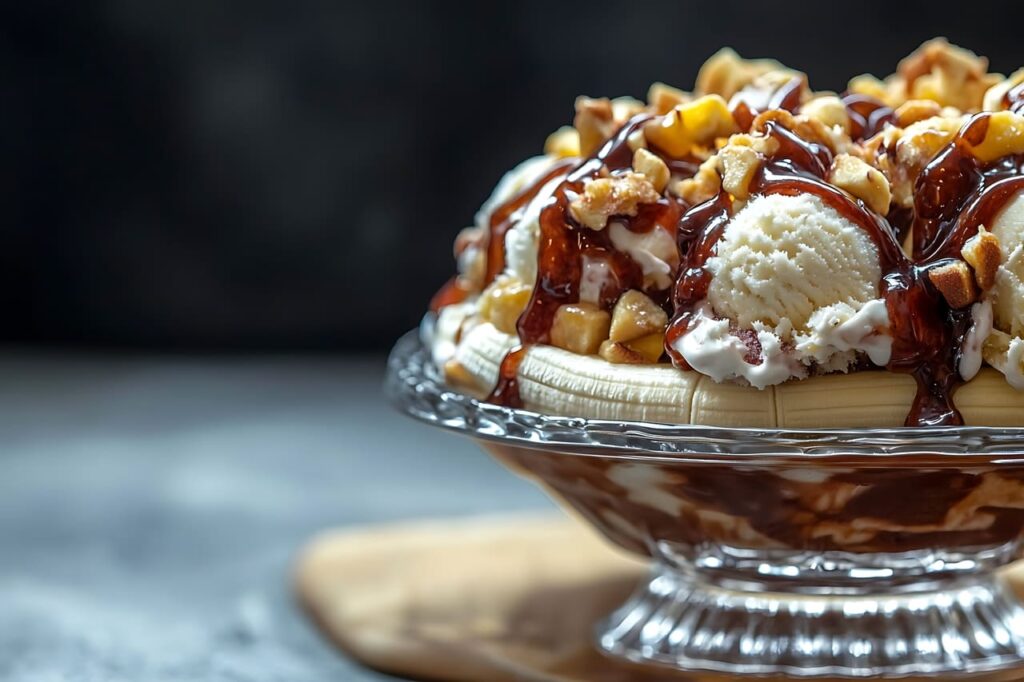
Some desserts come with tempting upgrades such as an extra scoop of ice cream, chocolate drizzle, whipped cream, or caramel sauce. These enhancements are meant to make the dessert feel more indulgent and visually appealing.
The reality is that these additions are usually small and inexpensive for the restaurant to provide. A single scoop of ice cream or a drizzle of syrup can still add several dollars to the final bill.
While they may improve presentation slightly, they rarely change the dessert in a meaningful way. In many cases, the original dish already delivers the full flavor without needing extra toppings or sweet add-ons.