A Simple Guide for Anyone Who Still Isn’t Sold on IPAs

If you’ve ever taken a sip of an IPA and instantly decided the style wasn’t for you, you’re far from alone. Many drinkers meet the wrong IPA first, one that’s too bitter, too bold, or simply not suited to their palate, and assume the entire category tastes the same. But the truth is far more exciting: IPAs come in a stunning spectrum of flavors, textures, and aromas that can feel shockingly approachable once you know where to look. You might discover softness where you expected sharpness, fruitiness where you expected bitterness, and balance where you once tasted only intensity. And with just a little curiosity, you may find an IPA that fits your taste more naturally than you ever expected.
Today’s brewing world is filled with hazy, juicy, crisp, soft, aromatic, and even low-bitterness IPAs designed for curious drinkers who want something flavorful without the bite. Whether you’re exploring craft beer for the first time or giving IPAs a second chance, this guide will help you discover the side of the style that’s been waiting for you all along. It’s a chance to unlearn old assumptions, explore new sensations, and approach IPAs with the same curiosity you bring to food, travel, or any new experience. You’ll uncover nuances that reveal how diverse the style truly is and learn how a single shift in technique can transform a beer from intense to incredibly approachable.
Why IPAs Scare People
IPAs often get blamed for ruining people’s first craft-beer experience, but that usually has more to do with extremes than the style itself. For many drinkers, the first IPA they encountered was a hop-bomb: sharply bitter, aggressively aromatic, and unfamiliar compared to lighter beers. That kind of sensory shock leaves a strong imprint, which is why the phrase “I hate IPAs” is so common. It’s a reaction rooted in surprise rather than true preference. Most people simply weren’t prepared for such a bold shift in flavor profile. And that unexpected intensity can overshadow the nuances that make many IPAs genuinely enjoyable.
Practical factors make this even worse. IPAs are more sensitive to age, heat, and light than other beers, so a poorly stored can can taste harsher than it should. Add in a wave of trend-driven, intensely bitter IPAs that once dominated the craft scene, and it’s easy to understand why people generalize the entire category after one disappointing sip. Old or mishandled beer can strip away balance and leave only bitterness behind. Many drinkers have unknowingly tasted IPAs in less-than-ideal condition, shaping a false impression. When freshness and storage are respected, the difference in flavor can be dramatic.
What IPA Really Means
“India Pale Ale” is a historic name, but the modern IPA has evolved far beyond its origins. Today, the term refers broadly to beers where hops take center stage, giving aromas and flavors that can range from citrus and pine to tropical fruit and herbs. Despite the shared name, individual IPAs can taste wildly different. Some lean crisp and bright, while others feel soft and juicy on the palate. A single hop variety can dramatically shift a beer’s entire character. This is why two IPAs can share a label yet deliver completely different drinking experiences. It’s a reminder that IPA is less a fixed formula and more a creative playground.
This flexibility is the key to understanding the style. IPAs are created through a series of brewmaster choices: how bitter, how aromatic, how hazy, how strong. These decisions shape the final beer in the glass, which is why the IPA spectrum is so wide. Seeing “IPA” as a broad family rather than a single recipe helps clear up a lot of confusion. It encourages drinkers to explore instead of writing off the whole category. It highlights the craftsmanship behind every brewing decision. And it reveals that IPAs aren’t rigid at all they’re one of the most adaptable beer styles in the world. Each variation reflects a brewer’s vision rather than a strict rulebook.
More Than One IPA
If you think IPAs all taste the same, you likely haven’t explored the full range. English or classic IPAs tend to be maltier and more balanced. American IPAs lean bright and citrusy. West Coast IPAs are known for crisp bitterness with pine and grapefruit notes. Hazy or New-England IPAs, meanwhile, offer soft, juicy flavors with far less bite. Each substyle speaks to a different palate. It’s a spectrum that stretches from earthy and traditional to tropical and modern. And discovering the right one often feels like unlocking a completely new beer experience. It proves that IPA preferences are far more personal than people assume.
Brewing methods also play a huge role. Late hopping, dry hopping, and specific yeast strains can transform bitterness, aroma, and texture. Ingredients like oats or wheat create a velvety haze, while different hop varieties influence whether the beer tastes tropical, floral, or resinous. Two IPAs with the same alcohol content can end up tasting like entirely different beverages. Even subtle adjustments in timing or temperature can shift a beer’s entire profile. This is why no two IPAs ever feel the same, even when they share similar stats on paper. That level of variation is what keeps IPA brewing endlessly inventive.
Why You Might Think You Hate IPAs
When someone says, “I hate IPAs,” it’s often because they tried one style or one poor example and assumed it represented the entire category. A stale or warm IPA can taste far more bitter than intended. And bitterness itself is often misunderstood; many people associate sharp bitterness with poor quality, when in some IPA styles it’s an intentional part of the balance. A single bad first impression can overshadow the variety within the style. Most drinkers don’t realize how dramatically freshness affects flavor. And many simply haven’t been shown how broad and nuanced the IPA category really is.
There are deeper reasons, too. Some drinkers are naturally more sensitive to certain hop compounds, which can make stronger IPAs overwhelming. The craft-beer boom also pushed brewers into an arms race of intensity, creating ultra-bitter, high-ABV versions that overshadowed more approachable ones. That era shaped perceptions, even though the style has since diversified dramatically. For years, the loudest IPAs received the most attention, skewing expectations for everyone else. But today’s IPA landscape includes softer, fruitier, and far more balanced options. Once people experience those gentler versions, their opinion of IPAs often shifts completely.
How to Give IPAs a Fair Shot
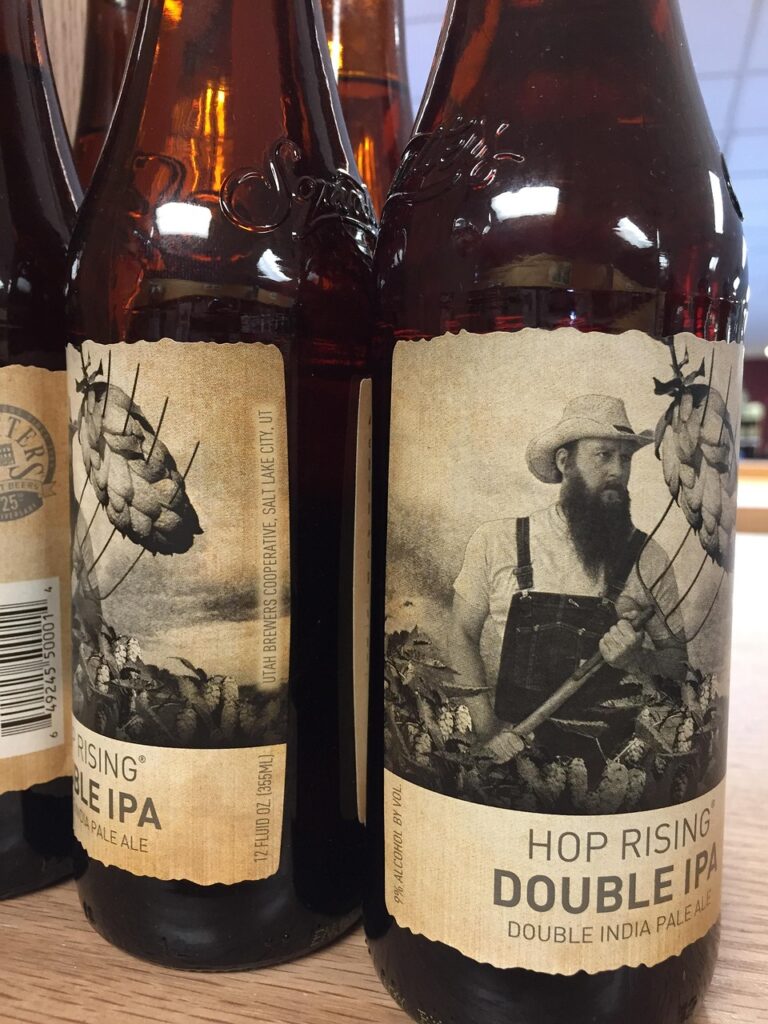
If you want to revisit IPAs, start by choosing a style that suits your taste rather than the boldest label on the shelf. Hazy or juicy IPAs are excellent entry points because they reduce harsh bitterness and highlight fruit-forward aromas. If you prefer crispness with a refreshing finish, a well-balanced American IPA might be the right fit. Exploring lighter or session-strength versions can also ease you into the category. Trying sampler flights instead of full pours helps you compare without commitment. And approaching each style with curiosity rather than expectation can make the experience far more enjoyable.
Freshness matters just as much. IPAs are best enjoyed when recently brewed and kept cold. Seek out local breweries, check packaging dates, and avoid beers exposed to bright lights or warm storage. Serving temperature and glassware also matter; a cooler pour in a rounded glass helps open up aroma without amplifying bitterness. Even small changes in handling can dramatically improve flavor clarity. Prioritizing freshness ensures you’re tasting the beer as the brewer intended. And once you notice the difference, you’ll understand why seasoned IPA fans are so selective about where they buy their beer.
What to Try First
For newcomers, hazy or juicy IPAs are often the most welcoming. Their soft texture, tropical hop aromas, and toned-down bitterness provide an easy introduction. From there, a session IPA can offer lighter, more drinkable character, followed by a classic American IPA to help you assess how hops express themselves differently across styles. Exploring these in progression helps you understand how bitterness and aroma evolve. It also lets you discover which hop profiles feel most enjoyable to you. And with each new style, you build confidence in navigating the IPA spectrum. Soon, you’ll begin noticing subtle differences that make each IPA uniquely enjoyable.
Approach your tasting like an experiment. Take slow sips, observe aromas, and compare a few small pours side-by-side. Citrus, pine, resin, and fruit notes show up differently across substyles. Many people who once disliked IPAs discover they simply hadn’t tried the version that fits their palate best. Small tasting flights can reveal nuances you’d never notice in a full pint. Paying attention to aroma alone can transform how you perceive bitterness and balance. And the more you explore, the easier it becomes to distinguish what you truly enjoy from what you simply haven’t tried yet. This mindset turns tasting into a discovery rather than a verdict.
The IPA Hype Explained
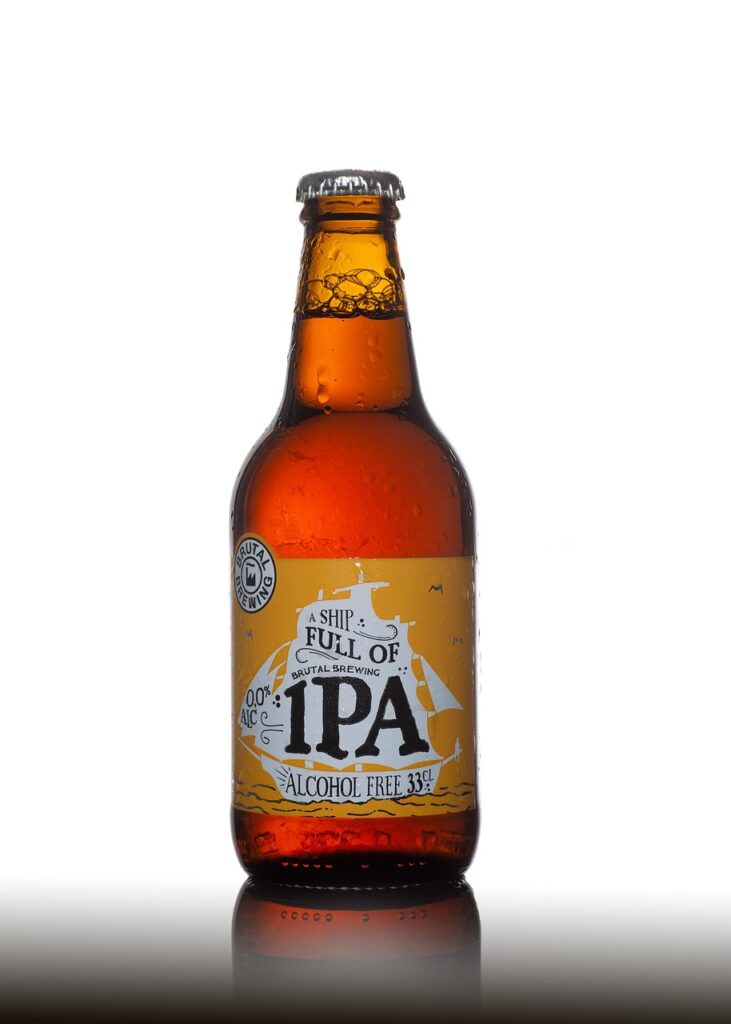
IPAs became cultural icons during the craft-beer explosion, partly because they offered brewers a creative playground. New hop varieties, new fermentation techniques, and a push for bigger flavors fueled a surge of bold, attention-grabbing beers. That era normalized high bitterness and strong alcohol for some drinkers. It also created a sense of competition among breweries to stand out with intensity. Fans of adventurous flavors embraced the trend, further amplifying its popularity. And over time, those bold early IPAs became the benchmark many people still associate with the style. This foundation shaped the expectations that still influence how many drinkers perceive IPAs today.
But the conversation eventually shifted. As more people sought balanced, refreshing beers, brewers began creating softer, fruitier, and more accessible IPAs. The result is today’s diverse landscape, where traditional bitter styles sit alongside juicy, low-bitterness, and sessionable options. Variety, not intensity, is now the defining trait of the IPA world. This evolution opened the door for drinkers who once felt excluded by overpowering bitterness. It also encouraged experimentation with ingredients, yielding styles that appeal to a broader range of preferences. Today, the IPA category feels more welcoming than ever before.
One Last Sip
If you’ve sworn off IPAs, consider giving them a fresh chance by sampling three styles back-to-back: a hazy IPA, a session IPA, and a classic American IPA. Tasting them side-by-side highlights how different the category truly is and helps separate your preferences from outdated assumptions. It’s a simple exercise that reveals how dramatically hops can shift in character. You may find yourself surprised by which style resonates with you the most. Even small differences in aroma or texture can reshape your entire impression of IPAs. And exploring them together removes the pressure of committing to just one style.
IPAs reward curiosity. Once you see them as a spectrum instead of a single flavor, it becomes easier to find one that genuinely suits you. Whether or not you end up loving them, you’ll sharpen your palate, and that’s always worth the exploration. Every new IPA you try expands your sense of what beer can be. You might even discover flavors you never expected to enjoy. And with each tasting, you become more confident in navigating the craft-beer landscape. In the end, exploring IPAs becomes less about liking every style and more about appreciating the journey. And that openness can transform the way you approach every beer you try in the future.
Reference
- The Hater’s Guide to IPAs – esquire.com
- The Ultimate Guide To IPA – hoppiness.co.nz
- IPA Beer – An Ultimate Guide For Beginners – prancingponybrewery.com