7 Grocery Products Shoppers Often Question at the Store

Even with a shopping list, certain grocery items make people stop and think. Some feel like impulse buys, others seem overpriced for convenience, and a few are notorious for expiring before anyone uses them. Shoppers often question whether a product will actually get eaten, whether it is worth the cost, and whether it supports healthier routines or quietly undermines them. These common cart additions are not always bad purchases, but they do come with tradeoffs. Knowing why they raise doubts helps you buy with intention and reduce waste, clutter, and regret.
1. Bagged Chips and Salty Snacks
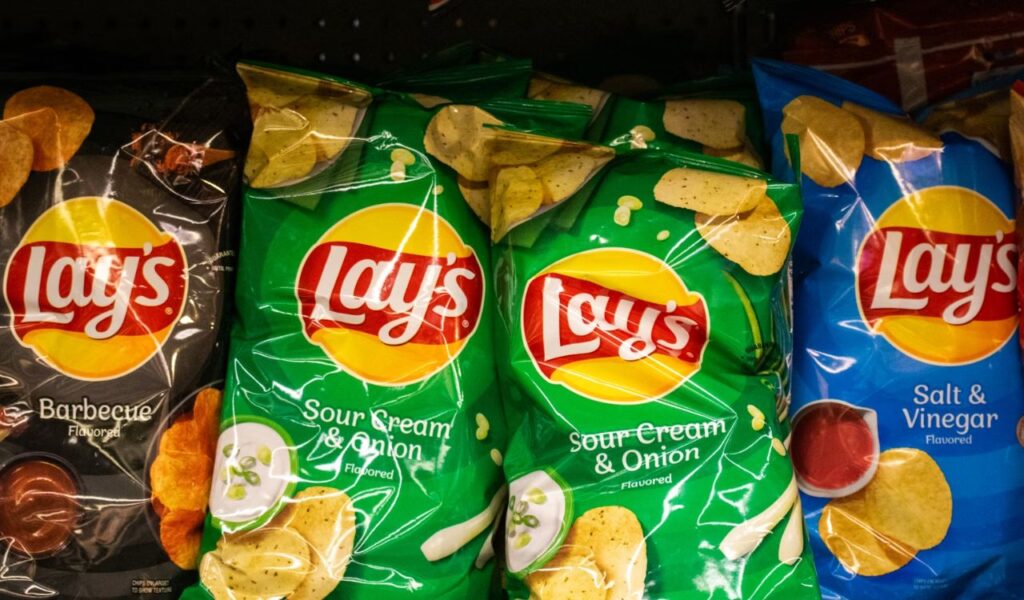
Chips are one of the easiest grocery items to question because they are rarely on a list for a practical reason. They are designed to be tempting, shelf-stable, and easy to grab, which makes them a classic impulse purchase. A single bag often contains multiple servings, yet it is easy to eat far more than intended because chips are light, crunchy, and salty. Most chips are high in refined starch, added oils, and sodium, which can crowd out more filling snacks like fruit, yogurt, or nuts. But if they end up being eaten mindlessly, they become the kind of purchase shoppers regret terribly at home.
2. Sugary Cereal
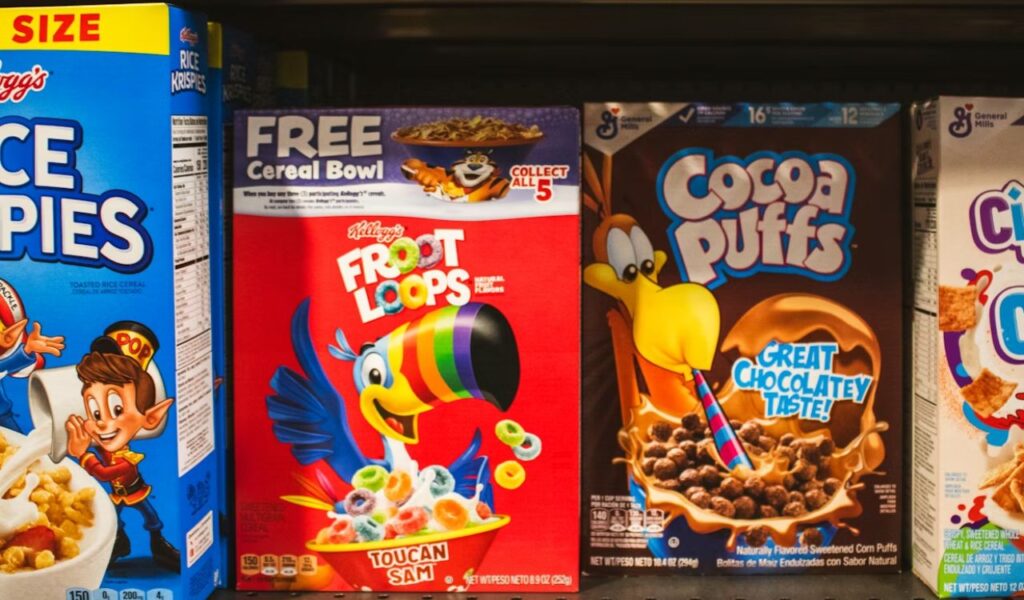
Sugary cereal is a product many shoppers pause over because it sits between breakfast and dessert. It is convenient, but the nutrition profile often raises questions. Many sweet cereals are high in added sugar and refined grains, which can lead to a quick energy spike followed by hunger soon after. That is why people often end up adding extra snacks later in the day. Another issue is marketing. Bright packaging and health-sounding claims can make a cereal seem more wholesome than it really is. A practical way to evaluate it is to compare protein and fiber levels, since those are the nutrients that help with fullness.
3. Soda and Sweetened Drinks
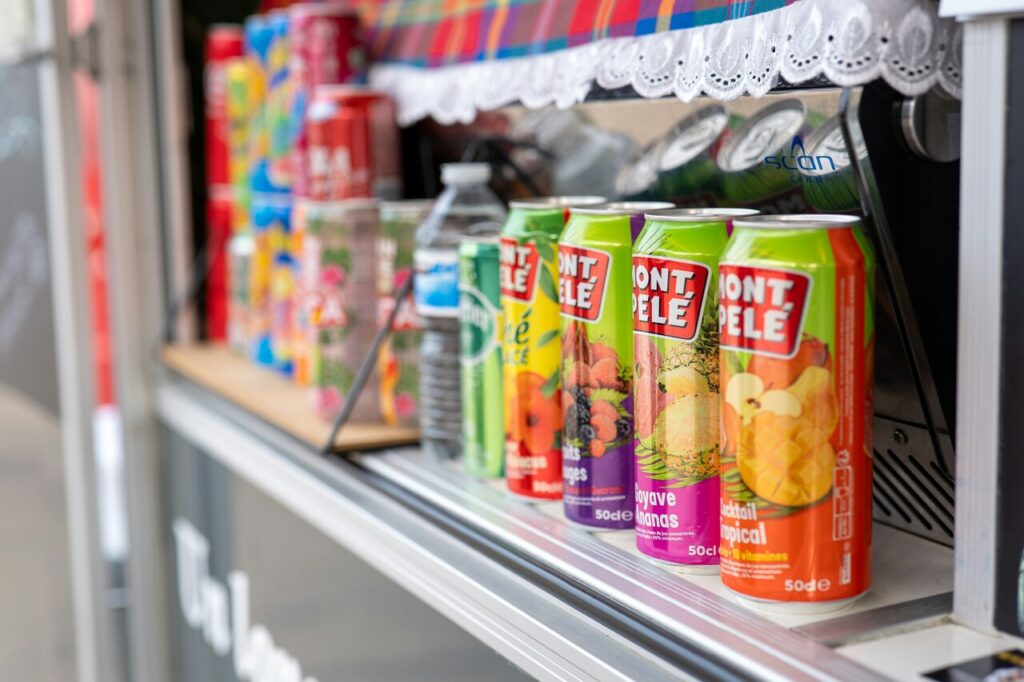
Sweetened drinks are one of the most questioned items at checkout because the tradeoff is so clear. They deliver flavor and quick satisfaction but provide little nutritional benefit. Soda and other sugary beverages can add a lot of sugar without helping with fullness, which makes it easy to consume excess calories without noticing. They also tend to become habitual. A few cans in the cart can turn into a daily routine. Another concern is cost. Drinks are heavy, packaged, and often priced higher than people realize over time. Many shoppers ask themselves whether they are buying soda for a specific event or simply because it is there.
4. Pre-Cut Fruit Trays
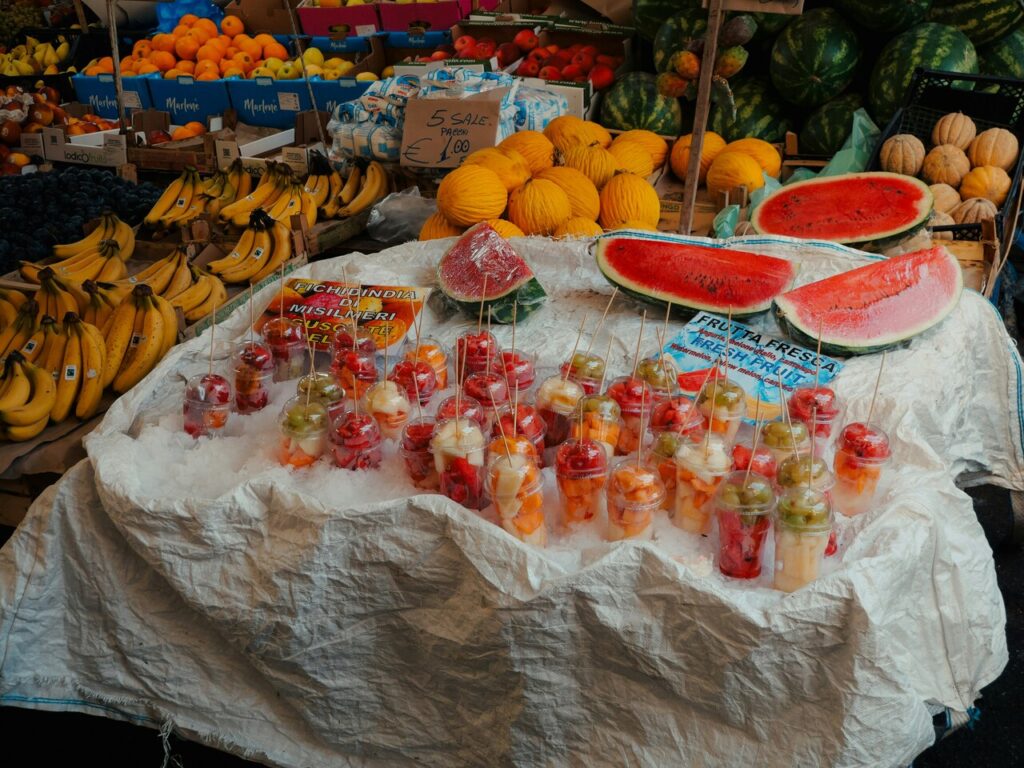
Pre-cut fruit trays are questioned because they highlight the tension between convenience and value. The fruit itself is usually healthy, but the cost per serving is often much higher than buying whole fruit. You are paying for labor, packaging, and the shorter shelf life. Fresh-cut fruit spoils faster because slicing exposes more surface area to air and moisture, which speeds softening and microbial growth. That means you need a clear plan to eat it soon. For busy households, pre-cut fruit can still be worth it if it increases fruit intake and reduces waste. It can also help for parties, lunches, or people with limited time or mobility.
5. Bagged Salad Kits
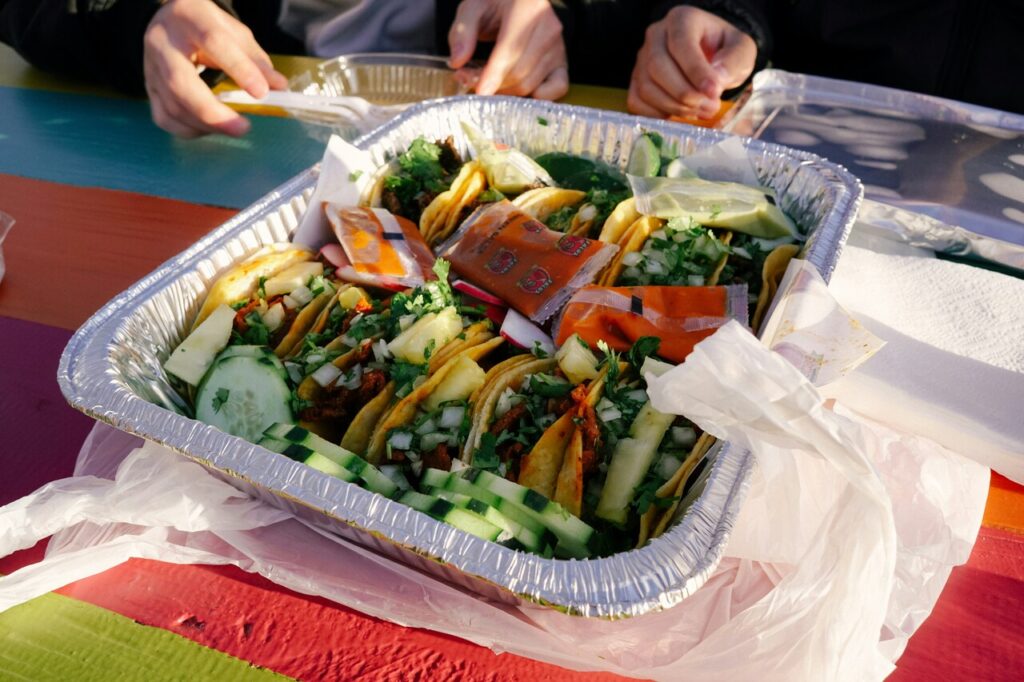
Bagged salad kits are popular, but shoppers often question them because they can feel like a gamble. The convenience is real. Greens can spoil unexpectedly due to moisture buildup, bruising, or temperature changes during transport. Once a bag starts to break down, it can turn slimy fast. Another concern is value. Salad kits cost more than buying greens and toppings separately. They can also be high in sodium and sugar, depending on the dressing and add-ins. Still, for people who struggle to eat vegetables consistently, the kit can be a practical tool. The real decision is whether you will use it within a day or two.
6. Frozen Novelty Meals and Snacks
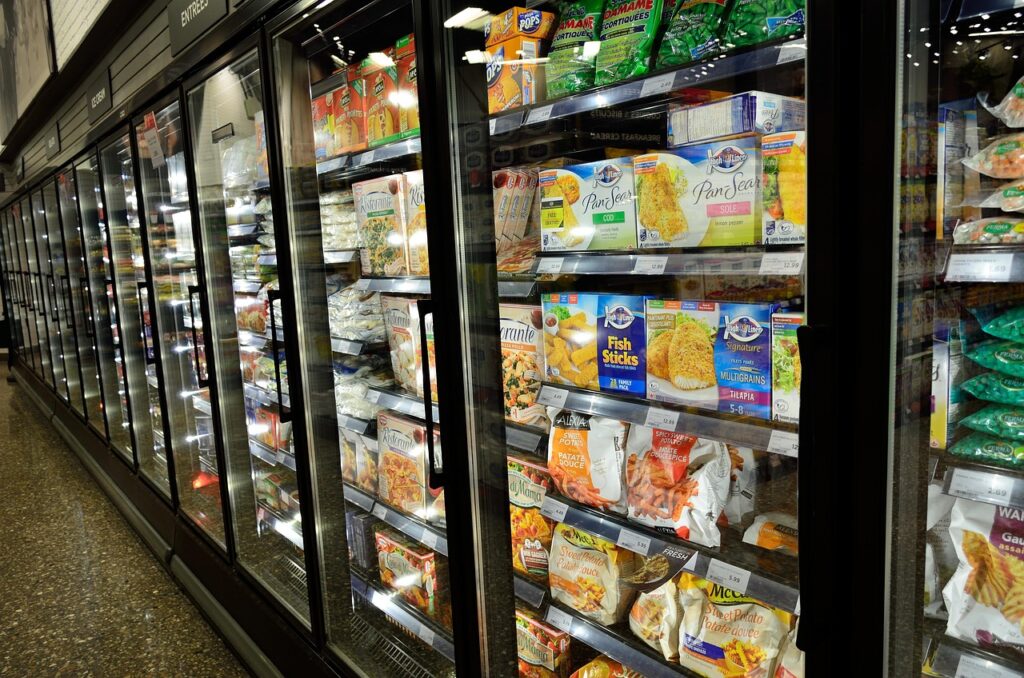
Frozen novelty meals and snacks are questioned because they often sell excitement more than everyday usefulness. They can be fun, but many are highly processed and designed for strong flavor impact, which usually means more sodium, saturated fat, and additives. Portion size is another issue. Some frozen snacks are small but calorie-dense, making it easy to eat more than intended. Cost also adds up because novelty items tend to be priced higher than basic frozen staples like vegetables, plain proteins, or simple meals. The freezer can quickly fill with items that sounded fun but never get eaten, which is why many people hesitate.
7. Specialty Sauces and Condiments
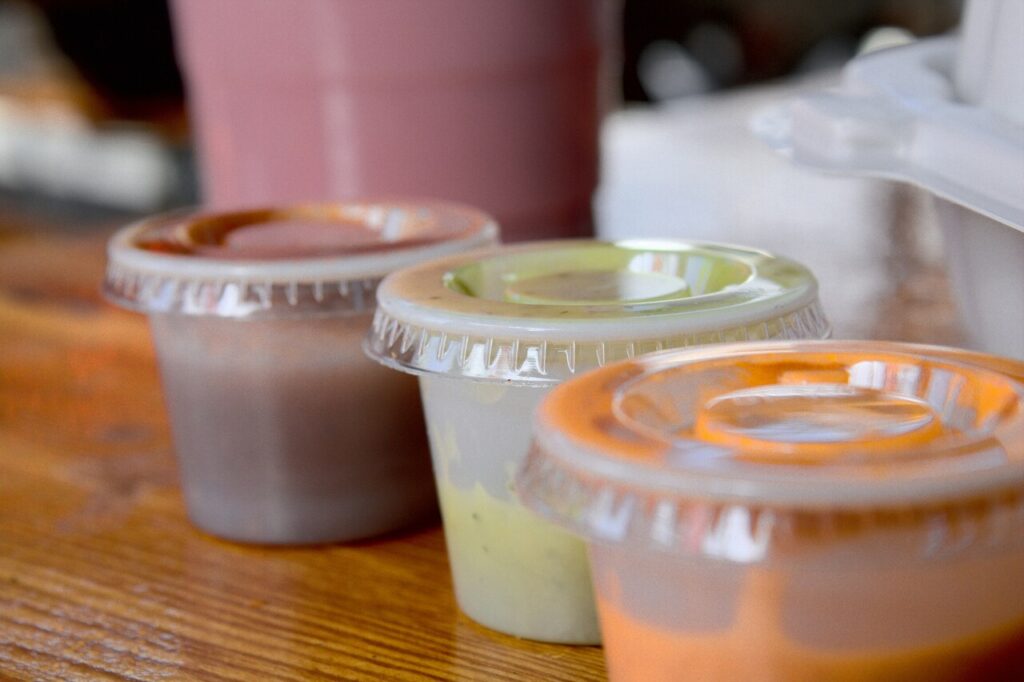
Specialty sauces and condiments are easy to question because they promise variety, but often become clutter. A new sauce can feel like an instant upgrade, yet many end up sitting in the fridge until they expire. The issue is frequency. Most people rotate between a small set of flavors, so niche sauces may only be used once or twice. Many sauces contain high amounts of sugar, sodium, or preservatives, especially those designed to taste bold in small amounts. Value is also a factor because condiments can be pricey relative to how slowly they are used. Without that plan, sauces often become the most crowded shelf in the refrigerator.