7 Grocery Chains with Surprising and Complicated Histories

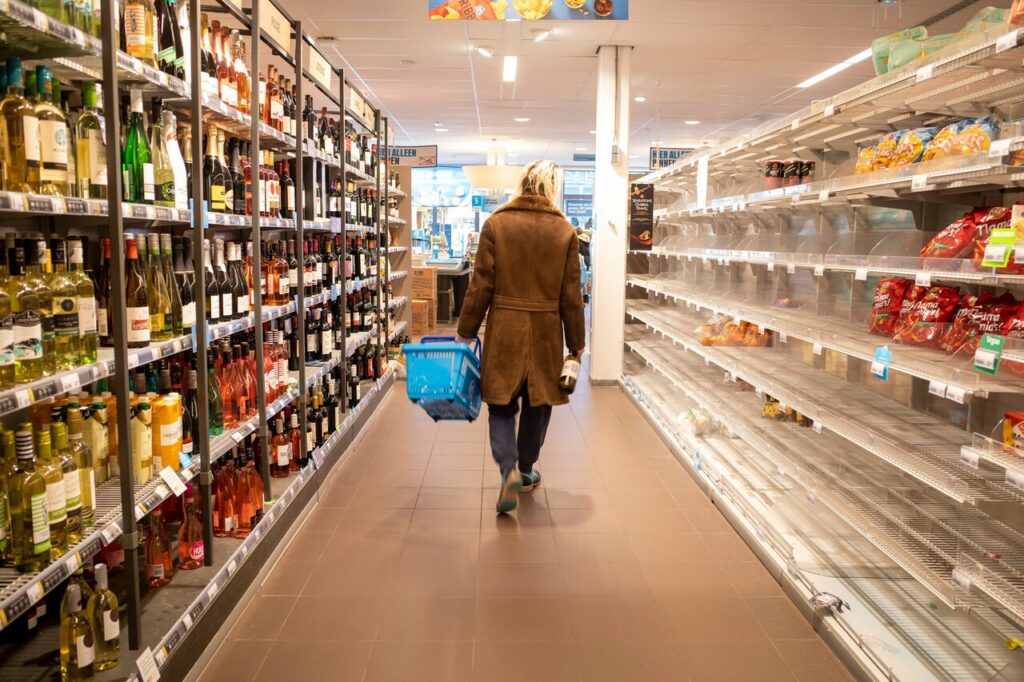
Grocery stores feel routine, but many of the biggest chains have surprisingly complicated histories. Their growth is often driven by forces shoppers rarely notice: acquisitions that create multiple local brands under one parent, franchise and format expansion across regions, and supply chains built to move huge volumes efficiently. Over time, supermarkets also evolved as shopping habits changed, shifting from counter service to self-serve aisles and larger weekly trips. These chains show how modern grocery became as much about logistics, systems, and scale as it is about what is on the shelf.
1. Ahold Delhaize
Ahold Delhaize is a strong example of how grocery history can be complicated without being loud. Its story is built on scale, acquisitions, and the behind the scenes systems that most shoppers never see. Large supermarket groups succeed when they can keep shelves stocked across many regions, which means centralized distribution, forecasting, and supplier relationships become just as important as store layouts. The company’s footprint includes multiple banners that feel local to shoppers, even though they are supported by shared logistics and purchasing power. A store can feel neighborhood-rooted while operating inside a much larger machine.
2. Walmart
Walmart’s grocery history is tied to operational scale, and that is exactly what makes it complicated. Grocery is a low-margin business, so winning often depends on supply chain efficiency, transportation networks, and buying power. Walmart’s rise in food retail shows how distribution centers, inventory flow, and relentless cost control can reshape how Americans shop. The company’s approach helped normalize one stop shopping, where groceries are combined with household items in a single trip. Walmart’s story reflects how grocery moved from a simple store-based model to a logistics driven model.
3. Carrefour
Carrefour’s history is closely tied to the spread of modern supermarket formats across countries. Its growth reflects how grocery chains scaled by replicating systems, store layouts, and purchasing models across regions. That expansion creates complexity because what works in one market does not always translate neatly to another. Carrefour’s story also sits within the bigger transition from smaller shops and counter service to self serve aisles, carts, offers, and larger basket shopping. The company’s footprint highlights how supermarket growth is not just a retail story, but an operations story.
4. Tesco
Tesco represents how grocery chains became systems rather than just stores. Its story connects to format innovation, scaling across regions, and the operational backbone required to keep shelves consistent. As supermarkets grew, they depended more on centralized buying, coordinated distribution, and detailed planning. That shift made grocery more complex, because a chain’s success increasingly relied on data, forecasting, and supplier management. Modern supermarkets also emerged through major changes in consumer behavior, including larger weekly shopping trips and standardized layouts designed for speed. Tesco’s history sits in that evolution.
5. Aldi
Aldi’s history is surprising because its simplicity is the result of deliberate complexity behind the curtain. Discount grocery looks straightforward, but it relies on tight control over product selection, logistics, and cost. A limited assortment means faster stocking and simpler ordering, but it also means the chain must be extremely disciplined about which items earn shelf space. That approach changes how supply chain decisions are made. Scale and standardization become central, because efficiency depends on repetition across stores. The chain format can expand quickly when the operating model is consistent.
6. Lidl
Lidl’s rise shows how grocery chains can grow rapidly by using a repeatable playbook while adapting just enough to local markets. A discount grocery depends on supply chain strength, including centralized purchasing, streamlined distribution, and tightly managed store operations. Lidl’s model relies on keeping costs down through efficiency, which requires constant coordination. The chain also reflects broader grocery evolution, where supermarkets became designed for speed and predictable shopping patterns rather than long browsing. A simple shopping trip is supported by a large network making small decisions every day.
7. Costco
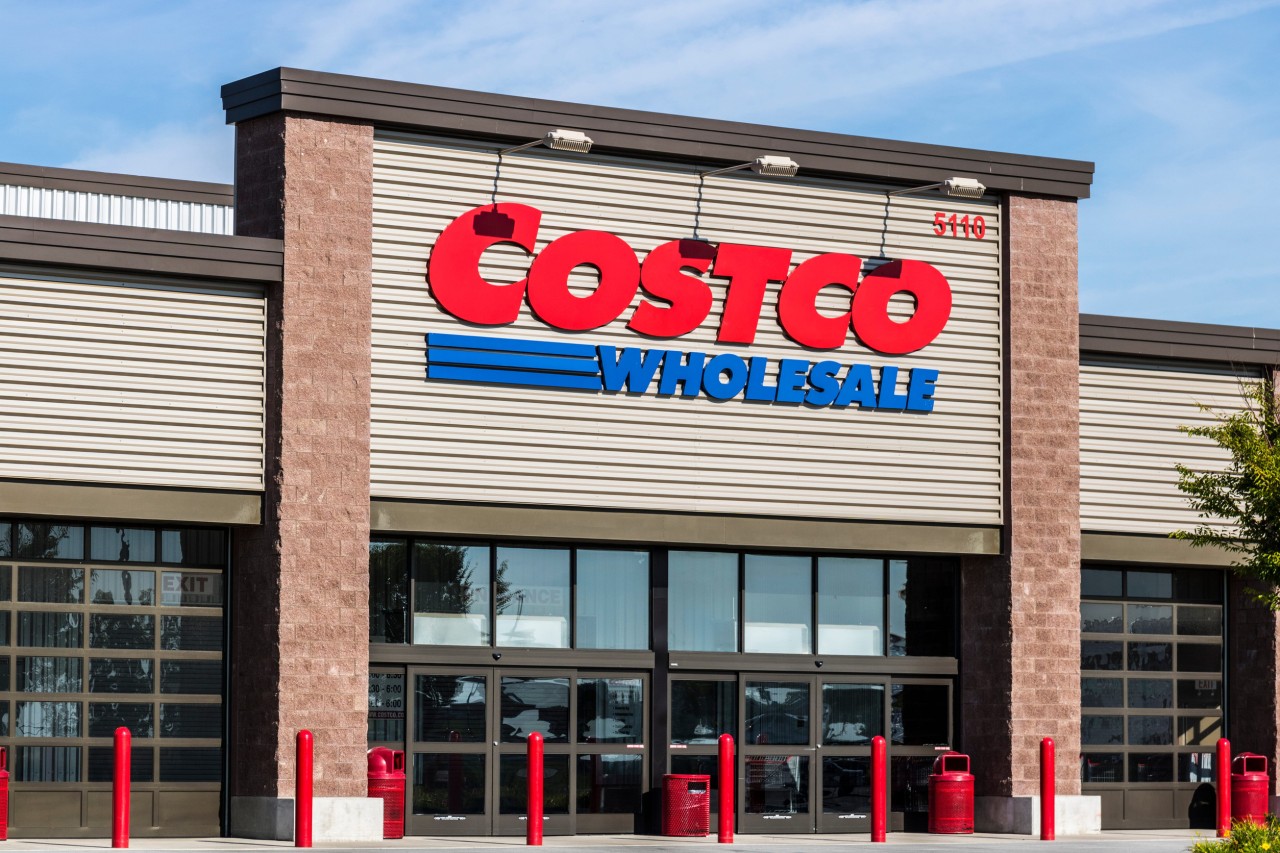
Costco’s history is complicated because it blends retail with a membership model that changes the economics of grocery shopping. When a retailer earns significant revenue through memberships, pricing strategies, and product selection work differently. The focus shifts toward limited but high turnover items, strong supplier terms, and predictable purchasing patterns. The warehouse format looks straightforward, but it depends on operational discipline. Product rotation, supply chain coordination, and store layout are all designed to move high volumes quickly. The result is a chain that feels simple to shop, but is complex to run, which is why its history stands out.