The Same Food Can Taste Very Different Depending on Where You Buy It


You might expect a familiar dish to taste the same wherever you order it. A cheeseburger, a slice of pizza, or a bowl of pasta should follow a predictable flavor, especially when the name and ingredients appear identical on the menu. Yet many diners notice something surprising when they try the same food from different places. One restaurant may deliver richer flavor, another may taste milder, and a third might feel fresher or more balanced. These differences are not random. They are shaped by a mix of ingredients, preparation methods, and subtle environmental factors that quietly influence how food turns out.
Behind every plate of food lies a complex combination of science, technique, and local influence. Ingredient sourcing, cooking equipment, water quality, storage practices, and even the skill of the cook can all affect flavor in ways most people never see. The environment in which food is prepared and served can also shape how the brain perceives taste. When these factors come together, they create small but noticeable variations that explain why the same dish rarely tastes identical from one place to another. Even small details in preparation can quietly shape the flavor people experience every day.
Why Consistency Remains a Challenge for Restaurants
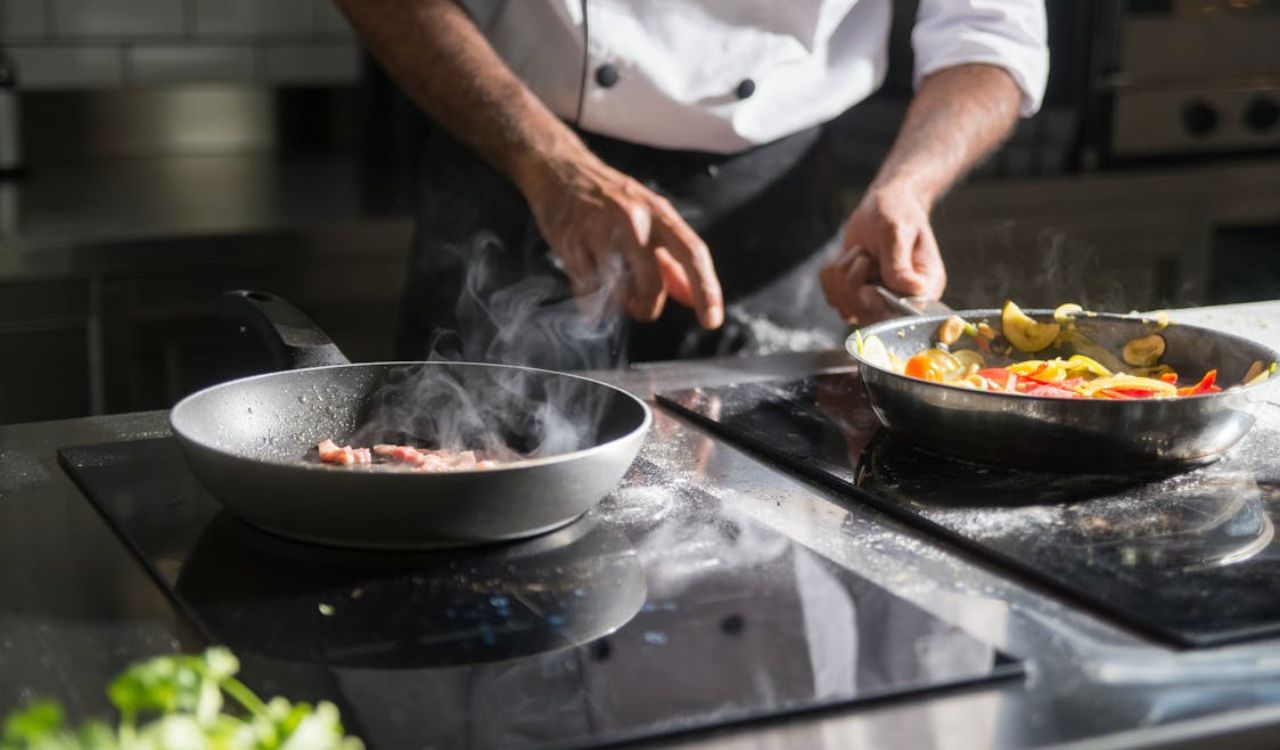
Maintaining identical flavor in a restaurant kitchen is far more complicated than most diners realize. Even when chefs follow the same recipe every time, the final taste can shift slightly because cooking is influenced by many small variables. The intensity of the stove, the exact temperature of the pan, and the freshness of the ingredients all affect how flavors develop. Even experienced cooks may apply seasoning or cooking time with subtle differences. These tiny changes can influence texture, aroma, and balance, which means the same dish prepared twice in the same kitchen may still taste a little different.
Daily restaurant operations also introduce challenges that make perfect consistency difficult to achieve. Ingredients sometimes come from different suppliers depending on season, cost, or availability, and natural variations in produce, meat, and spices can change flavor slightly. Kitchen timing plays a role as well, especially during busy service hours when many orders are prepared at once. A dish cooked a few seconds longer or served a little cooler than planned can alter how its flavors are experienced. Because of these factors, restaurants rely on training, standardized recipes, and quality checks to keep dishes familiar, even though exact duplication is rarely possible.
How Location Shapes Flavor and Food Quality
The place where food is prepared can have a stronger influence on flavor than many diners expect. Ingredients grown or produced in different regions often develop unique characteristics because of soil composition, climate, and farming practices. Fruits and vegetables, for example, can vary in sweetness, acidity, and texture depending on where they are grown and how fresh they are when they reach the kitchen. Even meats and dairy products may differ slightly based on feed, processing methods, and transportation time. These natural variations mean that the same recipe prepared in different locations may start with ingredients that already taste a little different.
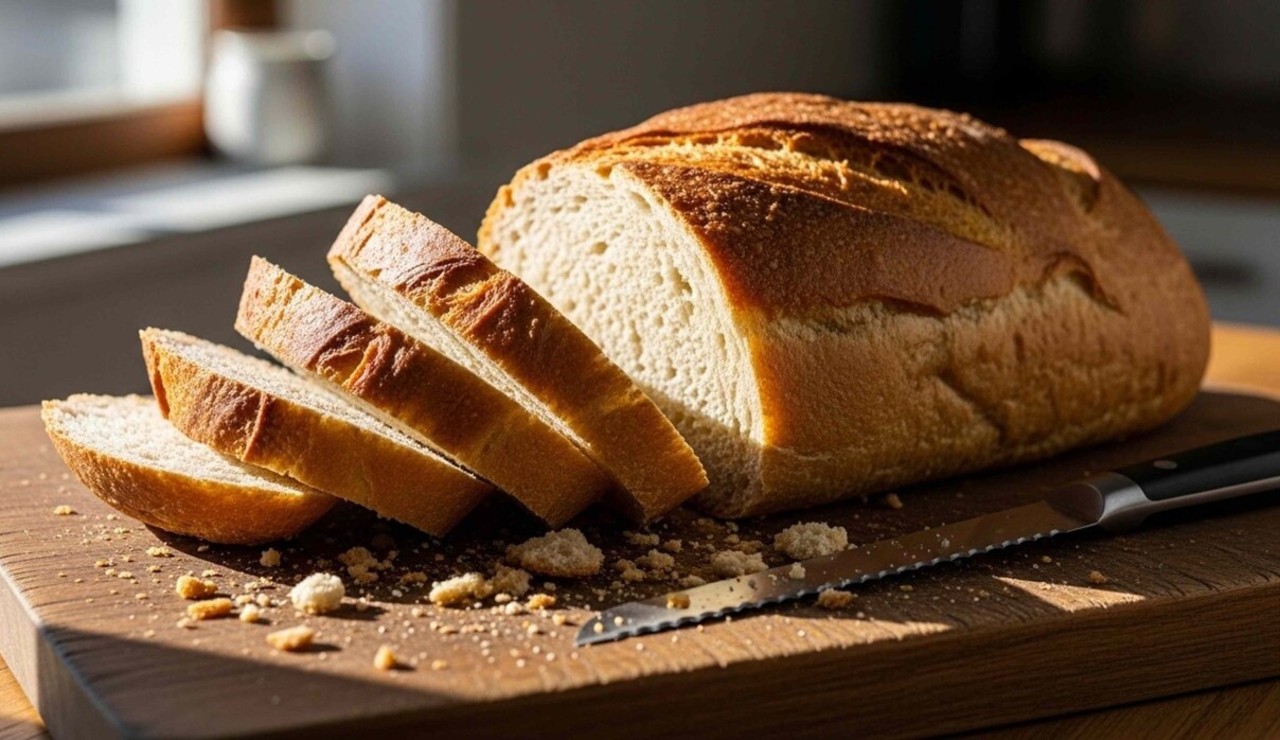
Water quality is another overlooked factor that quietly shapes how food tastes from one place to another. Minerals such as calcium and magnesium in local water supplies can influence how dough forms, how coffee extracts flavor, and how soups or sauces develop their taste. Bakers often notice that bread made in different cities behaves differently because of the mineral balance in water. At the same time, restaurants often adjust recipes to match local preferences, modifying seasoning levels or ingredient ratios to suit regional tastes. Together, these influences help explain why the same dish can still taste different depending on where it is made.
The Science Behind Taste Perception
Taste begins long before food actually touches the tongue. The brain combines signals from several senses to create what people recognize as flavor. Smell plays the largest role, because aroma molecules released from warm food travel through the nose and interact with scent receptors. These signals work together with the five basic tastes detected on the tongue: sweet, salty, sour, bitter, and umami. When these sensory inputs combine, the brain builds a detailed flavor experience. Even small differences in aroma intensity or freshness can make the same dish seem brighter, deeper, or more satisfying to the person eating it.
Physical characteristics of food also influence how flavor is perceived. Texture, temperature, and moisture levels affect the way the brain interprets taste signals. A crispy crust, a creamy sauce, or the warmth of freshly prepared food can amplify the sense of richness and satisfaction. Visual cues matter as well, since color and presentation often shape expectations before the first bite. Psychological factors also play a role, because a pleasant dining environment or strong brand reputation can encourage diners to interpret flavors more positively. Together, these sensory and mental influences help explain why the same food may taste different in different places.
What Diners Should Know About Flavor Differences
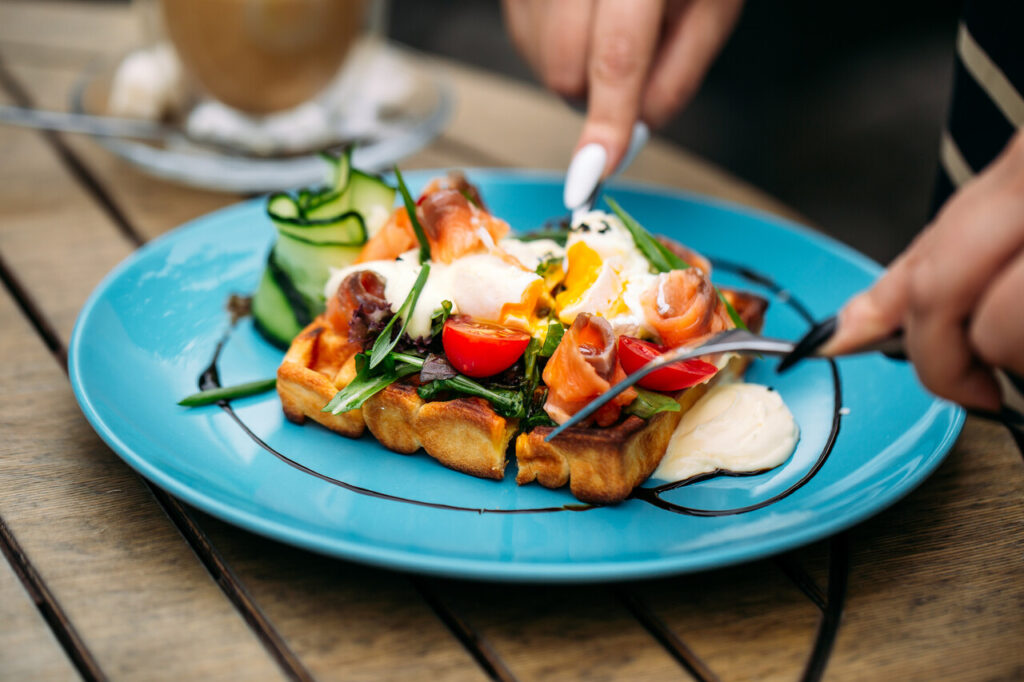
For diners, it can sometimes be surprising when a familiar dish tastes different from one restaurant to another. However, these differences are a natural part of how food is produced and prepared in real kitchens. Even meals that share the same name may involve different ingredient sources, cooking temperatures, seasoning levels, and preparation methods. One chef may use slightly more herbs, another may cook the dish longer, while another may rely on a different type of oil or sauce. These subtle adjustments are often enough to create noticeable changes in flavor, aroma, and texture. Over time, these small variations become part of what makes each restaurant unique.
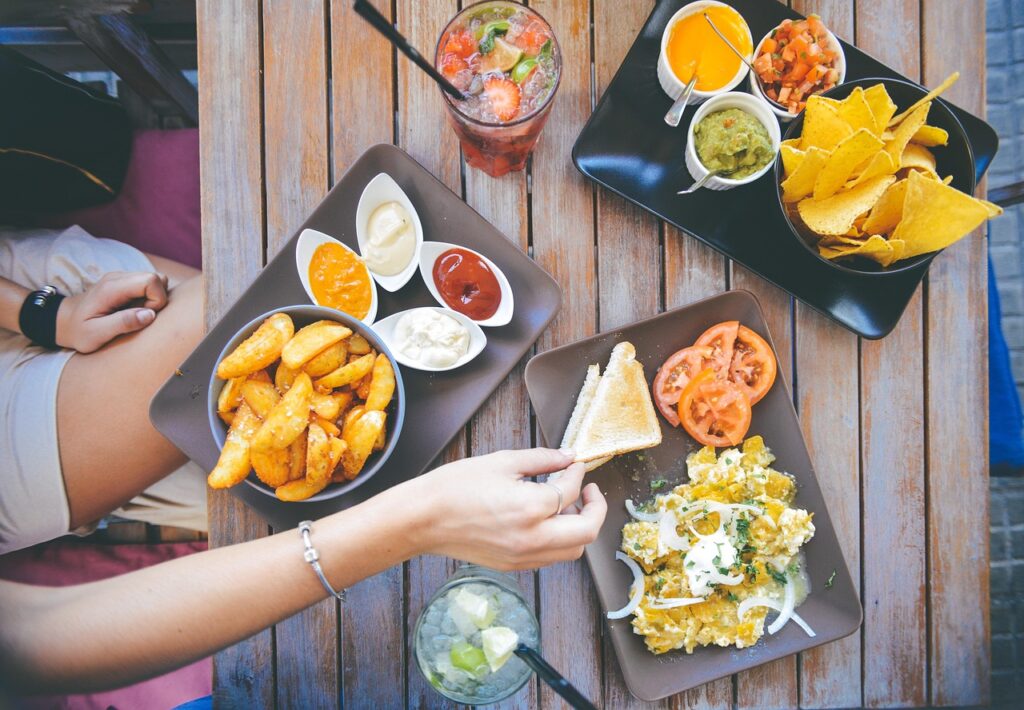
Understanding this variation can help diners appreciate the wide range of food experiences available from place to place. A cheeseburger, bowl of pasta, or plate of fried rice may follow a familiar concept, but every kitchen interprets the dish in its own way. Ingredient freshness, chef preferences, and local supply differences all shape the final result. Instead of expecting identical flavors everywhere, diners can approach each meal as a new version of a favorite dish, influenced by the environment, ingredients, and cooking style behind the kitchen that prepared it. This perspective often makes trying the same dish in new places more interesting.
Why the Same Dish Can Never Be the Same Everywhere
Even when chefs follow detailed recipes and standardized preparation methods, food reflects the conditions in which it is made. Ingredients rarely arrive the same every day. Seasonal changes, supplier differences, and varying levels of freshness can subtly shift the taste and texture of produce, meats, and spices. These variations may seem minor, yet they influence how flavors develop during cooking. A tomato that is slightly sweeter, herbs that are more aromatic, or a cut of meat with a different fat balance can all affect the final dish. Because cooking builds on these ingredients, the foundation of flavor already changes from one kitchen to another.
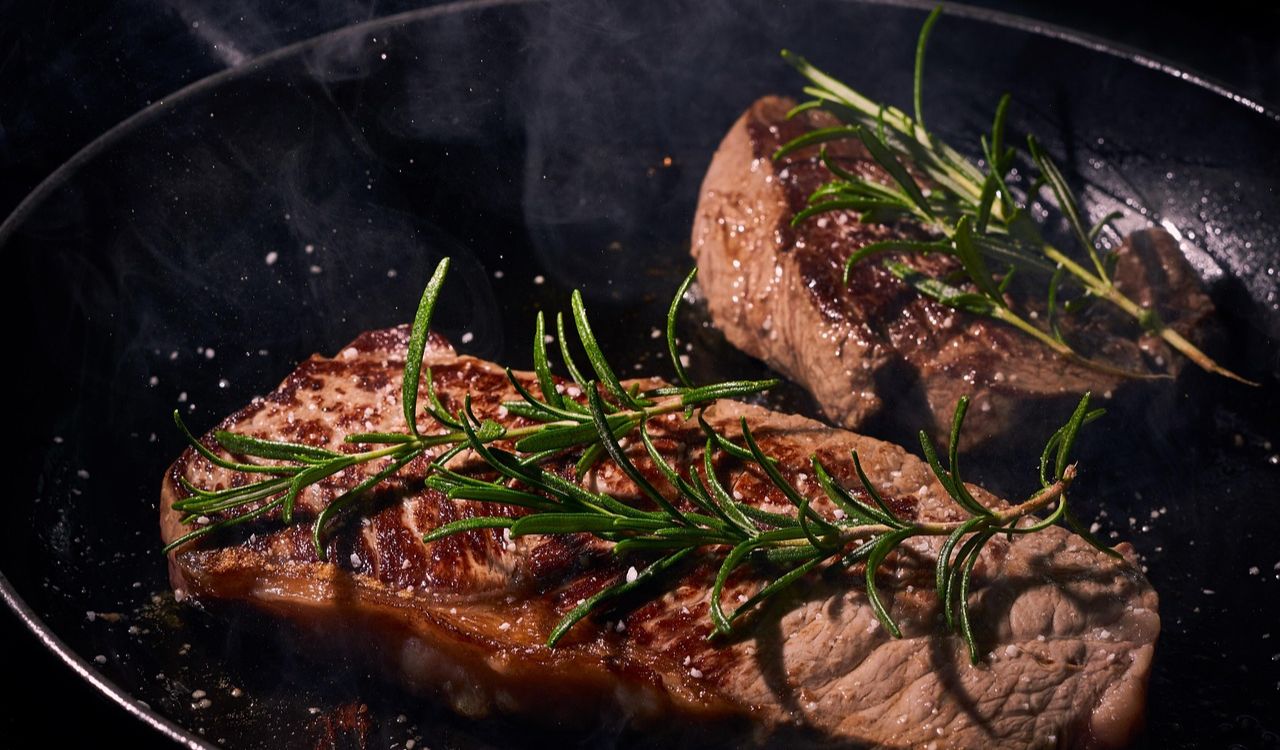
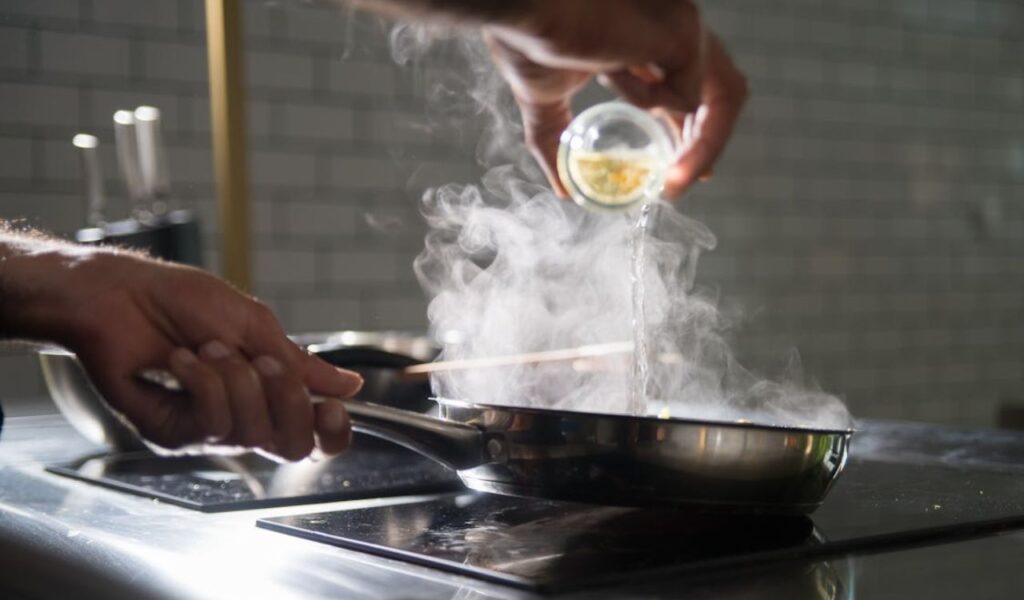
The cooking environment also plays an important role in shaping how food ultimately tastes. Kitchen equipment, heat intensity, and preparation techniques vary widely between restaurants and cooks. A grill that runs hotter, a pan that distributes heat differently, or oil heated to a slightly different temperature can alter browning, moisture, and texture. Timing and handling during cooking further influence the outcome. When these factors combine, they create small but noticeable differences in flavor and mouthfeel. For this reason, even the most familiar dish will carry subtle characteristics shaped by location, tools, ingredients, and the hands that prepared it.