8 Fresh Salads That Look Good but Miss the Mark

Fresh salads often win us over at first glance, promising lightness, color, and balance before the first bite. Crisp greens, glossy fruits, and vibrant toppings can look inviting on the plate, yet appearance does not always translate to satisfaction. Many salads rely on visual appeal while overlooking texture, seasoning, and contrast, which are essential for real enjoyment. When acidity, crunch, or depth is missing, even the prettiest bowl can feel flat. These salads show how easy it is for good looks to overshadow thoughtful composition, leaving dishes that feel underwhelming once you start eating.
1. Iceberg Lettuce Garden Salad
Iceberg lettuce garden salads look crisp and refreshing, but their appeal is mostly visual. Iceberg lettuce is composed largely of water, which gives it crunch but very little nutritional depth. It lacks the fiber, vitamins, and minerals found in darker leafy greens, leaving the salad light but not especially satisfying. Common additions like tomatoes and cucumbers add color, yet they often repeat the same mild, watery profile. Dressing is usually expected to carry the flavor, which can lead to heavy pouring and imbalance. Without texture from nuts, grains, or proteins, the salad feels incomplete.
2. Classic Caprese Salad
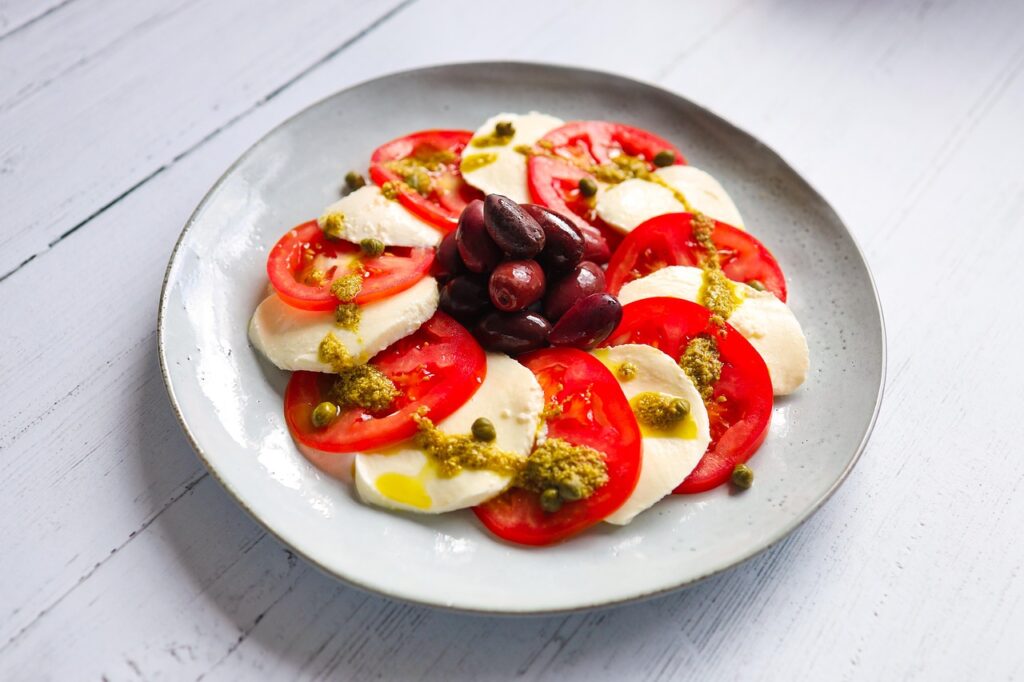
Caprese salad is visually striking, but its success depends almost entirely on ingredient quality. When tomatoes are under-ripe or watery, their sweetness and acidity fall flat. Mozzarella, especially low moisture versions, can taste bland and rubbery instead of creamy. Basil adds aroma, but only briefly, fading quickly once plated. Without proper seasoning, the salad tastes muted despite its bold colors. Olive oil can help, but too much overwhelms the delicate balance. Caprese works best in peak tomato season, yet it is often served year round when ingredients cannot deliver. The result is a salad that looks elegant but often lacks the flavor depth people expect.
3. Creamy Pasta Salad
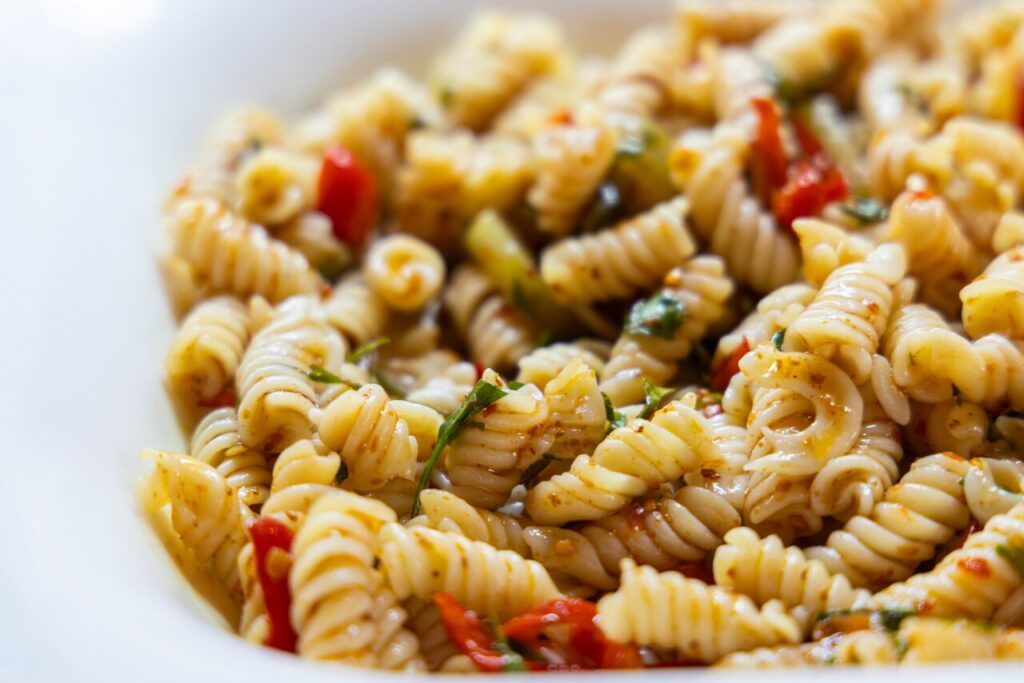
Creamy pasta salad promises comfort, but frequently misses the mark through excess softness and heaviness. Pasta absorbs dressing as it sits, turning firm noodles into bloated, dull bites. Mayonnaise-based dressings coat everything evenly, flattening flavor and masking individual ingredients. Vegetables lose freshness under the weight of the sauce, contributing little crunch or contrast. Served cold, the fat in the dressing dulls aroma, making the salad taste heavier than intended. While filling, the salad often feels monotonous by the second bite. What looks generous and hearty on the table often ends up feeling dense, muted, and overly rich rather than fresh.
4. Mixed Fruit Salad

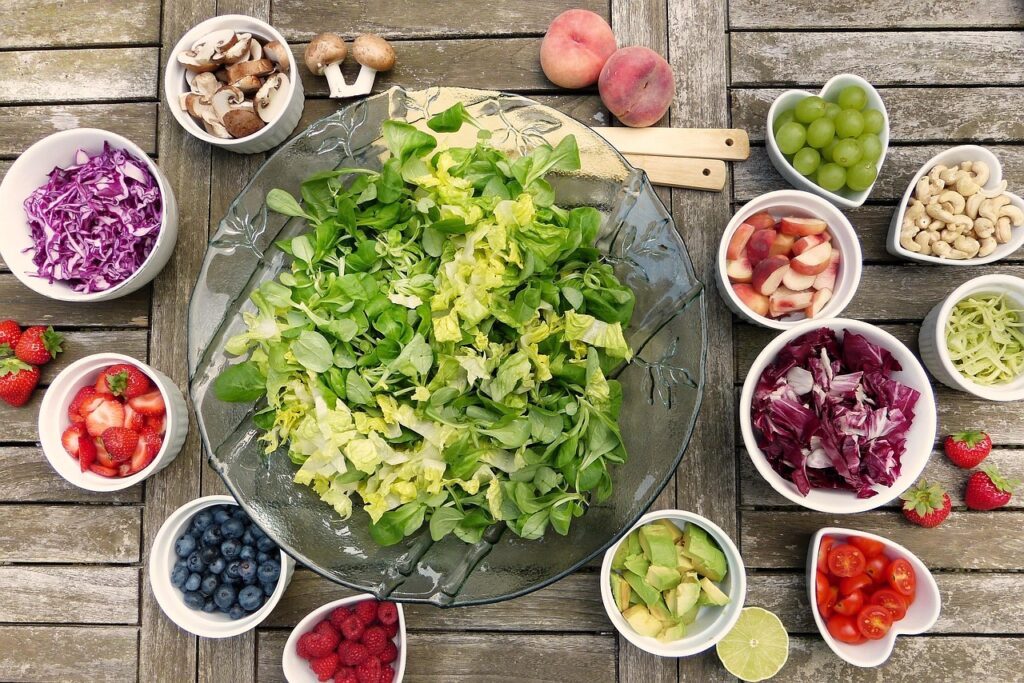
Mixed fruit salad appears vibrant and healthy, yet texture and balance often suffer. Fruits release juice once cut, creating a watery base that dilutes flavor. Softer fruits break down quickly, while firmer ones remain underripe, leading to uneven bites. Sweetness dominates, with little acidity to provide structure or contrast. Chilling the salad dulls its aroma, further reducing its impact. Without herbs, citrus, or a light dressing, flavors blur together instead of standing out. While visually colorful, the salad often tastes less exciting than eating the fruits individually. It satisfies briefly, but rarely feels intentional or memorable as a composed dish.
5. Raw Kale Salad
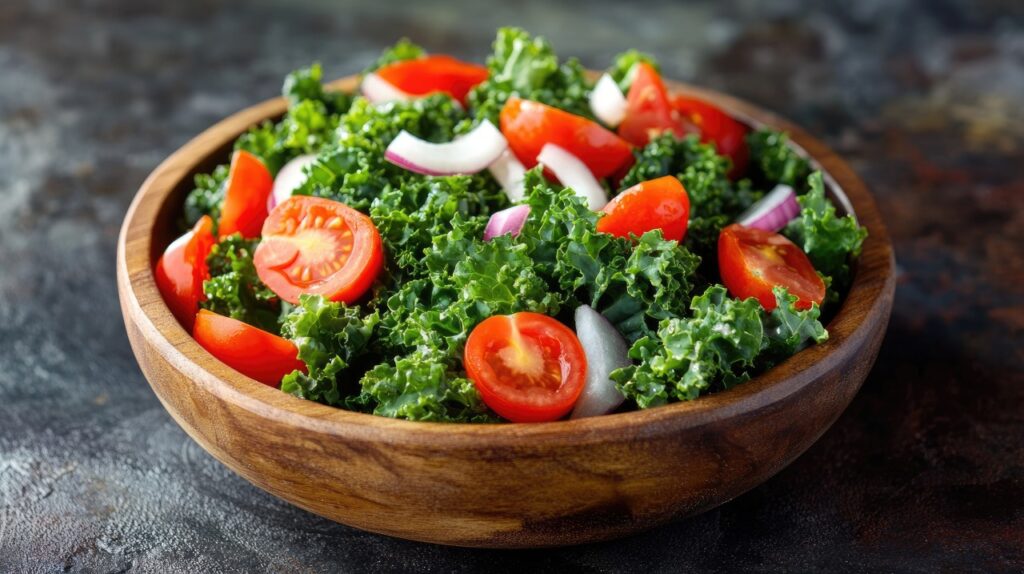
Raw kale salad looks sturdy and nutritious, but its toughness can overwhelm the experience. Kale’s thick cell structure makes it fibrous and chewy when untreated, requiring effort to eat. Without proper massaging or acid, the leaves retain bitterness and resist dressing. Many versions rely on heavy toppings to compensate, which shifts focus away from the greens themselves. Cold temperatures further stiffen the leaves, dulling flavor. While kale is nutrient-dense, raw preparations demand technique to succeed. When skipped, the salad feels more like an obligation than a pleasure, impressive in theory but challenging in practice.
6. Basic Quinoa Salad
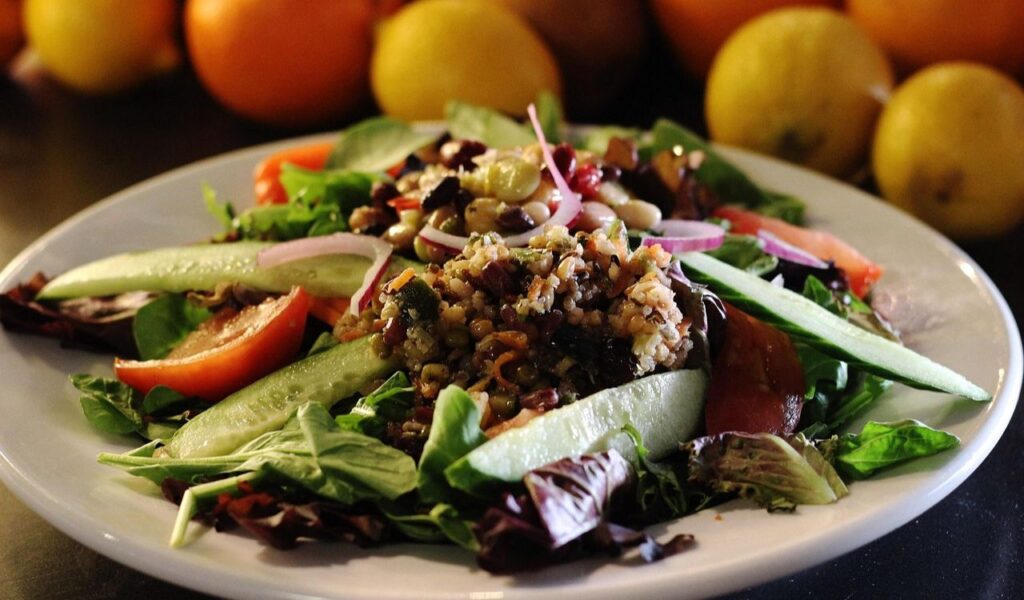
Quinoa salad often looks wholesome but struggles with texture and flavor cohesion. Quinoa itself is neutral, relying on seasoning and mix ins to shine. When under seasoned, it tastes flat; when overdressed, it turns soggy. Ingredients are often chopped too small, blending into a uniform texture without contrast. Served cold, quinoa firms up, muting spice and aroma. Without acidity or fresh herbs, the salad feels dense rather than refreshing. While filling and protein-rich, basic versions lack brightness and energy. The salad appears balanced, yet frequently eats heavier than expected. A squeeze of citrus or fresh herbs is often missing, which could otherwise lift the entire dish.
7. Overdressed House Salad
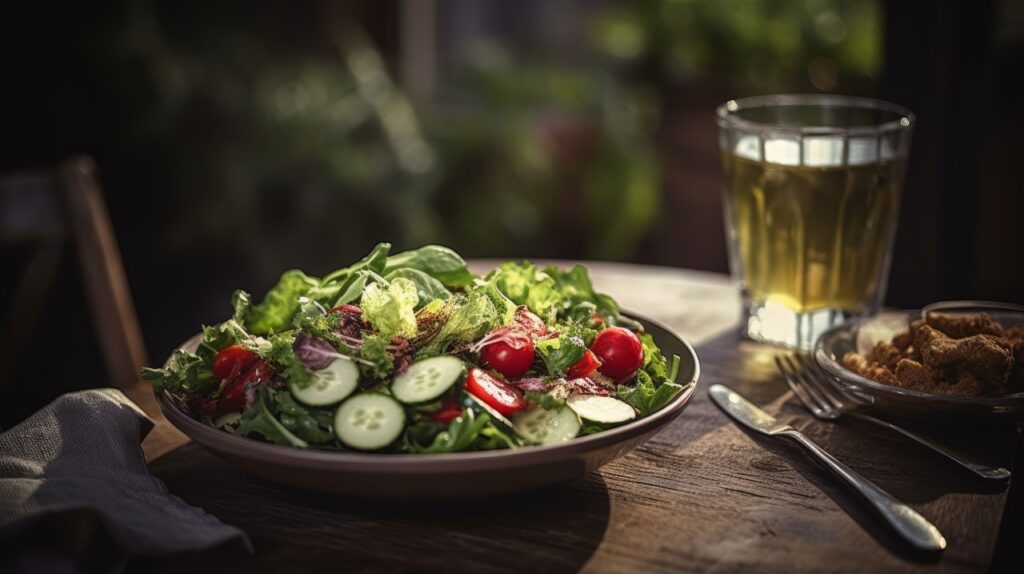
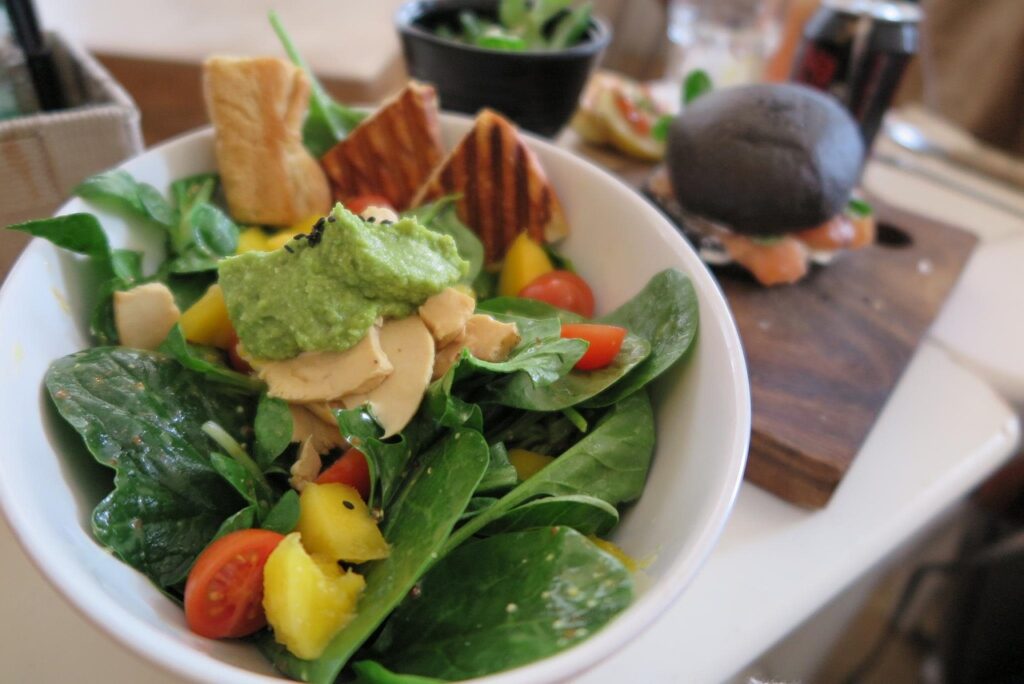
House salads are meant to be simple, but excess dressing quickly undermines that goal. Greens wilt under too much liquid, losing structure and turning limp. Flavors blur as dressing overwhelms natural bitterness and sweetness. Crunchy elements like croutons soften, removing contrast. Cold temperatures dull the aroma, leaving fat and salt as the dominant impressions. Instead of enhancing freshness, dressing becomes the main flavor. What should feel light and crisp ends up heavy and muddled. The salad looks generous, but each bite feels less engaging than the last. Once the greens collapse, there is little texture left to bring the salad back to life.
8. Plain Avocado Salad
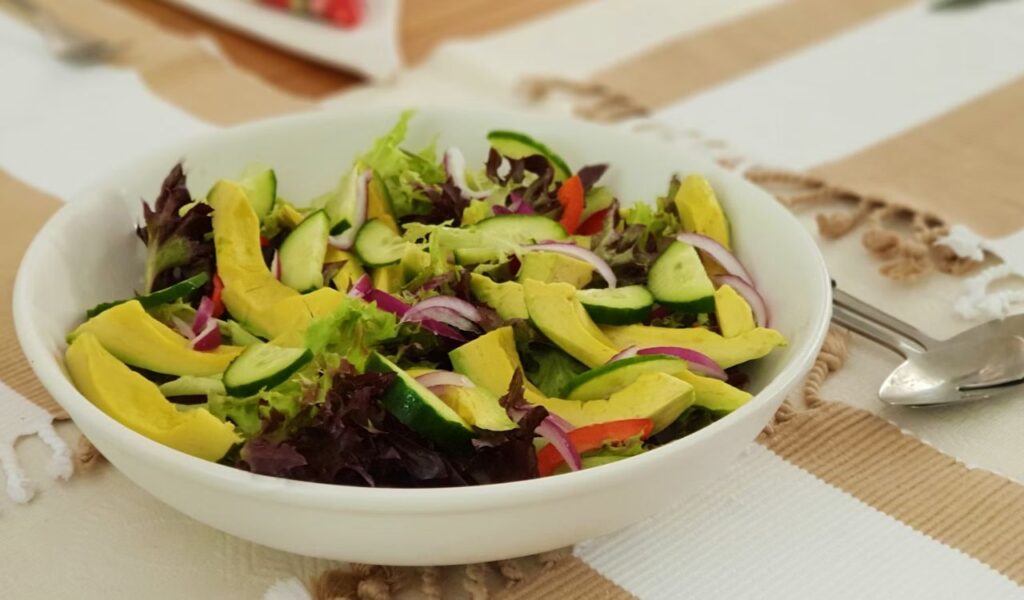
Avocado salad relies heavily on texture, yet often lacks flavor support. Avocados are rich and creamy, but without acid or seasoning, they taste flat. When served cold, their natural sweetness fades, leaving fat without brightness. Simple additions like onion or tomato help, but are often used sparingly. Without crunch or heat, the salad becomes one-dimensional quickly. Oxidation can also dull color and flavor, reducing appeal over time. While visually appealing at first glance, plain avocado salads struggle to stay interesting beyond the first few bites, missing the balance needed to feel complete.