How Two Small Letters on the Label Can Help You Buy Better Champagne


Champagne shopping often feels intimidating, especially when shelves are lined with elegant bottles that reveal little beyond price tags and famous names. Many shoppers assume quality is tied to prestige, assuming higher cost guarantees a better experience. In reality, some of the most revealing clues are easy to miss unless you know where to look. Champagne labels follow strict rules, and within those rules are small identifiers that quietly explain how the wine was made. These details are not marketing language or tasting notes. They are factual markers that show who handled the grapes, who controlled production, and how closely the wine reflects its place of origin.
Once you understand what those subtle label clues mean, the entire experience changes. Instead of guessing or relying on brand recognition, you can identify bottles made by the same people who grew the grapes. This matters because Champagne is unique in how often fruit is sourced from multiple vineyards and blended for consistency. When a single grower manages the vines and the winemaking, the result often reflects more care, transparency, and personality. These Champagnes can taste fresher, more expressive, and sometimes cost less than heavily marketed alternatives. They also offer a sense of place, allowing drinkers to experience how soil and farming choices shape the final wine.
The Meaning Behind Two Tiny Letters
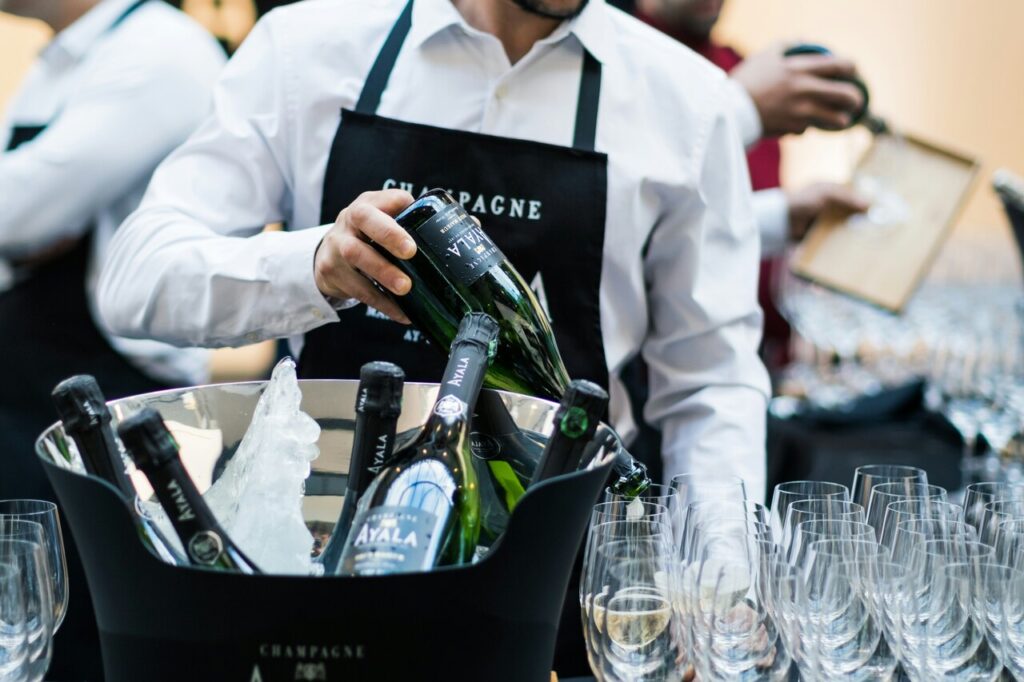
Most Champagne bottles appear similar at first glance, wrapped in familiar shapes and elegant fonts that give little away. Yet a small detail quietly reveals how the wine was made and who stood behind it. The letters RM, short for Récoltant-Manipulant, signal that the same grower who harvested the grapes also made and bottled the Champagne. This distinction matters because Champagne is unusual among wine regions. Many well-known houses rely heavily on purchased grapes rather than the vineyards they own. RM indicates full responsibility from vine to cork, linking farming decisions directly to what ends up in the glass and offering buyers a clearer picture of authorship and intent.
That control influences every stage of production, from harvest timing to fermentation and aging choices. Growers work with vineyards they know deeply, often parcels tended by the same families for generations. Instead of blending fruit from across the region, they highlight specific soils, slopes, and microclimates. RM labeling also acts as a marker of transparency. It tells buyers exactly who is accountable for the wine rather than hiding behind a brand name. Choosing RM Champagne means buying a producer’s direct work, not a corporate style. Those two letters help distinguish Champagne as a place shaped by land and people, which is why informed buyers seek them out.
How Grower Champagne Is Made
Grower Champagne begins in the vineyard, long before any blending decisions are made. RM producers rely entirely on their own parcels of land, which are often small, divided, and carefully maintained. Because the grower’s name is tied directly to the bottle, vineyard health takes priority over volume. Yields are usually kept lower to improve concentration, and harvest timing is guided by ripeness rather than preset schedules. Soil type, slope, and exposure all influence how grapes develop, and growers respond with precise farming choices. There is no outside grape supply to correct mistakes, meaning quality control starts in the vines and carries through the entire process.
Once the grapes are harvested, production remains intentionally limited. Grower Champagnes are typically made in small batches, allowing close attention during fermentation and aging. Winemaking is hands-on, with fewer shortcuts and little pressure to repeat the same flavor every year. Some producers favor stainless steel to preserve freshness, while others use neutral oak to add texture. Extended aging on the lees is common, building structure and depth. Because each wine reflects a specific harvest, vintage variation is welcomed, resulting in Champagnes closely tied to the land and season that shaped them.
Why RM Champagne Tastes Different

Grower Champagne often stands out because it refuses to taste uniform or overly polished. RM bottles are shaped by grapes grown in specific vineyards rather than blended from dozens of sources to maintain a fixed house profile. This leads to sharper detail, clearer fruit expression, and more noticeable mineral tones. The wine reflects the soil, slope, and climate where the grapes were grown, giving it a sense of place that mass-produced Champagne cannot easily replicate. Instead of smoothing out variation, growers allow natural differences to remain, which makes each bottle feel intentional and distinct rather than standardized for global consistency.
Another clear difference shows up in texture and energy. RM Champagnes often feel more vibrant, with brighter acidity, finer bubbles, and layered flavors that evolve in the glass. Because small producers are not required to match a strict brand taste year after year, vintage changes are embraced rather than hidden. Freshness also plays a role, as these wines usually move through the market faster and are released closer to their ideal drinking window. The result is Champagne with personality and immediacy, offering drinkers a more expressive and engaging experience from first sip to finish.This sense of movement and change keeps each bottle feeling alive rather than predictable.
Understanding Other Champagne Label Codes
RM is only one of several official codes used in Champagne, and understanding the others helps buyers set realistic expectations before opening a bottle. One of the most common is NM, which stands for Négociant-Manipulant. This code identifies large Champagne houses that purchase grapes from many growers across the region. Their goal is consistency, blending fruit from different villages and vineyards to maintain a recognizable house style year after year. These wines are dependable and polished, designed to taste familiar across vintages. While NM Champagnes can be high quality, they are less focused on expressing a single place and more focused on preserving brand identity.
Other codes reveal different production models with varying levels of control. CM, or Coopérative-Manipulant, refers to wines made by cooperatives where multiple growers pool grapes and resources under one label. Quality can range widely depending on vineyard sources and winemaking leadership. RC indicates a grower who owns vineyards but sends grapes to a separate facility that produces the Champagne under the grower’s name, reducing direct involvement. These codes are not quality rankings, but they clearly explain responsibility and philosophy. RM stands apart because it unites grape growing and winemaking, offering transparency and a closer connection between land and bottle.
How to Use RM Labels When Shopping
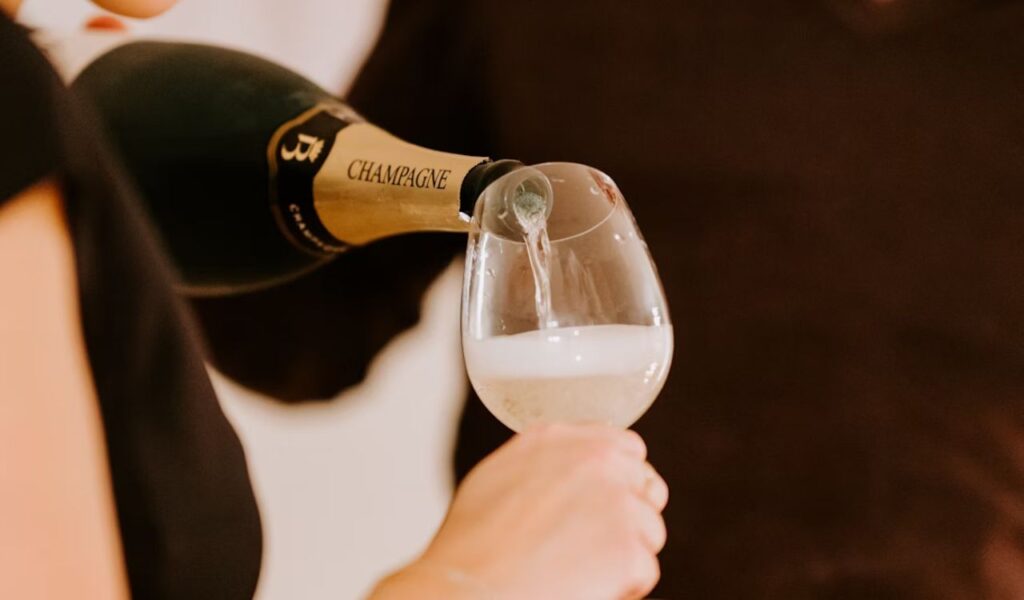
Finding RM Champagne becomes straightforward once you train your eye to slow down and read the fine print. The RM code is usually printed in small lettering on the back label near the producer’s address or legal information, not on the front where branding dominates. Many shoppers overlook this area, focusing instead on familiar names or medal stickers. Taking a few extra seconds to scan the label reveals whether the wine was grown and made by the same producer. This small habit shifts buying decisions away from guesswork and toward real production facts, giving shoppers a clearer understanding of what they are purchasing before it ever reaches the glass.
Price offers another useful clue when evaluating RM bottles. Despite higher vineyard involvement, grower Champagnes are often priced below major house labels because they carry lower marketing costs. You are paying for farming, cellar work, and aging rather than global advertising. Storage and sourcing matter as well. Because RM Champagnes are produced in smaller quantities, handling affects quality more noticeably. Choosing retailers known for proper storage and knowledgeable staff increases the chance of finding fresh, expressive bottles that accurately reflect their vineyards and reward careful label reading.
Reference
- Look For These Two Letters on the Label to Buy Better Champagne – foodandwine.com
- Look For These Two Letters on the Label to Buy Better Champagne – aol.com
- Understanding Champagne Label Codes – glassofbubbly.com