11 Dump and Simmer Soups for Lazy Winter Nights

Dump and simmer soups are built for winter nights when energy is low, and comfort matters most. These recipes rely on sturdy ingredients that develop flavor slowly with minimal attention. By adding everything to one pot and letting time do the work, the result is a deeply warming meal without complicated steps. From brothy classics to creamy favorites, these soups offer reliable nourishment, easy cleanup, and leftovers that taste even better the next day, making them ideal for cold evenings and busy schedules.
1. Chicken Noodle Soup
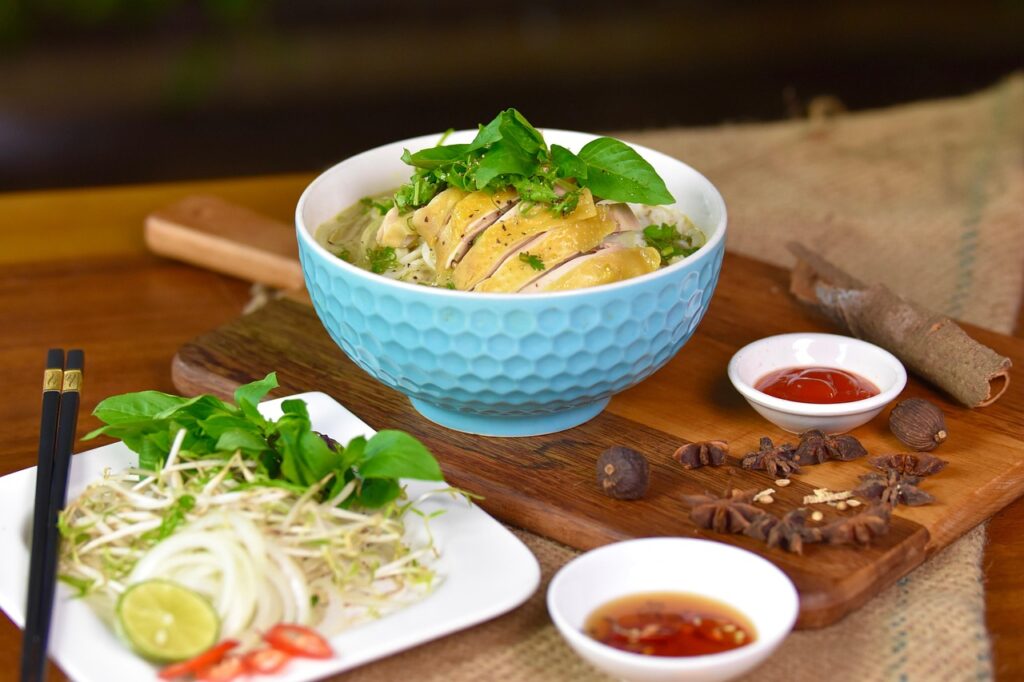
Chicken noodle soup earns its place as a dump-and-simmer staple because it relies on simple ingredients that improve with time rather than precision. Bone-in chicken or thighs can be added directly to the pot along with broth, onions, carrots, and celery, allowing the soup to build flavor gradually as it simmers. The long, gentle cook extracts collagen from the chicken, giving the broth body without extra steps. Noodles are added near the end, preventing them from turning mushy while still absorbing savory flavor. This soup is forgiving if measurements are loose, making it ideal for tired evenings.
2. Vegetable Beef Soup
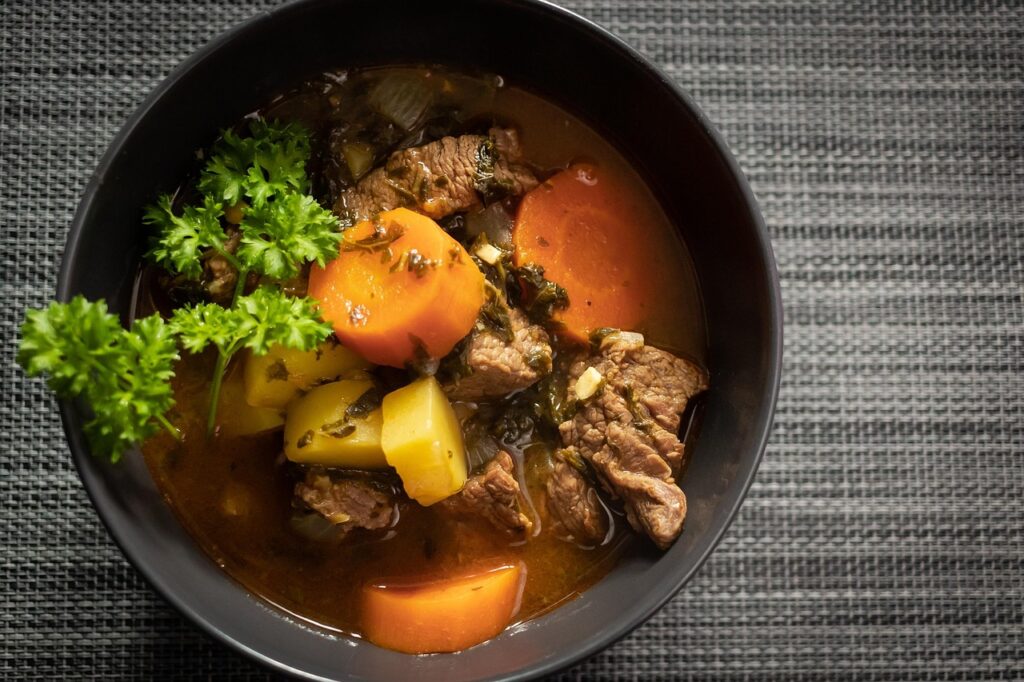
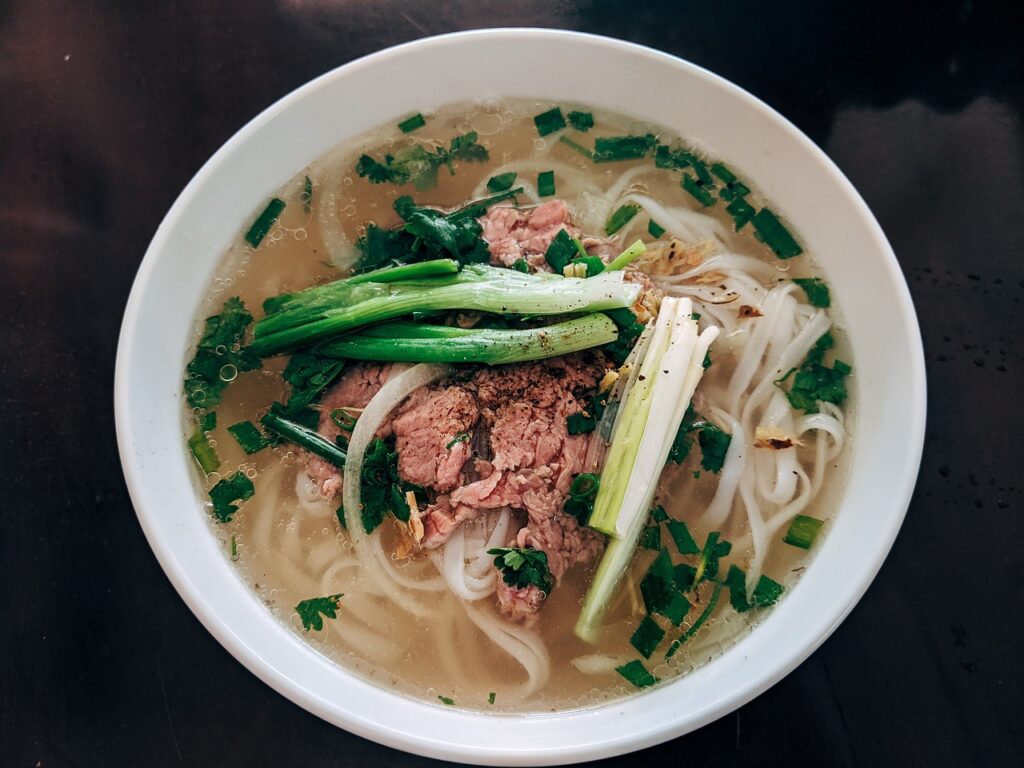
Vegetable beef soup is built for low-effort cooking because it welcomes variety and substitution. Chunks of beef, frozen or fresh vegetables, canned tomatoes, and broth can all be added at once, then left to simmer until tender. The slow cooking process allows tougher cuts of beef to soften while vegetables release natural sweetness into the broth. This soup benefits from time more than technique, making it ideal for hands-off preparation. Because ingredients are sturdy, overcooking is rarely an issue. The result is a filling, balanced soup that delivers warmth and nutrition with minimal planning or attention.
3. Minestrone
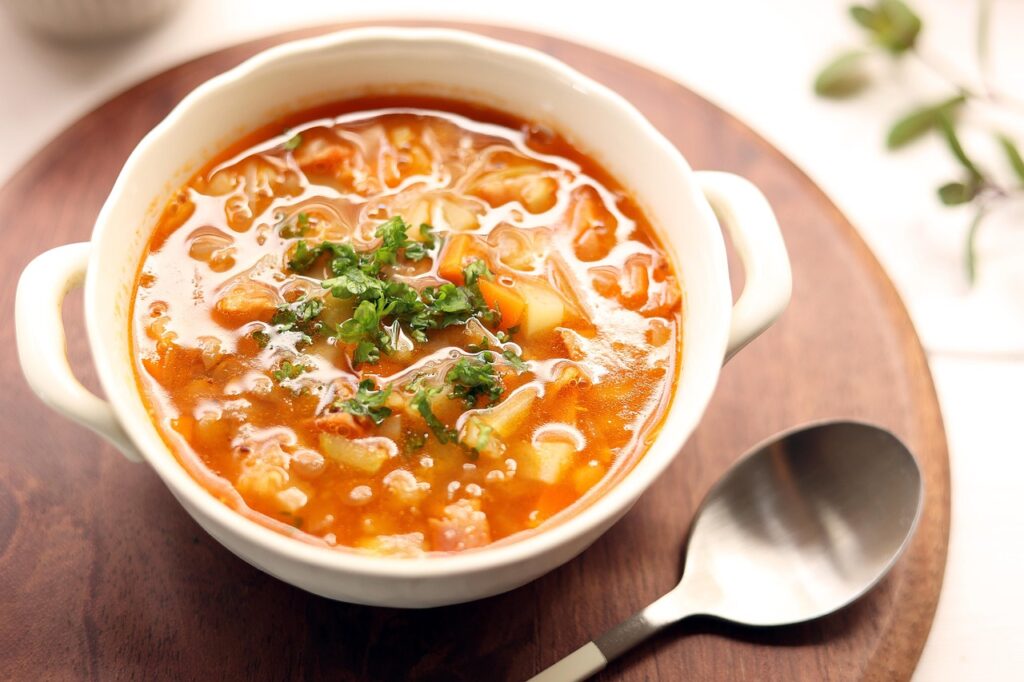
Minestrone works especially well as a dump-and-simmer soup because it has no fixed ingredient list. Ingredients such as beans, vegetables, tomatoes, broth, and pasta or grains can all be added in stages with little risk of failure. The soup builds depth as starches release body and vegetables soften into the broth. Herbs and seasonings can be adjusted late in cooking without disrupting balance. Minestrone is also adaptable to what is already on hand, reducing the need for grocery trips. Its flexible structure and forgiving nature make it one of the easiest soups to assemble on a cold night when energy is low.
4. Potato Soup
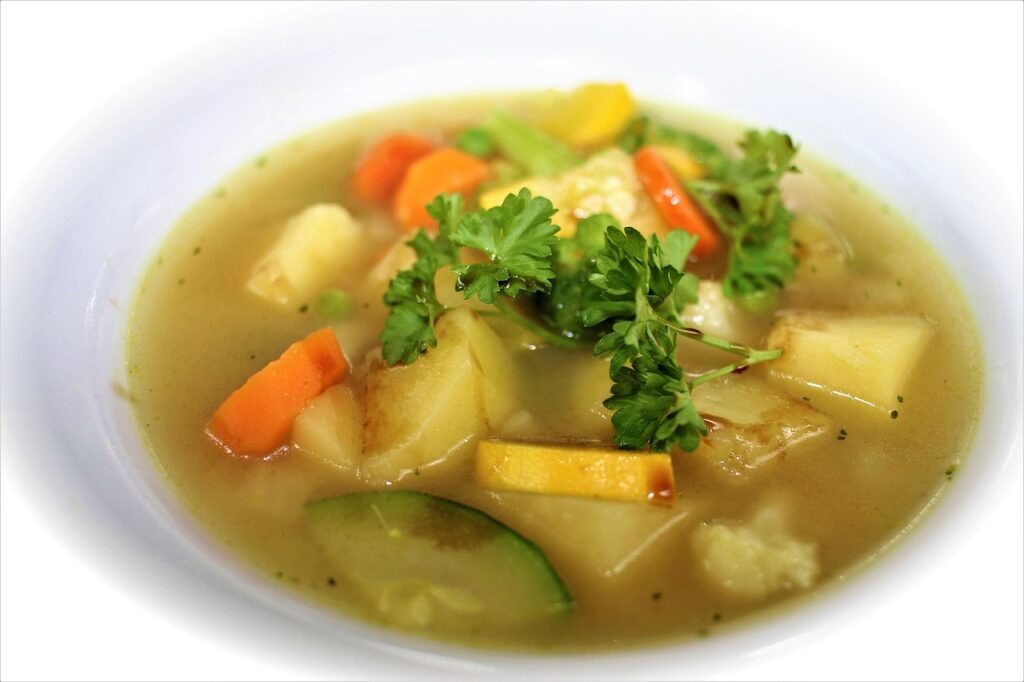
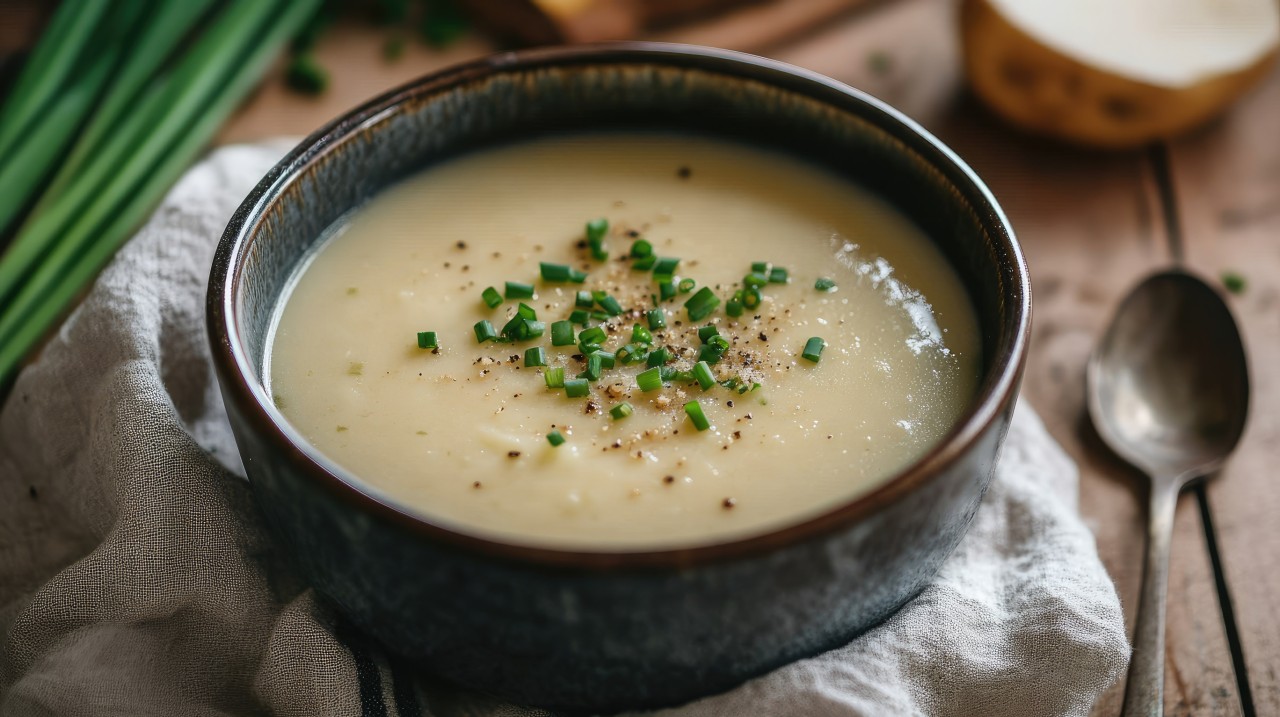
Potato soup is naturally suited to lazy cooking because potatoes break down and thicken the broth as they cook. Ingredients such as diced potatoes, onions, broth, and simple seasoning can simmer together until soft, creating a creamy texture without extra effort. Adding milk or cream near the end enhances richness without requiring blending or careful timing. The soup tolerates long simmering, which allows flavors to meld fully. Optional add-ins like bacon or cheese can be stirred in at the end if desired. Its simplicity and filling nature make potato soup a dependable choice for cold evenings.
5. Tomato Basil Soup
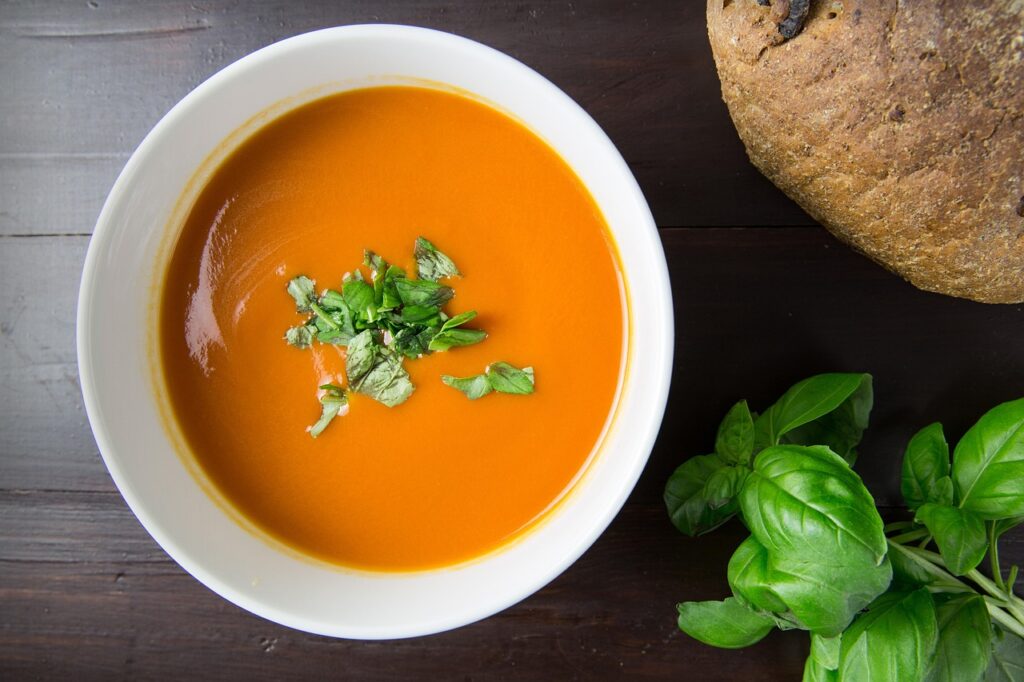
Tomato basil soup succeeds as a dump-and-simmer option because tomatoes carry both acidity and sweetness that deepen with cooking. Canned tomatoes, broth, garlic, and herbs can simmer together without constant monitoring. The long cooking reduces sharpness and concentrates flavor naturally. Blending at the end is optional and forgiving, as texture can be adjusted easily. This soup pairs well with simple sides like toast or grilled cheese, making it a complete meal with minimal work. Its straightforward ingredient list and predictable results make it ideal for nights when effort needs to stay low.
6. Lentil Soup
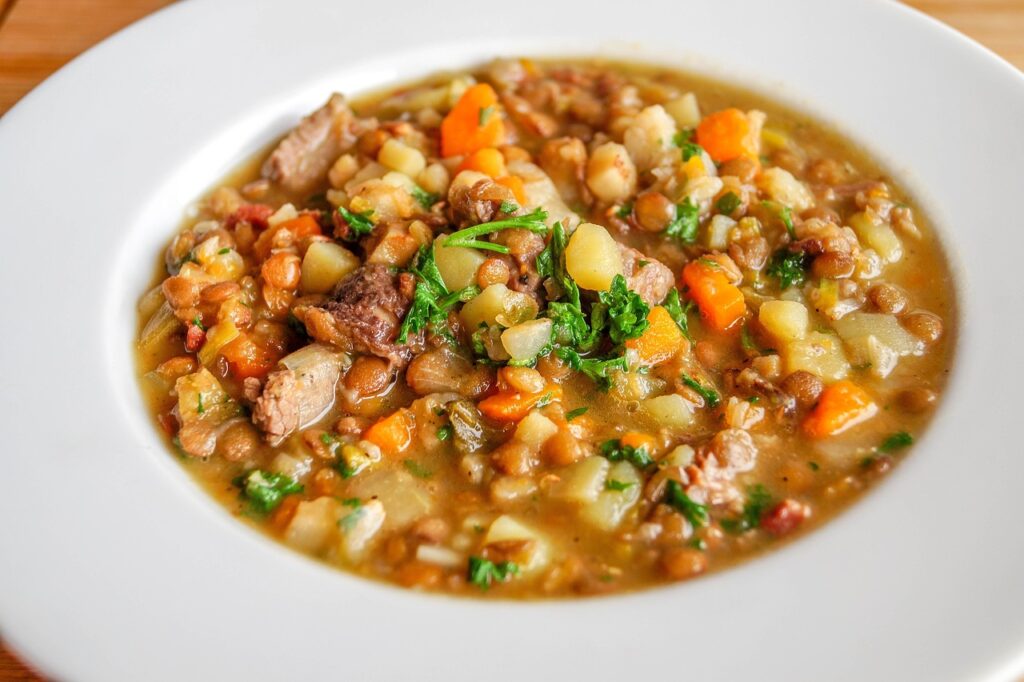
Lentil soup is well-suited for lazy cooking because lentils cook directly in broth without soaking. Lentils, vegetables, spices, and broth can all be added at once and left to simmer until tender. As lentils soften, they release starch that naturally thickens the soup. The protein and fiber content make it especially satisfying, even without meat. Lentil soup retains its heat well and improves with time, making leftovers a reliable option. Its resilience and nutritional density make it a practical winter soup that requires little attention. A final splash of lemon or vinegar can sharpen flavor and prevent the soup from tasting flat.
7. Beef Barley Soup
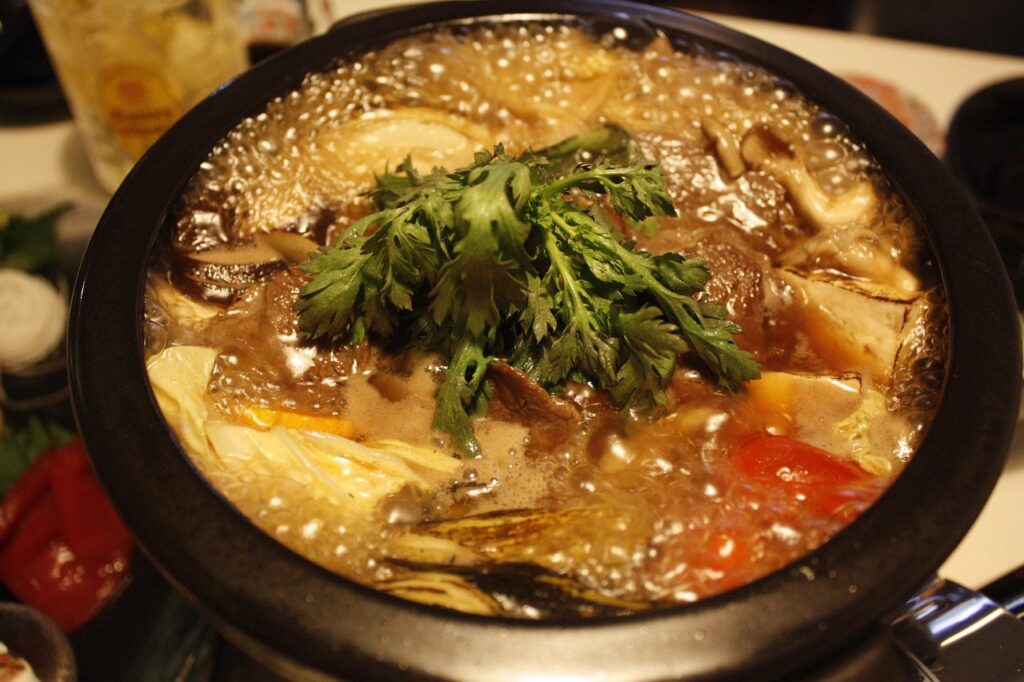
Beef barley soup benefits from long, slow cooking that requires minimal intervention. Beef, barley, vegetables, and broth can be combined early and left to simmer until the grains are tender and the meat is soft. Barley absorbs liquid gradually, thickening the soup and creating a hearty texture. This soup is forgiving if cooked longer than planned, as barley holds its shape better than many grains. The result is a deeply warming bowl that feels substantial without complicated preparation. It is especially useful on cold days when comfort and fullness matter most. Adding extra broth during reheating restores balance while preserving.
8. Creamy Chicken and Wild Rice Soup
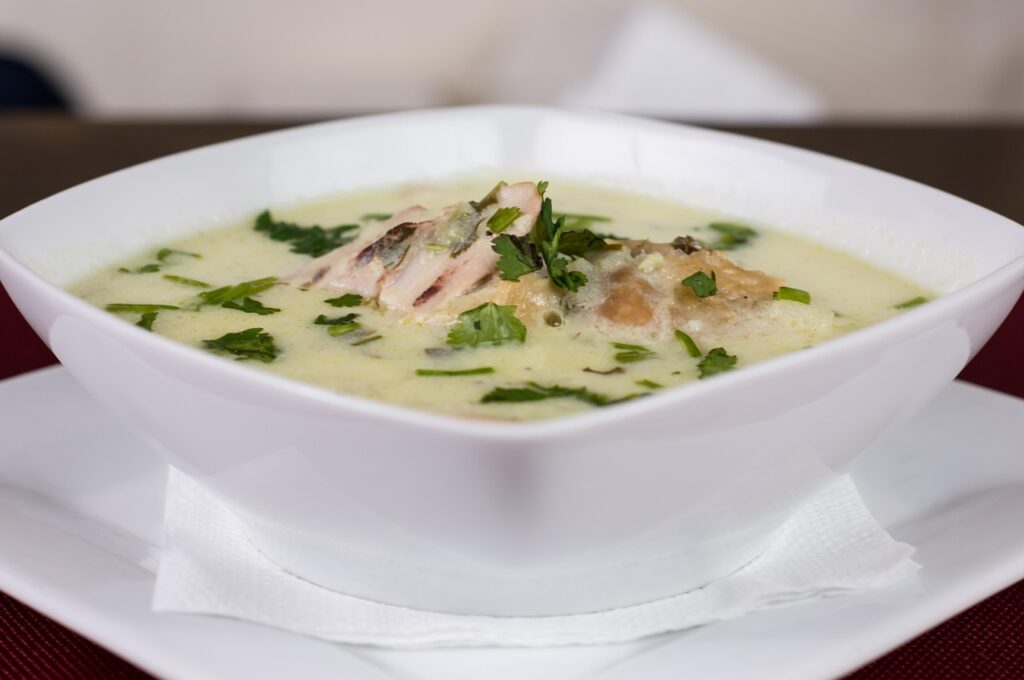
This soup works well for dump-and-simmer cooking because wild rice and chicken both improve with extended simmering. Wild rice takes time to soften, allowing flavors to develop slowly without rushing. Chicken adds richness to the broth as it cooks, while rice releases starch that contributes body. Cream or milk can be added near the end to finish the soup without curdling when done properly. The soup tolerates long cooking times and reheats smoothly. Its creamy texture and hearty ingredients make it especially comforting on winter nights. This durability makes it especially reliable for slow simmering and repeated reheating.
9. Split Pea Soup
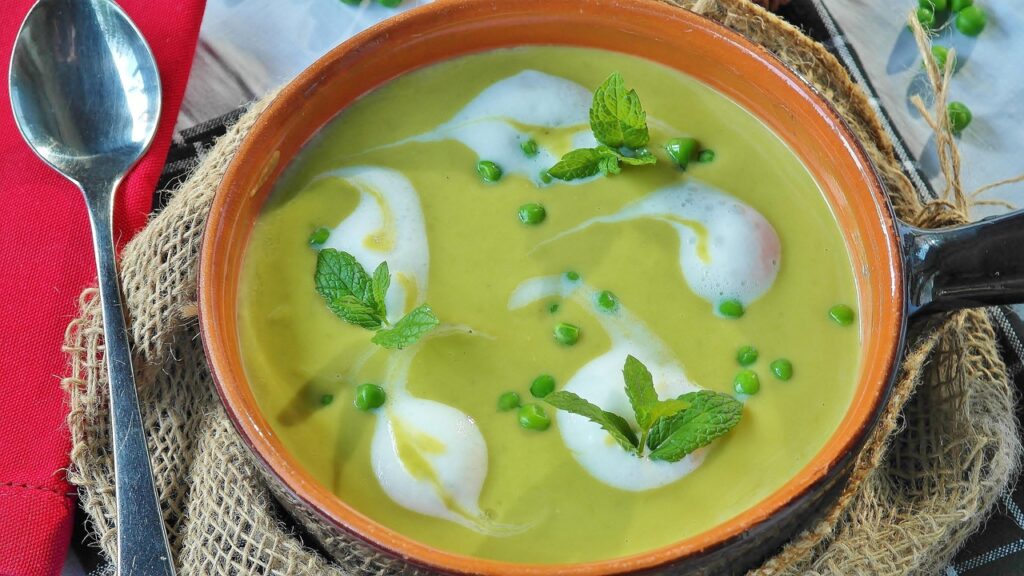
Split pea soup is almost designed for unattended cooking. Split peas break down naturally as they simmer, thickening the soup without blending. Peas, broth, onions, and seasoning can cook together for hours with little risk of failure. Adding ham or smoked meat enhances depth but is optional. The soup becomes richer as it rests, making leftovers even better. Its dense texture and high protein content make it filling and sustaining. Split pea soup is ideal for days when the pot can quietly simmer while everything else slows down. The soup naturally smooths over time, creating a cohesive texture without blending.
10. Butternut Squash Soup

Butternut squash soup suits lazy cooking because squash softens easily and blends smoothly after simmering. Cubed squash, broth, onions, and seasoning can cook together until tender without precise timing. The natural sweetness of squash intensifies with heat, creating depth without extra ingredients. Blending at the end creates a velvety texture that feels refined despite minimal effort. The soup handles reheating well and maintains flavor over time. Its warmth and gentle sweetness make it especially comforting during colder months. Spices like nutmeg or cumin can be added sparingly to enhance warmth without overpowering the squash.
11. Ham and Bean Soup
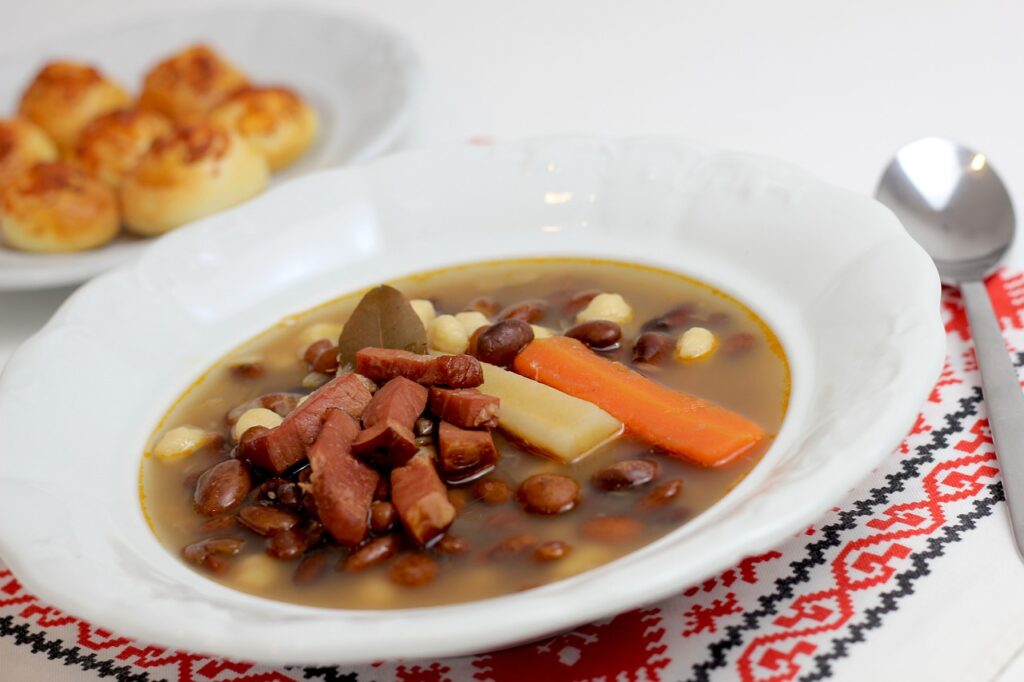
Ham and bean soup is built for dump-and-simmer cooking, especially when using leftover ham. Beans, broth, vegetables, and ham can cook together for hours, allowing flavors to meld naturally. Beans soften slowly, absorbing smoky notes from the ham while thickening the broth. This soup improves with extended cooking and repeated reheating. Its rustic nature means precise measurements are unnecessary. Ham and bean soup delivers warmth, protein, and satisfaction with very little active work, making it a dependable option for winter nights. Using a ham bone adds depth through slow collagen release, enriching the broth as it simmers.