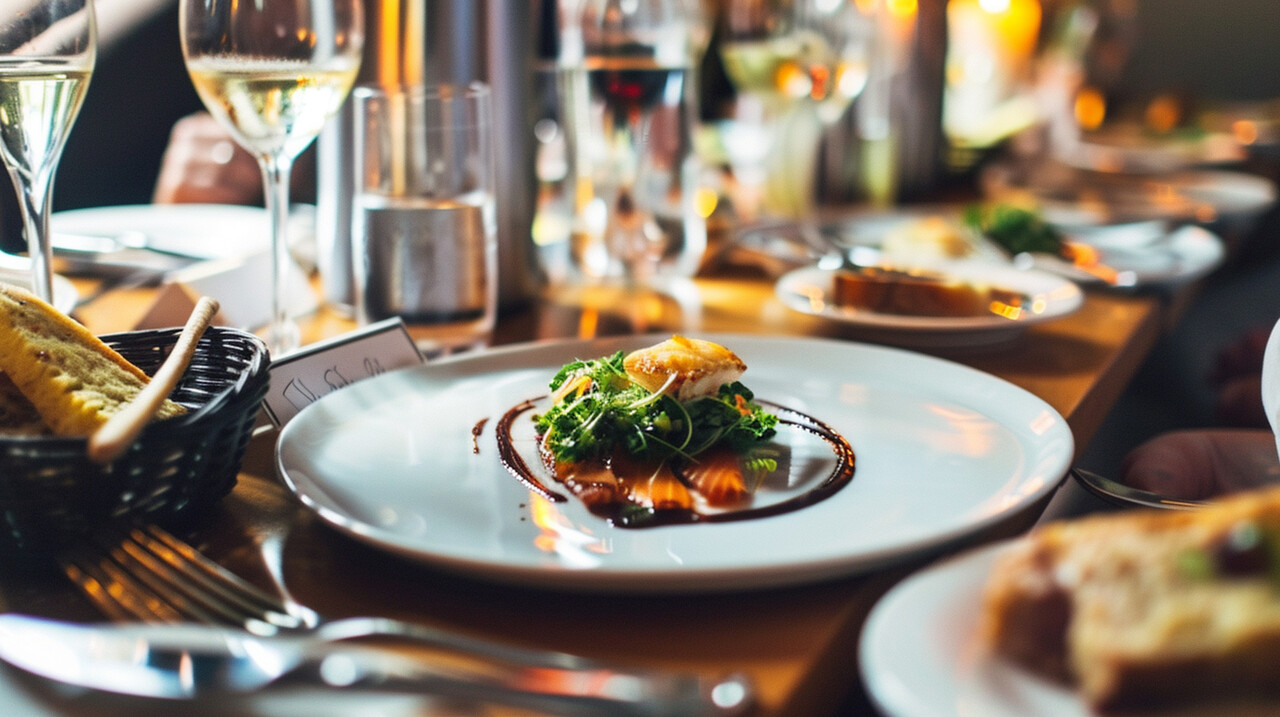
Restaurant Portions Across the U.S. Are Quietly Getting Smaller

Changing Appetites in Modern Dining
For decades, American restaurants were known for serving enormous portions that often exceeded what a single diner could realistically finish. Large plates were seen as a sign of generosity and value, and many restaurants built their reputations around meals that were big enough to share or take home as leftovers. However, the way people approach eating has gradually begun to change. Diners today are more aware of how much food they actually need in one sitting, and oversized meals can feel less appealing than they once did. Instead of measuring value purely by quantity, many customers now focus more on flavor, freshness, and overall dining satisfaction.
Modern lifestyles also play an important role in shaping these preferences. People often eat several smaller meals throughout the day rather than relying on one large portion during dinner. Work schedules, fitness routines, and evolving health habits encourage moderation instead of excess. As a result, restaurants are recognizing that traditional oversized servings may no longer match the expectations of a growing segment of their customers. Slightly reducing portion sizes can help align menus with how people actually eat today while still maintaining the quality and presentation that diners appreciate.
Another factor influencing portion sizes is generational change. Younger diners often prioritize balance and nutrition over sheer volume. They tend to appreciate meals that include thoughtful combinations of protein, vegetables, and grains rather than plates overloaded with a single ingredient. When restaurants respond to these expectations, portion sizes naturally become more moderate. The result is a quieter shift in dining culture where satisfaction comes from quality and balance rather than simply the amount of food placed on the plate. Over time, these preferences influence how menus are written and how chefs think about plating.
Weight-Loss Drugs Are Reshaping Menus
A surprising influence on restaurant portions comes from the increasing use of appetite-reducing medications. Certain treatments designed to support weight management significantly reduce hunger signals and make people feel full sooner than they did in the past. For individuals using these medications, finishing a large restaurant entrée can be difficult or even uncomfortable. Many restaurants have begun noticing these changes in dining behavior as customers leave more food uneaten or choose smaller dishes when ordering. These patterns gradually encourage restaurants to rethink how large their portions need to be.
Restaurant operators closely observe how customers interact with menus and plates. When diners repeatedly leave a significant portion of their meals unfinished, it signals that the portion may no longer match real appetites. In response, some restaurants experiment with more moderate servings that still deliver the same flavor and presentation but feel easier to finish. These adjustments help restaurants maintain customer satisfaction while reducing the amount of food that ends up uneaten at the table. When portions match appetites more closely, kitchens waste fewer ingredients and service becomes more efficient.
The influence of these medications extends beyond individual diners. As their popularity grows, the broader dining market begins to adapt. Restaurants are exploring dishes that emphasize quality ingredients, balanced nutrition, and manageable portions rather than sheer size. In many cases, the goal is not to make meals smaller in a noticeable way but to align them more closely with the appetite patterns of modern diners. This shift illustrates how health trends can ripple through the restaurant industry in unexpected ways. Even subtle changes in consumer behavior can gradually reshape how chefs design plates.
Rising Costs Are Pressuring Plate Sizes
Economic pressure is one of the most direct reasons restaurant portions are shrinking. Over the past several years, the cost of running a restaurant has increased across multiple categories. Ingredients such as meat, seafood, dairy, and cooking oils have become significantly more expensive. Labor costs have also risen as restaurants compete to recruit and retain staff in a demanding industry. Utilities, rent, and transportation expenses add further strain on operating budgets, forcing many restaurants to rethink how they structure their menus. These rising expenses affect nearly every type of restaurant, from small cafés to large national chains.
Restaurants often face a difficult choice when costs rise. Raising menu prices too quickly can discourage customers from dining out, especially during periods when households are watching their budgets carefully. Instead of dramatically increasing prices, some restaurants choose to make smaller adjustments that are less noticeable to diners. One common approach is to slightly reduce portion sizes while maintaining the same price point. This strategy allows restaurants to control costs without dramatically altering the menu experience for customers. Many diners may not notice a small change in portion size if the presentation and flavor remain satisfying.
While these changes may be subtle, they play an important role in keeping restaurants financially stable. Operators carefully calculate how much food goes onto each plate to maintain both quality and profitability. Even a small adjustment in portion size can help offset higher ingredient costs across hundreds of meals served every week. These careful calculations help restaurants maintain their business without sacrificing culinary standards. Over time, modest adjustments across many dishes allow restaurants to absorb rising costs more smoothly. Financial stability often depends on these precise operational adjustments.
Restaurants Are Offering Lighter Portion Options
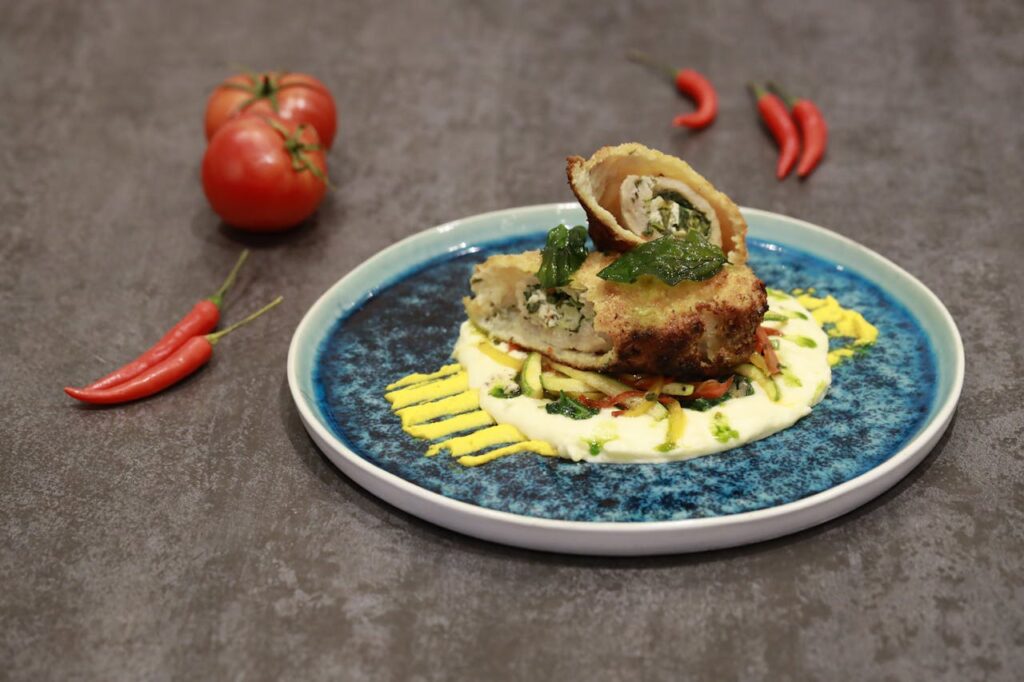
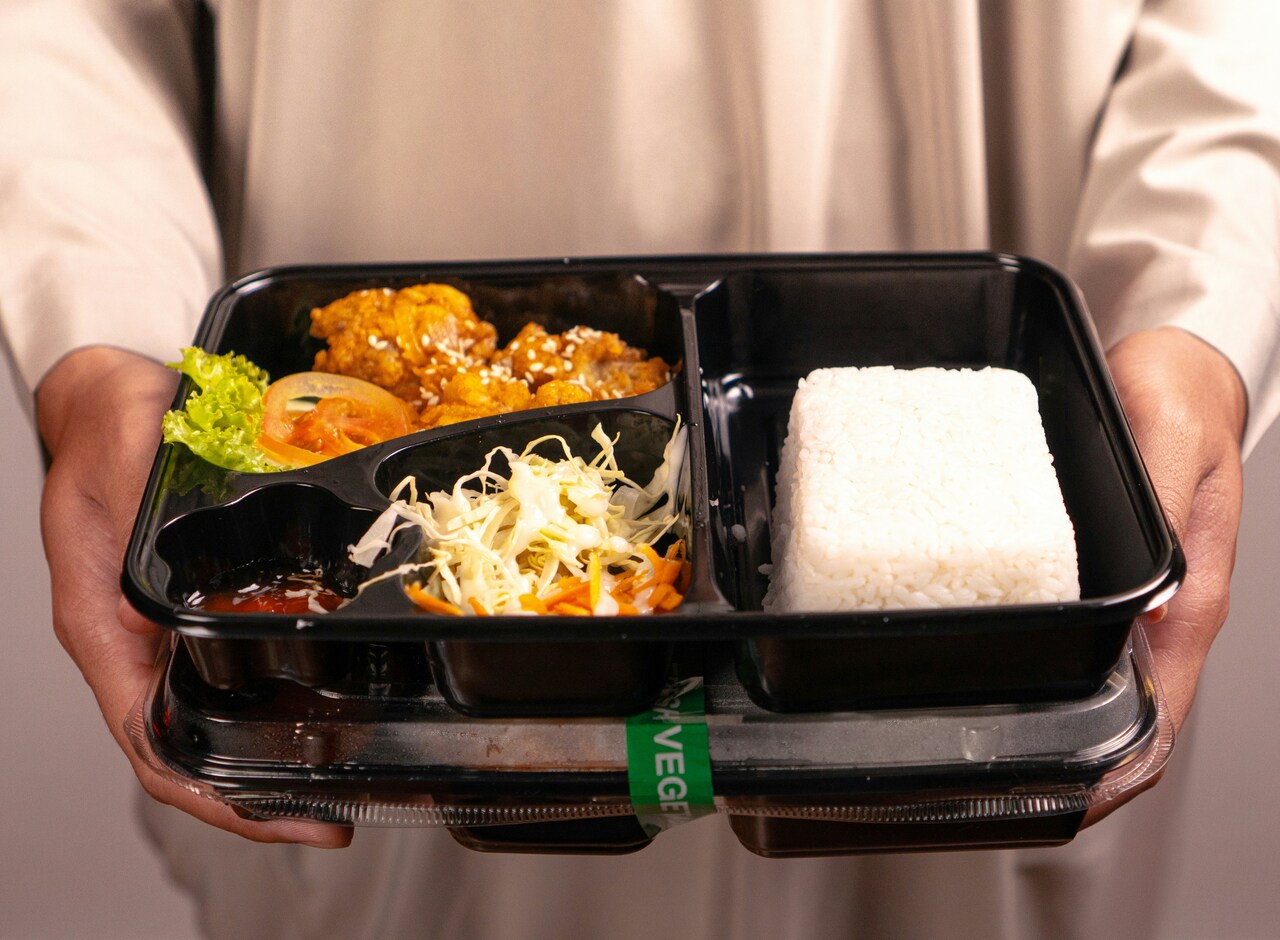
Many restaurants are responding to changing dining habits by introducing smaller portion options directly onto their menus. Instead of offering only one standard serving size, some establishments now provide half portions, lighter entrées, or smaller plates that give diners greater flexibility. These options appeal to customers who want to enjoy restaurant food without committing to an oversized meal. In many cases, lighter dishes also come at a slightly lower price, making them attractive to diners who are looking for both moderation and value. This approach allows customers to tailor their meal to their appetite rather than adapting to a fixed portion.
This shift reflects a broader movement in restaurant culture toward flexibility and personalization. Diners increasingly appreciate the ability to choose portion sizes that match their appetite. Smaller plates can also encourage customers to sample multiple dishes instead of committing to a single large entrée. This style of dining introduces more variety and creates a more social experience at the table. Restaurants benefit from this approach because it encourages guests to explore more items on the menu. Sharing plates often sparks conversation and engagement among guests. Variety keeps the dining experience dynamic.
Offering smaller options also helps restaurants appeal to a wider range of diners. Some customers may want a full meal, while others prefer something lighter. By presenting multiple portion choices, restaurants create a menu that adapts to different needs without forcing everyone into the same serving size. This strategy supports evolving dining habits while maintaining the creativity and culinary identity that restaurants want to showcase. Flexibility helps restaurants remain relevant across generations. Guests feel accommodated rather than restricted by fixed menu structures. Thoughtful portion design becomes part of the overall dining experience.
Smaller Plates Are Becoming the New Normal
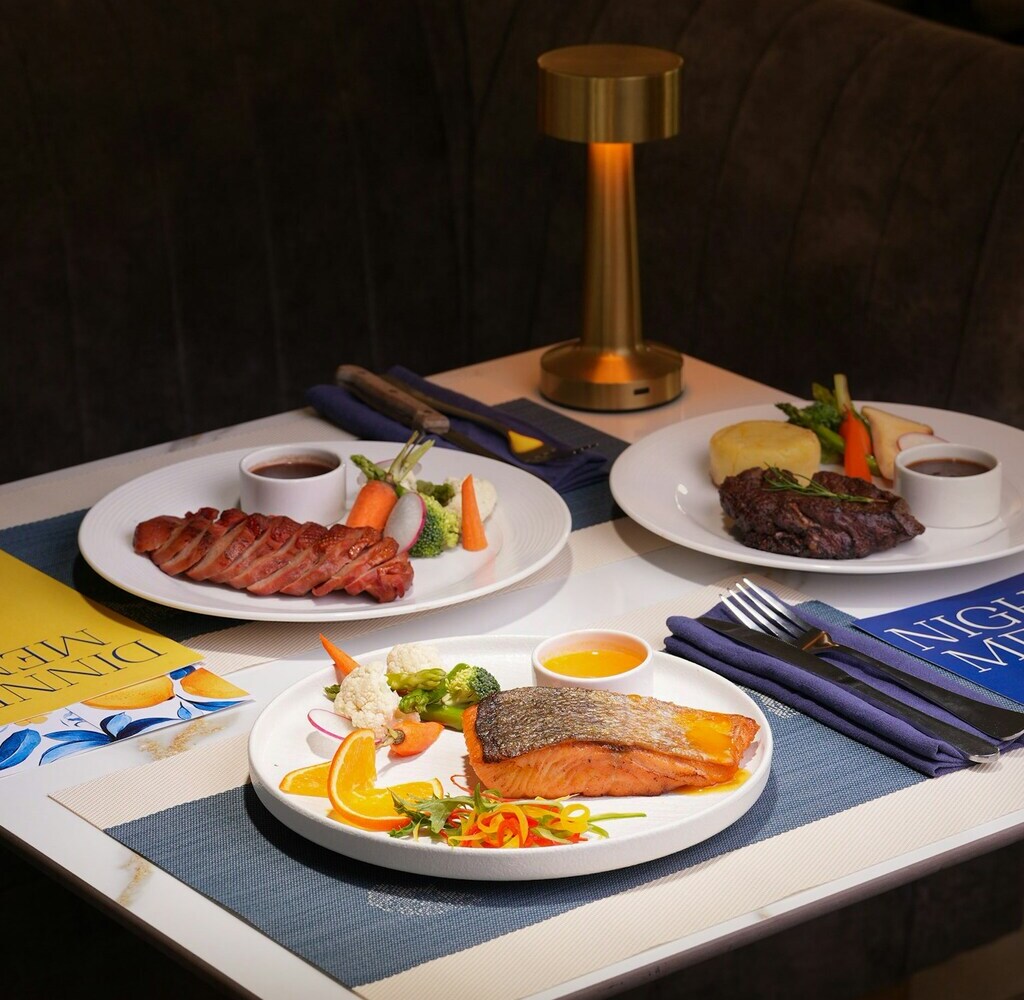
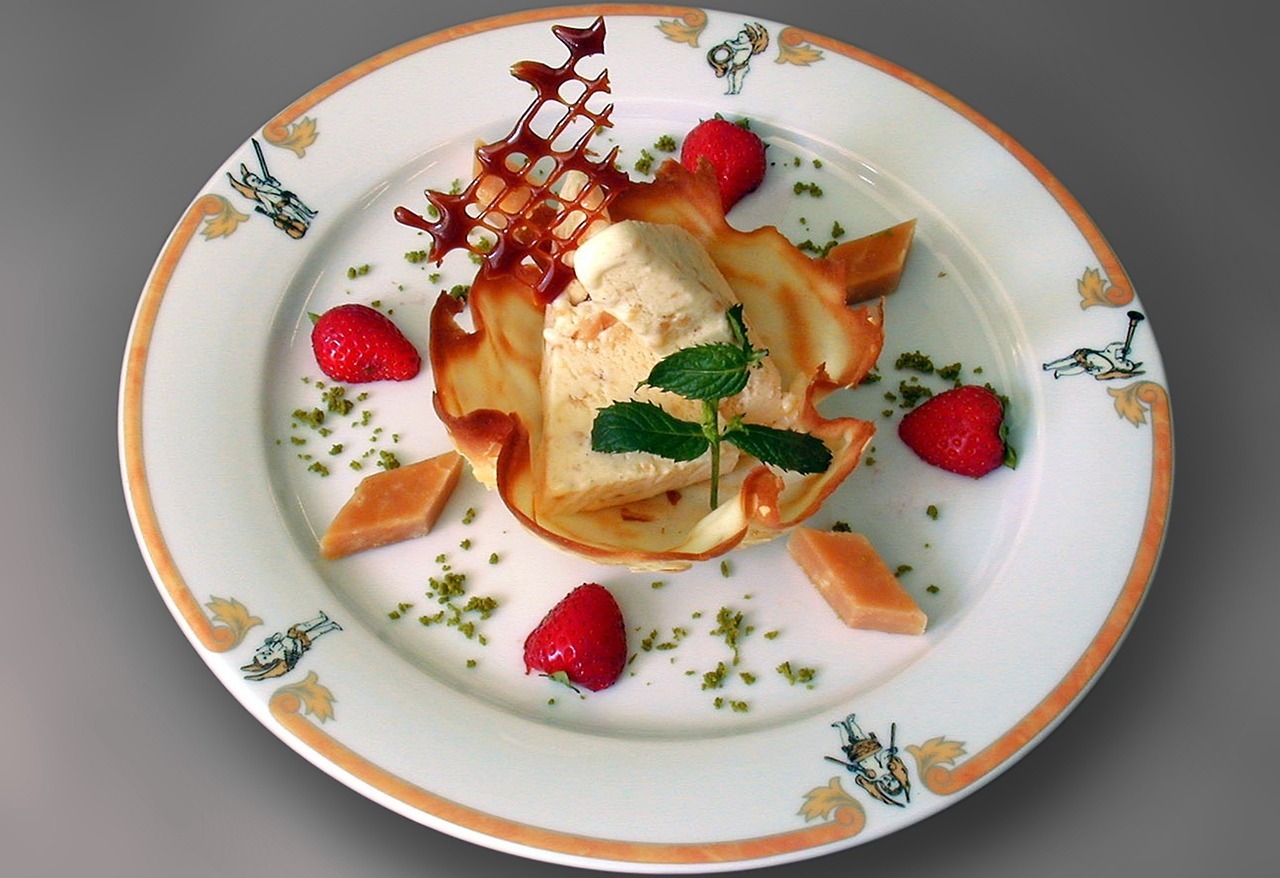
Across many restaurants in the United States, portion sizes are gradually shifting toward more moderate servings that better reflect how people eat today. Instead of building meals around oversized plates, many kitchens are intentionally designing dishes that feel balanced and satisfying without overwhelming diners. By carefully adjusting the amount of food served, restaurants can preserve flavor, texture, and visual appeal while reducing excess. This approach allows kitchens to maintain creativity without relying on large quantities to impress customers. Smaller plates also allow chefs to showcase ingredients more clearly and highlight the craftsmanship involved in preparing each dish.
This transition also reflects how diners increasingly value comfort and practicality during meals. Large portions can sometimes leave customers feeling overly full, which may reduce the enjoyment of the overall dining experience. Moderate portions allow guests to appreciate the flavors and textures of a dish without feeling pressured to finish more food than they want. Restaurants that adopt this approach often notice that diners linger longer and engage more with the meal itself. In many cases, customers feel more satisfied when the meal feels balanced and manageable. As these habits spread, smaller plates gradually become part of the new normal in restaurant dining.
Diners Are Paying Closer Attention to Value

As portion sizes evolve, diners are also paying closer attention to what they consider real value when eating out. In earlier decades, value was often judged by the amount of food served on the plate. A meal that appeared large or overflowing was often seen as a better deal. Today, many customers evaluate value through a wider perspective that includes food quality, freshness, preparation, and service. The experience of dining out matters just as much as the portion size itself. Restaurants are aware that customers want meals that feel worthwhile rather than simply large. Presentation, atmosphere, and ingredient quality increasingly influence satisfaction.
Because of this shift, many restaurants focus on improving the quality of ingredients and the attention given to each dish. When chefs invest more effort in flavor balance and presentation, diners often feel satisfied even if the portion is slightly smaller. Customers increasingly appreciate meals that feel carefully prepared rather than excessively large. This approach also encourages restaurants to highlight seasonal ingredients and refined cooking techniques. When diners recognize the thought behind a dish, the overall value of the meal increases. As expectations change, restaurants adapt by prioritizing quality and experience over sheer quantity.
Menu Design Is Quietly Evolving
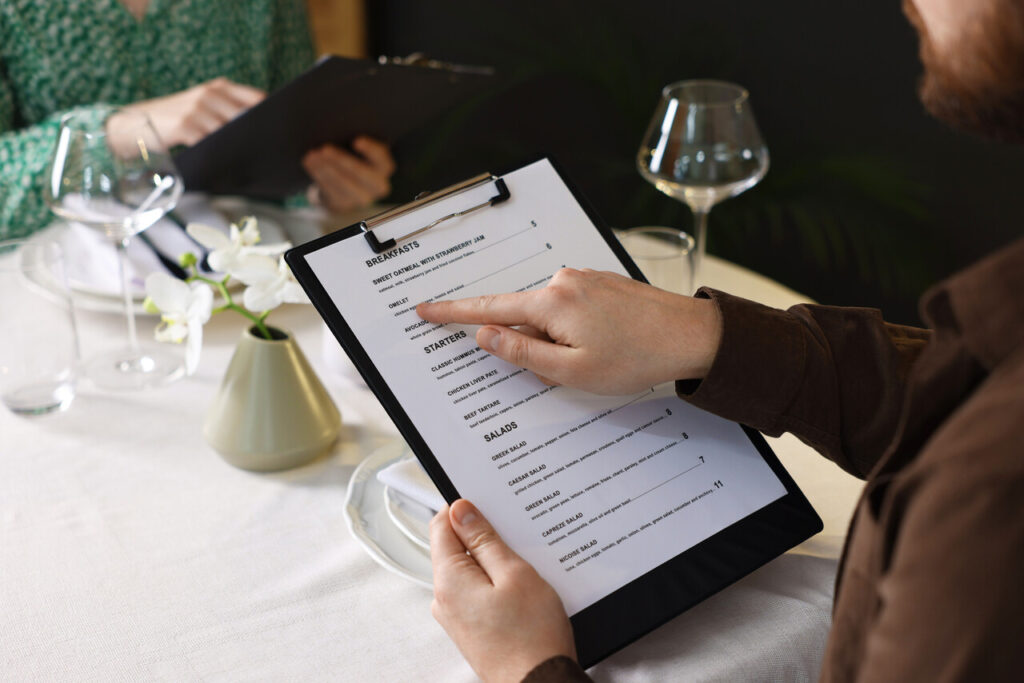
Another reason portion sizes are shrinking involves how restaurants design their menus. Many chefs now structure menus around balance and variety rather than a single oversized entrée. Instead of presenting one dominant dish that fills the entire plate, menus increasingly feature combinations of smaller components that work together to create a complete meal. This approach allows chefs to showcase different textures and flavors within a single dining experience. The result is a plate that feels thoughtfully composed rather than simply abundant. Diners are encouraged to appreciate the harmony between ingredients rather than focusing only on portion size.
Menu design also influences how customers order food during a meal. When dishes are slightly smaller, diners may feel comfortable ordering appetizers, sides, or desserts that they might otherwise skip. This creates a more dynamic dining experience where guests enjoy multiple courses instead of relying on one very large portion. Restaurants benefit from this structure because it encourages exploration across the menu. Diners also feel a greater sense of variety during the meal. As menus continue to evolve, portion sizes gradually adjust to support this more balanced and engaging style of dining.