9 Grocery Items Now Locked Behind Security Tags

Walking into a grocery store used to mean grabbing what you needed and heading straight to checkout. Today, in many locations, that routine has changed. Certain everyday items now sit behind locked glass, carry security tags, or require an employee to unlock a case before you can buy them. What once felt like a simple shopping trip can now involve call buttons and short waits.
This shift is not random. Retailers closely monitor shrinkage, the industry term for theft and inventory loss. As food prices, supply chain costs, and resale demand have risen, some grocery categories have become far more valuable than they were a decade ago. Items that are compact, expensive, and easy to resell tend to be the first to move behind protective measures.
From premium meats to baby formula and specialty beauty products, more grocery staples are being treated like high-value merchandise. Here’s a closer look at the products most commonly locked up and why stores are taking extra precautions.
1. Premium Meat Cuts That Now Require Employee Assistance
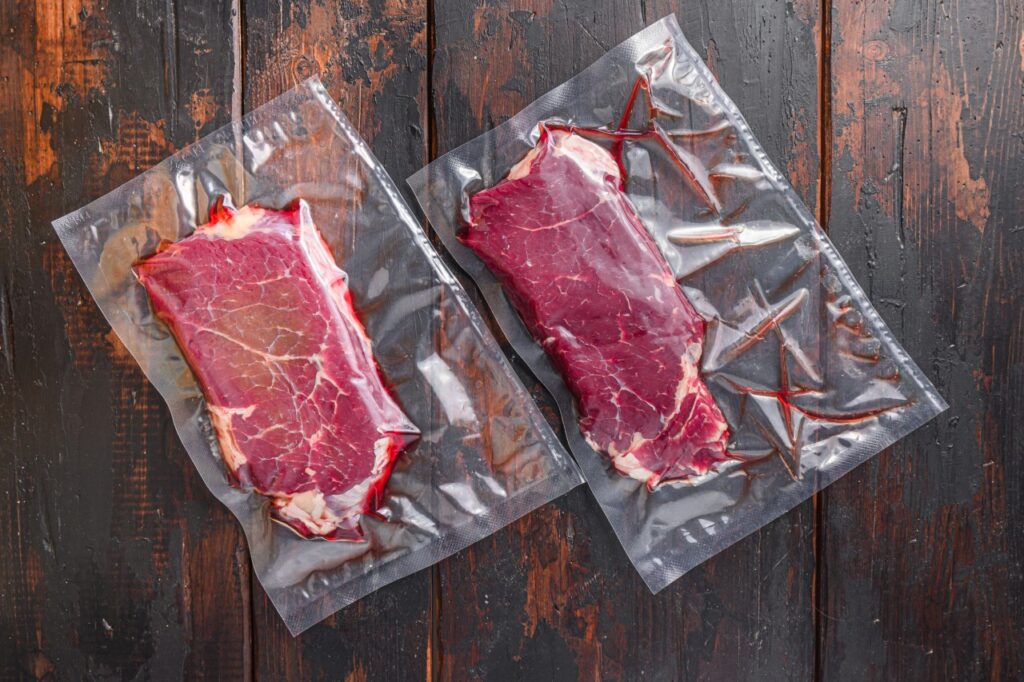
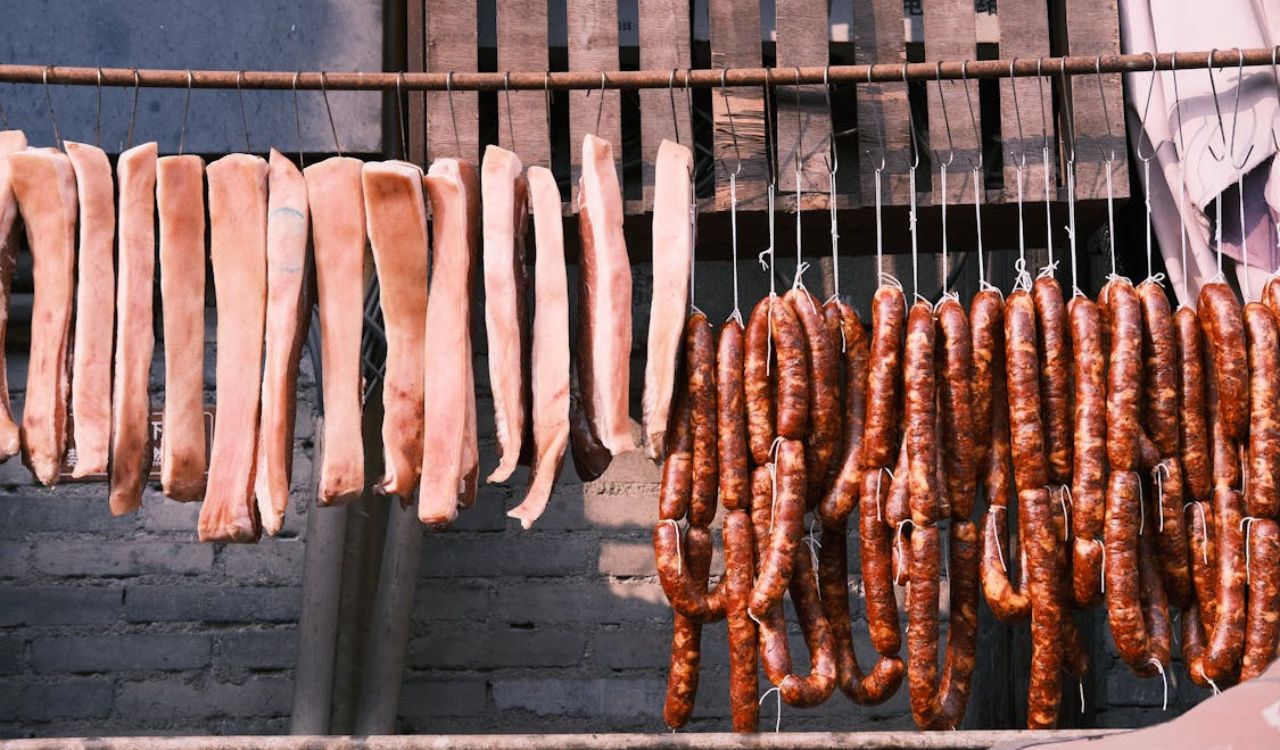
Few grocery staples have climbed in price as sharply as beef. Ribeye steaks, filet mignon, and organic chicken breasts now carry price tags high enough to rival small electronics. That shift has made meat one of the most commonly protected items in many supermarkets. Security tags, locked refrigerated cases, and even spider wrap devices are increasingly common in high-theft areas.
Retailers track shrinkage closely, and meat consistently ranks near the top of loss categories. It is compact, expensive, and easy to conceal. Unlike bulky items, a few premium cuts can represent a significant dollar loss in a single incident. Some stores have responded by limiting open access to high-end beef or specialty poultry.
For shoppers, the experience has changed. Instead of grabbing a steak and heading to checkout, customers may need to press a call button and wait for assistance. The added friction reflects a simple equation: rising food costs have made certain proteins valuable enough to guard like electronics.
2. High-End Seafood Now Kept Under Lock
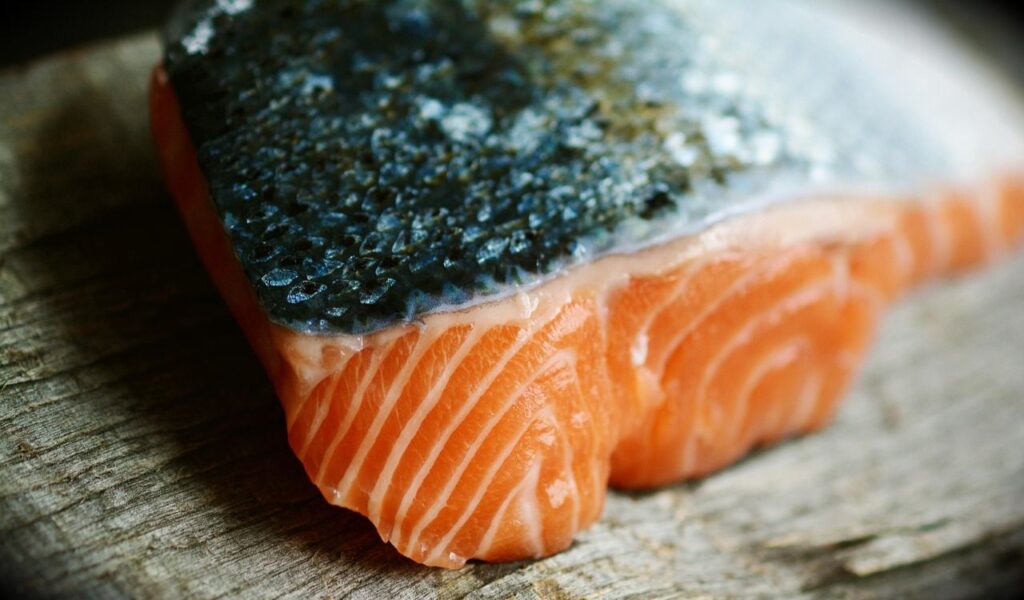
Fresh seafood has always carried a higher price per pound, but recent supply chain pressures and fuel costs have pushed prices even higher. Salmon fillets, tuna steaks, scallops, and lobster tails are often priced well above standard grocery staples. That pricing makes them attractive targets for theft.
Unlike shelf-stable goods, seafood must be kept cold, yet it remains small and easy to conceal. In some locations, retailers now place premium seafood behind service counters or inside locked refrigerated sections. The goal is to deter opportunistic theft while still offering fresh options to paying customers.
The result is a shift in how shoppers access these products. Instead of self-service, the purchase becomes more like a specialty counter transaction. The protection signals how valuable certain perishable goods have become in today’s market.
3. Specialty Cheeses That No Longer Sit Open on Shelves
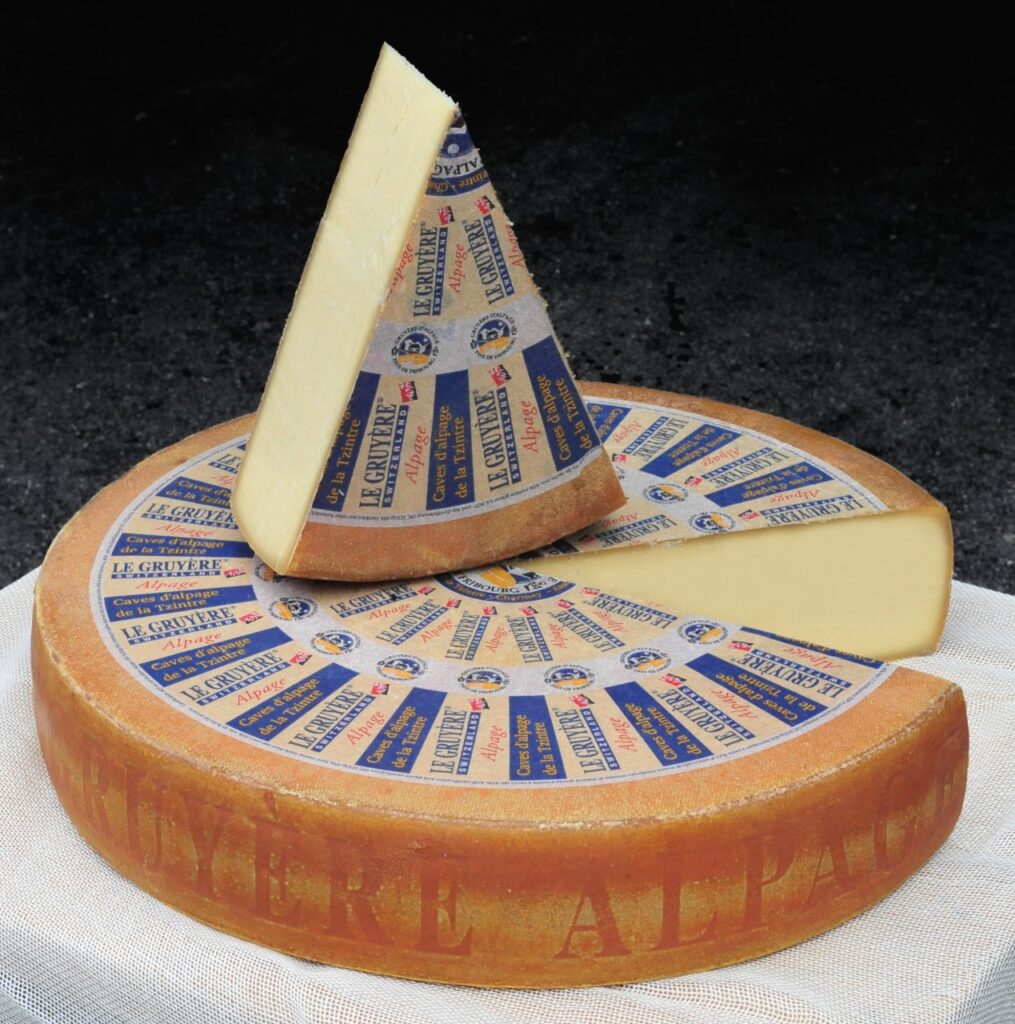
Imported and artisanal cheeses can cost significantly more per pound than basic cheddar or mozzarella. Wheels of Parmigiano Reggiano, aged Gouda, and truffle-infused varieties often command premium pricing. That makes them another category facing increased security.
Cheese is small, portable, and reusable. Some stores now place expensive wedges in locked glass cases or attach discreet security tags to individual packages. In urban areas with higher shrink rates, specialty cheese sections may require staff access.
For customers, the change may feel surprising, especially in stores known for gourmet selections. Yet the logic is straightforward. As premium dairy prices rise, retailers protect inventory that represents higher dollar losses per unit.
4. Baby Formula Behind Glass Cases
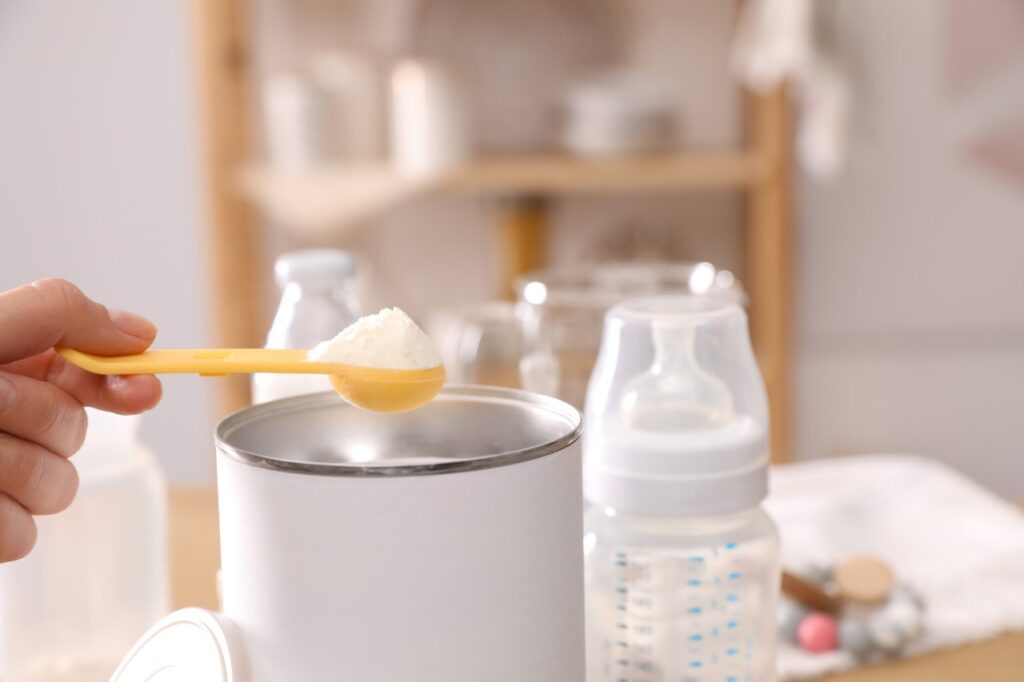
Few grocery items are locked up as consistently as baby formula. Even before recent supply disruptions, formula was one of the most frequently stolen products in retail stores. Its high resale value and steady demand make it a prime target.
Formula prices have increased over time, and shortages in recent years intensified demand. Retailers responded by placing formula in locked cabinets, limiting purchase quantities, and attaching security tags. These measures aim to reduce theft while maintaining stock availability.
For parents, needing assistance to access formula can be frustrating. However, from a store perspective, the protective measures reflect both the product’s cost and the risk of large-scale losses.
5. Alcohol Bottles Secured Like Luxury Goods
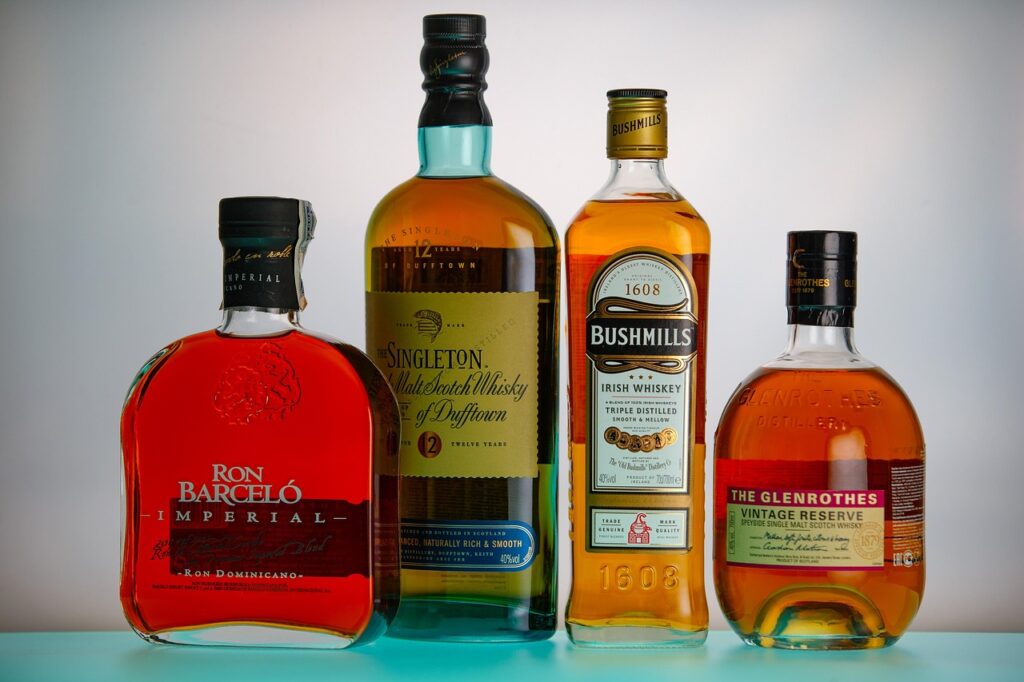
Premium spirits such as top-shelf whiskey, tequila, and cognac now frequently carry security caps or sit in locked display cases. Even mid-range liquor has seen protective measures in some grocery chains. Rising prices and consistent resale demand drive the change.
Alcohol is compact, expensive, and easily resold. A single bottle can represent a loss of fifty dollars or more. To manage that risk, retailers use locked cabinets, electronic bottle caps, or staffed service counters.
Shoppers may notice that browsing certain liquor sections now requires assistance. The shift highlights how grocery stores increasingly treat alcohol as a high-value category rather than a simple pantry addition.
6. Over-the-counter Medications Now Guarded Closely

Pain relievers, allergy medicines, and certain cold remedies often sit behind locked panels in many stores. While not traditionally viewed as grocery items, these products are commonly sold within supermarket pharmacies or health aisles.
Medications combine high demand with small packaging, making them easy to conceal. Some also contain ingredients with resale value. As prices rise and theft incidents increase, retailers have responded with locked cases or security tags.
Customers may need to request help for items once freely available. The shift reflects both the monetary value and regulatory sensitivity surrounding certain medications.
7. Premium Coffee Beans Protected From Shrink
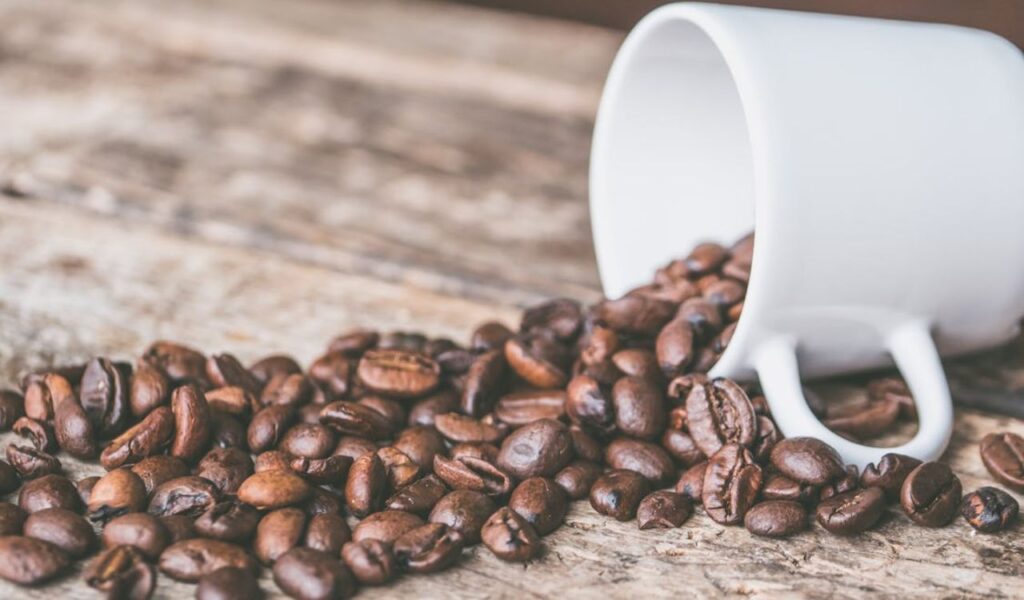
Specialty coffee has become a high-margin grocery category. Single-origin beans, organic blends, and small batch roasts can cost far more than standard ground coffee. In some stores, these bags now feature security tags or sit behind monitored displays.
Coffee is lightweight, compact, and easy to resell. With rising global coffee prices due to weather disruptions and supply chain challenges, retailers see greater incentive to protect premium varieties.
For shoppers, the difference may appear subtle. A security sticker or locked shelf does not change the flavor, but it signals how valuable high-end coffee has become in the modern grocery landscape.
8. Energy Drinks and High-Demand Beverages
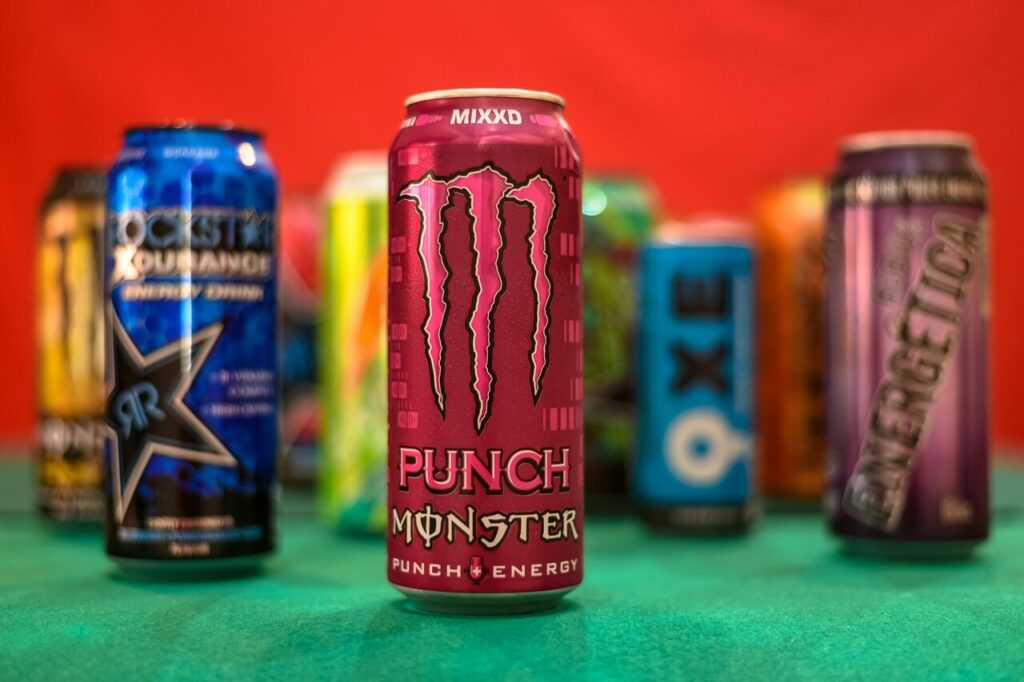
Energy drinks have developed a strong resale market in some regions. Popular brands sell quickly and command steady demand, particularly among younger shoppers. In response, certain grocery stores now apply security tags or limit access to high-volume packs.
The combination of brand popularity and portability makes these beverages attractive for theft. Individual cans may not seem expensive, but cases and multi-packs add up quickly.
Customers might notice locked coolers or tagged packages in specific locations. The protective measures reflect how even everyday drinks can become high-risk inventory in certain markets.
9. Premium Personal Care Products Secured Like Tech
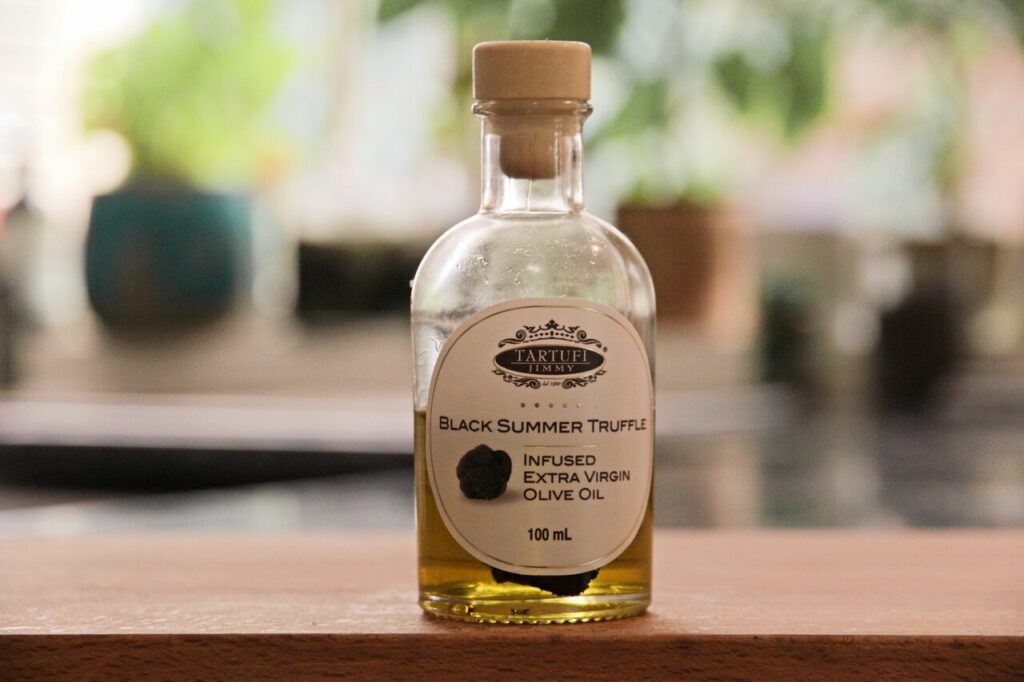
Shampoos, skincare serums, beard oils, and other high-end personal care items increasingly appear behind locked glass in grocery stores that carry expanded health and beauty sections. Some products rival department store pricing.
These items are small, high-value, and easy to conceal. Retailers track shrinkage in beauty categories closely, and security tagging helps reduce loss. In some stores, even everyday name-brand shampoos carry protective devices.
For shoppers, the experience may feel more like shopping for electronics than toiletries. Yet the logic remains simple. As prices rise and theft patterns shift, grocery retailers adapt by protecting items that once sat openly on shelves.