9 Dairy Label Claims Confusing Shoppers in 2026

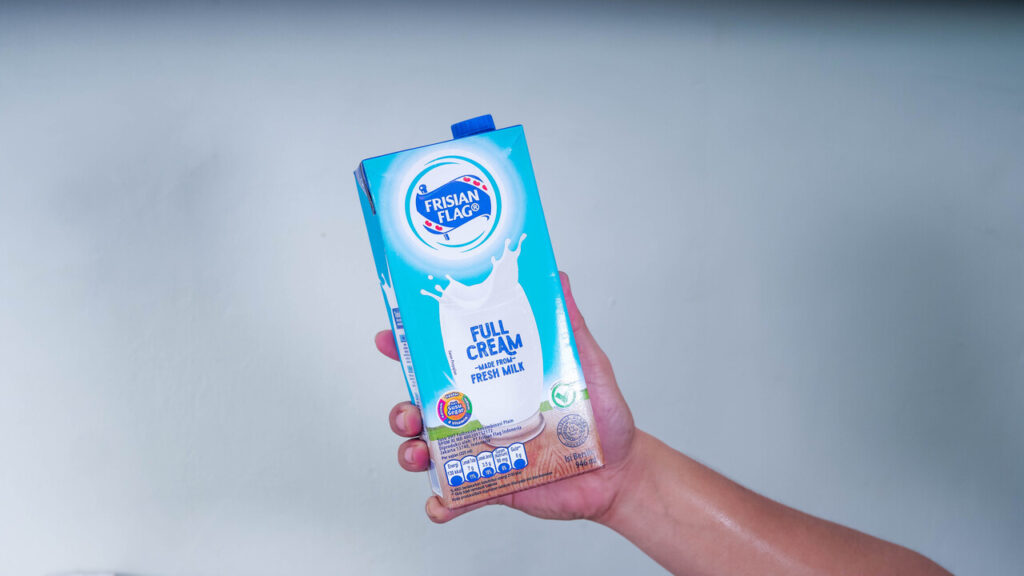
Dairy aisles in 2026 look more crowded and more complicated than ever. Cartons promise cleaner ingredients, better digestion, higher protein, and superior farming practices, all in bold letters that feel reassuring at first glance. But once you start comparing labels side by side, the language gets murky fast. Terms like plant-based milk, hormone-free, pasture-raised, and high protein often sound straightforward, yet each carries regulatory fine print most shoppers never see.
The real issue is not that these claims are always false. It is that they are partial truths framed for marketing impact. As standards evolve and new products blur the lines between dairy and alternatives, consumers are left to decode what used to be simple staples. Understanding the wording now matters as much as reading the nutrition panel.
1. Plant-Based Drinks Still Using the Word Milk

Walk down any grocery aisle, and you will see almond milk, oat milk, and soy milk sitting beside dairy milk. The word “milk” carries a long regulatory history tied to animal lactation, yet plant beverages continue to use it as a familiar shorthand. Regulators have debated whether this misleads shoppers who expect a specific nutritional profile, especially protein content comparable to cow’s milk.
The confusion is not just semantic. Dairy milk naturally contains around eight grams of protein per cup, while many plant alternatives contain far less unless fortified. When consumers assume nutritional equivalence based solely on the word “milk,” they may unknowingly fall short on protein or certain micronutrients.
What makes this more complicated in 2026 is that labeling guidance varies by country and trade region. Some markets require clearer qualifiers like “plant-based beverage,” while others allow broad use of dairy terminology. The result is a label that feels familiar but does not always mean what shoppers think it means.
2. A2 Milk Claims That Sound Like Medical Advice

A2 milk is marketed as easier to digest because it contains only the A2 beta casein protein rather than a mix of A1 and A2 proteins. That difference is real at a molecular level, but the health claims often leap ahead of the evidence. Scientific studies remain mixed on whether A2 milk significantly reduces digestive discomfort for most people.
Some packaging hints at benefits for bloating or sensitivity, language that can border on medical suggestion without being explicit. For consumers struggling with lactose intolerance, this creates added confusion. Lactose intolerance relates to milk sugar, not casein protein, so switching to A2 milk may not address the root issue.
The broader issue is how selective science is translated into marketing language. When complex nutritional distinctions are reduced to bold front label claims, shoppers can interpret them as proven health upgrades rather than niche differences still under review.
3. Dairy Free Labels That Leave Room for Doubt

The phrase “dairy-free” should be simple, yet it often is not. Some products labeled dairy-free are produced in facilities that handle milk, raising questions about cross-contact. For highly sensitive consumers, even trace exposure matters, and vague advisory statements do not always provide clarity.
There is also an inconsistency in how “no dairy” and “non-dairy” are used. In some regions, “non-dairy” has historically been allowed on products that still contain casein, a milk-derived protein. That regulatory nuance is rarely understood by everyday shoppers scanning shelves in a hurry.
By 2026, food safety authorities are pushing for clearer allergen disclosures, but enforcement and terminology still vary. Until labeling becomes more standardized, dairy-sensitive consumers remain dependent on fine print rather than bold front label clarity.
4. Pasture Raised Claims Without Clear Standards
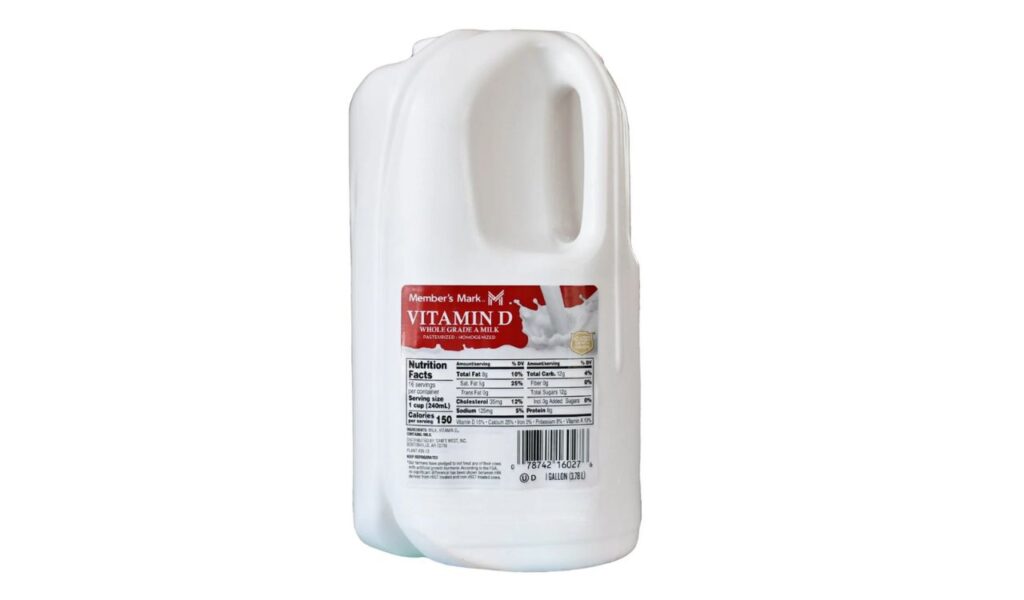
Pasture-raised milk sounds wholesome. It suggests cows grazing on open fields and natural diets. However, there is no universal global definition for how much pasture access qualifies for the claim, leaving room for variation in farming practices.
Some producers adhere to strict animal welfare certifications with documented grazing time, while others rely on more flexible interpretations. The label alone rarely tells you how many days per year cows actually spend outdoors or what proportion of their diet comes from grass.
Consumers often assume pasture access translates directly to superior nutrition, yet differences in fatty acid profiles can be modest and influenced by multiple variables. Without standardized metrics printed on the label, the term remains more evocative than informative.
5. High-Protein and Calcium Claims That Create a Health Halo

Few nutrients are as closely associated with dairy as calcium and protein. Many dairy products prominently display “high protein” or “excellent source of calcium” to signal health value. While those statements may meet regulatory thresholds, they can overshadow other aspects of the product.
Flavored yogurts and milk drinks, for example, can be high in added sugars even as they qualify as good sources of calcium. The front of the package highlights the positive nutrient while the sugar content sits on the nutrition panel in smaller print.
This imbalance creates what researchers call a health halo effect. Shoppers may perceive the entire product as wholesome based on one nutrient claim, even when overall nutritional quality depends on a broader picture that is less prominently displayed.
6. Hormone-Free Milk That Misleads by Omission
Milk naturally contains hormones. That is a biological fact of mammalian lactation. Yet labels often say “no added hormones” or imply hormone-free status in ways that can confuse shoppers into thinking competing products contain artificial hormones.
In the United States, federal rules prohibit the use of certain synthetic growth hormones in many dairy herds, and milk from treated cows cannot contain detectable hormone residues beyond safety thresholds. The phrase “no added hormones,” therefore, speaks to production practices, not the complete absence of hormones.
The wording can unintentionally suggest that conventional milk is unsafe, even though regulatory agencies maintain that approved production methods meet safety standards. The nuance is real, but it is rarely explained on the carton.
7. Natural and Organic on Highly Processed Dairy Snacks
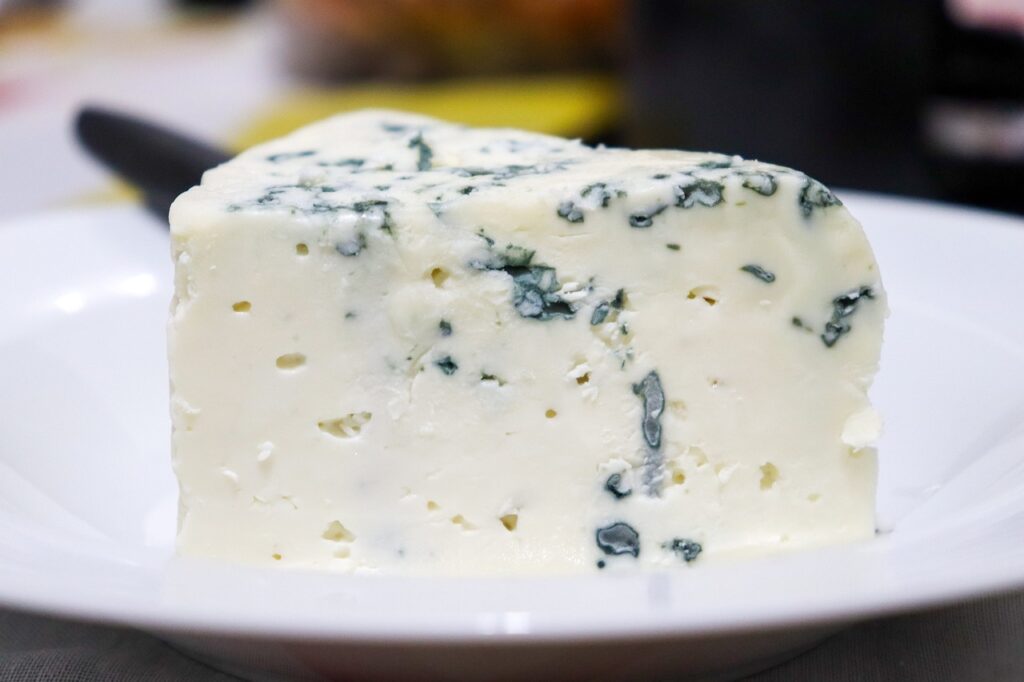
The word “natural” has no single, strict legal definition in many jurisdictions. When applied to processed cheese slices or flavored dairy desserts, it can create expectations of minimal processing that do not align with how those products are actually made.
Organic certification, by contrast, is regulated, but it relates primarily to farming practices and approved inputs. An organic chocolate milk can still contain significant added sugar. An organic cheese snack can still be highly processed in terms of texture modification and emulsification.
Consumers often equate natural or organic with healthier overall. In reality, these labels describe certain production standards, not necessarily a balanced nutritional profile. The gap between expectation and reality fuels ongoing confusion in dairy aisles.
8. Better Than Regular Milk Comparisons Without Context
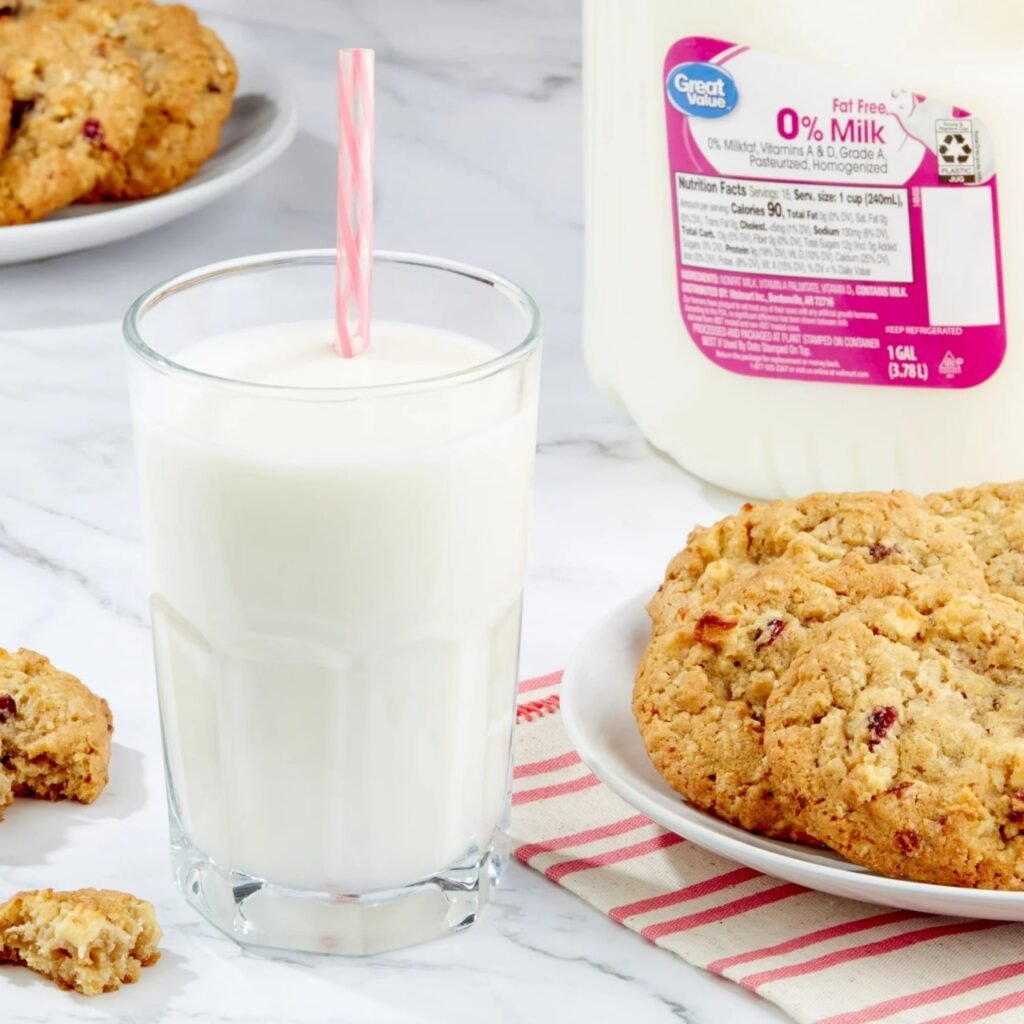
Some dairy and dairy alternative products position themselves as superior to regular milk for digestion, immunity, or athletic performance. These comparisons often rely on added vitamins, probiotics, or specific protein fractions to justify the claim.
While fortified products can offer benefits, the phrase “better than” is inherently subjective. Better for whom, and under what circumstances? An athlete with higher protein needs may value one formulation, while a child needing balanced nutrition may benefit more from traditional milk.
Regulators generally require that claims be truthful and not misleading, but broad comparative language can still shape perception more than it informs. Without context, shoppers are left to interpret superiority based on marketing tone rather than individualized need.
9. Changing Standards of Identity That Blur Product Definitions

For decades, dairy products were governed by strict standards of identity that defined what could legally be called milk, yogurt, or cheese. As food innovation accelerates, regulators have updated or reconsidered some of these standards to allow reformulation and new ingredients.
While modernization can encourage innovation, it also introduces ambiguity. When traditional definitions loosen, the product name may remain familiar even if the formulation has shifted. Consumers relying on longstanding expectations may not notice subtle changes in composition.
In 2026, as trade rules and labeling frameworks continue to evolve, the tension between innovation and clarity remains. Shoppers want new options, but they also want names that reliably reflect what is inside the package.