11 BBQ Burgers Getting Smaller During Beef Price Spikes

Beef prices do not just affect grocery bills. They reshape the burgers people order without them always realizing it. When cattle supplies tighten and wholesale costs surge, restaurant chains face a tough choice. Raise prices and risk losing customers, or quietly tighten portions and protect margins. Many choose precision over publicity.
That is where shrinkflation creeps in. Patties are weighed more strictly, cooking loss is calculated more carefully, and visual generosity gives way to cost control. The bun stays the same. The toppings still look bold. But the beef layer often tells a different story.
For regular diners, the difference is not always dramatic. It is subtle. A thinner edge. Less overhang. A burger that feels lighter in the hand than it did a few years ago. And once you notice it, you cannot unsee it.
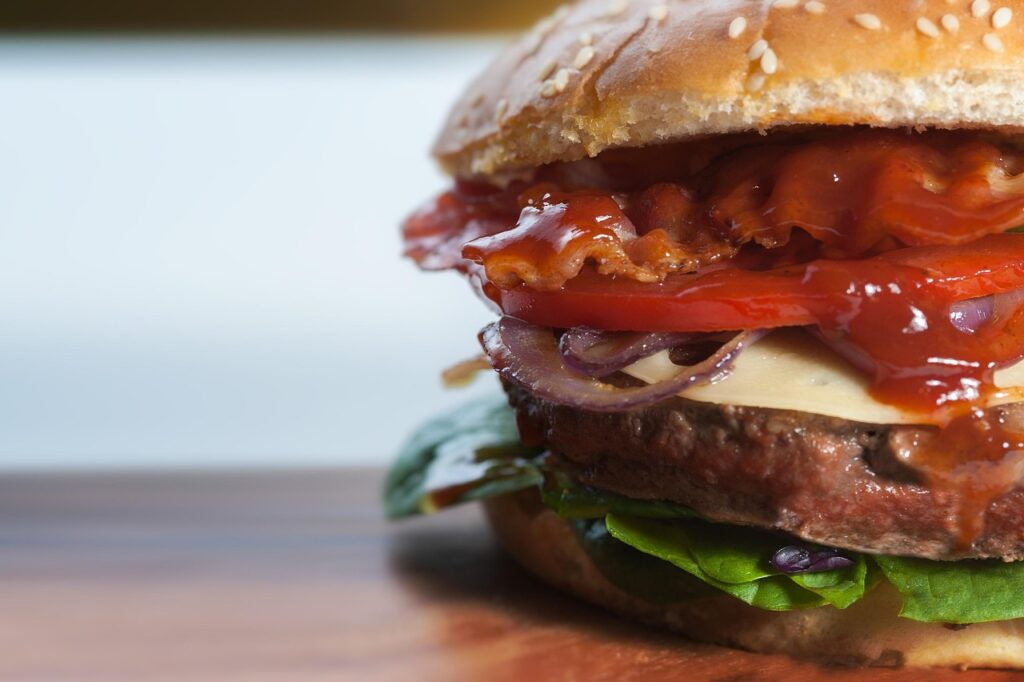
1. McDonald’s BBQ Bacon Burger Feels Thinner When Beef Markets Tighten
At McDonald’s, scale is everything. When cattle supplies shrink because of drought, feed inflation, or herd reductions, the company feels the impact immediately. Beef is one of its largest input costs, and even small shifts in wholesale pricing ripple across thousands of locations. During these spikes, strict portion compliance becomes critical. Patties are calibrated closely to weight standards with little tolerance for overfill.
What diners notice is visual balance. The bun stays the same size, the bacon looks generous, and the sauce is applied consistently. But the patty can appear flatter after cooking. Leaner blends used during price volatility may shrink differently on the grill, reducing that slightly rounded edge customers remember. Even a subtle change in thickness alters perception.
The result is not necessarily a dramatic downsizing. It is a tightening of specs. Over time, customers compare today’s burger to memory, and when beef prices are high, that memory often feels heavier than what lands in the wrapper.
2. Burger King’s BBQ Bacon Whopper Shows Subtle Portion Discipline
The flame-grilled identity of Burger King depends on a patty that looks bold against a large bun. When beef futures rise, franchise operators face immediate pressure. Passing every cost increase to customers risks losing traffic, so operators lean heavily on strict portion accuracy instead.
During price spikes, patties are pressed and trimmed with minimal variance. Cooking loss is calculated carefully, and leaner ratios may be favored to stabilize costs. That shift can reduce juiciness and slightly change mouthfeel. Even if the weight meets advertised standards, texture influences how substantial the burger feels.
Customers rarely measure ounces. They judge by heft in hand and by how much beef extends to the edge of the bun. When those cues soften, especially in a burger known for size, the perception of shrinkage grows quickly.
3. Wendy’s Square Patty Overhang Narrows in High-Cost Cycles
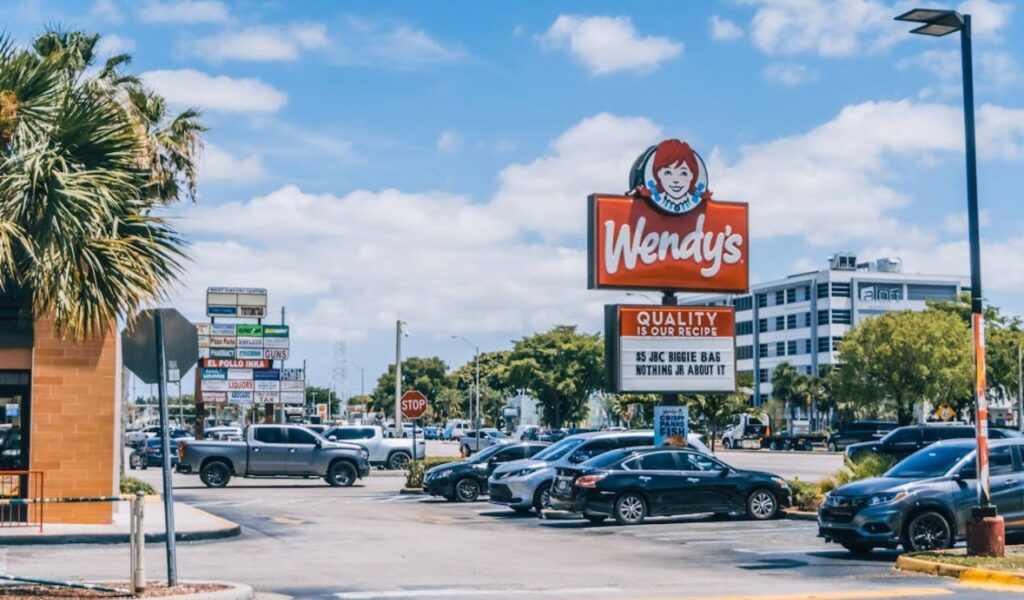
The square patties at Wendy’s are designed to extend beyond the bun. That overhang is part of the brand’s visual promise. When beef prices climb sharply, preserving that look becomes more expensive because even a small raw weight difference affects post-grill dimensions.
In response, kitchens often enforce tighter raw patty weights and more uniform pressing. Cooking shrink is monitored closely. The patty may still meet specifications, yet the visible corners may not project as dramatically as they once did. That subtle difference is easy for loyal customers to spot.
Beef markets fluctuate based on feed costs, transportation, and herd supply. When those pressures build, visual generosity can give way to precision. For a chain built on visual beef presence, that precision can feel like restraint.
4. Five Guys Double Patties Feel More Controlled During Price Surges
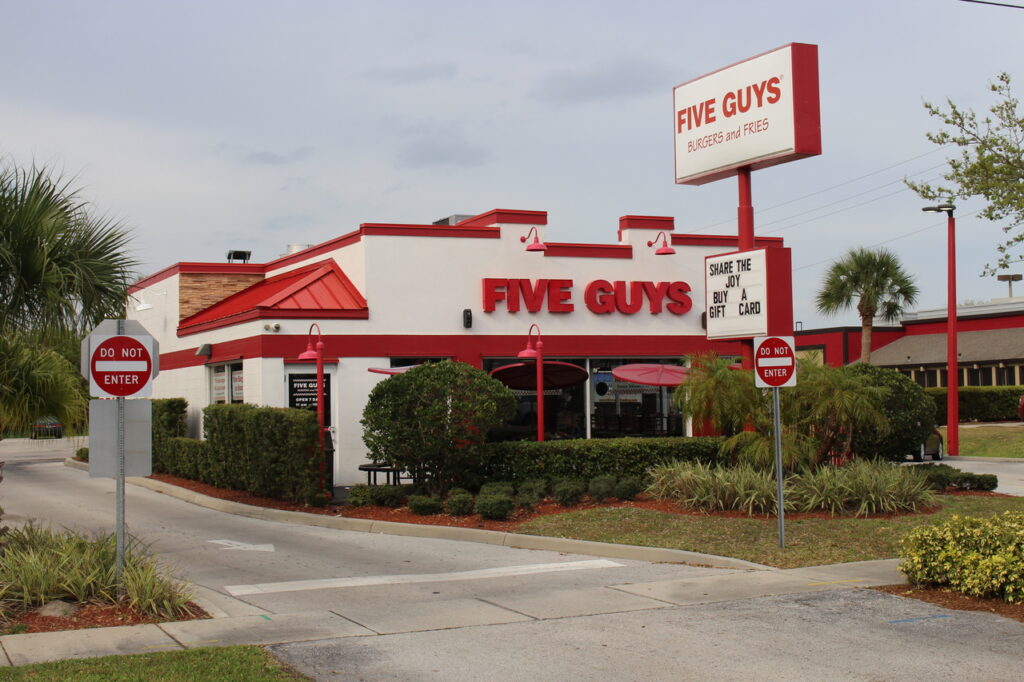
At Five Guys, burgers default to two patties. That structure amplifies beef cost exposure. When commodity prices spike, every additional ounce across thousands of stores compounds quickly. Precision in patty forming becomes a major financial lever.
During high price cycles, raw patties are portioned with tighter tolerances. Looser packing that once created thick, irregular edges may give way to firmer shaping. The burger still looks stacked, but the density can feel more compact than earlier builds.
Because the brand positions itself as premium, expectations are high. Guests paying more for fresh beef notice small changes in weight or thickness. Even a minor adjustment in patty variance can shift the overall sense of abundance.
5. Sonic’s BBQ Bacon Cheeseburger Relies on Toppings to Mask Beef Tightening
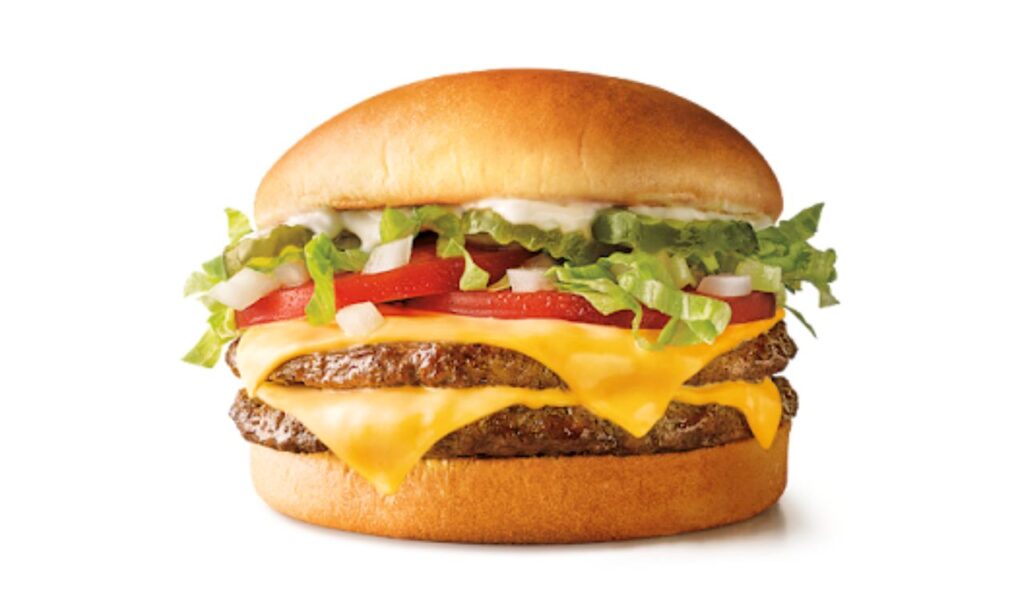
Drive-in chain Sonic Drive-In builds visual volume through bacon, sauce, and stacked condiments. When beef prices rise, the patty itself becomes the cost focal point. Restaurants rarely cut toppings first because those are cheaper inputs.
Instead, leaner beef blends and precise portioning help offset wholesale increases. Leaner patties release less fat during cooking, which can reduce juiciness and perceived thickness. A slightly flatter patty changes how the burger sits between the bun layers.
Customers respond to sensory cues. If the burger feels lighter or cools faster because of lower fat content, it can seem smaller. Even when the official weight remains unchanged, mouthfeel shapes perception more than numbers.
6. Carl’s Jr. Western Bacon Cheeseburger Balances Bulk With Cost Control
The Western Bacon Cheeseburger at Carl’s Jr. combines onion rings, sauce, and beef in a bold stack. Onion rings add visible height at a fraction of the cost of beef. When cattle prices rise, that balance becomes more important than ever.
Patty weights are monitored closely during volatile periods. Even slight reductions in raw ounces produce measurable savings across a system. Visually, the onion rings still create bulk, but the beef layer may not dominate the stack the way it once did.
Consumers judge value by protein content. If the beef presence feels secondary to toppings, the burger can seem smaller even though the overall height looks unchanged. That difference between visual bulk and protein weight drives many shrinkage complaints.
7. Hardee’s Thickburger Faces Pressure When Thickness Becomes Expensive
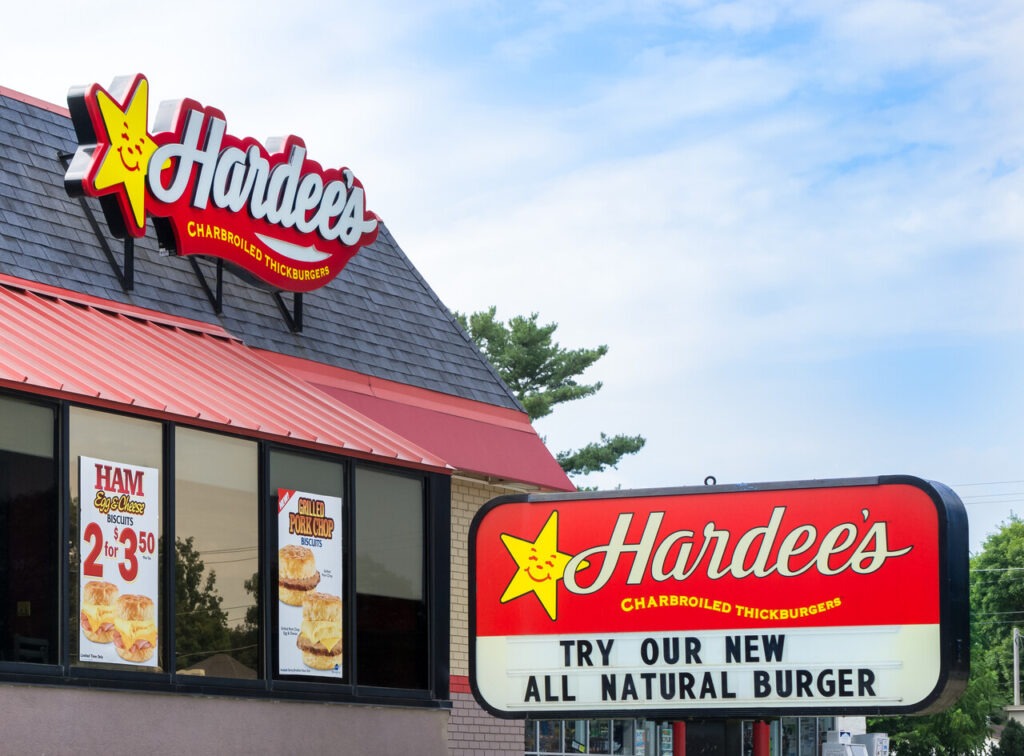
The Thickburger identity at Hardee’s centers on patty depth. When beef prices surge, maintaining a visibly thick patty carries direct cost consequences. Restaurants cannot easily hide reductions because thickness is the core promise.
During spikes, raw patties are portioned exactly to advertised weights. Excess variance that once resulted in slightly heavier burgers is eliminated. Cooking loss percentages are calculated carefully to prevent shrink beyond spec. The burger may technically match the menu description, yet lack former heft.
For regular customers, height is everything. A millimeter less thickness becomes noticeable when the product name highlights size. In high cost periods, precision replaces generosity, and perception shifts accordingly.
8. Jack in the Box BBQ Bacon Burger Reflects Value Segment Pressures
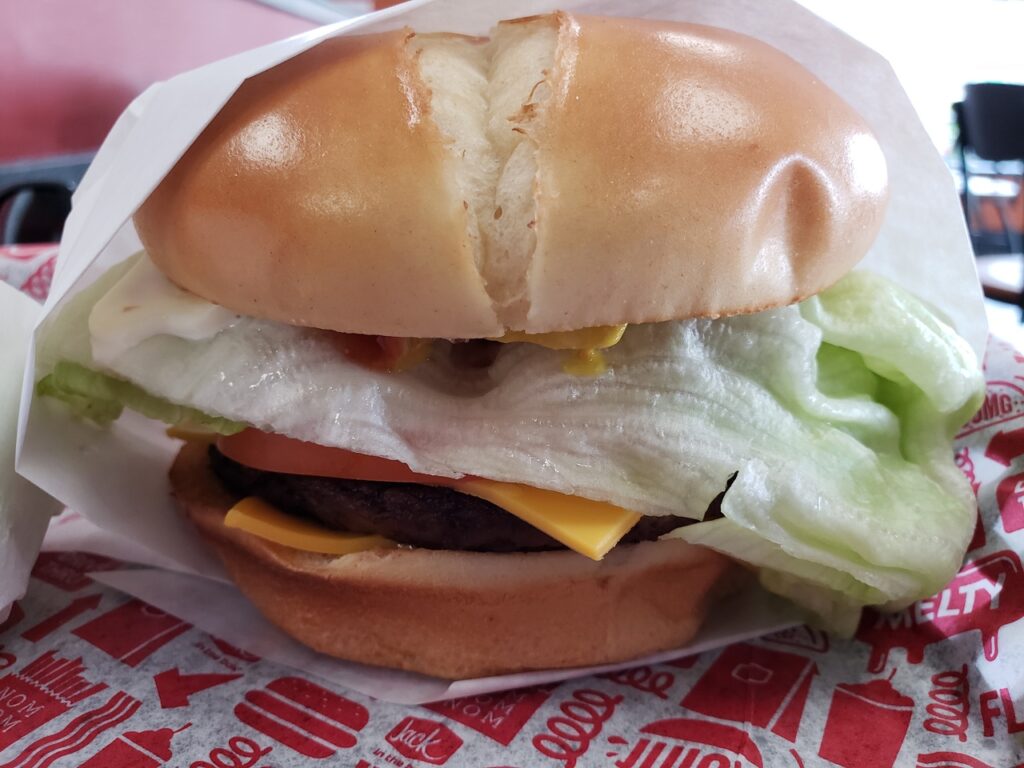
Operating in a competitive price tier, Jack in the Box must protect affordability. When beef costs rise quickly, raising menu prices can deter traffic. Portion discipline becomes the more immediate response.
Patties may be standardized with less tolerance for overage. Slightly smaller diameters after cooking can create visible bun gaps. Even when the official ounce count remains within spec, the visual ratio of bread to beef changes.
Customers interpret that visual shift as downsizing. In value-driven brands, even minor changes carry weight because guests are highly price sensitive and quick to compare past and present experiences.
9. Whataburger’s Wide Patties Narrow Under Supply Strain
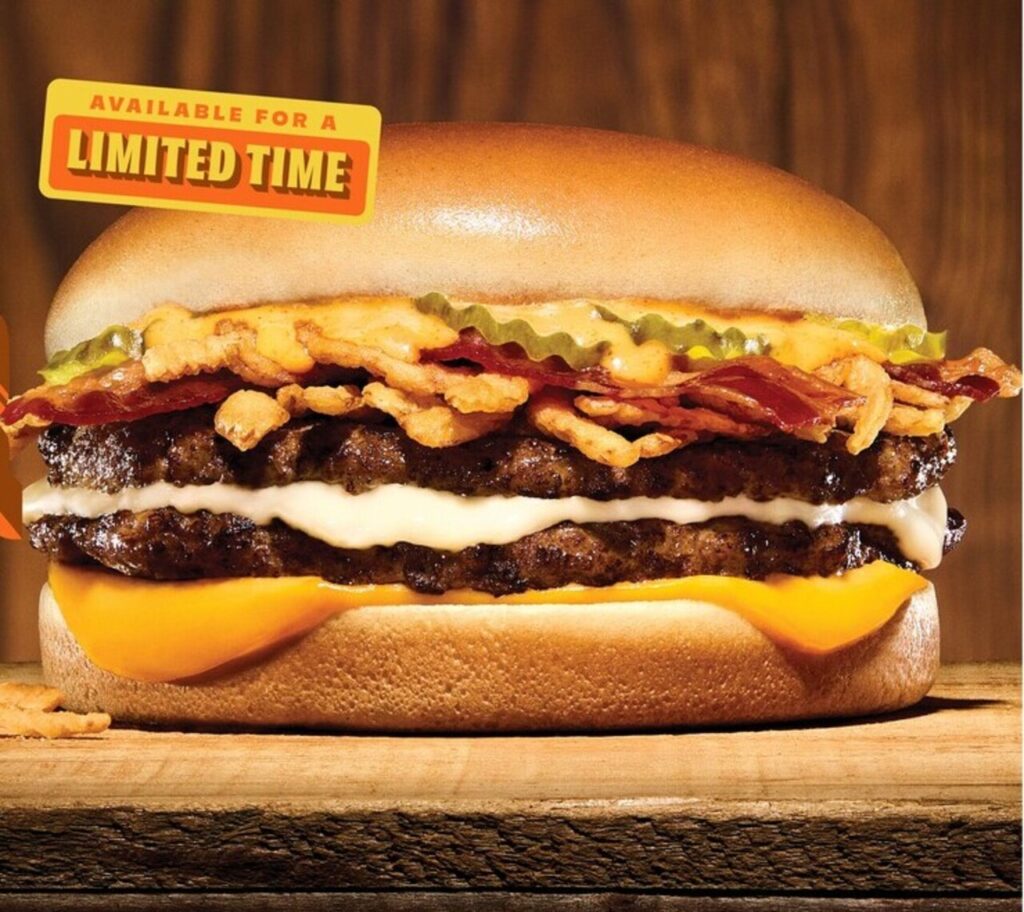
Regional favorite Whataburger is known for patties that span large buns. That wide footprint depends on sufficient raw weight and fat distribution. During periods of cattle shortage, raw material costs climb sharply.
To maintain pricing stability, kitchens may tighten pressing standards. Post-grill spread can decrease if patties are compacted more firmly. The burger still fills the bun, yet the edges may not extend as prominently as customers recall.
In loyal markets, consistency matters deeply. A small change in diameter or thickness stands out because patrons compare every visit to years of habit. Beef price volatility makes that consistency harder to preserve.
10. Shake Shack’s Premium Positioning Magnifies Small Reductions
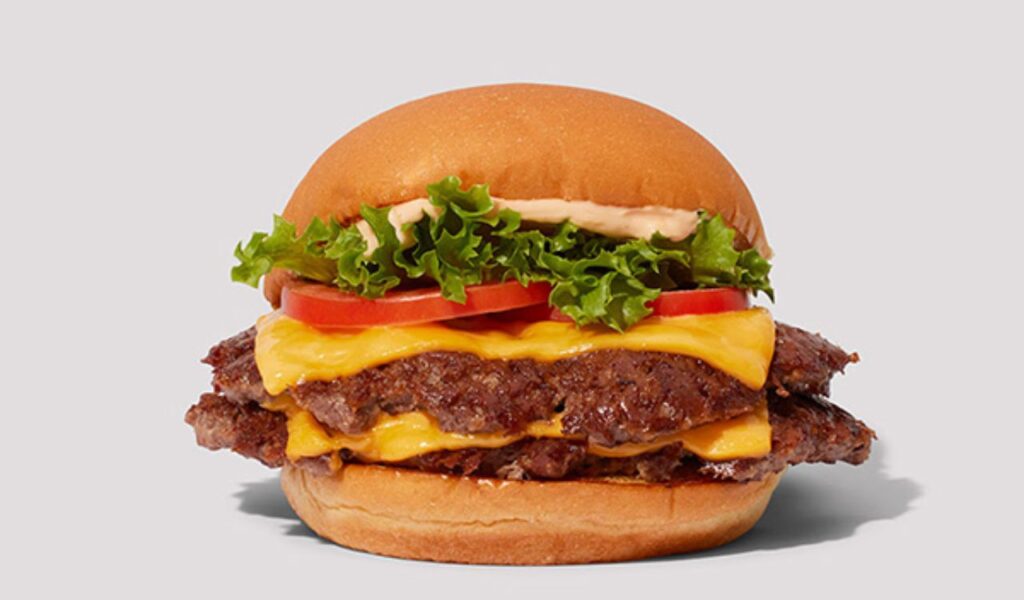
Premium fast casual chain Shake Shack sources quality beef and commands higher prices. When commodity markets spike, absorbing all cost increases is difficult without adjusting pricing or portion standards.
Smash patties are weighed carefully, and minor reductions in variance help offset wholesale increases. A slightly thinner smash changes both texture and edge crispness. Guests familiar with a certain thickness may detect that change immediately.
Because expectations are elevated at premium price points, even modest adjustments feel amplified. Customers paying more scrutinize value closely, and beef portion changes become more noticeable than at lower-priced competitors.
11. Chili’s Casual Dining Burgers Feel Leaner During Beef Spikes
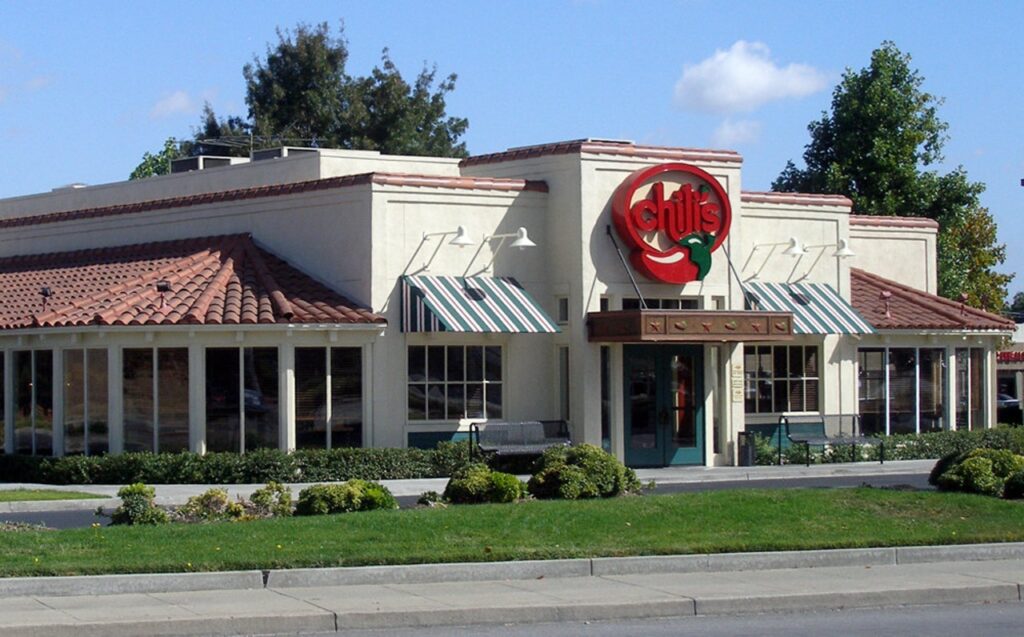
In a sit-down setting like Chili’s, burgers are plated alongside fries and served on large dishes. Beef cost spikes affect full-service restaurants heavily because portion sizes are generally larger than fast food equivalents.
When wholesale prices rise, kitchens standardize patty weights with tighter compliance. Hand-formed patties may be shaped more consistently to reduce overage. That consistency can reduce the slightly irregular bulk that once made the burger feel homemade and substantial.
Diners evaluate value in the context of table service and menu price. If the central protein feels slimmer while the plate remains the same size, the change is magnified. Beef market volatility turns portion precision into a visible shift on the plate.