12 Fast Food Cookies That No Longer Taste Fresh

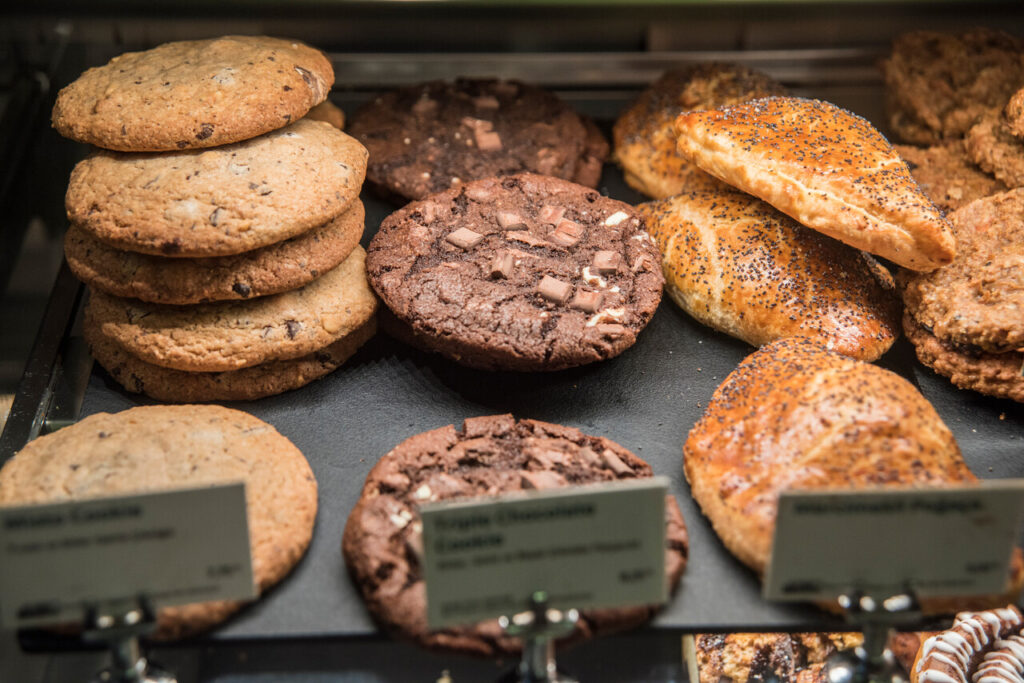
There was a time when grabbing a cookie from a fast food counter felt like a small win. Warm, soft, slightly gooey in the center, it was the kind of add-on that made a combo meal feel complete. Lately, though, more customers are noticing something different. The cookies look the same, but the texture feels off. They crumble too easily, taste overly sweet, or seem like they have been sitting under a heat lamp longer than they should.
What changed is not always the recipe alone. Large-scale production, holding systems, ingredient substitutions, and tighter cost controls all shape how these cookies reach your tray. Even small adjustments in moisture, fat content, or bake time can shift a cookie from fresh and chewy to dry and forgettable.
This list takes a closer look at fast food cookies that many diners say no longer taste freshly baked. It breaks down what may be happening behind the counter and why that soft, straight-from-the-oven feel is getting harder to find.
1. McDonald’s Chocolate Chip Cookies That Taste More Packaged Than Baked
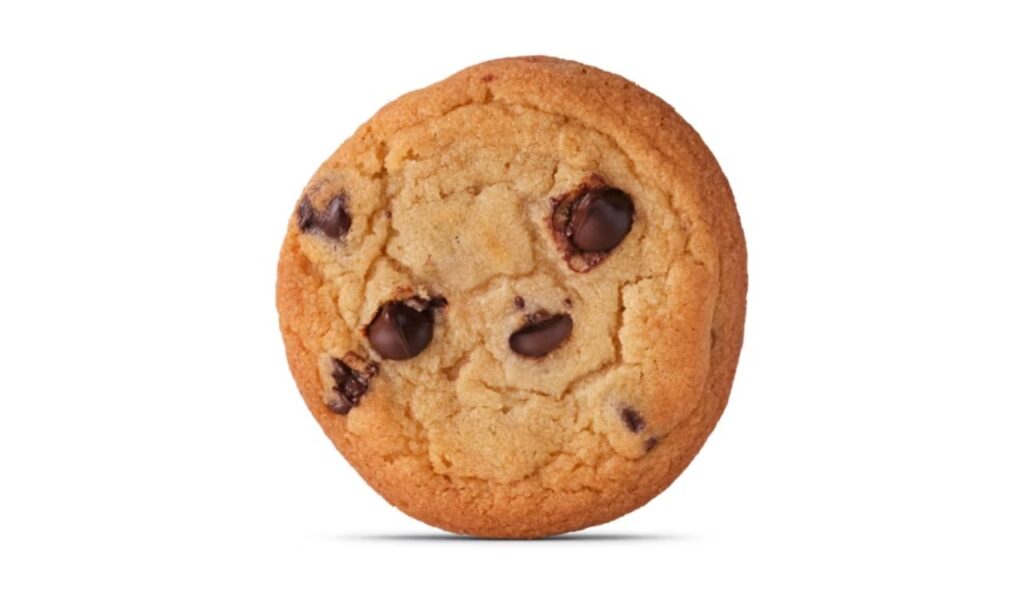
There was a time when McDonald’s chocolate chip cookies were touted as warm, chewy treats that complemented a meal with a hint of nostalgia. Today, many customers describe them as dry and overly sweet, with a texture that feels more like a shelf-stable snack than something freshly baked. That shift doesn’t necessarily come from a single recipe change but from how the cookies are stored, prepared, and displayed in thousands of restaurants.
Fast food systems prioritize consistency and safety, and that often means baking in advance and holding cookies under heat lamps or in warmers. While this keeps them at “serving temperature,” it also accelerates moisture loss. A cookie that sits under a lamp for too long can dry out quickly, losing the soft interior that makes fresh cookies enjoyable.
Additionally, supply chain choices influence texture and flavor. Ingredients formulated for long shelf life, such as more refined sugars and stabilized fats, resist spoilage but don’t behave like freshly mixed dough. The result is a product that looks familiar but doesn’t deliver that melt-in-your-mouth richness you remember.
2. Subway Cookies That Feel Cakier and Less Satisfying
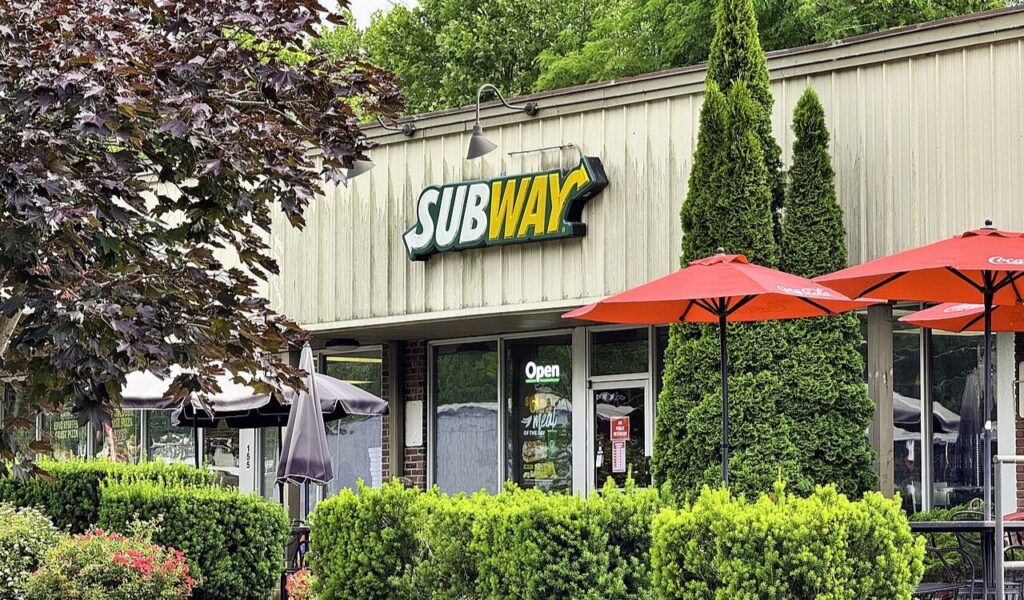
Subway’s cookies were once celebrated as a quick, sweet finish to a sandwich, with a slightly soft center and crisp edge. Over time, reports from regular visitors began to describe them as more cake-like and less flavorful. This change often has less to do with skill in the kitchen and more to do with how the cookies are prepared and held throughout the day.
Like many fast food establishments, Subway bakes in batches and then holds cookies out for convenience. If those batches sit too long under warming conditions or in display cases that aren’t properly humidity-controlled, the interiors can lose moisture and become more cakey than chewy. That texture shift affects perception of freshness even if the cookies are technically safe to eat.
Ingredient formulations also matter. Higher levels of certain stabilizers or processed flours can create a uniform product that travels well but doesn’t offer the same depth of flavor as a fresh bakery cookie. This focus on shelf life and logistics over sensory experience changes how the cookie feels with every bite.
3. Starbucks’ Classic Chocolate Chunk Cookie With a Mealy Center
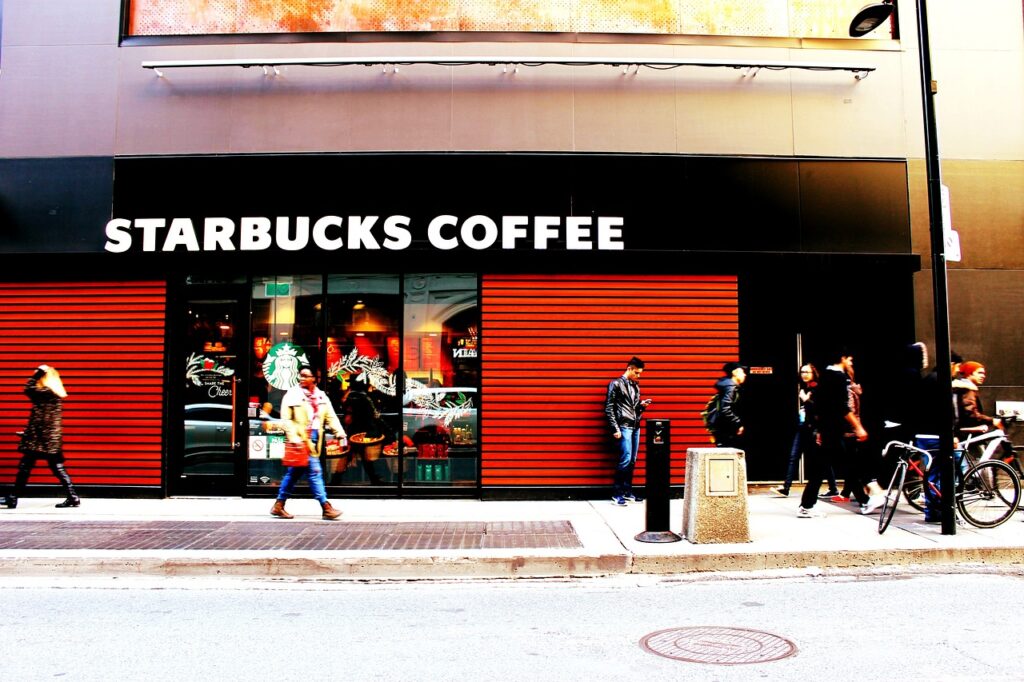
Starbucks’ chocolate chunk cookie aims to be more indulgent than typical fast food options, but frequent patrons have noted that it sometimes falls short of that goal. Specifically, many describe the center as mealy, a texture that suggests dryness or overbaking rather than the rich, gooey core associated with freshly baked goods.
This textural issue often comes down to heat management and holding time. In high-volume stores, cookies are baked in large ovens and then kept on warming shelves to meet customer demand. While this ensures availability, it can also cause moisture to escape from the interior, leaving a grainier mouthfeel. That contrasts with what consumers expect from a cookie that’s marketed as premium.
The formulation of the dough plays a role, too. To achieve consistent results across thousands of locations, Starbucks uses specific fat and sugar blends that can behave differently from homemade recipes. Those blends may not caramelize or retain moisture the same way, resulting in a product that looks rich but doesn’t match the sensory experience of a fresh bakery cookie.
4. Panera Bread Cookies Missing That Fresh-Out-Of-The-Oven Softness
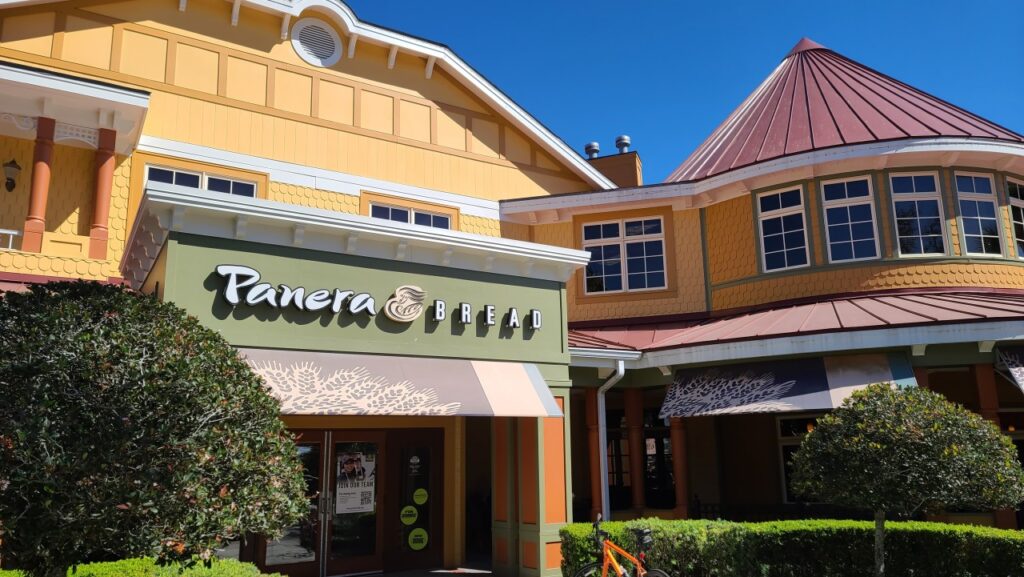
Cookies at bakery-cafe styled chains like Panera Bread once lived up to their image with a genuinely soft, just-baked quality. In recent years, however, some customers have pointed out that certain cookie varieties feel drier and less satisfying than expected. This shift can be linked to operational pressures in fast casual food, where speed and consistency sometimes take priority over ideal texture.
In an environment where baked goods are prepared ahead of time and replenished by schedule rather than demand, cookies can sit out longer than intended. Exposure to ambient air and display case temperatures accelerates moisture loss, leading to a crumbly interior. The perception of freshness drops dramatically when every bite feels dry rather than soft.
Panera’s baking systems aim for uniform results across many stores, which means standardized mixes that may include stabilizers to extend shelf life. While these ingredients help the product stay safe and visually appealing, they don’t always support the same tender crumb and buttery flavor that a fresher, less processed dough would provide.
5. Auntie Anne’s Cookie Stix That Lack the Fresh-Baked Chew
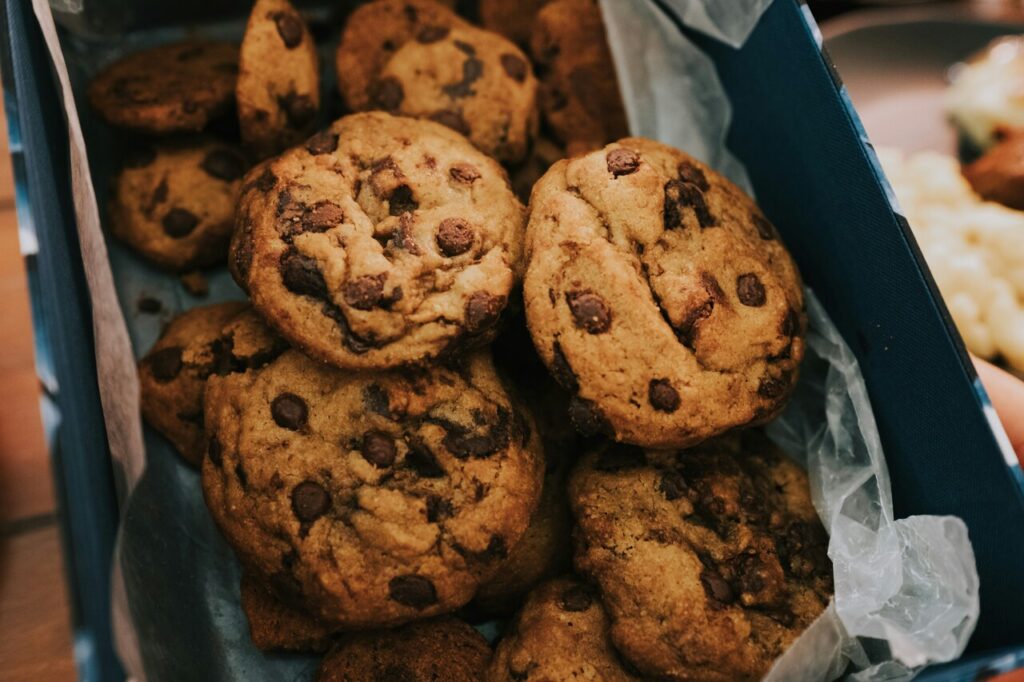
Auntie Anne’s Cookie Stix were designed to offer a portable, sugar-coated treat that paired well with hot pretzels. Yet customers often mention that these cookie sticks feel dry and lacking in that fresh-baked chew that makes a cookie satisfying. Part of that comes down to the handling process within stores focused primarily on pretzels rather than baked goods.
Cookie Stix aren’t always baked to order. Instead, they are often prepared in batches and held in warmers for extended periods to ensure availability during peak hours. The warmers help maintain temperature but do little to preserve moisture, which leads to drier interiors. A cookie that loses its moisture quickly also loses its sense of freshness.
Ingredient choices add to the issue. Recipes designed for stability may include flours and fats that resist spoilage but don’t provide the tenderness you expect from a soft cookie. Over time, these factors leave customers craving not just sugar and cinnamon but a texture that feels freshly pulled from an oven.
6. Cinnabon Cookies That Feel Dry Instead of Gooey
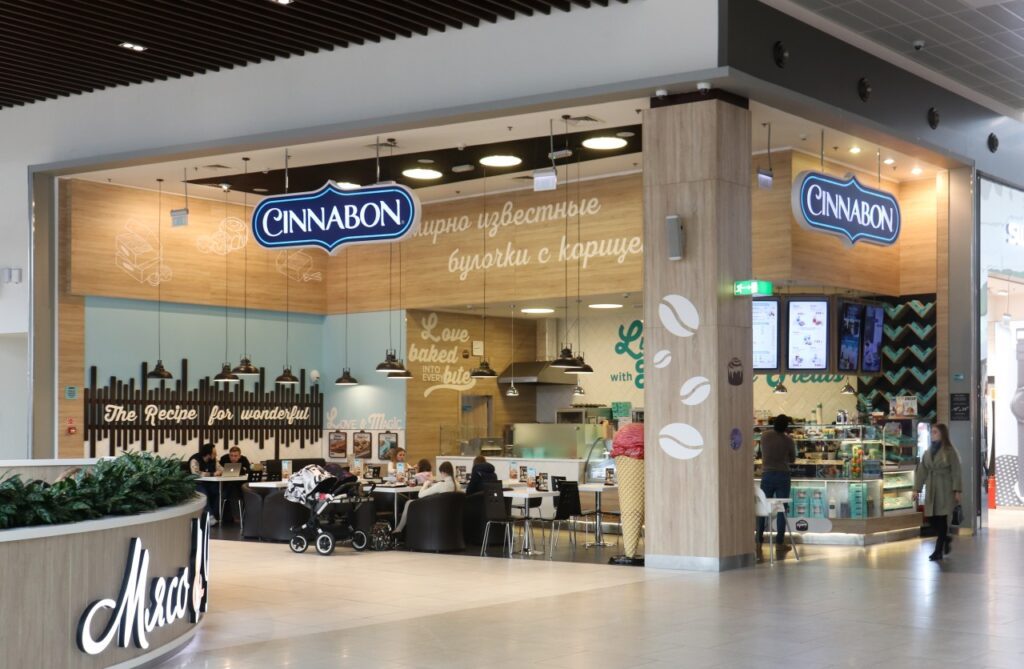
Cinnabon is known for sweet, indulgent pastries with sticky centers and bold flavor. When that brand extended into cookies, the expectation was for a similarly rich experience. But many patrons describe those cookies as feeling dry or lacking the gooey texture one associates with Cinnabon’s unmistakable rolls.
Cookies require a different balance of sugar, fat, and moisture than rolls, and when that balance is tweaked for portability, freshness can suffer. Fast food operations often bake them ahead of time to ensure supply, and they may not have the humidity or heat control systems of a dedicated bakery. As a result, the exterior might feel crisp while the interior dries out.
Some of this also arises from the need to scale recipes for consistency across multiple locations. Ingredients that provide moisture retention at a national scale, such as stabilizers or certain processed syrups, can change the overall mouthfeel. In a cookie, where small differences in moisture translate to big differences in texture, those ingredient choices are easy to notice.
7. Dunkin’ Cookies That Are Less Soft and More Crumbly
Dunkin’ (formerly Dunkin’ Donuts) built its reputation on coffee and fresh sweets. But customers increasingly report that the cookies served feel crumbly and less soft than in past years. That crumble often comes from situational factors like shelving and time since baking.
When cookies are prepared in early shifts and held for later service without an effective moisture-control system, they can lose their internal humidity rapidly. Exposure to fluctuating case temperatures dries the interior crumb, leading to a texture that feels chalky rather than tender. Even slight changes in humidity make a big difference in how a cookie feels.
Additionally, large-scale food operations often adjust recipes to suit wide distribution and storage needs. That might include reducing butter or egg content, which lowers production cost and extends shelf life, but it also removes key elements that contribute to softness. For many customers, that subtle change becomes unmistakable with every bite.
8. Wendy’s Chocolate Chunk Cookies That Seem Long Held Under Lamps

Wendy’s cookie offerings were once praised for a thick, chewy bite and rich chocolate flavor. Frequent visitors now describe them as tasting like they’ve spent time under heat lamps, which can leach moisture and turn even well-mixed dough into a drier final product.
Heat lamps and cookie warmers are standard in fast food operations to ensure items are at service temperature. When cookies are placed under these lamps for too long, the moisture inside migrates outward, leaving a drier interior and tough exterior. Without careful turnover, the cookies lose the freshness customers expect.
The formulation itself may also contribute. Recipes scaled for mass production tend to favor ingredients that withstand holding and transport, which can lead to a firmer texture. While that keeps the cookie intact, it does so at the expense of the tender, freshly baked feel customers remember.
9. KFC Chocolate Chip Cookies That Lack Moisture
KFC’s chicken menu steals the spotlight, but their chocolate chip cookies were once a reliable addition to a meal. Today, comments from customers highlight dryness and lack of moisture, making them feel less like a treat and more like an afterthought.
Part of this comes down to the production and storage environment of a restaurant whose primary focus isn’t bakery items. Cookies may be prepared in advance and stored without the humidity control found in dedicated bakeries, which accelerates drying. Once the moisture is gone, the cookie rapidly loses that fresh quality.
The recipe itself can also influence texture. Fast food cookies often use a lot of processed flours and stabilizers that keep them safe during transport, but don’t mimic the natural softness and spread of a freshly baked homemade cookie. The end result is technically edible but lacking in sensory appeal.
10. Carl’s Jr. and Hardee’s Cookies With Tough Texture
Carl’s Jr. and Hardee’s offer classic fast food cookies alongside burgers and fries. Yet patrons often note that their cookies feel tougher and have less fresh aroma than competitors. A tougher texture usually points back to moisture loss and ingredient choices geared toward stability.
In high-volume quick-service environments, cookies are baked in bulk and held for later sale. Holding cases may maintain warmth but do little to retain moisture. The longer a cookie sits, the more water evaporates, leading to a firm, dry crumb that feels tough to chew.
Store-wide recipe scaling can also affect texture. Private recipes chosen for consistency across locations may sacrifice some tenderness to ensure the cookie holds shape during handling. That reliability comes at the cost of the soft, fresh-out-of-the-oven experience customers crave.
11. Jack in the Box Cookies With Grainy, Slightly Stale Taste
Jack in the Box cookies often get described as grainy or slightly stale, even when they haven’t been on display for long. Graininess can be a sign that the dough mix uses more refined or lower-grade flours that don’t hydrate as smoothly, leading to a less tender crumb.
In addition, storage practices in fast food environments can exacerbate perception. If the display case is not temperature-controlled to retain humidity, cookies dry from the outside inward, creating a surface that feels coarse and stale upon the first bite.
Flavor plays into perception, too. When a cookie lacks a pronounced butter or vanilla note, the sweetness and graininess stand out more. That leaves customers feeling as though the cookie isn’t fresh, even if it technically is within food safety timelines.
13. Shake Shack Cookies With Underbaked or Bland Center
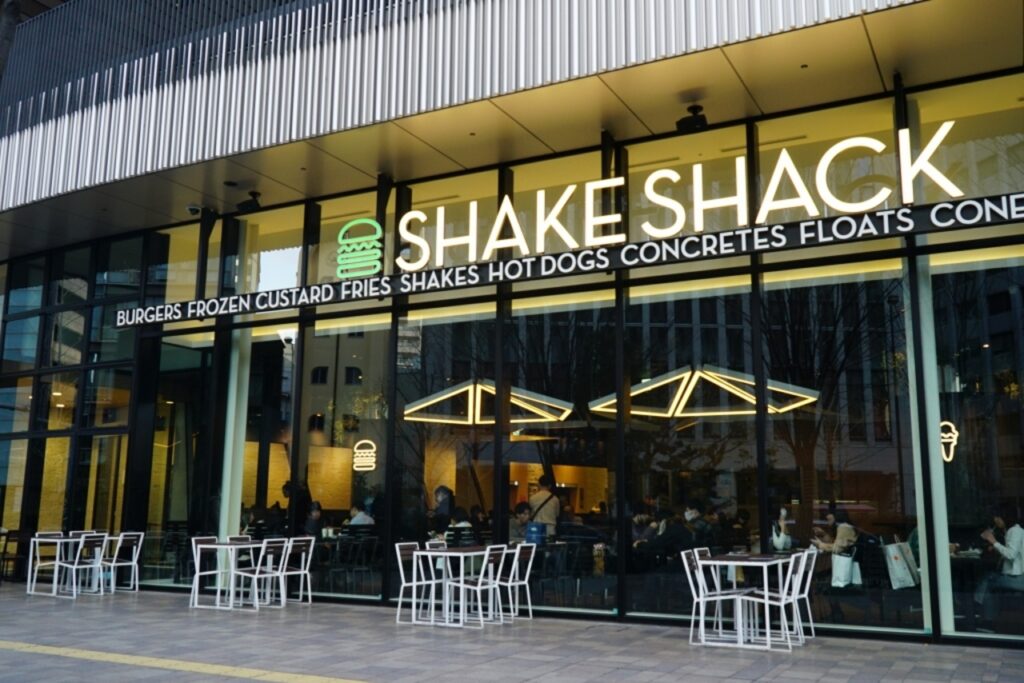
Shake Shack’s delicious burgers and shakes often outshine their cookie offerings, but even here, customers sometimes report that the cookies taste underbaked or lack a fresh, warm center. An underbaked texture is different from stale, but it still signals inconsistency in quality.
This can result from attempts to standardize oven times across many locations. If a cookie is pulled too soon to meet service demand, the center may not develop the right structure, leaving it doughy instead of soft and evenly baked. To some palates, this feels less fresh than a proper bake.
Recipe formulation also plays a role. Premium cafes and fast casual spots often balance fat, sugar, and flour carefully. If that balance tips too far toward flour or stabilizers, the interior can feel bland and unappealing compared to a cookie with more real butter and thoughtful timing.