You May Want to Read This First Before Ordering Vegan at These 8 Chain Restaurants

More fast food chains are adding plant-based choices to their menus, making it easier than ever to order vegan meals on the go. At first glance, many of these restaurants appear to offer plenty of options. Customizable bowls, sandwiches, and meat alternatives suggest that ordering vegan should be simple. The reality can be a little more complicated. Some menu items require ingredient swaps, others rely heavily on sides, and a few depend on careful attention to sauces and preparation methods. Understanding how each chain handles vegan options can make the ordering process much easier.
1. Jimmy John’s

Jimmy John’s focuses heavily on sandwiches built around deli meats and cheese. The menu highlights speed and simplicity, which works well for traditional subs but can make vegan ordering slightly more limited.
Customers can order sandwiches without meat or cheese and load them with vegetables such as lettuce, tomatoes, cucumbers, and peppers. The chain also offers lettuce wraps as an alternative to bread for those who prefer it.
Even with those choices, the meal often becomes primarily a vegetable sandwich rather than a protein-based one. Because the menu does not feature dedicated plant-based fillings, the final result may feel lighter than the meat-focused subs that the restaurant is known for.
2. Chipotle Mexican Grill
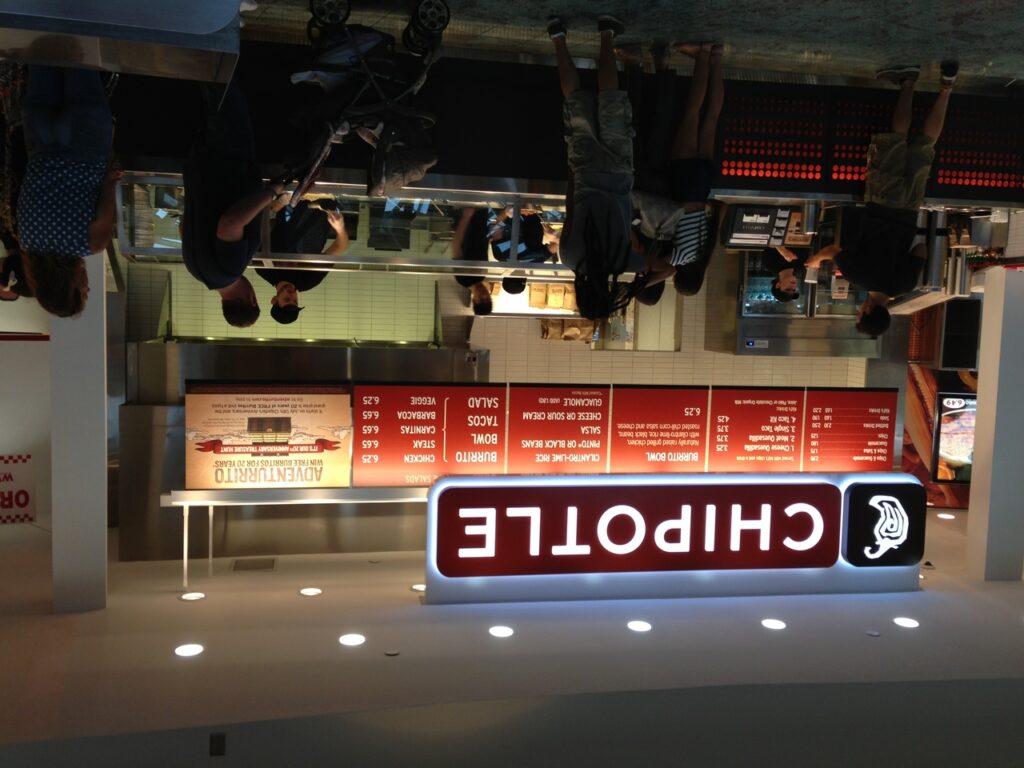
Chipotle is often one of the first fast casual restaurants people mention when talking about plant-based options. The chain builds its menu around customizable bowls, burritos, and tacos, which makes it easy to remove meat and dairy while still creating a filling meal.
The catch is that the number of clearly vegan protein choices is still fairly limited. Without it, a bowl can quickly turn into a mix of rice, vegetables, and toppings that feels less substantial than the meat-based versions.
This happens because the menu structure was originally designed around animal protein as the centerpiece of each meal. When that element is removed, the balance of texture and flavor can change.
3. Starbucks
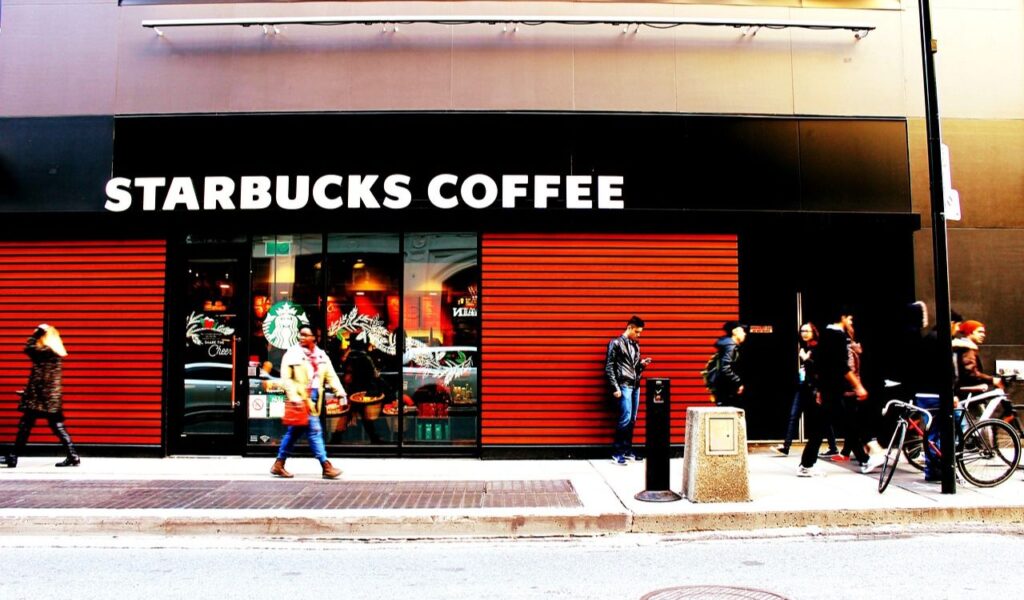
Starbucks has become known for offering a wide range of plant-based milk options, which makes ordering vegan coffee drinks relatively simple. Almond, oat, coconut, and soy milk can replace dairy in most beverages, allowing customers to adjust their drinks without major changes.
Many bakery items and breakfast sandwiches rely heavily on eggs, cheese, or butter, which leaves far fewer fully vegan options in the display case. Customers sometimes have to settle for oatmeal, packaged snacks, or modified items.
This gap exists because the menu was developed primarily around traditional coffee shop foods that depend on dairy and eggs for structure and flavor. While plant-based beverages have expanded quickly, vegan food options have grown more slowly.
4. Subway
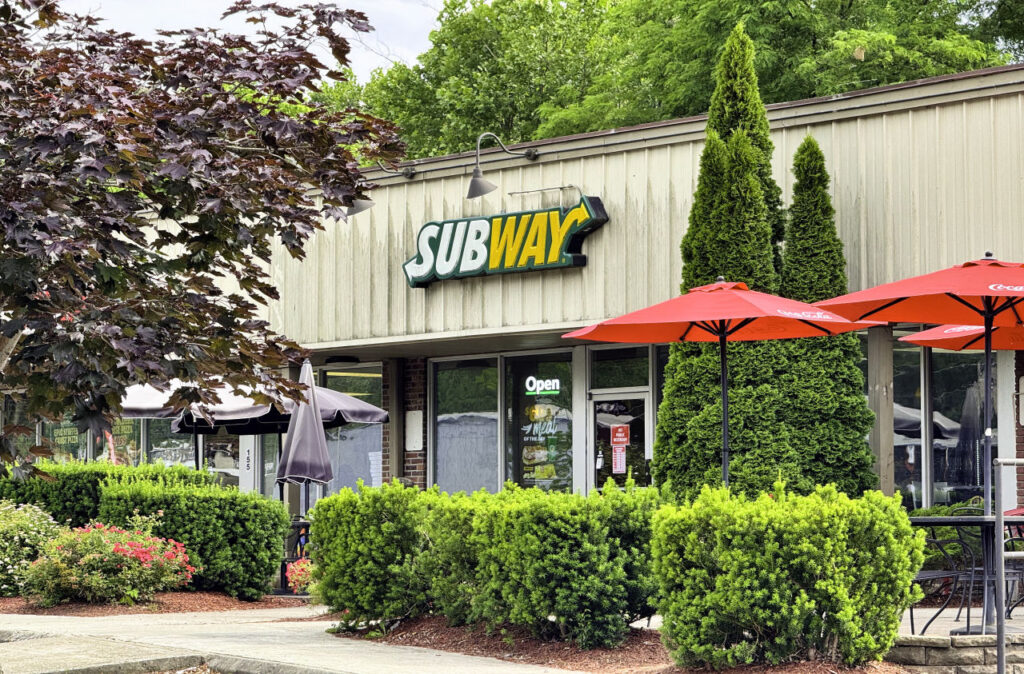
Subway’s build your own sandwich format might seem ideal for vegan diners. Customers can choose their bread, vegetables, and sauces while skipping meat and cheese. The long list of fresh toppings allows for plenty of customization when creating a plant-based sandwich.
In practice, many locations offer only a limited selection of vegan-friendly protein fillings. While this can still be tasty, it may not feel as filling as a traditional sub.
Sandwiches usually depend on a balance between protein, vegetables, and sauce. That is why vegan customers often need to carefully select sauces and toppings to add flavor and texture to what would otherwise be a very simple vegetable sandwich.
5. Burger King
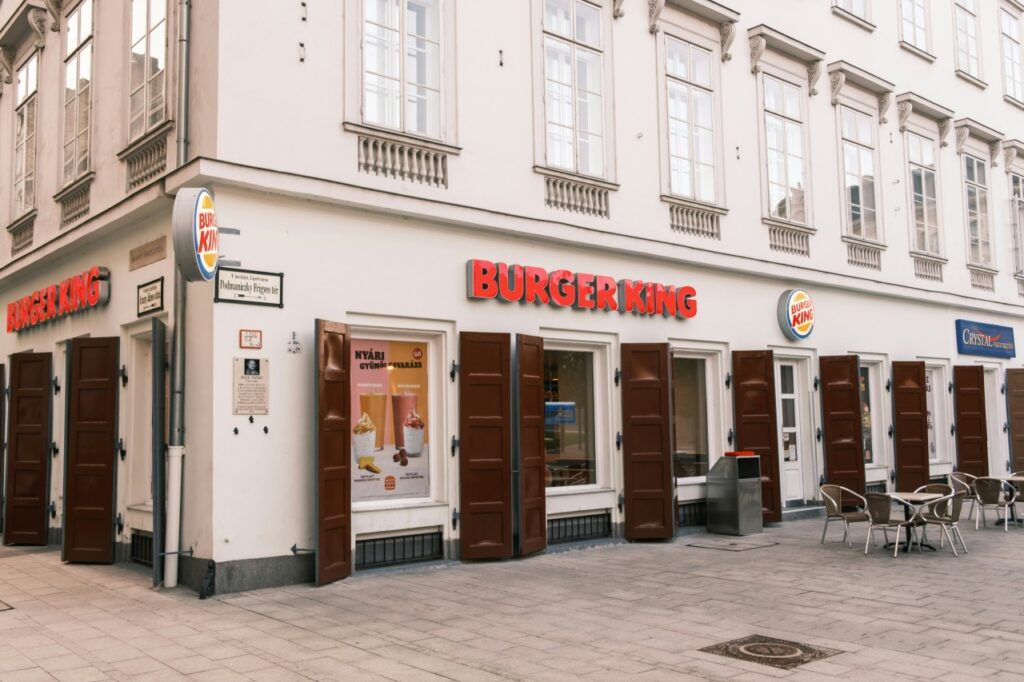
Burger King made headlines when it introduced a plant-based burger that closely resembled its classic beef sandwich. The idea was to give customers the experience of a fast food burger without the meat, making vegan ordering appear easier than at many other chains.
The complication comes from how the burger is prepared and served. The sandwich often includes mayonnaise by default, which is not vegan, and the patty may be cooked on the same grill used for beef burgers.
For many diners, these extra steps can be confusing if they assume the menu item is fully vegan as advertised. It highlights how a product designed to resemble a traditional burger still exists inside a kitchen built around meat-based cooking practices.
6. Taco Bell
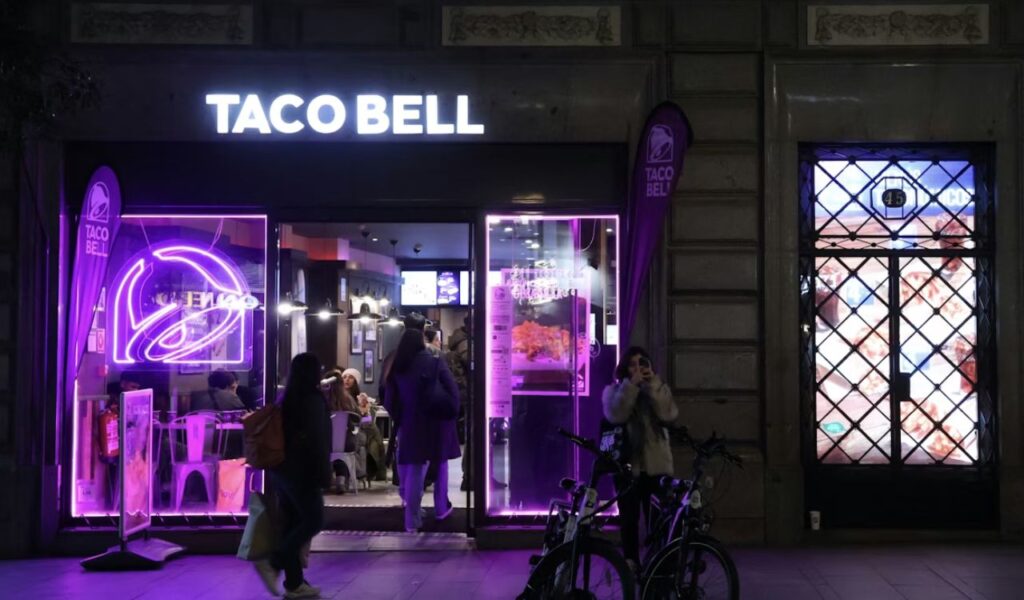
Taco Bell has earned a reputation for being one of the more flexible fast food chains for plant-based eaters. Many menu items can be modified by removing cheese or sour cream, and the chain openly encourages customization through its ordering system.
Customers often need to swap ingredients or remove dairy-based toppings before the dish becomes fully plant-based. Without those modifications, the default versions typically include cheese or creamy sauces.
Because the menu relies heavily on combinations of beans, tortillas, and toppings, small ingredient changes can quickly alter the final result. Ordering vegan here is certainly possible, but it often requires paying close attention to the details of each ingredient.
7. Wendy’s
Wendy’s is well known for its burgers, chicken sandwiches, and dairy-based desserts. For vegan diners, this focus can make the menu feel more limited compared with chains that emphasize customizable meals or plant-based proteins.
Most of the vegan-friendly options tend to be side dishes rather than main items. French fries, baked potatoes, and simple salads are often the choices available without significant modifications. While these items can still create a meal together, they were not originally designed as a full plant-based entrée.
Wendy’s menu was built around beef patties and dairy-heavy toppings, which leaves fewer opportunities for plant-based alternatives without major changes to the existing lineup.
8. Panda Express
Panda Express has experimented with plant-based dishes in recent years, but vegan ordering can still require careful attention. Many menu items include sauces that contain animal-based ingredients, even when the main component appears to be vegetables.
At first glance, dishes like vegetable stir-fries might seem like safe choices. However, some sauces traditionally use ingredients derived from animal products, which means not every vegetable dish automatically qualifies as vegan.
This is common in many Asian inspired restaurant menus, where sauces play a major role in flavor. Unless the ingredients are clearly labeled or confirmed, customers may need to check carefully before assuming a dish is fully plant-based.