9 Restaurant Trends That Got Annoying Fast and Thankfully Disappeared

Restaurant trends move fast. What feels exciting and clever one year can start feeling forced, overpriced, or just plain annoying the next. Social media hype plays a huge role, pushing visual gimmicks and viral concepts into dining rooms before operators fully understand how they work in real life. What this really shows is that the restaurant business rewards substance far more than spectacle over time. These once popular trends burned bright, irritated plenty of guests and staff along the way, and then quietly disappeared as the industry recalibrated toward food that actually delivers on taste, practicality, and consistency.
1. Molecular Gastronomy Lite
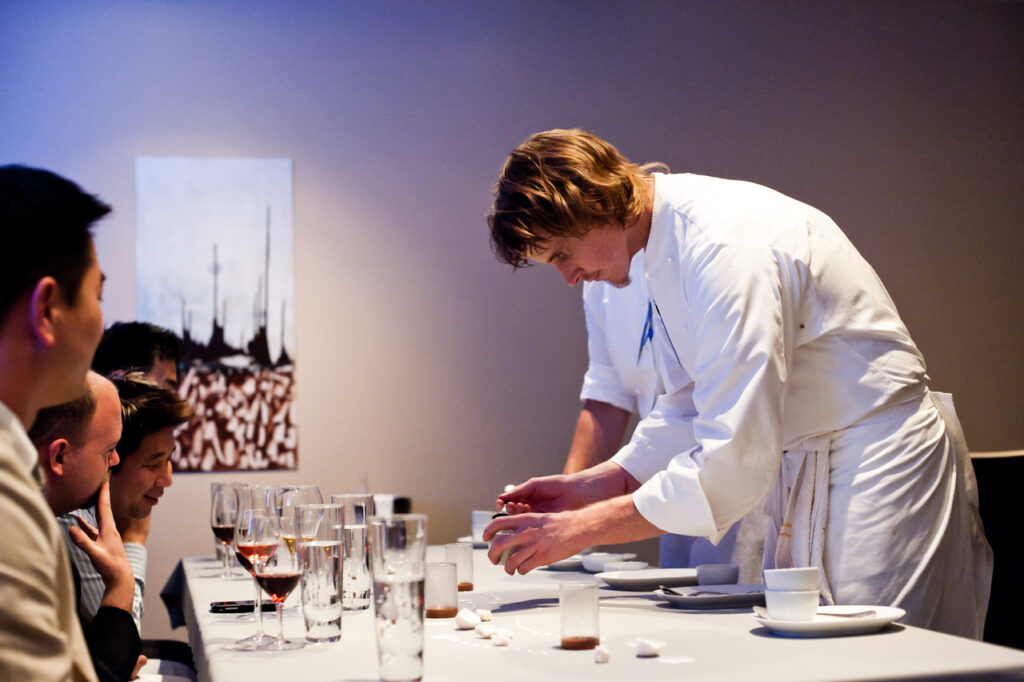
The first time diners saw foam floating on a plate or liquids turned into tiny pearls, it felt like the future of dining had arrived. The problem was that many restaurants copied the look without mastering the technique or the balance of flavor. What started as a thoughtful culinary movement became a parade of gimmicks that prioritized shock value over satisfaction. Foams often collapsed before reaching the table, textures were confused rather than delighted, and portions felt strangely unsatisfying for the price. Guests left remembering the presentation more than the taste, which is never a good sign for repeat business. The equipment required was expensive, staff training was intensive, and consistency was hard to maintain during busy service. Over time, diners grew tired of paying premium prices for plates that felt more like science experiments than meals. Chefs quietly returned to techniques that highlighted ingredients instead of distracting from them, and the trend faded into a niche rather than a mainstream expectation.
2. Gourmet Burger Mania
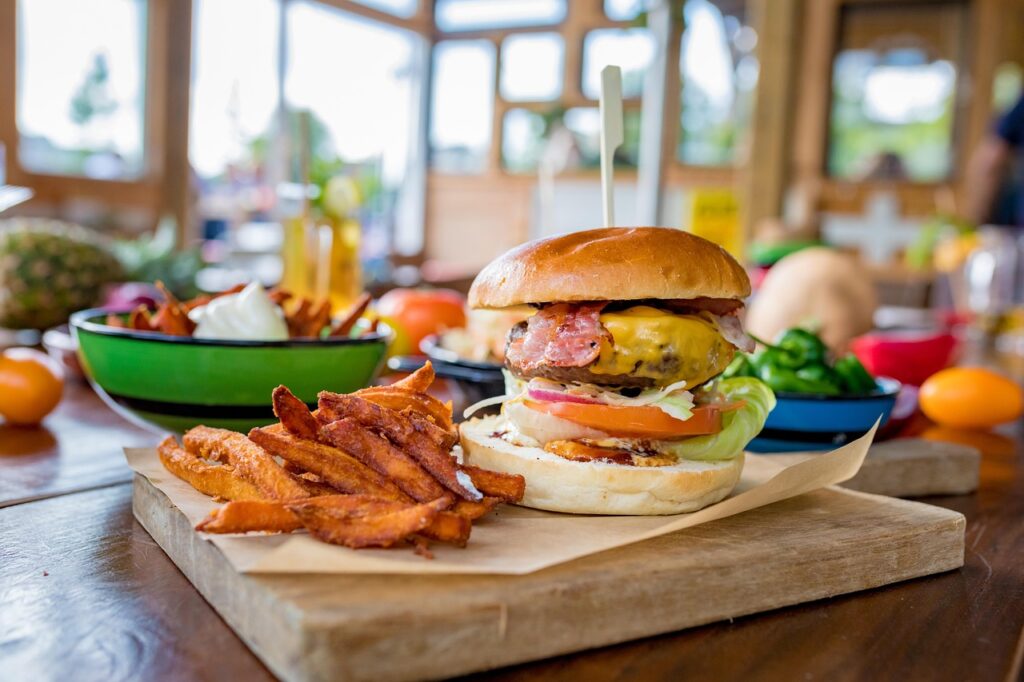
At its peak, every neighborhood seemed to get an upscale burger joint promising grass-fed beef, imported cheeses, brioche buns, and towering toppings. The concept sounded great until customers realized they were paying fine dining prices for something fundamentally casual. Burgers became so tall they were hard to eat, flavors clashed instead of harmonizing, and consistency varied wildly from visit to visit. Many menus leaned into novelty rather than balance, adding fried eggs, sweet sauces, and unexpected garnishes that overwhelmed the core of a good burger. Labor costs rose, ingredient sourcing became complicated, and margins shrank as competition exploded. Diners started craving either truly elevated chef-driven cooking or simple, affordable comfort food, not something awkwardly stuck in between. As locations closed or rebranded, the market corrected itself. A handful of great burger spots survived by focusing on execution and restraint, while the trend of endless gourmet burger clones quietly cooled off.
3. American Diner Replicas
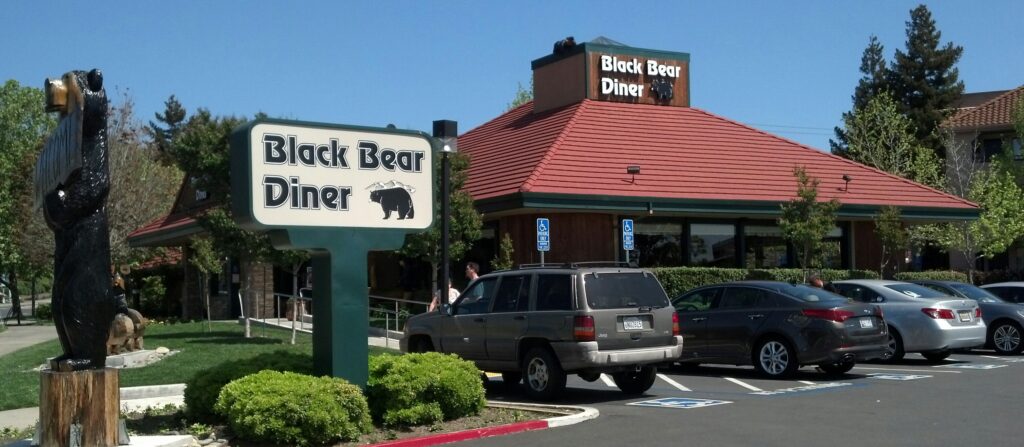
Retro diners promised comfort, nostalgia, and playful Americana, complete with vinyl booths, checkerboard floors, neon signs, and oversized milkshakes. At first, the theme felt charming and Instagram-friendly. Over time, repetition drained the magic. Many replicas focused heavily on decor while underinvesting in food quality, service training, and kitchen efficiency. The menus often relied on frozen ingredients, heavy frying, and oversized portions that lacked freshness or balance. Maintenance costs for themed interiors were high, and once the novelty wore off, there was little to keep regular customers coming back. Younger diners began gravitating toward lighter menus, locally sourced ingredients, and flexible dining spaces that felt authentic rather than staged. The diner aesthetic still holds nostalgic appeal in select locations, but the widespread replication model struggled to remain relevant. What this really shows is that atmosphere alone cannot replace consistent food quality and thoughtful hospitality over the long term.
4. Frozen Yogurt Frenzy
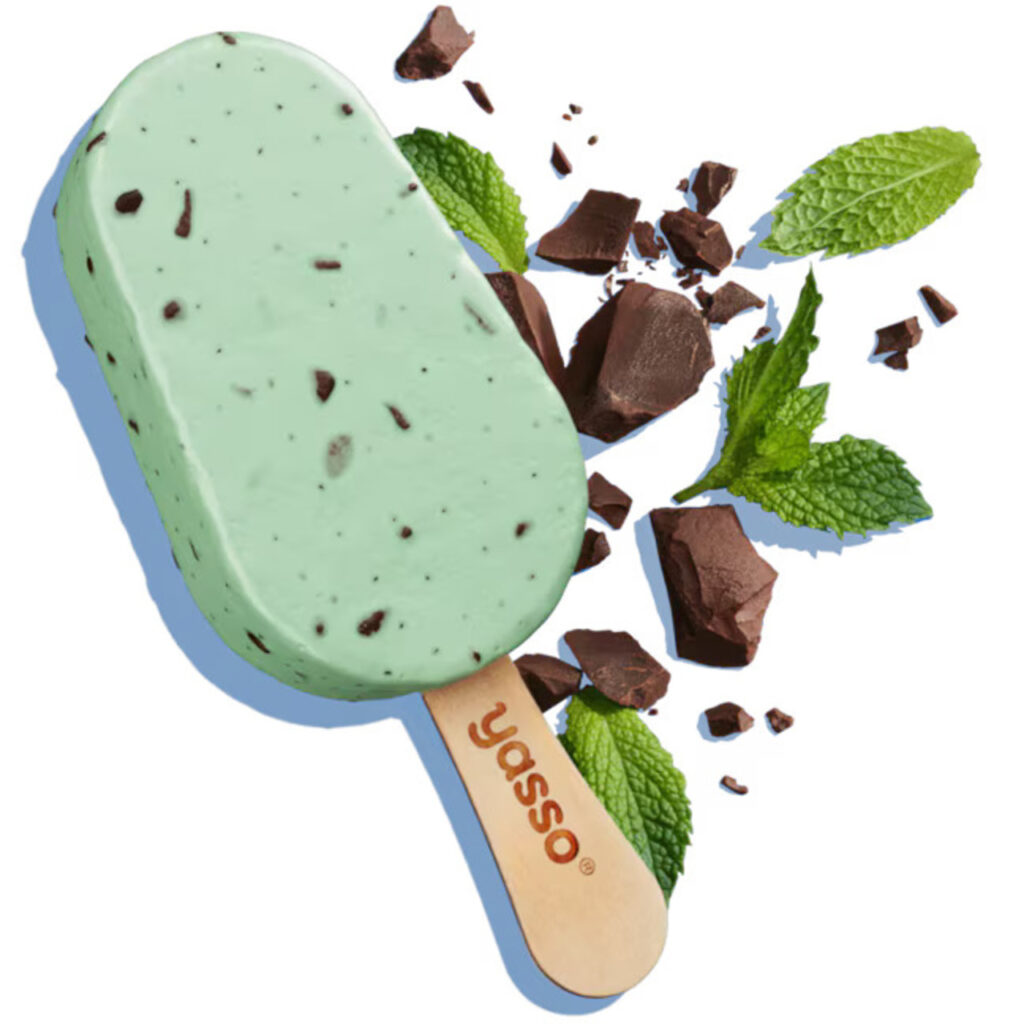
Frozen yogurt shops multiplied at an astonishing speed, promising a healthier dessert alternative with endless toppings and self-serve fun. The business model looked simple and scalable, which encouraged rapid expansion. Unfortunately, oversaturation hit quickly. Many locations opened within blocks of each other, driving competition and shrinking profits. Customers realized that yogurt loaded with candy, syrups, and toppings was hardly healthier than ice cream. Flavor fatigue also set in, as bases tasted similar across brands and seasonal rotations felt predictable. Maintenance of machines was costly, staff turnover was high, and waste increased when traffic slowed. As novelty disappeared, foot traffic dropped sharply. Some shops pivoted toward smoothies or bubble tea, while others closed entirely. The trend left behind a smaller number of well-managed operators, but the gold rush mentality faded. It became clear that sustainable dessert concepts need differentiation beyond novelty and perceived health halos.
5. Premium Food Trucks
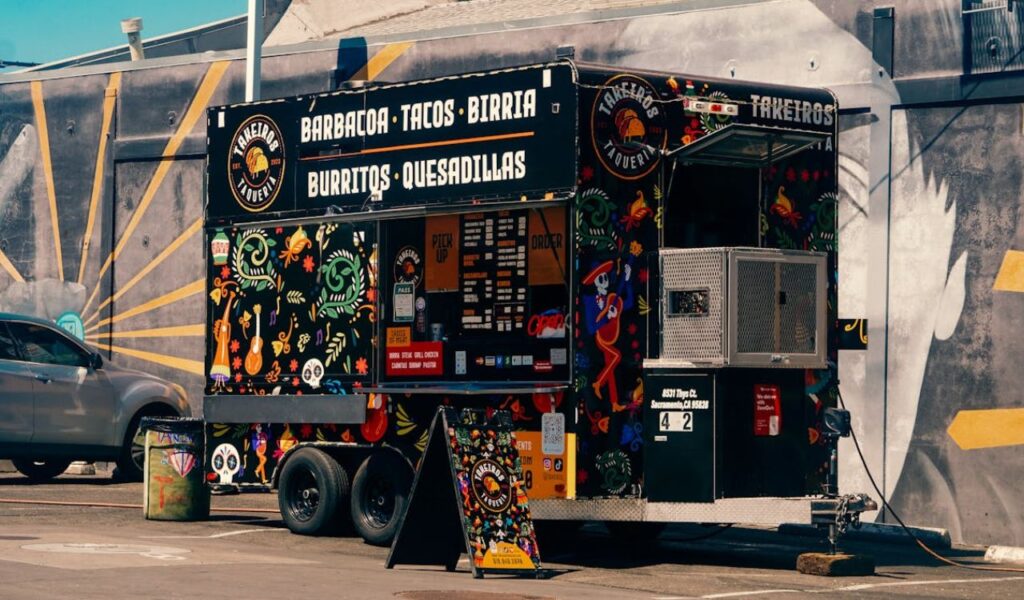
Food trucks once symbolized freedom, creativity, and affordable gourmet meals on the go. Early operators built loyal followings by offering fresh menus, personal service, and unique concepts that brick-and-mortar restaurants could not easily replicate. As popularity surged, challenges emerged. Permits and regulations varied by city, parking access became competitive, and weather unpredictability disrupted sales. Ingredient costs climbed while customers resisted higher prices from what still felt like street food. Scaling quality across multiple trucks proved difficult, and long wait times frustrated lunch crowds. Some trucks transitioned successfully into permanent locations, but many struggled to sustain profitability. The romantic image of a roaming kitchen met the reality of logistics, maintenance, staffing, and compliance. While food trucks remain part of urban food culture, the expectation that they would dominate the restaurant landscape quietly faded into a more balanced role.
6. Overly Elaborate Serving Vessels

Serving food on wooden planks, slate tiles, mini shopping carts, shovels, or hanging frames once felt playful and theatrical. Guests initially enjoyed the novelty, snapping photos and sharing the experience online. Then reality kicked in. Plates were unstable, sauces spilled easily, portions were awkward to access, and cleaning protocols became complicated. Servers struggled to transport fragile setups safely, increasing breakage and accidents. Health inspectors raised concerns about sanitation when porous or decorative materials replaced standard dishware. Customers found themselves more focused on navigating the presentation than enjoying the meal. The gimmick stopped feeling charming and started feeling inconvenient. Restaurants slowly returned to functional plating that highlighted the food rather than competing with it. Creativity in presentation still exists, but practicality regained its rightful place in the dining experience.
7. Excessive Food Mashups
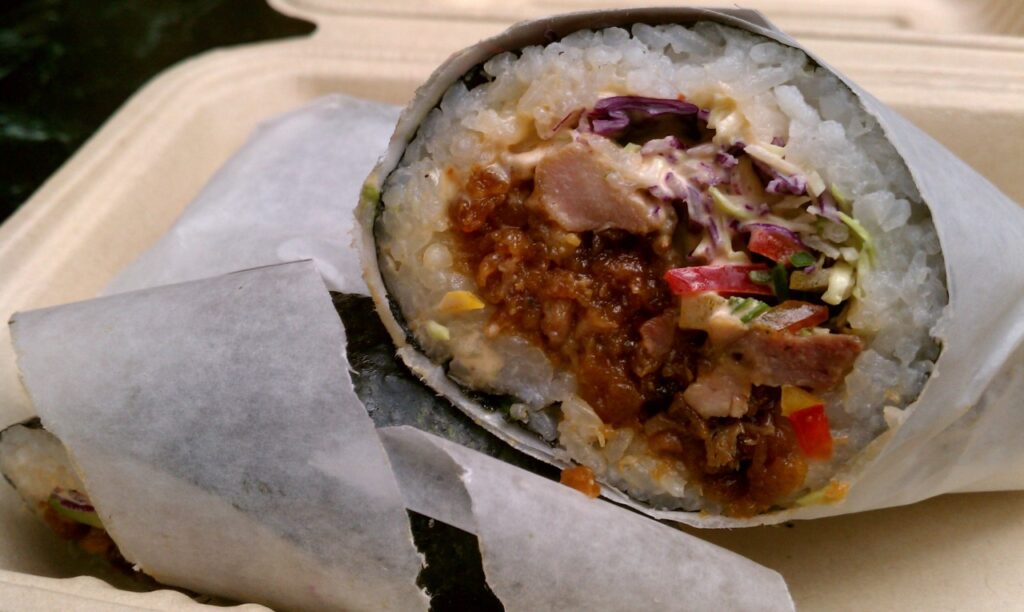
The mashup era brought cronuts, sushi burritos, ramen burgers, and countless hybrid creations that blurred culinary boundaries. At first, these items sparked curiosity, and long lines fueled by social media hype. The problem was longevity. Many mashups sacrificed balance and technique in favor of novelty. Textures conflicted, portion sizes became unwieldy, and flavors struggled to coexist. Kitchens faced operational complexity, sourcing specialty components and training staff for items that didn’t always sell consistently. Once the initial excitement faded, customers often reverted to familiar classics or better executed traditional dishes. Mashups still appear occasionally, but the constant push for shock value lost momentum. Diners grew more interested in authenticity, craftsmanship, and thoughtful flavor development rather than viral experiments.
8. Unnecessary Food Rainbows
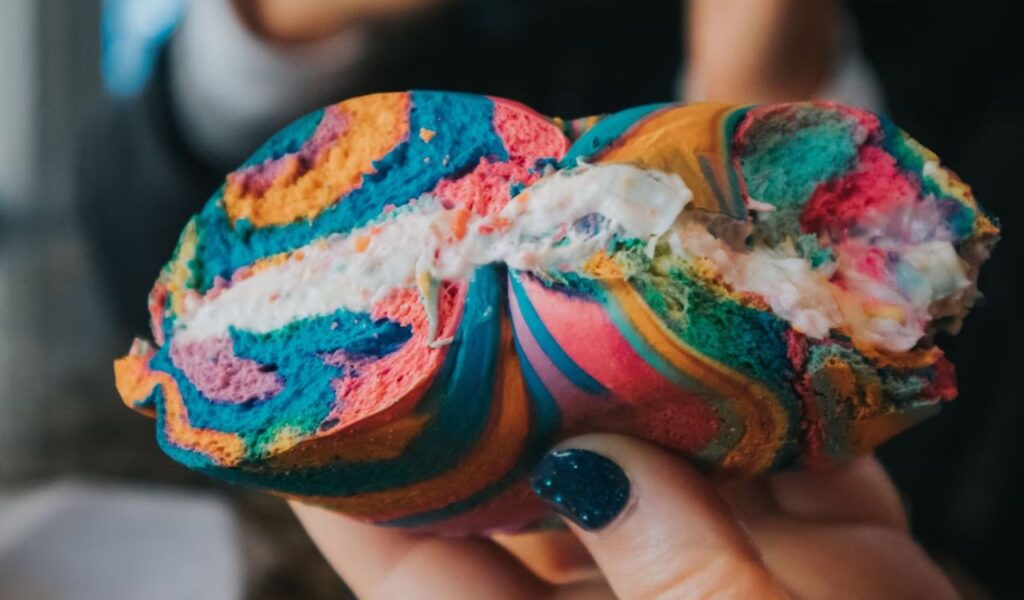
Rainbow bagels, grilled cheese, pastries, and beverages flooded social feeds with vibrant colors and dramatic cross sections. Visually, they were undeniable attention grabbers. Taste, however, rarely matched the spectacle. Artificial dyes sometimes altered the texture or flavor, and the consistency between batches varied widely. Customers quickly realized that novelty wore thin after one photo. Restaurants faced higher ingredient costs, longer prep times, and increased waste from low repeat demand. The trend highlighted how visual appeal alone cannot sustain long-term customer loyalty. Today, color still plays a role in plating, but the exaggerated rainbow phase largely passed as diners shifted back toward natural ingredients and flavor-driven creativity.
9. Oversized Milkshakes and Freak Shakes
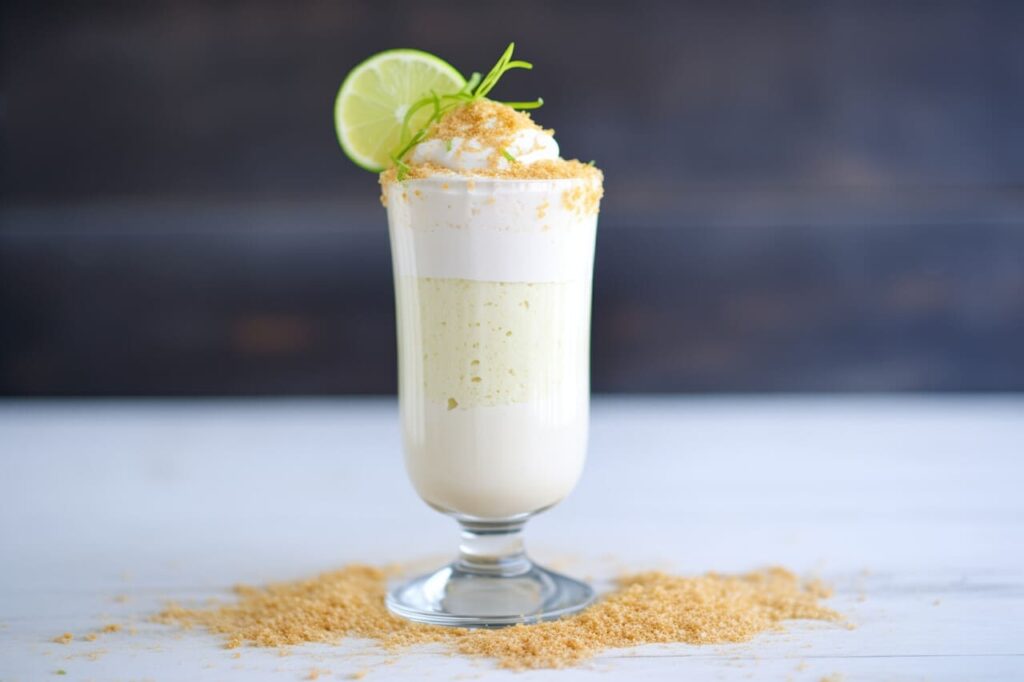
Freak shakes stacked with cookies, candy bars, donuts, and whipped cream became icons of indulgent excess. They looked incredible on camera and promised instant fun. In practice, they were messy, overly sweet, and nearly impossible to finish comfortably. Straws clogged, toppings collapsed, and cleanup became a chore for both guests and staff. Calorie counts reached extremes that many diners felt uneasy about, especially as wellness awareness increased. Preparation took significant time during peak service, slowing operations and increasing labor strain. While occasional indulgence still has a place, the towering shake trend proved unsustainable for everyday menus. Many restaurants simplified desserts to focus on flavor, portion control, and consistency rather than spectacle alone.