9 Foods That Feel Like They Should Be Cheap but Somehow Never Are

Some foods look like they should live in the bargain bin forever. They’re simple, familiar, sometimes even rooted in humble history. Then you get to the store, glance at the price tag, and pause. How did this become a splurge? Here’s the thing. A mix of supply limits, rising production costs, shifting food trends, and global demand has quietly reshaped what we pay for everyday ingredients. Cuts that once fed families on a budget now headline restaurant menus. Pantry staples carry hidden shipping and processing expenses most shoppers never see. What this really means is that “cheap food” isn’t as predictable as it used to be. This list breaks down the foods that still feel like they should cost less, and why they stubbornly never do.
1. Lobster That Somehow Became a Luxury Staple
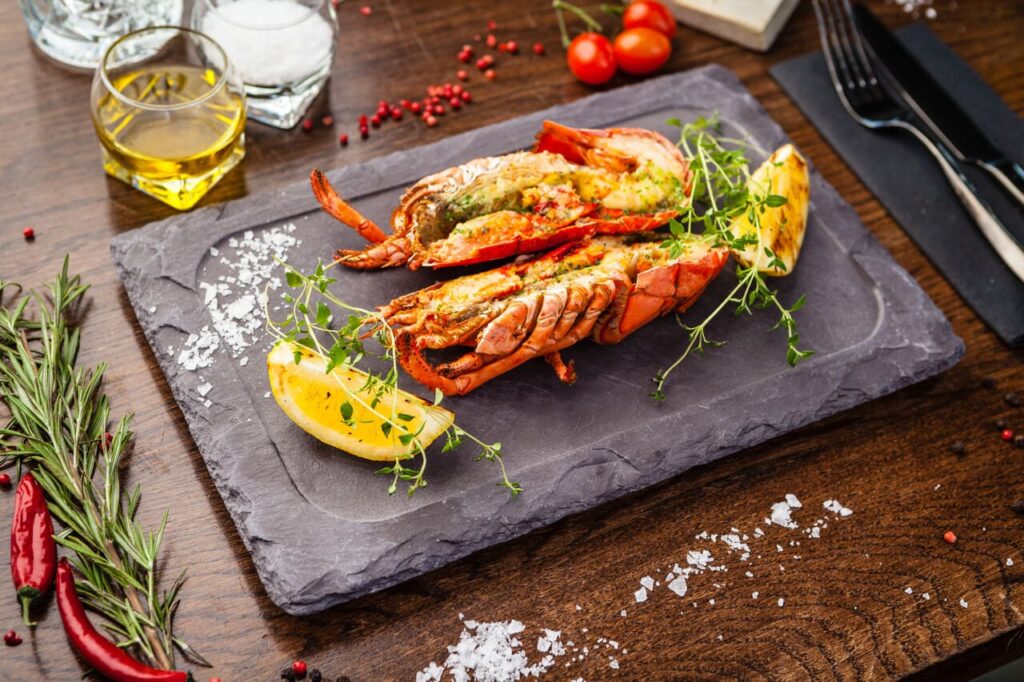
It still surprises people to see lobster priced like a celebration meal when its history says the opposite. Along the northeastern coast, lobster was once so abundant that it washed up in piles and was used as fertilizer or cheap protein for laborers. What changed was demand, distribution, and perception. Modern cold-chain shipping allows live lobsters to travel globally, opening luxury markets that quickly pushed prices upward. At the same time, tighter fishing regulations protect lobster populations, which limits supply. Fuel costs, dock labor, and seasonal weather risks also stack onto the final price. Restaurants further elevate lobster into a special-occasion dish with elaborate preparations that reinforce its premium status. What this really means is that lobster stopped being treated like everyday seafood and became a carefully managed commodity tied to tourism, fine dining, and export markets. Even when supply is healthy, the infrastructure behind harvesting and transporting live shellfish keeps prices stubbornly high, making it feel far more expensive than its humble roots suggest.
2. Oysters That Feel Fancy No Matter Where You Buy Them
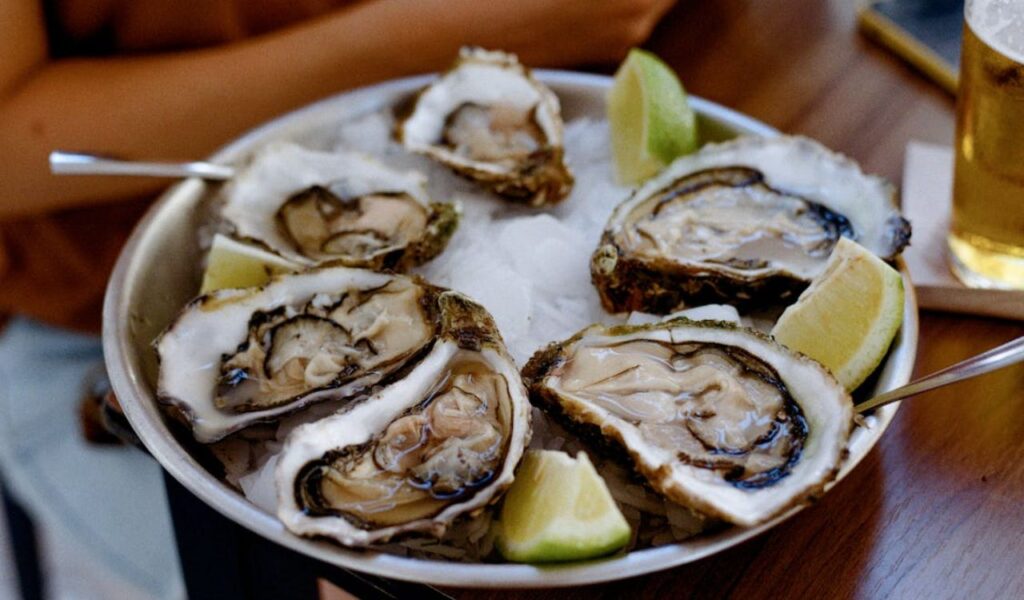
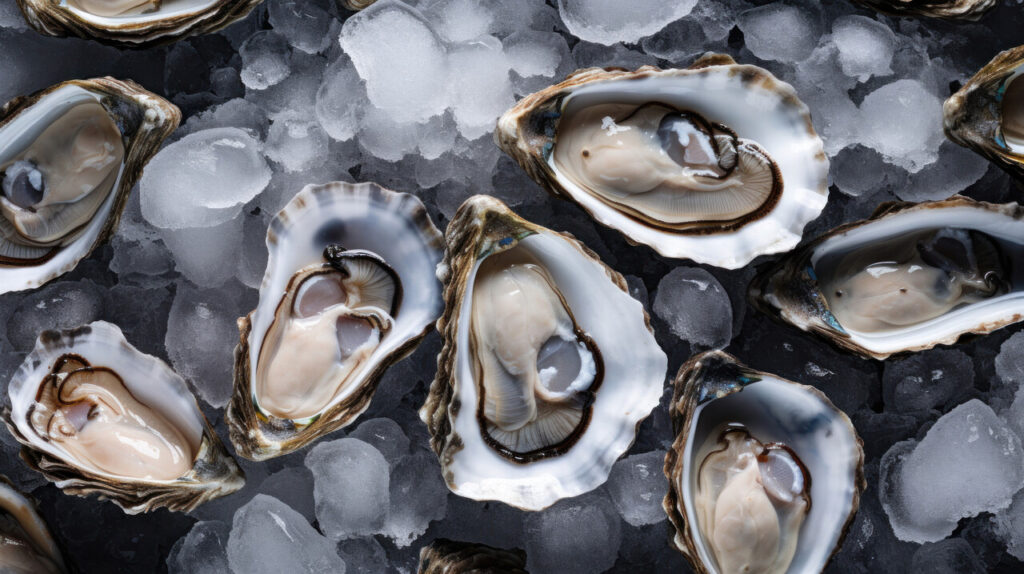
Oysters carry a strange contradiction. They grow naturally in coastal waters and reproduce efficiently, yet they almost always cost more than expected. Part of the reason is fragility. Oysters must be kept alive and cold from harvest to plate, which requires strict handling, temperature control, and frequent inspections. Water quality regulations also limit where oysters can be farmed safely, and storms or pollution closures can wipe out entire harvest windows. Another factor is branding. Oyster varieties are marketed like wine, with regional flavor profiles, harvest dates, and even mineral notes highlighted for diners. That storytelling adds perceived value and pushes prices higher. Labor plays a role too, since oysters are still largely harvested, sorted, and cleaned by hand. Here’s the thing. Even though oysters grow in nature without feed or heavy processing, the logistics and safety requirements make them expensive to deliver. The result is a food that feels like it should be simple and cheap, yet rarely lands that way on a menu or in a seafood case.
3. Brisket That Lost Its Budget Reputation
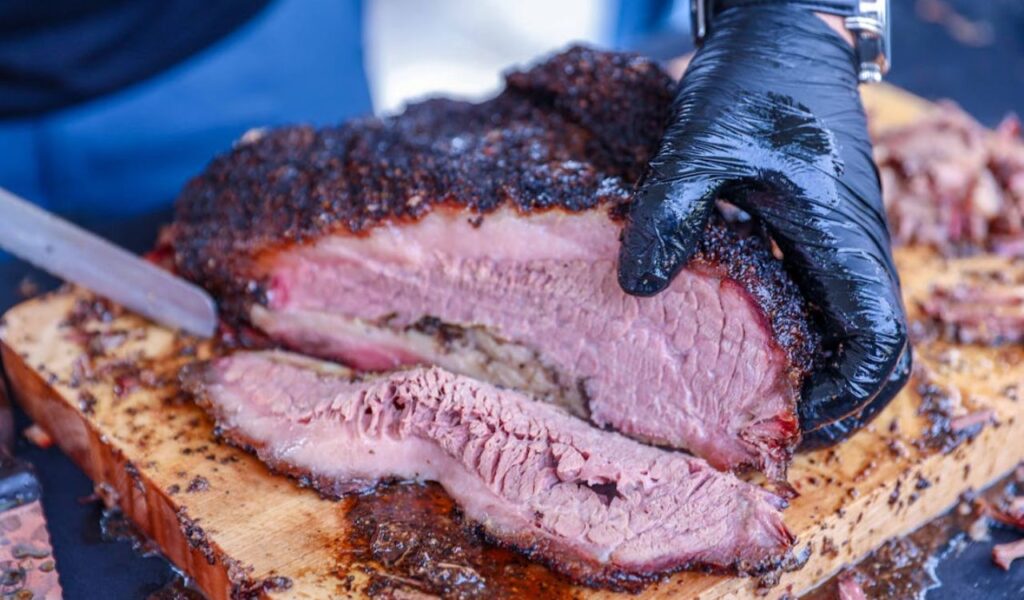
Brisket used to be the cut families bought when money was tight. It was tough, fatty, and required slow cooking, which made it perfect for stews and long braises. Then barbecue culture exploded. Regional smoking styles, food competitions, and social media turned brisket into a star attraction. Restaurants began buying large volumes, driving wholesale prices up. Cattle processing also changed, with more demand for premium cuts reducing the overall supply of affordable brisket. Feed costs, transportation expenses, and labor shortages further pushed prices higher across the beef market. What’s interesting is that brisket still requires the same long cooking time and patience as it always did. The difference is perception. Once a humble cut became a centerpiece dish associated with craftsmanship and status. That shift permanently altered what shoppers expect to pay, even at grocery stores. So when someone reaches for brisket, thinking it should still be a bargain, the sticker shock hits hard.
4. Quinoa That No Longer Feels Like a Simple Grain
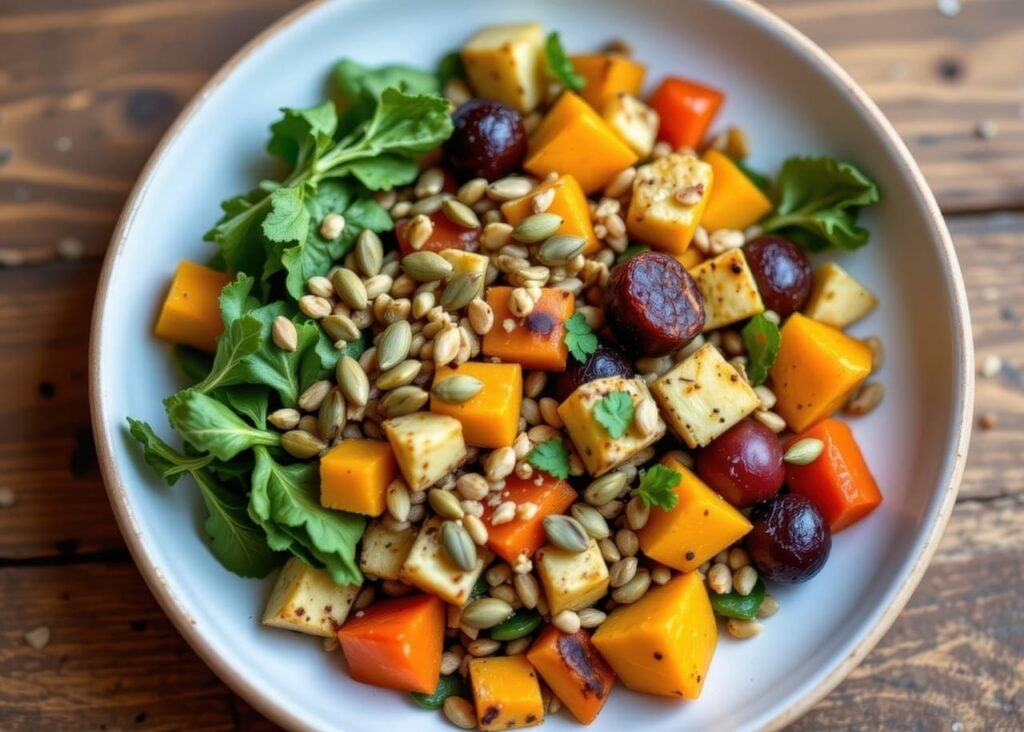
Quinoa feels like it should be priced like rice or oats, yet it often costs significantly more. The reason starts with geography. Most quinoa is grown in specific regions of South America where altitude, soil, and climate create ideal conditions. Expanding production takes time and investment. When quinoa surged in popularity as a high-protein superfood, global demand quickly outpaced local supply. Export logistics added shipping costs, tariffs, and quality controls that further inflated pricing. Farmers also faced sustainability pressures, including soil depletion and water management, which limited aggressive expansion. Processing quinoa requires thorough washing to remove bitter natural coatings, adding another step before it reaches shelves. What this really means is that quinoa carries agricultural, environmental, and logistical costs that don’t exist for mass-produced grains. Even though it looks like a basic pantry staple, its supply chain keeps it priced like a specialty product.
5. Pasta That Isn’t Always the Cheap Dinner It Used to Be
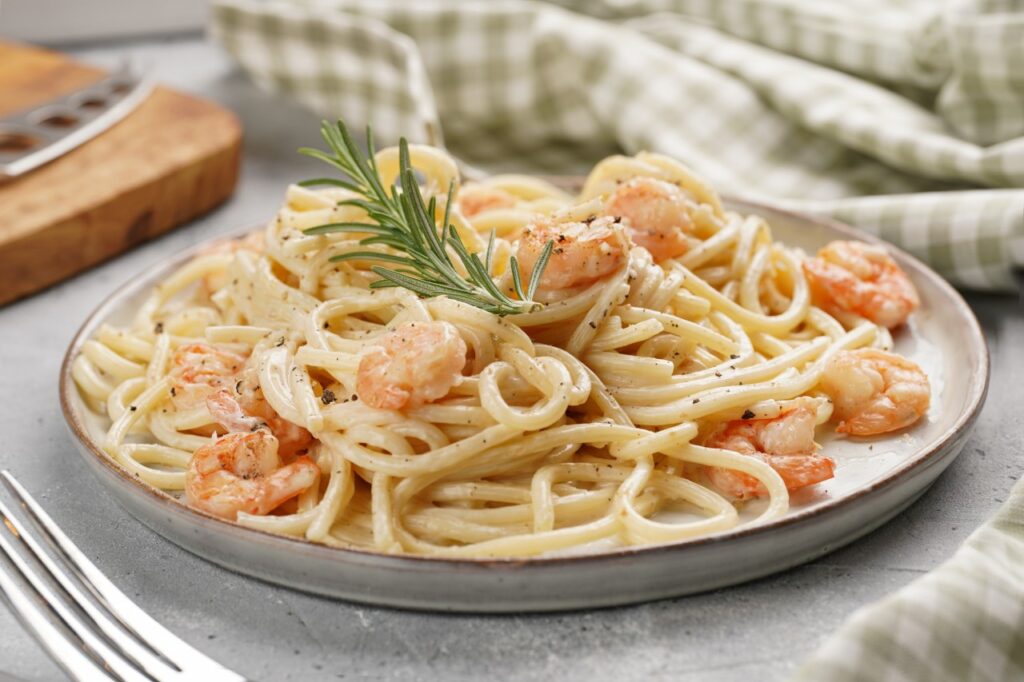
Pasta built its reputation as the ultimate budget meal. A box could feed a family for a few dollars, and sauces stretched easily. In recent years, that math has changed. Wheat prices fluctuate heavily due to droughts, fertilizer costs, and global trade disruptions. Energy expenses impact milling, packaging, and transportation. Many brands also shifted toward specialty flours, bronze-cut methods, organic certifications, and imported wheat to appeal to quality-focused shoppers. Those upgrades raise costs that trickle down to consumers. Even store brands are affected by rising packaging and labor expenses. What surprises people is that pasta still looks like a basic shelf item with a long shelf life and simple ingredients. But behind the scenes, modern production and distribution costs are far more complex than they were decades ago. The result is a pantry staple that no longer reliably anchors the cheapest meal plan the way it once did.
6. Pork Bones and Ham Knuckles That Aren’t Bargain Finds Anymore
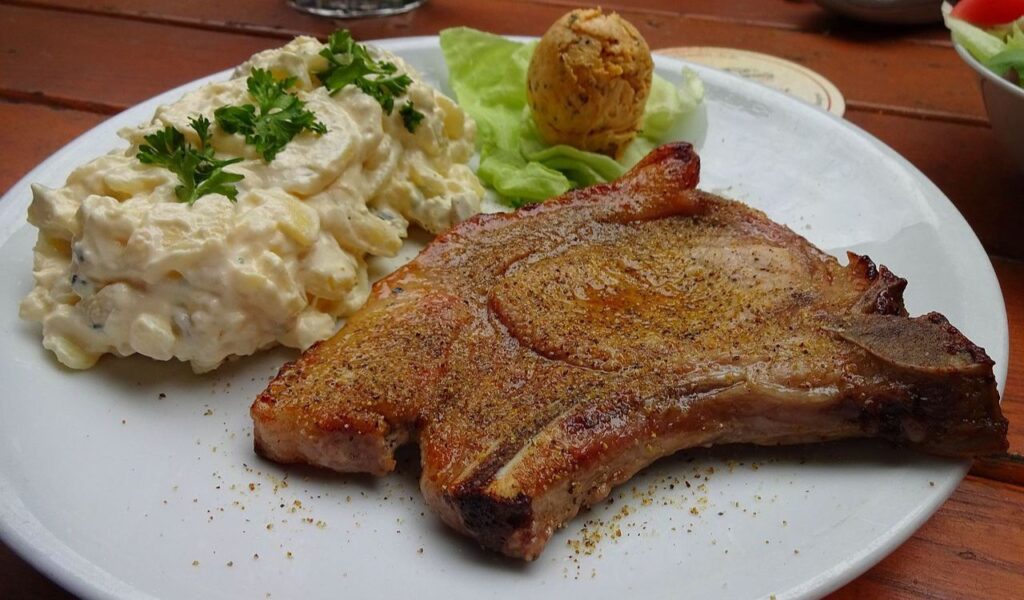
Bones and tough cuts used to be the cheapest items at the butcher counter. They were considered scraps meant for stocks, soups, and pet food. That changed when bone broth, slow cooking, and nose-to-tail eating became mainstream trends. Demand for collagen-rich bones surged as wellness culture promoted their perceived health benefits. Restaurants began using premium bones for ramen, pho, and sauces, increasing competition for supply. Processing plants also shifted how animals are broken down, reducing leftover bone volume available for retail sale. On top of that, packaging, refrigeration, and sanitation standards increased handling costs even for low-value cuts. What this really means is that once-ignored ingredients became desirable overnight. The price followed demand, leaving home cooks puzzled when soup bones cost nearly as much as some fresh cuts of meat.
7. Lamb Shanks That Quietly Climbed the Price Ladder
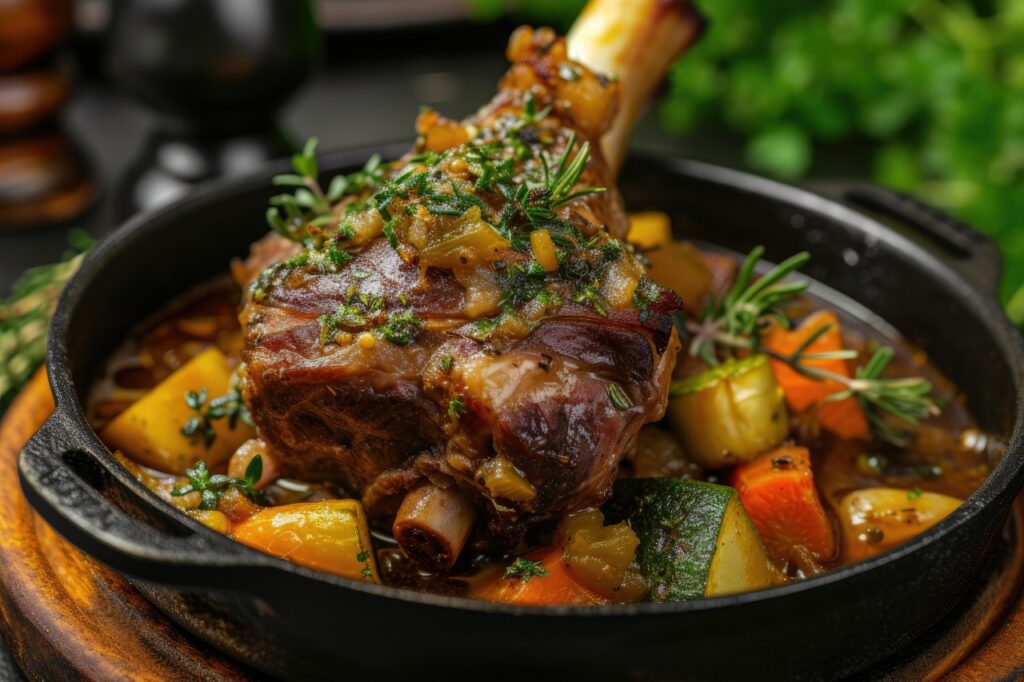
Lamb shanks used to sit quietly in the bargain bin, valued mainly by slow-cooking enthusiasts. Today, they often carry a premium price tag. Lamb production itself is limited compared to beef or pork, with smaller herds and longer growth cycles. Feed costs and land availability influence pricing heavily. Shanks gained popularity through restaurant menus that highlighted braised, wine-based, and Mediterranean preparations. As demand grew, processors began allocating shanks to food service contracts rather than retail, tightening grocery supply. Transportation costs for imported lamb further raise shelf prices in many regions. Here’s the thing. Shanks are still tough, slow-cook cuts that require patience and planning. The only thing that changed was how desirable they became. That popularity reshaped the market, pushing them out of true budget territory.
8. Ramen That Isn’t Always the Cheap Comfort It Once Was
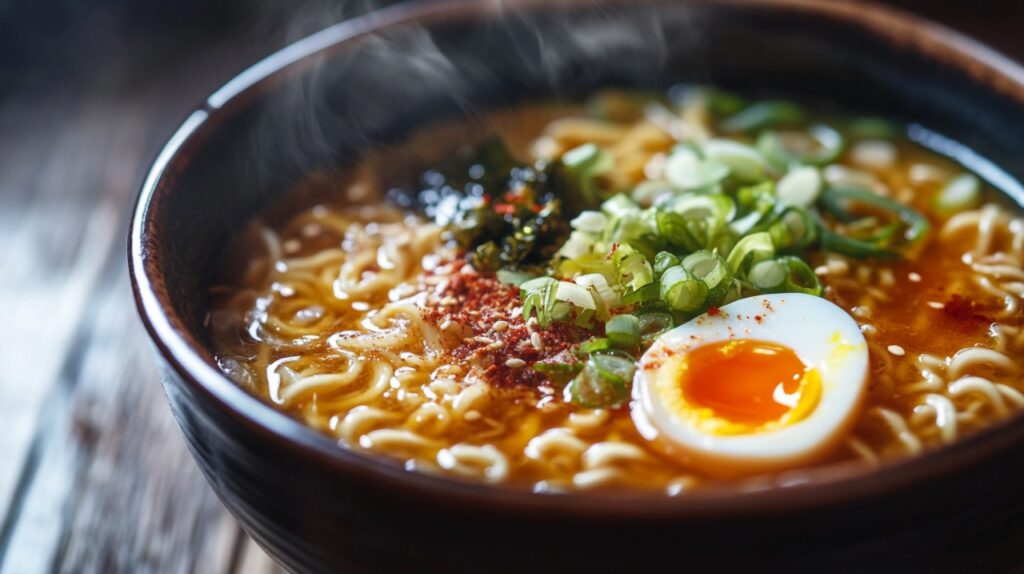
Instant ramen built its reputation as one of the cheapest meals on earth. That image still lingers, but the ramen category has expanded dramatically. Premium fresh noodles, imported broths, specialty toppings, and artisanal brands now dominate shelf space. Even instant noodles face rising wheat costs, packaging materials, and transportation expenses. Food safety standards and flavor innovation also increase production complexity. Meanwhile, consumers are willing to pay more for perceived quality, authenticity, and convenience, which encourages brands to move upscale. The result is a split market where basic ramen still exists, but many popular options cost several times more than expected. What catches people off guard is that ramen still looks simple, just noodles and seasoning. But modern expectations transformed it into a lifestyle product rather than a pure budget solution.
9. Kale and Trendy Greens That Refuse to Stay Cheap
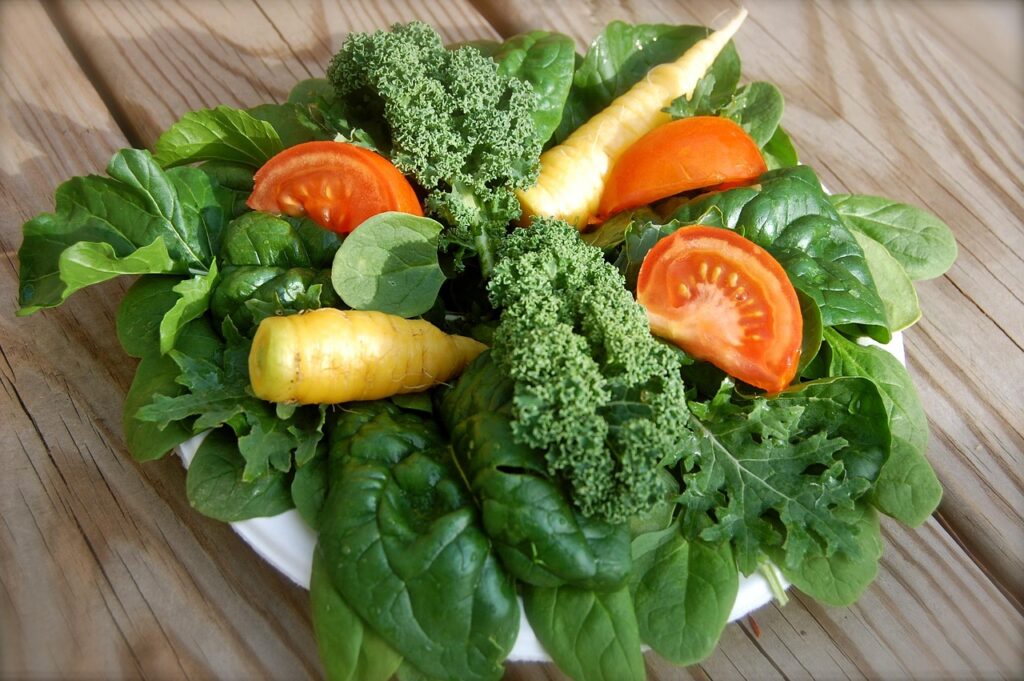
Kale was once considered a low-value green used mainly as garnish or animal feed. Then nutrition research and food trends turned it into a superfood. Demand surged in grocery stores, juice bars, and prepared foods. Growing kale at scale requires consistent irrigation, pest control, and frequent harvesting, which adds labor costs. Organic certification, cold storage, and short shelf life increase waste and shrink profit margins, which pushes prices upward. Seasonal weather swings also impact supply quickly. What’s interesting is that kale grows easily in home gardens, reinforcing the idea that it should be cheap. But commercial production involves far more handling and loss than consumers realize. The same applies to other trendy greens that move quickly from farm to shelf with limited storage time. Popularity made them fashionable, not affordable.