12 Pantry Staples Most American Homes Didn’t Have 40 Years Ago

Walk into an American kitchen today, and you’ll spot ingredients that would have felt downright unusual forty years ago. Global travel, food media, health research, and better supply chains quietly reshaped what people keep on their shelves. What used to require a specialty store or a well-traveled friend is now sitting next to olive oil and salt in everyday pantries. Seeds once meant for bird feeders became breakfast staples. Looking back shows how dramatically American home cooking has evolved in just a few decades, and how much curiosity now shapes what families eat at home.
1. Quinoa
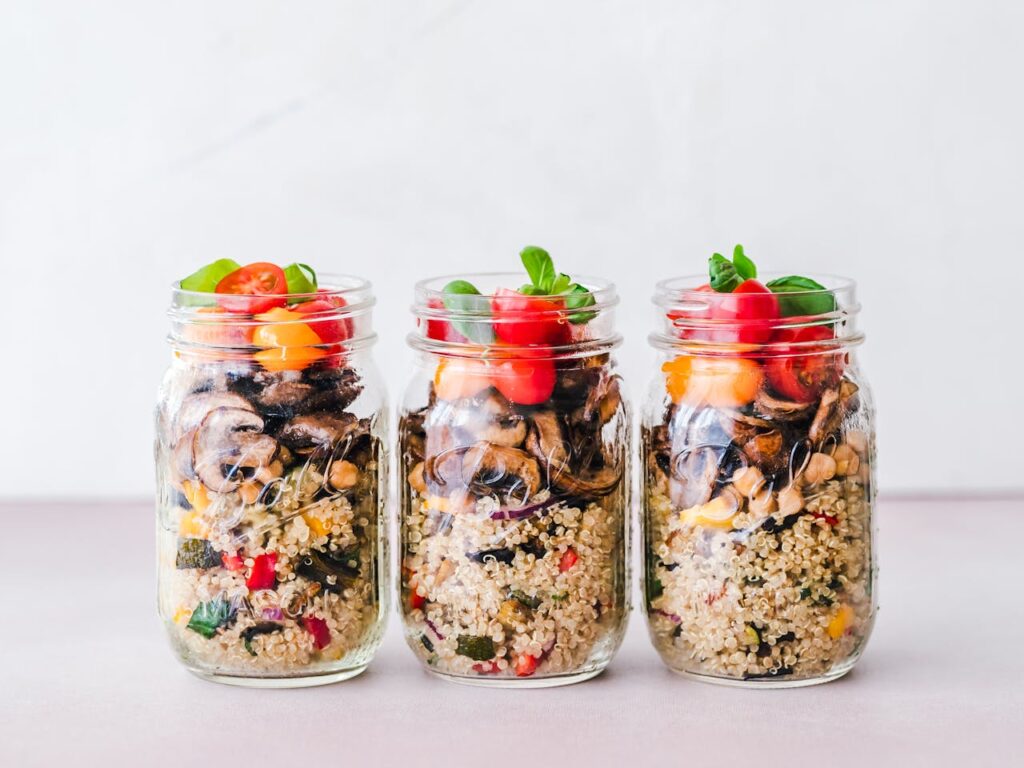
A generation ago, quinoa barely registered in most American kitchens, yet today it sits comfortably next to rice and pasta on grocery shelves. What changed is partly nutrition awareness and partly exposure to global food culture. Quinoa is technically a seed, not a grain, and it delivers complete protein, meaning it contains all nine essential amino acids. That made it especially attractive to people reducing meat or experimenting with plant-forward eating. It also cooks quickly, absorbs flavor well, and works in everything from breakfast bowls to salads and stuffed vegetables. In the 1980s, home cooks rarely encountered it outside of specialty health stores or Latin American communities. Import logistics, limited demand, and unfamiliar cooking methods kept it niche. As food media expanded and restaurants introduced quinoa bowls and sides, home cooks followed. What really sealed its place was convenience: modern packaging often includes pre-rinsed quinoa that eliminates bitterness and reduces prep time. Once people realized it could replace rice without much extra effort, it stopped feeling exotic and started feeling practical.
2. Chia and Flax Seeds

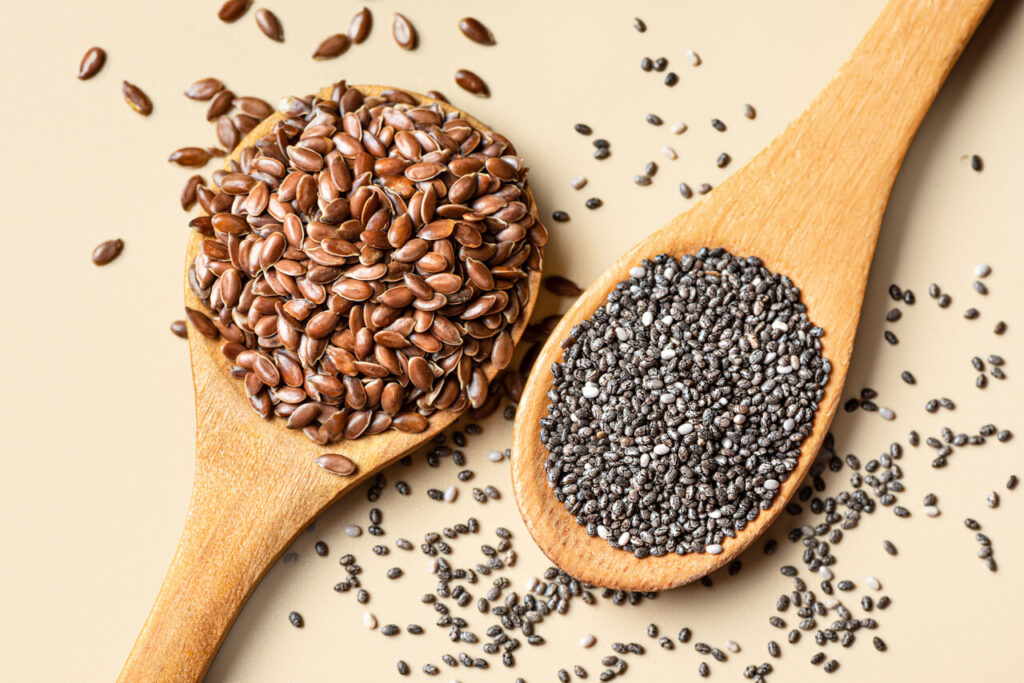
Tiny seeds quietly reshaped the modern pantry. Chia and flax were once viewed mainly as bird feed or obscure health store items, not everyday food ingredients. Today, they appear in smoothies, overnight oats, baked goods, and even homemade puddings. The shift came from growing interest in fiber, omega-3 fats, and digestive health. These seeds provide texture, mild nutty flavor, and thickening power when mixed with liquid, which makes them useful in both sweet and savory cooking. Forty years ago, most households relied on white flour and sugar for structure and texture, not seed-based nutrition boosters. As labeling improved and nutrition education expanded, people became more comfortable adding functional ingredients to simple meals. Chia pudding, for example, would have sounded strange in the 1980s, yet now it feels normal in a weekday breakfast rotation. Flax also gained popularity as an egg substitute in baking, which aligns with allergy awareness and plant-based cooking trends. What once felt experimental became routine once consumers saw consistent results and realized these seeds store well without spoilage.
3. Avocado Oil
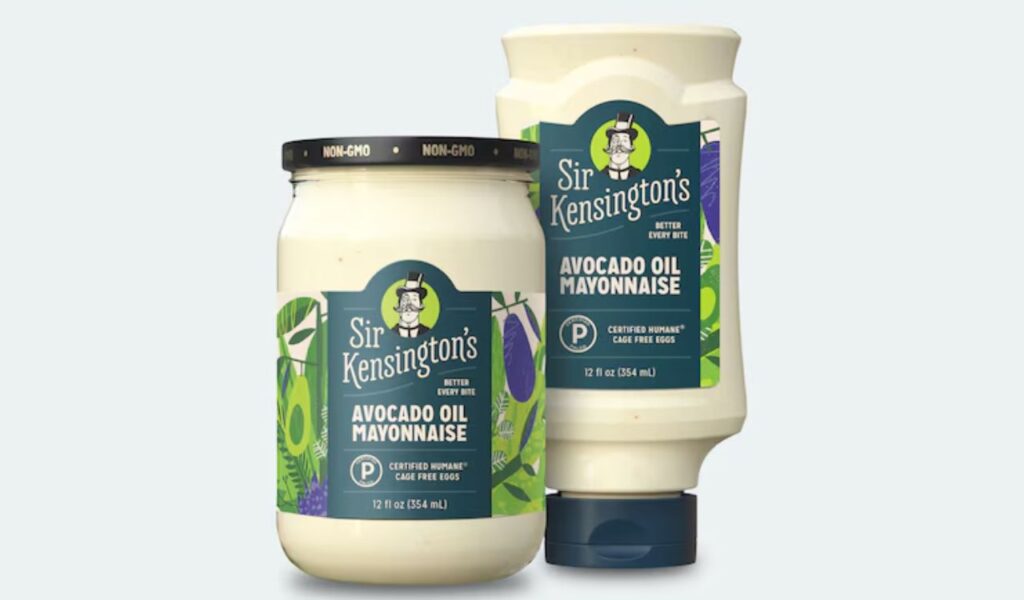
Cooking oil used to be a simple choice between vegetable oil, shortening, and maybe olive oil if a household leaned Mediterranean. Avocado oil entered the scene much later, driven by interest in heart health and high-temperature cooking. It has a neutral flavor and a very high smoke point, making it ideal for roasting, sautéing, and grilling without breaking down or producing off-flavors. In the past, avocados themselves were not consistently available or affordable across much of the U.S., which limited demand for avocado-based products. Modern supply chains and year-round produce availability changed that equation. As consumers learned more about monounsaturated fats and the drawbacks of heavily refined seed oils, avocado oil gained credibility as a stable everyday option rather than a luxury product. Its versatility helped it move beyond niche health circles into mainstream cooking. Once people realized they could use one oil for both high-heat cooking and salad dressings, pantry space simplified, and adoption accelerated.
4. Coconut Oil

Coconut oil’s rise says a lot about how health trends influence shopping habits. In earlier decades, saturated fat was widely avoided, and coconut oil stayed mostly in specialty baking or imported food shops. As research and media conversations evolved, coconut oil gained a reputation for stability at high heat and a pleasant, mild sweetness in baking. It also appealed to people following dairy-free or vegan diets because it can mimic butter’s texture in certain recipes. Beyond cooking, it crossed into skincare and wellness conversations, which boosted familiarity and shelf presence. For many households, it became a multipurpose staple rather than a novelty. The flavor profile works especially well in roasted vegetables, popcorn, and desserts, which helps people find real everyday uses instead of letting it sit untouched. Once consumers became comfortable experimenting with tropical ingredients at home, coconut oil stopped feeling foreign and became a routine backup to olive oil.
5. Tahini
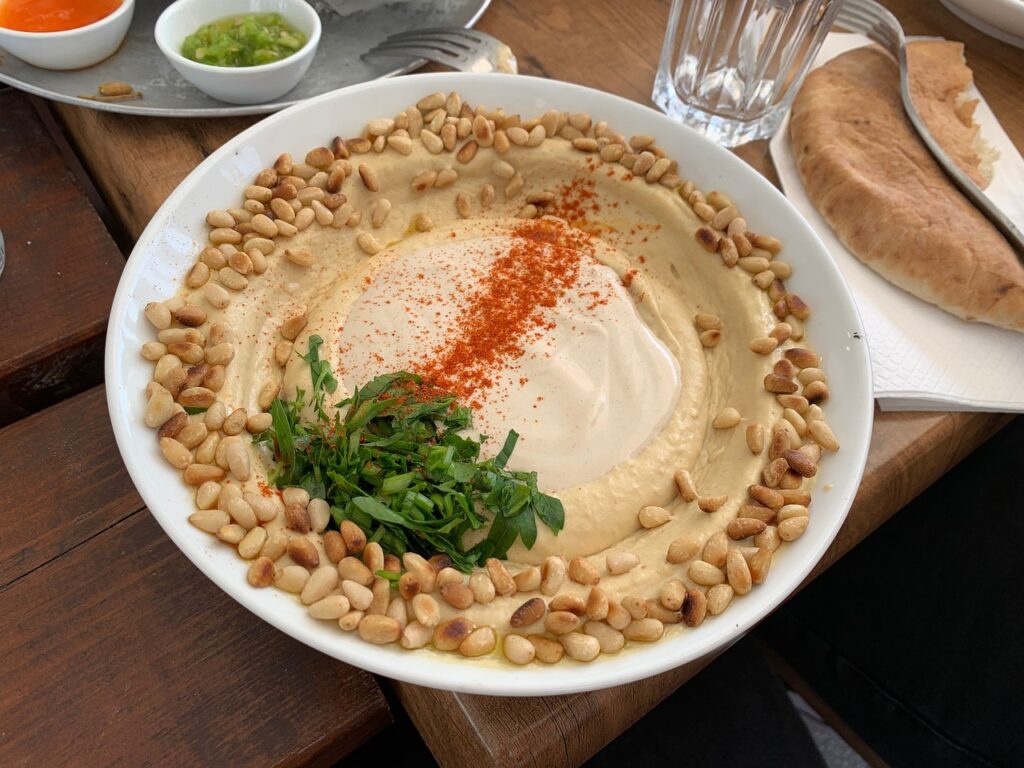
Tahini is a simple paste made from ground sesame seeds, yet its journey into American pantries took time. Historically, it was associated mainly with Middle Eastern cooking and appeared primarily in specialty markets. As dishes like hummus, baba ghanoush, and sesame-based dressings became mainstream, tahini followed naturally. Its flavor is rich, nutty, slightly bitter, and surprisingly versatile. It works in savory sauces, salad dressings, baked goods, and even desserts. In the 1980s, many home cooks lacked exposure to these flavor profiles and recipes, making tahini feel unfamiliar and unnecessary. Modern recipe platforms and restaurant trends changed that by showing how easily tahini can replace nut butters or cream-based sauces. It also stores well and delivers healthy fats and minerals, which appeals to people seeking pantry items that serve multiple roles. Once consumers realized that tahini was not just for hummus but could elevate everyday cooking, it earned permanent shelf space.
6. Gochujang and Other International Pastes
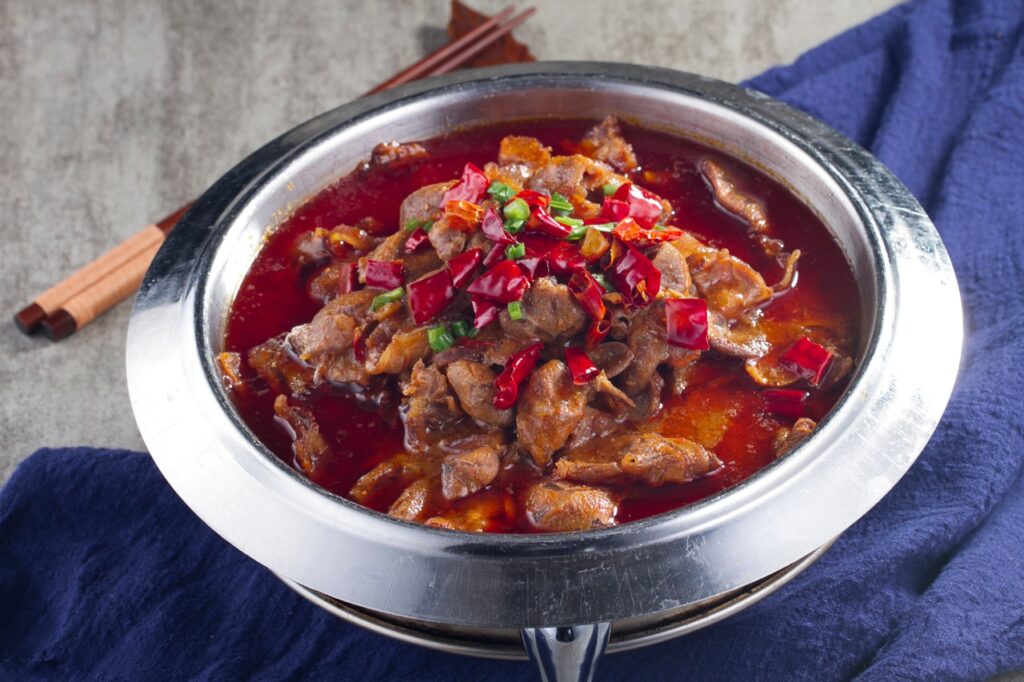
Fermented pastes like gochujang, miso, and harissa reflect how global flavors reshaped the American pantry. These condiments bring depth, salt, sweetness, and umami in a single spoonful, allowing home cooks to build complex flavor quickly. Decades ago, access to these ingredients was limited by geography and awareness. International grocery stores were less common, and many families cooked primarily within familiar European-American traditions. As travel, food television, and online recipes expanded exposure, curiosity followed. Gochujang in particular gained popularity for its balanced heat and versatility in marinades, sauces, and stir-fries. Fermented pastes also offer long shelf life, making them practical pantry investments rather than perishable splurges. Once cooks experienced how one jar could transform simple chicken, vegetables, or noodles, these pastes stopped being intimidating and became flavor shortcuts worth keeping on hand.
7. Nutritional Yeast
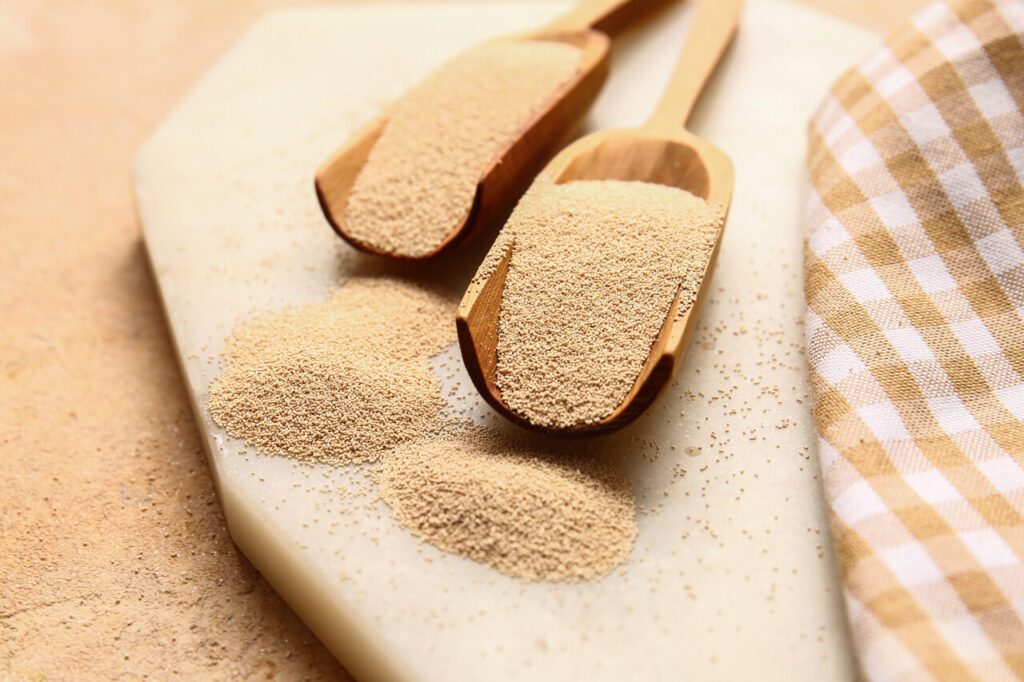
Nutritional yeast entered mainstream pantries largely through plant-based cooking. It has a naturally savory, cheese-like flavor that enhances popcorn, pasta, roasted vegetables, and sauces without dairy. In earlier decades, most households relied on actual cheese or processed cheese powders for that flavor profile. Nutritional yeast lives mostly in health food shops and among vegetarian communities. As awareness of food sensitivities, cholesterol management, and vegan eating grew, people began seeking alternatives that delivered flavor without animal products. Nutritional yeast also contains B vitamins and protein, which adds functional appeal. Its lightweight flakes store easily, last a long time, and require no refrigeration, making it pantry-friendly. Once people realized it could make simple meals taste richer without heavy ingredients, it gained wider acceptance and shelf presence.
8. Specialty Vinegars
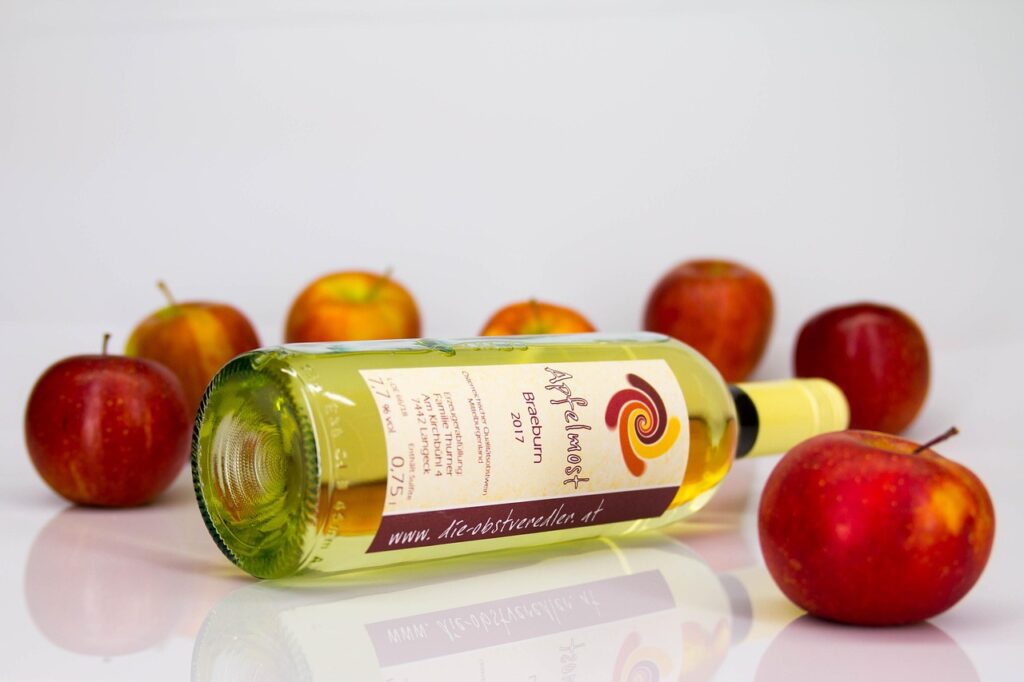
Basic white and apple cider vinegar were long pantry staples, but today many homes stock rice vinegar, balsamic varieties, red wine vinegar, and flavored options. This expansion mirrors broader cooking confidence and interest in layered flavor. Rice vinegar enables quick pickles and balanced Asian-style dressings. Aged balsamic adds sweetness and complexity to roasted vegetables and salads. Forty years ago, many recipes relied on bottled dressings and sauces rather than building flavor from acids and oils. As home cooks learned more about balancing salt, fat, and acid, vinegar selection mattered more. These bottles also last a long time and deliver strong flavor in small amounts, making them economical despite the higher upfront cost. Once people experienced how a small splash could brighten a dish, keeping multiple vinegars became a practical habit rather than a luxury.
9. Gluten-Free Flour Blends

Flour once meant wheat flour, period. Today, many pantries include almond flour, oat flour, chickpea flour, and blended gluten-free mixes. This shift reflects a better understanding of celiac disease, gluten sensitivity, and alternative nutrition. Home bakers discovered that different flours provide different textures, protein content, and flavor profiles. Almond flour creates moisture and richness, while chickpea flour works well in savory batters and flatbreads. In the past, these ingredients were hard to find, expensive, or unfamiliar to most shoppers. As demand increased, prices stabilized, and recipes became easier to follow. Gluten-free blends also reduced the intimidation factor by offering one-to-one replacements for traditional flour. Once people saw reliable results in pancakes, muffins, and bread, alternative flours stopped feeling risky and became normal pantry options.
10. Superfood Powders
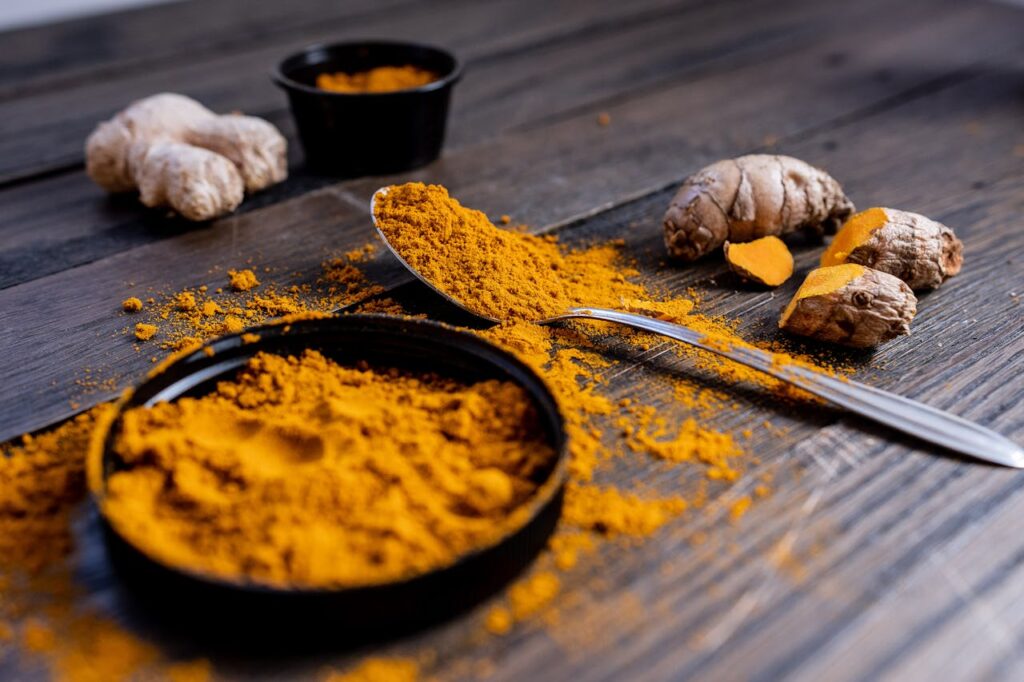
Matcha, turmeric, spirulina, and similar powders represent the intersection of wellness culture and cooking convenience. These ingredients were once limited to cultural traditions or supplement stores. Now they appear in smoothies, baked goods, teas, and savory dishes. Matcha adds caffeine and antioxidants with a grassy flavor. Turmeric offers color and anti-inflammatory appeal. Their concentrated forms allow long shelf life and small serving sizes. In earlier decades, most households focused on fresh herbs and basic spices, not powdered superfoods with health claims. As functional foods gained traction, consumers became comfortable using powders as daily additions rather than special treatments. The key shift was accessibility and education. Clear usage ideas and affordable packaging helped these powders move from novelty to routine use.
11. Canned Coconut Milk

Coconut milk transformed how Americans cook curries, soups, desserts, and dairy-free sauces. It used to be rare outside specialty shops, partly due to limited familiarity with Southeast Asian and Caribbean cooking. As Thai, Indian, and plant-based recipes became common, coconut milk became a logical pantry addition. It offers richness, mild sweetness, and creaminess without dairy. Shelf stability makes it practical for spontaneous meals, and it pairs well with both spicy and sweet dishes. Earlier generations relied heavily on cream, butter, and evaporated milk for richness. Coconut milk introduced a new flavor profile and texture that expanded recipe possibilities. Once people learned how easily it could elevate weeknight cooking, it earned permanent pantry status.
12. Chutneys and International Sauces
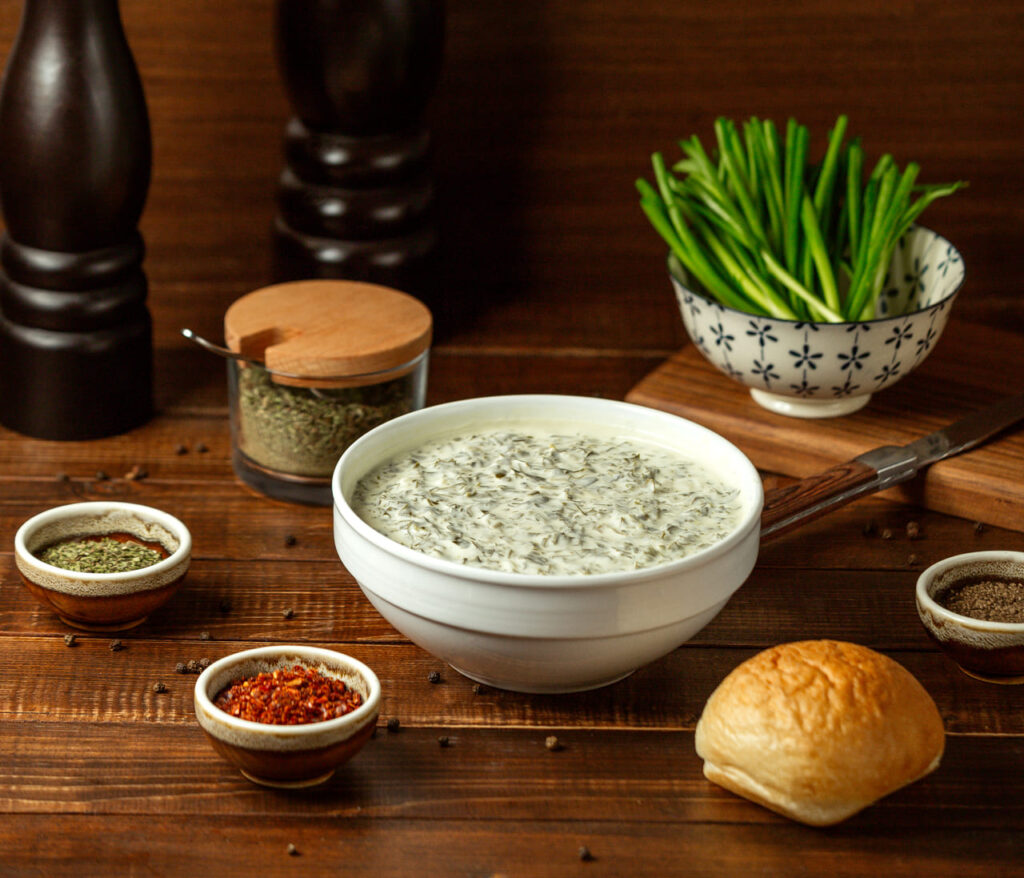
Chutneys, sriracha, sambal, and specialty soy sauces reflect how flavor curiosity changed everyday cooking. These condiments deliver sweet, spicy, tangy, and savory notes in seconds. In the past, ketchup, mustard, and basic hot sauce dominated American refrigerators and pantries. International sauces were harder to find and often misunderstood. As restaurants introduced bold flavors and grocery stores expanded their international aisles, experimentation increased. Chutneys pair easily with meats, cheeses, and sandwiches, making them accessible entry points into new cuisines. Once consumers realized they could transform simple meals without complicated recipes, these sauces became staples rather than occasional treats.