12 Warm Salad Recipes That Only Shine in Cold Weather

Cold weather calls for food that offers warmth without weighing you down, and that is where warm salads truly shine. These dishes move beyond raw greens, using heat to unlock deeper flavor, richer texture, and lasting comfort. Roasted vegetables grow sweeter, grains become hearty and grounding, and gentle warmth helps ingredients absorb seasoning more fully. Warm salads feel nourishing and satisfying, yet still fresh and balanced. They are ideal for winter evenings when you want something wholesome that feels intentional, seasonal, and comforting. Each recipe proves that salads can be just as cozy and craveable as soups or stews when built for colder days.
1. Roasted Root Vegetable Salad
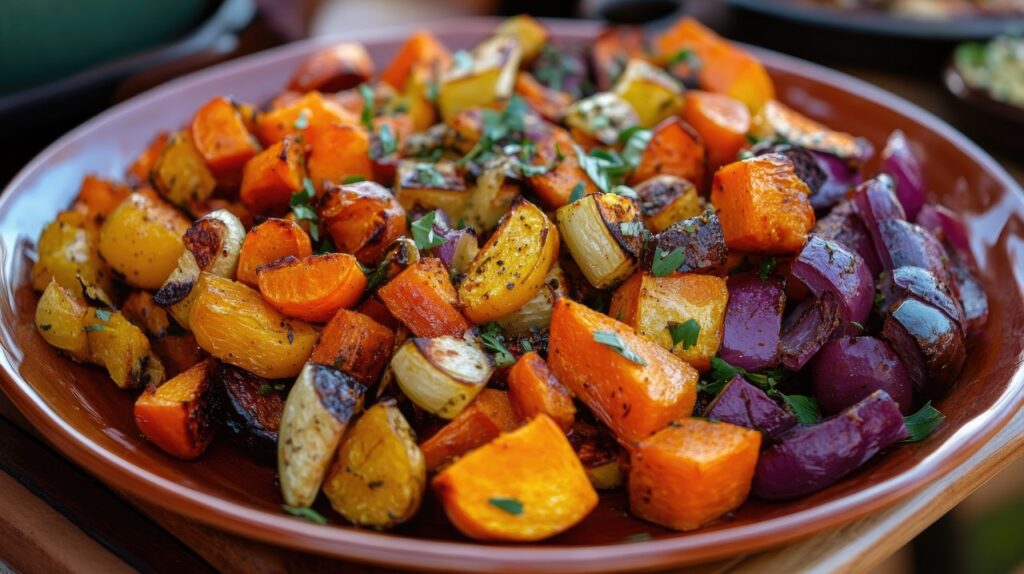
Cold weather is when root vegetables truly earn their place as the foundation of a satisfying salad. Carrots, parsnips, beets, and sweet potatoes are naturally dense and starchy, which allows them to caramelize deeply when roasted at high heat. That browning process intensifies sweetness, removes harsh raw notes, and creates complex flavor through natural sugars. Once warm, these vegetables absorb vinaigrettes far more effectively, allowing acids to balance sweetness instead of pooling at the bottom. Herbs such as thyme or rosemary tolerate heat well and reinforce earthy aromas. Served warm, this salad delivers fiber, steady energy, and comfort without heaviness.
2. Warm Lentil and Spinach Salad
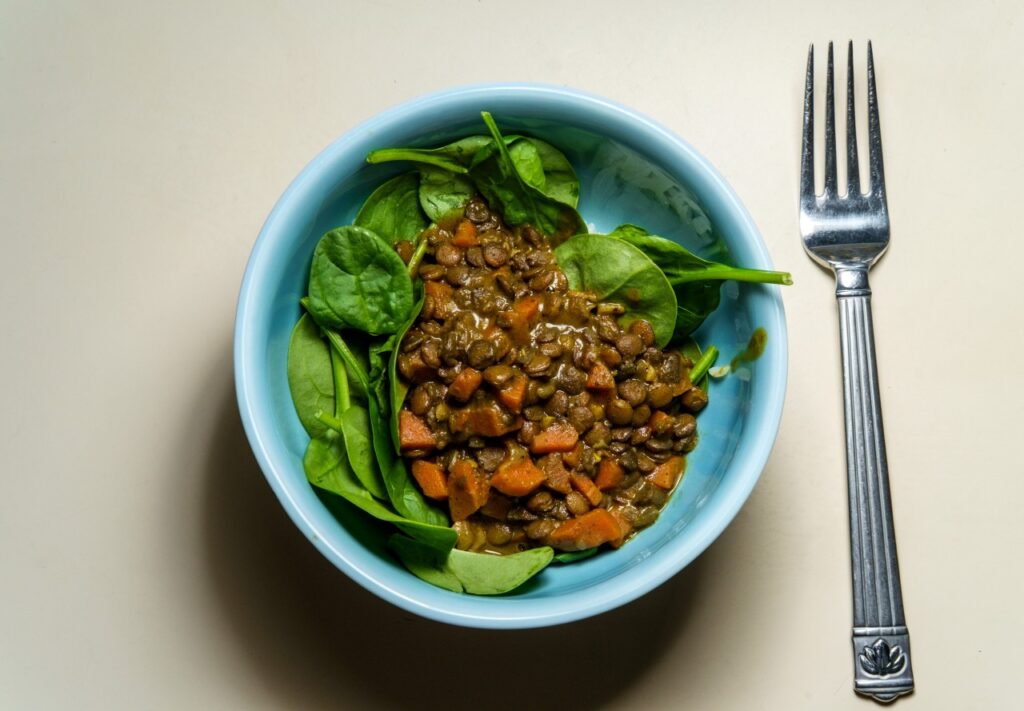
Lentils are one of the few salad ingredients that genuinely improve when served warm. Their structure stays intact after cooking, preventing mushiness while allowing them to absorb oil, vinegar, and aromatics evenly. When combined with spinach, residual heat gently wilts the leaves instead of collapsing them, preserving texture and nutrients. This light wilting also reduces bitterness and makes spinach easier to digest. Lentils provide plant-based protein and iron, nutrients especially valuable during colder months when energy needs increase. Warm dressings cling better to heated lentils, creating cohesion rather than separation.
3. Roasted Squash and Farro Salad
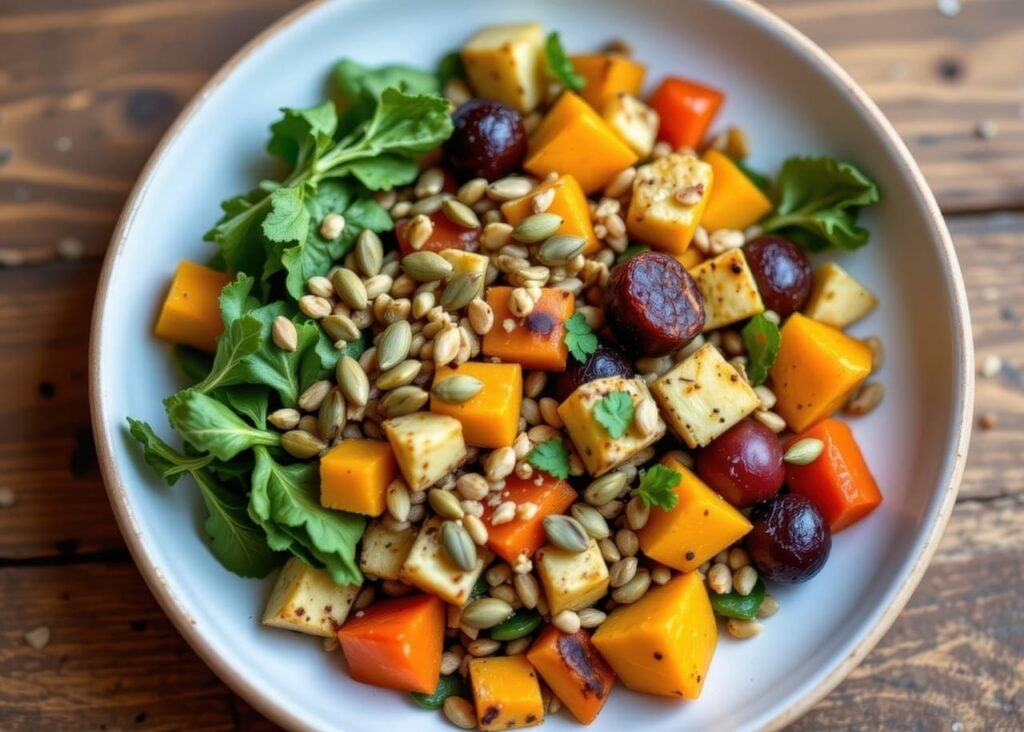
Winter squash thrives in warm salads because roasting transforms its firm flesh into something silky, sweet, and aromatic. Farro complements that softness with a chewy texture that holds heat well. Unlike lighter grains, farro maintains structure as it cools slightly, making it suitable for longer meals. Its nutty flavor pairs naturally with squash, olive oil, and gentle acids like apple cider vinegar. Roasting concentrates squash sugars while drying the surface, preventing moisture. Served warm, the components meld into a cohesive dish rather than separating. This salad belongs in cold weather because it offers lasting warmth and a filling quality that chilled salads cannot provide.
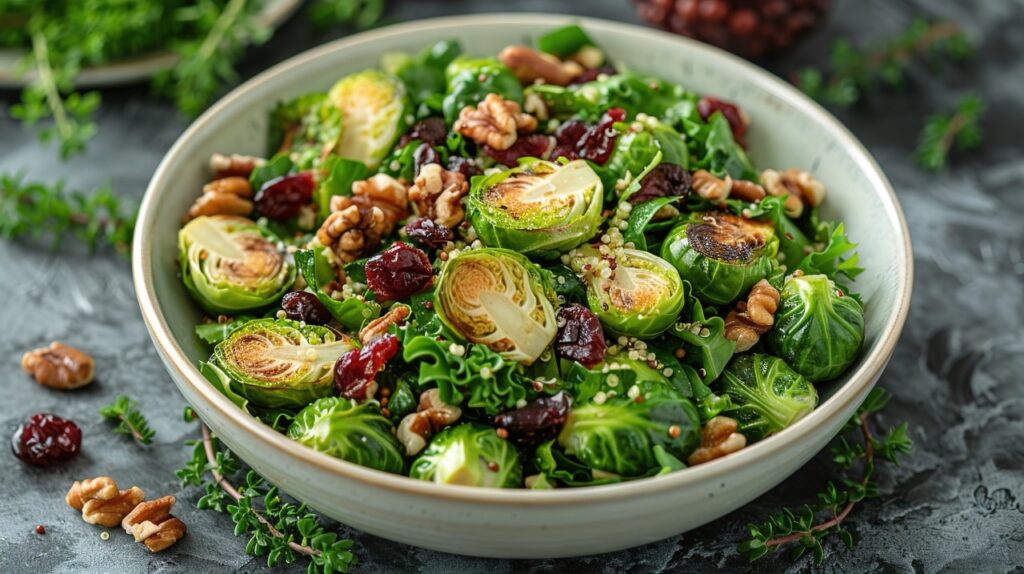
4. Warm Brussels Sprouts Salad
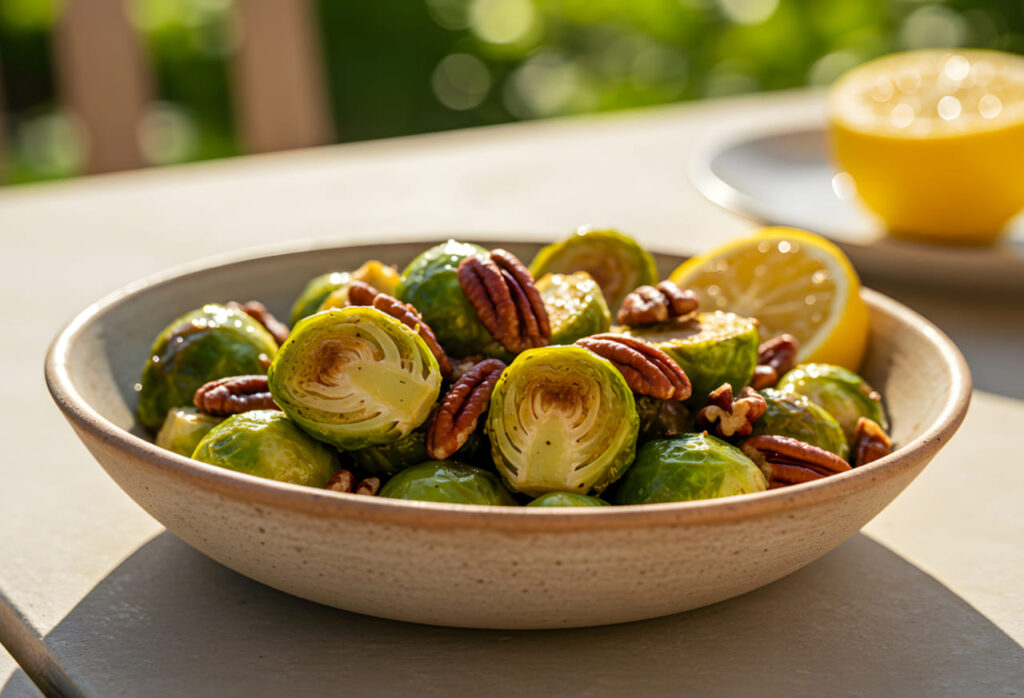
Brussels sprouts undergo a dramatic transformation when exposed to heat. Cooking reduces sulfur compounds that cause bitterness, allowing natural sweetness to emerge. When sliced thin and roasted or sautéed, the leaves retain structure while becoming tender enough to absorb dressing evenly. Warm preparation keeps fats fluid, helping flavor coat each leaf instead of sitting unevenly. Cold weather enhances their appeal because Brussels sprouts are a winter crop harvested when sugars are most concentrated. Served warm, they resist wilting and maintain texture far longer than leafy greens. This makes them reliable for winter salads that need to hold up from the first bite to the last.
5. Sautéed Mushroom and Barley Salad
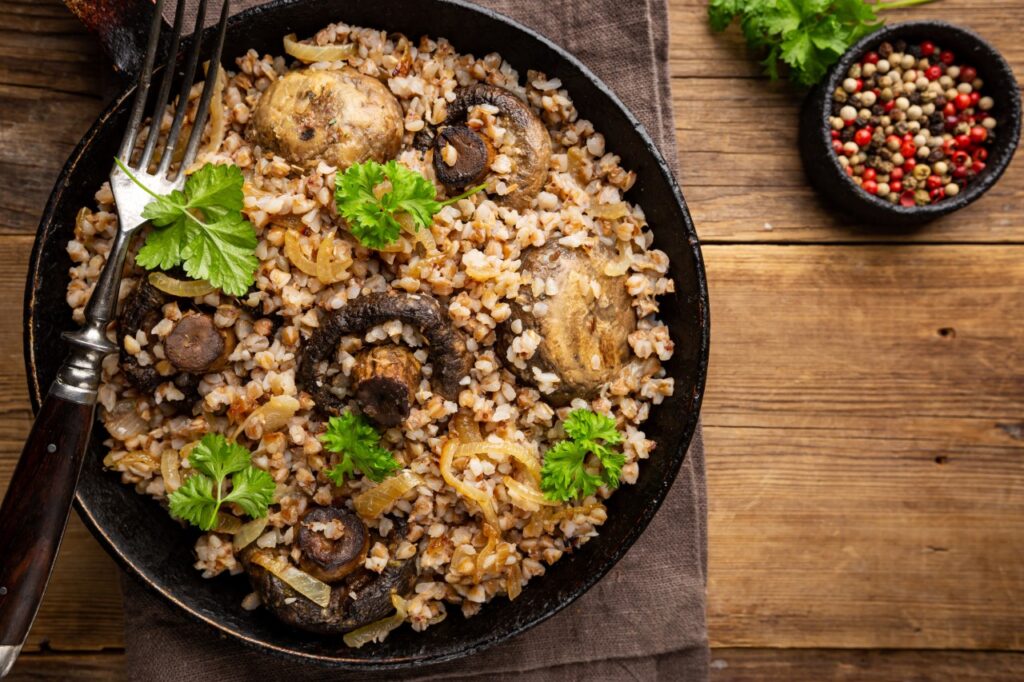
Mushrooms release their deepest flavor only when cooked. Heat evaporates excess moisture and concentrates natural glutamates, creating savory depth that raw mushrooms lack. Barley complements mushrooms by adding chewiness and the ability to retain warmth long after cooking. Together, they form a salad that feels grounding and nourishing rather than light or fleeting. Barley absorbs pan juices, oils, and aromatics, ensuring even seasoning throughout the dish. Warm mushrooms preserve tenderness and aroma, both of which fade when chilled. This salad suits cold weather because it delivers warmth, fiber, and satiety while remaining lighter and more balanced than traditional winter stews.
6. Warm Kale and Sweet Potato Salad
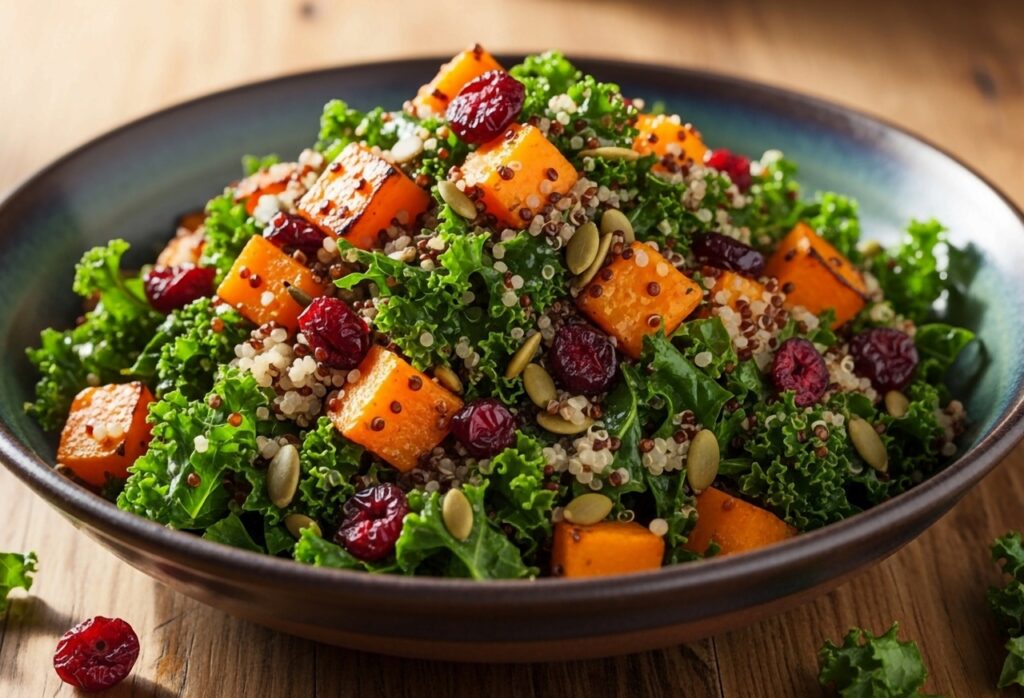
Kale benefits significantly from heat, which softens its tough cell walls and reduces bitterness. When paired with roasted sweet potatoes, the contrast between leafy greens and soft starch creates balance and interest. Sweet potatoes caramelize during roasting, releasing natural sugars that offset kale’s earthiness. Warm oil-based dressings penetrate kale more effectively than cold ones, improving flavor without excessive handling. The salad retains warmth and structure as it cools, making it ideal for winter meals. Nutritionally, it supplies complex carbohydrates, fiber, and beta-carotene, supporting sustained energy during colder months when heavier foods often dominate the table.
7. Warm Chicken and Grain Salad
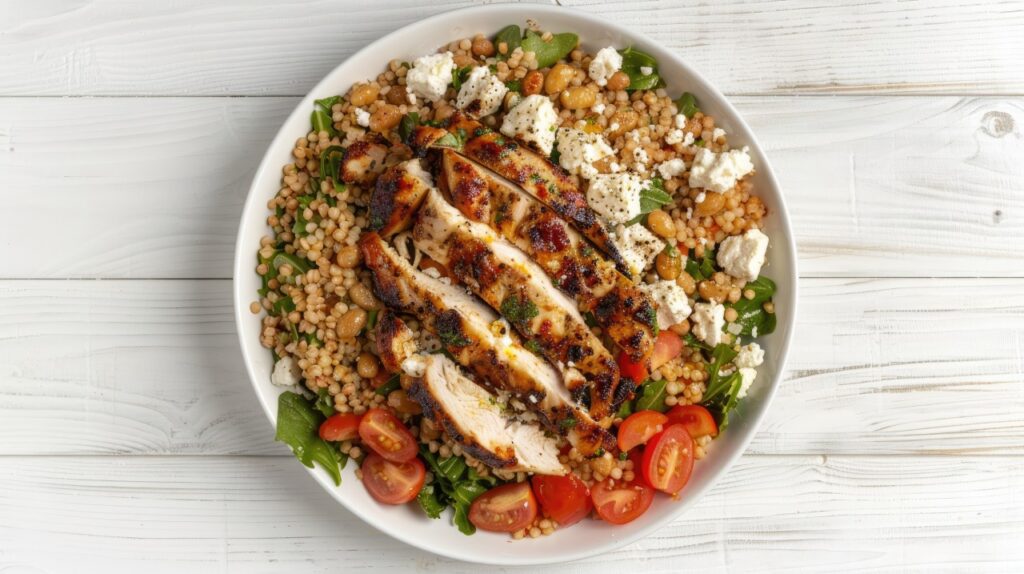
Protein-based salads feel far more satisfying in cold weather when served warm. Cooked grains such as quinoa or wheat berries retain heat and texture, forming a stable and filling base. Warm chicken releases aroma and savory depth that cold poultry cannot replicate. Heat keeps fats fluid, allowing flavor to distribute evenly across the dish. Grains absorb dressing instead of shedding it, preventing dryness and imbalance. This salad functions as a complete meal, offering protein, carbohydrates, and vegetables without leaning on soups or stews. Its warmth adds comfort, while its structure keeps it balanced, practical, and nourishing during winter.
8. Roasted Cauliflower and Chickpea Salad

Cauliflower and chickpeas both benefit greatly from roasting. High heat drives off moisture, creating crisp edges and nutty flavors. Chickpeas become firm and satisfying rather than soft or bland, while cauliflower develops sweetness and depth that disappear when served cold. Combined warm, the ingredients hold seasoning evenly and resist sogginess. Their sturdy textures allow the salad to stay appealing well beyond serving time. This dish works particularly well in winter because both components retain heat and structure. It provides plant-based protein and fiber while remaining hearty enough to replace heavier comfort foods without sacrificing warmth or flavor.
9. Warm Beet and Goat Cheese Salad

Beets intensify in sweetness when roasted and served warm. Heat enhances their earthy character while keeping the texture tender but intact. Warm beets create a striking contrast with cool, creamy goat cheese, balancing richness without excess. Serving them warm also softens acidic dressings, preventing sharpness. Beets are naturally dense and retain heat longer than many vegetables, making them ideal for winter salads. Warm preparation highlights their mineral content and natural sugars, offering grounding nourishment. The result feels luxurious yet restrained, delivering comfort and energy during colder months without relying on heavy sauces.
10. Warm Sausage and White Bean Salad
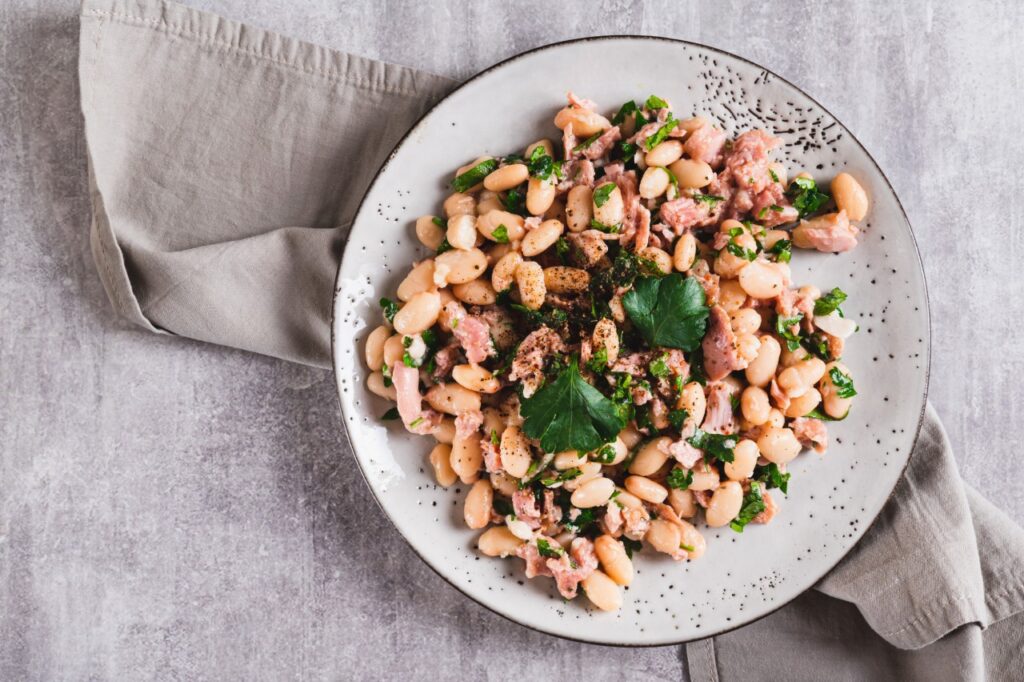
White beans perform best in warm salads because their creamy interiors readily absorb heat and seasoning. Sausage contributes fat and spice, which distribute more evenly when warm rather than congealing. Heat keeps beans tender instead of chalky and enhances aroma. This salad works in cold weather because it bridges the gap between salad and main dish, offering comfort without heaviness. Beans provide fiber and steady energy, while sausage adds depth and satiety. Warm preparation allows flavors to integrate fully, creating a cohesive, satisfying dish well suited to short days and low temperatures. It is especially effective as a one-bowl meal that requires little else to feel complete.
11. Warm Apple and Walnut Salad
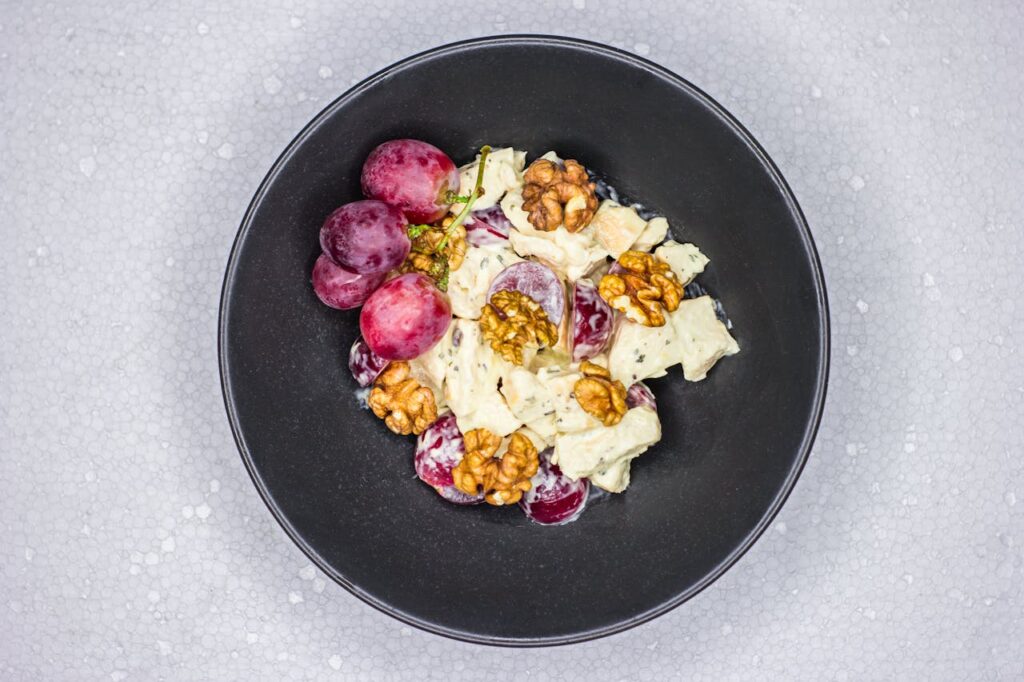
Apples transform when gently heated. Their structure softens while natural sugars concentrate, creating sweetness without added sugar. Warm apples release aroma, making the salad feel seasonal and inviting. Walnuts contribute fat and crunch that remain pleasant when lightly warmed rather than chilled. This salad belongs in cold weather because apples are harvested in the fall and store well into winter. Serving them warm highlights flavor and fragrance while keeping the dish from feeling like dessert or raw fruit. The result is balanced, comforting, and well-suited to colder temperatures. It works particularly well as a contrast to heavier winter meals.
12. Warm Broccoli and Cheddar Salad
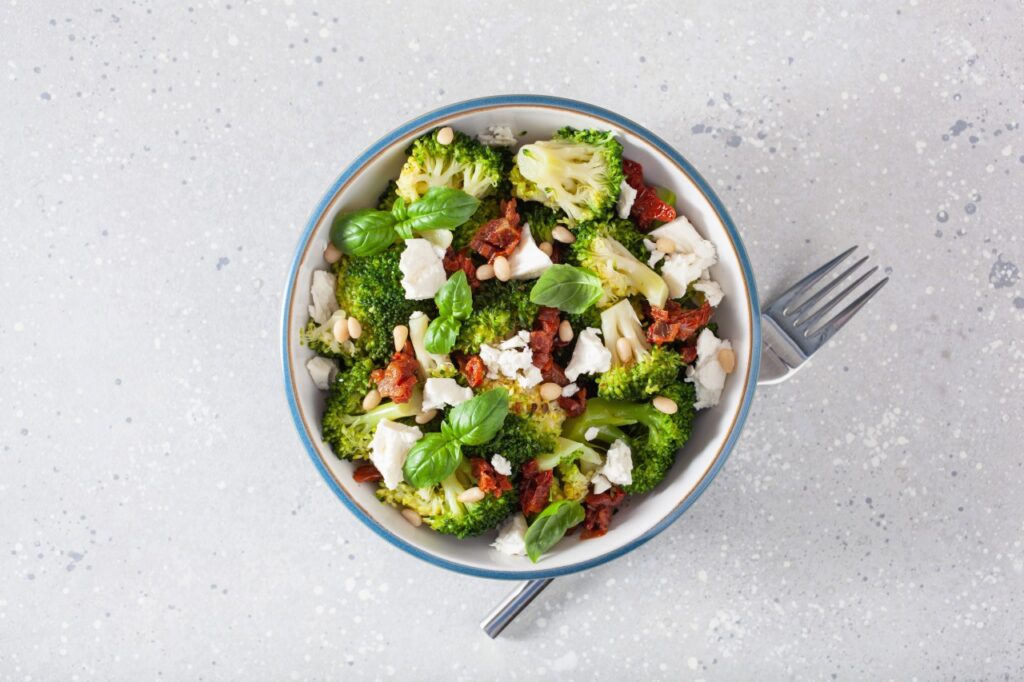
Broccoli retains texture and nutrients when lightly roasted or blanched and served warm. Heat reduces bitterness and brings out natural sweetness. Cheddar melts slightly when tossed with warm broccoli, coating florets evenly instead of clumping. This creates a balanced flavor without heaviness. Warm broccoli holds structure better than leafy greens, making it practical for winter meals. The combination works in cold weather because it delivers warmth, protein, and calcium while remaining approachable. Served warm, it feels comforting and substantial without crossing into indulgence. It also reheats well, maintaining texture and flavor.