10 Cocktail Upcharges Bars Slip Into Your Check

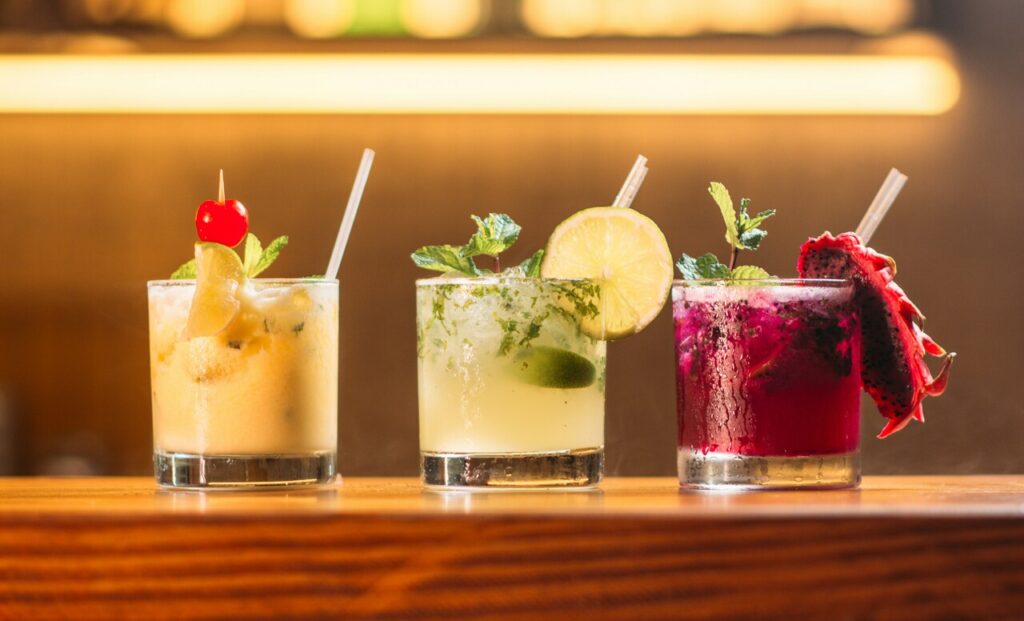
Ordering a cocktail can feel straightforward, yet small choices made at the bar often lead to bigger charges than expected. From premium liquor upgrades to extra mixers and presentation enhancements, bars use subtle pricing strategies that quietly raise the final check. Many of these add-ons happen during ordering, making them easy to miss until the bill arrives. Understanding these common upcharges reveals how cocktail pricing often reflects presentation, branding, and experience just as much as the drink itself.
1. Premium Liquor Upgrade Charges
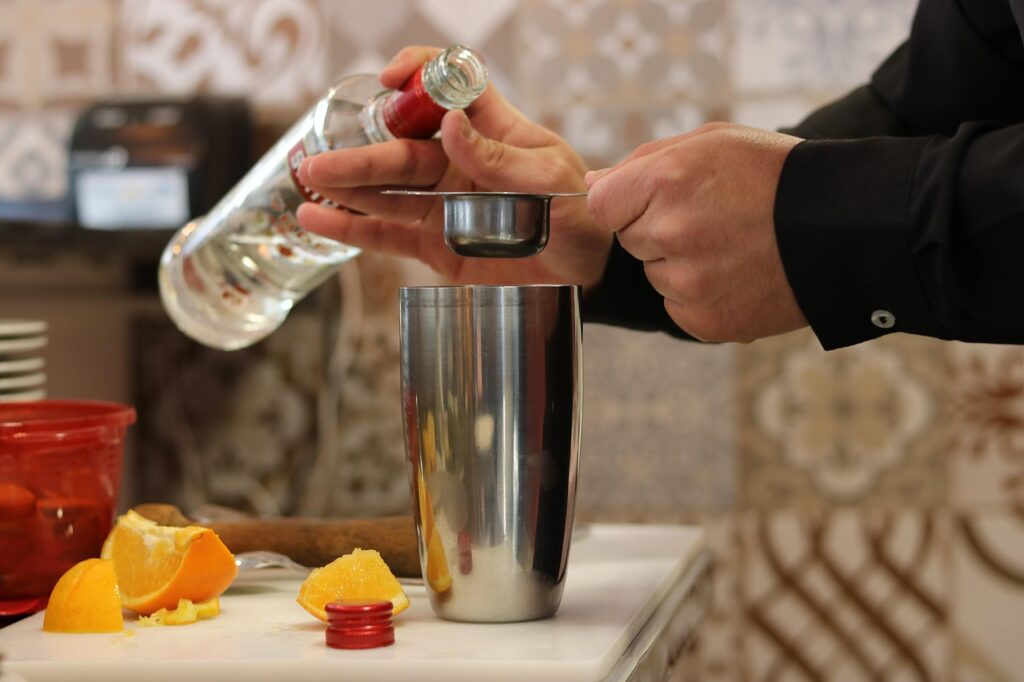
Ordering a cocktail often begins with a simple question from the bartender about the preferred brand. Choosing a recognizable premium label instead of the default house spirit can quietly raise the final bill more than expected. Many guests agree without asking about the price difference.
Bars structure pricing so that house pours remain the base rate, while name-brand or imported spirits carry a noticeable markup. The cost increase does not always reflect a dramatic change in portion size, only in brand selection.
Because the choice happens quickly during ordering, the upcharge may go unnoticed until the check arrives. Premium positioning and brand familiarity often justify higher margins, even when the cocktail recipe remains identical.
2. Double Pour or Large Measure Upcharge
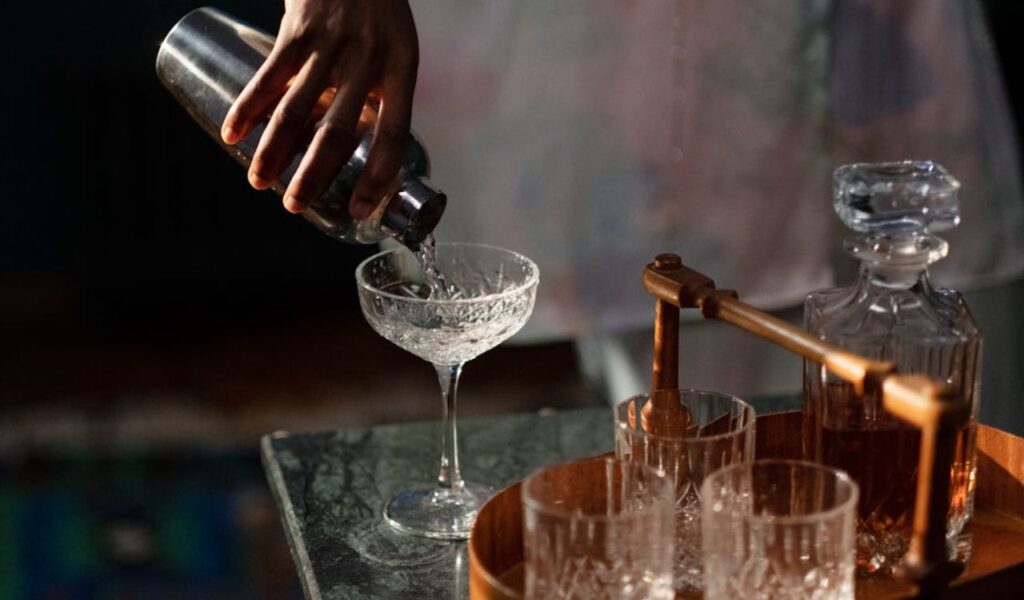
Requesting a stronger drink by asking for a double pour sounds straightforward, yet the price jump can exceed simply paying for two standard drinks. Bars frequently price doubles at a premium above proportional volume.
The reasoning lies in perceived indulgence and higher alcohol content, which bars treat as a premium experience rather than a linear increase in ingredients. Labor and glassware remain unchanged, but pricing reflects added value.
Customers seeking stronger cocktails should expect the bill to rise significantly. Without clear pricing listed, the final charge may feel surprising compared with the original menu price.
3. On The Rocks Modifier Price Increase
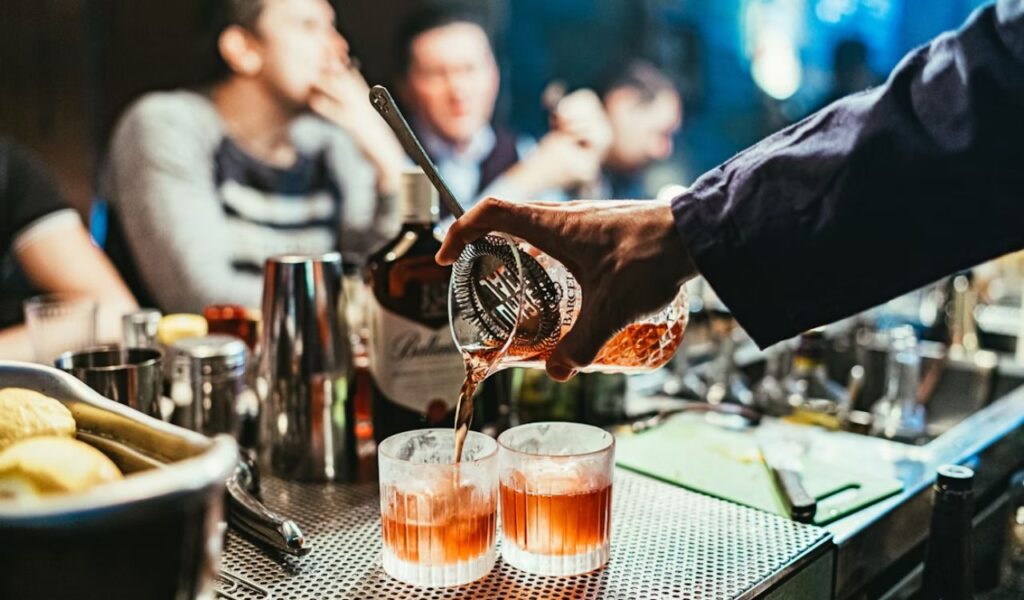
A simple modification like asking for a spirit served on the rocks instead of neat or in a mixed drink can sometimes trigger a pricing difference. Larger glassware and ice may alter the pour measurement or billing category.
Bars may classify certain preparations under different menu tiers, especially if portion sizes increase slightly. The change feels minor, yet the cost can rise depending on how the establishment structures its pricing.
Because menu details are not always explicit, customers may not anticipate these small adjustments. The final bill reflects preparation style as much as the base spirit ordered.
4. Extra Mixers or Juice Add-On Fees
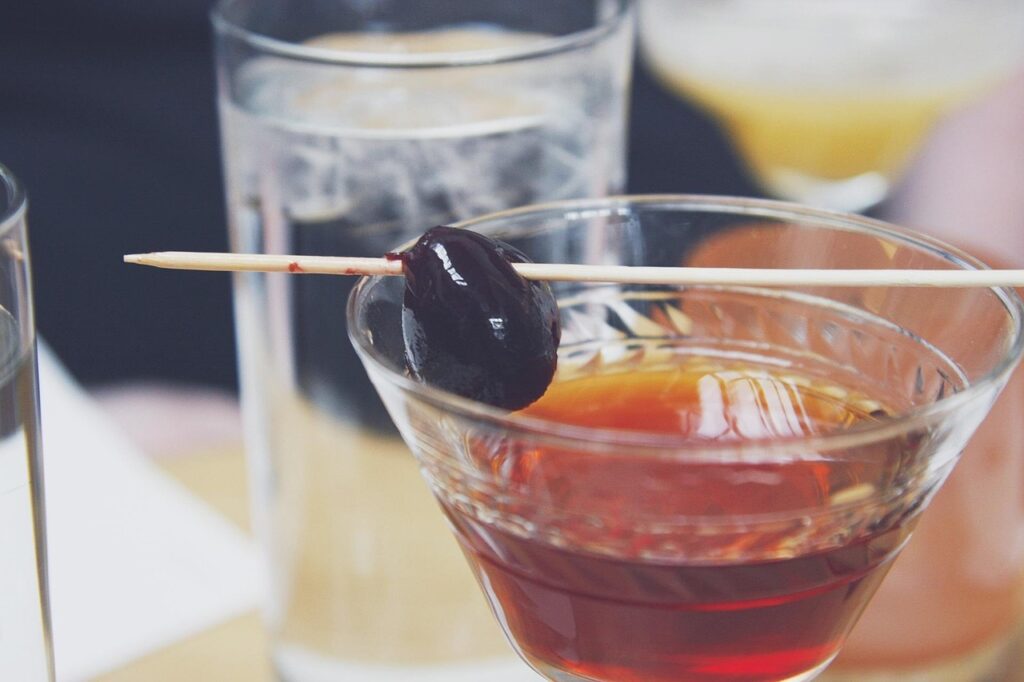
Adding extra juice, soda, or specialty mixers to a cocktail may seem like a minor request, but bars often treat additional ingredients as chargeable items. Premium tonic, fresh juice, or craft sodas frequently carry their own price points.
The markup reflects supply cost and brand positioning, particularly when higher-end mixers replace basic options. What appears to be a simple splash can add several dollars to the final total.
Without clarifying in advance, guests may assume mixers are included in the cocktail price. Detailed billing reveals how small additions accumulate into noticeable increases.
5. Special Garnish or Presentation Charges

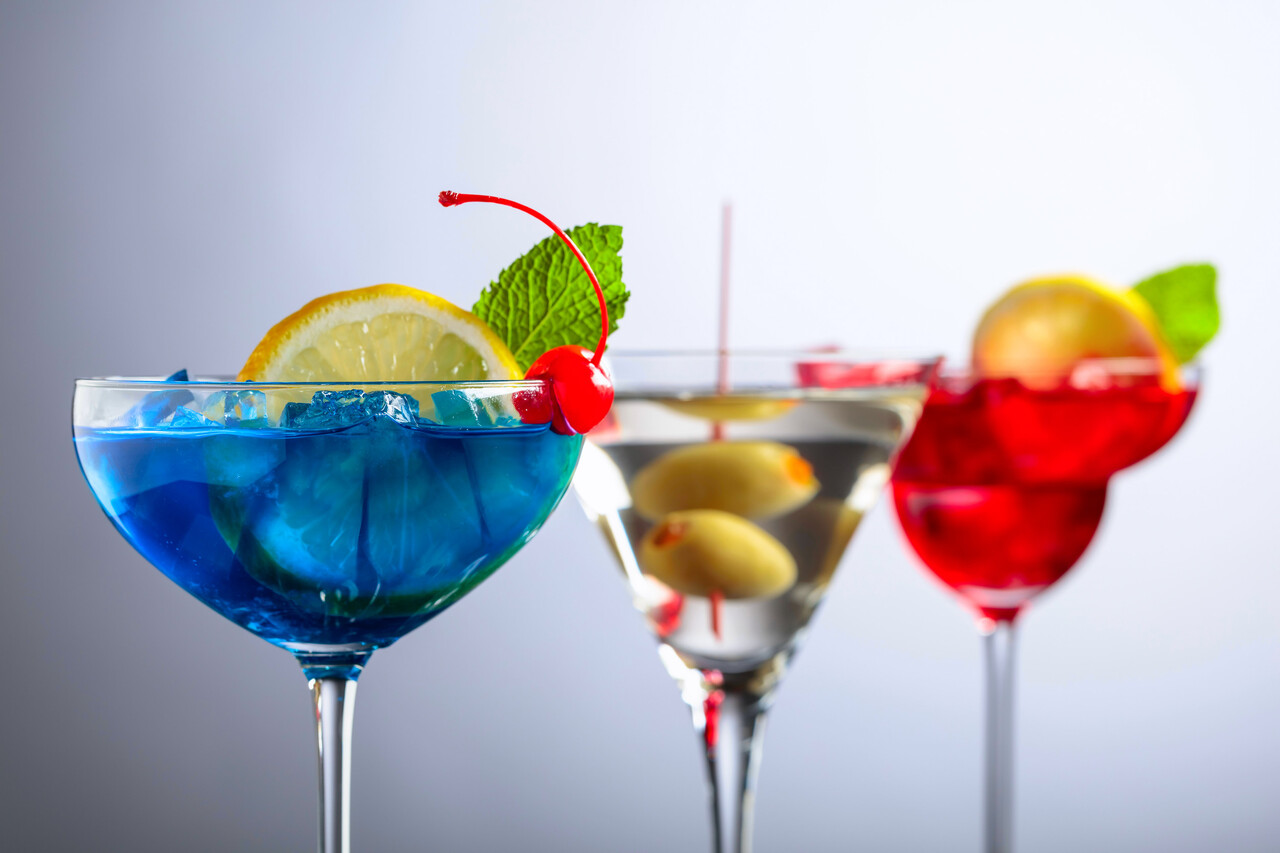
Cocktails featuring elaborate garnishes or decorative presentation often carry higher menu prices, even if the base ingredients remain similar to simpler drinks. Unique glassware, dried fruit, herbs, or smoke effects add visual appeal.
These enhancements require extra preparation time and materials, which bars factor into pricing. Customers pay for the experience and aesthetics, not just the liquid in the glass.
While presentation enhances enjoyment, it also raises margins. Guests drawn to visually striking drinks may not realize how much of the cost reflects styling rather than alcohol content.
6. Top Shelf Brand Substitution Upcharge
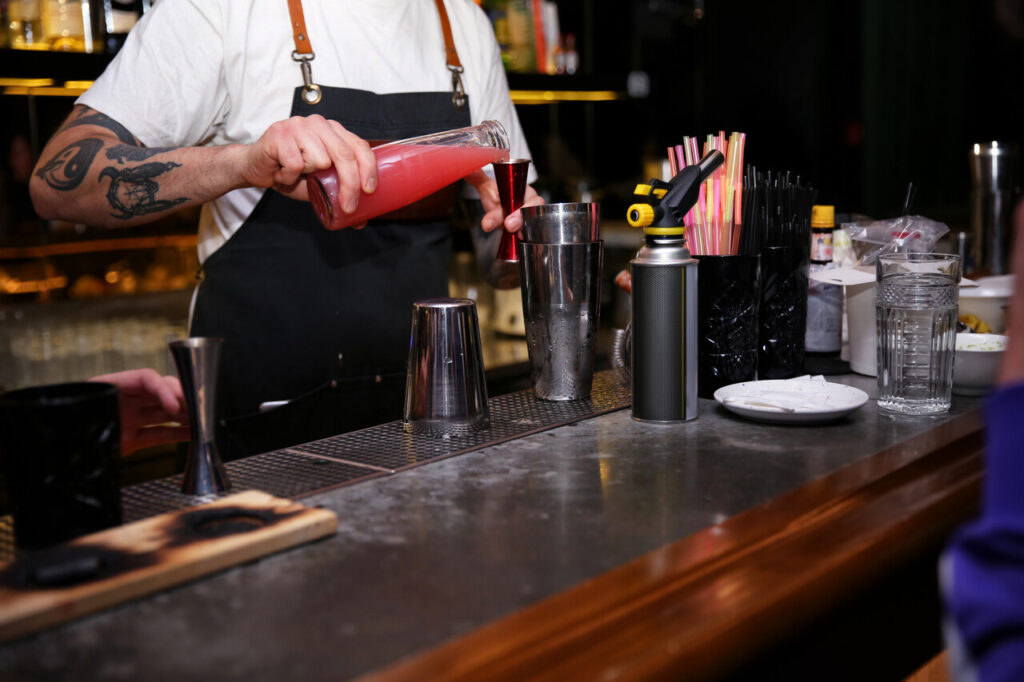
Switching from house liquor to top-shelf spirits during ordering can significantly increase the final check. Even subtle suggestions from bartenders can influence brand choices that cost more.
Bars rely on tiered pricing models where premium brands generate higher profit margins. The drink recipe stays consistent, yet brand reputation drives a noticeable difference in cost. Liquor placement on menus often reflects profitability as much as flavor profile.
Because substitutions happen verbally, pricing clarity may be limited. Customers often notice the impact only when reviewing the bill, realizing that brand selection shaped the final total.
7. Signature Cocktail Pricing Premium
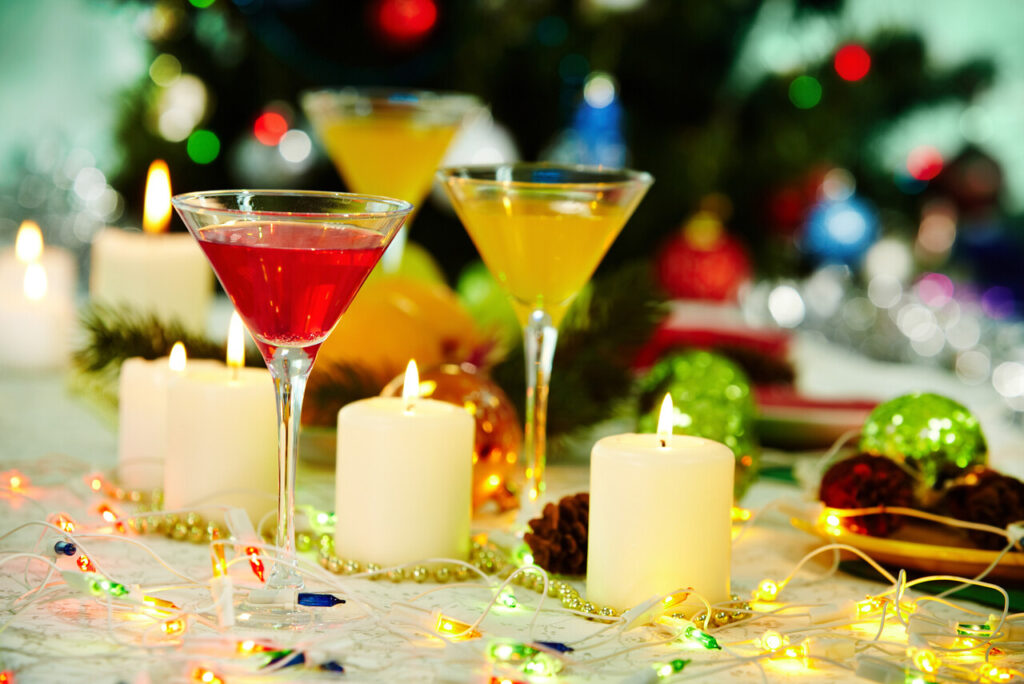
Signature cocktails often cost more than standard mixed drinks, even when ingredient lists overlap. Unique names, house infusions, or custom syrups allow bars to justify higher pricing tiers.
The premium reflects creativity and exclusivity rather than significant differences in base alcohol cost. Guests pay for originality and branding tied to the establishment’s identity. Signature cocktails often justify higher prices through presentation, rare ingredients, or house-made components that feel distinctive.
These drinks often appear as highlights on menus, drawing attention through description and design. The storytelling element supports pricing that exceeds simple ingredient value.
8. Incorrect Quantity or Pour Size Billing
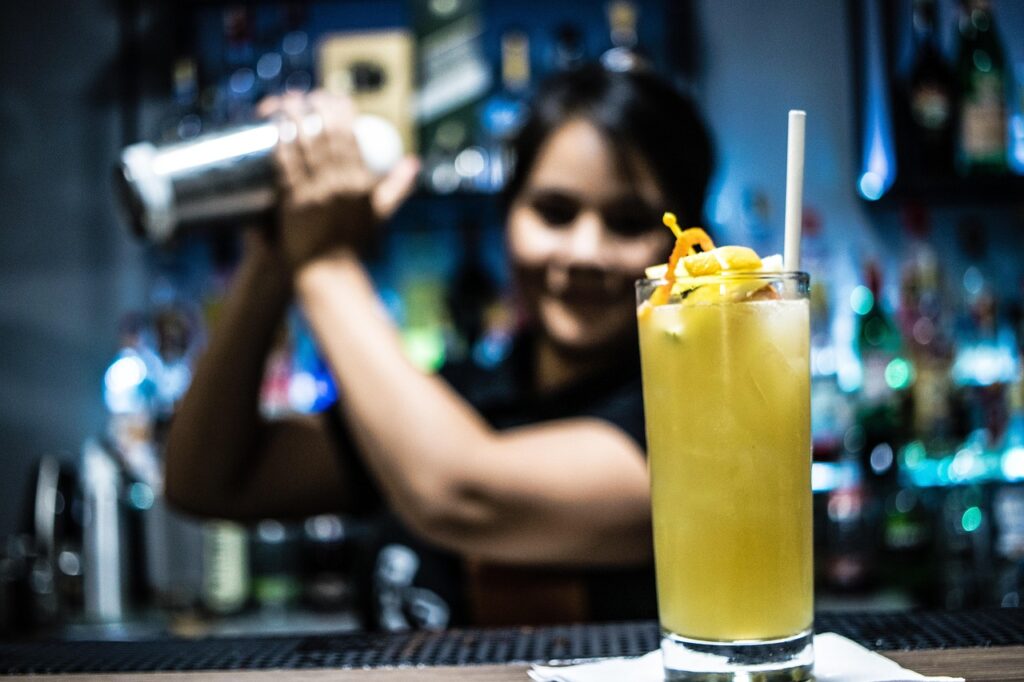
Occasionally, discrepancies in billed quantities arise when pour sizes are not clearly communicated. Customers may believe they ordered a standard drink but receive a bill for a larger measure.
Confusion can stem from glass size or assumptions about volume. Without clear measurement labeling, misunderstandings affect final charges. Taller glasses can appear to hold more liquid even when the pour remains standard. In dim lighting, guests may misjudge portion size based on visual cues alone.
Ice levels and garnish placement also influence perceived quantity. Careful review of the check helps prevent surprises. Transparency around pour size protects both customer expectations and pricing clarity.
9. Bottle or Mixer Price Overcharging
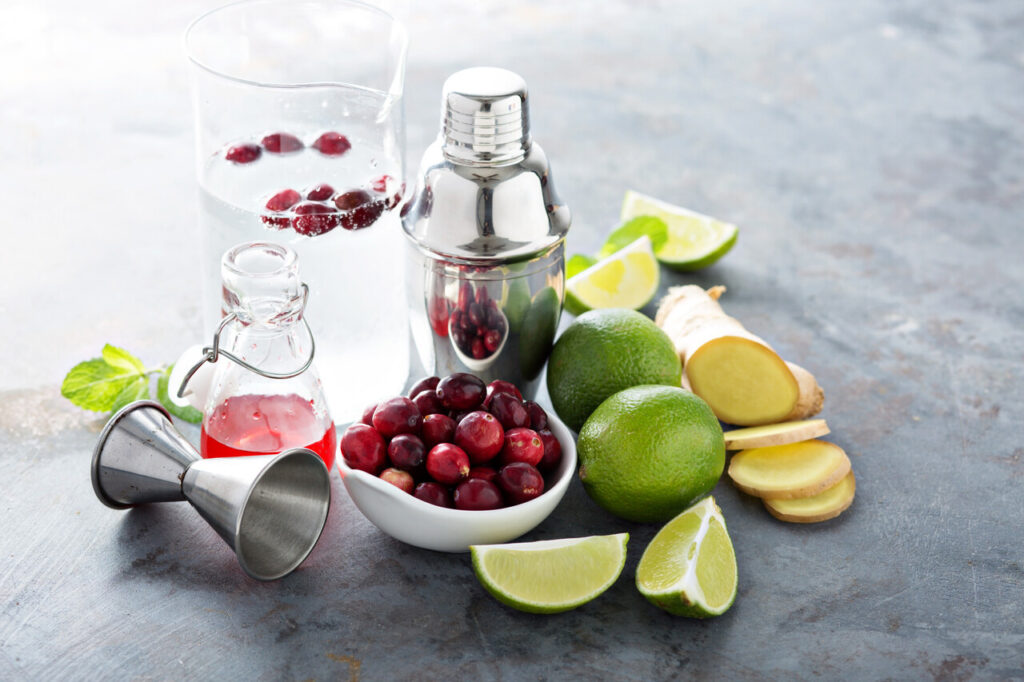
In some cases, bars charge premium rates for bottled mixers or specialty beverages paired with cocktails. Items such as imported tonics or branded sodas carry separate markups.
The added cost reflects supplier pricing and perceived quality. However, guests may assume these mixers fall within the cocktail’s standard price.
Over time, small additions create noticeable increases in total spending. Awareness of mixer brands and pricing categories can reduce unexpected upcharges. Premium tonics, specialty sodas, and flavored syrups often carry separate pricing tiers that are not always obvious when ordering.
10. Service or Experience-Based Cocktail Premiums
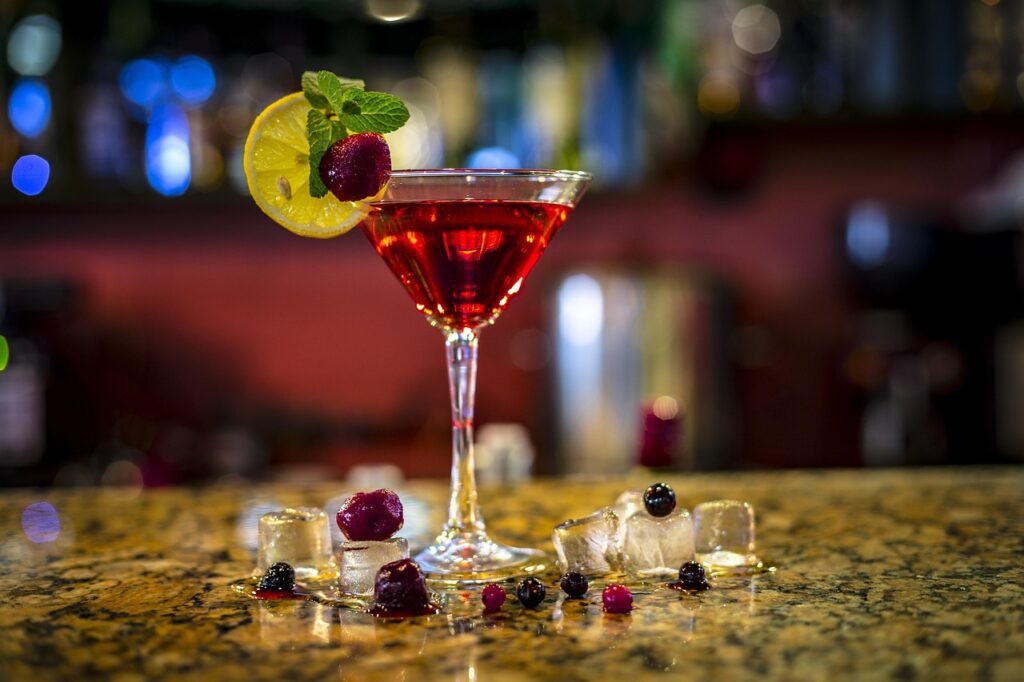
Atmosphere often plays a subtle role in cocktail pricing. Rooftop views, live music, or upscale interiors allow bars to set higher price points for otherwise standard drinks.
Customers willingly pay for ambiance and social setting, accepting elevated menu prices as part of the experience. The drink becomes one component of a broader evening out. Lighting, music, decor, and location all contribute to perceived value.
The social environment can justify costs that might seem high in isolation. This structure means similar cocktails can vary significantly in price across venues. The premium reflects environment and positioning rather than ingredient difference alone.