9 Fast Food Hacks Employees Hate and Will Mess Up Your Order For

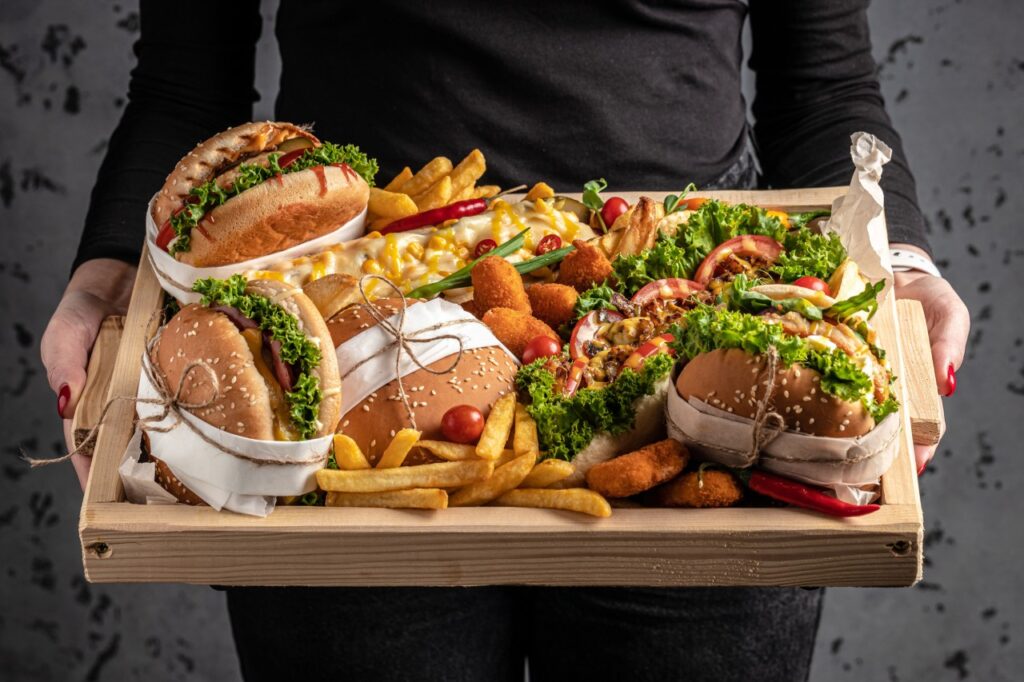
We all love a clever shortcut, especially at the drive-thru. Social media is packed with fast food “hacks” that promise fresher fries, bigger portions, or secret menu upgrades. It feels like beating the system in the smartest way possible.
But behind the counter, fast food runs on timing, repetition, and carefully designed workflows. What seems like a harmless trick can quietly throw that system off balance.
This guide looks at the hacks employees quietly dread, not out of spite, but because they increase errors and slow everything down. Knowing how the system works might just help you get a better order.
1. Fresh-Off-The-Grill Requests Slow the Entire Line
Speed is the backbone of fast food. Kitchens are designed around batch cooking, timed holding bins, and tightly choreographed assembly stations. When a customer asks for everything made fresh during a rush, it interrupts that engineered flow.
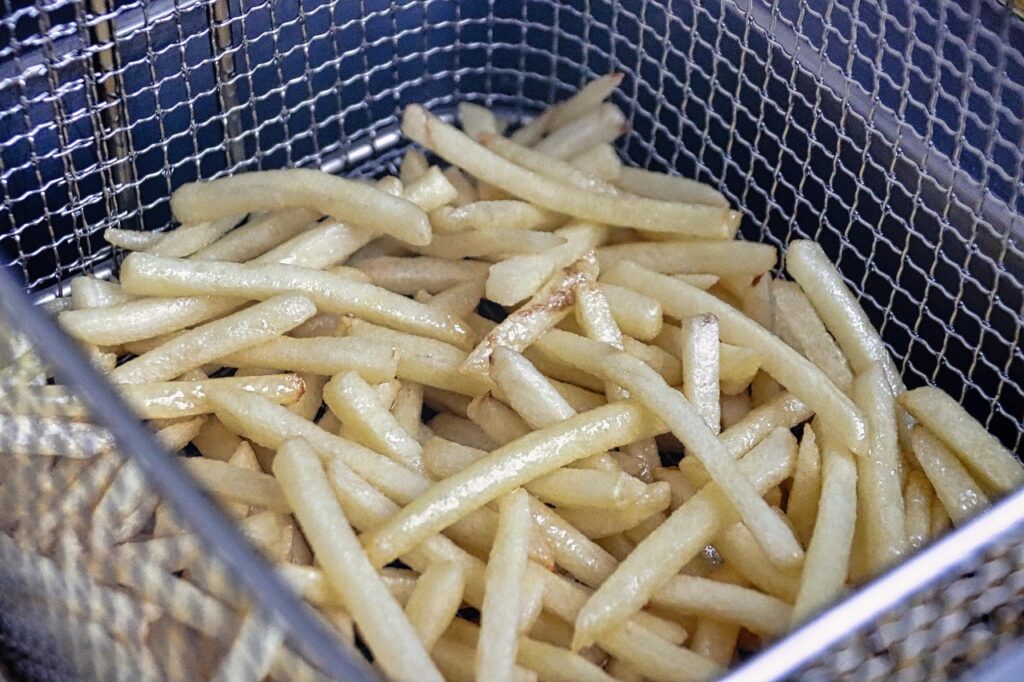
Fries may need a new fry cycle, patties a new grill run, and the ticket must be flagged separately. While that happens, other completed items may sit waiting, cooling or crowding the counter. The delay spreads beyond one tray.
Employees often rush to catch up, which increases human error. Sauces are forgotten, toppings misplaced, and sides swapped. What begins as a request for extra freshness can end in a less accurate order overall.
2. Extreme Customization Breaks Muscle Memory
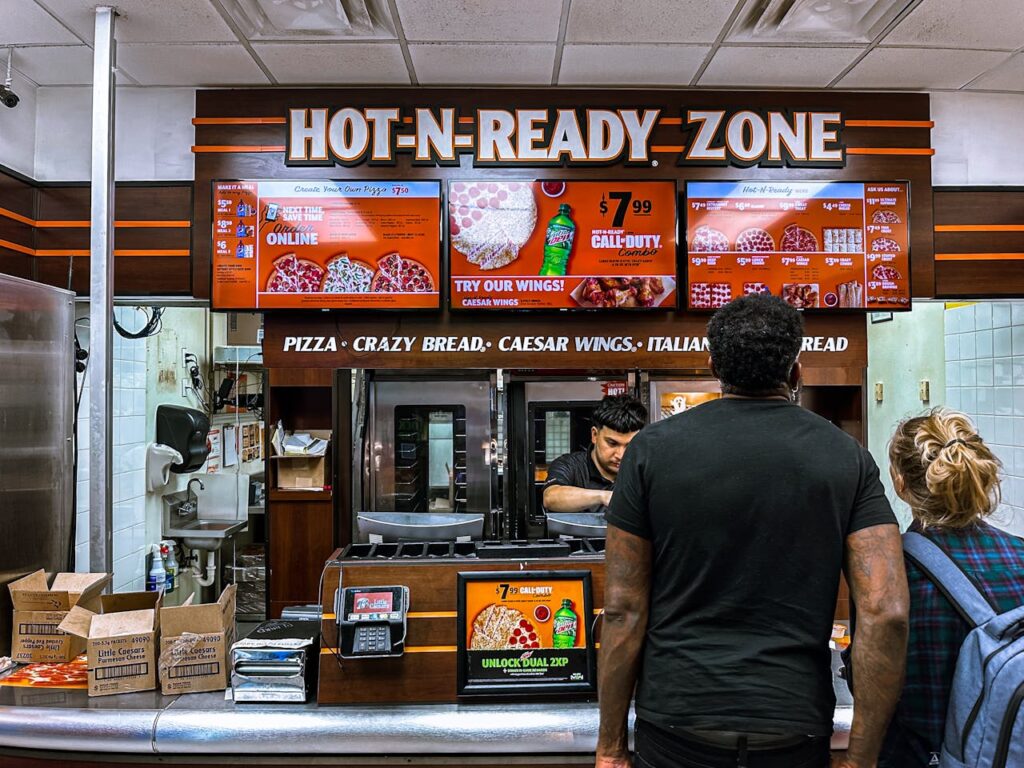
Fast food workers rely on repetition. Building the same sandwich hundreds of times per shift creates speed and consistency through muscle memory. Remove one topping and it is manageable. Rewrite the entire ingredient list and that rhythm disappears.
Every substitution forces the assembler to pause and reread the screen. That pause may seem small, but in a high-volume setting it adds pressure from both the timer and the growing line.
The more detailed the customization, the greater the chance something is missed. A forgotten sauce or wrong bun is rarely intentional. It is usually the byproduct of a system designed for standard builds, not complex rewrites.
3. Secret Menu Orders Create Guesswork
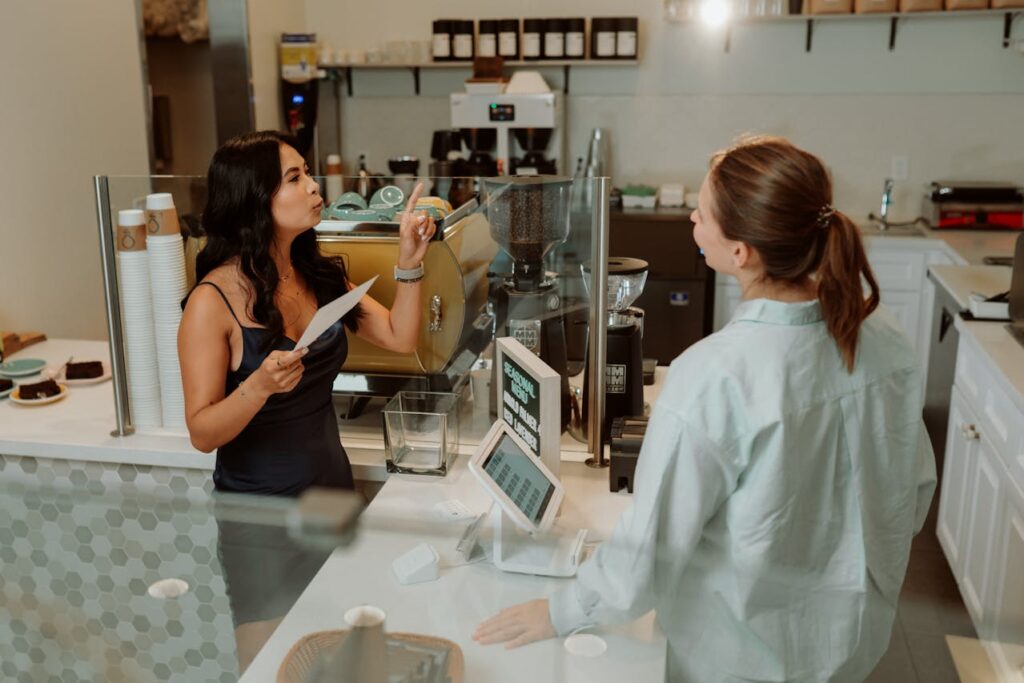
Many secret menu hacks come from social media rather than official training guides. Employees are taught specific menu builds with precise ingredient quantities and placement. When a customer orders an unofficial item, there is no standardized recipe to follow.
Staff must interpret the request using available ingredients and internal codes. One location’s version may differ from another’s because there is no corporate blueprint.
That lack of clarity increases inconsistency. If the hack depends on exact layering or specific ratios, the result may not match expectations. The confusion is structural, not personal.
4. The No-Salt Trick Adds Extra Steps
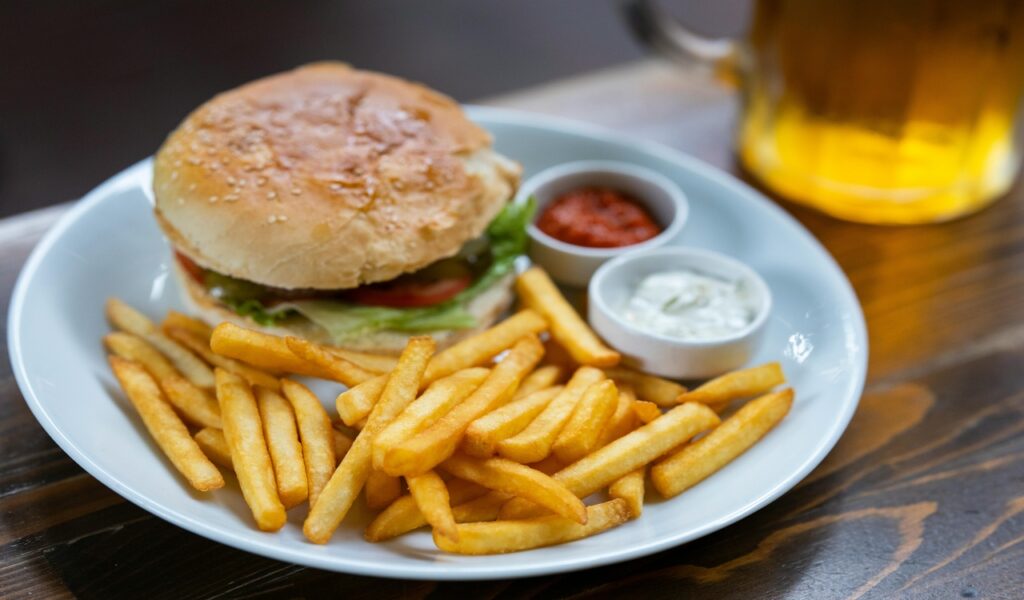
Ordering fries without salt to force a fresh batch is a widely shared hack. It works because fries are salted right after frying and then held under heat lamps. A no-salt request requires a separate fry cycle and often a cleaned scoop to avoid salt contact. That interrupts the fry station’s rhythm.
During peak hours, fryers run on tight timing patterns. Staff monitor multiple baskets and coordinate with the sandwich station so orders are ready together. Adding a special batch forces employees to track extra timers and adjust sequencing.
That added coordination increases mental load. While the fries may come out fresh, another part of the order may be rushed or mistimed. The system is built for flow, and small detours can increase mistakes.
5. Repackaging Combos Interrupts Workflow
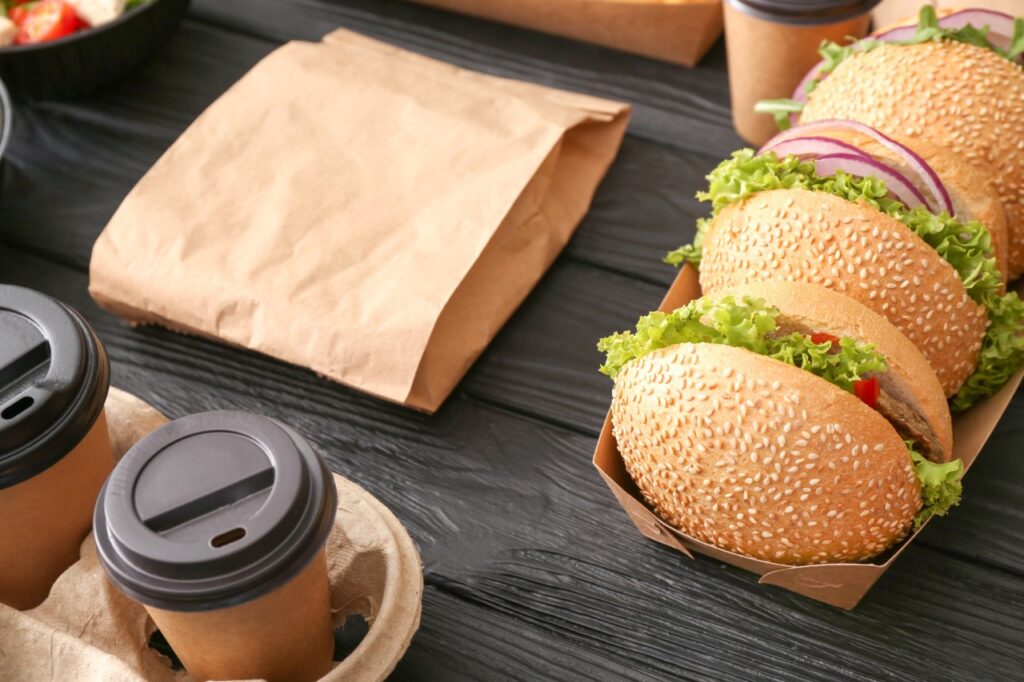
Fast food packaging follows a standardized system designed for speed. Combos are bagged in specific sizes, drinks are positioned in preset carriers, and receipts are matched quickly to trays or drive-thru windows. Asking to split one combo into separate containers disrupts that streamlined pattern.
Employees must locate additional bags, redistribute items, and often reprint or double-check receipts. That pause may seem minor, but in a high-volume environment every second matters.
When routine is broken, attention shifts from repetition to problem solving. In that transition, small details can slip through. A missing sauce, straw, or side item often happens not because of frustration, but because the workflow was temporarily restructured.
6. Last-Minute Orders Collide With Closing Procedures
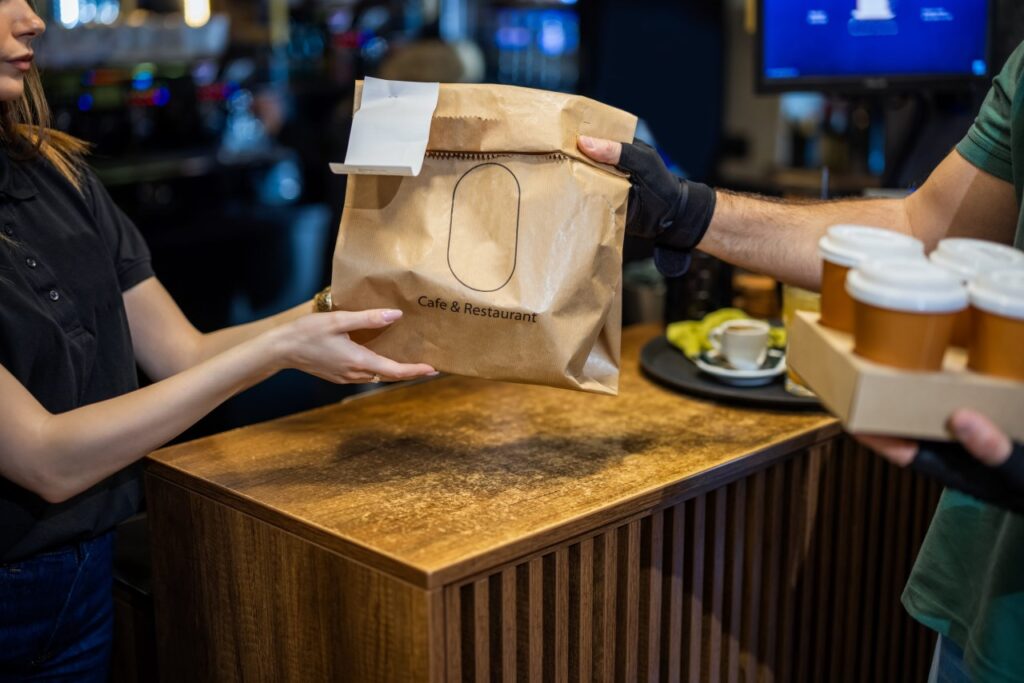
Closing a fast food restaurant follows a strict checklist. Equipment is cleaned, food quantities are reduced to limit waste, and certain stations are powered down in stages. Staffing levels are often leaner late at night.
When an order arrives minutes before closing, grills or fryers may need to be reheated and ingredients reopened. That reversal interrupts sanitation schedules and extends labor time.
Employees must now balance finishing the order accurately with completing mandatory closing tasks. Divided attention increases the likelihood of oversight. Mistakes at this hour are rarely intentional. They are usually the result of compressed timing and operational strain.
7. Arguing for Off-Menu Changes Adds Pressure

Register systems in fast food chains are tightly controlled. Pricing, discounts, and ingredient swaps are preprogrammed. When customers insist on expired promotions or unsupported combinations, staff cannot override the system without manager approval.
The conversation shifts from assembly to negotiation. While that discussion unfolds, other orders continue stacking on kitchen screens.
Workplace studies show that stress and multitasking increase error rates. Even if the request is accommodated, the interruption can affect concentration. The final order may suffer not from resentment, but from the mental load created during the exchange.
8. Surprise Bulk Orders Overwhelm Capacity

Fast food kitchens are built for rhythm. Grill space, fryer baskets, prep tables, and staffing levels are balanced to handle a steady stream of orders. When a customer suddenly orders dozens of burgers or large bundles without notice, that balance shifts. The system is not designed for surprise surges.
Large orders require staggered cooking cycles. Patties rotate on limited grill space, fryer baskets overlap, and holding trays fill quickly. Communication between stations increases as staff try to align timing so food finishes together.
To keep the line moving, employees often speed up assembly. When speed replaces repetition, precision can slip. Incorrect counts, missing toppings, or forgotten sides become more likely under pressure.
9. Changing the Order at the Window Disrupts the Queue
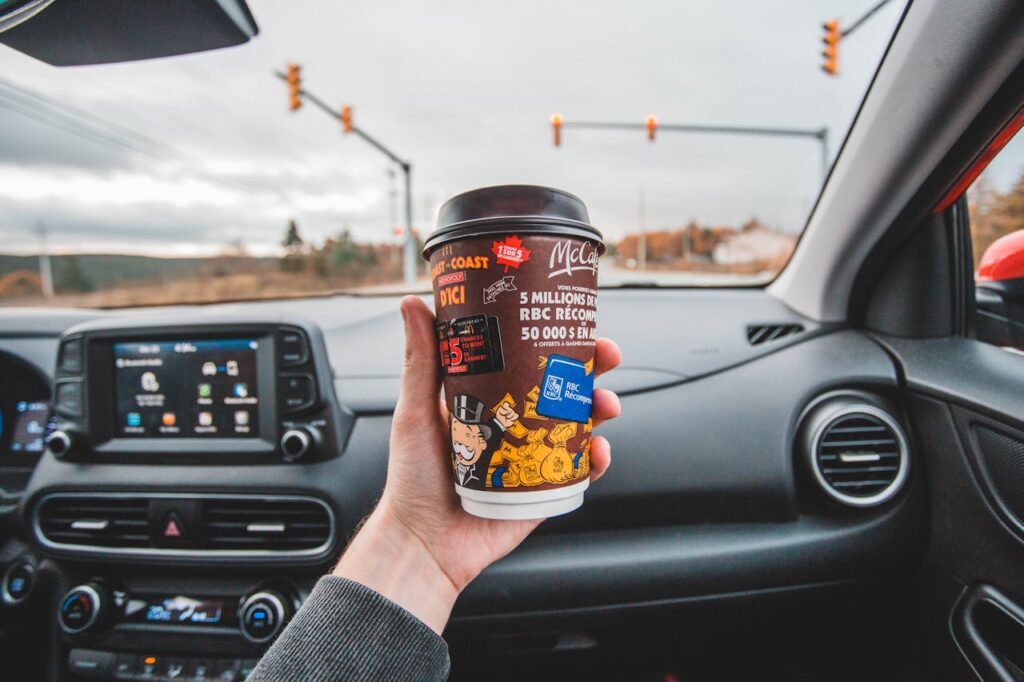
Drive-thru lanes operate on sequencing and timing. Orders are entered through headsets, sent to kitchen screens, and prepared in the order received. This structure keeps cars moving and prevents backups. A last-minute change at the pickup window disrupts that timed chain.
When an item is swapped or added late, the ticket must be reopened and the kitchen notified. Food already prepared may need to be remade, while other orders continue moving through the queue.
Meanwhile, cars stack up behind. With timers tracking speed and multiple meals in motion, even small edits increase confusion. The more adjustments made at the window, the higher the chance of mismatched bags or missed additions.